Capability Statement
Prepared for Prepared for Seymour Whyte
May 2026
Introduction General
Thank you for the opportunity to present this brief capability statement which details a cross-section of our skills and experience, and showcases a selection of our recent projects.
About Us (typically use first)
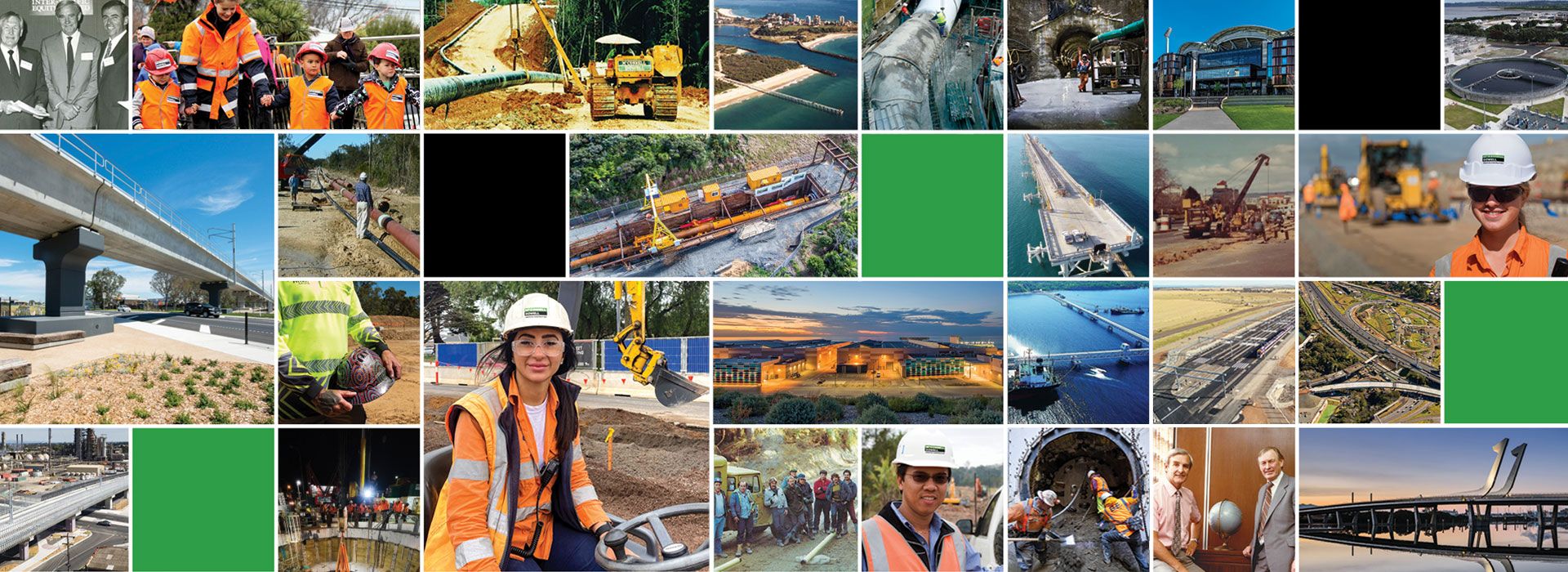
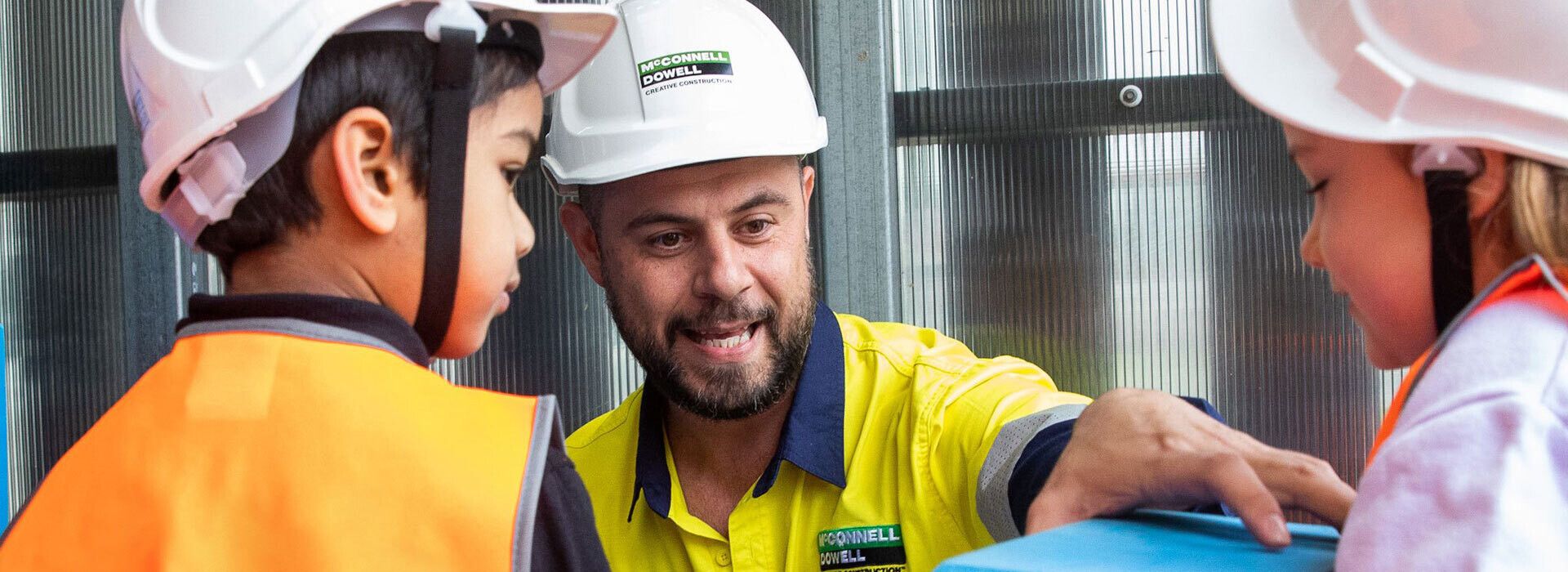
For over 65 years customers have been coming to McConnell Dowell with complex projects that require innovative solutions. That's why we're known as the Creative Construction company.
From remote resources and energy projects to city-shaping infrastructure, we've built thousands of quality assets and facilities.
Engineering-led, our expertise has grown steadily to span building, civil, electrical, fabrication, marine, mechanical, pipelines, rail, tunnel and underground construction..
Purpose & Values (typically use 2nd or 3rd)
We are a Purpose and Values driven organisation. These define what's important to us, guide our decision making and unite us behind a common goal.
Our Purpose is Providing a Better Life.
We do that through delivering projects that connect, sustain and enhance communities, and through providing career opportunities that challenge, reward and grow our people.
We also have five company values that guide our behaviours and decisions. Our values are:
Our Approach (typically use 2nd or 3rd)
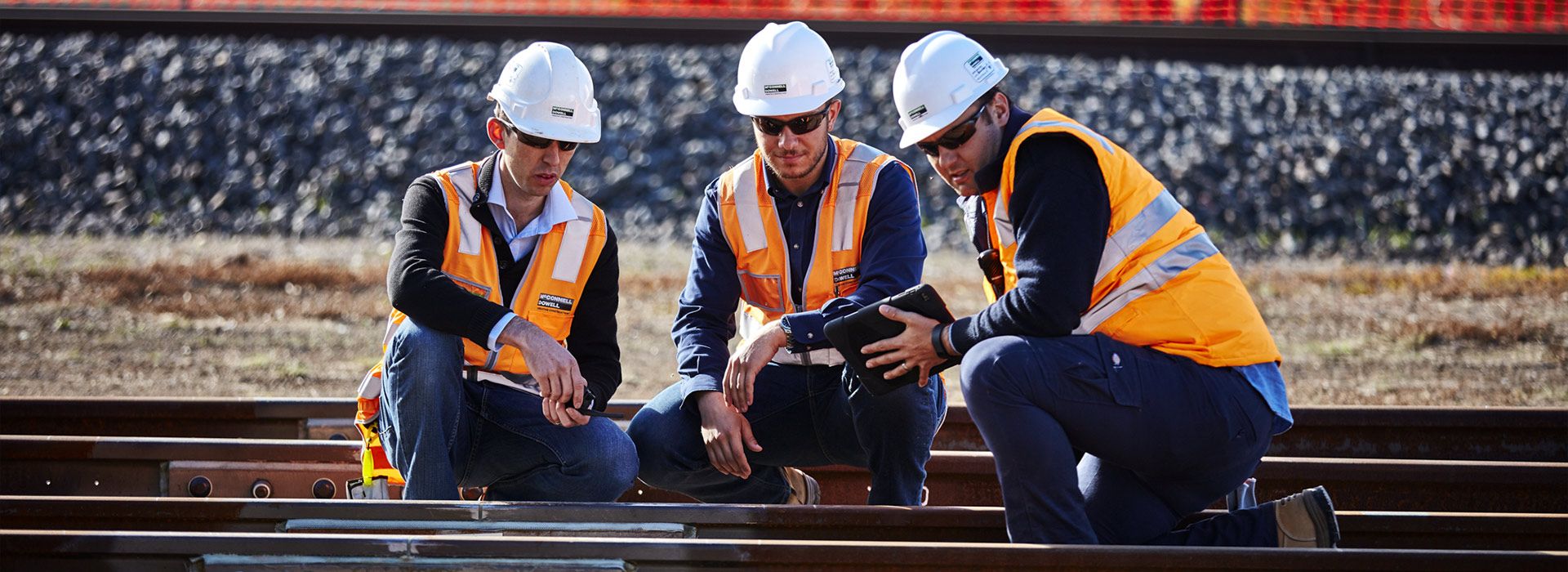
We approach every project with a focus on creativity and certainty - seeking the right blend of innovation and safe, proven approaches so we can exceed our customers' expectations.
We also understand that construction today is as much about community and sustainability as it is about concrete and steel. Our unwavering objective and commitment is to deliver what we promise to our customers, while protecting and enhancing our people, the community and the environment.
Our Solutions (typically use 4th to 8th)
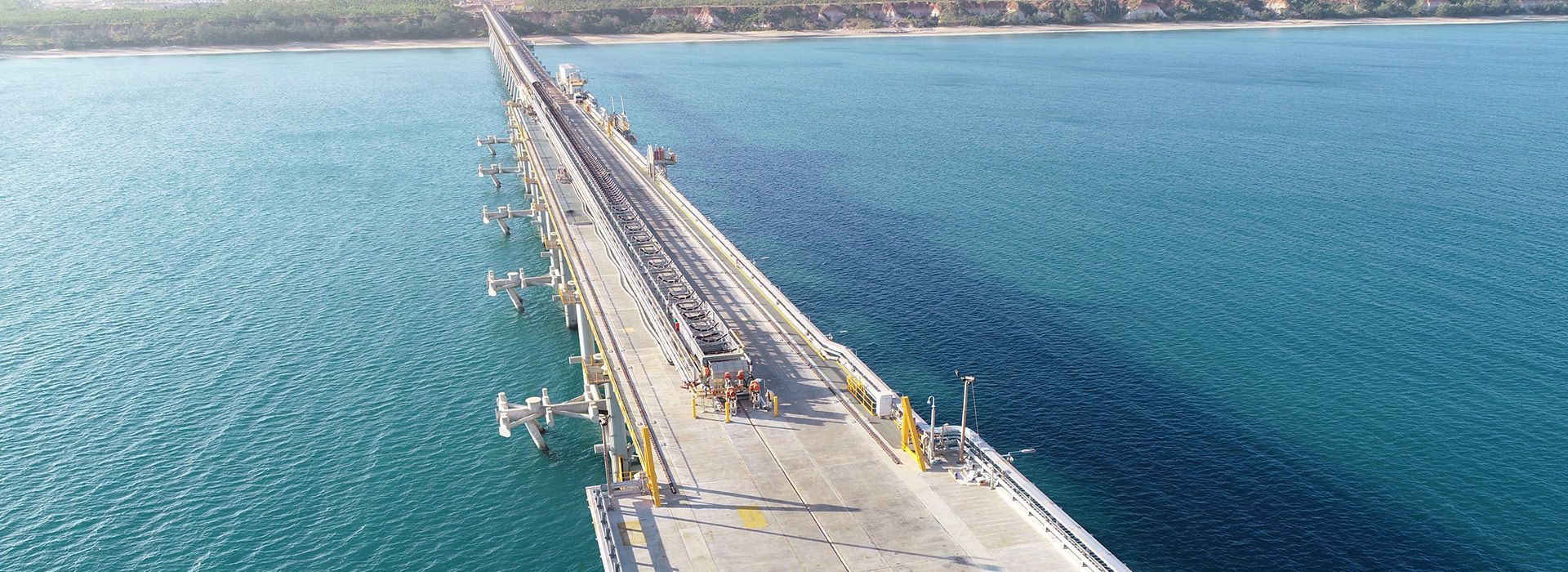
We offer our customers engineering and construction solutions in transport, water & wastewater, ports & coastal, energy, resources, and building.
Our services encompass the complete project lifecycle—from early concept design to commissioning and ongoing maintenance. We tailor each solution to suit our customer's specific project objectives and preferred delivery approach.
NSW & ACT Intro (typically use 4th to 8th)
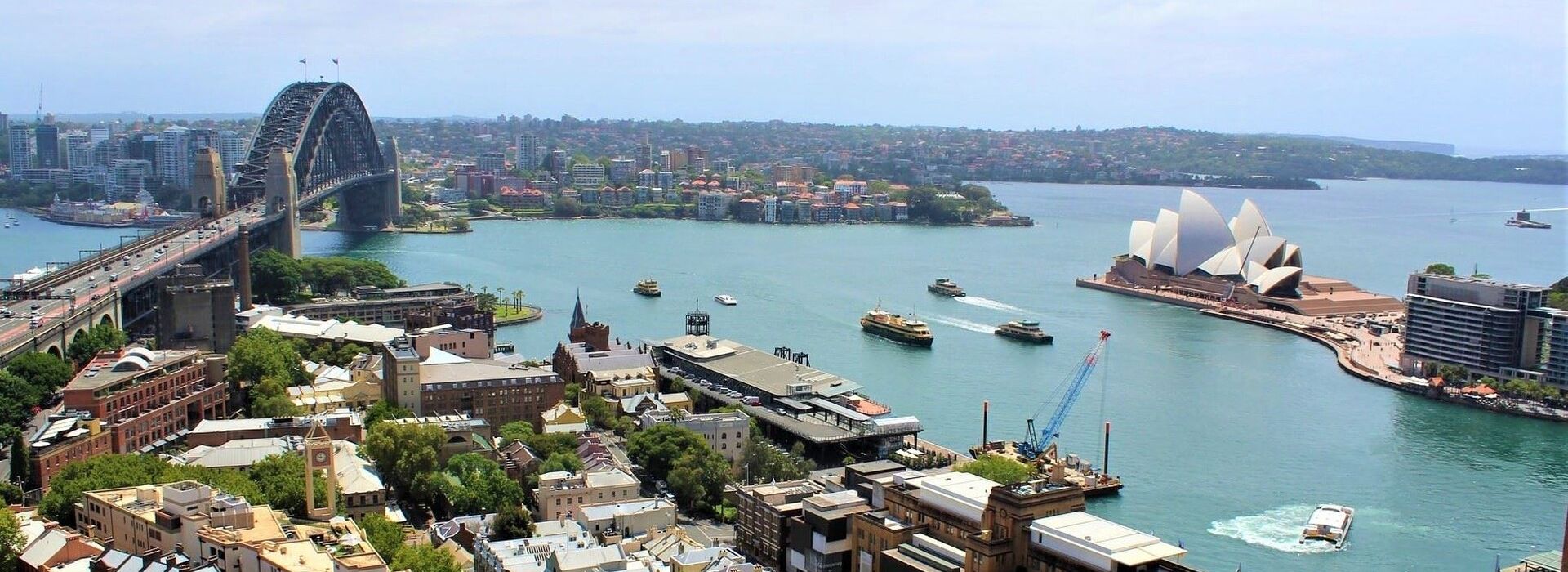
Since completing our first project in Sydney in the 1970s, we've delivered a diverse range of projects throughout New South Wales and the ACT.
Urban projects have included construction of two new recreational wharves at Kamay (Botany Bay); the design and installation of complex subsea pipelines for the Sydney Desalination Plant; the transformation of Penrith's CBD through the Mulgoa Road upgrade; and the refurbushment of the Overseas Passenger Terminal in the iconic Circular Quay.
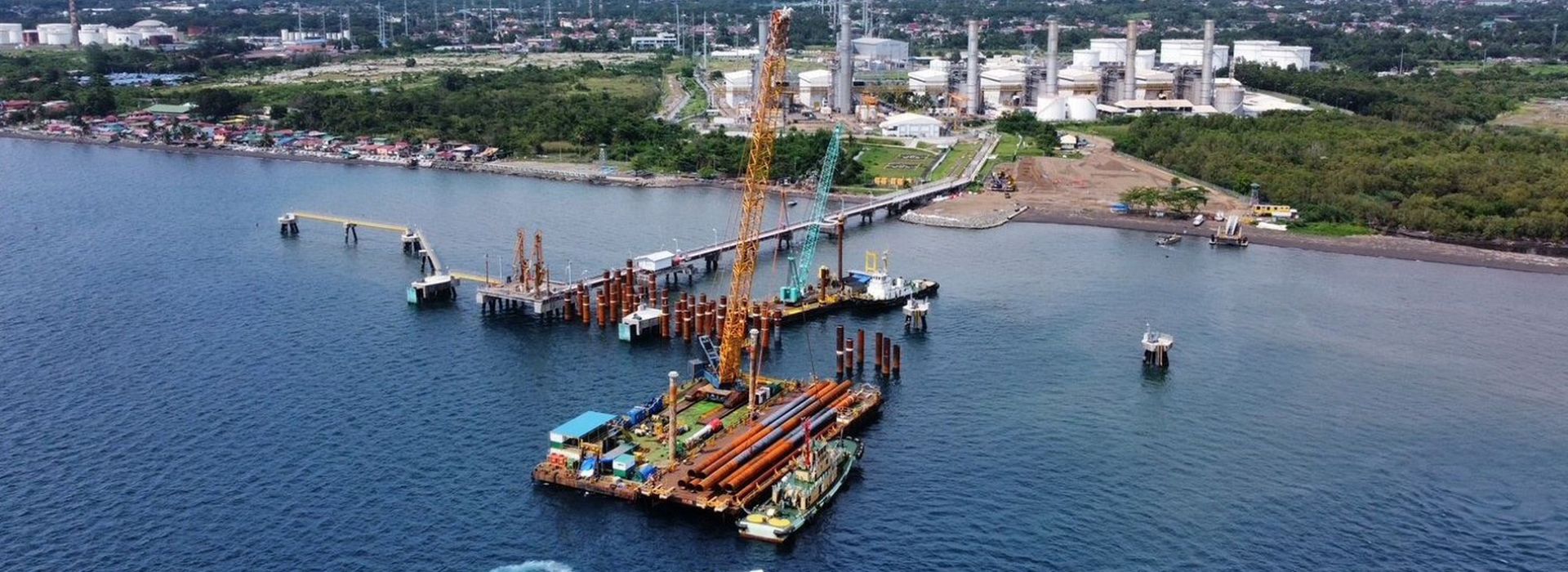
Regionally, the company has constructed a new LNG gas import terminal and a tug boat facility at Port Kembla in Wollongong; upgraded the Hume Dam in Albury; duplicated the Pacific Highway between Kempsey and Kundabung; and supported ARTC with track upgrades in the Hunter Valley.
Marine
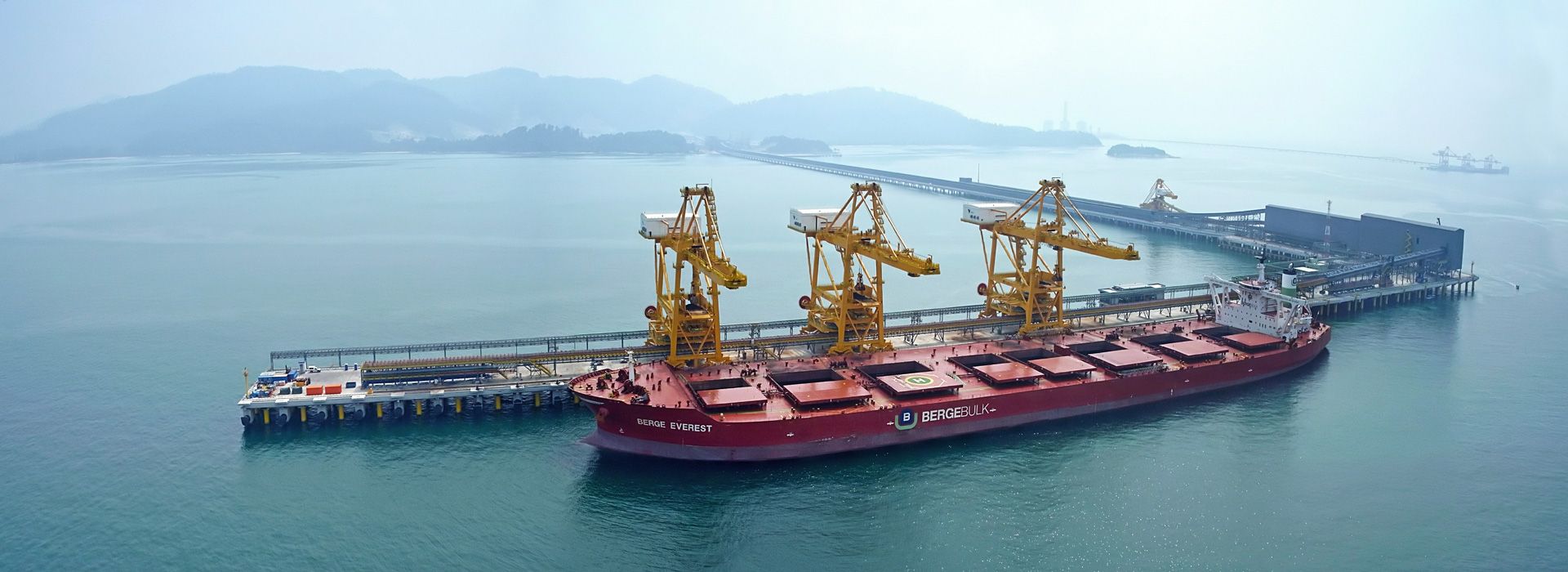
With over 330 marine projects completed across six decades, McConnell Dowell is synonymous with marine infrastructure.
From wharves and jetties to ocean outfalls, breakwaters, and submarine pipelines — we bring coastal confidence to every project.
Our modular approach to construction has helped create productive ports for clients like Rio Tinto, FMG, Vale, and BHP, where over 1.2 billion tonnes of iron ore are shipped annually from wharves we built.
We thrive in complex, operational environments — delivering innovative temporary works and safe, efficient methods that protect people, environment, and productivity. From purpose-built barges to proven marine systems, we engineer safe harbours with precision and care.
At McConnell Dowell, we don’t just build marine infrastructure — we deliver it with certainty, creativity, and a commitment to results.
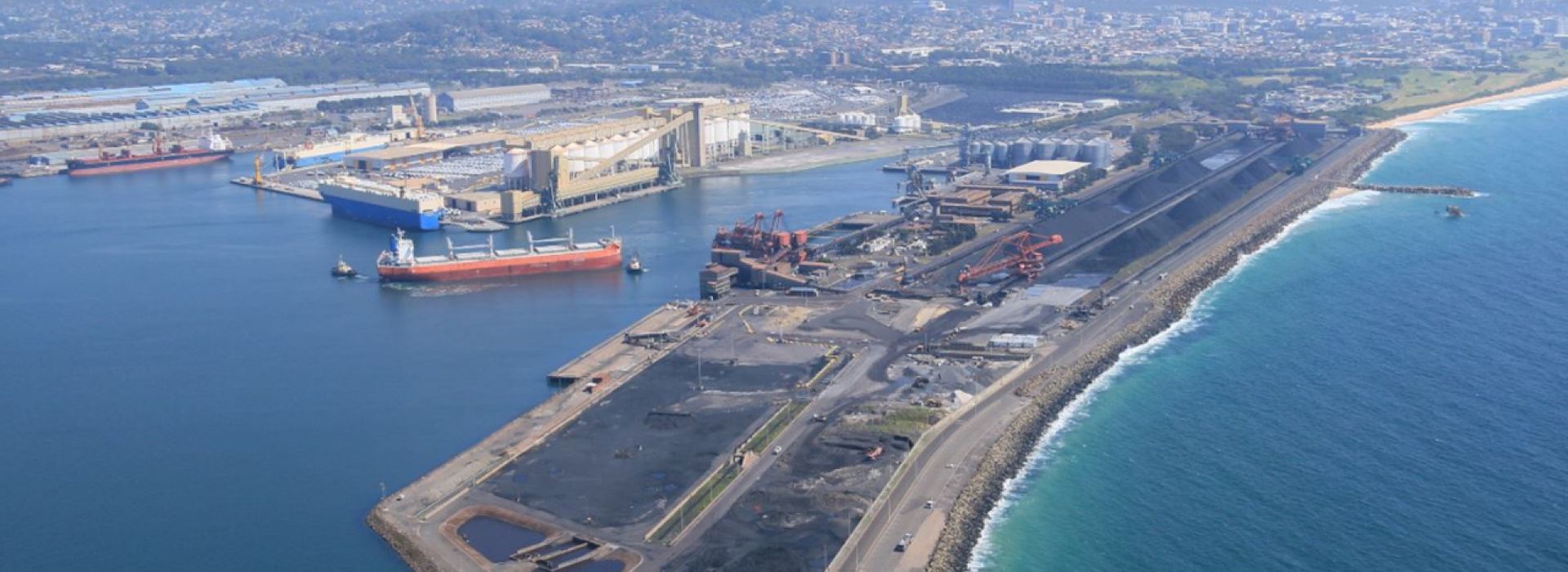
Port Kembla Energy Terminal
Converting disused coal terminal to provide flexible energy supply
Engaged by Squadron Energy, one of Australia’s leading renewable energy companies, we helped establish a new gas import facility at Port Kembla to bring flexible additional energy supply to the eastern seaboard of Australia.
The facility, built on an abandoned coal export terminal, has the capacity to supply more than 70% of NSW’s gas needs.
Fast Facts
- New gas import facility
- Two contracts completed - marine works and onshore receiving facilities
- Marine works involving 160 piles, each 1500 mm diameter
- Over 500 sheet piles
- Nine mooring dolphins
- Expected capacity: 130PJ annually
Kamay Wharves
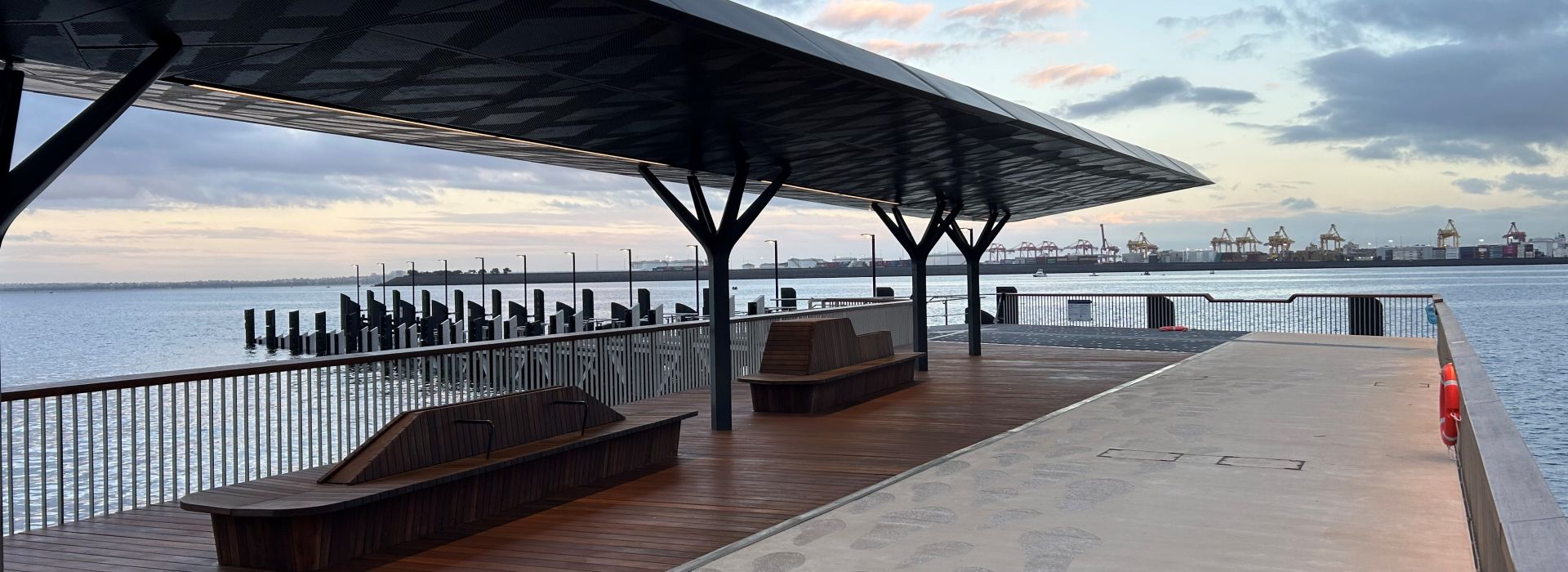
New amenities for Botany Bay
We successfully delivered two new wharves at La Perouse and Kurnell on Botany Bay (Kamay) for the NSW Government. These modern structures replace the original wharves, which had been in operation from the 1890s until 1974, when severe storms rendered them beyond repair.
The Kurnell site holds deep historical and cultural significance. As the first landing place of Captain James Cook, it is a key part of Australia’s colonial history. Equally important, the area remains a place of enduring cultural heritage for First Nations people. To honor this, the wharf designs incorporate large-scale artworks by local Aboriginal artists, creating a meaningful connection to Country.
Fast Facts
- Two new recreational wharves
- 180 m long wharf at La Perouse
- 230 m long wharf at Kurnell
Overseas Passenger Terminal
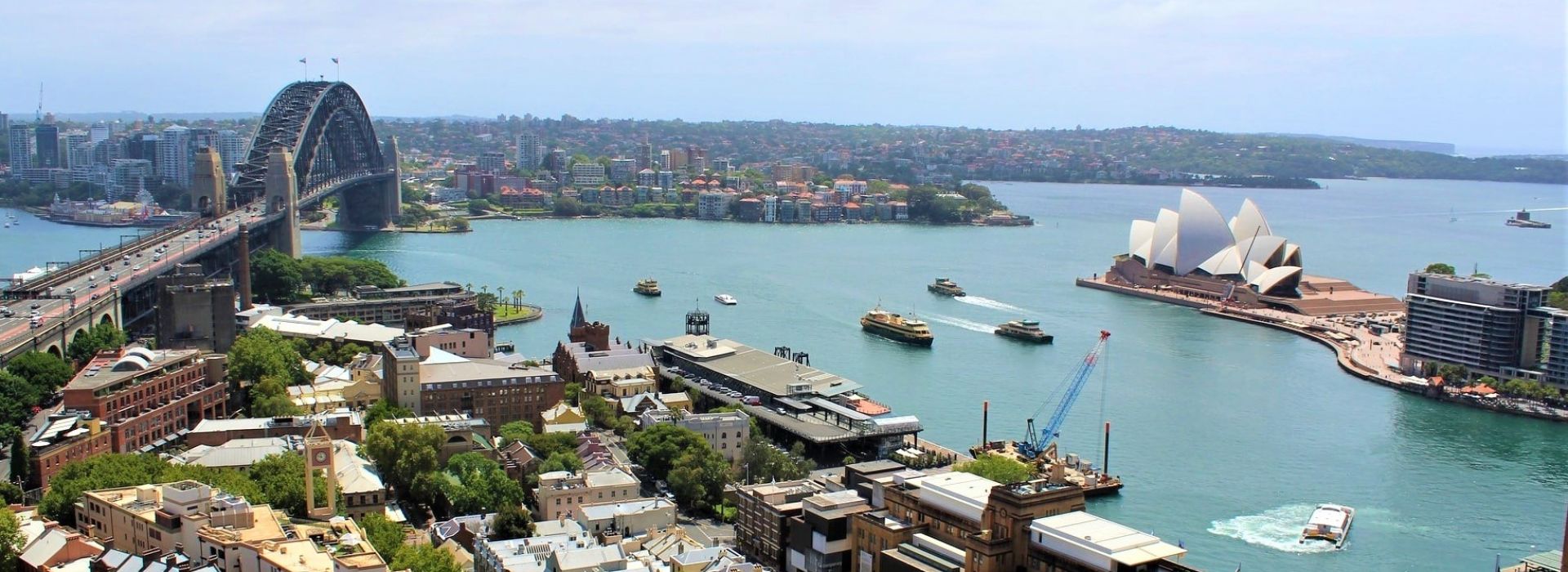
Improving Sydney's public passenger terminal for cruise ships and ocean liners
Working for the Port Authority of New South Wales we delivered a series of improvements to the Overseas Passenger Terminal (OPT), located in the iconic Circular Quay area of Sydney Harbour.
Built in 1960, the OPT is located in one of Australia’s busiest waterways. Over time, natural processes and vessel activity have caused scouring, accretion and movement of materials on the seabed around the terminal’s wharf.
Fast Facts
- Underwater sheetpile installation
- Scour protection design and installation
- Berth pocket dredging
- Dreging disposal
- Managing Contractor for archaeological investigations and artefact cataloguing
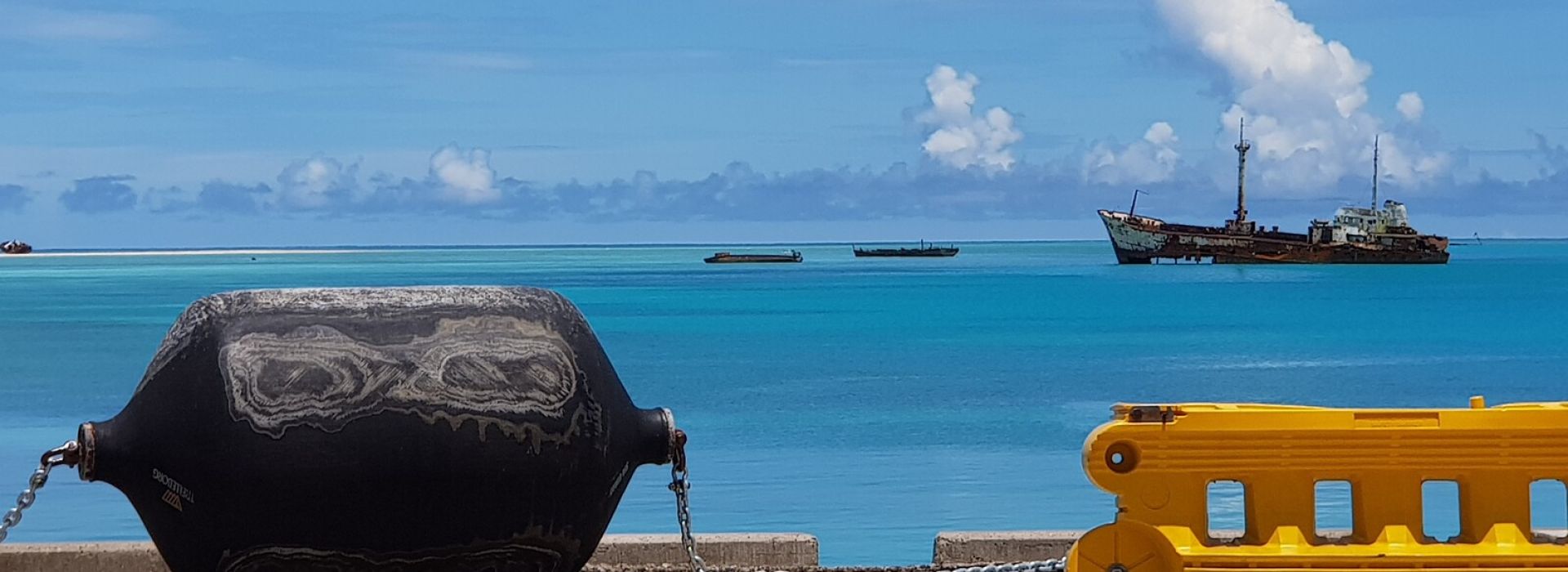
Pacific Maritime Security Programme
Supporting security and safety in nine nations
Improving marine infrastructure for nine Pacific Island countries as part of the Australian Government’s Pacific Maritime Security Programme (PMSP) fits perfectly with our vision: Providing a Better Life.
This project also demonstrated our ability to deliver logistically challenging marine projects across the Pacific.
Fast Facts
- wharf upgrades across nine Pacific Island nations
- custom construction activities at each wharf location
- includes piling, dredging, concrete and steel construction,
- facilities will accommodate new Guardian Class Patrol Boats (GPBs)
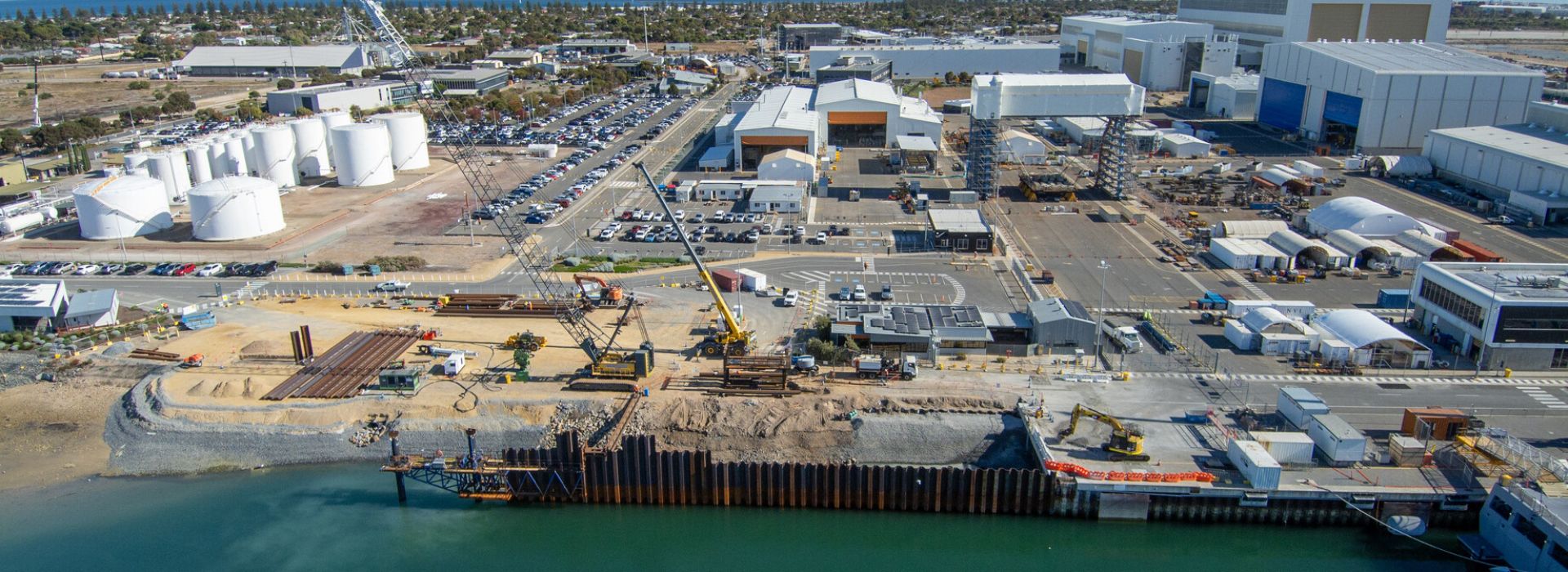
CUF Marine Development Works
Supporting Australia's shipbuilding capacity
Fast Facts
- Construction of 80 - 100 m land backed wharf
- 40,000 m3 of dredging
- Berth kiosk services, including water and eletrical supplies
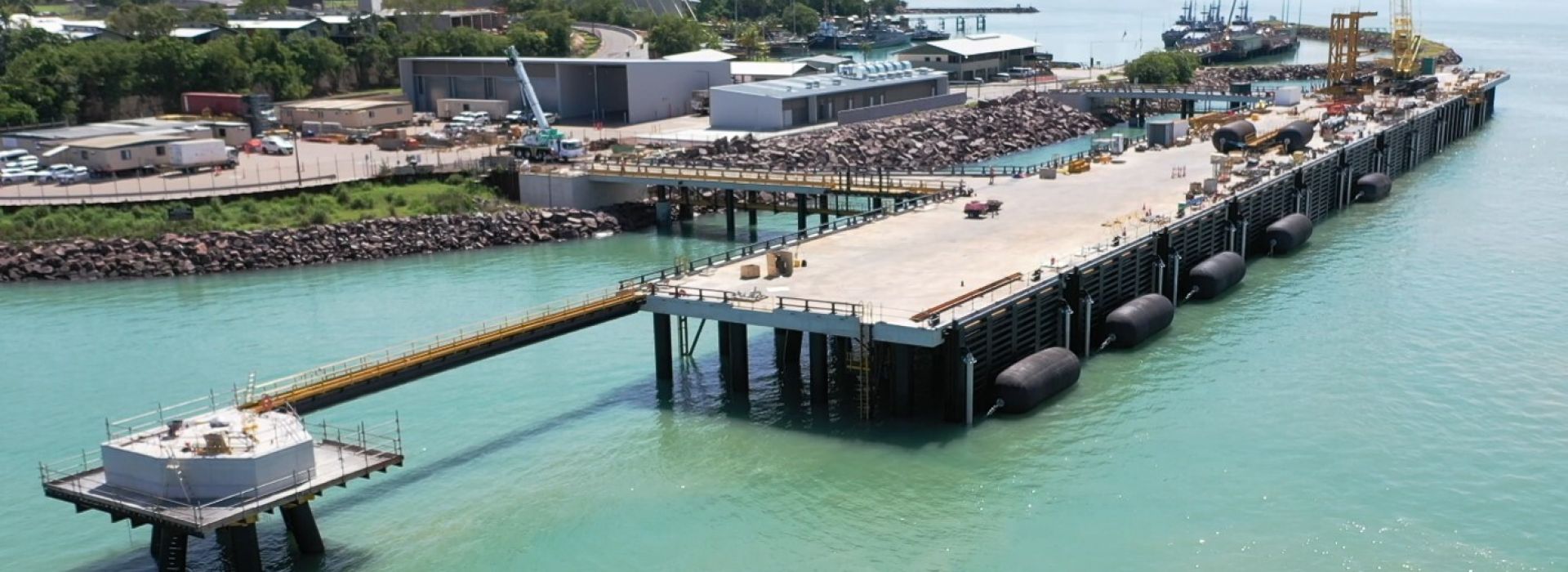
HMAS Coonawarra
New wharf and approach jetties to support the Australian Defence Force
We refined the initial concept design and constructed a new outer wharf structure at HMAS Coonawarra in Darwin to support the Australian Defence Force (ADF). The project involved the construction of a new 250 m long wharf and two approach jetties.
While the final structures are simple in their geometry and configuration, the site location and operational requirements were challenging.
Fast Facts
- 250 m long wharf
- Two approach jetties
- Enhancing ADF's maritime defence capability
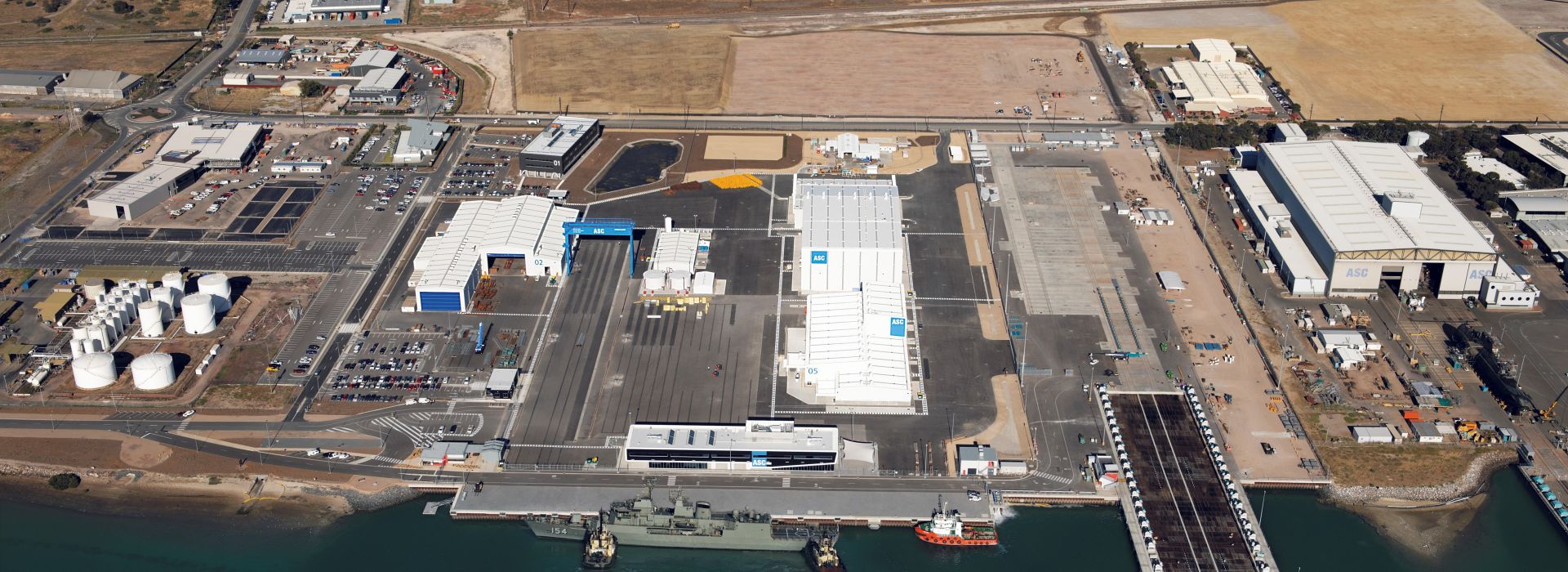
Common User Facility (Techport)
In one of the first Early Contractor Involvement (ECI) contracts in Australia, we designed and delivered the Techport Australia Common User Facility - a new state-of-the-art shipbuilding and maintenance complex on the Port River at Osborne, South Australia. We delivered it in joint venture with our building company, Built Environs (the MDBE JV).
The project was rolled out in two stages. In the first stage, our team worked in collaboration with design and technology partners and DefenceSA to develop the final design and risk adjusted price.
Fast Facts
- 213 m long, 25 m wide wharf
- 450,000 m3 material dredged
- 34 m x 160 m new shiplift pocket
- Installation of Australia's largest shiplift
- Works conducted in a sensitive marine environment and dolphin sanctuary
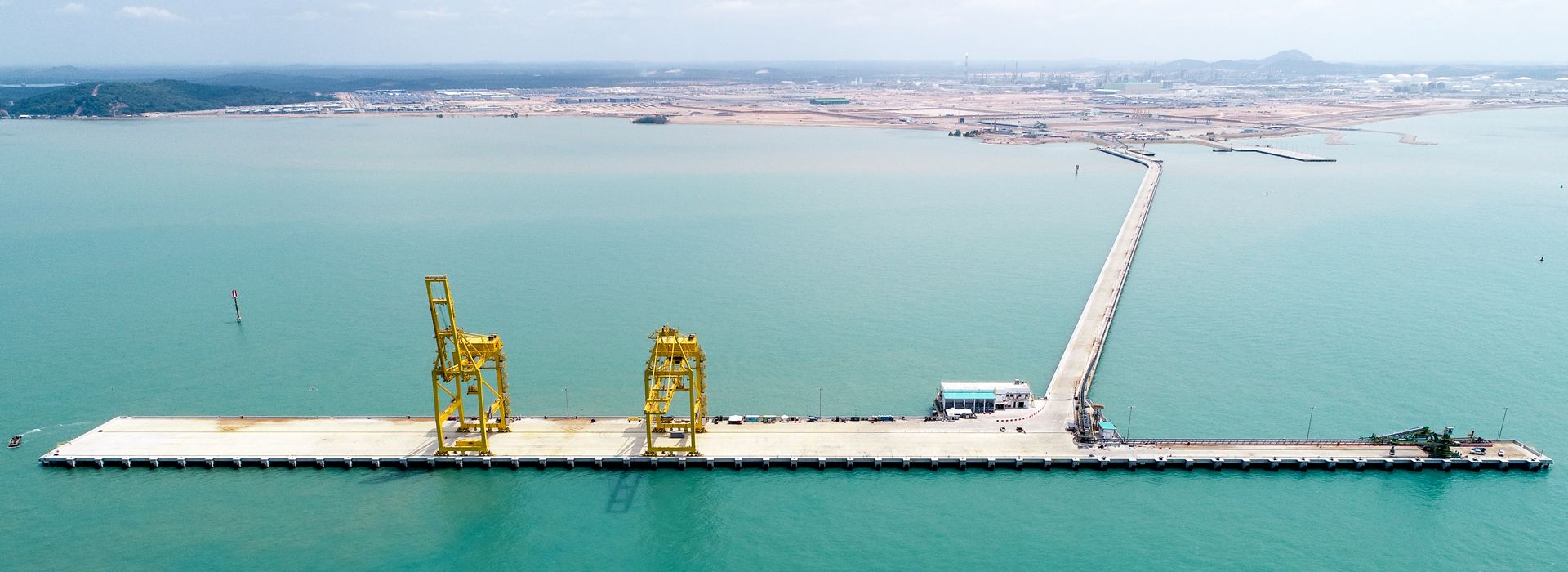
Petronas RAPID Project 12B – Solid Products Jetty
We designed, constructed and commissioned a new jetty and associated handling facilities for Petronas, as part of their RAPID (refinery and petrochemical integrated development) project in Malaysia.
The main element of our scope was a Solid Products Handling Jetty, comprising of a 1300 m long trestle, 710 m long jetty head, two container berths and a sulphur loading berth.
Fast Facts
- 1300 m long trestle with 710 m long jetty head
- Two container berths and a sulphur loading berth
- Topside and landside materials handling system
- Onshore civil and building works
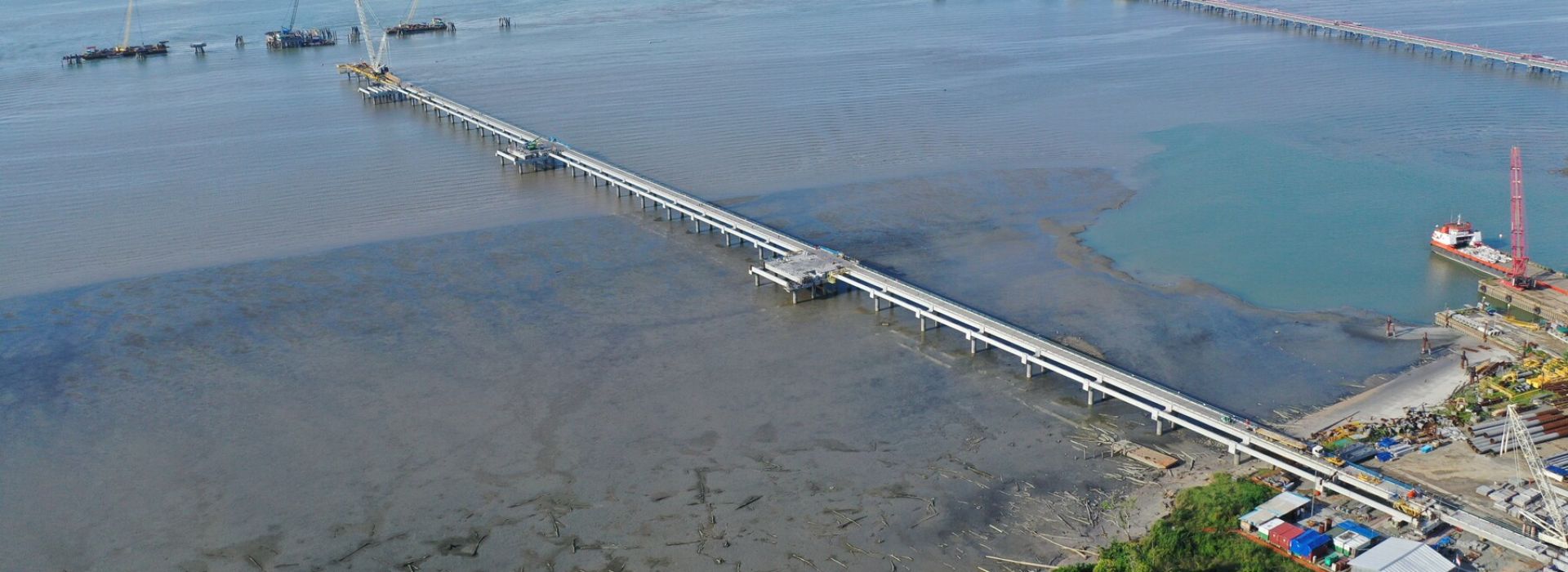
Tangguh Marine Works
We delivered the marine works for BP’s LNG expansion project in Tangguh, located in the remote area of Bintuni Bay in West Papua. Our customer, PT Saipem Indonesia, was part of an EPC joint venture involving Chiyoda-Saipem -Tritati -SAE.
The overall expansion project comprised a full additional natural gas liquefaction train, including an onshore receiving facility (ORF), an additional Boil of Gas (BOG) recovery, utilities, flares, and all infrastructure to support the facility.
Fast Facts
- A 1056 m long access trestle, including decks for the control room, substation and sea water intake
- 29 m x 42.5 m loading platform
- 4 breasting dolphins
- 6 mooring dolphins
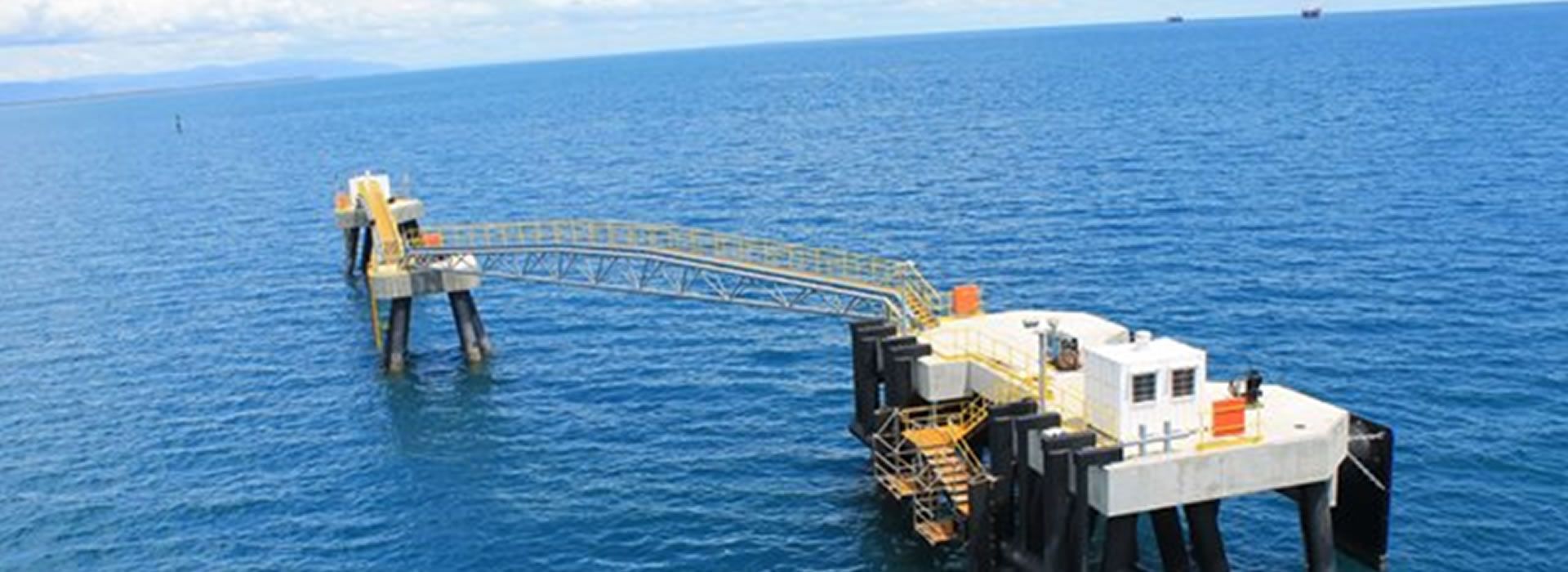
Sangatta Offshore Works
We were engaged to design and construct an eight-dolphin berthing facility, a pipeline end manifold (PLEM), and a new diesel supply pipeline for PT Petro Storindo Energy - a joint-venture between Oiltanking, BP and Kaltim Prima Coal.
Our scope of work included the dolphin mooring system (4 berthing and 4 mooring dolphins); a 3 km long, 20 inch diameter subsea/onshore pipeline; a subsea control unit; a PLEM (Pipeline End Manifold); a PIG Launcher and onshore PIG receiver; and miscellaneous pumps and tanks for the fuel supply. The line terminates at a diesel storage terminal that supports the operations of the Kaltim Prima Coal mine.
Fast Facts
- 4 berthing and 4 mooring dolphins
- Pipeline End Manifold (PLEM)
- 3 km long, 20 inch diameter subsea and onshore pipeline
Pipelines
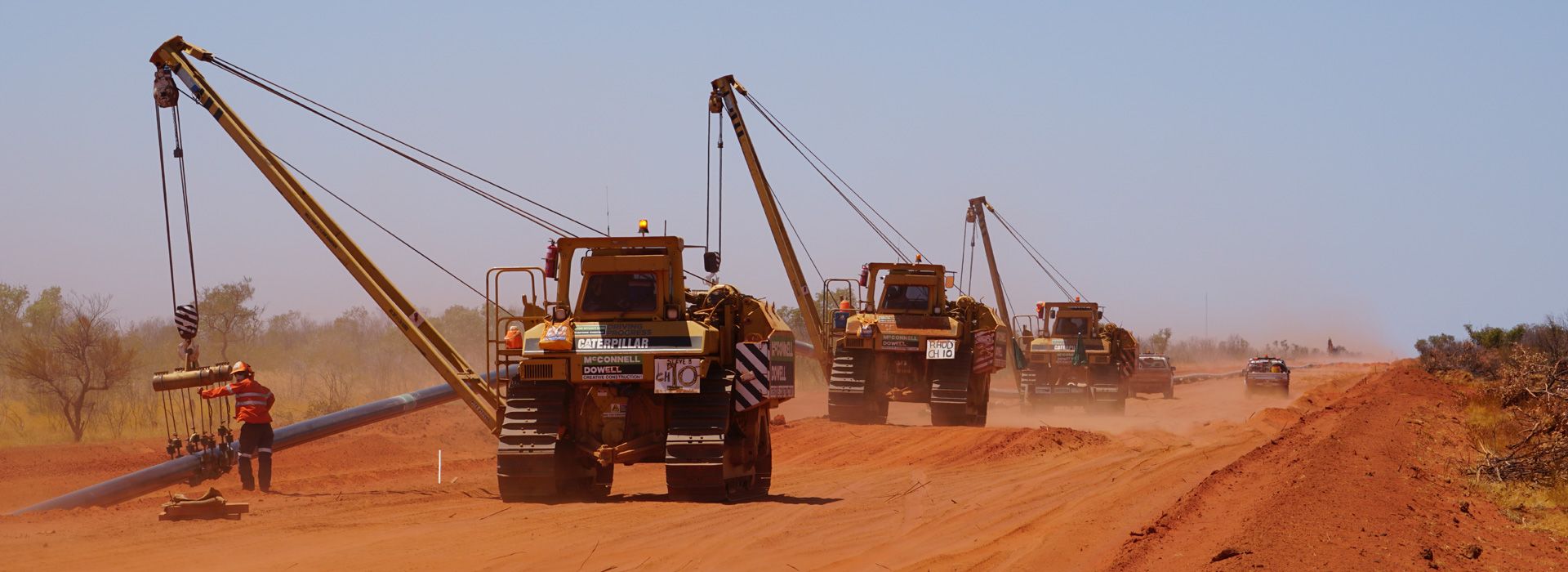
We've delivered over 20,000 km of new pipe networks.
McConnell Dowell is a leading international pipeline contractor. We have constructed over 20,000 km of new pipe networks across more than 200 projects including gas, petroleum, water and slurry pipelines. These pipelines help drive economic and social progress across Australia, New Zealand, and South East Asia.
We are experts in large diameter pipeline construction and have delivered gas pipelines up to 1300 mm (50”) in diameter and water pipelines up to 1800 mm (70”) in diameter. Our in-house specialist skills and plant enable execution of HDD, micro-tunnelling, marine pipe pulls, pipe bridges and other complex crossing solutions.
Lake Way and Karlawinda Gas Pipelines
We constructed the Lake Way Gas Pipeline (LWP) and the Karlawinda Gas Pipeline (KGP) projects for APA Group in Western Australia.
The LWP pipeline is located 15 kilometres south of Wiluna and transports natural gas from APA’s Goldfields Gas Pipeline (GGP) to SO4’s Lake Way facility. SO4 aims to become a major exporter of Sulphate of Potash and the LWP pipeline provides gas for fuelling power generating facilities and other equipment within their process plant.
Fast Facts
- Two high pressure gas pipeline projects
- 26 km of DN100 gas pipeline
- 56 km of DN100 gas pipeline
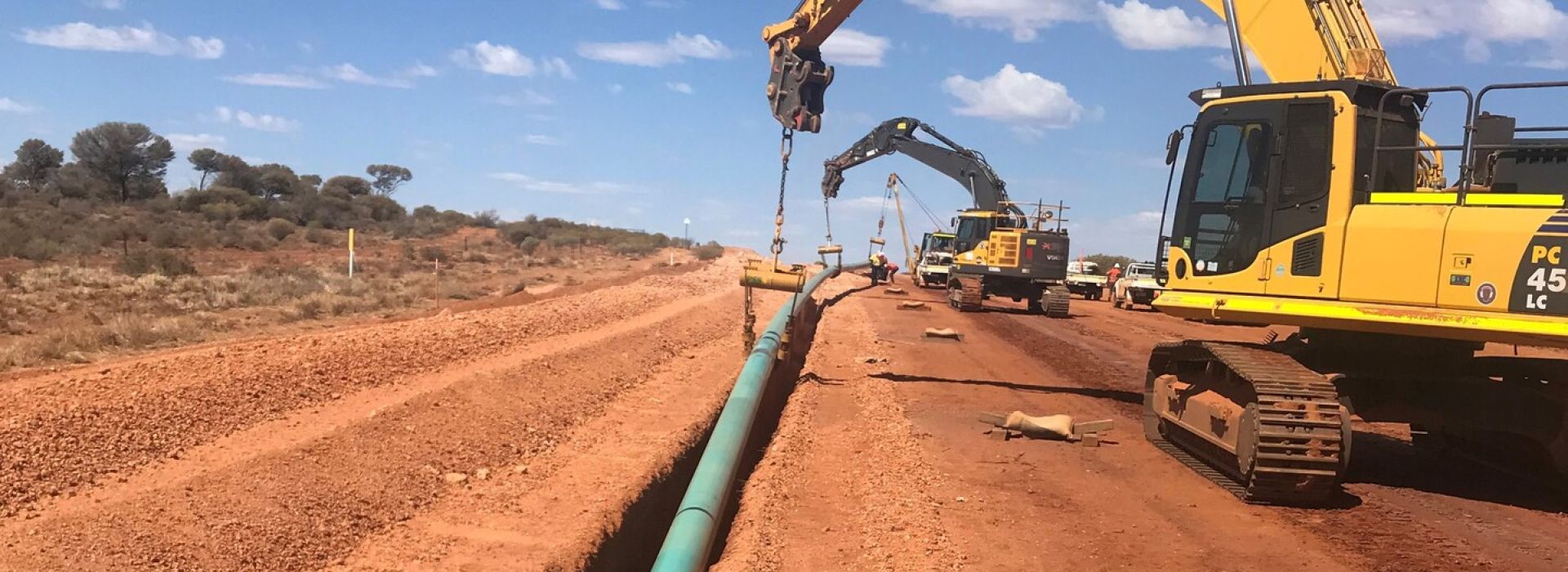
Agnew Gas Pipeline
After extensive pre-planning and a fast mobilisation, we constructed the Agnew Gas Pipeline Project for APA Group in the south-southwest of Western Australia. The new pipeline supplies gas to the Agnew gold mine site to supplement the mine’s renewables-fuelled power supply.
Our scope consisted of the construction of a 25 km long, DN150 mm, dual layer FBE coated, AS2885 compliant, high pressure natural gas pipeline, along with the tie-ins to the swan necks at the above ground Kyarra Offtake Station and the Agnew Delivery Station.
Fast Facts
- 25 km long, 150 mm diameter gas pipeline
- Multiple horizontal directional drills (HDDs) under roads
- Fast mobilisation
- Computerised radiography used
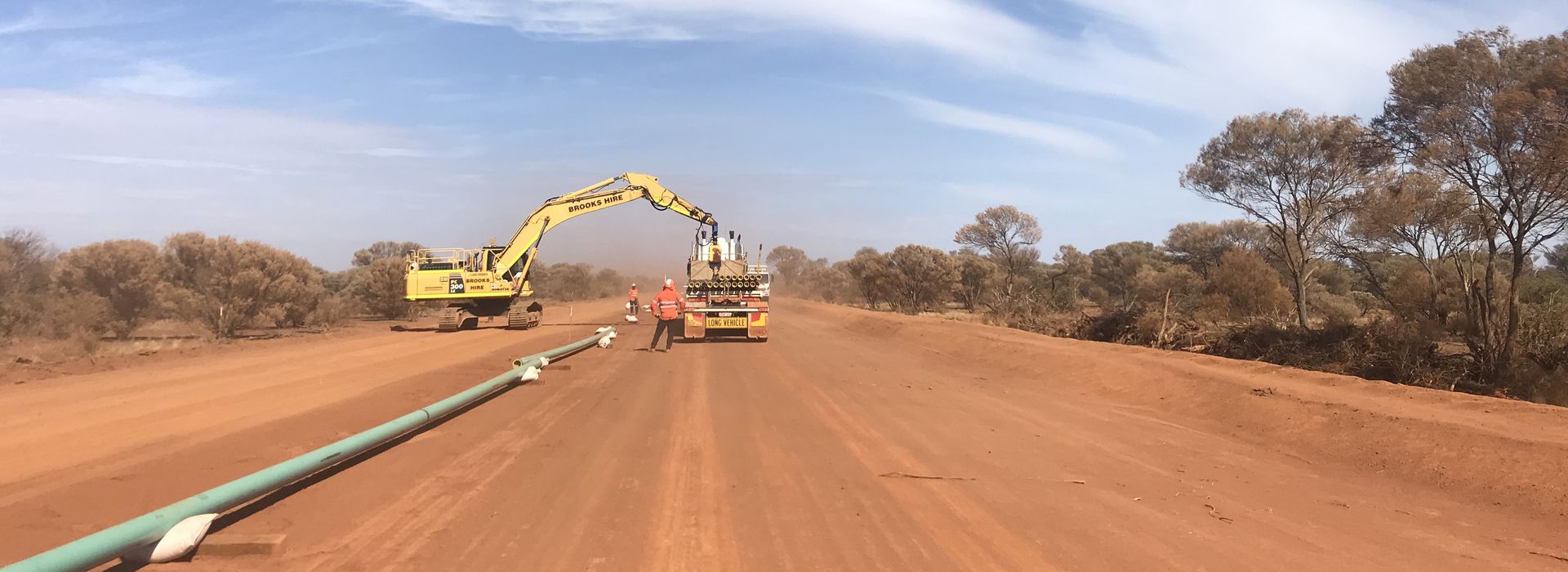
Murrin Murrin Gas Pipeline Looping
We constructed the Murrin Murrin Looping Project for APA Group, east of Lenora in Western Australia. The objective of the project was to increase the capacity of the Murrin Murrin Lateral to enable APA to service future downstream customers.
Our scope consisted of the construction of a 13.8 km long, 200 mm diameter high pressure gas pipeline, along with the tie-ins to an existing above-ground offtake station. The pipeline runs from a connection off the existing Murrin Murrin Lateral.
Fast Facts
- 13.8 km, 200 mm diameter gas pipeline
- Zero Lost Time Injuries
- Practical completion acheived 3 days early
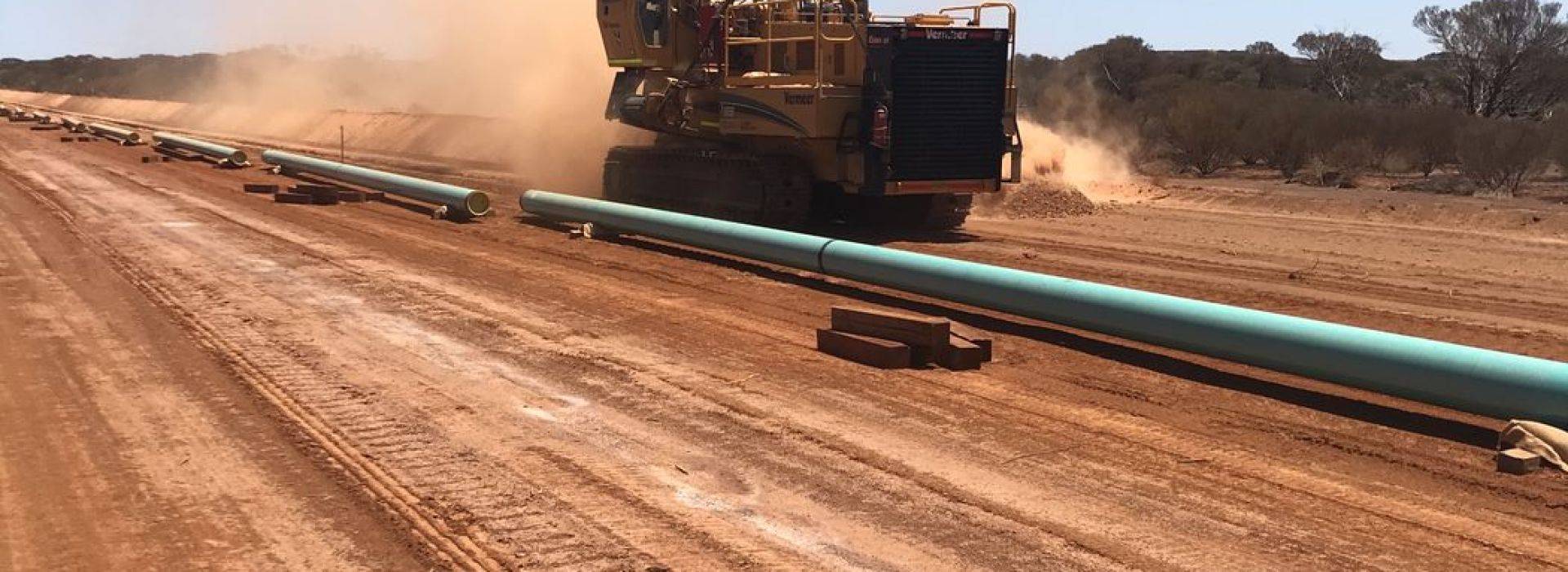
APLNG Pipeline
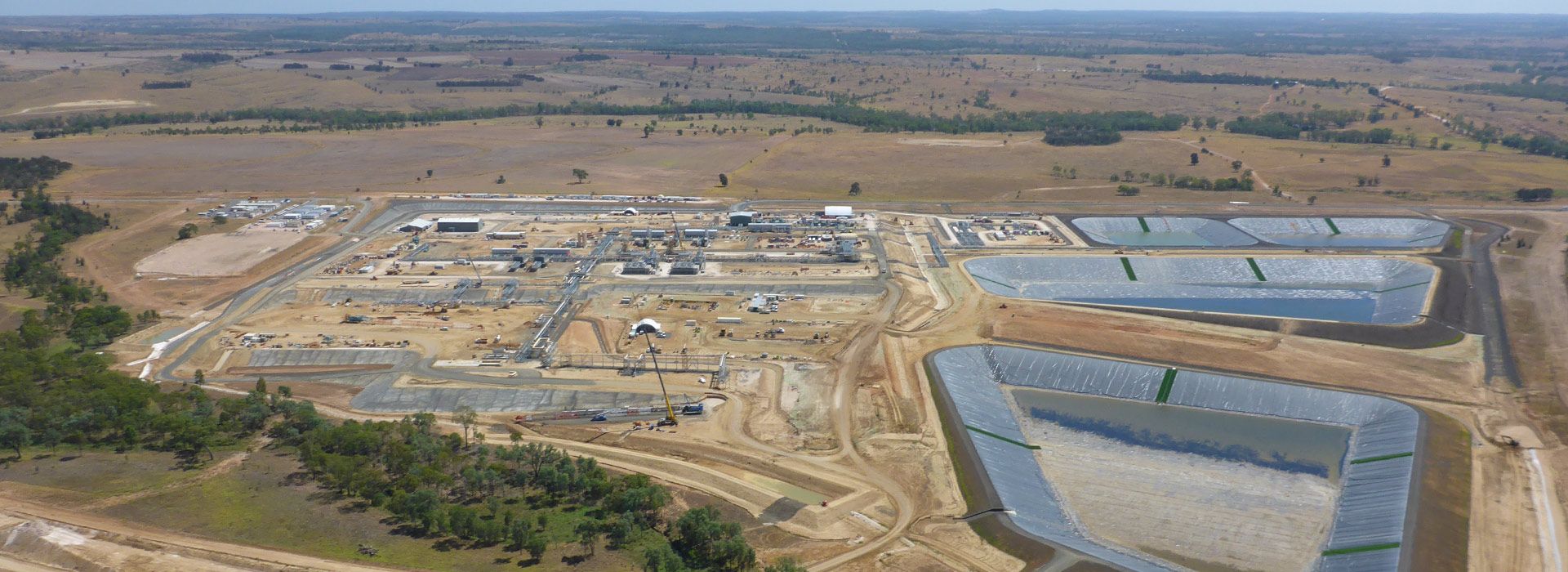
Following successful completion of an Early Works contract for the APLNG project, MCJV, a joint venture between ourselves and Consolidated Contracting Company Australia Pty Ltd, was awarded an EPC contract for delivery of 360 km of the main export pipeline, a 57 km lateral pipeline, and associated facilties.
The overall APLNG project included the development of substantial coal seam gas resources in the Surat and Bowen Basins. The key elements of the project were the transmission pipeline, subsea crossing (Narrows Crossing) and a multi-train LNG facility on Curtis Island, near Gladstone.
Fast Facts
- 360 km, 42" mainline pipeline
- 57 km, 36" lateral pipeline
- Launcher station at Condabri
- Pipeline hub
- Midline scraper station
- 4 mainline valve stations
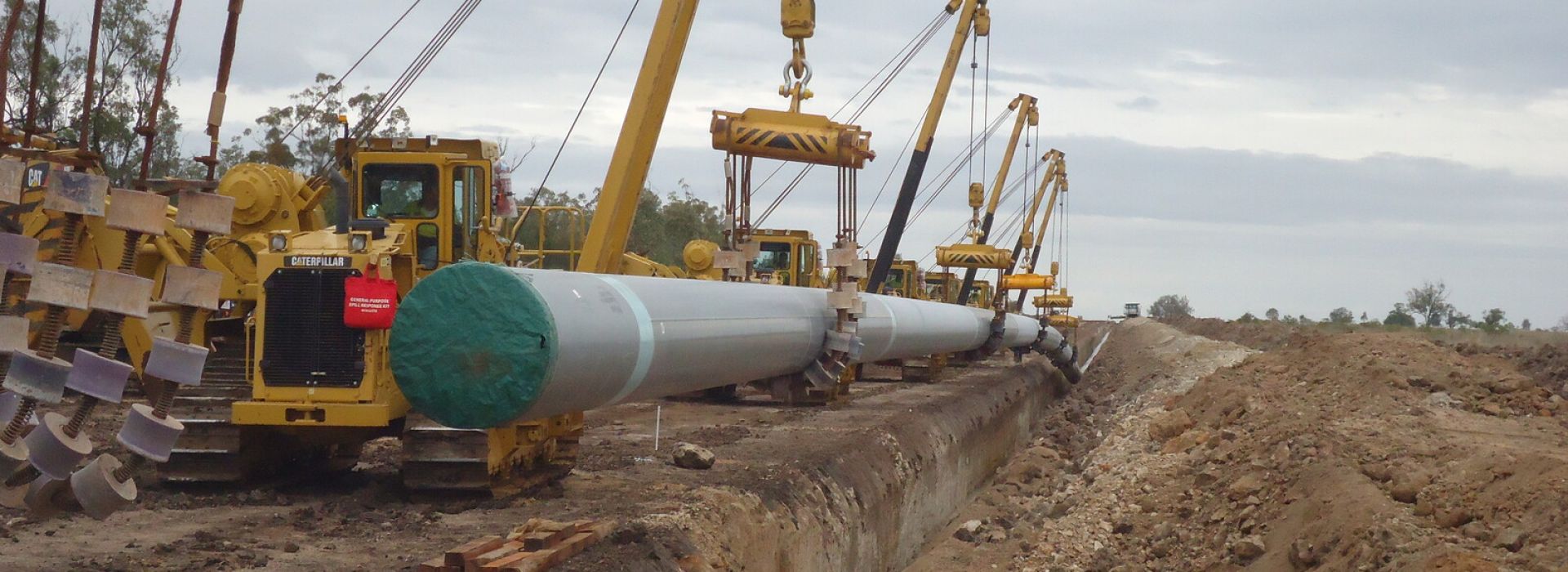
GLNG Upstream - Roma Hub and Pipelines
We constructed a 145 TJ per day gas compression and water treatment hub, with associated infrastructure and water gathering lines, at the coal seam gas fields north east of Roma in Queensland. The infrastructure enabled collection and processing of gas for delivery via an export pipeline to an LNG processing plant on Curtis Island, off Gladstone.
The large and complex project required a multi-disciplinary approach, with a focus on facilities for gas compression, power generation and water treatment, in addition to pipeline construction.
Fast Facts
- 287 km, 63-800 mm diameter PE pipelines
- 40 km, 100-250 mm diameter CS pipelines
- LTI free
Narrows Crossing (QCLNG)
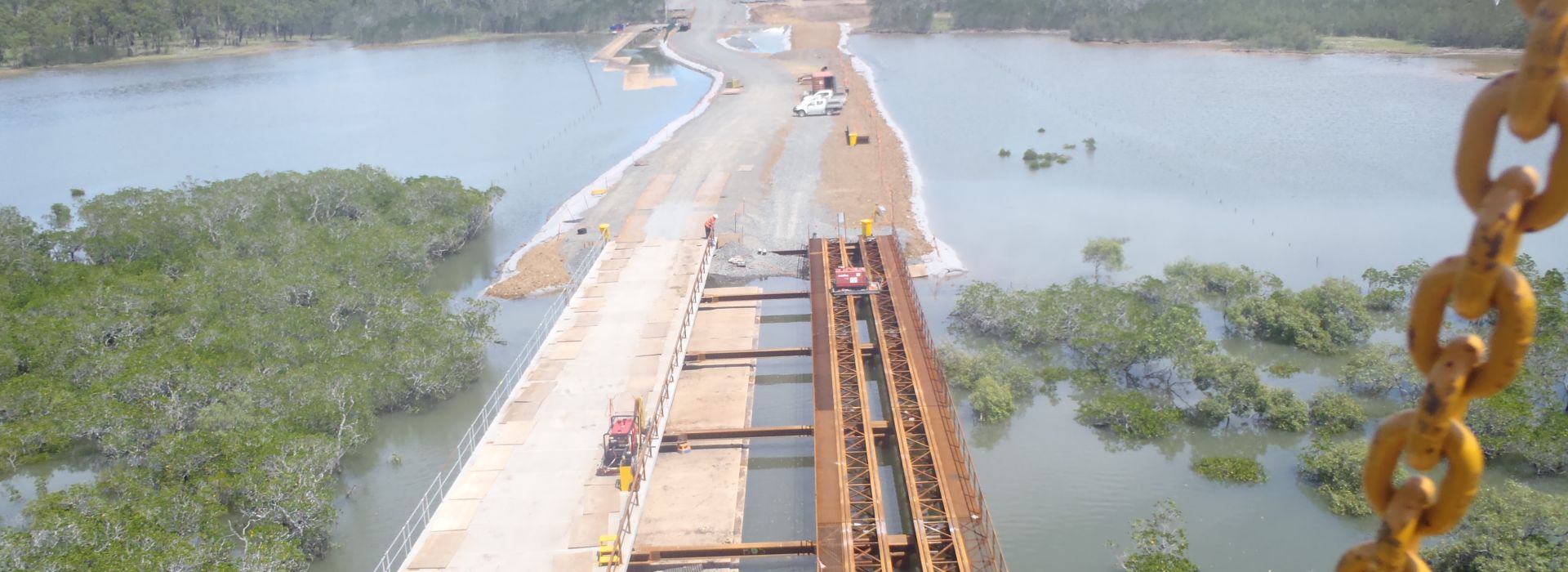
In joint venture with Consolidated Contracting Company (the MCJV), we designed and delivered the Narrows Crossing project, one of the most diverse and challenging pipeline projects ever completed in Australia.
Our scope involved the connection of the QCLNG and APLNG 42” export pipelines from their termination points across the Narrows Channel to the LNG plant on Curtis Island. We also delivered the QCLNG Delivery Station.
Fast Facts
- 12 km, 42 inch twin pipelines
- Two 8 inch FOC ducts
- 1.5 km HDD Crossing
- 2.3 km marine pipe pull
- Restricted right of way
- Extensive environmental controls
Creative Construction
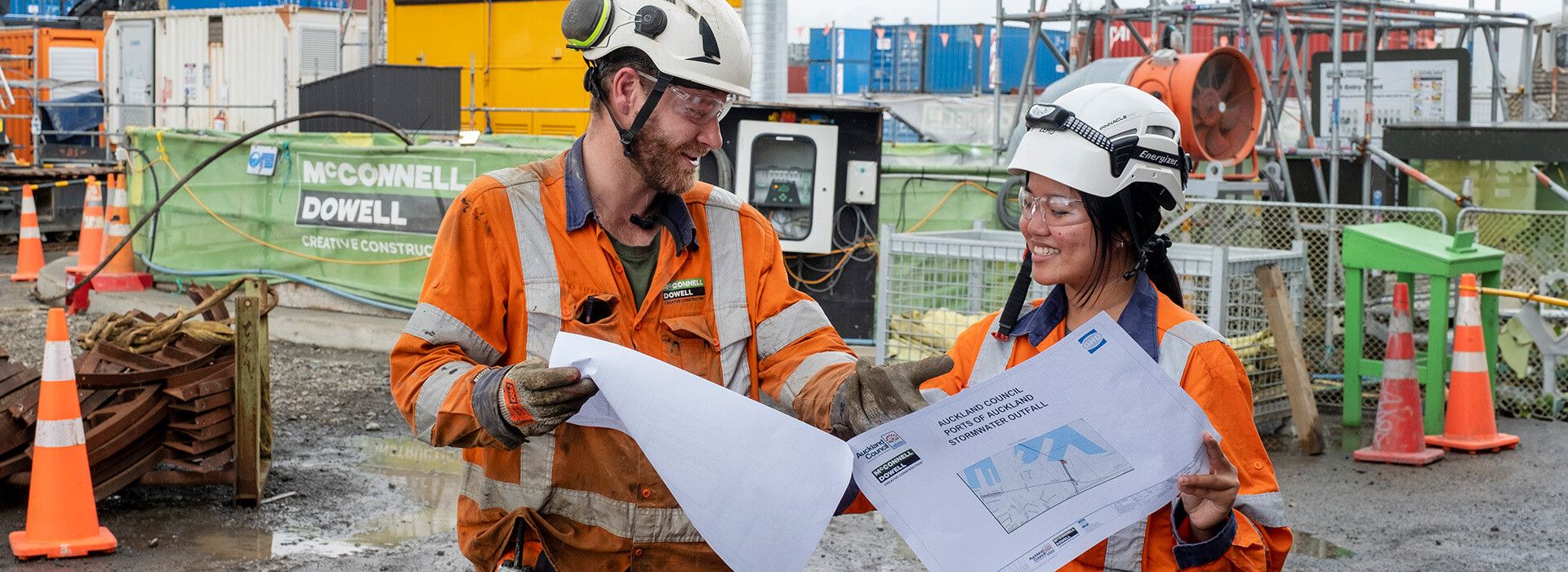
Creative Construction at McConnell Dowell is the inspired engineering behind the complex infrastructure we deliver.
It's the technical problems and challenges solved behind the scenes by people empowered to think creatively and work collaboratively. It’s the alternative idea or innovation that saves time, reduces cost, makes us safer, and delivers more value.
It might not always be evident when you look at the end product, but it's there, inside every McConnell Dowell project.
Digital Engineering
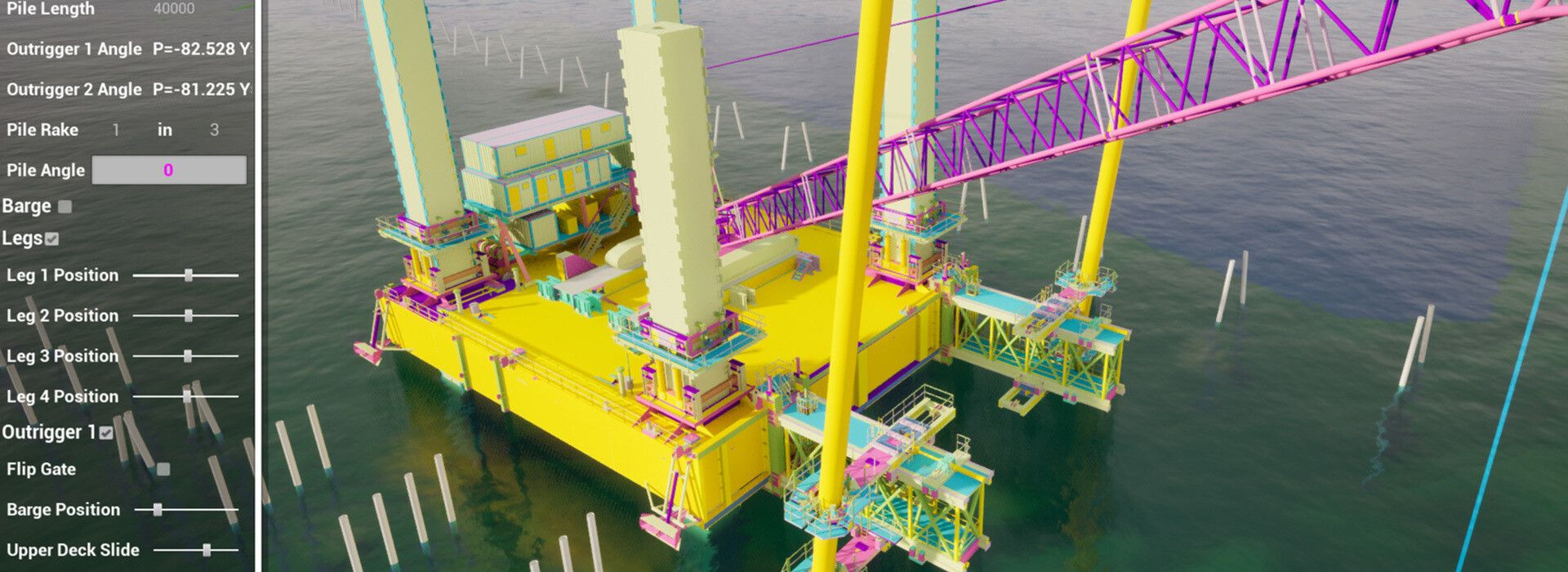
We take a ‘Digital First’ approach to all our projects, equipping our teams with the latest digital tools and systems from the design stage forward.
This helps them identify and address potential issues at the earliest stages of project development, effectively eliminating issues at their genesis leading to lower costs and delays once we start on site.
On site, we use digital tools like drones for surveying, and GPS tracked plant to monitor and improve safety and efficiency.
Environmental
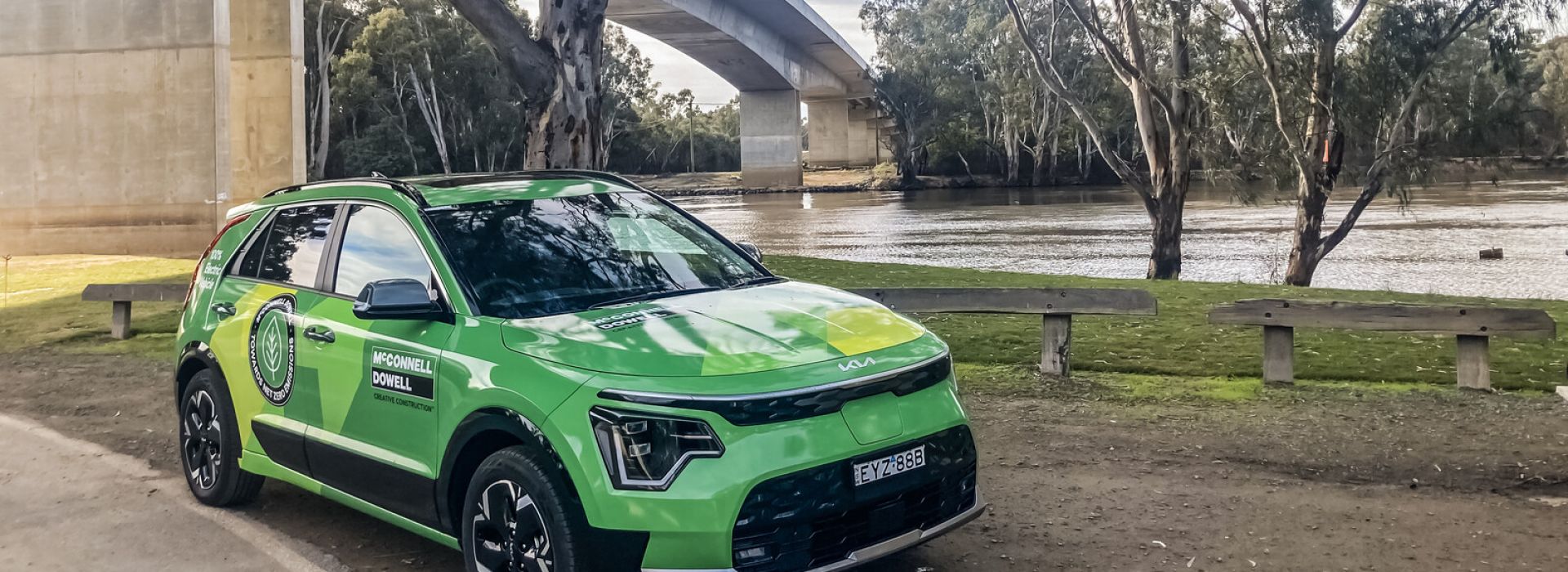
We understand the impact construction can have on our natural ecologies and we're constantly seeking ways to minimise our footprint and restore and improve the natural environment and biodiversity around our works.
We've embraced the circular economy, renewed local ecologies, reconnected habitats, and lowered energy use across our projects in line with our {tip title="Carbon Reduction Roadmap" content=" "} carbon reduction road-map {/tip}.
We set energy and waste reduction targets on every project and are committed to making our environmental footprint as small as possible, as showcased in the recent case studies below.
Safety
We never compromise on safety.
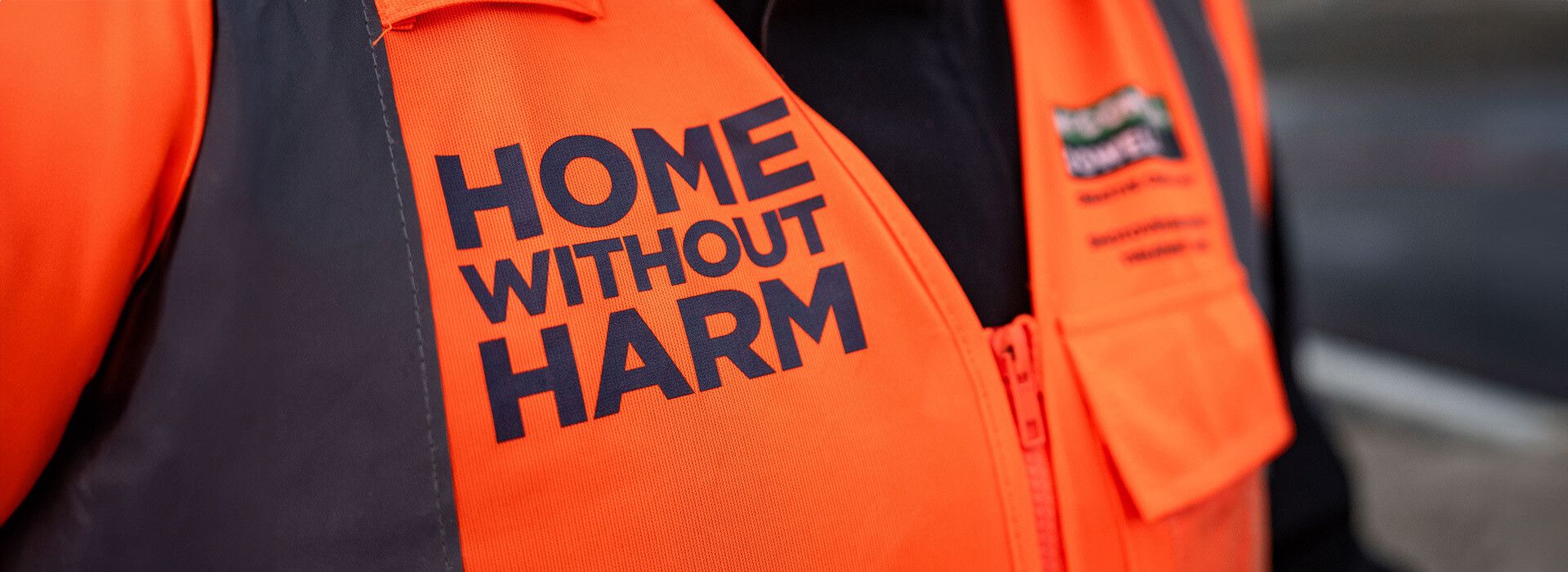
We foster our 'Home Without Harm' safety culture through robust processes, effective systems, and by recognising and rewarding safe behaviours.
Our Site Safety Managers are always on our project leadership teams, ensuring safety is prioritised in all site activities. Every team member has clear safety responsibilities, aimed at protecting themselves, their colleagues, and the community.
We're also leading our industry in the adoption of new safety technologies, like virtual reality plant simulators and AI-enabled blind spot elimination. Check out the case studies below for more information.
Underpinning it all are our Safety Golden Rules. Built on our long-term collective knowledge and learnings, they are specifically targeted at preventing fatalities and serious injuries.


Sustainability (ESG)
Our purpose is 'Providing a Better Life’ - today and into the future. That’s why sustainability, in all its forms, is considered in every project, process and product across our business.
Our approach is clearly articulated in our Sustainability Policy.
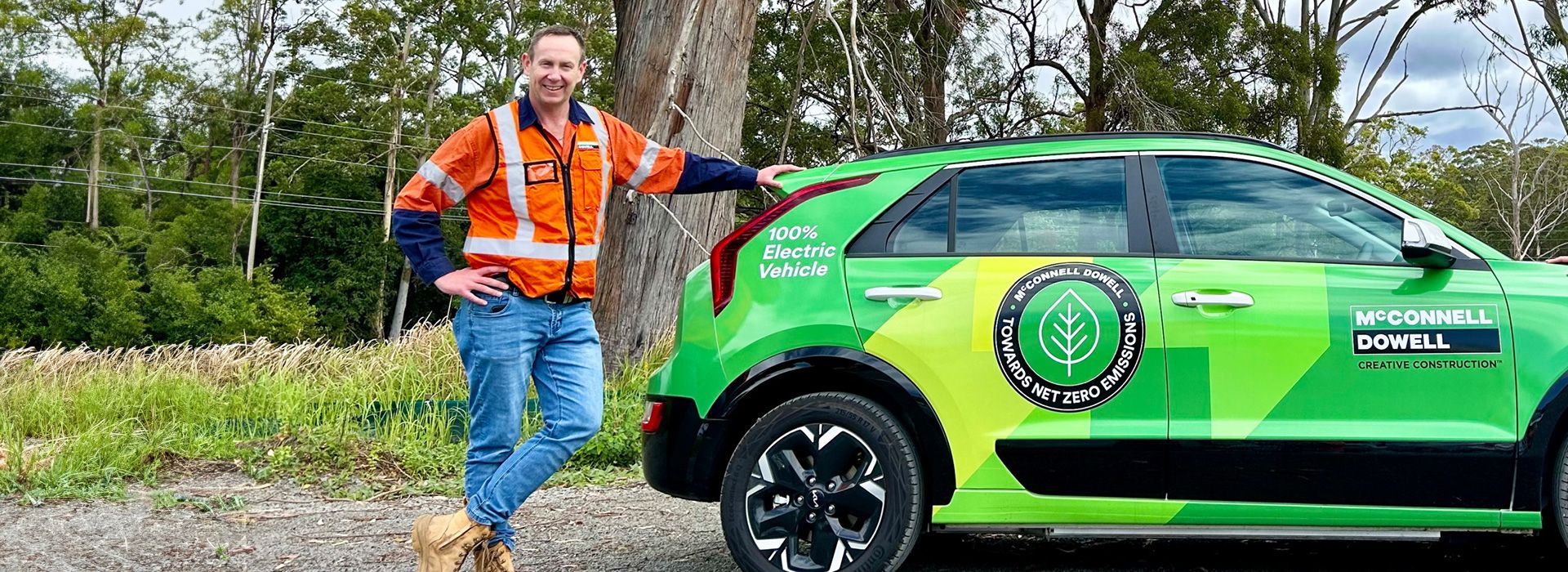
We're about action not just aspiration. Our ambitious but achievable {tip title="Carbon Reduction Roadmap" content=""} carbon reduction road-map {/tip} will see us be operationally net zero by 2030, with 44 initiatives that are being progressively rolled out across the company. Last year we reduced our carbon emissions by 442 tonnes through the use of solar technologies alone, and diverted almost two million tonnes of waste from landfill.
Closing Text - General with contacts, no video
Summary
Thank you for taking an interest in McConnell Dowell's skills, capabilities and approach. Additional information is available on our website, including additional project case studies.
Contact us through the link(s) below for advice or assistance with your project.
Contacts
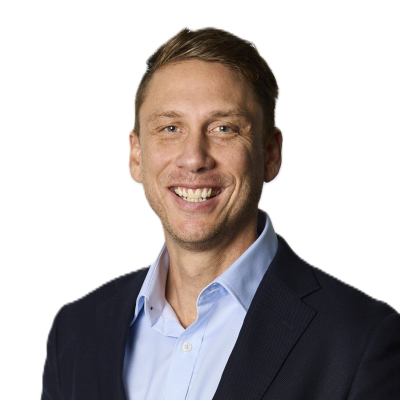
Toby Herniman
Pre-Contracts Manager - NSW & ACT
M: +61 478 946 769
toby.herniman@mcdgroup.com LinkedIn