Capability Statement
Prepared for Prepared for Port of Geelong
May 2026
Introduction General
Thank you for the opportunity to present this brief capability statement which details a cross-section of our skills and experience, and showcases a selection of our recent projects.
About Us (typically use first)
For over 65 years customers have been coming to McConnell Dowell with complex projects that require innovative solutions. That's why we're known as the Creative Construction company.
From remote resources and energy projects to city-shaping infrastructure, we've built thousands of quality assets and facilities.
Engineering-led, our expertise has grown steadily to span building, civil, electrical, fabrication, marine, mechanical, pipelines, rail, tunnel and underground construction..
Our Approach (typically use 2nd or 3rd)
We approach every project with a focus on creativity and certainty - seeking the right blend of innovation and safe, proven approaches so we can exceed our customers' expectations.
We also understand that construction today is as much about community and sustainability as it is about concrete and steel. Our unwavering objective and commitment is to deliver what we promise to our customers, while protecting and enhancing our people, the community and the environment.
Ports & Coastal Solutions
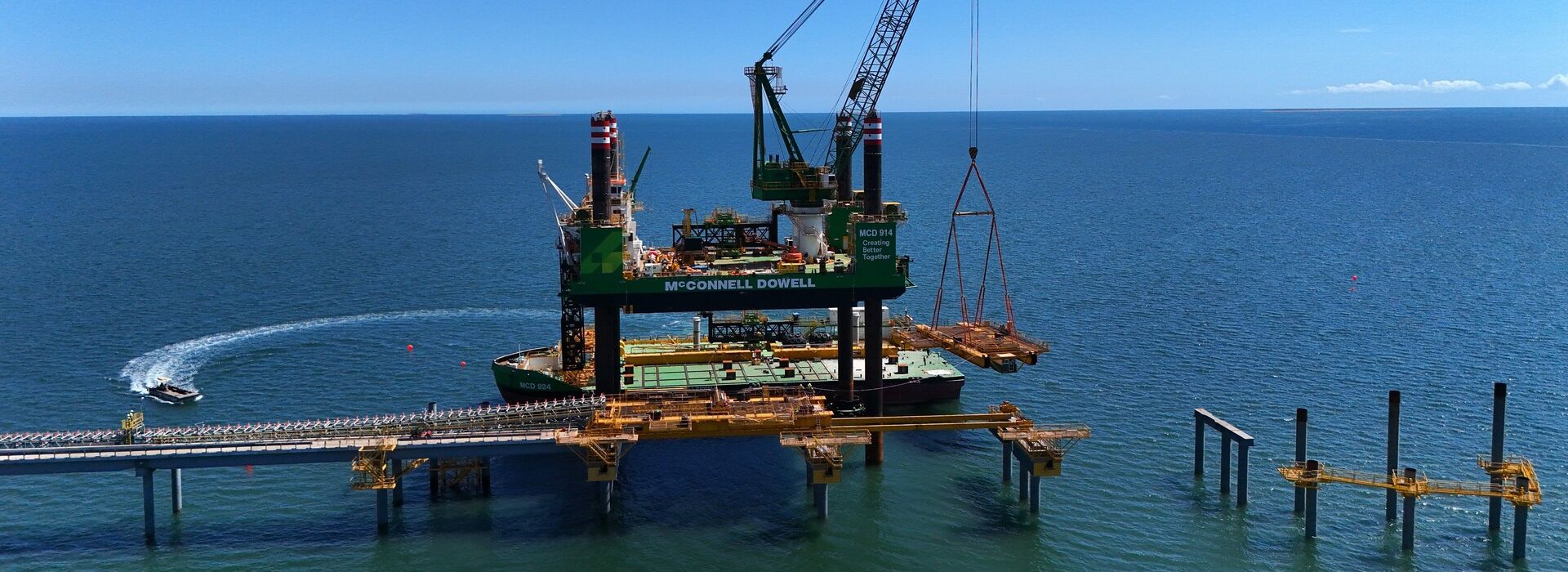
With over 330 marine projects completed across six decades, McConnell Dowell is synonymous with marine infrastructure.
From wharves and jetties to ocean outfalls, breakwaters, and submarine pipelines — we bring coastal confidence to every project.
Our modular approach to construction has helped create productive ports for clients like Rio Tinto, FMG, Vale, and BHP, where over 1.2 billion tonnes of iron ore are shipped annually from wharves we built.
Port Capacity Project - Webb Dock
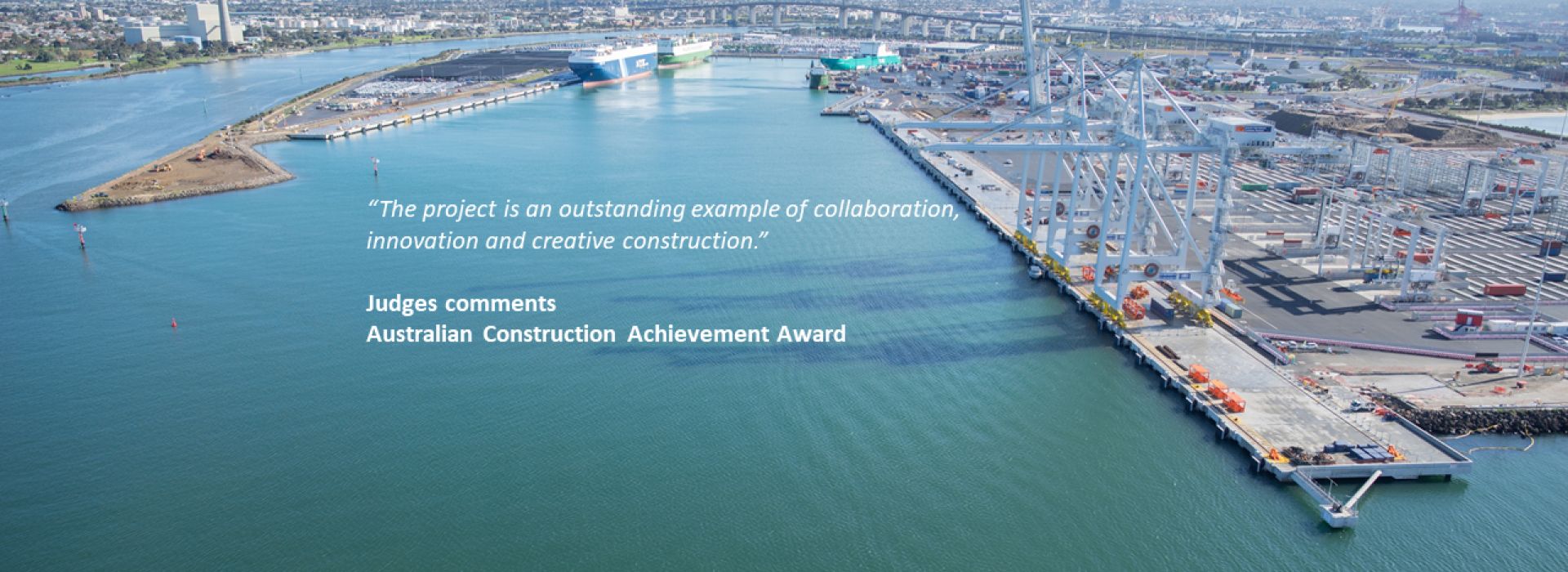
Enhancing and expanding Australia's busiest container port
We received the Australian construction industry's highest accolade for this major wharf redevelopment within Melbourne's main port precinct.
This was a large and complex marine project delivered within Australia's busiest operational container port, and within very tight environmental controls to protect the rich marine life within the surrounding bay.
Fast Facts
- 900 tubular steel piles up to 1500 mm diameter and 45 m long driven as single length piles.
- 40,000 m³ of structural concrete.
- 10,000 tonnes of reinforcing steel.
- 40,000 m of sheet pile installation.
- 210,000 tonnes of imported quarry product.
- 15,000 m³ of rehabilitated concrete deck.
Swanson Dock East Berths 1 & 2 Rehabilitation
Collaborative Approach, Safety Focus, and Minimising Disruptions in Port Rehabilitation Project
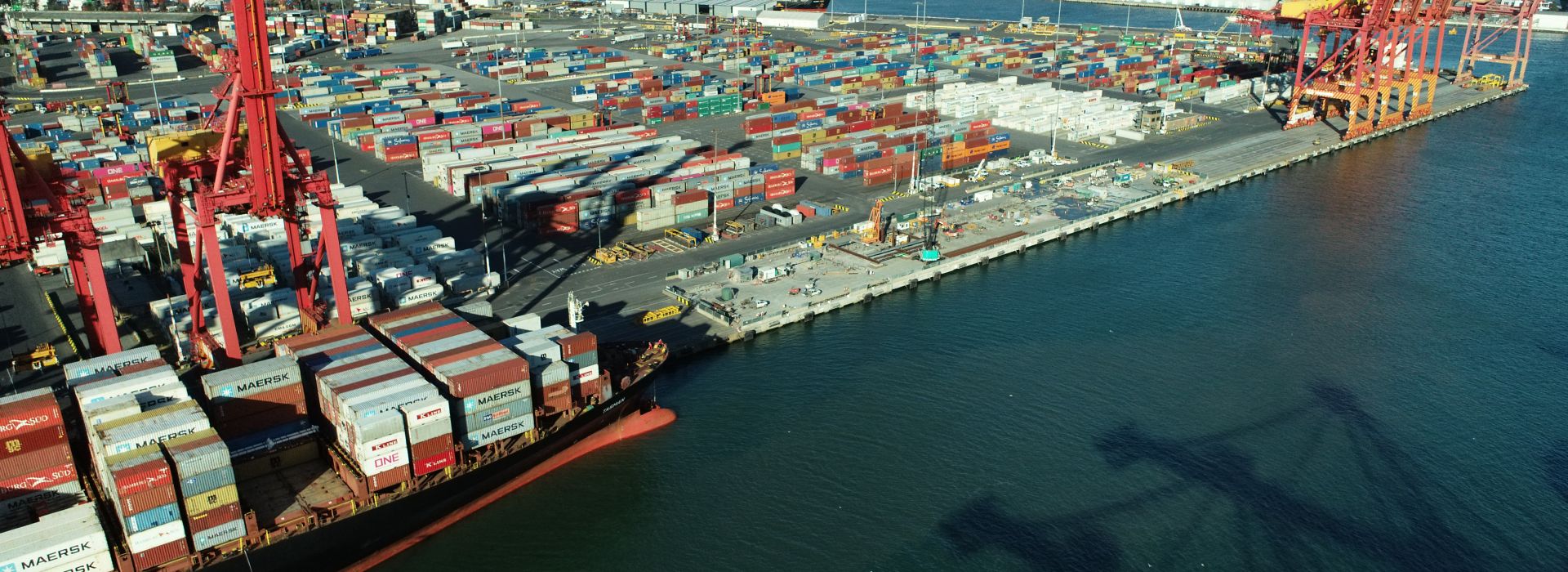
Working in collaboration with the Port of Melbourne, we successfully completed four contracts at Swanson Dock between 2017 and 2020.
After completing the award winning Port Capacity Project, we continued our partnership with Port of Melbourne with a series of smaller contracts to rehabilitate the iconic Swanson Dock - the heart of Australia's busiest container terminal.
Fast Facts
- Multiple projects successfully completed without disrupting port operations
- 412 piles driven
- 570 tonnes of reinforcement used
- 3,600 m2 of new wharf deck laid
Toll Berthing & Infrastructure Project
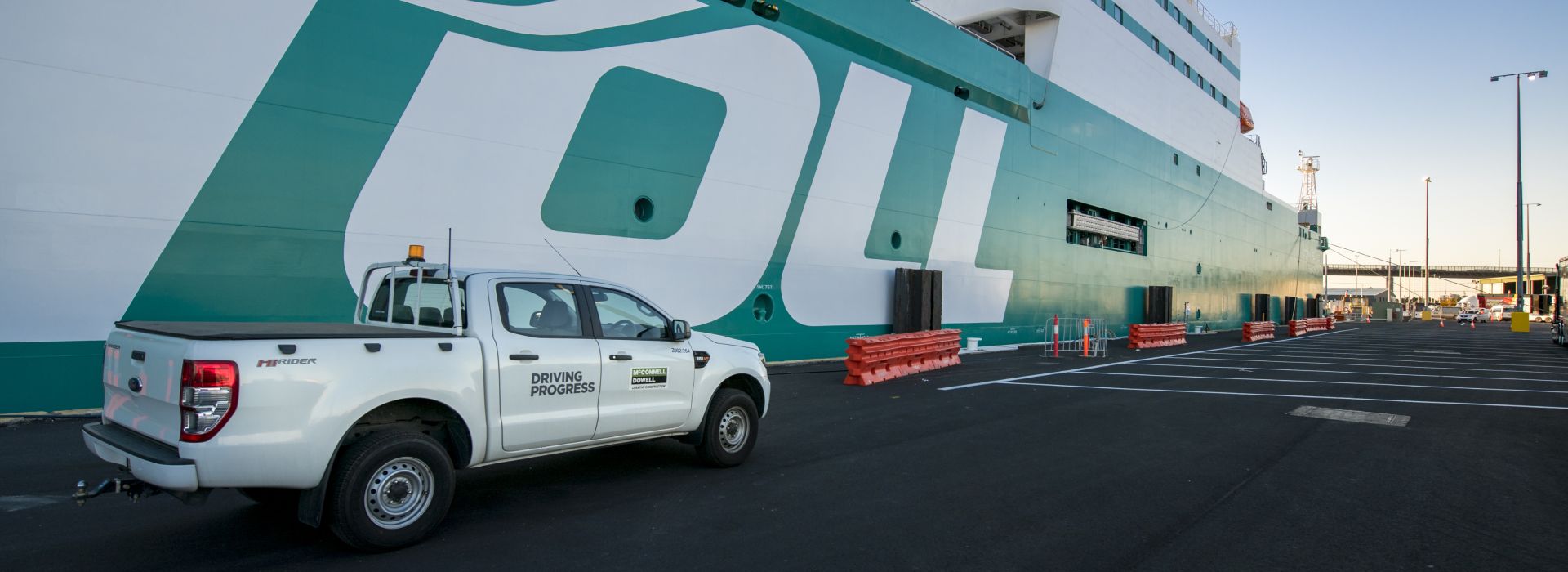
Enhanced berthing facilities for efficient port operations at Webb Dock Melbourne
Drawing on our unmatched experience in the Port of Melbourne, we were engaged by Toll Transport to upgrade their wharfs and berthing infrastructure at Webb Dock, Melbourne and McGaw Wharf, Burnie. These terminals service Toll's trans-Bass Strait shipping route.
Upgrades were required at both facilities in advance of Toll receiving two new larger vessels which were longer, wider, deeper and heavier, resulting in the need for significant modifications to the existing infrastructure.
Fast Facts
- 10 week Early Contractor Involvement process
- Two operational wharves upgraded
- 200 concrete piles
- 200 metres of sheetpile wall
- Zero Lost Time Injuries
Common User Facility (Techport)
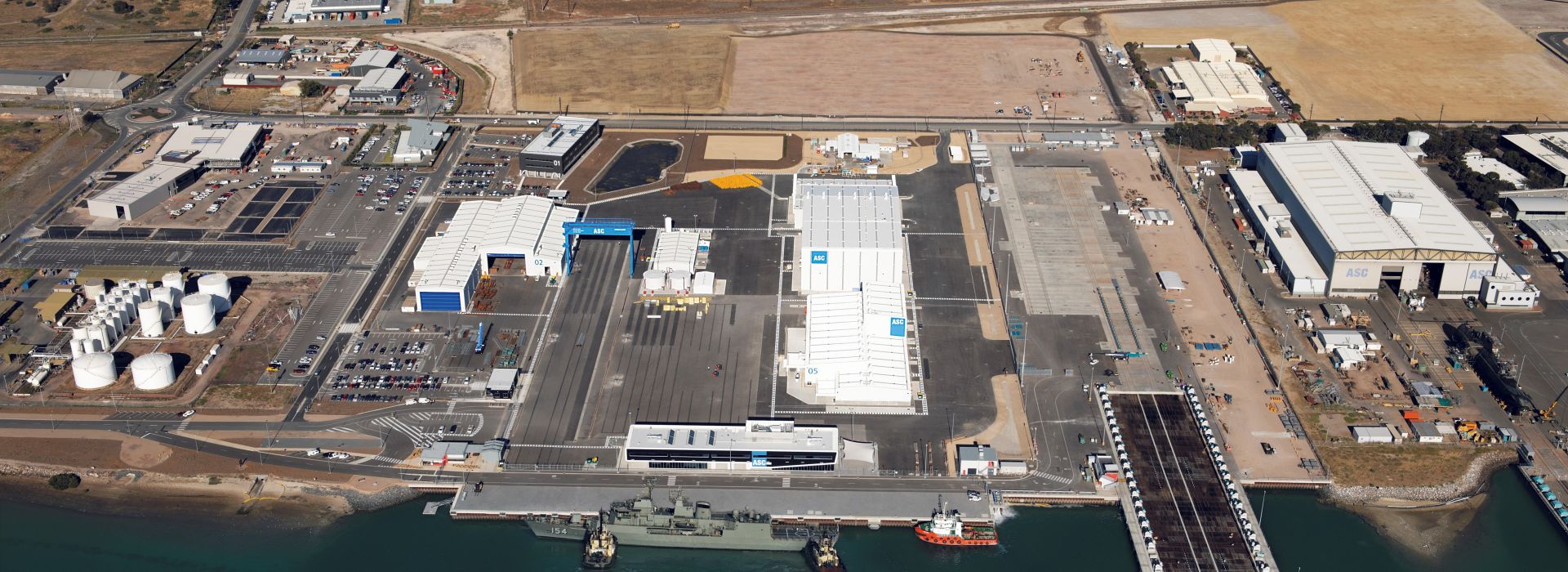
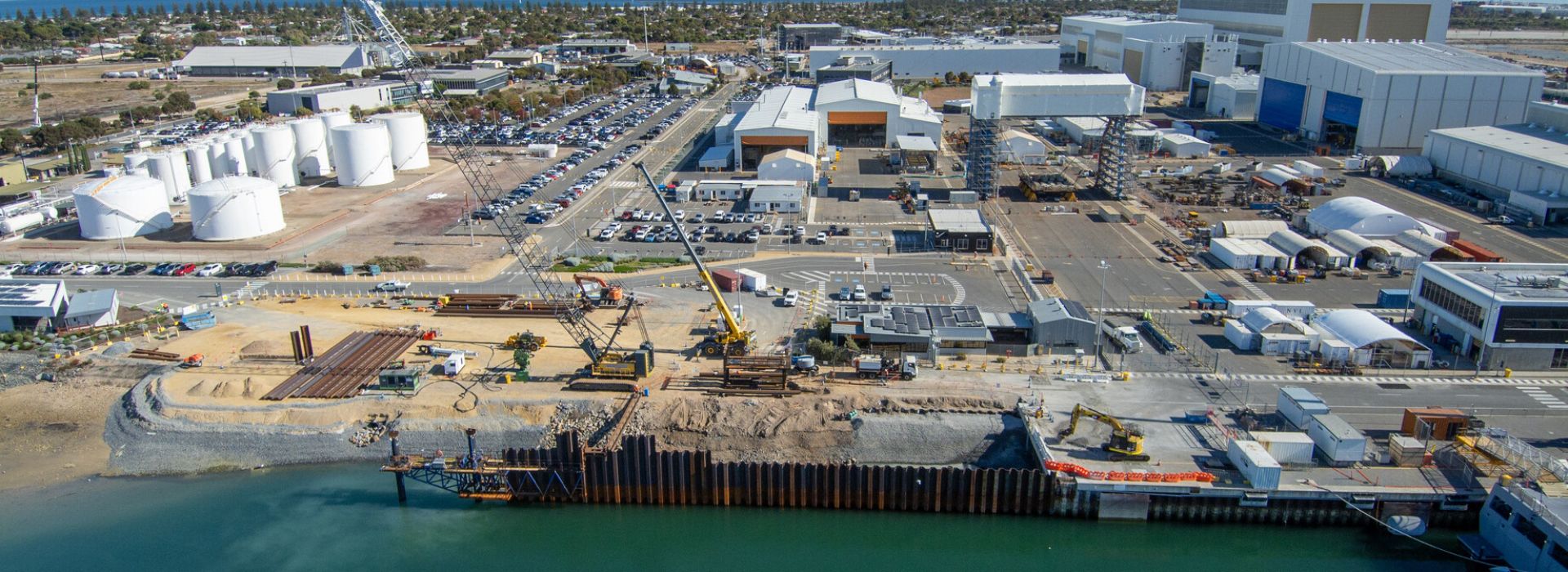
In one of the first Early Contractor Involvement (ECI) contracts in Australia, we designed and delivered the Techport Australia Common User Facility - a new state-of-the-art shipbuilding and maintenance complex on the Port River at Osborne, South Australia. We delivered it in joint venture with our building company, Built Environs (the MDBE JV).
The project was rolled out in two stages. In the first stage, our team worked in collaboration with design and technology partners and DefenceSA to develop the final design and risk adjusted price.
Fast Facts
- 213 m long, 25 m wide wharf
- 450,000 m3 material dredged
- 34 m x 160 m new shiplift pocket
- Installation of Australia's largest shiplift
- Works conducted in a sensitive marine environment and dolphin sanctuary
CUF Marine Development Works
Supporting Australia's shipbuilding capacity
Fast Facts
- Construction of 80 - 100 m land backed wharf
- 40,000 m3 of dredging
- Berth kiosk services, including water and eletrical supplies
Civil
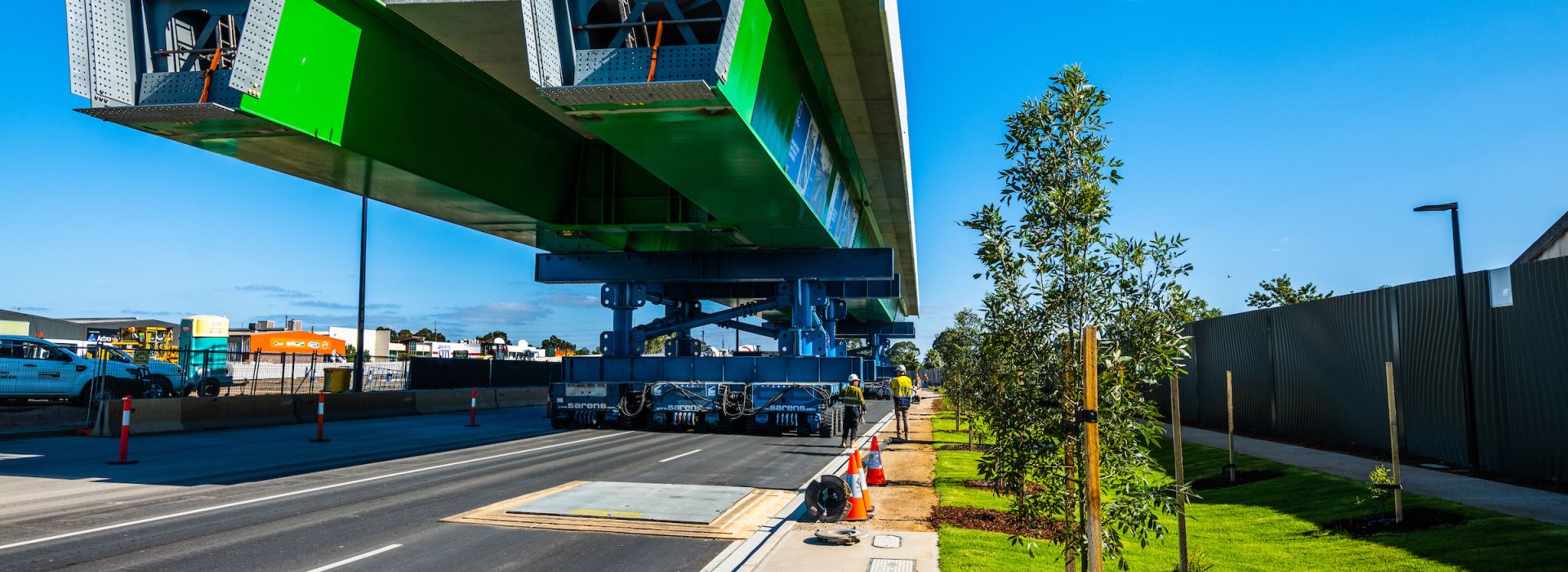
Our multi-disciplinary experience encompasses every type of civil construction, including bulk earthworks, foundations, hardstands, precast concrete, piling, roads, runways, and bridges.
Our ability to solve technical challenges creatively, means we find ways of delivering complex civil structures with minimal disruption to the community and our customers' operations.
South Geelong to Waurn Ponds Rail Duplication
More frequent and reliable services on Victoria’s busiest regional rail line.
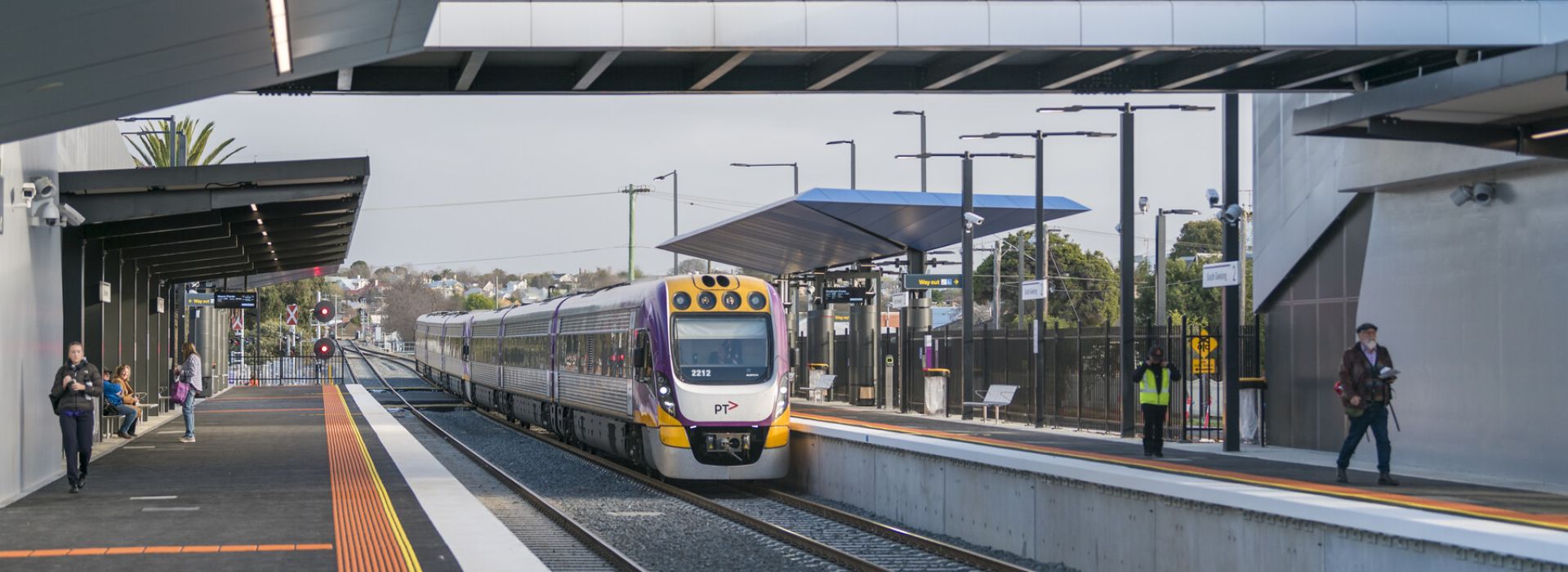
We were are a member of the Djilang Alliance which delivered the South Geelong to Waurn Ponds Rail Duplication, providing more frequent and reliable services and better stations for passengers on Victoria’s busiest regional rail line.
The alliance was made up of ourselves, Downer, ARUP and WSP.
Fast Facts
- 8 km of track duplication and signalling upgrades
- Two level crossing removals using rail bridges
- Two new stations
Creative look at concrete use improves carbon efficiency
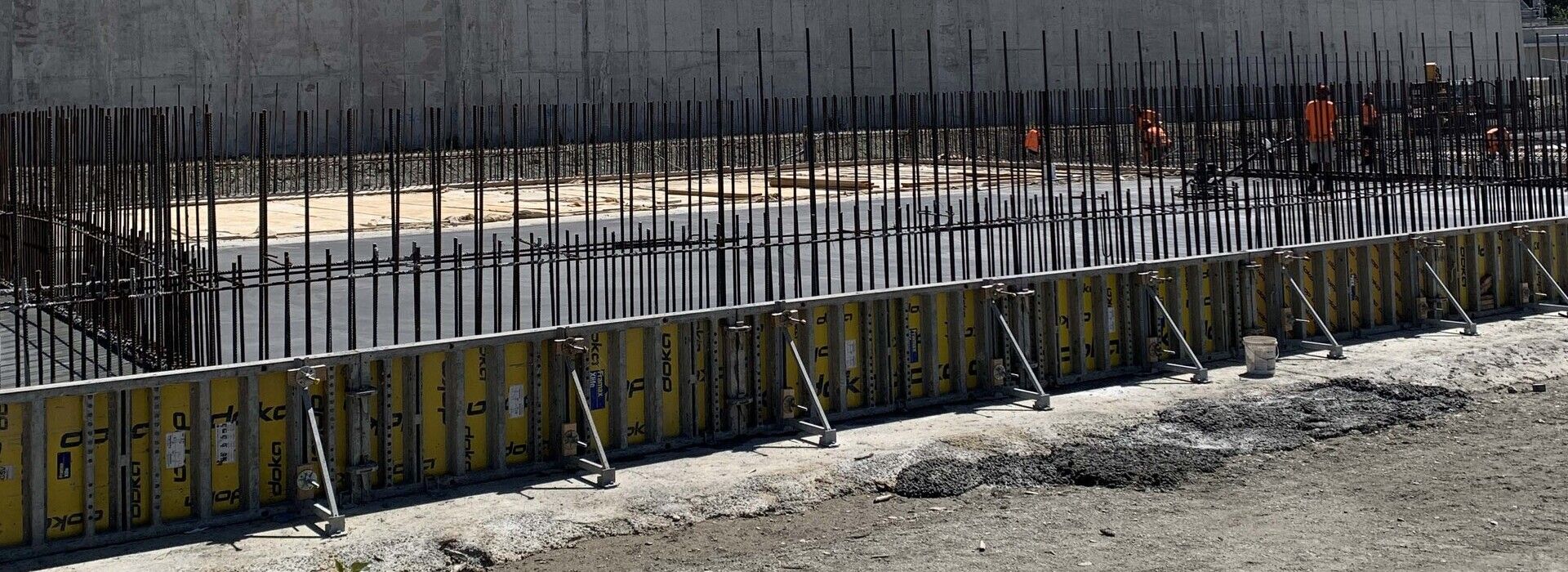
The Shotover Wastewater Treatment Plant Upgrade team in Queenstown, New Zealand, took a close look at where they were going to source concrete, the mixes and how any surplus concrete could be used onsite to reduce the project’s carbon footprint.
In collaboration with local concrete supplier Allied and designers Beca, the team developed a custom low-carbon concrete mix using two different Supplementary Cementitious Materials (SCM).
Cement, a binding agent in concrete, is a significant contributor to global carbon emissions so the team used flyash and micro silica to reduce the amount of cement in their mixes.
Flyash is a waste product created from burning of coal in coal fired power stations and using it in concrete to replace cement reduces CO2e emissions. In the right quantities it can also increase the strength and decrease the permeability of the concrete. The Shotover team worked with the designers Beca to increase the amount of SCMs in the concrete mixes they were planning to use, achieving a mix of 35% flyash.
In mid-March, after testing, approximately 1593 m3 of the 35% flyash mix was poured to form the foundations of the MLE tank. Approximately 244 m3 of a 30% flyash mix was also poured as the foundations for the clarifier.
The 137 m3 of concrete used in the pre-cast panels of the clarifier used 8% micro silica to replace cement. Micro silica is used to strengthen concrete and make it more durable.
Although it is used in small volumes it has a relatively large impact on the carbon footprint of concrete because it is so easy to source, prepare and transport.
Another carbon win for the project was that all the concrete panels for the clarifier were pre-cast onsite. This eliminated the need to transport them from Tauranga, saving 15,000L of diesel transport emissions.
As well as improving the carbon profile of the concrete used on site the team also looked at ways to reduce concrete waste. There surplus concrete, about 1% was cast into interlocking blocks that are used onsite as temporary retaining walls and safety barriers.

A cool idea for battling climate change
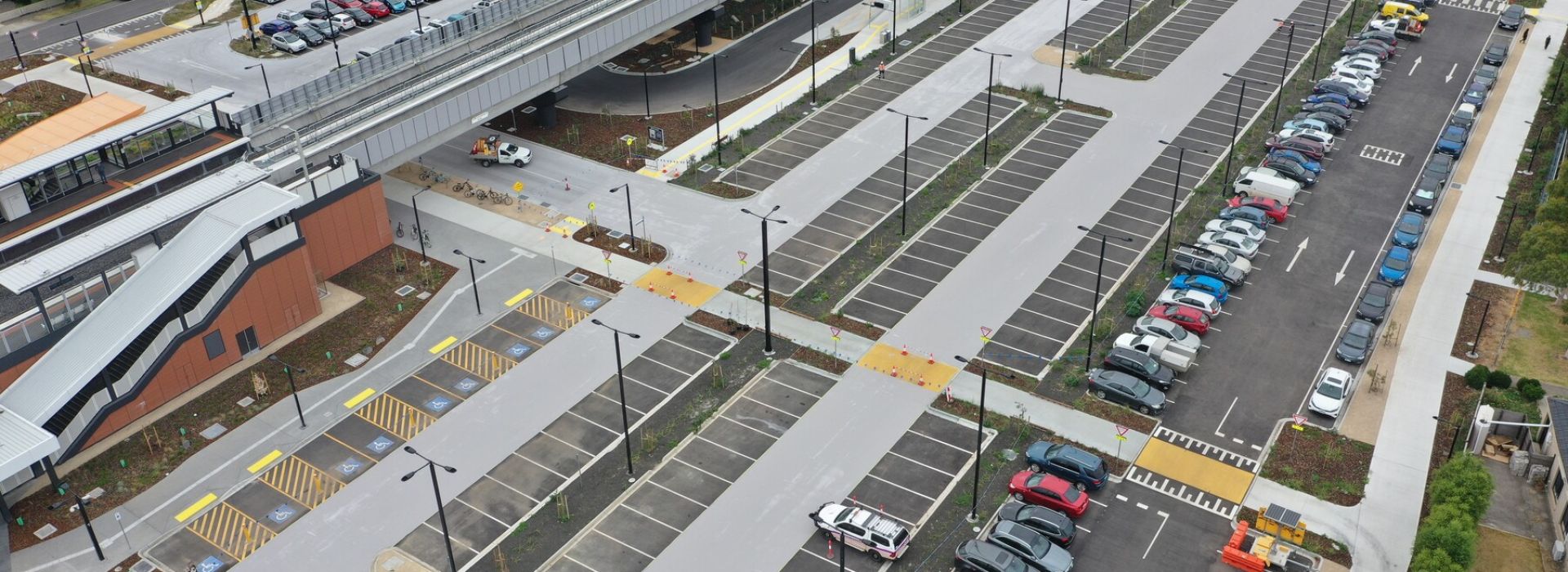
Climate change is increasing the 'heat sink' effect, with traditional construction materials such as asphalt, steel, and concrete, trapping heat and increasing ambient temperatures by up to 20%. That's where our creative team on a level crossing removal project in Melbourne's west comes in.
We used an innovative product called 'Cool Seal' to coat part of the new railway station's asphalt carpark to reduce the heat sink effect. This bitumen-based seal coat product contains 5% recycled crushed glass and lowers surface temperatures by 3-15 degrees. Not only that, it can also extend pavement life by 5-7 years and decrease lighting requirements due to its high reflectivity. This makes it both highly effective and cost neutral.
The impact on human comfort is considerable. In combination with smart landscaping elements 'Cool Seal' delivers a high value community outcome, increasing commuter comfort and reducing the station precinct's impact on the environment overall.

All female Constructionarium
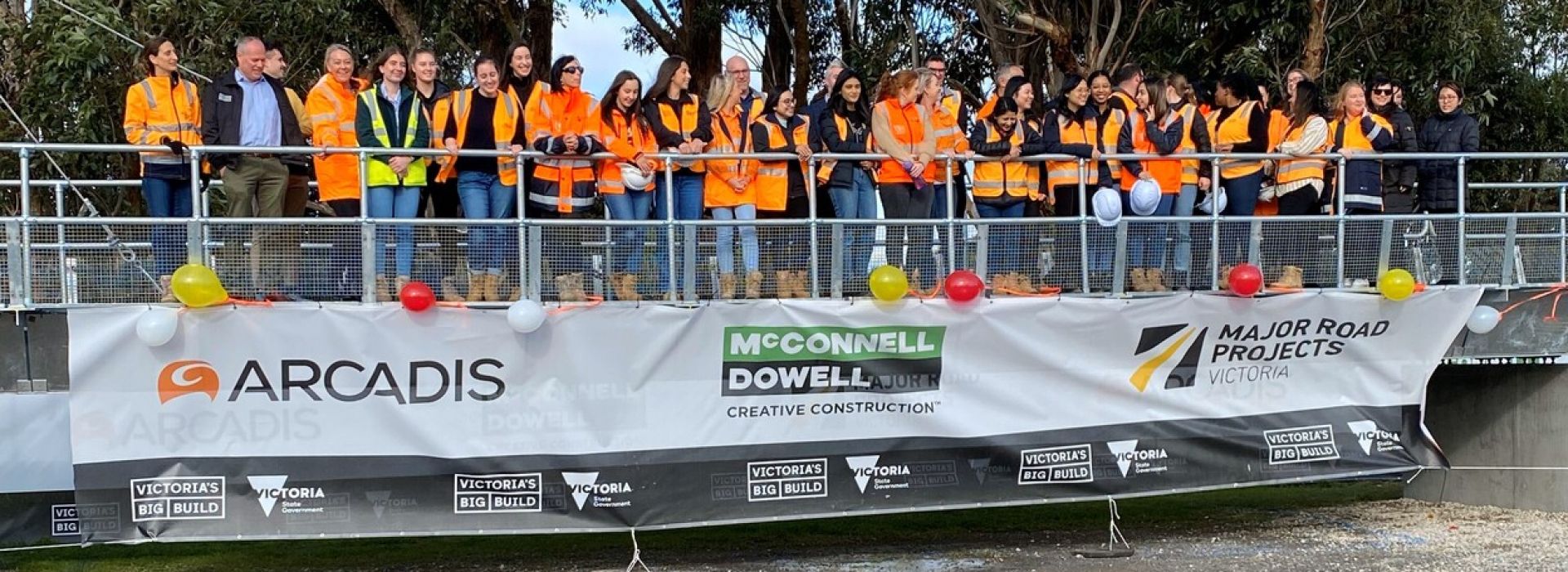
We recently sponsored an all-female Constructionarium in Australia.
Constructionarium is a hands-on, eight day long accelerated training experience for new infrastructure staff to work as a team and plan, tender, build and handover a scaled-down version of a bridge structure.
The program is designed for early career professionals, graduate program participants, interns and those new to infrastructure, and is aimed at developing skills and understanding of the entire project life cycle through tendering, delivery and client handover phases.
And why an all female cohort?
Australia has a shortage of over 100,000 engineers to build the infrastructure we need for our future. Women remain significantly under represented in engineering. The more women we can attract to our profession and retain through great development initiatives like the Constructionarium, the better for our country.
Closing Text - General , no contacts, no video
Summary
Thank you for taking an interest in McConnell Dowell. More information is available on our website, including additional project profiles and case studies.