Capability Statement
Prepared for Prepared for PT Wasco Engineering Indonesia
May 2026
Introduction - Recruitment
Thank you for considering McConnell Dowell. This short capability statement explains a bit more about the benefits of working with us and showcases our capabilities and some of the interesting projects we deliver.
About Us (typically use first)
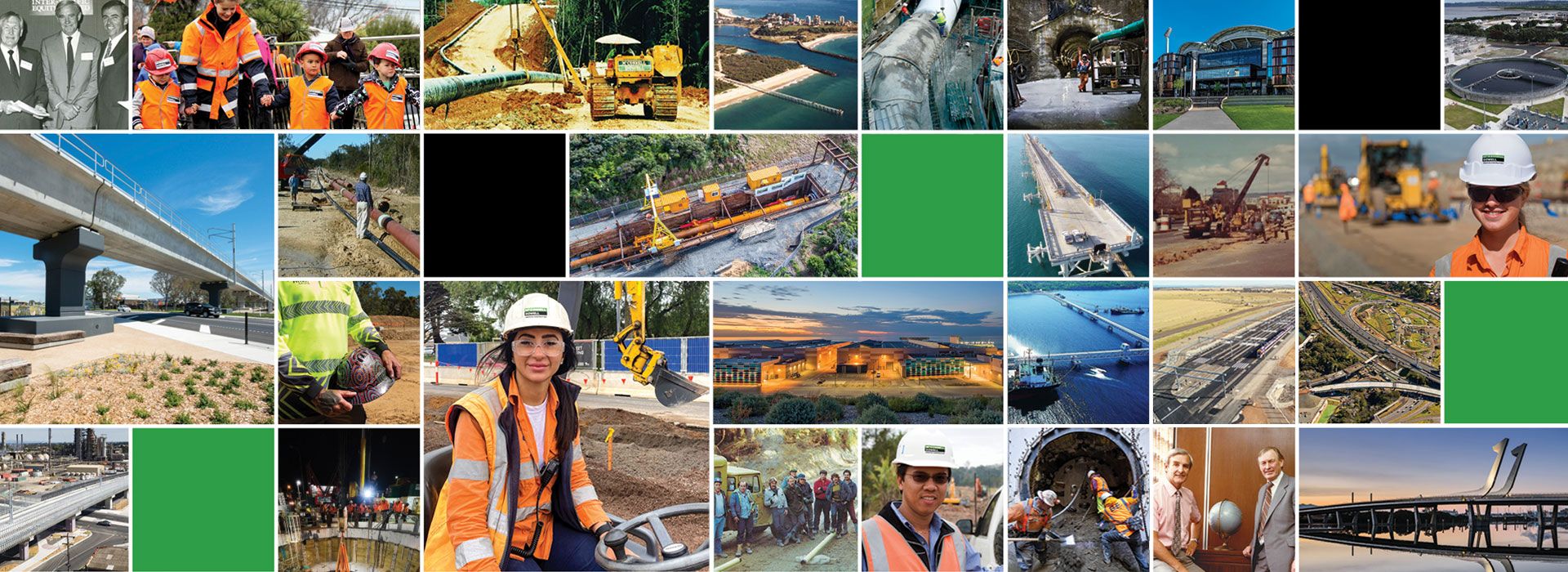
For over 65 years customers have been coming to McConnell Dowell with complex projects that require innovative solutions. That's why we're known as the Creative Construction company.
From remote resources and energy projects to city-shaping infrastructure, we've built thousands of quality assets and facilities.
Engineering-led, our expertise has grown steadily to span building, civil, electrical, fabrication, marine, mechanical, pipelines, rail, tunnel and underground construction..
Mardie Salt & Potash Marine Structures
Delivering new marine facilities to grow Australian exports
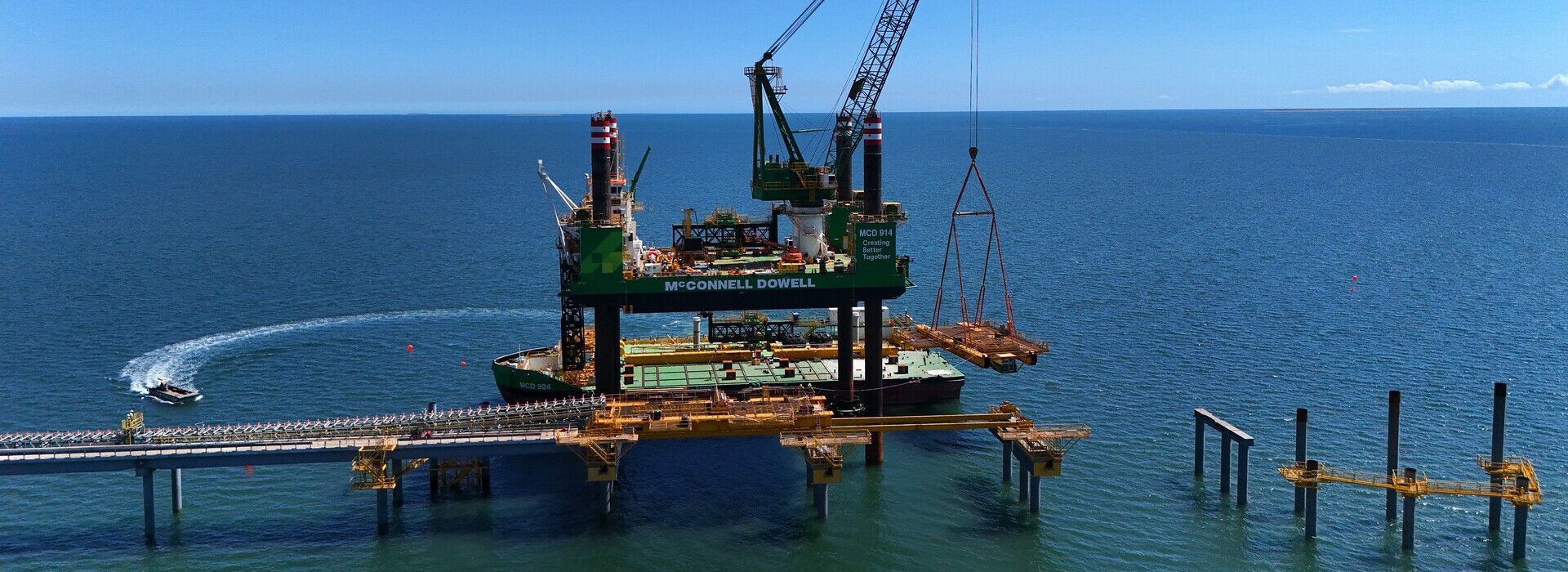
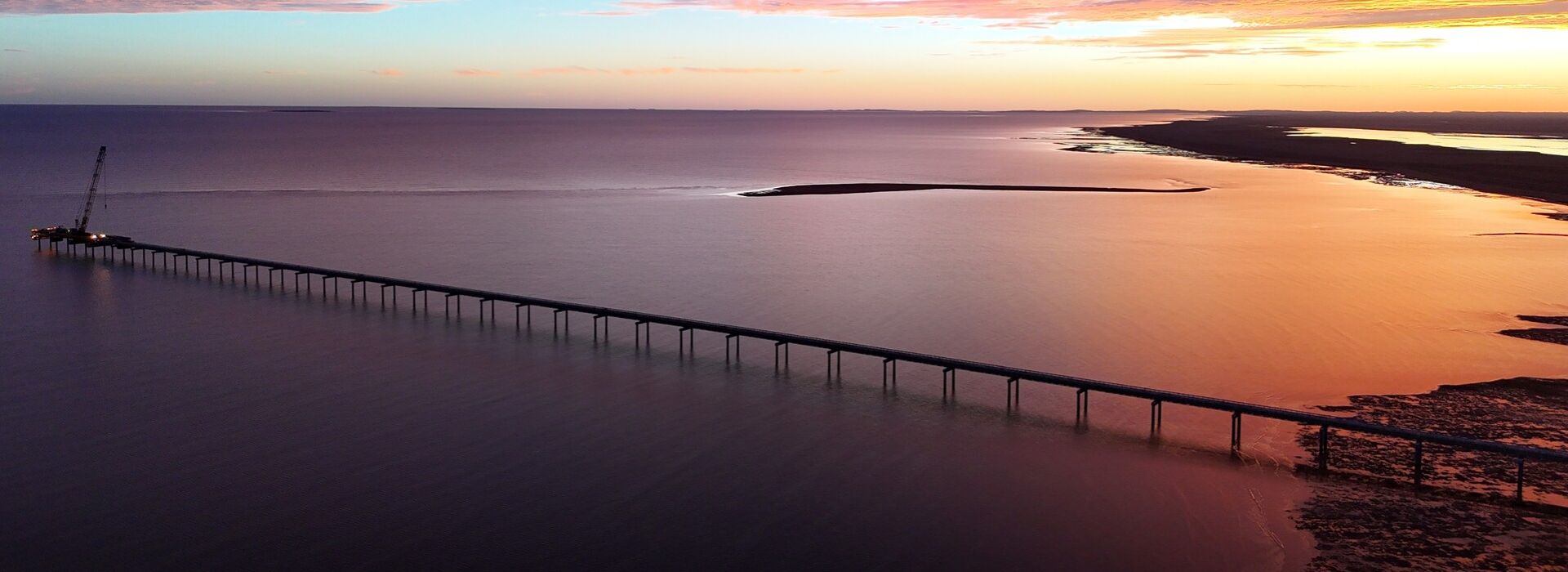
We designed and constructed the marine structures for BCI Minerals’ Mardie Salt & Potash Project in Western Australia, using our innovative canti-traveller system for speed and low impact delivery.
The 'Mardie' Project is a large-scale, solar evaporation operation on the Pilbara coast. Capacity of the completed facility is estimated to be 5.35 million tonnes per annum of high purity salt and 140,000 tonnes per annum of sulphate of potash, over an operating life of at least 60 years.
Fast Facts
- 2.4 km long jetty with berthing and mooring dolphins
- 200 steel piles, up to 30 metres long
- 100 m of jetty completed every 10 days using innovative canti-traveller system
Batangas LNG Terminal
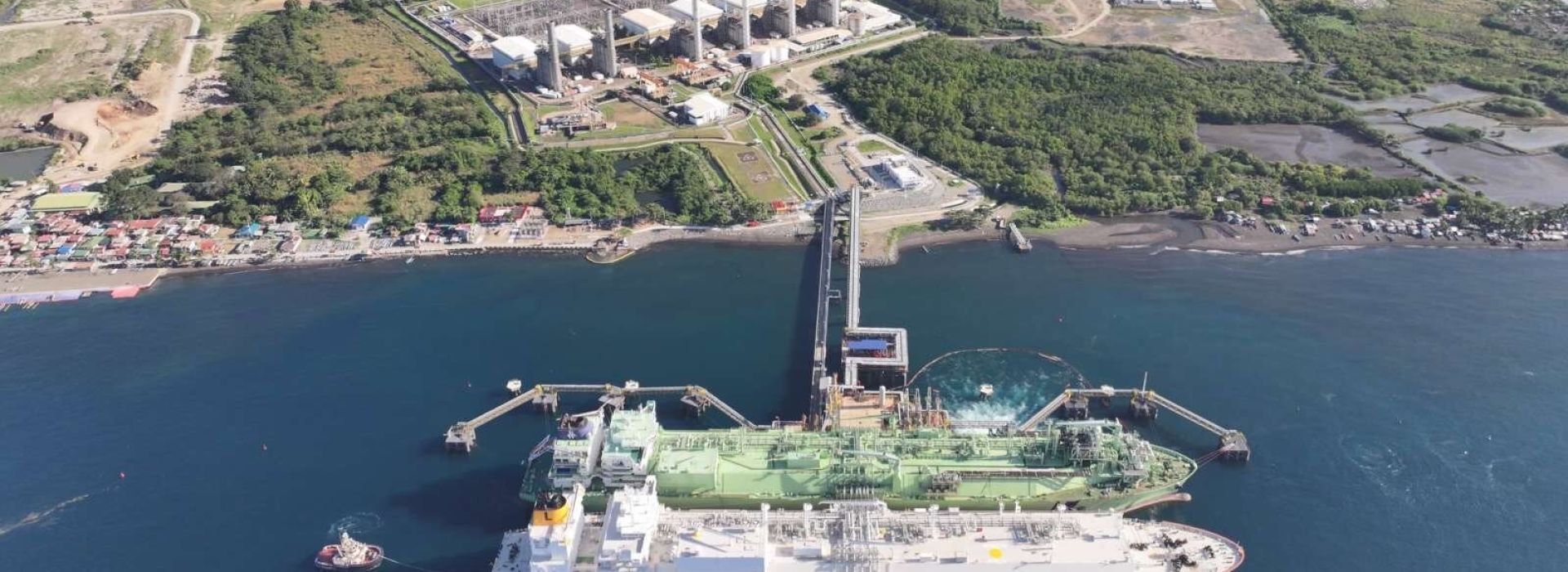
FGEN LNG Corporation (FGEN) engaged us to build and deliver the Interim Offshore Terminal Project ("IOT Project") at their LNG terminal in Batangas, in the Philippines.
We undertook the engineering, procurement and construction of both the Multi-Purpose Jetty and Onshore Gas Receiving Facility. The new Multiple Purpose Jetty is a permanent modification of the existing liquid fuel jetty which we constructed in 1998.
Fast Facts
- New multi-purpose jetty with topside infrastructure
- Onshore facilities, including control room
- 24 inch, 1.3 km long high pressure gas pipeline
- Extensive earthworks, including tsunami bund wall and access road
Tangguh Marine Works
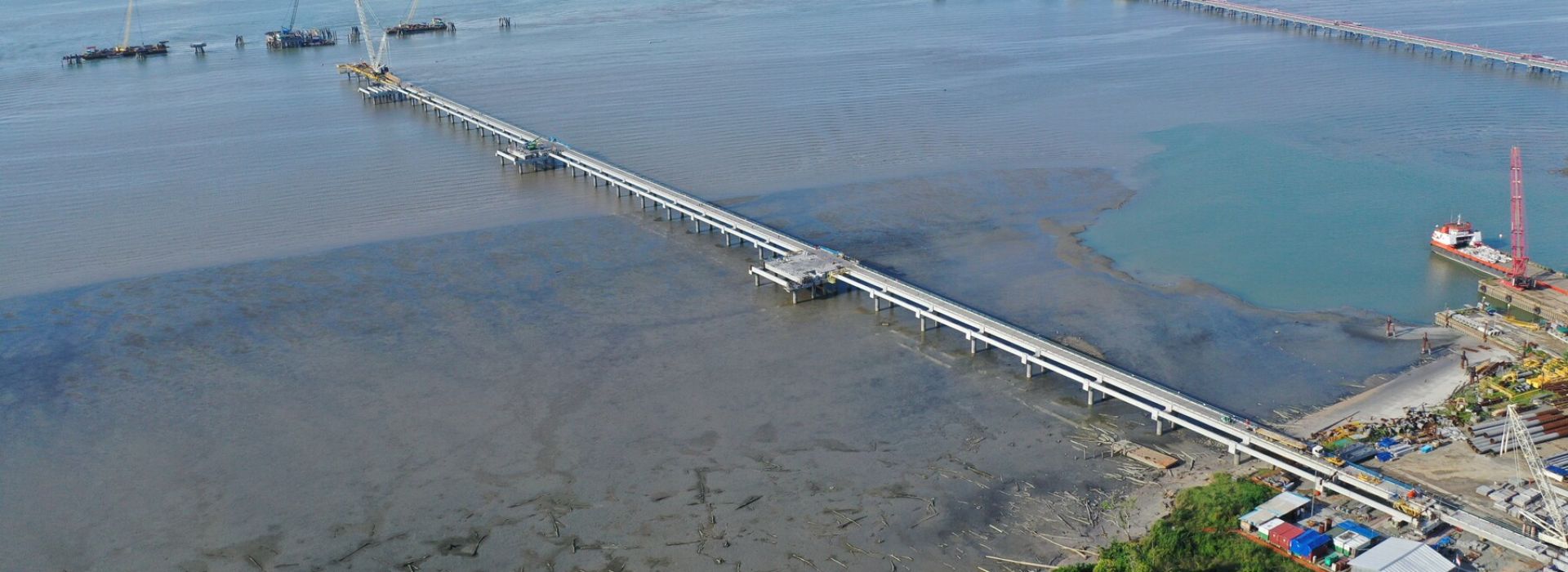
We delivered the marine works for BP’s LNG expansion project in Tangguh, located in the remote area of Bintuni Bay in West Papua. Our customer, PT Saipem Indonesia, was part of an EPC joint venture involving Chiyoda-Saipem -Tritati -SAE.
The overall expansion project comprised a full additional natural gas liquefaction train, including an onshore receiving facility (ORF), an additional Boil of Gas (BOG) recovery, utilities, flares, and all infrastructure to support the facility.
Fast Facts
- A 1056 m long access trestle, including decks for the control room, substation and sea water intake
- 29 m x 42.5 m loading platform
- 4 breasting dolphins
- 6 mooring dolphins
Wharf 7 Upgrade
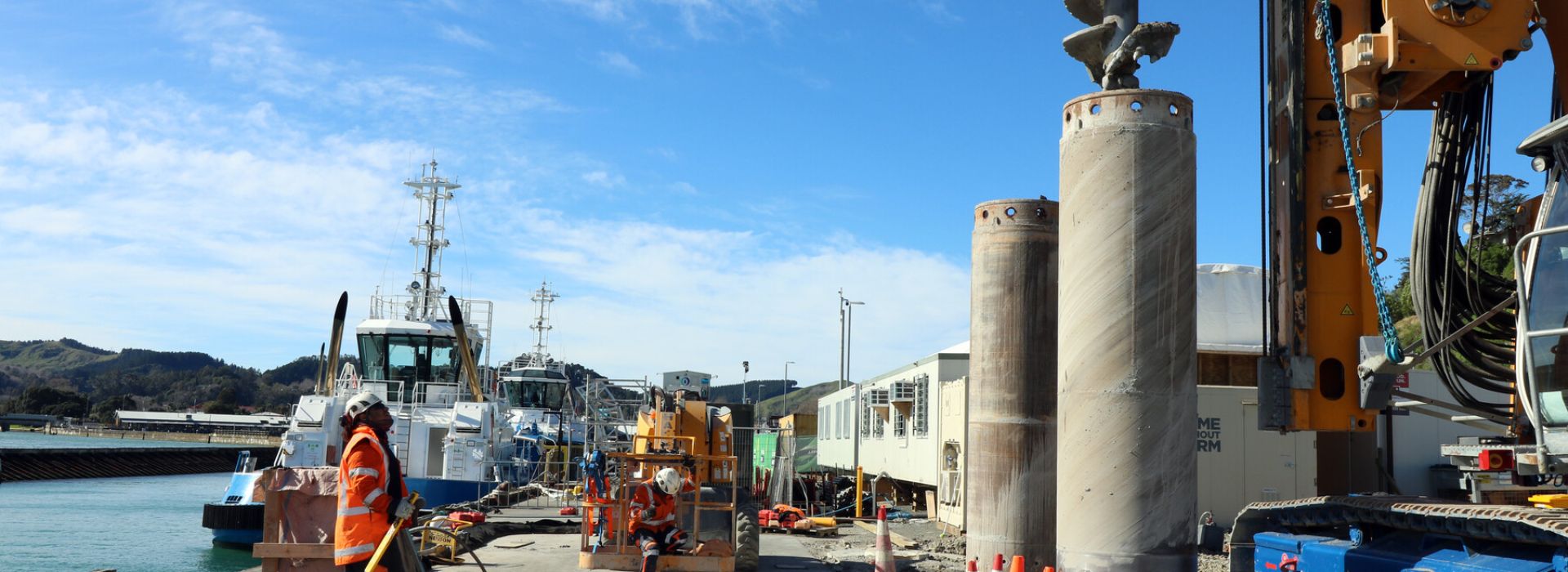
Eastland Port in Gisborne, New Zealand awarded us the design and construct contract to rebuild their Wharf 7 after a very successful six-month value engineering exercise. Construction took just under 18 months to complete.
The contract was part of Stage One of the $60 million Twin Berth Project which will enable two handymax (180-200m long) ships to load and unload at the port safely, simultaneously.
Fast Facts
- Rebuild a 240m long wharf
- Enhanced pile-on-deck design
- 70% less steel
- 50% fewer piles than the original design
- Drill & drive method to reduce noise, vibration and environmental impacts
- Reduced carbon footprint of project by 13,692 tonnes of CO2e
Swanson Dock West remediation
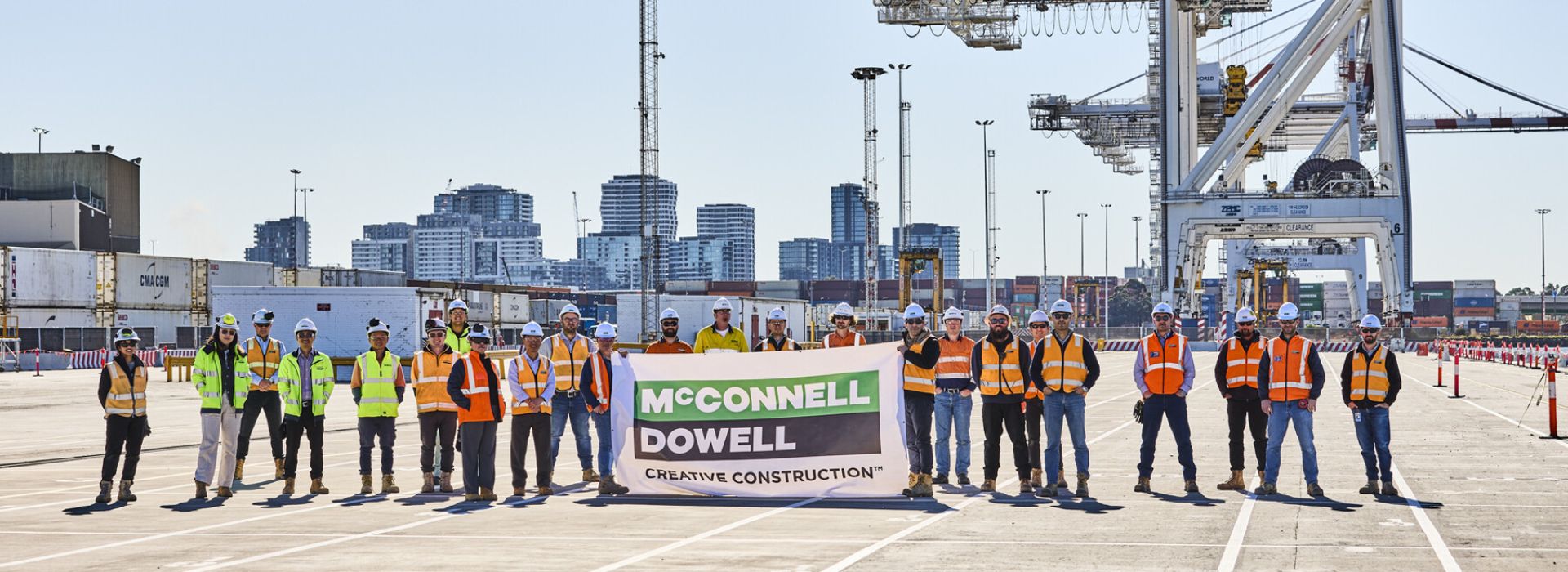
We recently completed Stage 1 of the Swanson Dock West Remediation, and are now delivering Stage 2. This is our sixth project for Port of Melbourne since 2017.
Swanson Dock West (SDW) is a critical International Container Terminal comprising of a 944 m wharf with three container-handling berths, which were constructed in several stages between the 1960s and 1980s. The existing wharf is of varying forms of construction and some sections are close to or beyond the typical design life of 30 years. As a result, major remediation was needed.
Fast Facts
- A three-staged wharf remediation project
- McConnell Dowell's sixth project for this customer since 2017
- Works programmed around operational wharf
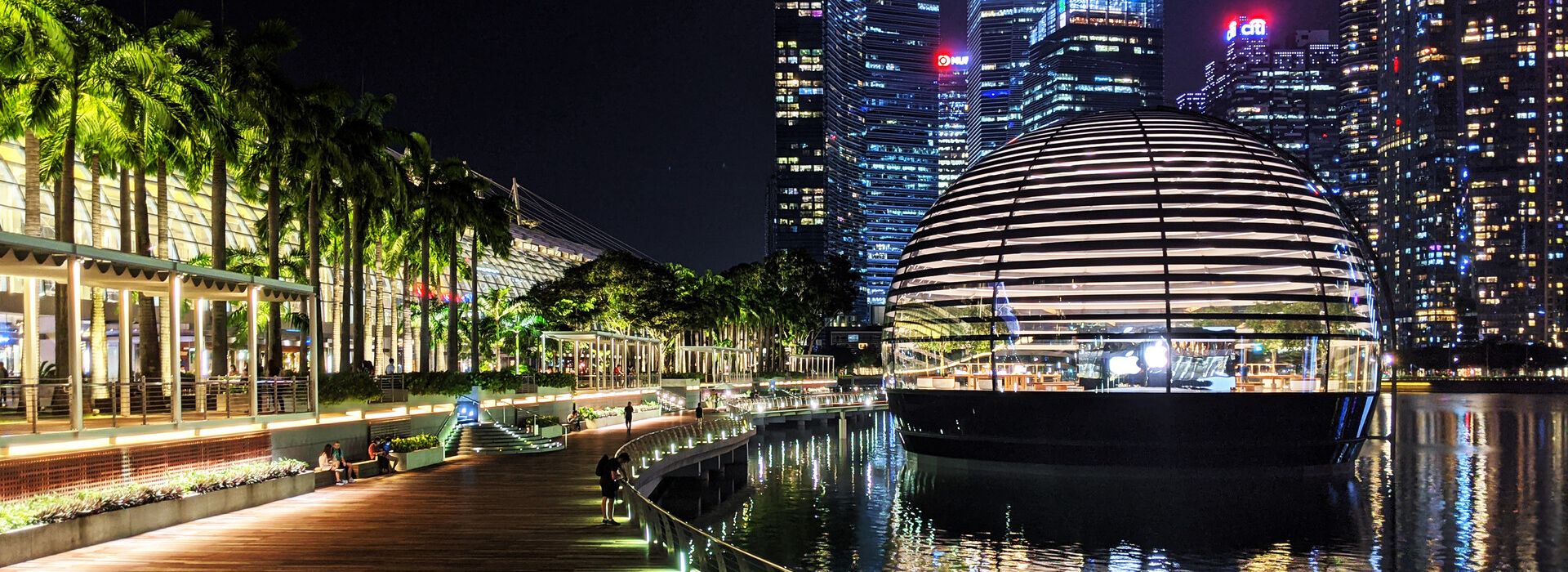
Apple Store Marina Bay Sands
An architectural wonder in the heart of Singapore
We played a key role in the construction of the stunning Apple Store at The Marina Bay Sands (MBS) in Singapore. Entirely surrounded by water, the store offers 360-degree panoramic views of the city and its spectacular skyline through its all-glass dome.
Our role in bringing this architectural wonder to life included both marine-based and onshore construction.
Fast Facts
- Marine based demolition and construction
- Large, piled cofferdam construction
- Subsea tunnelling and waterproofing
- Extensive stakeholder management and engagement
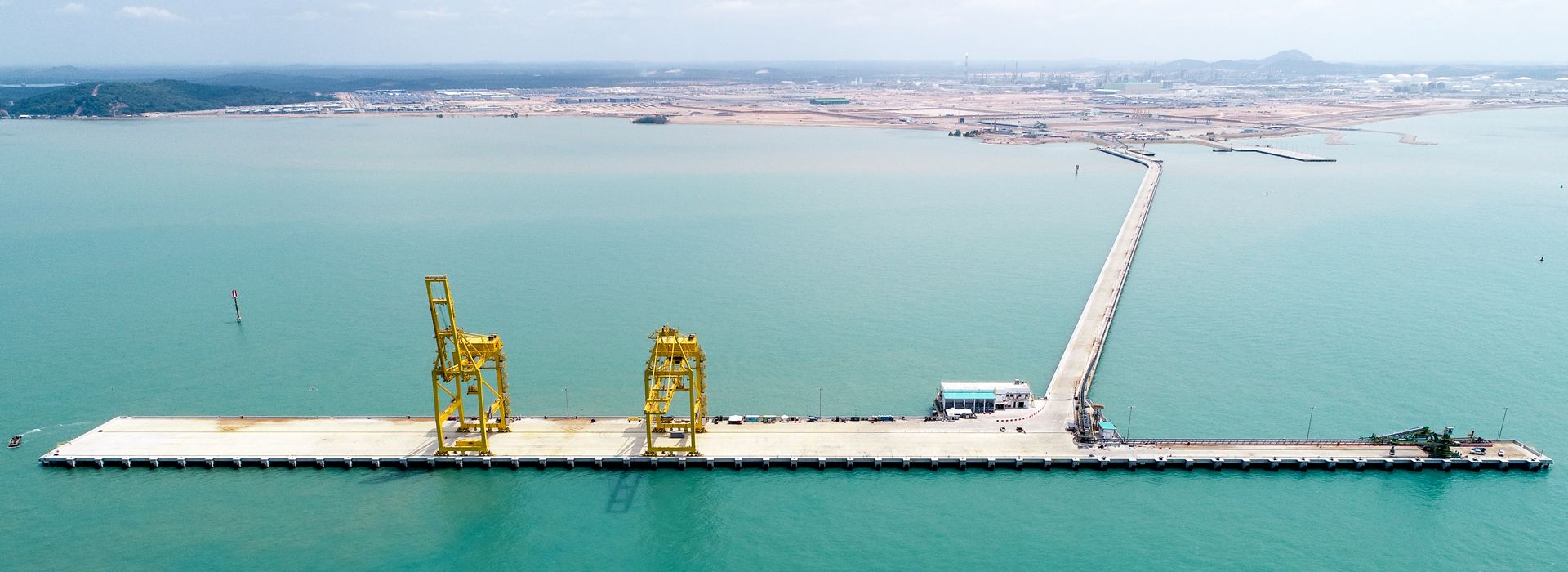
Petronas RAPID Project 12B – Solid Products Jetty
We designed, constructed and commissioned a new jetty and associated handling facilities for Petronas, as part of their RAPID (refinery and petrochemical integrated development) project in Malaysia.
The main element of our scope was a Solid Products Handling Jetty, comprising of a 1300 m long trestle, 710 m long jetty head, two container berths and a sulphur loading berth.
Fast Facts
- 1300 m long trestle with 710 m long jetty head
- Two container berths and a sulphur loading berth
- Topside and landside materials handling system
- Onshore civil and building works
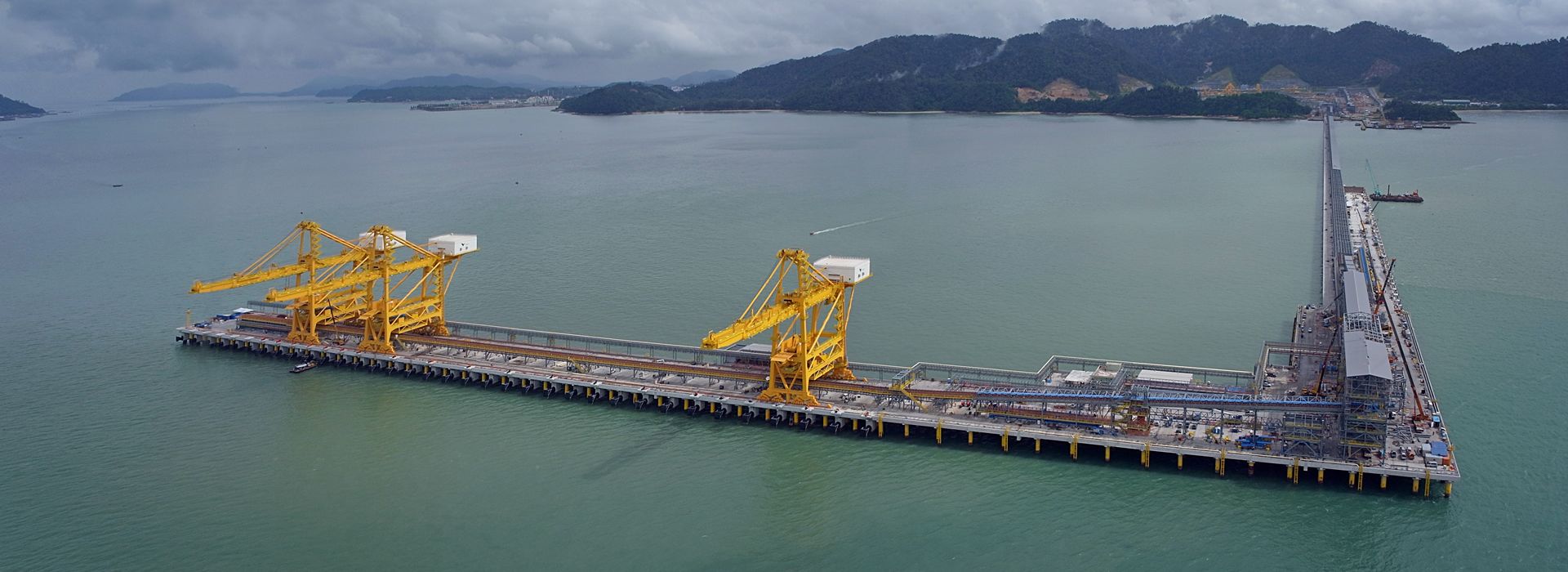
Vale Malaysia Manufacturing Project (VMMP)
In joint venture with BAM Malaysia and SYS Sdn Bhd, we designed and constructed the marine facilities for Vale's Malaysia Manufacturing Project (VMMP).
The berthing facilities cater for the world’s largest bulk carriers, the 400,000 DWT VLOC (also known as ValeMax. Approx. Length 360 m x Width 65 m, Draft: 24 m).
Fast Facts
- Precast Concrete: Quantity - 70,000 m3 / 9500 units / max weight/unit - 120 tonne
- In-situ Concrete: Quantity - 50,000 m3
- Steel Piles: Quantity - 902 piles / diameter up to 1950 mm / length up to 125 m
FMG Berths 1-4
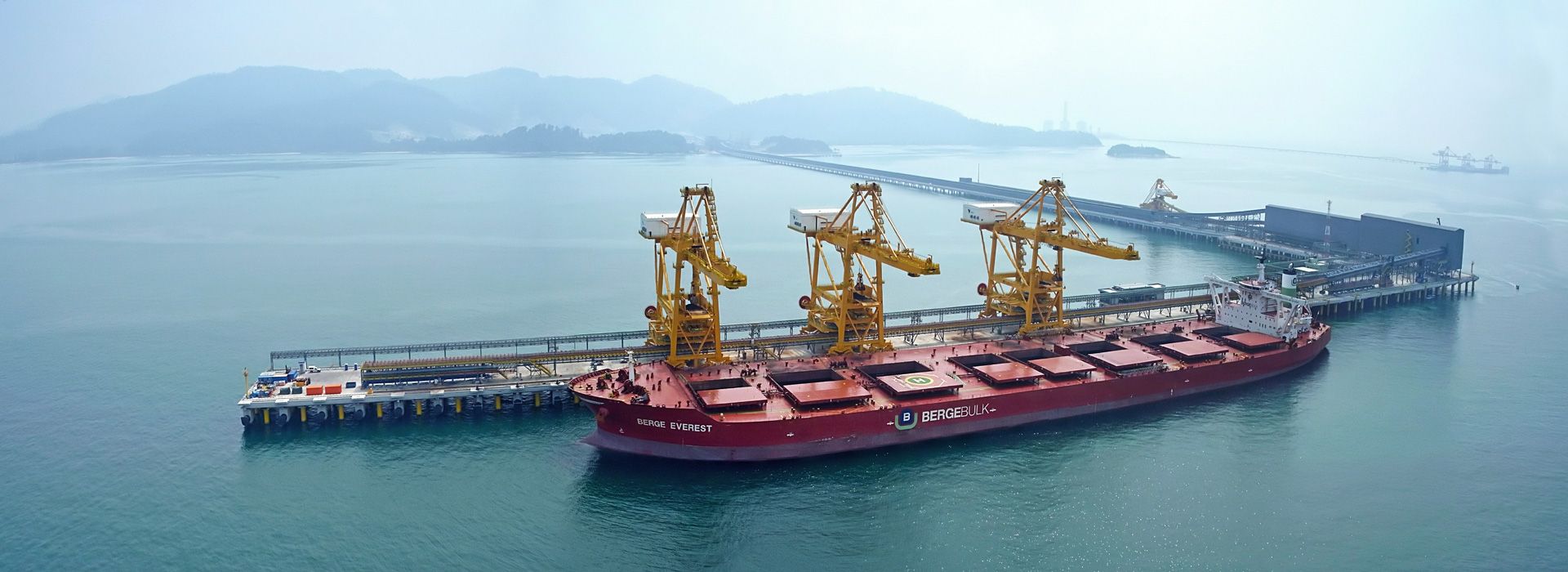
At the height of the Australian resources boom (2004-2014), we became the marine partner of choice for Fortescue Metals Group (FMG), as they developed the infrastructure to support their new iron ore export business.
Fast Facts
- 4 major wharves completed over 5 years
- Berth 1: 270 m wharf, 100 m approach jetty, load-out conveyor
- Berth 2: 400 m wharf and extension to load-out conveyor
- Berth 3: 375 m wharf, duplicate load-out system
- Berth 4: 415 m wharf, elevated conveyor system
Marine
With over 330 marine projects completed across six decades, McConnell Dowell is synonymous with marine infrastructure.
From wharves and jetties to ocean outfalls, breakwaters, and submarine pipelines — we bring coastal confidence to every project.
Our modular approach to construction has helped create productive ports for clients like Rio Tinto, FMG, Vale, and BHP, where over 1.2 billion tonnes of iron ore are shipped annually from wharves we built.
We thrive in complex, operational environments — delivering innovative temporary works and safe, efficient methods that protect people, environment, and productivity. From purpose-built barges to proven marine systems, we engineer safe harbours with precision and care.
At McConnell Dowell, we don’t just build marine infrastructure — we deliver it with certainty, creativity, and a commitment to results.
Tangguh Marine Works
We delivered the marine works for BP’s LNG expansion project in Tangguh, located in the remote area of Bintuni Bay in West Papua. Our customer, PT Saipem Indonesia, was part of an EPC joint venture involving Chiyoda-Saipem -Tritati -SAE.
The overall expansion project comprised a full additional natural gas liquefaction train, including an onshore receiving facility (ORF), an additional Boil of Gas (BOG) recovery, utilities, flares, and all infrastructure to support the facility.
Fast Facts
- A 1056 m long access trestle, including decks for the control room, substation and sea water intake
- 29 m x 42.5 m loading platform
- 4 breasting dolphins
- 6 mooring dolphins
New Bang Phra Raw Water Scheme
Modernising a raw water supply system for Thailand's oil industry
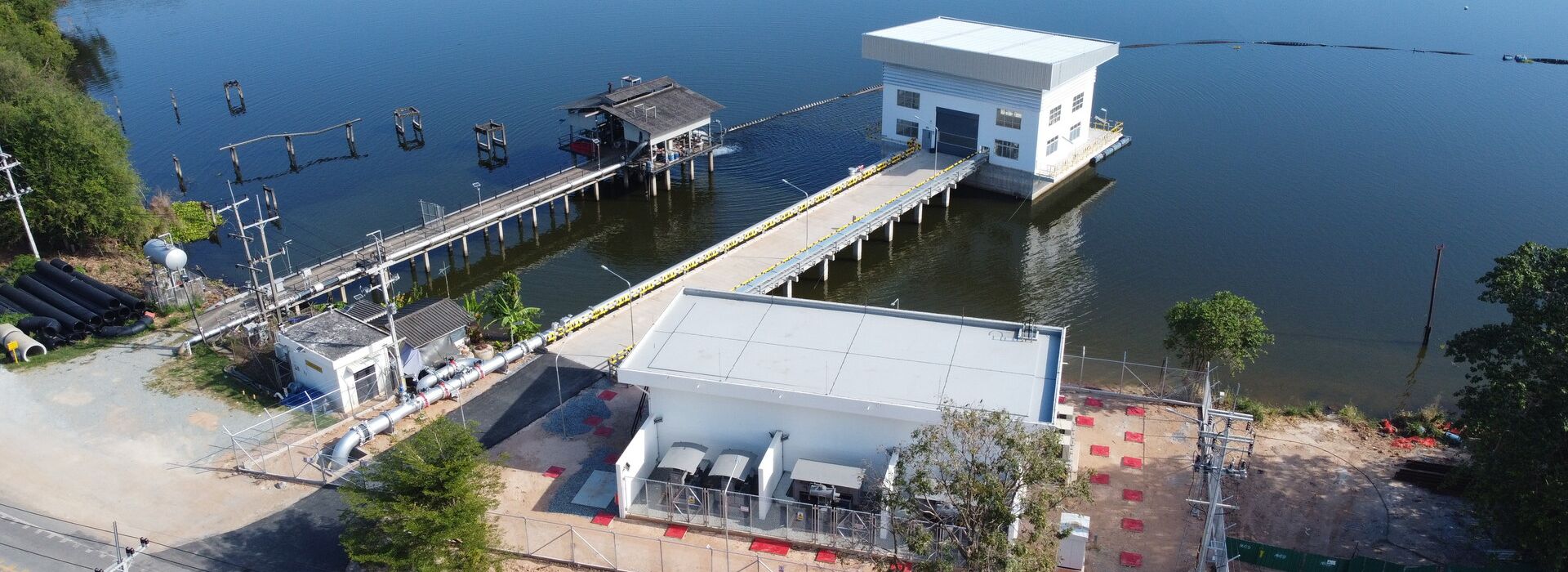
We used our industry-leading marine capability in the design, construction and commissioning of this new raw water pump station for the Thai Oil Company. The new pump station was part of their New Bang Phra Raw Water Line project in Thailand.
The new pump station provides over 4,000 m3/h of raw water and replaced an existing system, which was insufficient due to its low capacity pumps, pipe leakage and corrosion.
Fast Facts
- 4000 cubic litre / hour pump station
- 20 m x 20 m, 10 m deep temporary cofferdam
- Zero lost time injuries
Kamay Wharves
New amenities for Botany Bay
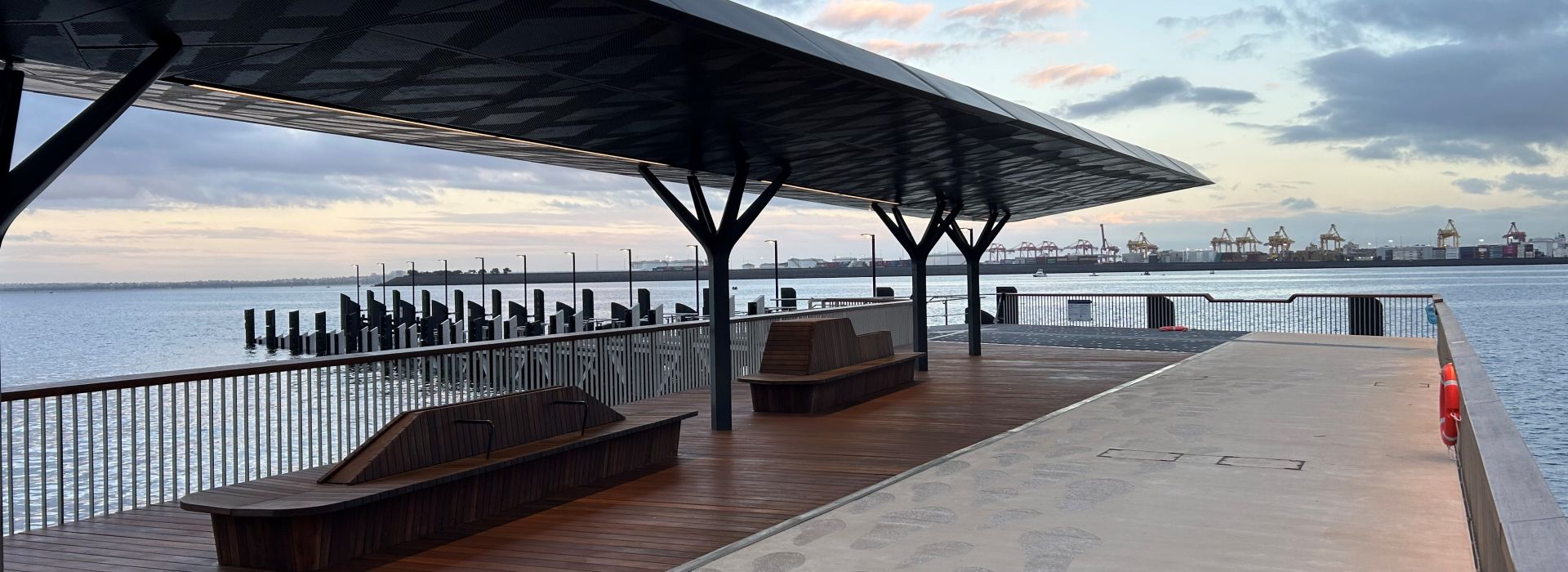
We successfully delivered two new wharves at La Perouse and Kurnell on Botany Bay (Kamay) for the NSW Government. These modern structures replace the original wharves, which had been in operation from the 1890s until 1974, when severe storms rendered them beyond repair.
The Kurnell site holds deep historical and cultural significance. As the first landing place of Captain James Cook, it is a key part of Australia’s colonial history. Equally important, the area remains a place of enduring cultural heritage for First Nations people. To honor this, the wharf designs incorporate large-scale artworks by local Aboriginal artists, creating a meaningful connection to Country.
Fast Facts
- Two new recreational wharves
- 180 m long wharf at La Perouse
- 230 m long wharf at Kurnell
HMAS Coonawarra
New wharf and approach jetties to support the Australian Defence Force
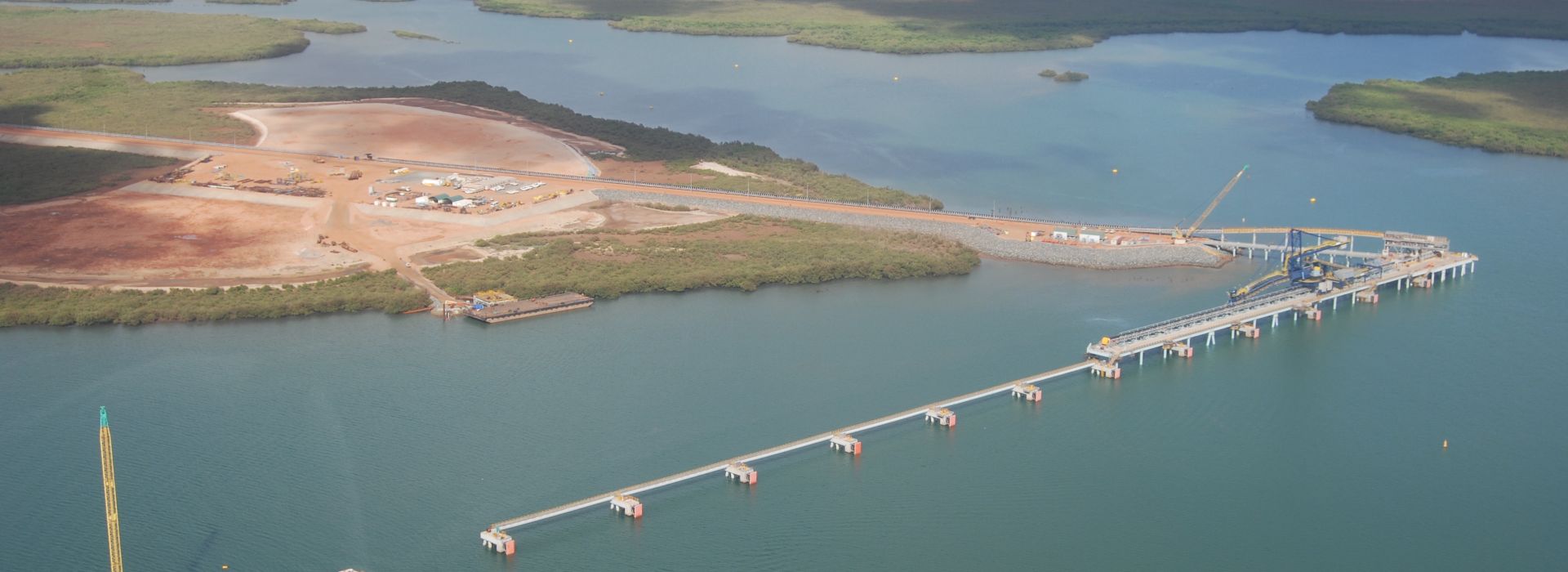
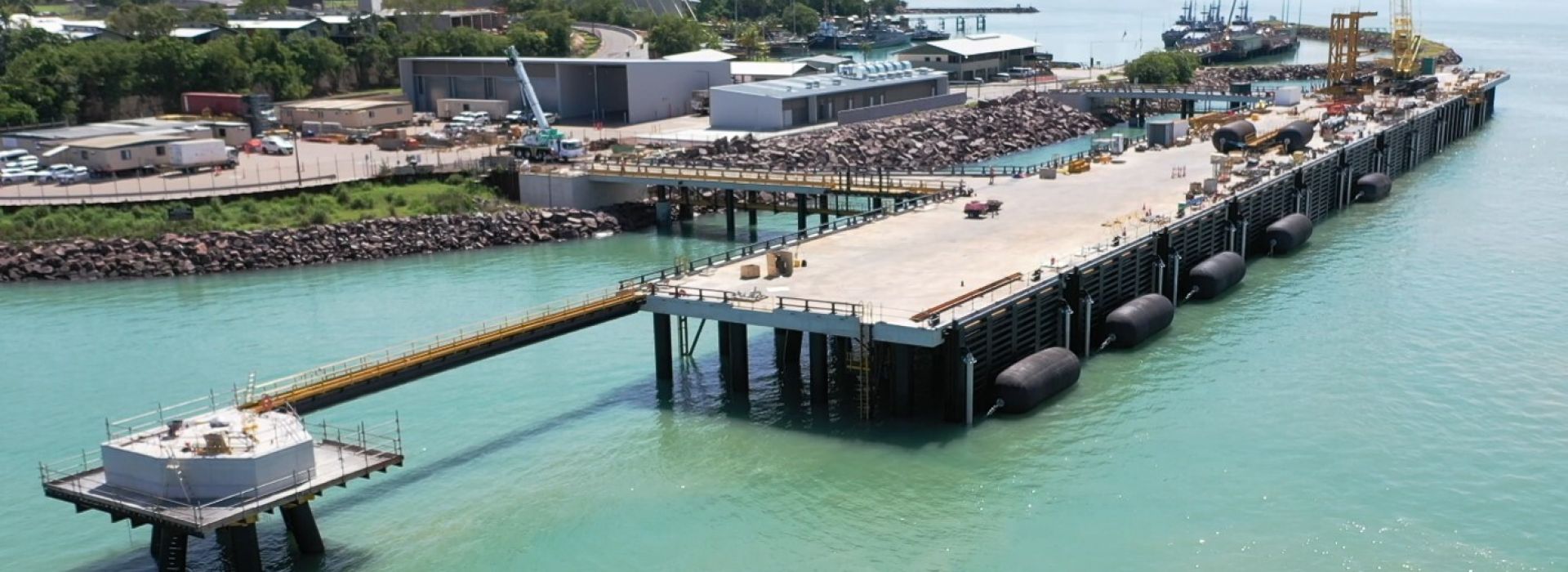
We refined the initial concept design and constructed a new outer wharf structure at HMAS Coonawarra in Darwin to support the Australian Defence Force (ADF). The project involved the construction of a new 250 m long wharf and two approach jetties.
While the final structures are simple in their geometry and configuration, the site location and operational requirements were challenging.
Fast Facts
- 250 m long wharf
- Two approach jetties
- Enhancing ADF's maritime defence capability
Roy Hill Iron Ore Project (Marine Works)
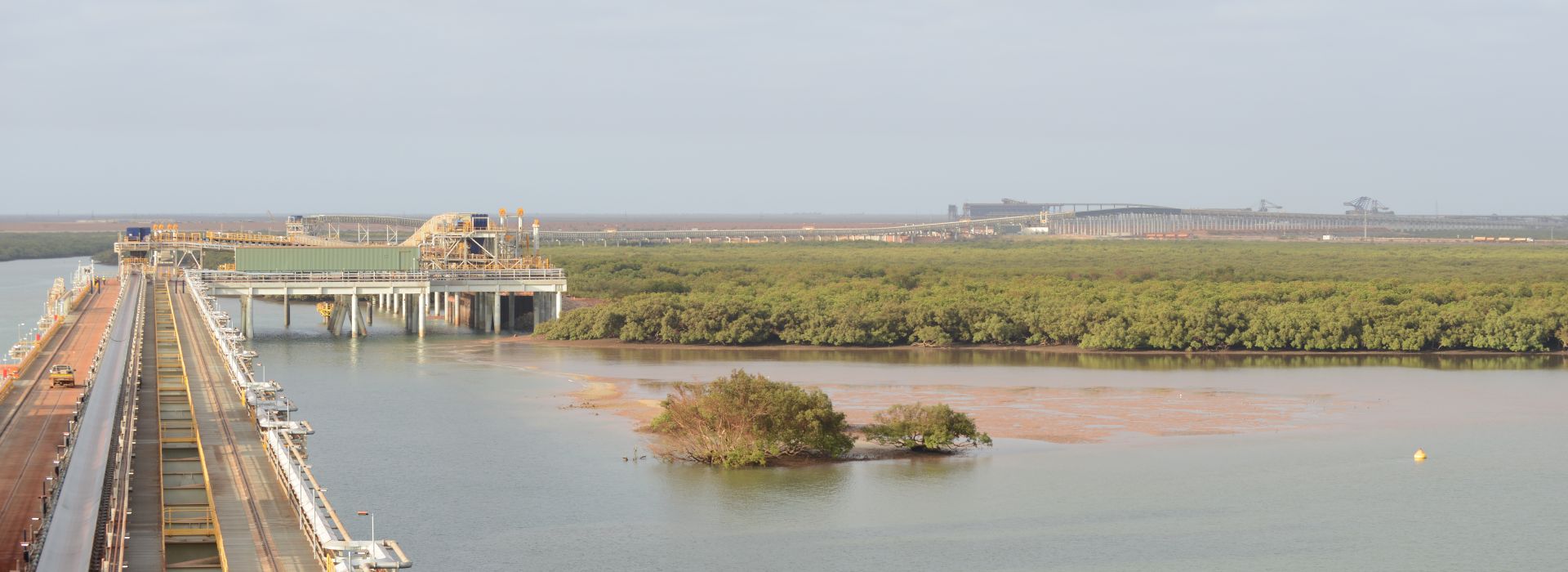
As part of the $10 billion Roy Hill Iron Ore project, we designed and constructed the Stanley Point Iron Ore Terminal at Port Hedland. We used substantial prefabrication and our innovative temporary works system for low impact, high productivity construction.
Our scope consisted of a two berth iron ore load out wharf, connected with a 3600 m long elevated road and overland conveyor to the ore stockyard. In addition to the wharf and the overland conveyor, we delivered an abutment, drive stations, three transfer stations and all SMPE&I works.
Fast Facts
- Two berth load out wharf
- 800 m long wharves
- 30,000 T design and supply steelwork
- 4.5 km of conveyor steelwork
- 3,600 m elevated road and conveyor
- Prefabrication to increase safety and savings to client
Sangatta Offshore Works
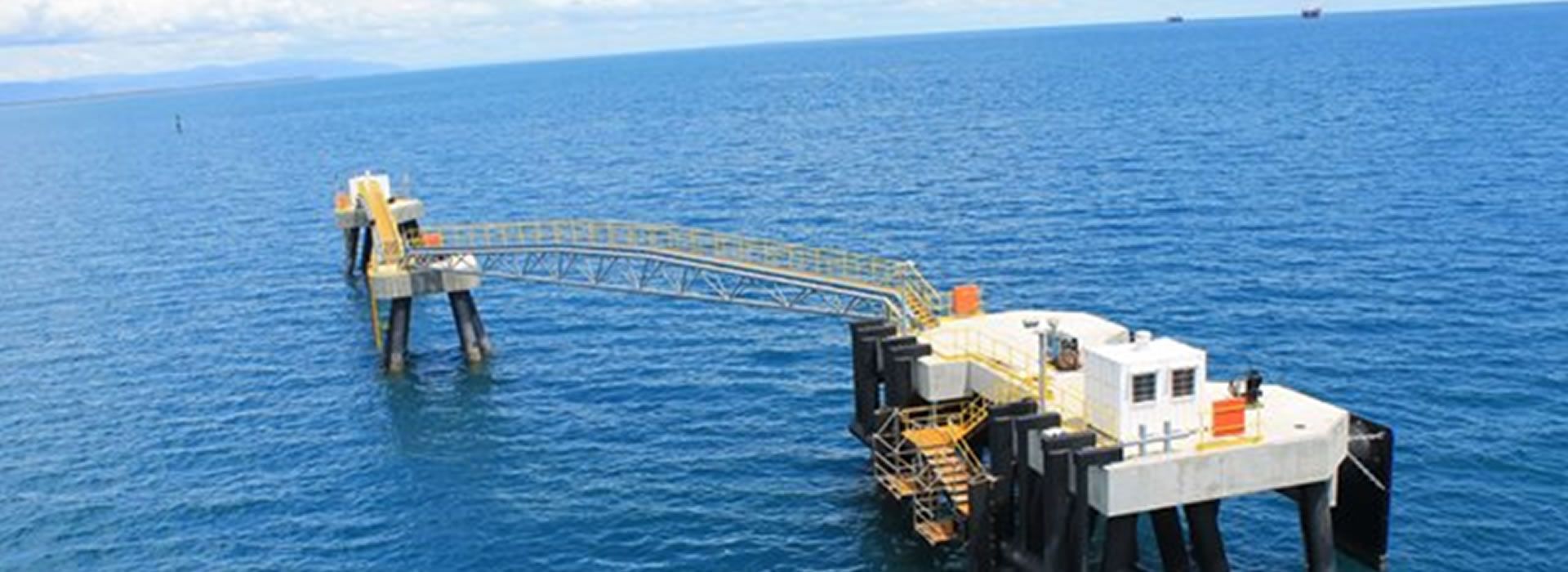
We were engaged to design and construct an eight-dolphin berthing facility, a pipeline end manifold (PLEM), and a new diesel supply pipeline for PT Petro Storindo Energy - a joint-venture between Oiltanking, BP and Kaltim Prima Coal.
Our scope of work included the dolphin mooring system (4 berthing and 4 mooring dolphins); a 3 km long, 20 inch diameter subsea/onshore pipeline; a subsea control unit; a PLEM (Pipeline End Manifold); a PIG Launcher and onshore PIG receiver; and miscellaneous pumps and tanks for the fuel supply. The line terminates at a diesel storage terminal that supports the operations of the Kaltim Prima Coal mine.
Fast Facts
- 4 berthing and 4 mooring dolphins
- Pipeline End Manifold (PLEM)
- 3 km long, 20 inch diameter subsea and onshore pipeline
Rapid Growth Projects (RGP 5&6) - Marine Works
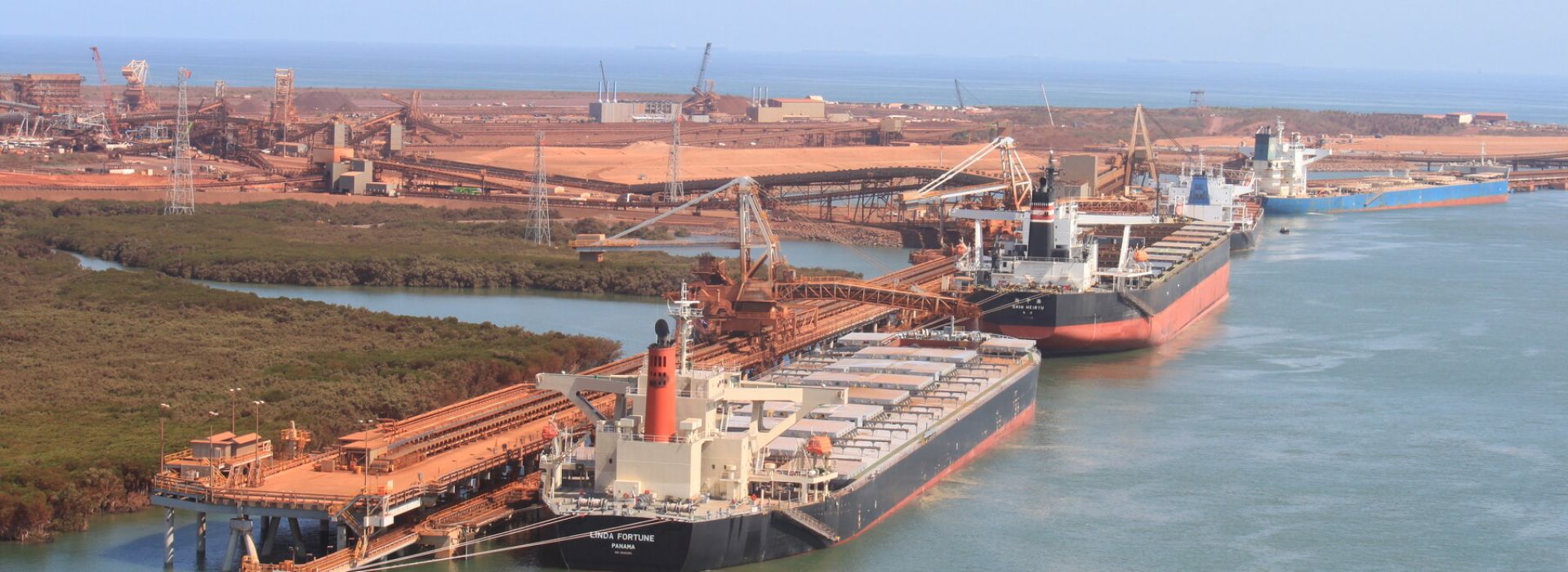
During the Australian resources boom (2004-2014), BHP challenged us to design and construct two new iron export wharves on a fast tracked program to support their rapid growth program (RGP) initiative.
To meet the challenge, while delivering safely and to a high quality, we broke new ground in large-scale marine modularisation, making it central to our construction approach.
Fast Facts
- 1650 m of new wharfing constructed over 2 projects
- Over 600 steel piles installed
- 30 berthing dolphins constructed
- 500 tonne wharf modules lifted into position by heavy lift ship
- 350 person peak workforce
- 7% indigenous employment
Safety
We never compromise on safety.
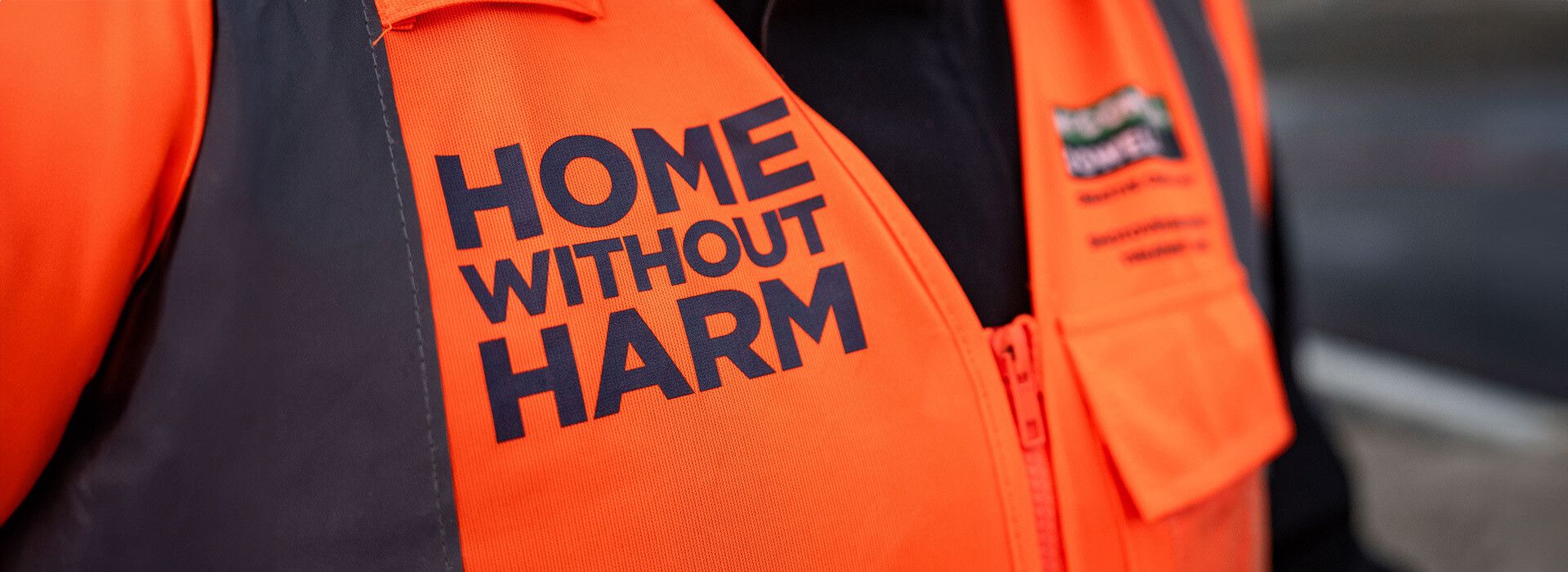
We foster our 'Home Without Harm' safety culture through robust processes, effective systems, and by recognising and rewarding safe behaviours.
Our Site Safety Managers are always on our project leadership teams, ensuring safety is prioritised in all site activities. Every team member has clear safety responsibilities, aimed at protecting themselves, their colleagues, and the community.
We're also leading our industry in the adoption of new safety technologies, like virtual reality plant simulators and AI-enabled blind spot elimination. Check out the case studies below for more information.
Underpinning it all are our Safety Golden Rules. Built on our long-term collective knowledge and learnings, they are specifically targeted at preventing fatalities and serious injuries.


Closing Text - General with contacts, no video
Summary
Thank you for taking an interest in McConnell Dowell's skills, capabilities and approach. Additional information is available on our website, including additional project case studies.
Contact us through the link(s) below for advice or assistance with your project.
Contacts