Capability Statement
Prepared for Prepared for BRIG Matt Quinn
May 2026
Introduction General
Thank you for the opportunity to present this brief capability statement which details a cross-section of our skills and experience, and showcases a selection of our recent projects.
About Us (typically use first)
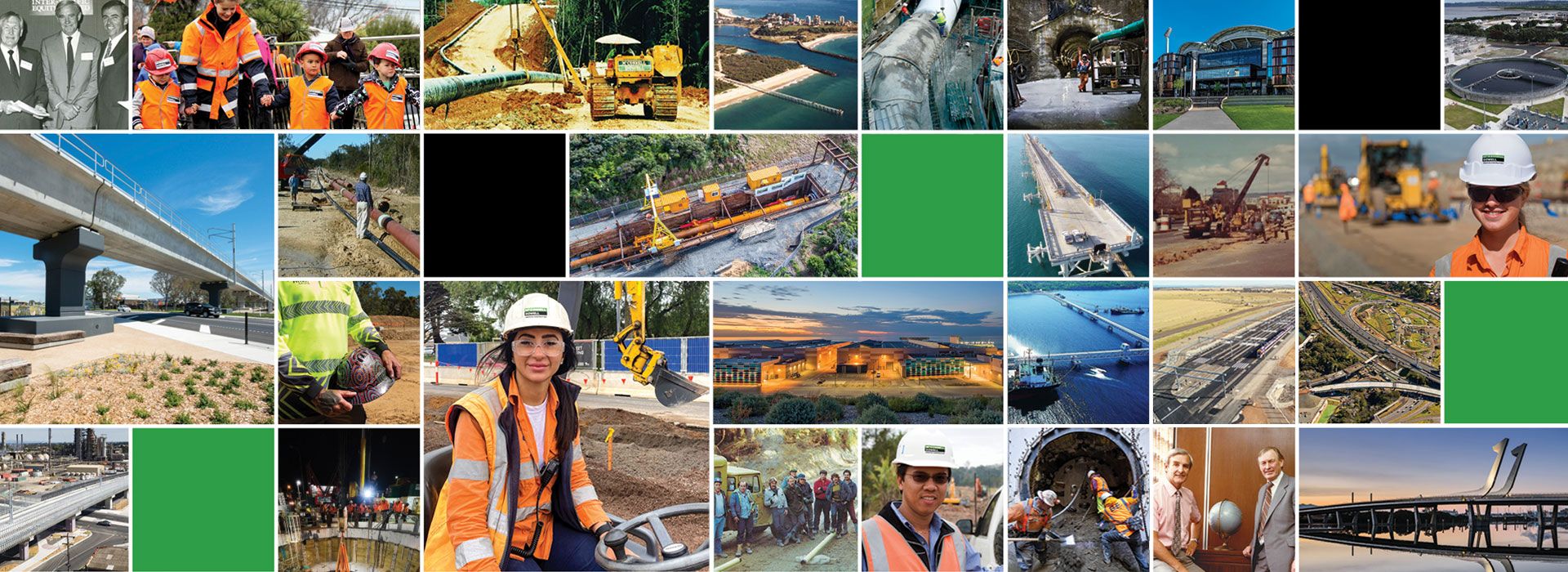
For over 65 years customers have been coming to McConnell Dowell with complex projects that require innovative solutions. That's why we're known as the Creative Construction company.
From remote resources and energy projects to city-shaping infrastructure, we've built thousands of quality assets and facilities.
Engineering-led, our expertise has grown steadily to span building, civil, electrical, fabrication, marine, mechanical, pipelines, rail, tunnel and underground construction..
Our Approach (typically use 2nd or 3rd)
We approach every project with a focus on creativity and certainty - seeking the right blend of innovation and safe, proven approaches so we can exceed our customers' expectations.
We also understand that construction today is as much about community and sustainability as it is about concrete and steel. Our unwavering objective and commitment is to deliver what we promise to our customers, while protecting and enhancing our people, the community and the environment.
Our Solutions (typically use 4th to 8th)
We offer our customers engineering and construction solutions in transport, water & wastewater, ports & coastal, energy, resources, and building.
Our services encompass the complete project lifecycle—from early concept design to commissioning and ongoing maintenance. We tailor each solution to suit our customer's specific project objectives and preferred delivery approach.
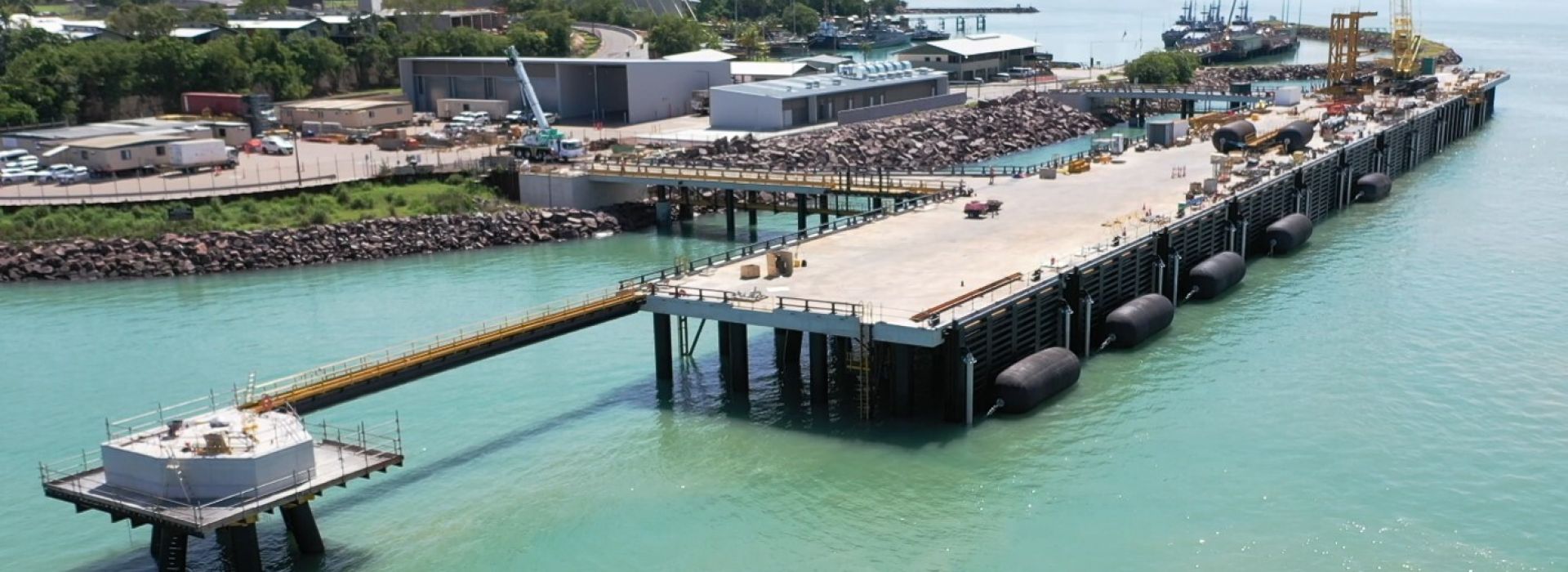
HMAS Coonawarra
New wharf and approach jetties to support the Australian Defence Force
We refined the initial concept design and constructed a new outer wharf structure at HMAS Coonawarra in Darwin to support the Australian Defence Force (ADF). The project involved the construction of a new 250 m long wharf and two approach jetties.
While the final structures are simple in their geometry and configuration, the site location and operational requirements were challenging.
Fast Facts
- 250 m long wharf
- Two approach jetties
- Enhancing ADF's maritime defence capability
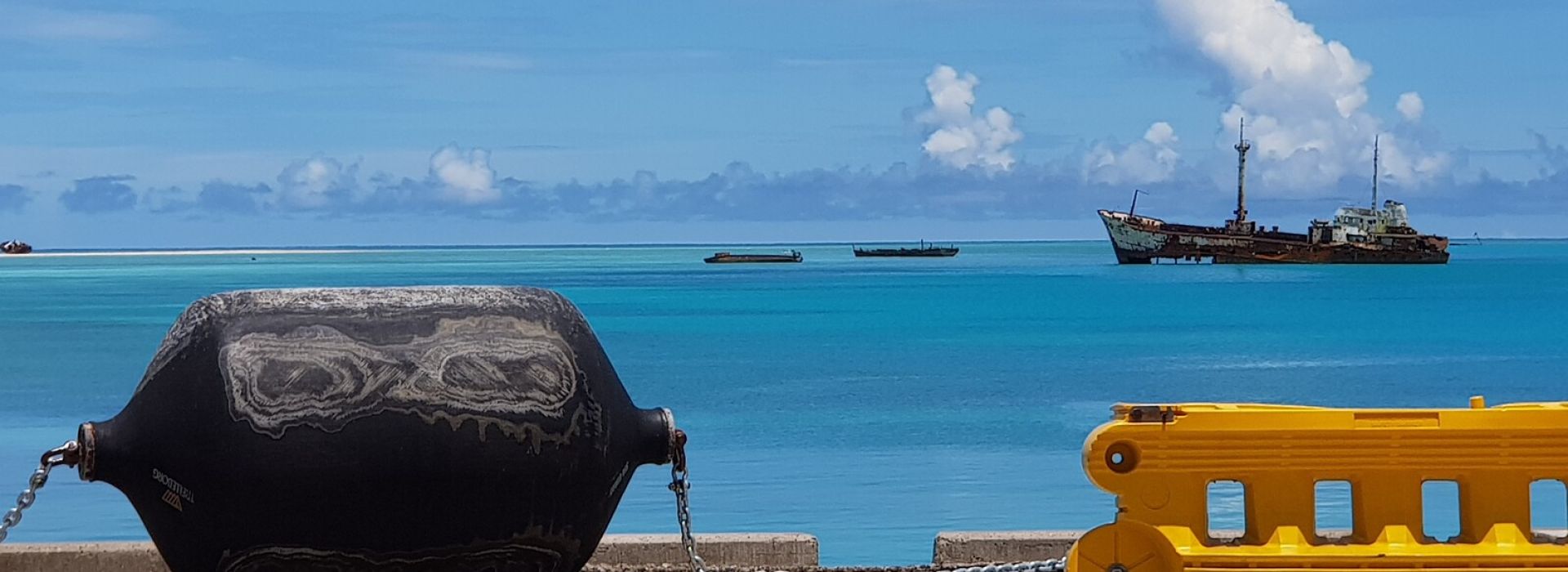
Pacific Maritime Security Programme
Supporting security and safety in nine nations
Improving marine infrastructure for nine Pacific Island countries as part of the Australian Government’s Pacific Maritime Security Programme (PMSP) fits perfectly with our vision: Providing a Better Life.
This project also demonstrated our ability to deliver logistically challenging marine projects across the Pacific.
Fast Facts
- wharf upgrades across nine Pacific Island nations
- custom construction activities at each wharf location
- includes piling, dredging, concrete and steel construction,
- facilities will accommodate new Guardian Class Patrol Boats (GPBs)
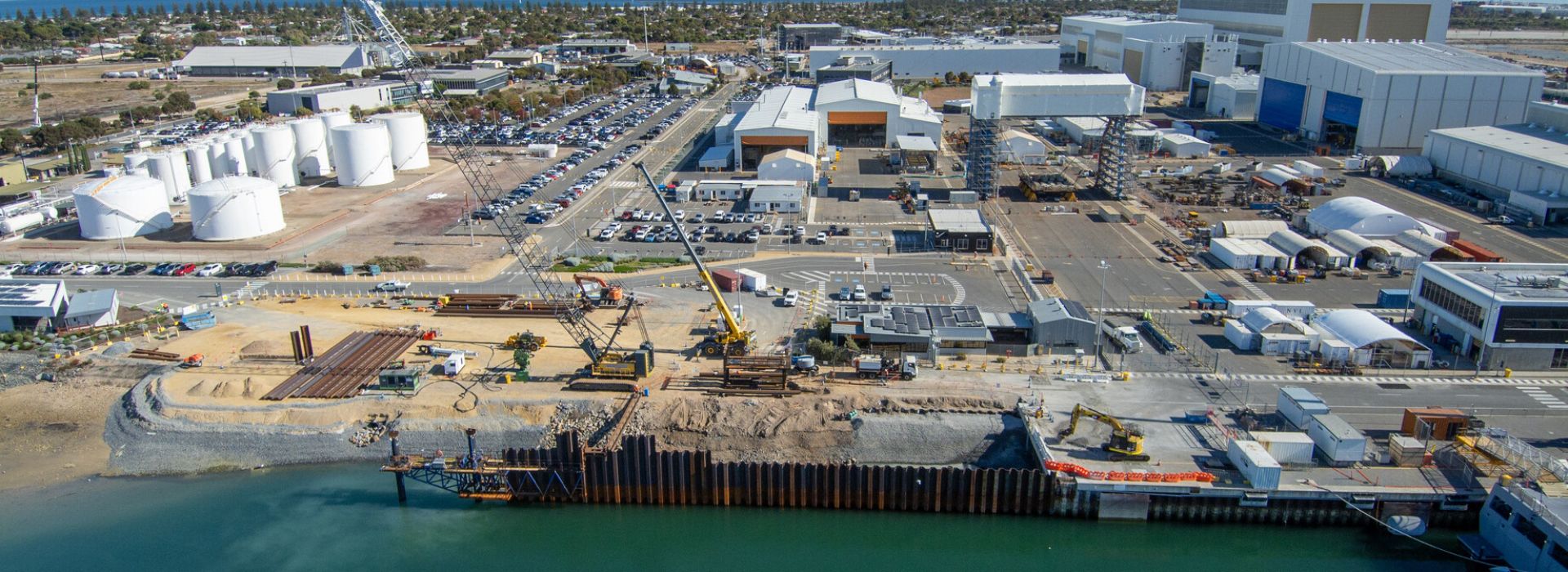
CUF Marine Development Works
Supporting Australia's shipbuilding capacity
Fast Facts
- Construction of 80 - 100 m land backed wharf
- 40,000 m3 of dredging
- Berth kiosk services, including water and eletrical supplies
Building Solutions
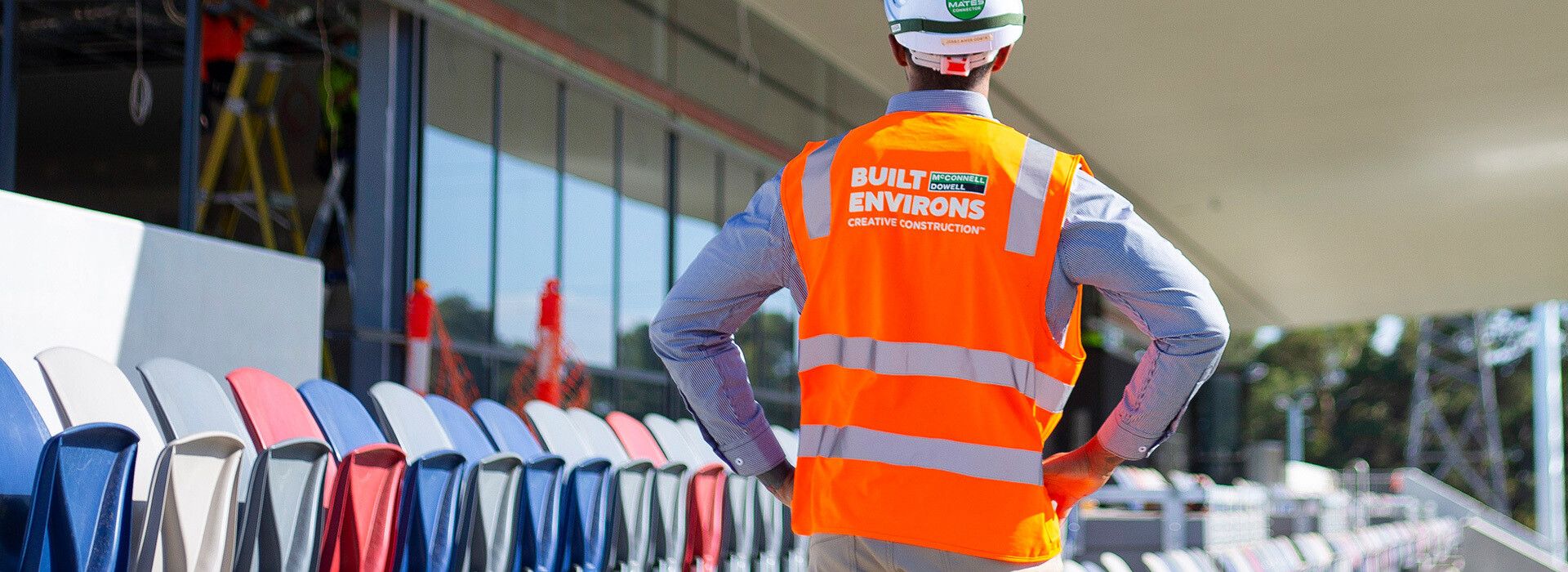
Built Environs, is a full-service construction company providing design management, through to construction and fit out. They specialise in complex buildings like hospitals, aged care and high-performance sports facilities.
Pacific Property System Project
In 2025, we completed infrastructure upgrades for the Ministry of Foreign Affairs & Trade (MFAT) in Tonga and Samoa, and this year, we are starting projects in Fiji and Papua New Guinea.
In a joint venture with our vertical colleagues, Built Environs, we have been contracted to build new diplomatic facilities in Suva and Port Moresby.
Fast Facts
- new infrastructure, solar power and security in Tonga and Samoa
- new chanceries in Fiji and PNG
- a Representation Space in PNG
- and a new Official Residence in Fiji
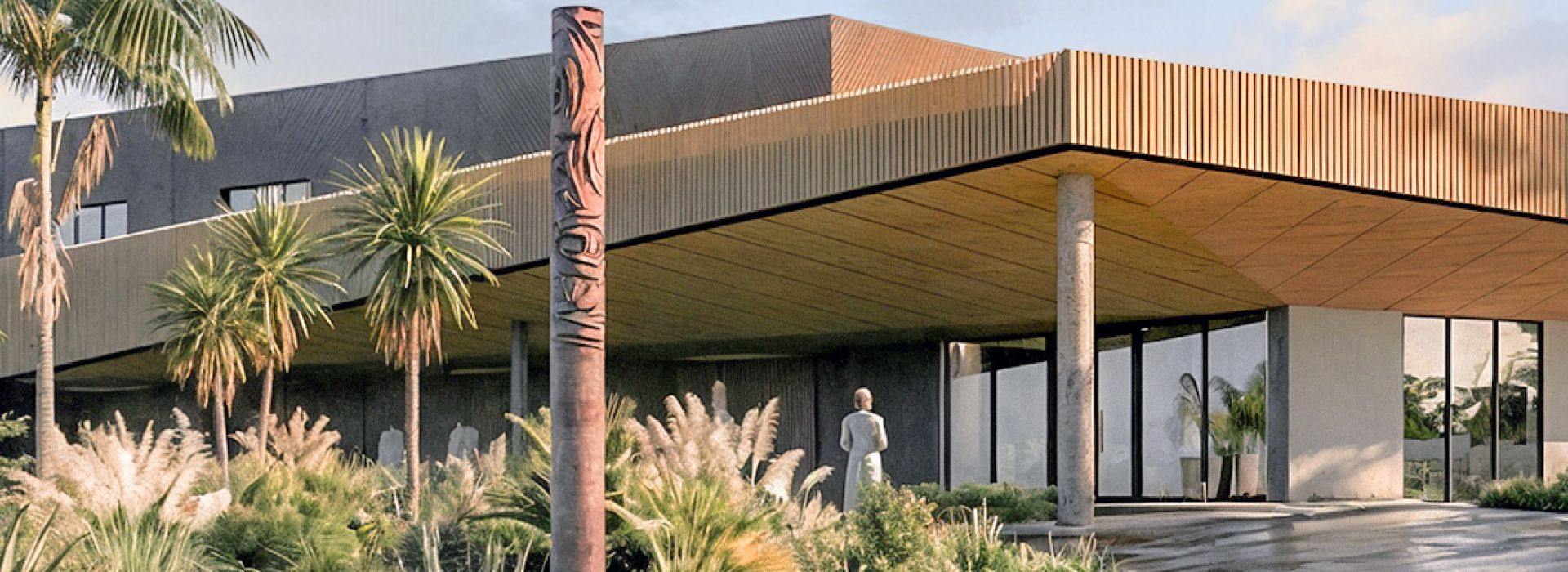
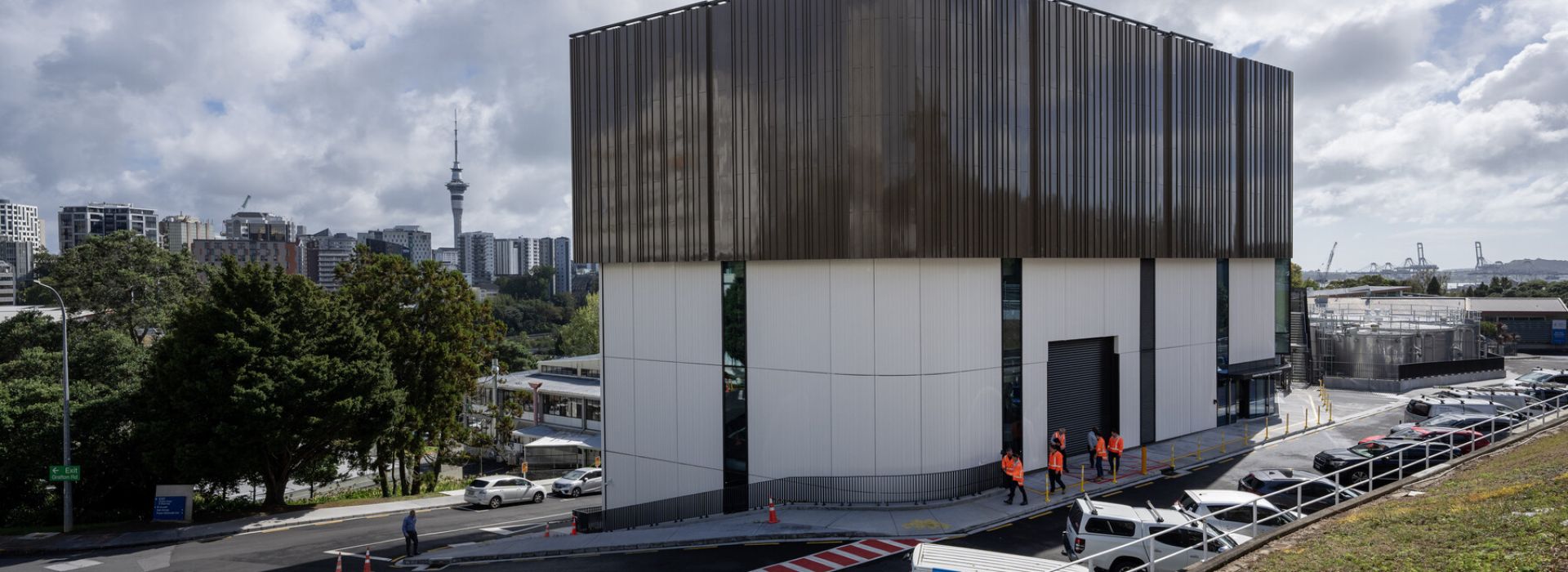
Auckland City Hospital Central Plant and Tunnel
Auckland City Hospital is a complex stakeholder environment with patients, staff, specialist service providers, emergency vehicles and a helicopter pad all intersecting within a small footprint in central Tāmaki Makaurau, Auckland.
The project team planned the construction method to suit the 24/7 live hospital environment and minimise disruption to stakeholders by creating a custom traffic management plan, including an access ramp so large vehicles like trucks could be separated from hospital traffic.
Fast Facts
- 110 foundation piles between 7.5m and 26m installed over ten weeks during Enabling Works.
- 240m long services tunnel with an internal dimension of 4m and 3.5m will be built using open-cut-and-cover methodologies.
- A five-storey, 5,230 m2 building will be constructed adjacent to the Ronald McDonald House.
- Seismic resilience of the building will be increased by using bespoke triple friction pendulum bearings.
- Installation and commissioning of new hospital backbone services and equipment.
- Deconstruction and decommissioning of old services and plant building A06.
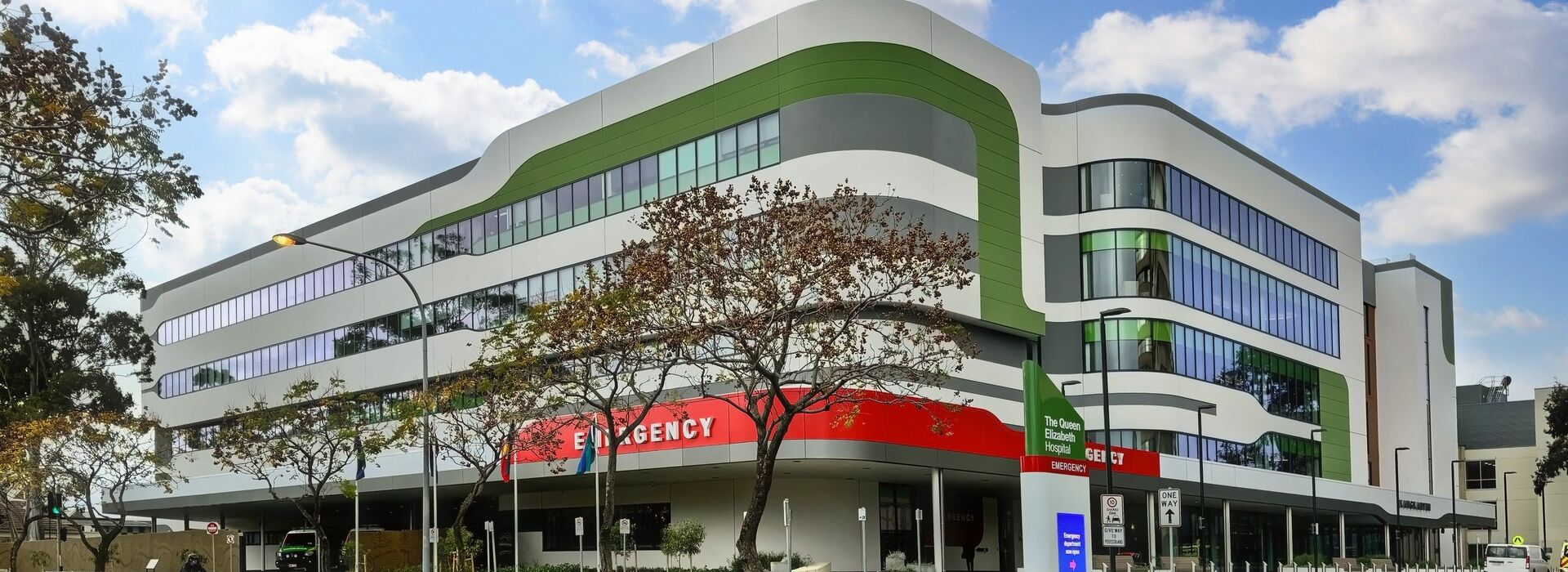
The Queen Elizabeth Hospital Stage 3 Redevelopment
The Queen Elizabeth Hospital (TQEH) has been modernised and its emergency, critical care, and surgical capabilities have been significantly enhanced with the construction of a new five-level (plus basement) clinical services building.
The building features a 46-bay emergency department, 12 operating theatres, a 14-bed intensive care unit, a 52-bed rehabilitation unit, four procedure rooms, recovery spaces, a central sterile supply department, a medical imaging department, a catheterisation laboratory, a pathology laboratory and staff support areas.
Fast Facts
- 46 bay emergency department
- 14 bed intensive care unit
- 12 operating theatres
- Australia's first all electric major public hospital
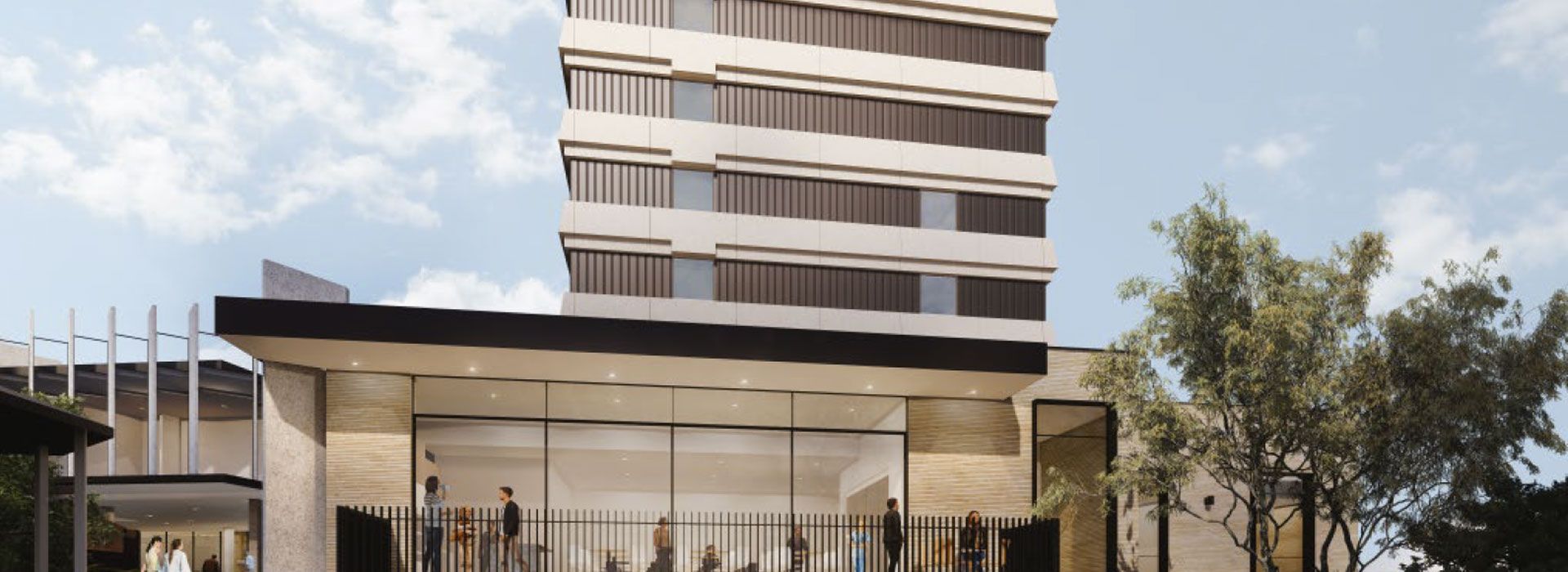
Modbury Hospital Upgrade
McConnell Dowell's building brand, Built Environs, was the Managing Contractor for the Modbury Hospital Upgrade – one of the most complex hospital redevelopments undertaken in South Australia.
This program of work was focussed on improving access to patient care and enhancing the design of the hospital to meet contemporary needs and models of care.
Fast Facts
- 4 new operating theatres
- 2 new procedure rooms
- 8 bed extended emergency care unit
- 4 bed high dependency unit
- 20 bed palliative care unit
- 26 bed short stay general medical unit
RAAF Base Edinburgh
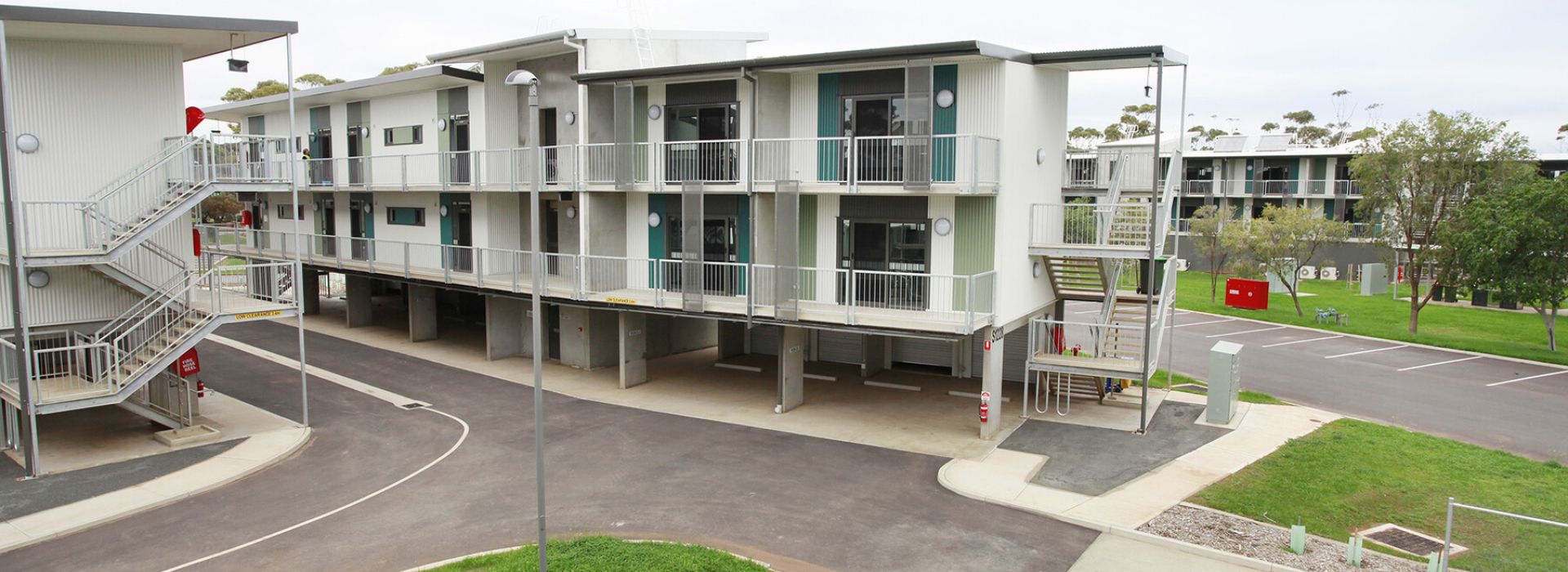
Built Environs constructed 432 contemporary accommodation units at RAAF Base Edinburgh as part of the Plenary Living consortium under a public-private partnership (PPP) with the Federal Government.
This included nine three-storey and 11 single-storey buildings, forming the South Australian part of the Single LEAP (Living Environment and Accommodation Precinct) Phase 2 project. Each of the 432 single-bedroom apartments featured an open plan living and study area, an ensuite bathroom and kitchenette.
Fast Facts
- 9 three-storey buildings
- 11 single storey buildings
- 432 accomodation units
Oval Hotel, SA
Ground breaking CLT-designed premium boutique hotel
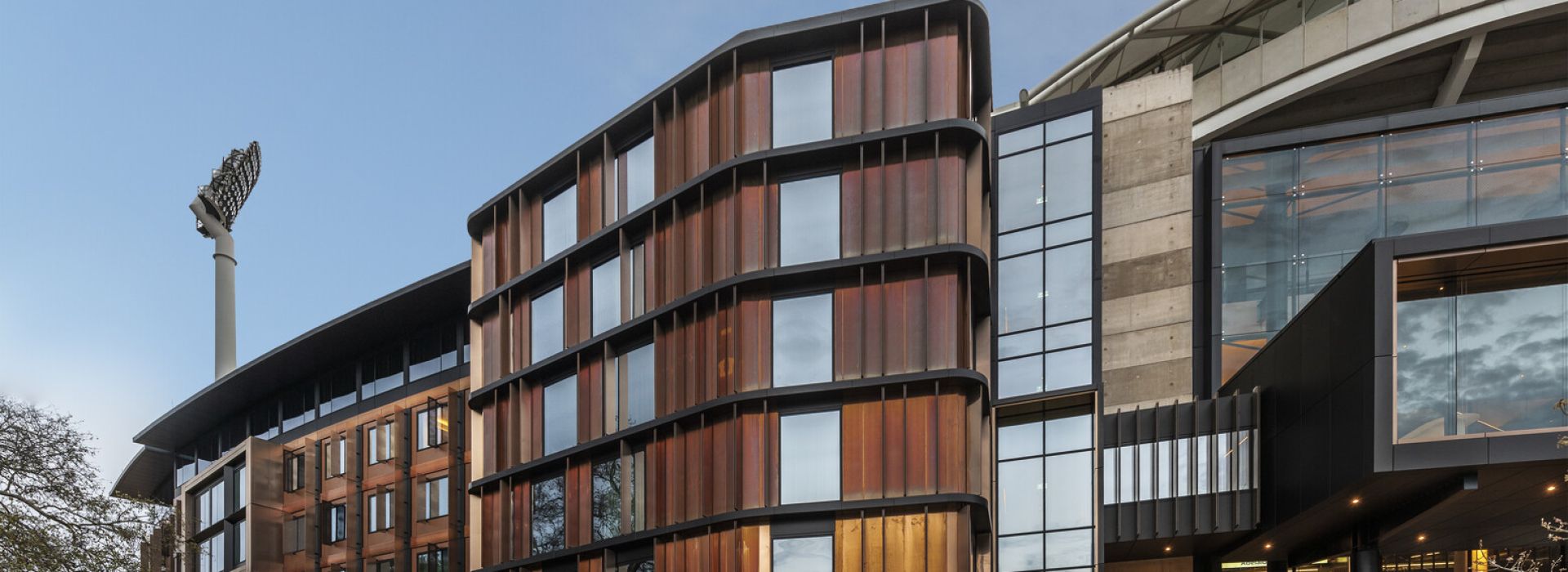
The Oval Hotel is a 138-room boutique hotel designed to integrate seamlessly into the existing iconic Adelaide Oval. It is the first hotel in Australia to be integrated into a stadium.
The hotel comprises 90 standard rooms, 39 premium rooms, 7 accessible rooms, and 2 king suites across five stories. The reception pod spans between the north and south wings and is located above the stadiums East Gate. The hotel offers panoramic views of St Peter's Cathedral, Elder Park, River Torrens, the Adelaide skyline and the Mount Lofty Ranges.
Fast Facts
- Two hotel wings (North & South).
- 138 boutique hotel rooms (guest suites, premium suites, DDA suites & 2 King Suites).
- Main reception lobby area at level 3.
- Inclusion of valet parking within the existing underground structure.
Civil
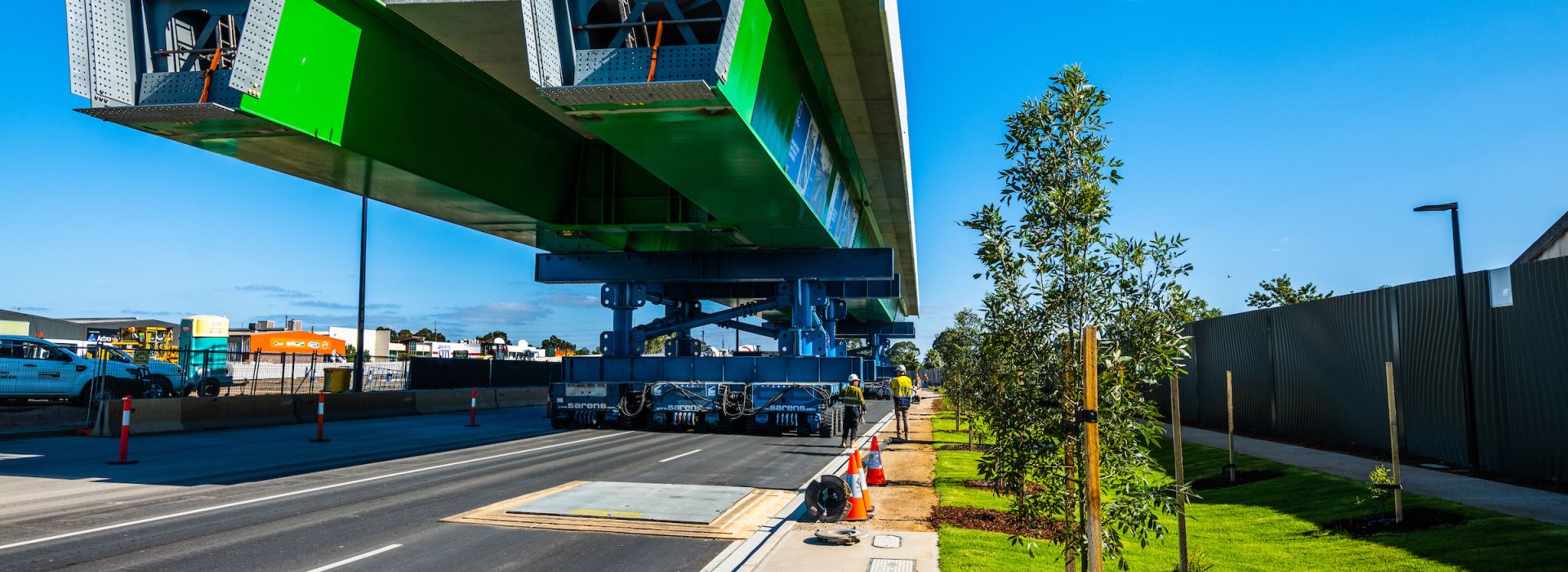
Our multi-disciplinary experience encompasses every type of civil construction, including bulk earthworks, foundations, hardstands, precast concrete, piling, roads, runways, and bridges.
Our ability to solve technical challenges creatively, means we find ways of delivering complex civil structures with minimal disruption to the community and our customers' operations.
Auckland International Airport
Pipelines, Civils, Mechanical Works, and Vertical Construction
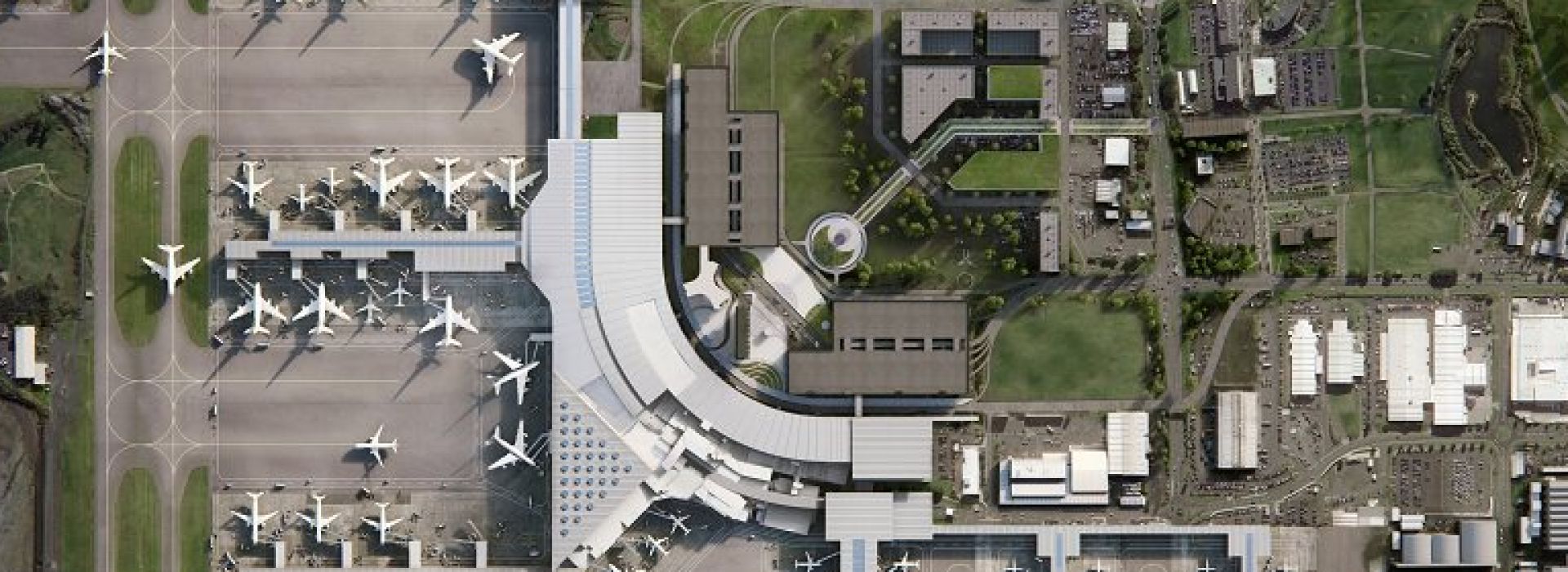
We've been working with the Auckland International Airport team since January 2019 to maintain and improve critical assets, including upgrading live jet fuel pipelines, renewing runway pavements, and much more.
We have also worked on vertical construction projects, including the new airport upgrade with subsidiary Built Environs.
Fast Facts
- The airport and related businesses contribute $3.5 billion to Auckland’s economy
- Over 12,000 people work at Auckland Airport
- 18.5 million passengers use the airport every year
- This traffic is projected to grow to 44 million passengers in 2044
- Auckland Airport is the second-largest airport in Australasia for international passenger traffic
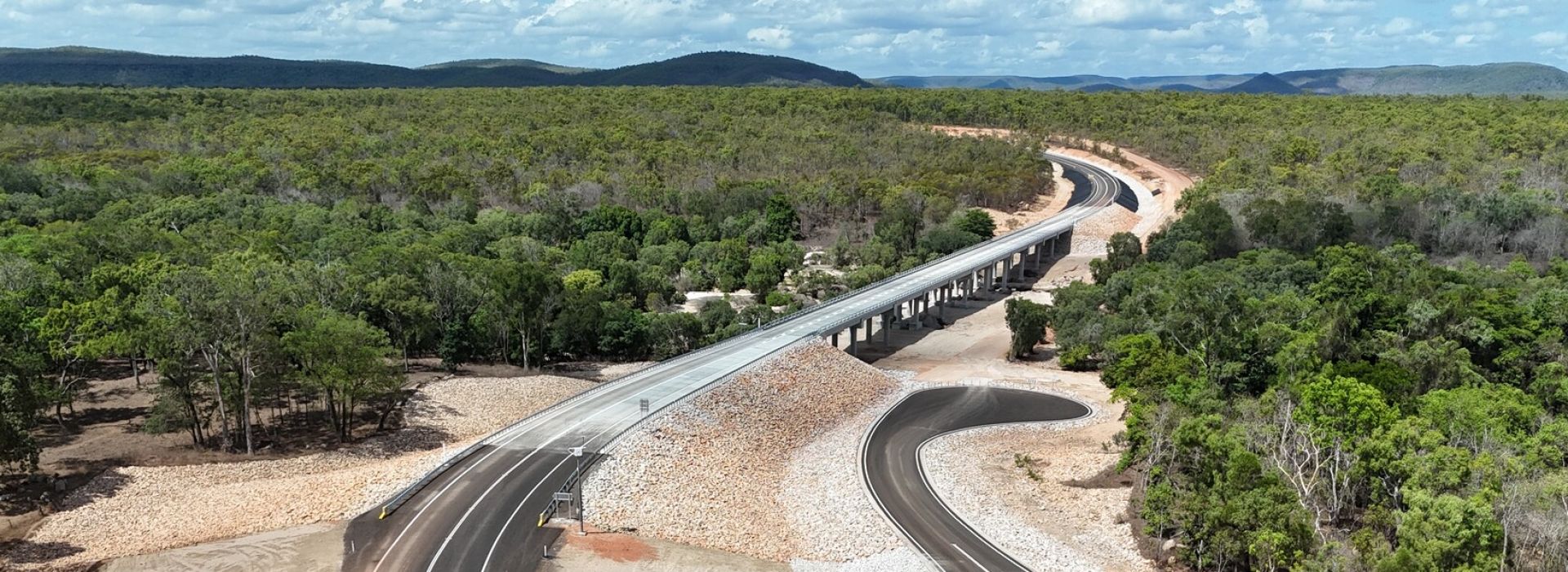
Archer River Crossing
Improving road access for Queensland's remote communities
We delivered the Archer River Crossing project for Department of Transport and Main Roads (TMR) in remote, Far North Queensland.
The Archer River Crossing is one part of the broader Cape York Region Package (CYRP) Stage 2, which is jointly funded by the Australian and Queensland governments under the Roads of Strategic Importance program.
Fast Facts
- 230 m long (11x 21 m spans), 10.4 m wide bridge
- Earthworks and drainage
- Vertical alignment modification to improve resilience to flooding
- Guardrails, signs, and pavement marking.
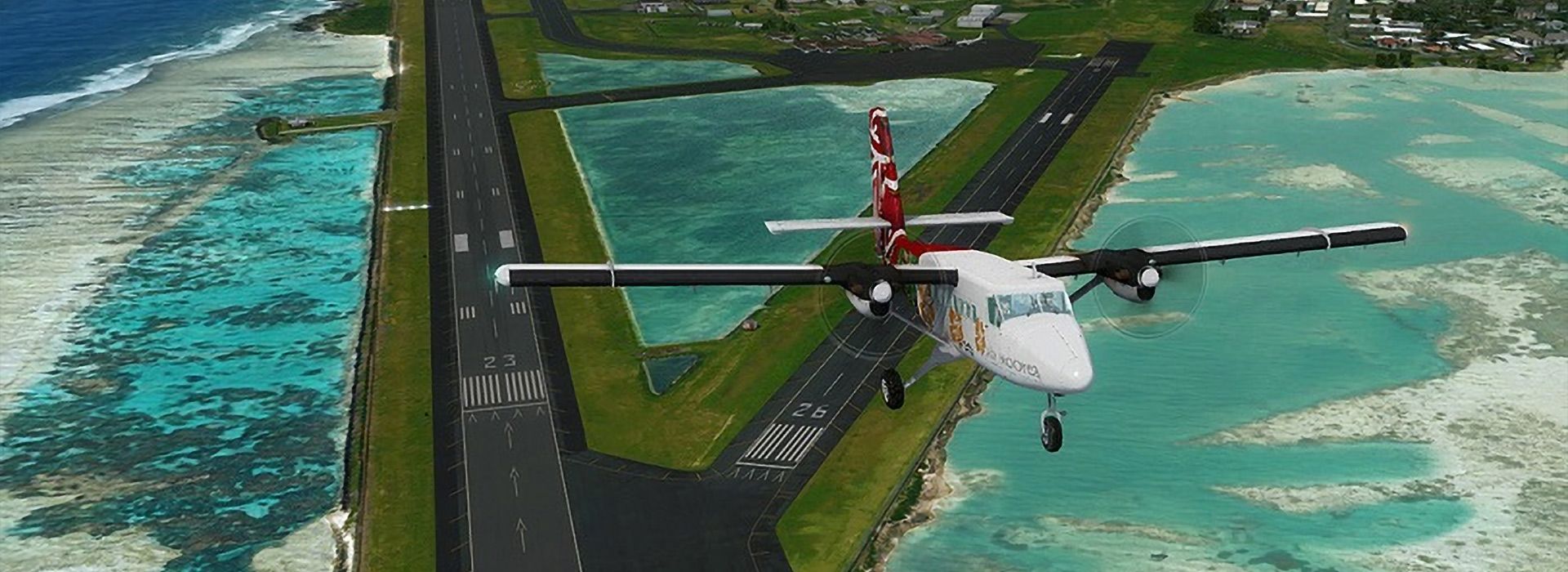
Pago Pago Airport Runway Overlay
We resurfaced the runway at Pago Pago Airport to improve its condition rating, and raise the shoulder edge by four inches to meet FAA requirements for international airports. Our work included a complete survey of the existing site; construction of Runway 5-23, the shoulder pavement, two taxiway and turning node pavements and paint-marking.
This was our eighth airport project in the Pacific Islands and followed our successful completion of the USD6.7 million rehabilitation and extension of Runway 8-26 in 2007 and the Taxiway Alpha Rehabilitation in 2011.
Fast Facts
- 18,000 tonnes of asphalt produced in the onsite plant in 6 months
- 850 tonnes of imported bitumen from Fiji
- 310,000 litres of diesel has been used to manufacture, transport and deliver the project
- 17,000 tonnes of crushed aggregate supplied by MCD internal quarry
- 5,000 m3 of old runway pavement removed
- Achieved an average PWL Score of 96/100 for Quality compliance
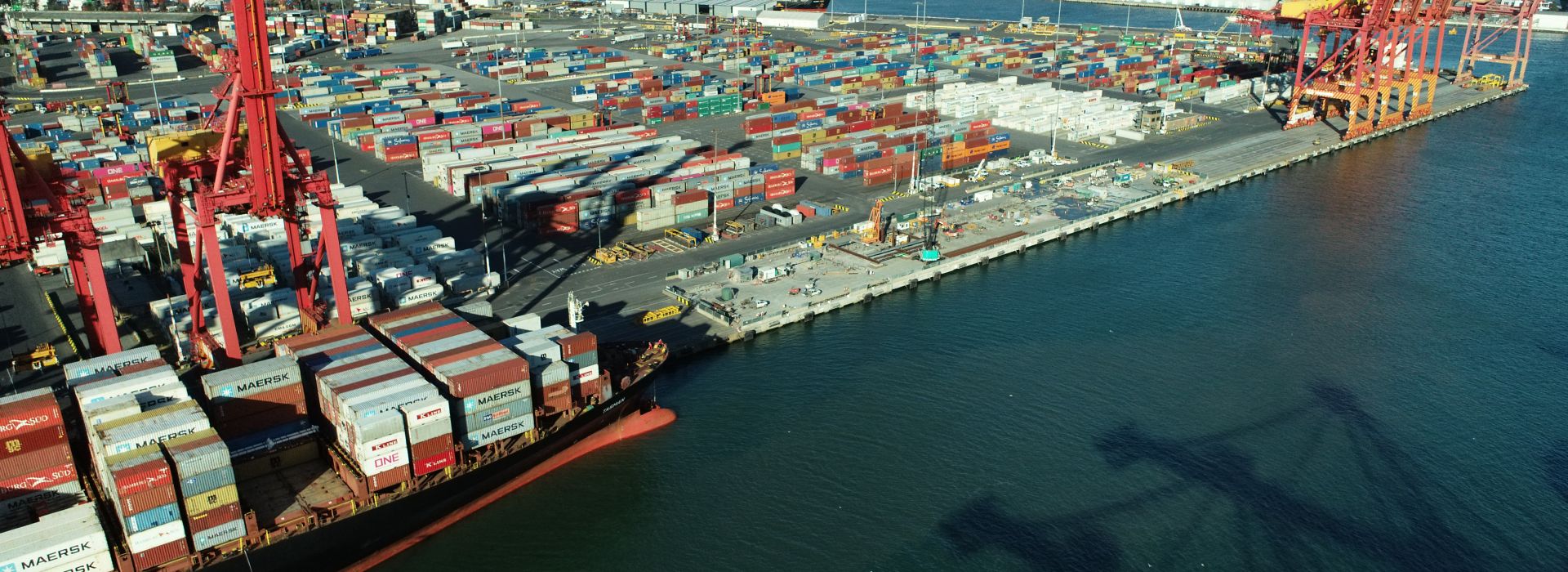
Swanson Dock East Berths 1 & 2 Rehabilitation
Collaborative Approach, Safety Focus, and Minimising Disruptions in Port Rehabilitation Project
Working in collaboration with the Port of Melbourne, we successfully completed four contracts at Swanson Dock between 2017 and 2020.
After completing the award winning Port Capacity Project, we continued our partnership with Port of Melbourne with a series of smaller contracts to rehabilitate the iconic Swanson Dock - the heart of Australia's busiest container terminal.
Fast Facts
- Multiple projects successfully completed without disrupting port operations
- 412 piles driven
- 570 tonnes of reinforcement used
- 3,600 m2 of new wharf deck laid
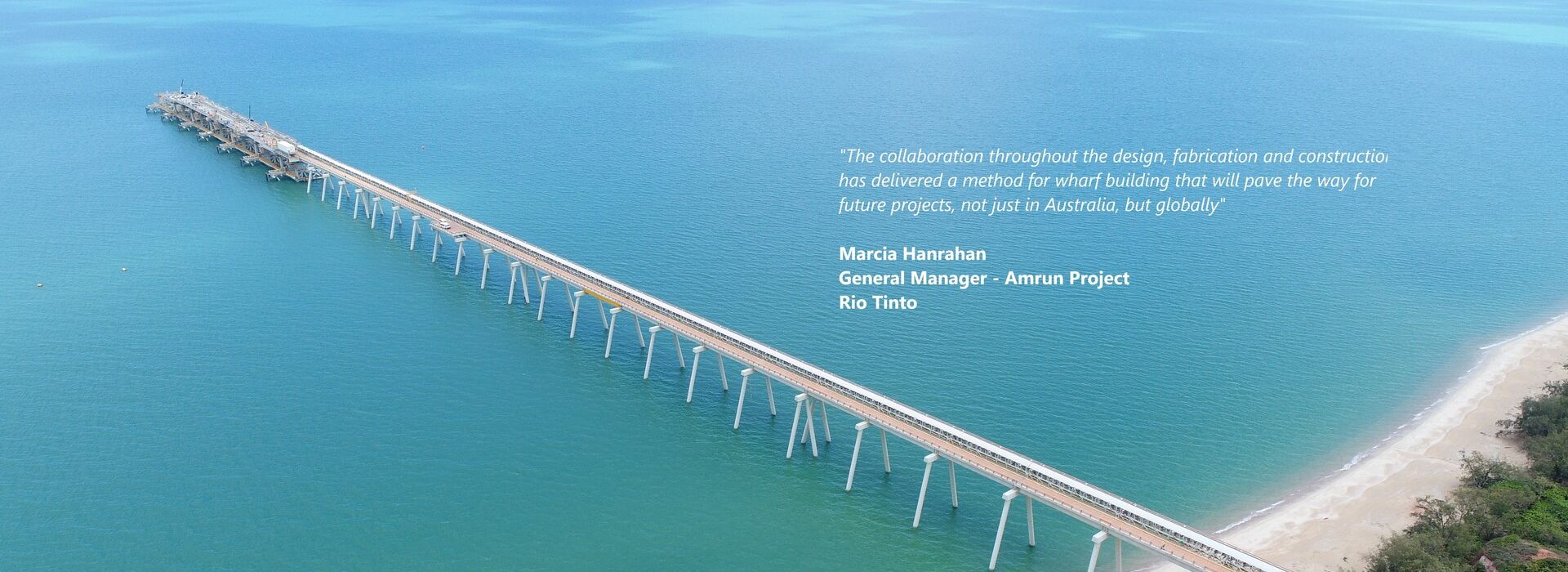
Chith Export Facility
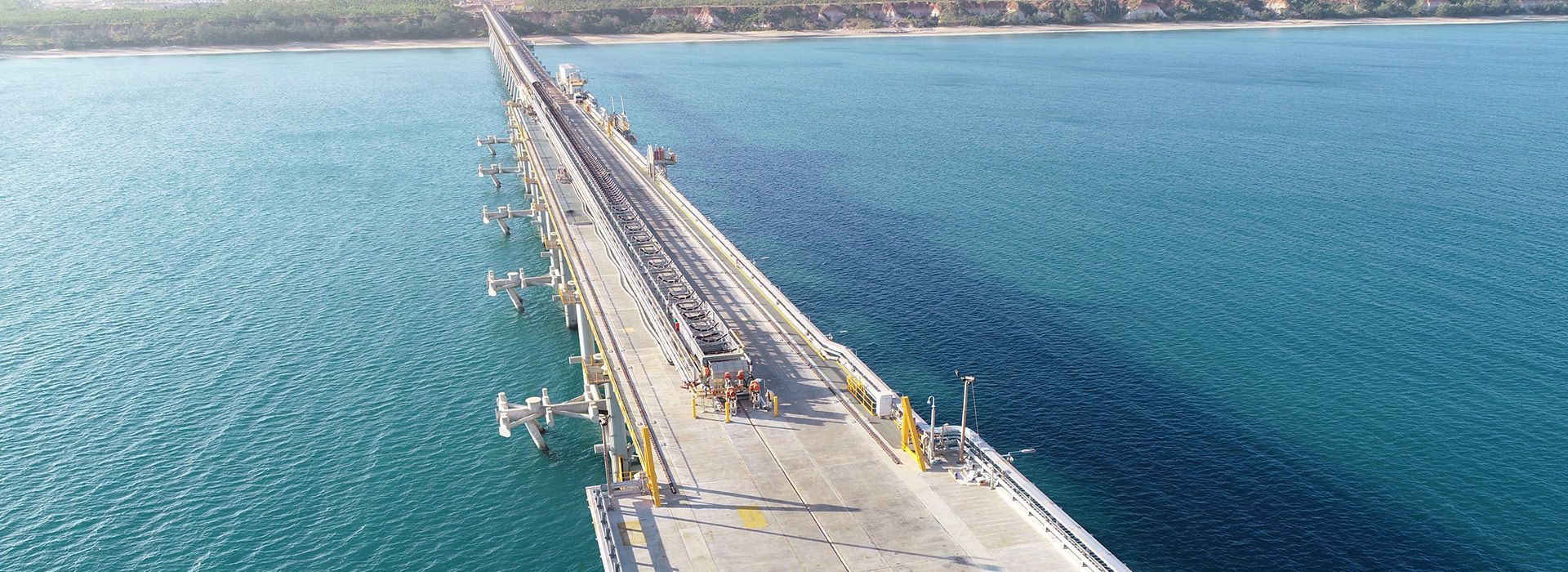
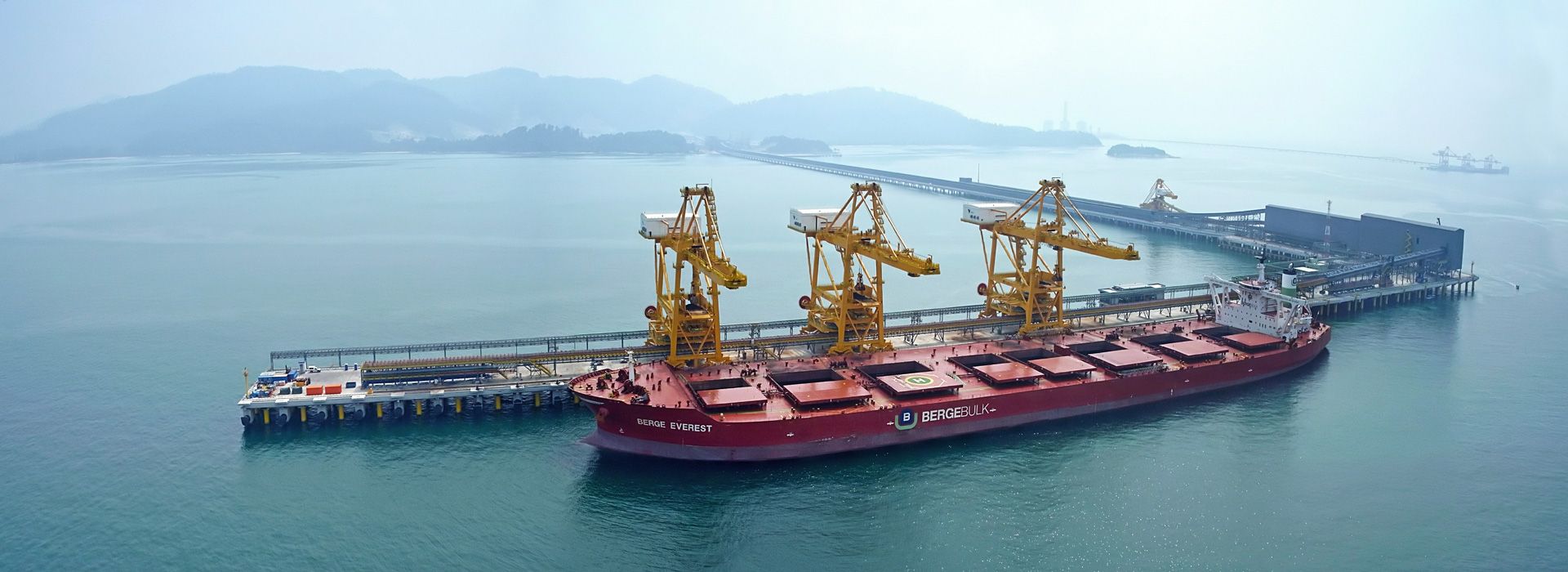
We revolutionised the design and construction of large-scale marine infrastructure when we delivered the Chith Export Facility - a large, complex and remotely located project for Rio Tinto at their Amrun bauxite mine, south of Weipa in Far North Queensland.
The facility comprises a 650 m access jetty, a 350 m loading wharf and an onshore conveyor system. Innovatively designed by Jacobs and constructed by us in just 10 months, modularisation was at the heart of the solution and our project team took it to new levels in scale and breadth.
Fast Facts
- 650 m access jetty
- 350 m long loading wharf
- Fully modularised construction approach
- 300,000 job-hours saved
- Build time reduced by 12 months to just 10 months
- Capital expenditure reduced by $40M
Marine
With over 330 marine projects completed across six decades, McConnell Dowell is synonymous with marine infrastructure.
From wharves and jetties to ocean outfalls, breakwaters, and submarine pipelines — we bring coastal confidence to every project.
Our modular approach to construction has helped create productive ports for clients like Rio Tinto, FMG, Vale, and BHP, where over 1.2 billion tonnes of iron ore are shipped annually from wharves we built.
We thrive in complex, operational environments — delivering innovative temporary works and safe, efficient methods that protect people, environment, and productivity. From purpose-built barges to proven marine systems, we engineer safe harbours with precision and care.
At McConnell Dowell, we don’t just build marine infrastructure — we deliver it with certainty, creativity, and a commitment to results.
Eyre Peninsula Marine Works
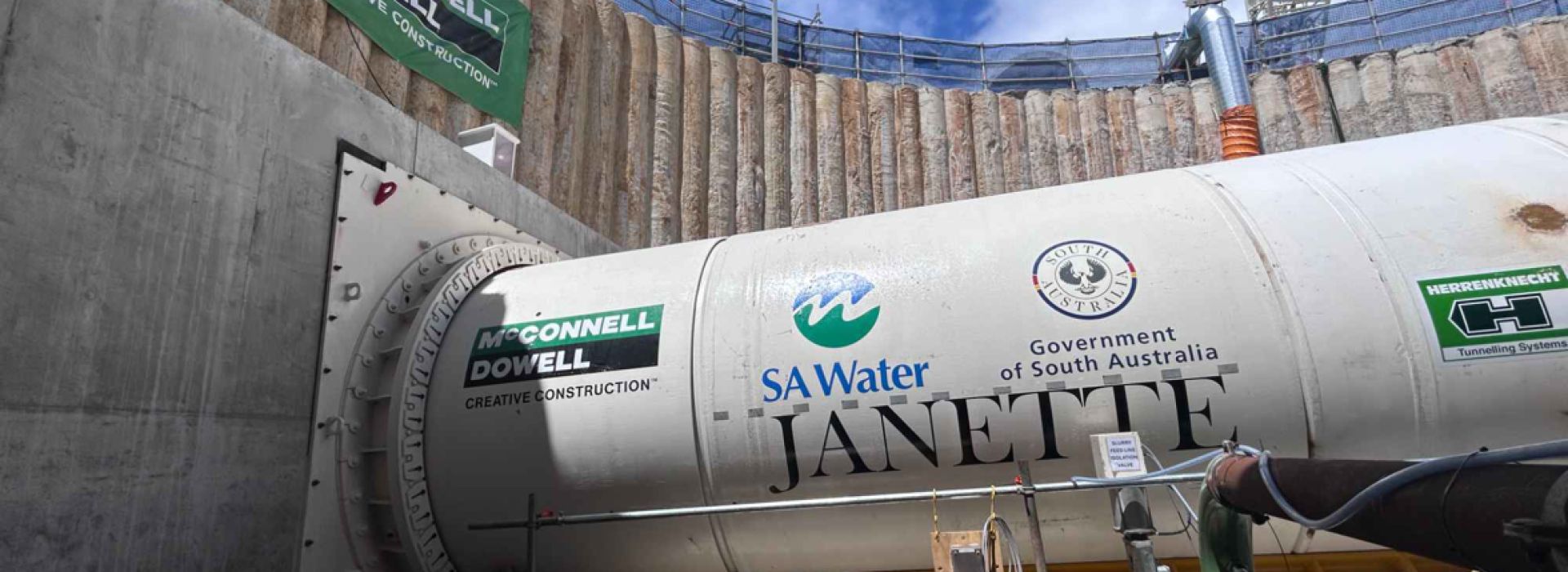
We're delivering the Eyre Peninsula Desalination Plant Marine Works for SA Water.
This project plays a key role in supporting a more reliable and climate independent water supply for the Eyre Peninsula, reducing reliance on the Uley South Basin and preparing the region for future growth.
Fast Facts
- Micro-tunnelled intake and outfall pipelines
- Minor dredging
- Installation of intake tower and outfall diffuser
Groote Eylandt GEMCO Wharf
One of Australia’s most ambitious marine recovery efforts
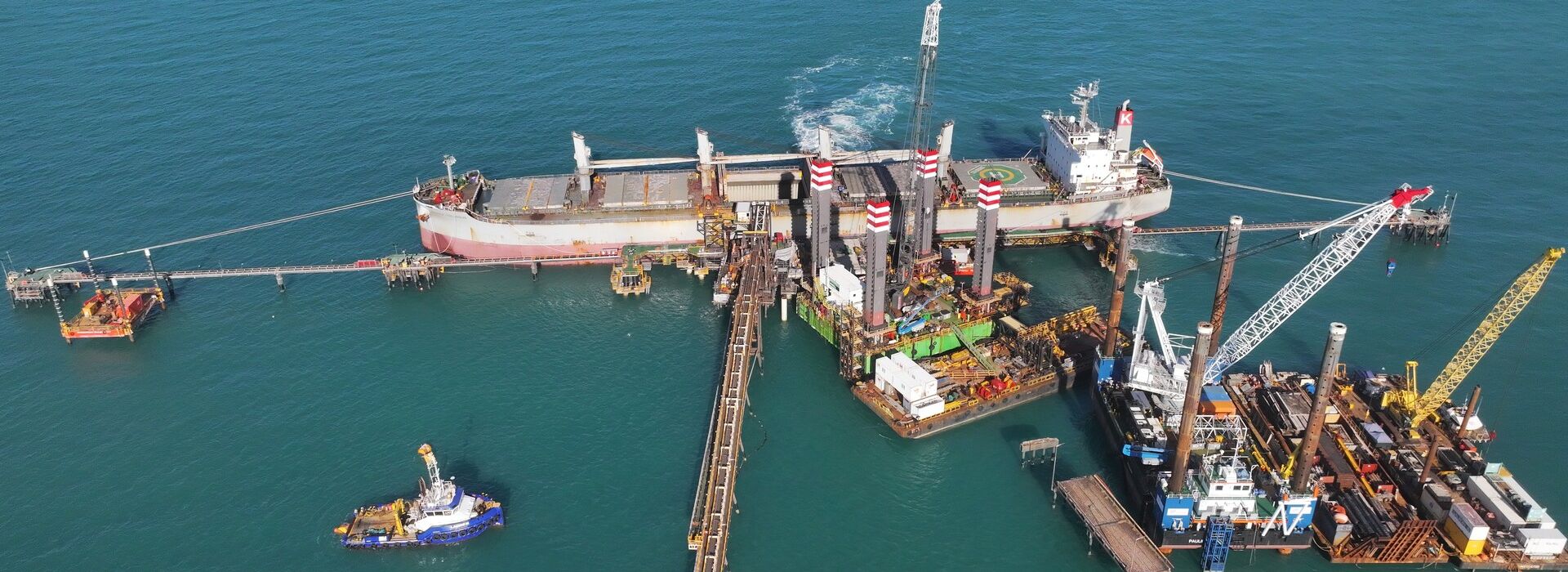
Following a destructive tropical cyclone, we were engaged by South32 to urgently restore and rebuild the cyclone-damaged GEMCO Wharf on Groote Eylandt. In less than 12 months, our project team achieved a major milestone—restarting operations after an intense and fast-tracked program of works.
To meet the challenge, we mobilised a sophisticated marine fleet from across Australia, Singapore, and the UAE. This included two large jack-up barges (Santa Fe and Pauline), two smaller jack-ups (Sealift 2 and Sealift 6), a 250-tonne crane barge, three flattop storage barges, and a support fleet of tugs and work punts. The mobilisation alone was a feat of logistics, setting the stage for a highly coordinated recovery effort.
Fast Facts
- Fast-track salvage and wharf rebuild
- 1037 tonnes of concrete and 998 tonnes of steel recovered from the seabed
- 28 new piles and 13 large prefabricated steel units installed
Mardie Salt & Potash Marine Structures
Delivering new marine facilities to grow Australian exports
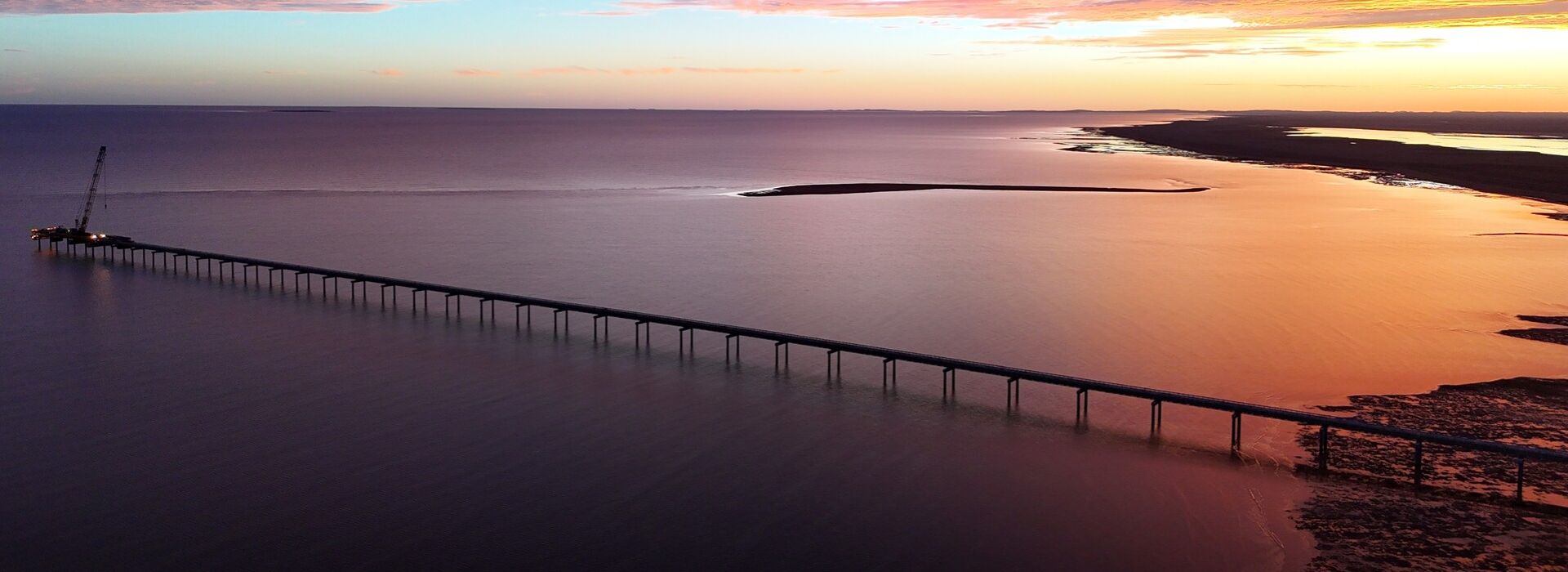
We designed and constructed the marine structures for BCI Minerals’ Mardie Salt & Potash Project in Western Australia, using our innovative canti-traveller system for speed and low impact delivery.
The 'Mardie' Project is a large-scale, solar evaporation operation on the Pilbara coast. Capacity of the completed facility is estimated to be 5.35 million tonnes per annum of high purity salt and 140,000 tonnes per annum of sulphate of potash, over an operating life of at least 60 years.
Fast Facts
- 2.4 km long jetty with berthing and mooring dolphins
- 200 steel piles, up to 30 metres long
- 100 m of jetty completed every 10 days using innovative canti-traveller system
Queen Sālote International Wharf Upgrade
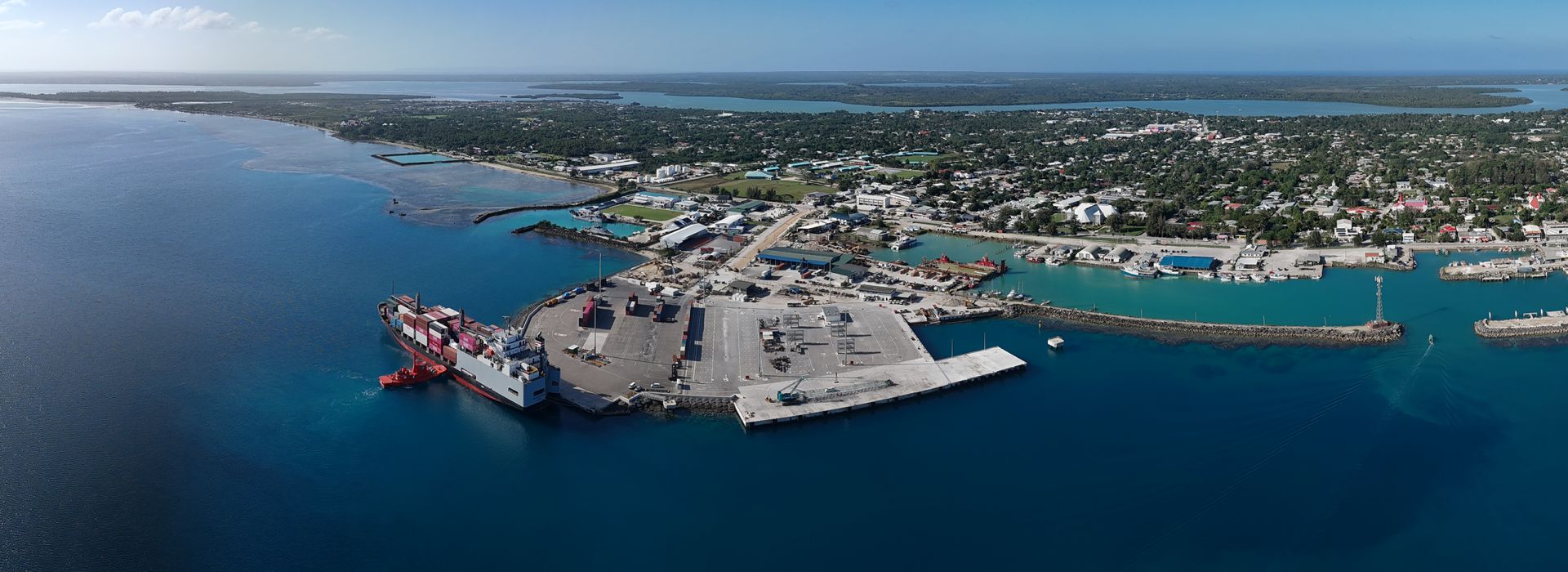
We upgraded the Queen Sālote International Wharf in Nukau'alofa for the Tongan Ministry of Infrastructure between 2023 and 2025, on time and on budget, with zero LITs during the one million hours worked.
The wharf is Tonga’s only international port, a lifeline for the country, processing 95% of the country's imports and exports. This critical infrastructure upgrade modernised and climate-proofed the facility, increased capacity, and improved power, drainage and water services.
Fast Facts
- Wharf reconstruction and extensions to cater for larger vessels
- Construction of four new berthing and mooring dolphins
- General port improvements, including paving, drainage, lighting, and firefighting facilities
Creative Construction
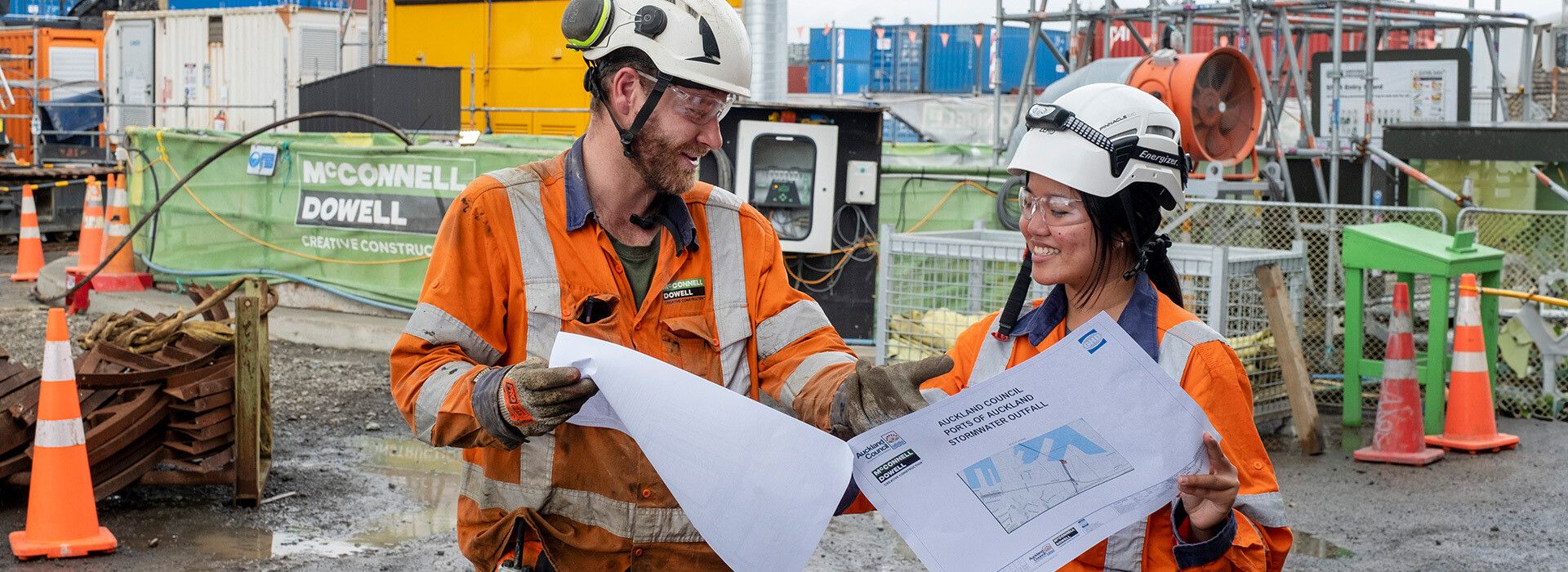
Creative Construction at McConnell Dowell is the inspired engineering behind the complex infrastructure we deliver.
It's the technical problems and challenges solved behind the scenes by people empowered to think creatively and work collaboratively. It’s the alternative idea or innovation that saves time, reduces cost, makes us safer, and delivers more value.
It might not always be evident when you look at the end product, but it's there, inside every McConnell Dowell project.
Award-winning innovation for safer working over water
In marine environments, where the margin for error is razor-thin, temporary works aren’t mere enablers—they’re foundational to safe, efficient delivery.
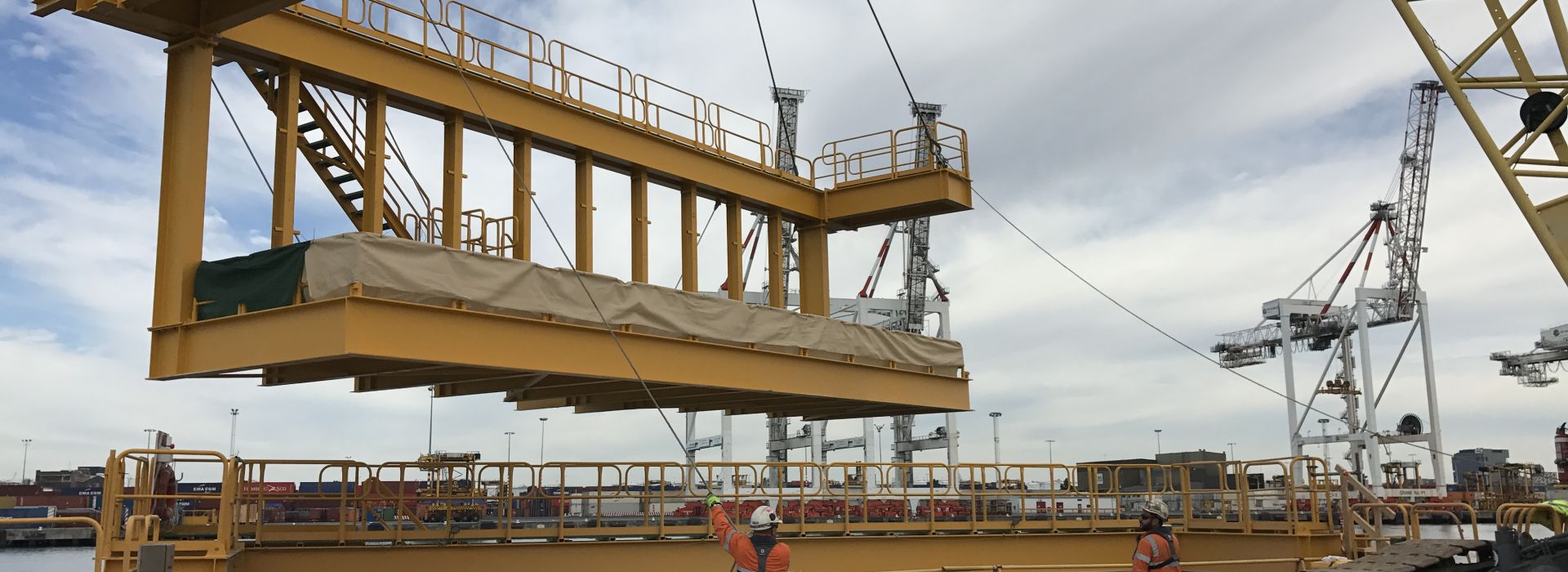
Take the Swanson Dock upgrade at the Port of Melbourne. Our temporary works team engineered an innovative fender access platform, earning the a WorkSafe Victoria award for “Best Solution to a Specific Workplace Health and Safety Issue”
Here’s what set it apart:
- Comprehensive access with one setup – The platform spanned 15 × 4 m and included removable mid‑level decks, enabling seamless access to all faces of the fender beams—front, soffit, and rear—for hydro-demolition, rebar replacement, and gunite spraying.
- Spatial efficiency in live operations – Designed to work within a daily operation window on the busiest container terminal in Australia, the platform kept works tightly within a small footprint.
- Reusability factors in long-term value – Not a one-off rig—it was engineered to be reusable for future fender rehabilitation works, reducing waste and delivering cost efficiencies over time.
- Award-level impact – The solution directly addressed specific HSE risks of working over water, giving our crews a safer, more controlled environment to complete high-risk tasks without compromise.
Why Temporary Works Matter
-
Prioritising safety at early design stages – Proactively engineering safe access platforms significantly diminishes risk in live marine settings.
-
Driving productivity through better access – Easier, safer access means faster cycle times and fewer quay-side delays.
-
Enabling precise engineering works – Demolition, rebar placement, and spraying all demand stable, safe working environments—temporary works deliver just that.
-
Promoting sustainability and reuse – Modular, reusable temporary works not only save time but also cut embodied carbon across projects.
By spotlighting temporary works as a core part of project delivery—not an afterthought—we’re reshaping how marine construction tackles safety, efficiency, and sustainability.
Low impact marine construction
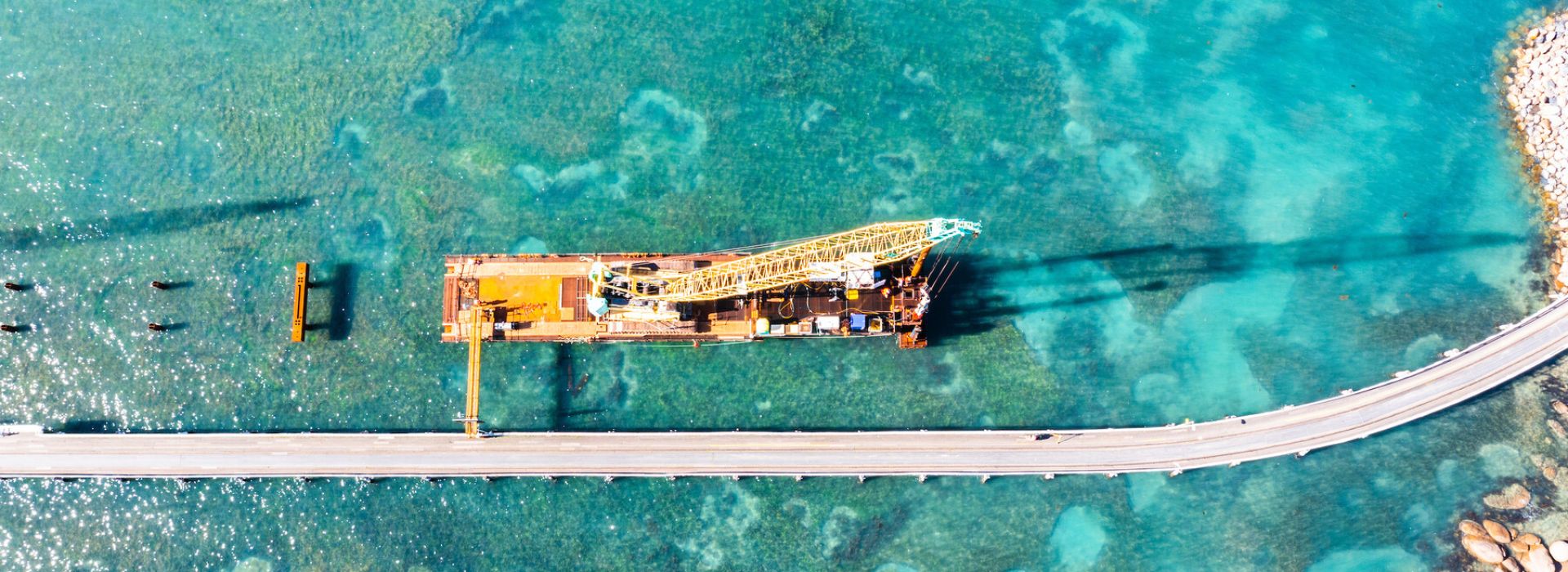
On the Granite Island Causeway Project in South Australia our team used the 'hand over hand' construction method to minimise environmental impacts and ensure delivery on time.
The 'hand over hand' method employs three concurrent work fronts:
- Front one installing the permanent piles
- Front two installing the grouted HDPE sleeves and the precast headstocks
- Front three installing the precast longitudinal girders and decks.
As the structure advances out into the water it acts as a construction platform for the work crews to build the next stage. Each work front takes a similar duration, ensuring maximum certainty in productivity and schedule.
Analysis was conducted on various construction approaches during the tender phase, including the use of jack-up barges or a temporary bridge structure to facilitate construction. However, the 'hand over hand' method was the only one capable of achieving completion by the target date.
The other benefit of the method is its minimal footprint. Minimising the impact on the sensitive marine environment was a key consideration during the tender and design phases of the project.
The adoption of the method, along with the use of precast prestressed deck units which pushed the span out as far as possible, minimised the number of pile driving operations further reducing the impact on the marine environment.
The design and construction methodology was fit-for-purpose and extremely efficient. It resulted in on time and on budget completion and had a low impact on Victor Harbor's rich marine ecology.
Closing Text - General with contacts, no video
Summary
Thank you for taking an interest in McConnell Dowell's skills, capabilities and approach. Additional information is available on our website, including additional project case studies.
Contact us through the link(s) below for advice or assistance with your project.
Contacts