Capability Statement
Prepared for Prepared for Sunwater
May 2026
Introduction General
Thank you for the opportunity to present this brief capability statement which details a cross-section of our skills and experience, and showcases a selection of our recent projects.
About Us (typically use first)
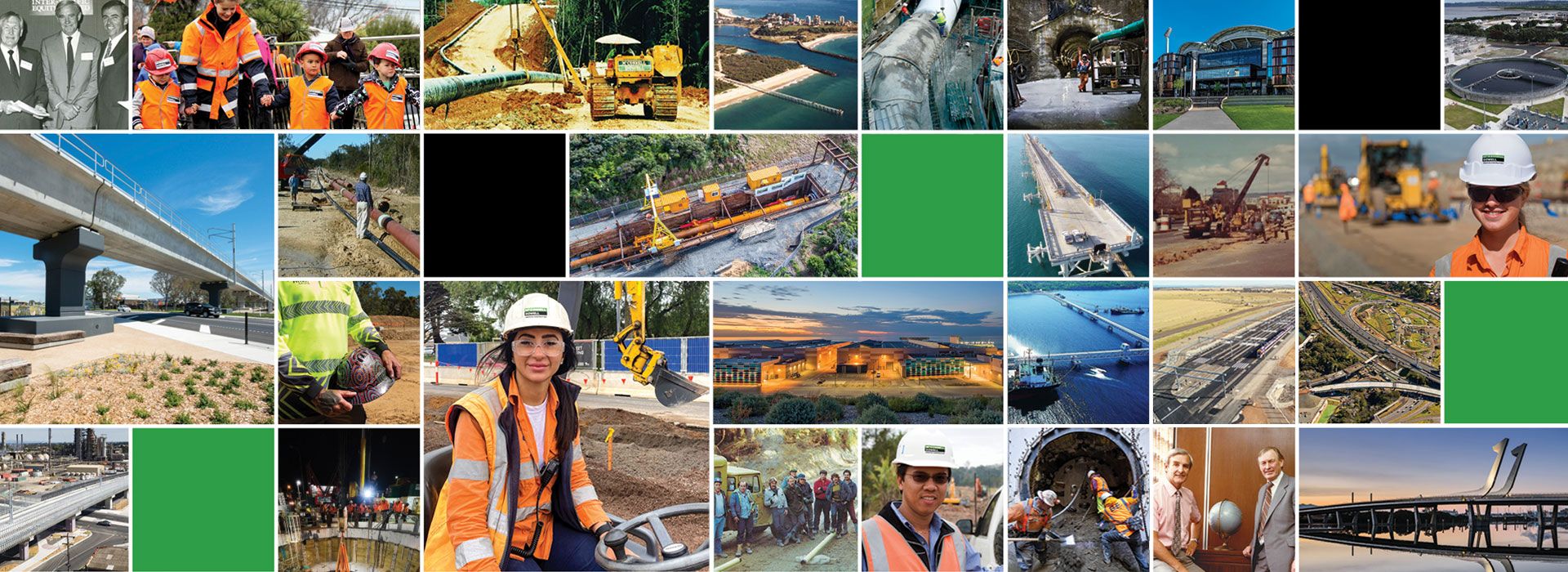
For over 65 years customers have been coming to McConnell Dowell with complex projects that require innovative solutions. That's why we're known as the Creative Construction company.
From remote resources and energy projects to city-shaping infrastructure, we've built thousands of quality assets and facilities.
Engineering-led, our expertise has grown steadily to span building, civil, electrical, fabrication, marine, mechanical, pipelines, rail, tunnel and underground construction..
Purpose & Values (typically use 2nd or 3rd)
We are a Purpose and Values driven organisation. These define what's important to us, guide our decision making and unite us behind a common goal.
Our Purpose is Providing a Better Life.
We do that through delivering projects that connect, sustain and enhance communities, and through providing career opportunities that challenge, reward and grow our people.
We also have five company values that guide our behaviours and decisions. Our values are:
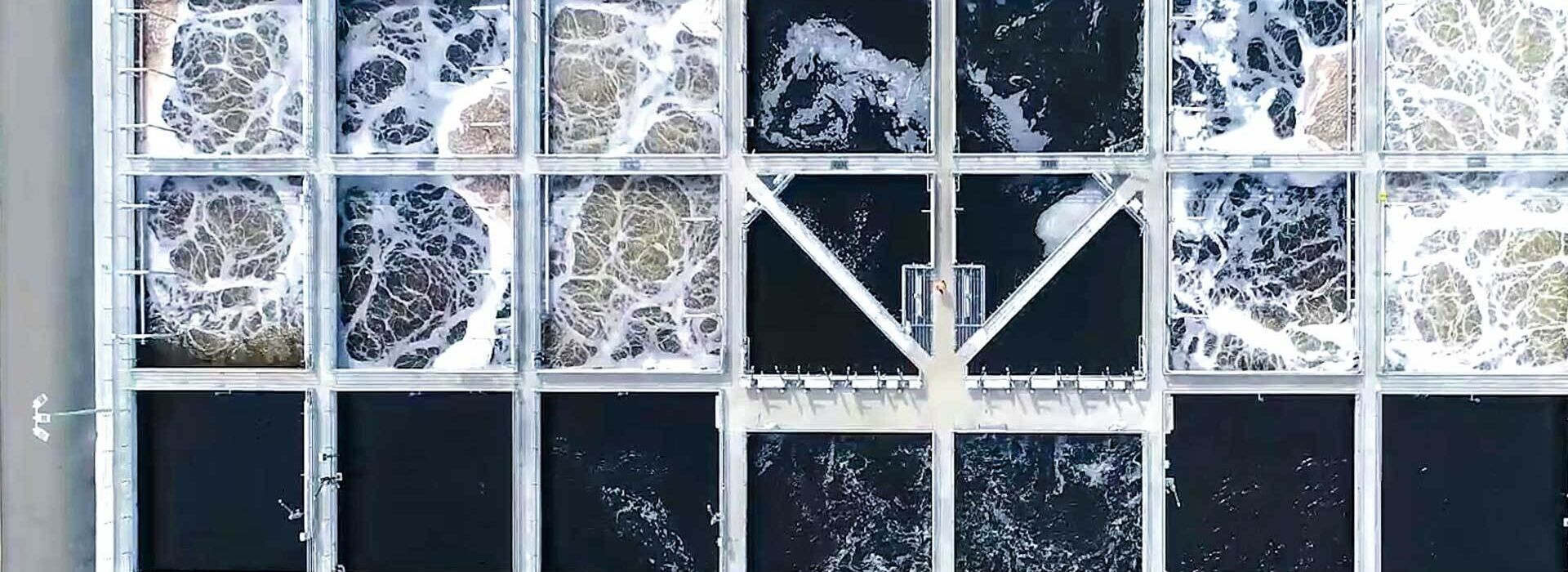
Water & Wastewater Solutions
We understand what matters most to our water industry customers - uninterrupted supply, minimal disruption, safety, compliance, and positive community engagement.
We've been entrusted with the design and delivery of major metro desalination and water treatment plants, as well as the construction of dams and large-diameter pipeline and pump station networks.
We've delivered approximately $9 billion in new water assets over the last 15 years, including:
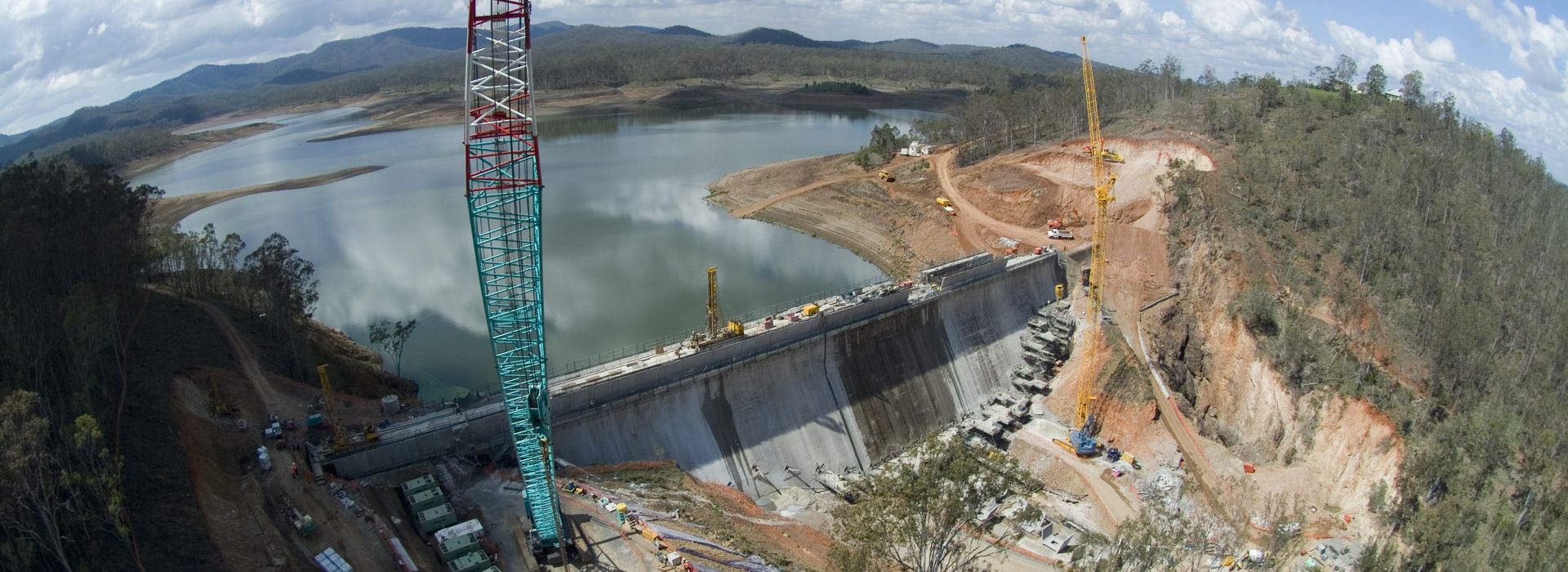
Lake Manchester Dam Upgrade
Improving dam safety through innovation
In an alliance with Brisbane Water we upgraded the Lake Manchester Dam, 25 km west of Brisbane, to meet current Australian National Committee on Large Dams (ANCOLD) guidelines. The inherent instability of the dam structure required some imaginative approaches.
The safety issues needing rectification included inadequate spillway capacity; the potential instability of the dam when water levels reached the crest of the dam; the possibility of the washing out of the downstream toe of the dam during major flood events; and potential erosion problems in the ‘plunge pool’ of the spillway.
Fast Facts
- 90,000 m3 of earthworks
- 5.8 m dam wall raising
- 69 post-tenisoned ground anchors installed
- Awarded Civil Contractors Excellence Award
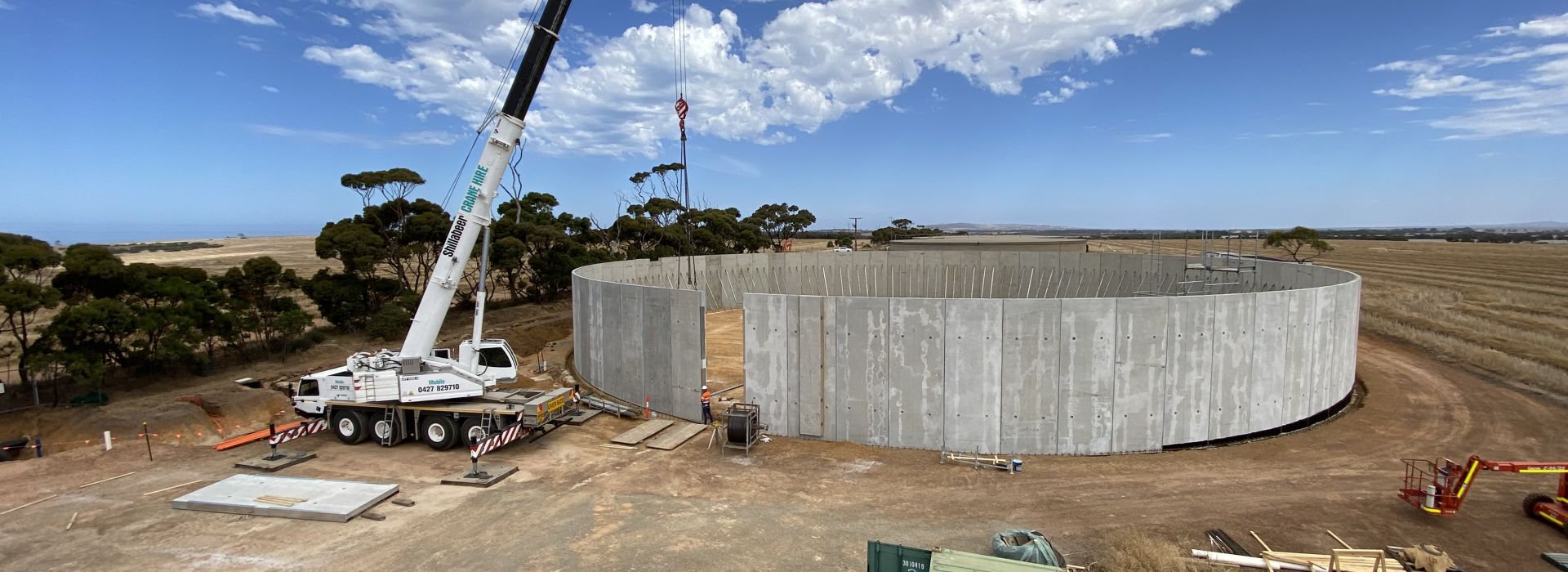
SA Water Frameworks
Improving the reliability and capacity of South Australia's water supply
In joint venture with Diona (the Water North JV) we're one of three major framework partners delivering SA Water’s multi-billion dollar capital delivery program. The 'Frameworks' model fosters collaboration and innovation in the planning and delivery of water projects across metro and regional South Australia.
During the first four years (2020 - 24) our team delivered approximately 150 projects, including the design and construction of:
Fast Facts
- Collaborative delivery program
- Approximately 150 individual projects in first 4 years
- 60,000 m of water pipelines
- 2 earth bank storage projects
- 2 distribution pump stations
- 21 water tank remediation works (including concrete & structural remediation)
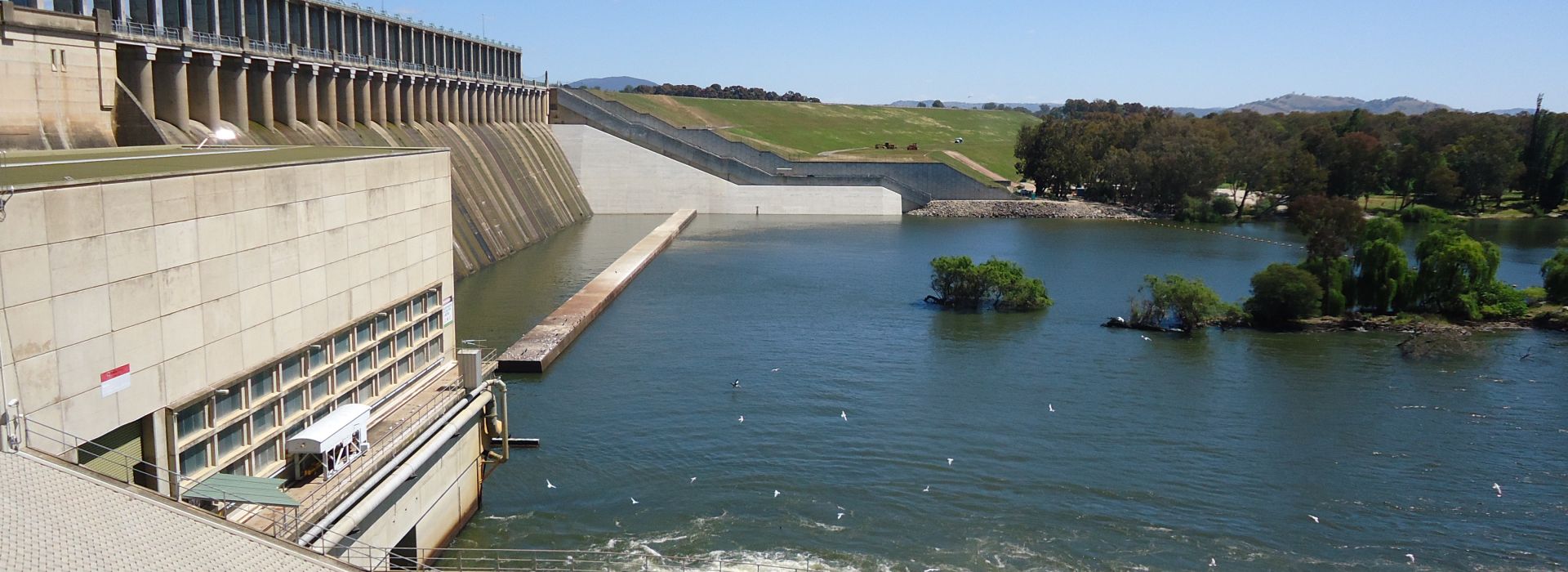
Hume Dam Upgrade
Improving flood safety performance
We improved the safety and performance of one of the largest dams in the Southern Hemisphere for the NSW state government. They selected us based on the quality of our technical solution, our approach to protecting the sensitive river environment, and our strategies for minimising impacts on the nearby tourist park.
We secured the project after an extensive pre-qualification and competative early tender involvement (ETI) process.
Fast Facts
- 9 m deep temporary sheetpile cofferdam
- 20,000 m3 of mass concrete placed
- 92 piles installed to a depth of 16 metres
- 400 m from tourist park
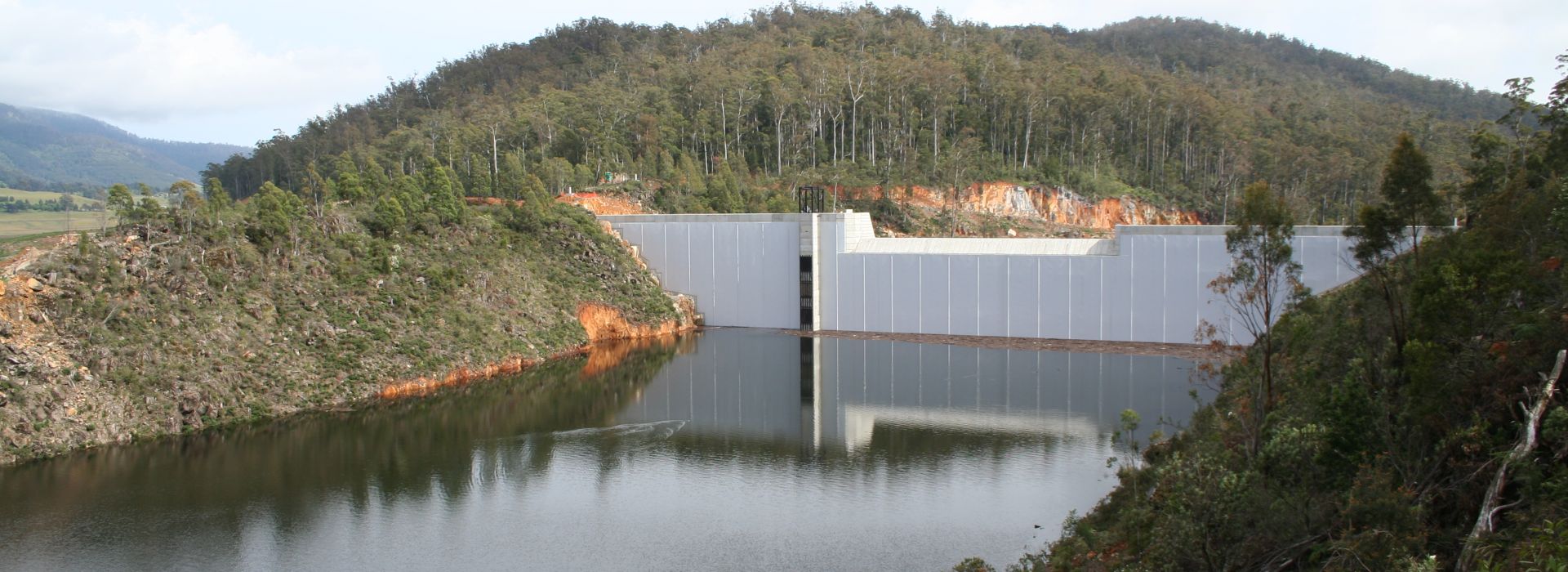
Meander Dam
Bringing reliable irrigation to support agriculture in northern Tasmania
We proposed and implemented an alternative construction approach for the Meander Dam project, with our roller compacted concrete (RCC) solution reducing environmental risk and delivering cost, productivity and program benefits for the Tasmanian Government.
Roller-compacted concrete (RCC) is a special blend of concrete that has essentially the same ingredients as conventional concrete but in different ratios. The drier mix has many time and cost benefits over conventional mass concrete, including higher rates of concrete placement, lower material costs, and lower costs associated with post-cooling and formwork
Fast Facts
- 50 m high x 180 m wide Roller Compacted Concrete (RCC) dam
- 1,200 m of curtain wall drilling and grouting
- 85,000 m3 of RCC and 225,000 tonne of rock produced from onsite quarry
- 130,000 m3 of earth moved
Fitzroy to Gladstone pipeline
Improving long-term water security
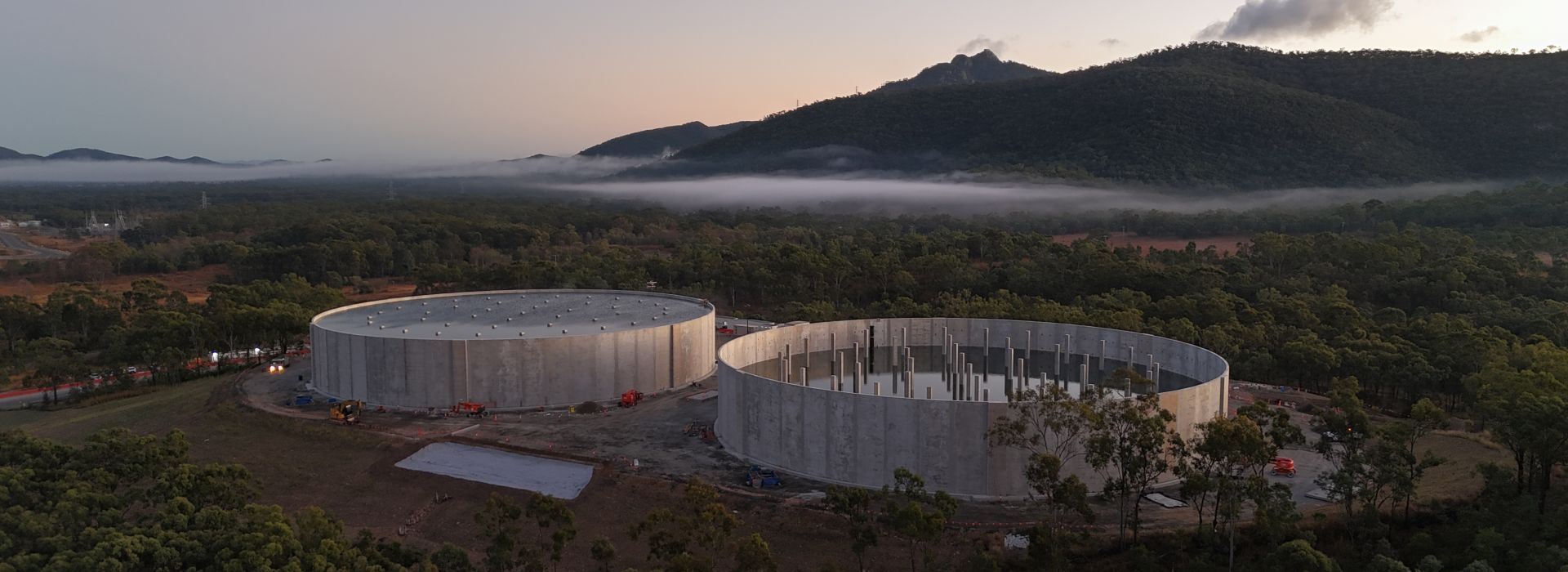
We're delivering the Fitzroy to Gladstone Pipeline (FGP) project for the Gladstone Area Water Board (GAWB) and the Queensland Government. The project, which will have the capacity to transport 30 gigalitres per annum, will enable long-term water security for urban and industrial customers in the region.
The FGP, which comprises an approximately 117 km long, 1 m diameter pipeline, a water treatment plant, reservoirs, and pumping stations, will also support the emerging hydrogen industry in the Gladstone region of Queensland. We have teamed up with BMD Constructions in a joint venture (the MBJV) to deliver the Project.
Fast Facts
- 117 km long, 1 m diameter pipeline
- New water treatment plant
- Reservoirs and pumping stations
- 21 trenchless crossings
- $10 million First Nations spend
Southern Regional Water Pipeline Alliance
Fast-tracked new water grid for Queensland
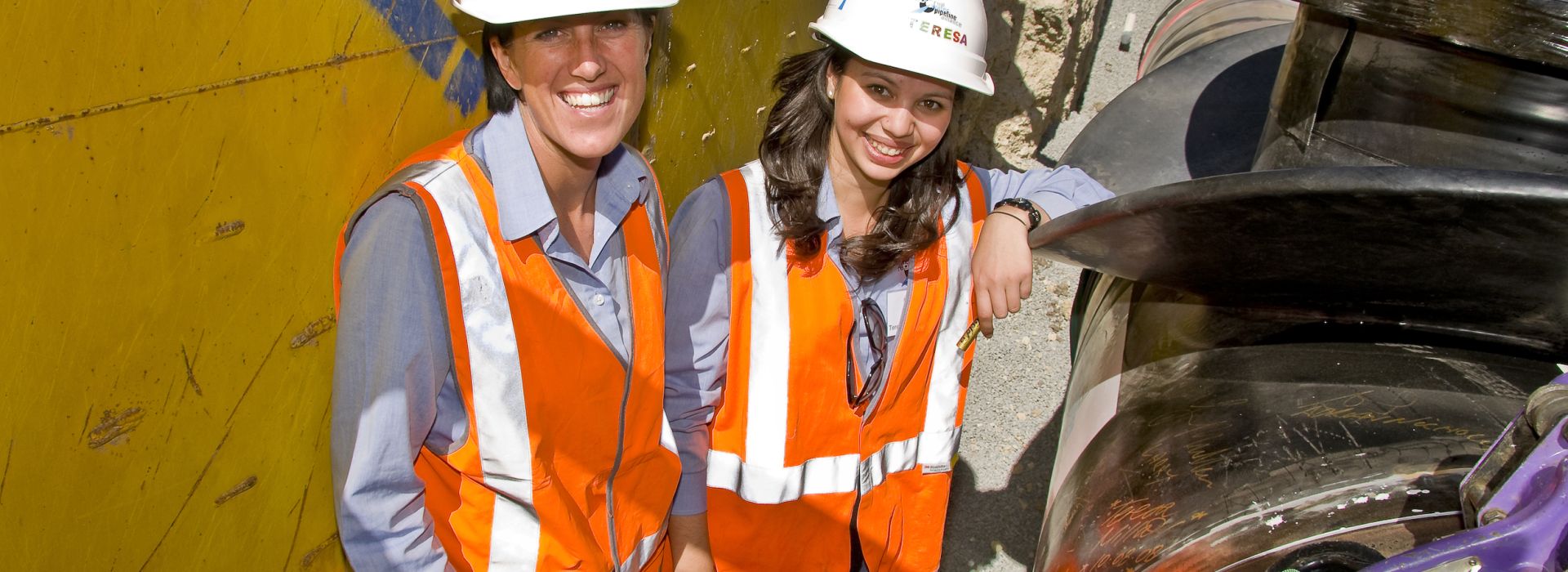
As the principal contractor within the Southern Regional Water Pipeline Alliance, we designed and delivered a new 200-megalitre-per-day water grid on a fast-track program to support the rapidly growing population of South East Queensland.
The project was delivered during the worst drought on record, with Brisbane's water storages at less than 15 percent capacity. This 'need for speed' necessitated concurrent progress in land access, design, approvals, and procurement.
Fast Facts
- 200 km of large diameter water pipe
- 2.2 km of tunnels
- 12 pump stations
- 7 large storage tanks
- 600 directly effected landowners
- Over 970 approvals secured
Aura and Harmony Infrastructure Program
Improving water and wastewater infrastructure
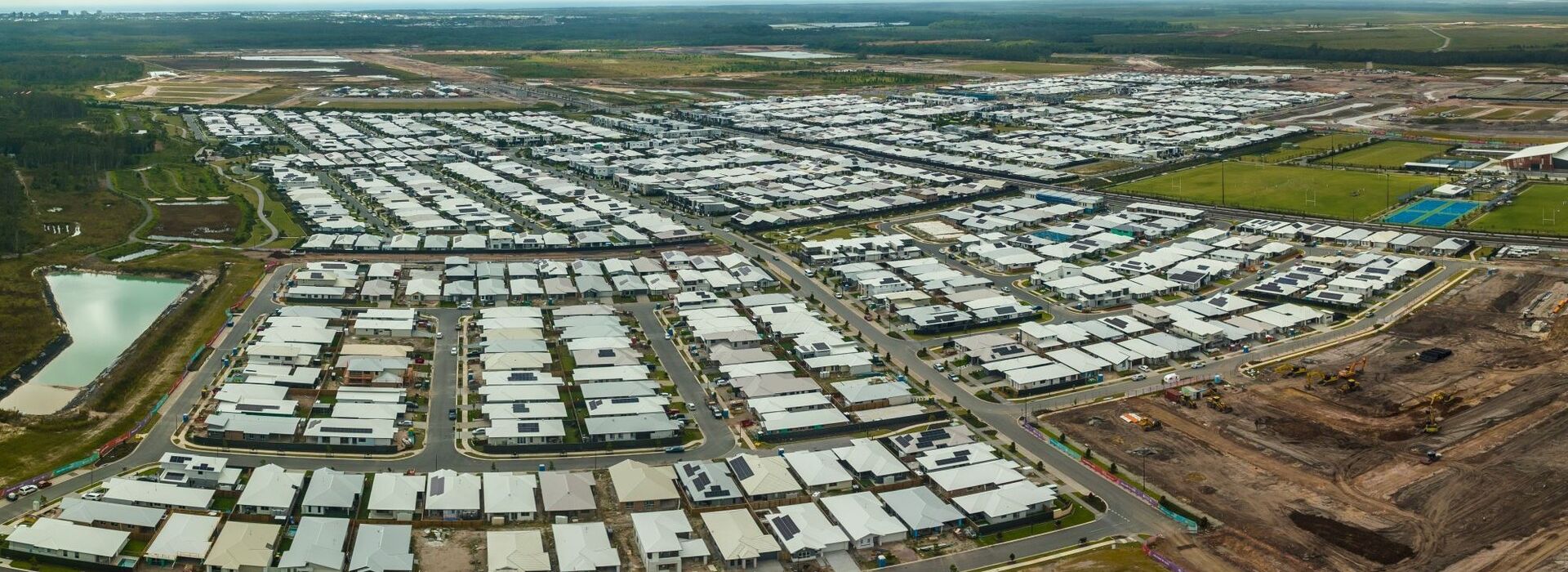
On behalf of Unitywater, we're delivering critical new water and wastewater infrastructure to support growth on Queensland's Sunshine Coast. The new pipelines, pump stations, and storage reservoirs will support the new Aura and Harmony communities in the Caloundra region.
For the Aura development (which will grow to 50,000 residents by 2050), we're delivering a new wastewater network that includes over 12 km of 900 mm diameter pipeline and one pump station. We're also delivering a new water supply network for this community, that includes over 12 km of 800 mm diameter pipeline connecting the Ewen Maddock Dam to a new 12 ML water reservoir.
Fast Facts
- Large diameter (up to 900 mm) water and wastewater pipelines
- 12 ML storage reservoirs
- Pump stations
- Open and trenchless pipeline construction techniques
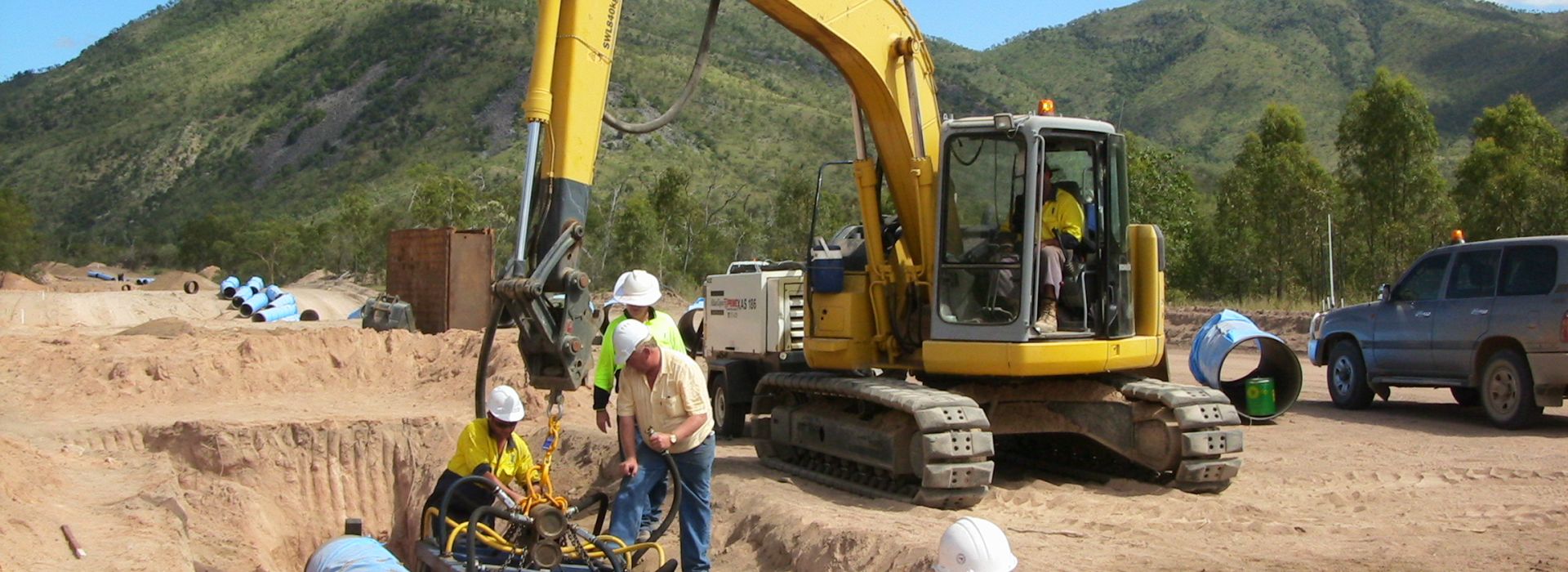
Burdekin to Moranbah Water Pipeline
Achieving an average daily pipe-laying rate of 1.25 km (peaking at 3.1 km), we constructed this 217 km long, large diameter water pipeline on a fast-track program for Sunwater.
The pipeline delivers 16,800 ML of water per annum to a terminal storage at Moranbah to be used predominately by industry. The new water supply ensures the continued prosperity of the Bowen Basin Region.
Fast Facts
- 172 km long, 813 mm dia. MSCL pipeline
- 45 km long, 750 m dia. DICL pipeline
- 1 No. main pump station
- 3 No. intermediate pump stations
Energy Solutions
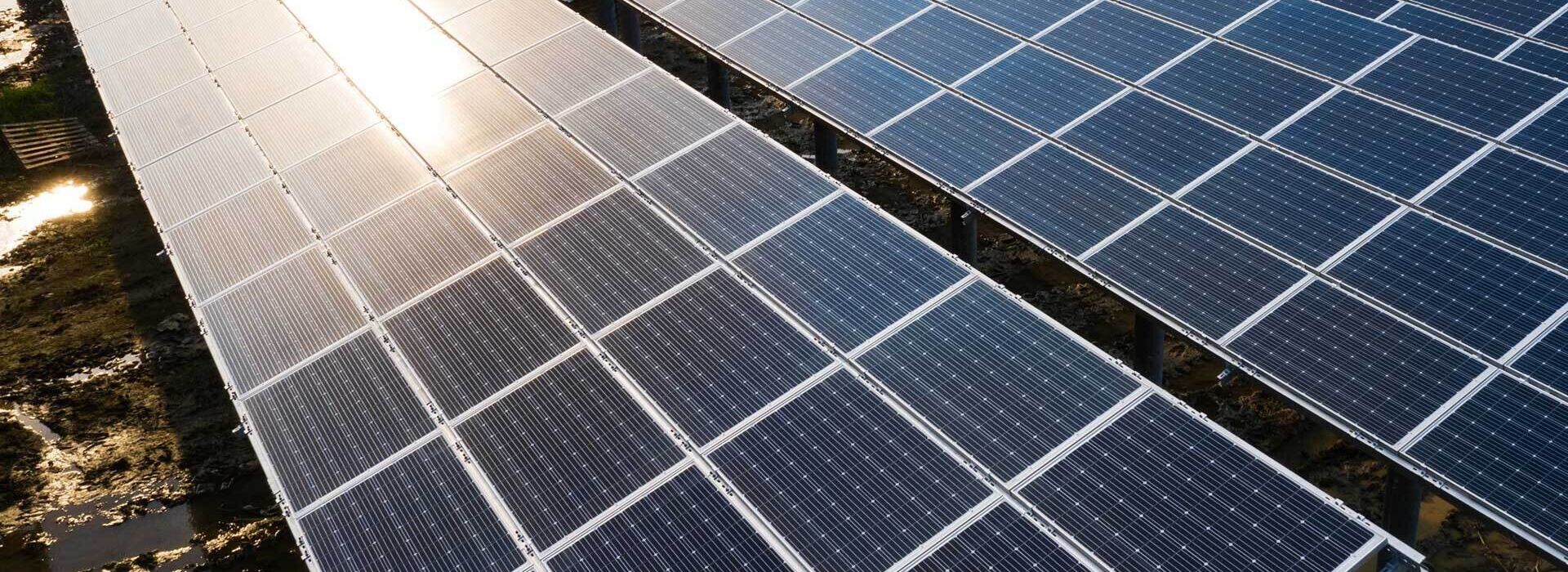
We help create safe, sustainable and efficient power infrastructure that supports today’s energy hungry and environmentally conscious communities. We deliver civil, electrical, mechanical, pipelines and tunnelling works across all power generation types.
Recent projects that reflect our capabilities in sustainable power generation include the engineering, procurement and construction of the 166 MW Te Mihi Geothermal Power Station in New Zealand; the refurbishment of the 75 MW Ambuklao and 100 MW Binga Hydropower Plants in the Philippines; and the current Kidston Pumped Storage Hydro Project in Queensland.
Kidston Pumped Storage Hydro
A game-changing project for Australia's clean energy industry
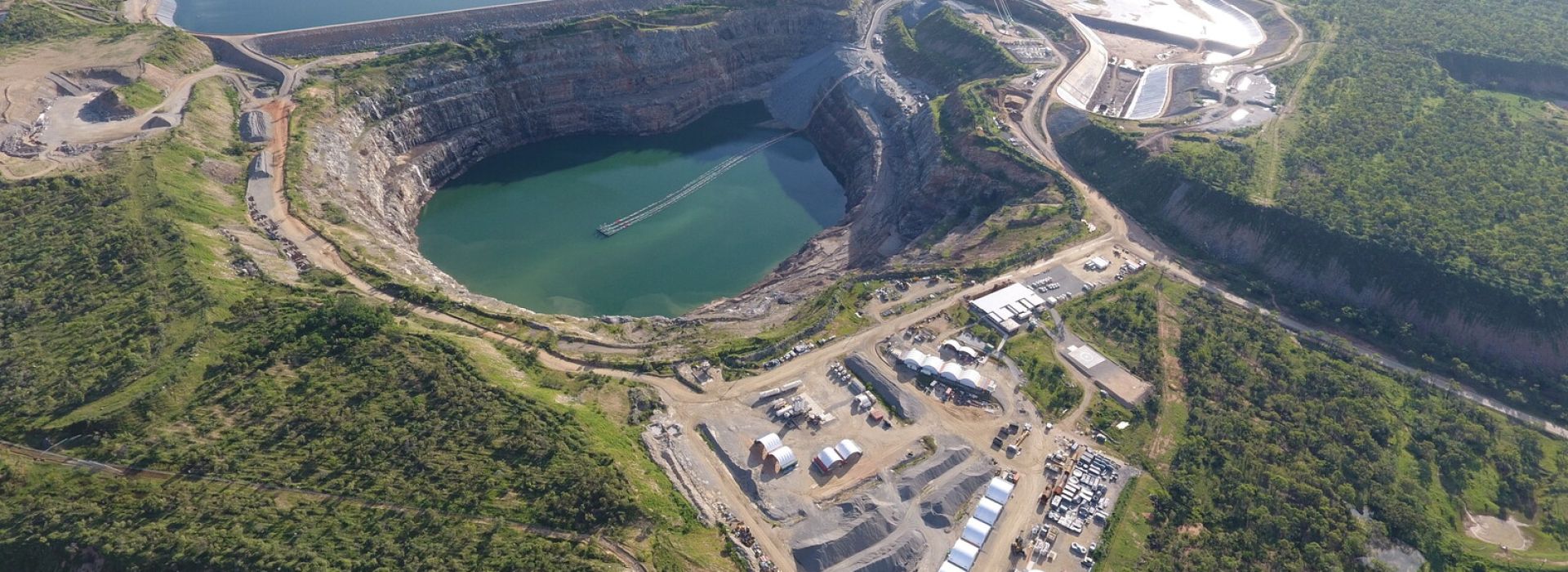
We are constructing the Kidston Pumped Storage Hydro Project in Far North Queensland - an innovative project that involves the world-first conversion of a disused gold mine into a pumped storage hydroelectric power generation facility.
This first-of-its-kind natural battery storage facility has the potential to generate up to 250 MW of rapid response (less than 30 seconds), flexible power to Australia’s National Electricity Market.
Fast Facts
- First-of-its-kind natural battery storage facility
- 250 MW of rapid response (30 seconds) renewable energy
- 4 year design development and technical optimisation leading up to construction
- 800 jobs to be created during construction
Bogong Hydro Power Project
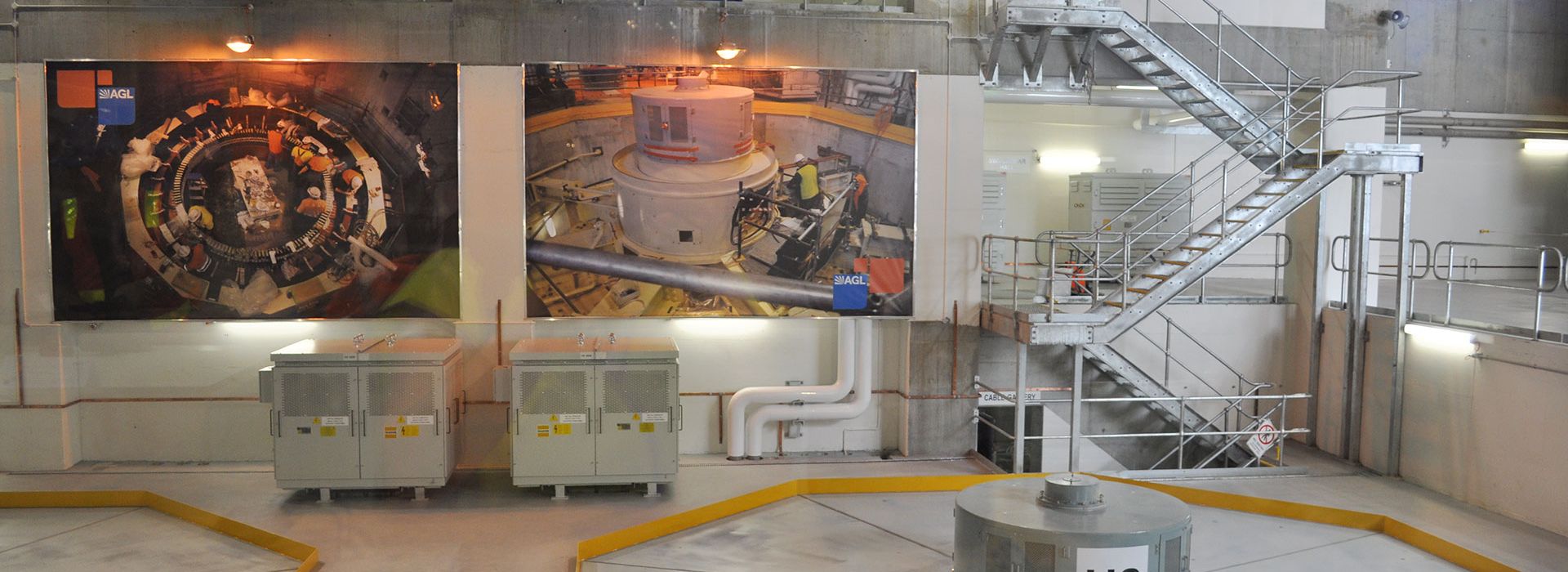
Awarded the design and construct contract for the Bogong Power Development Project by AGL, our engineers set about developing smart design and construction strategies that ultimately reduced the project cost by A$30 million.
Consisting of a network of tunnels and shafts and the construction of a new underground hydro electric power station, the Bogong Power Development Project is the largest hydro power project constructed in Australia in 25 years.
Fast Facts
- 6.5 km of 5 m diameter hardrock tunnel constructed using a tunnel boring machine;
- 1.3 km of drill and blast tunnels;
- 250 m of 5 m diameter shafts;
- 5,000 t penstock liners;
- Power station construction and installation of two 70 MW turbines.
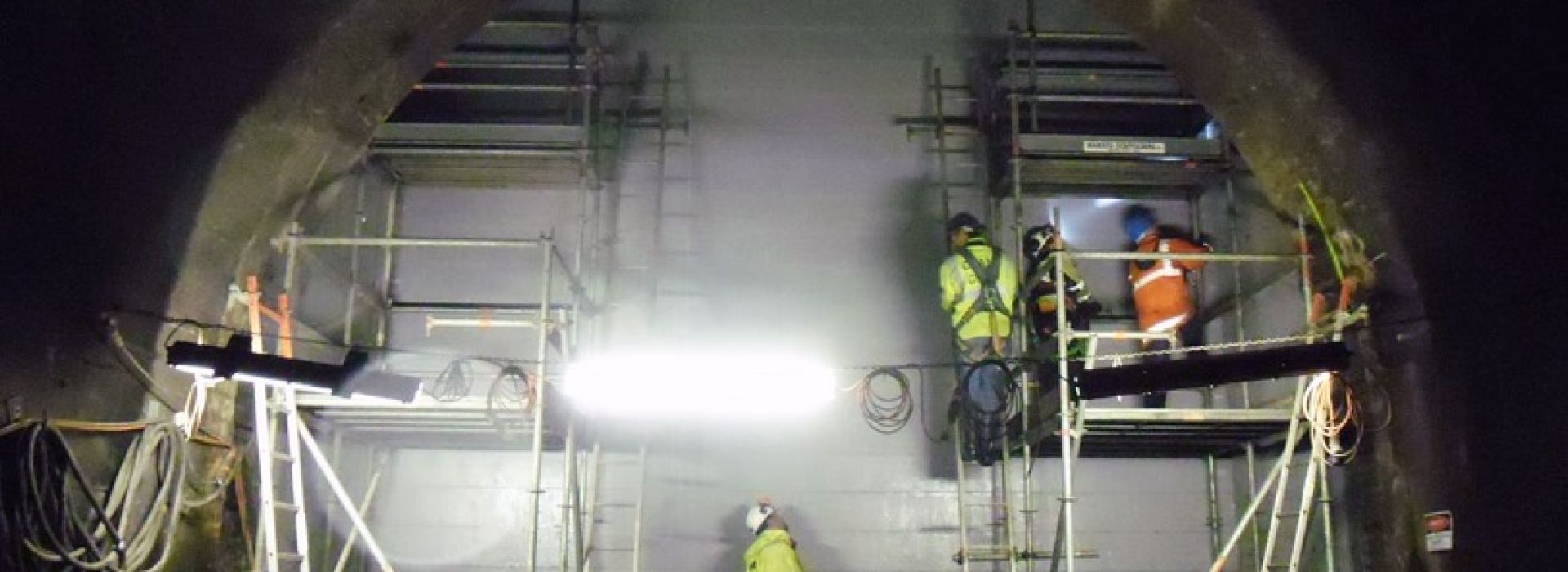
Arapuni Diversion Gate Repairs
We undertook repair works on the diversion gate and tunnel at the 80 year old Arapuni Dam on the Waikato River, developing a number of innovations to save time and cost.
Our scope of works included the mechanical refit of the diversion gate to improve reliability, reduce leakage and extend the life of the gate by a further 50 years.
Fast Facts
- 7.3 m dia, 185 m long tunnell relined
- 9.5m x 1.9m x 50m deep access shaft
- 8.9m x 6.2m x 1m deep, 90T diversion gate
- 22l beam sections
- 100mm concrete floor topping downstream of gate
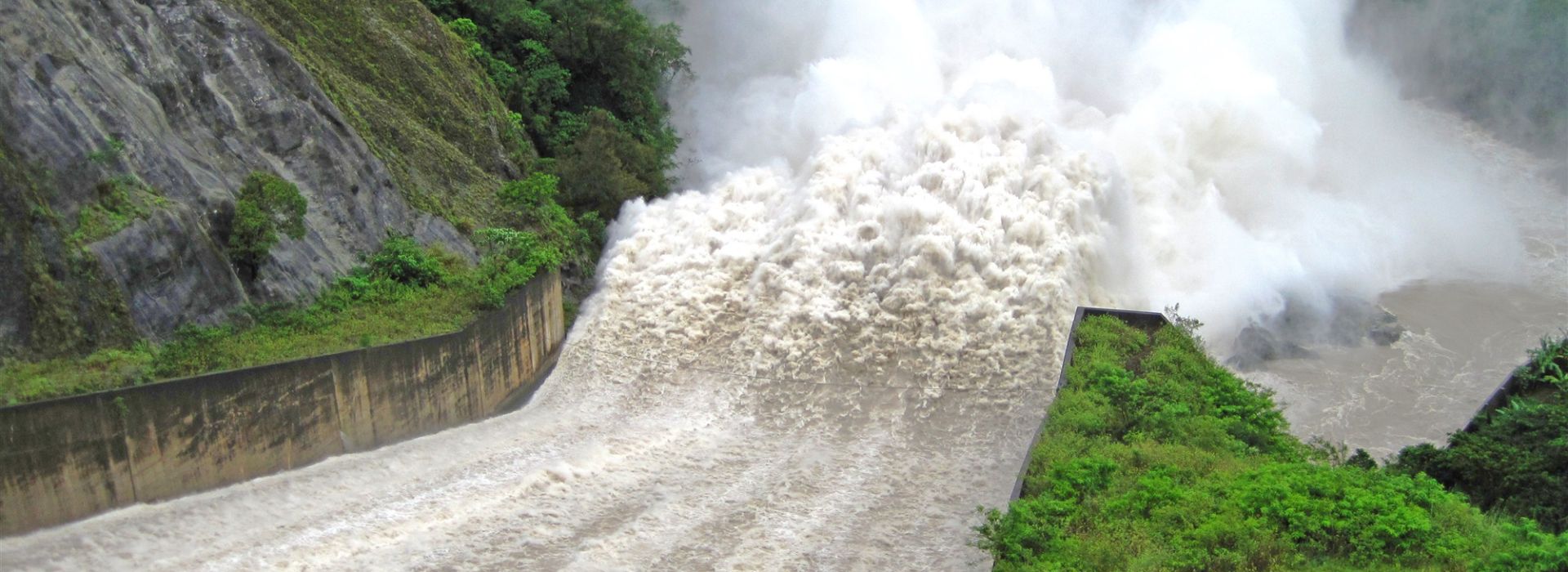
Ambuklao & Binga Hydro Powerplants Rehabilitation
We rehabilitated the Ambuklao and Binga hydro electric powerplants for SN Aboitiz Power-Benguet (SNAP), combining expert project knowledge with proven construction techniques to complete the projects safely and efficiently.
Ambuklao was first commissioned in 1956, while the downstream Binga plant was commissioned in 1960. Both were shutdown in 1999 due to damage from an earlier earthquake.
Fast Facts
- 2 hydropower plants
- 4 million hours
- 2 million hours LTI free
- 19,000 m3 of concrete
- 8,000 m3 of shotcrete
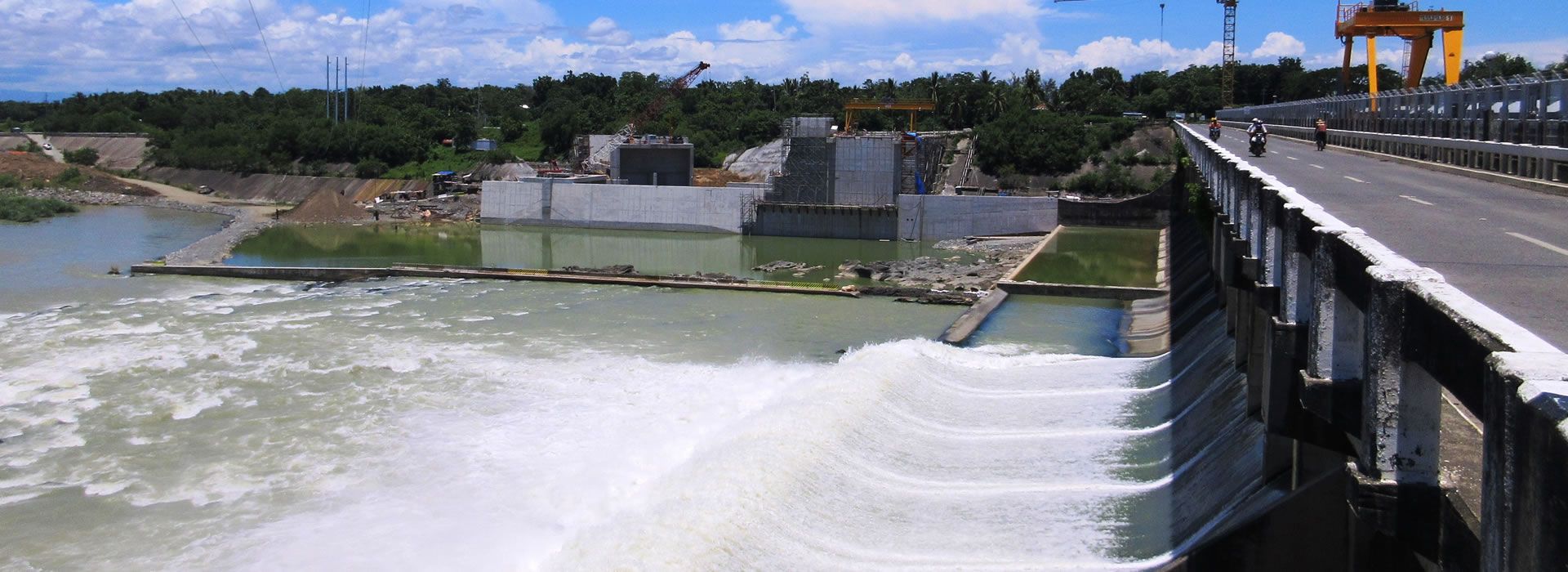
Maris South Canal Hydro Electric Power Project
Statkraft Norfund Power Investment Group and Aboitiz Power (SNAP) awarded us the Maris South Canal Hydro Electric Power (HEPP) project - an 8.5 MW low head hydroelectric power station in North Luzon, Philippines.
The award built on our 10 year working relationship with SNAP, who are the owners of the Ambuklao Hydro Power Plant in the Philippines, which we rehabilitated for them.
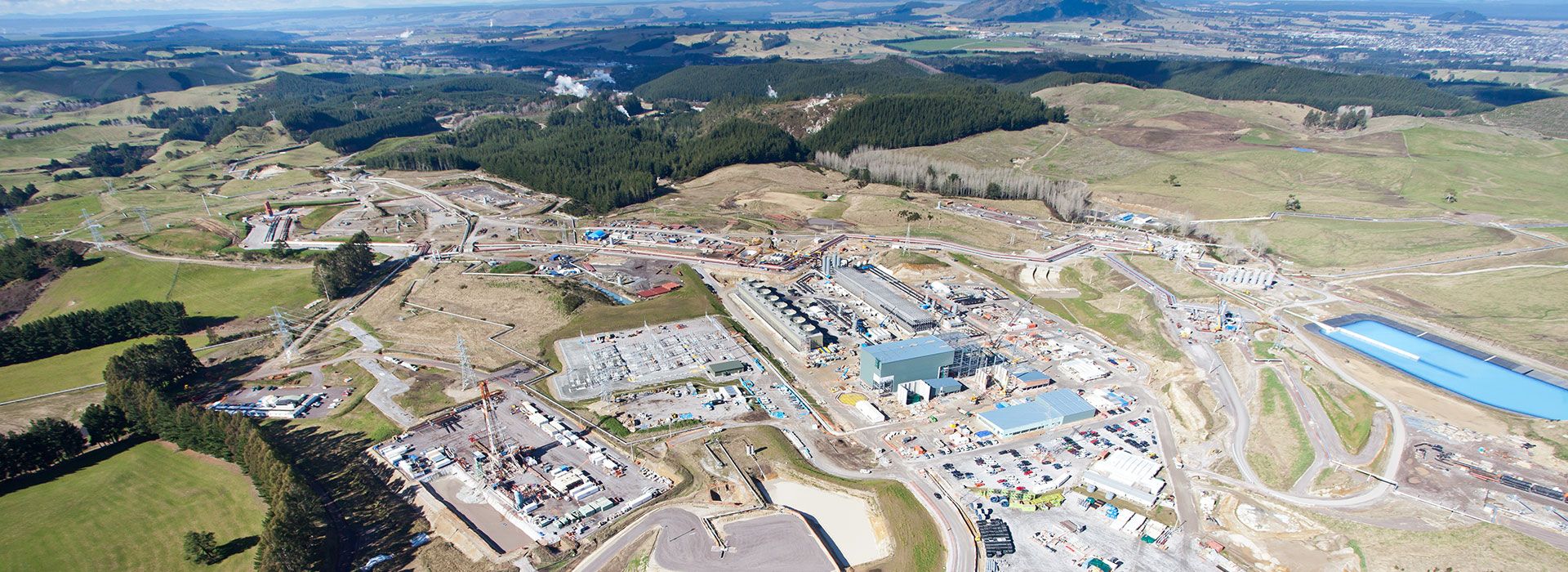
Te Mihi Geothermal Power Station
In joint venture, we designed, constructed and commissioned the 166 MW Te Mihi Geothermal Power Station, replacing the world's second largest power station - the 50 year old Wairakei Power Station.
With limited experience in complex EPC contracts in New Zealand, the joint venture, comprising ourselves, SNC Lavalin, and Parsons Brinckerhoff, brought together a strong team with extensive international expertise in power plants, to meet Contact Energy's specific requirements.
Fast Facts
- 495,200 m3 earthworks
- 5,550 lm piles
- 15,800 m3 concrete
- 2,050 tonnes reinforcing steel
- 1,390 tonnes structural steel
- 3,880 lm electrical duct banks
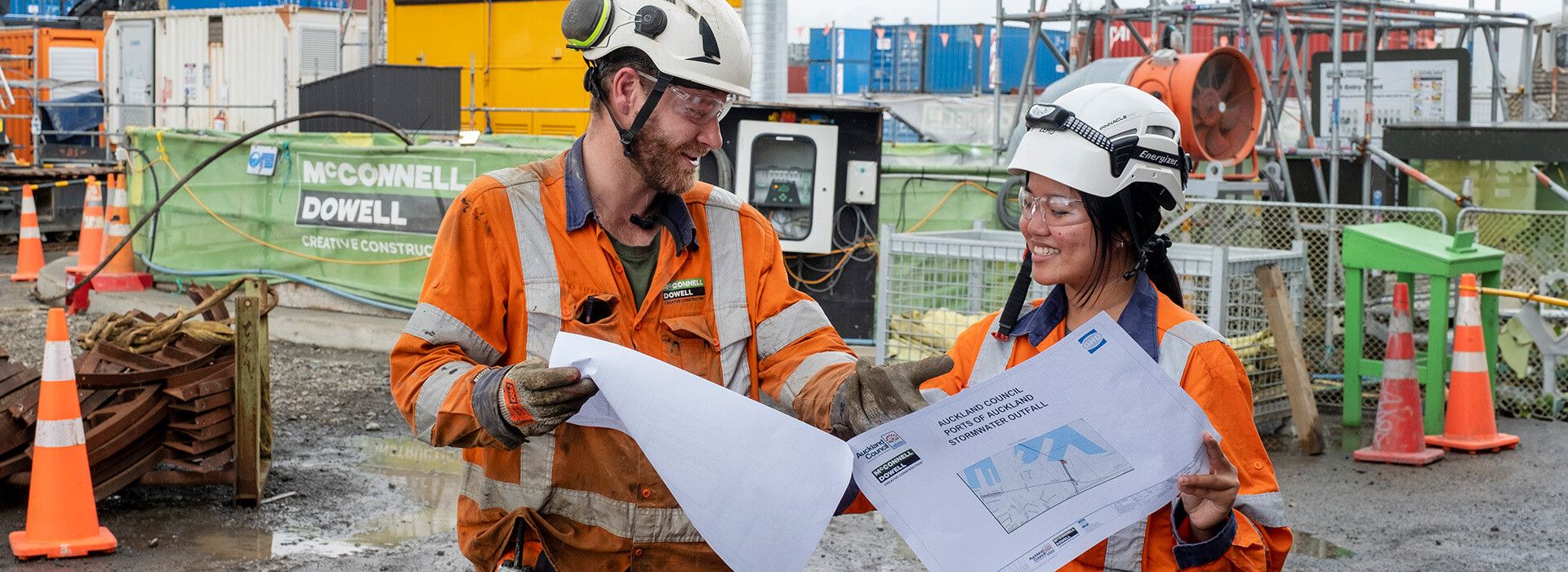
Creative Construction
Creative Construction at McConnell Dowell is the inspired engineering behind the complex infrastructure we deliver.
It's the technical problems and challenges solved behind the scenes by people empowered to think creatively and work collaboratively. It’s the alternative idea or innovation that saves time, reduces cost, makes us safer, and delivers more value.
It might not always be evident when you look at the end product, but it's there, inside every McConnell Dowell project.
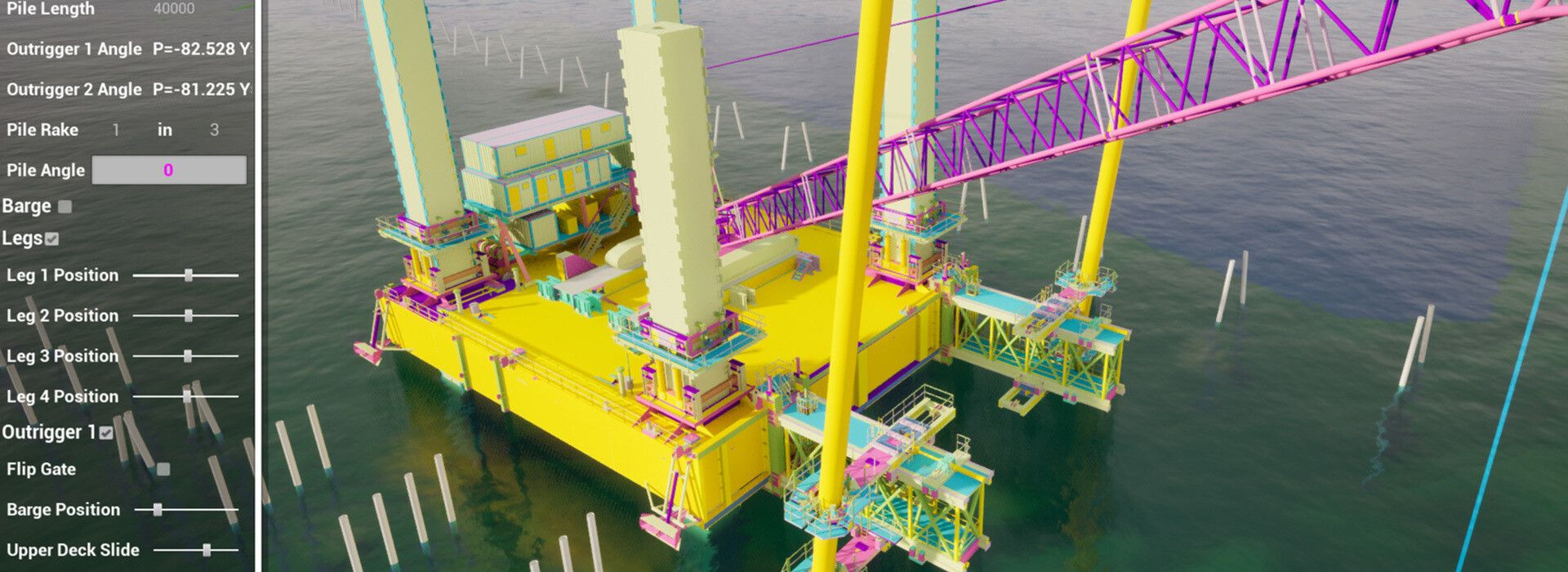
Digital Engineering
We take a ‘Digital First’ approach to all our projects, equipping our teams with the latest digital tools and systems from the design stage forward.
This helps them identify and address potential issues at the earliest stages of project development, effectively eliminating issues at their genesis leading to lower costs and delays once we start on site.
On site, we use digital tools like drones for surveying, and GPS tracked plant to monitor and improve safety and efficiency.
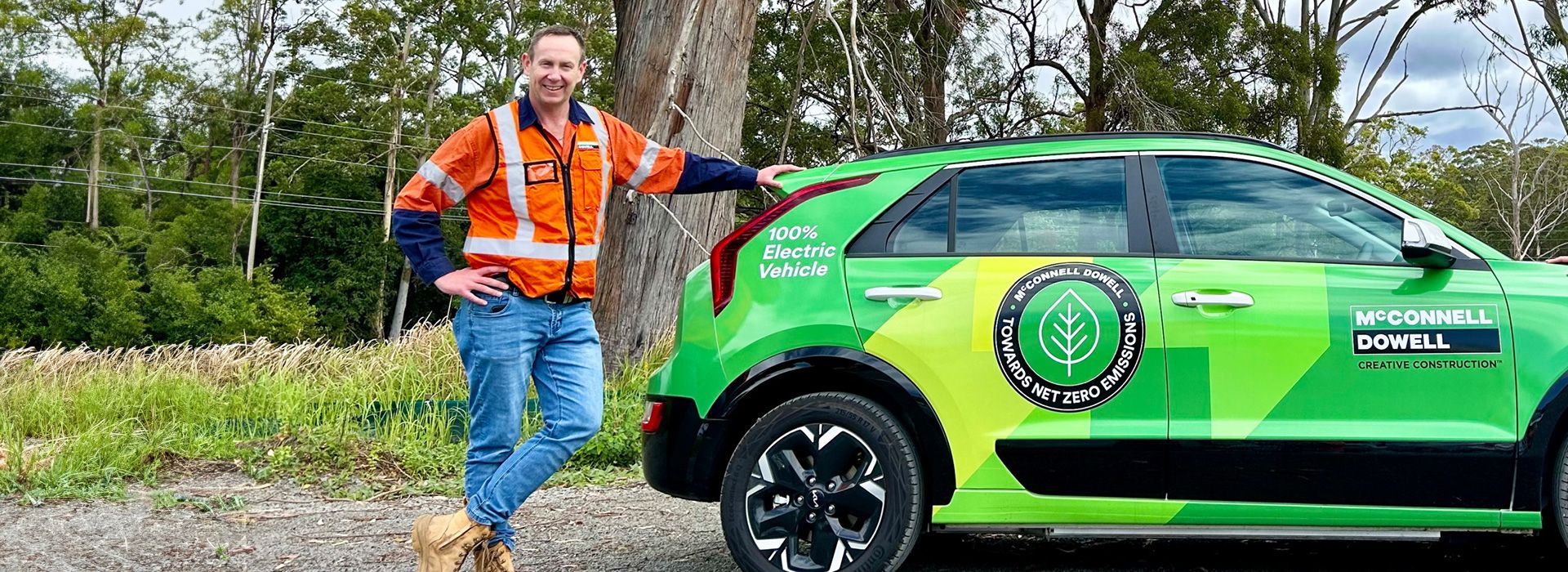
Sustainability (ESG)
Our purpose is 'Providing a Better Life’ - today and into the future. That’s why sustainability, in all its forms, is considered in every project, process and product across our business.
Our approach is clearly articulated in our Sustainability Policy.
We're about action not just aspiration. Our ambitious but achievable {tip title="Carbon Reduction Roadmap" content=" "} carbon reduction road-map {/tip} will see us be operationally net zero by 2030, with 44 initiatives that are being progressively rolled out across the company. Last year we reduced our carbon emissions by 442 tonnes through the use of solar technologies alone, and diverted almost two million tonnes of waste from landfill.
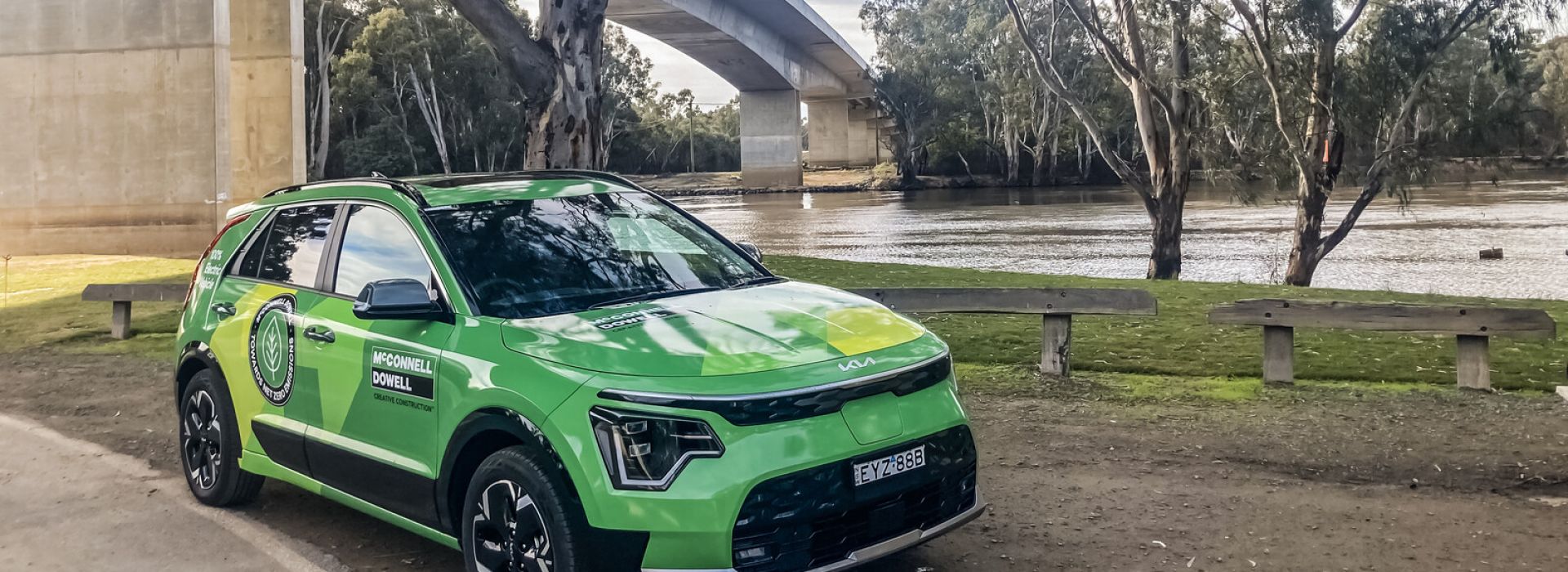
Environmental
We understand the impact construction can have on our natural ecologies and we're constantly seeking ways to minimise our footprint and restore and improve the natural environment and biodiversity around our works.
We've embraced the circular economy, renewed local ecologies, reconnected habitats, and lowered energy use across our projects in line with our {tip title="Carbon Reduction Roadmap" content=""} carbon reduction road-map {/tip}.
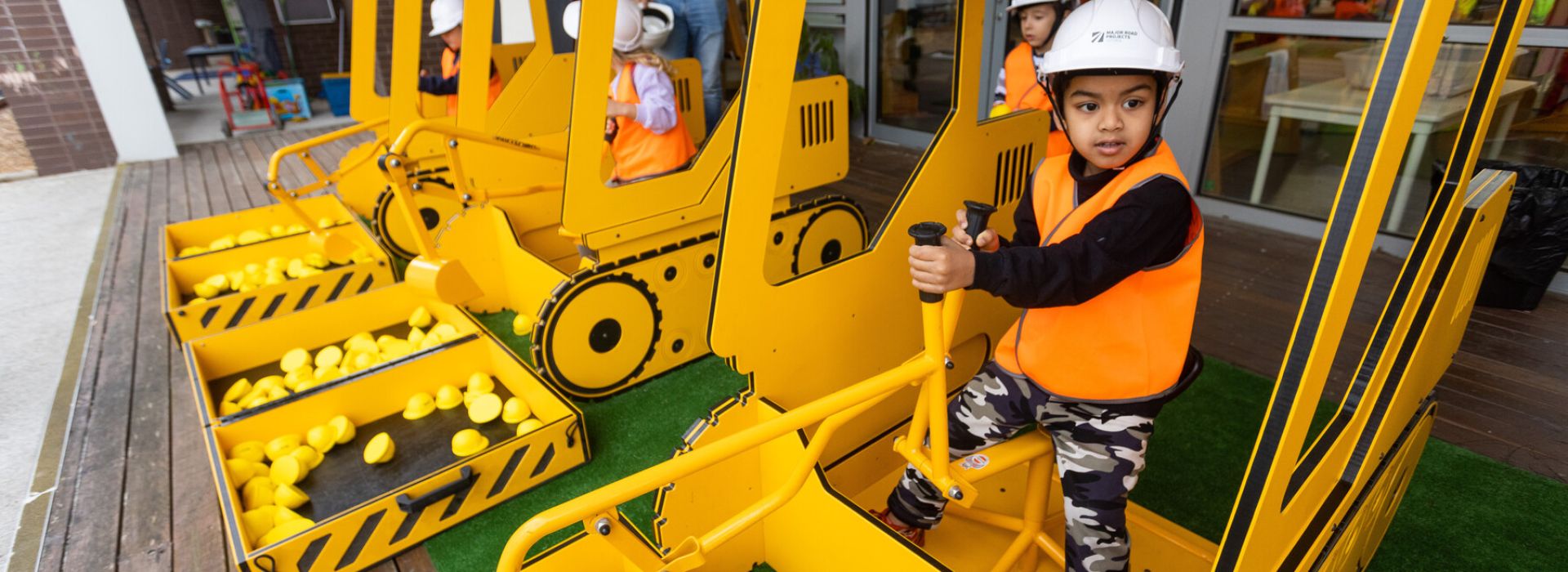
We set energy and waste reduction targets on every project and are committed to making our environmental footprint as small as possible, as showcased in the recent case studies below.
Social
We consider the 'Social' aspect of ESG to encompass everything related to people.
That's from ensuring everyone goes Home Without Harm, to making a positive and meaningful impact on the well-being and prosperity of our employees, stakeholders, and the communities we engage with. This focus aligns seamlessly with our purpose of 'Providing a Better Life'.
Our commitment begins with our rigorous safety management system and extends to maximising local employment and supply opportunities, as well as delivering needs-based community support and uplift initiatives through our projects.
Safety
We never compromise on safety.
We foster our 'Home Without Harm' safety culture through robust processes, effective systems, and by recognising and rewarding safe behaviours.
Our Site Safety Managers are always on our project leadership teams, ensuring safety is prioritised in all site activities. Every team member has clear safety responsibilities, aimed at protecting themselves, their colleagues, and the community.
We're also leading our industry in the adoption of new safety technologies, like virtual reality plant simulators and AI-enabled blind spot elimination. Check out the case studies below for more information.
Underpinning it all are our Safety Golden Rules. Built on our long-term collective knowledge and learnings, they are specifically targeted at preventing fatalities and serious injuries.


Closing Text - General with contacts, no video
Summary
Thank you for taking an interest in McConnell Dowell's skills, capabilities and approach. Additional information is available on our website, including additional project case studies.
Contact us through the link(s) below for advice or assistance with your project.
Contacts