Capability Statement
Prepared for Cairncross Dockyard Project
May 2026
Introduction General
Thank you for the opportunity to present this brief capability statement which details a cross-section of our skills and experience, and showcases a selection of our recent projects.
About Us (typically use first)
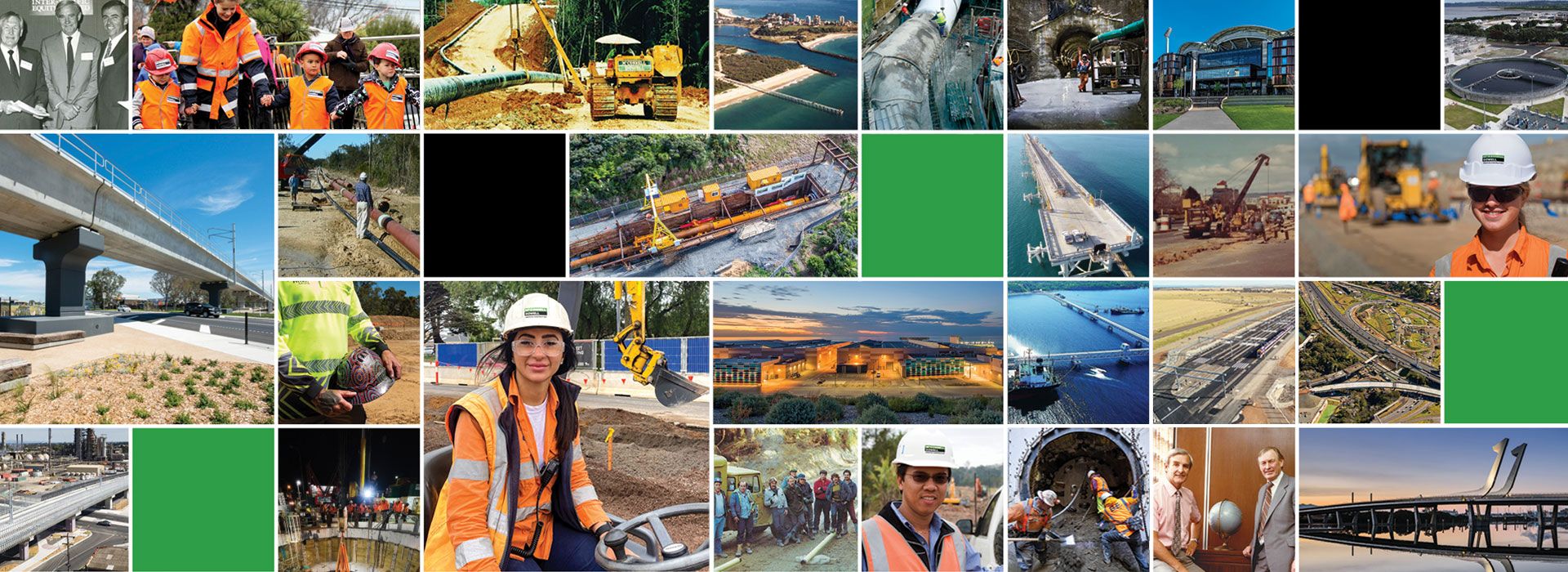
For over 65 years customers have been coming to McConnell Dowell with complex projects that require innovative solutions. That's why we're known as the Creative Construction company.
From remote resources and energy projects to city-shaping infrastructure, we've built thousands of quality assets and facilities.
Engineering-led, our expertise has grown steadily to span building, civil, electrical, fabrication, marine, mechanical, pipelines, rail, tunnel and underground construction..
Purpose & Values (typically use 2nd or 3rd)
We are a Purpose and Values driven organisation. These define what's important to us, guide our decision making and unite us behind a common goal.
Our Purpose is Providing a Better Life.
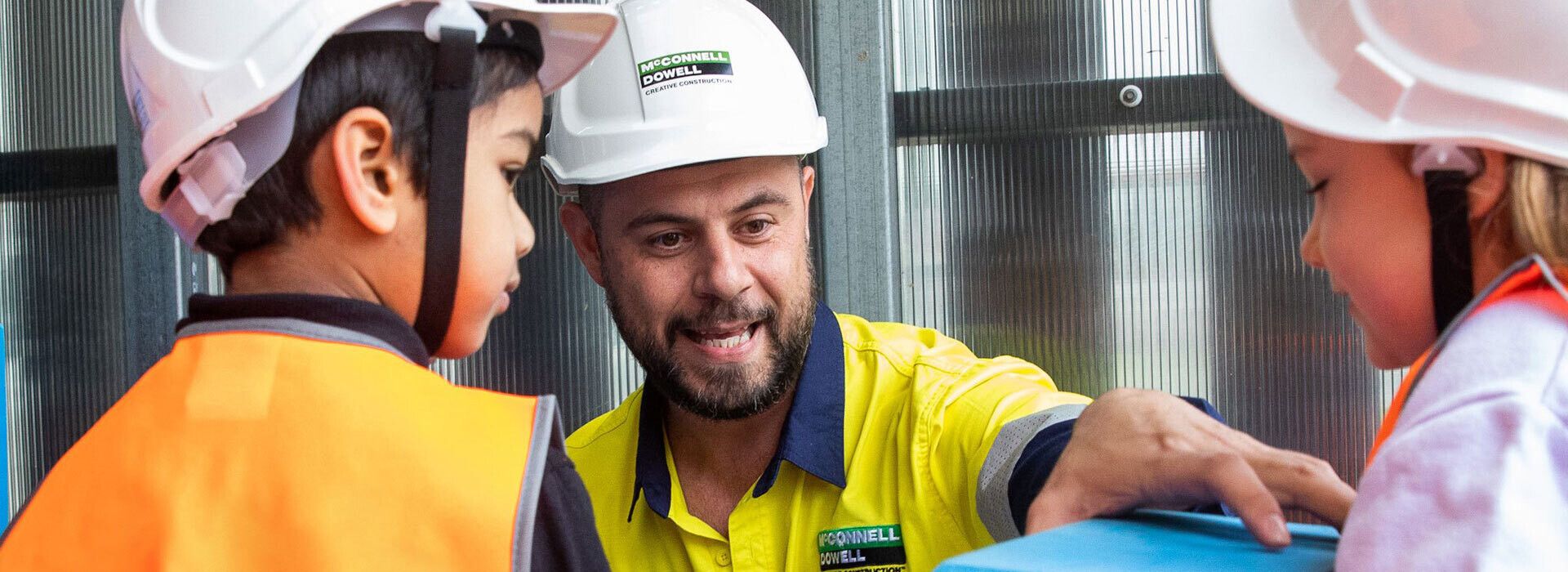
We do that through delivering projects that connect, sustain and enhance communities, and through providing career opportunities that challenge, reward and grow our people.
We also have five company values that guide our behaviours and decisions. Our values are:
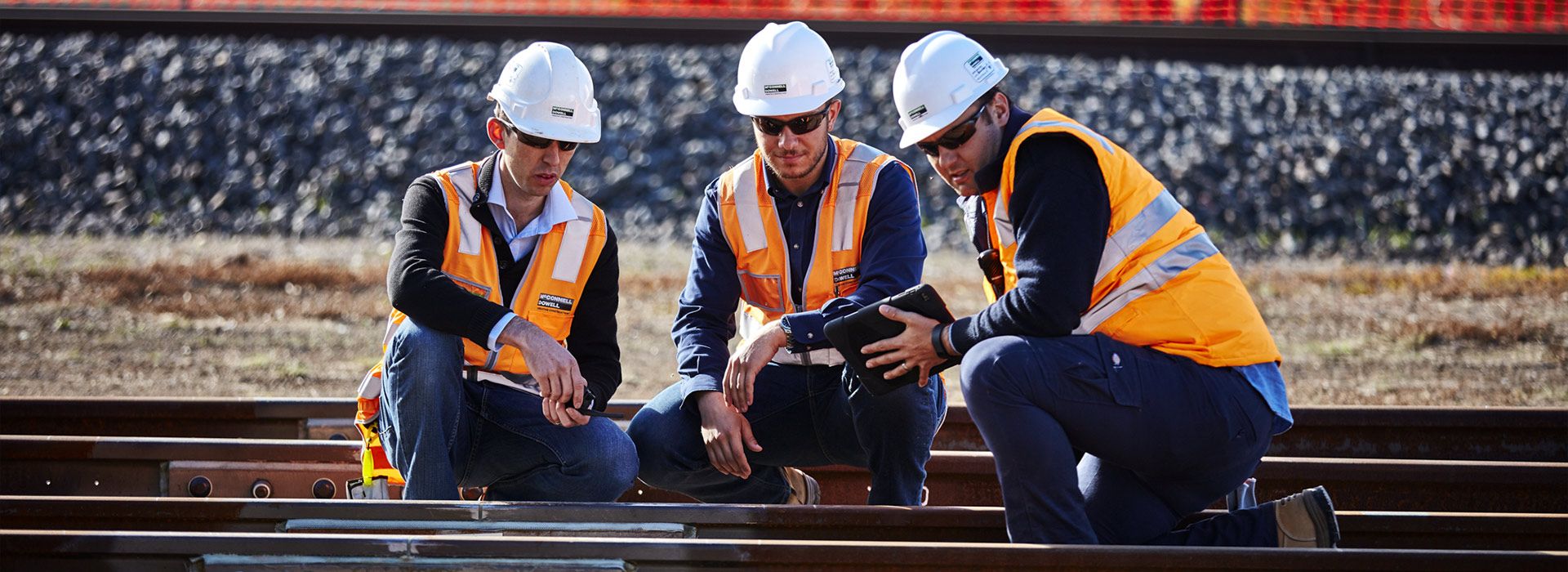
Our Approach (typically use 2nd or 3rd)
We approach every project with a focus on creativity and certainty - seeking the right blend of innovation and safe, proven approaches so we can exceed our customers' expectations.
We also understand that construction today is as much about community and sustainability as it is about concrete and steel. Our unwavering objective and commitment is to deliver what we promise to our customers, while protecting and enhancing our people, the community and the environment.
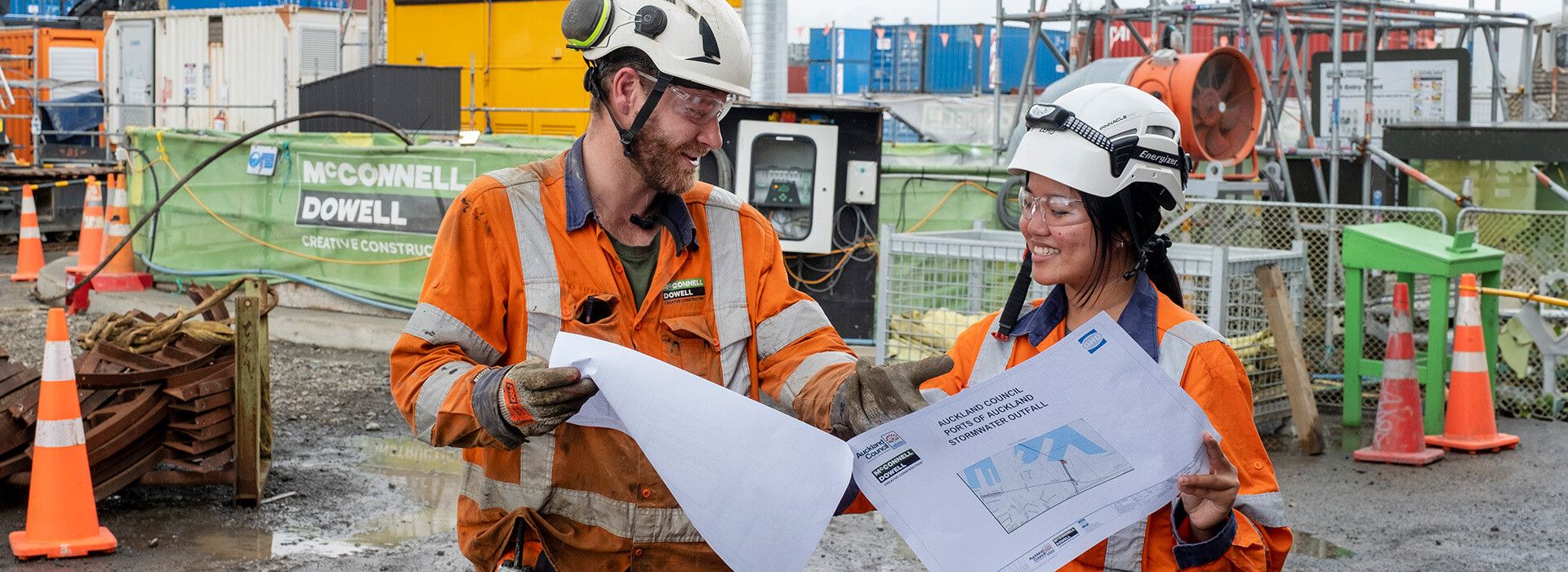
Creative Construction
Creative Construction at McConnell Dowell is the inspired engineering behind the complex infrastructure we deliver.
It's the technical problems and challenges solved behind the scenes by people empowered to think creatively and work collaboratively. It’s the alternative idea or innovation that saves time, reduces cost, makes us safer, and delivers more value.
It might not always be evident when you look at the end product, but it's there, inside every McConnell Dowell project.
Digital Engineering
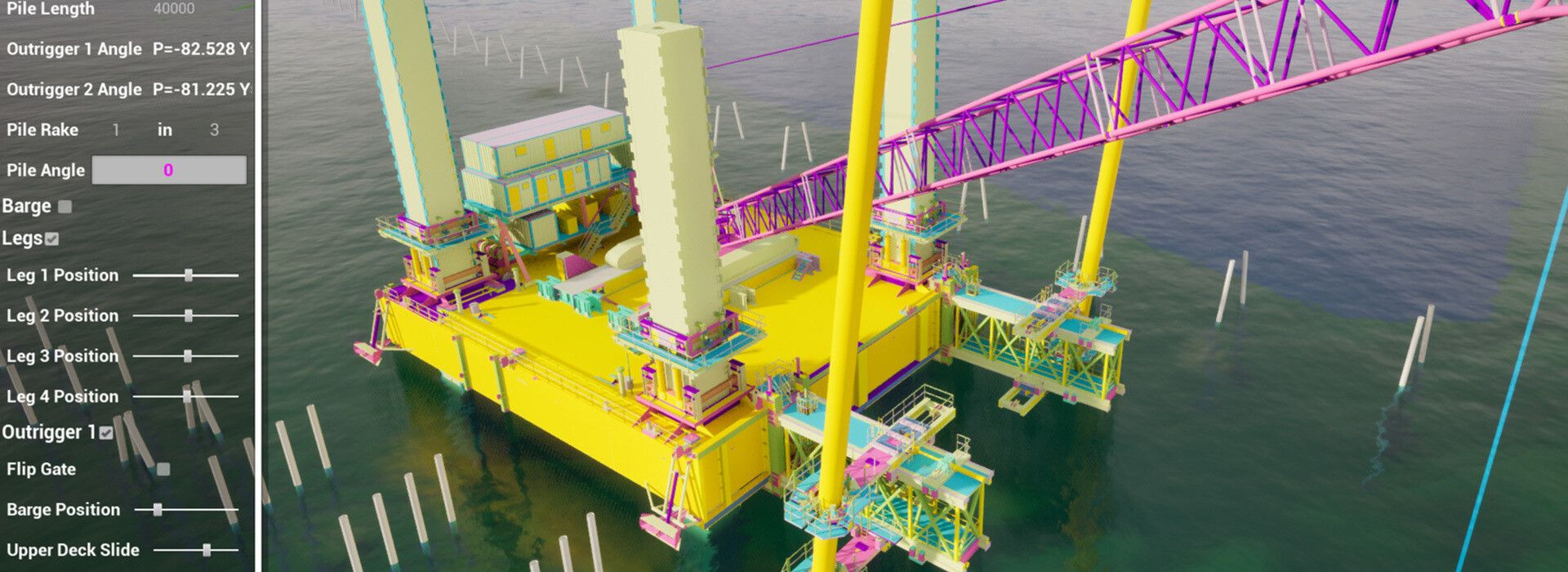
We take a ‘Digital First’ approach to all our projects, equipping our teams with the latest digital tools and systems from the design stage forward.
This helps them identify and address potential issues at the earliest stages of project development, effectively eliminating issues at their genesis leading to lower costs and delays once we start on site.
On site, we use digital tools like drones for surveying, and GPS tracked plant to monitor and improve safety and efficiency.
Ports & Coastal Solutions
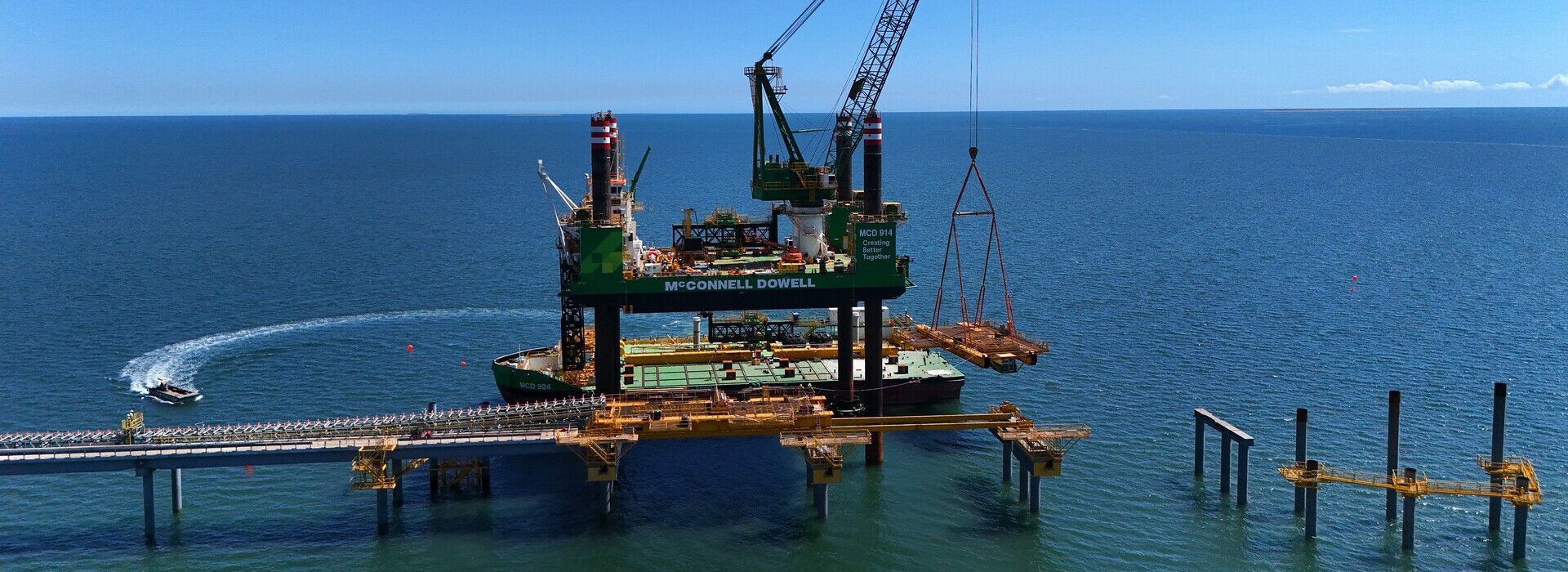
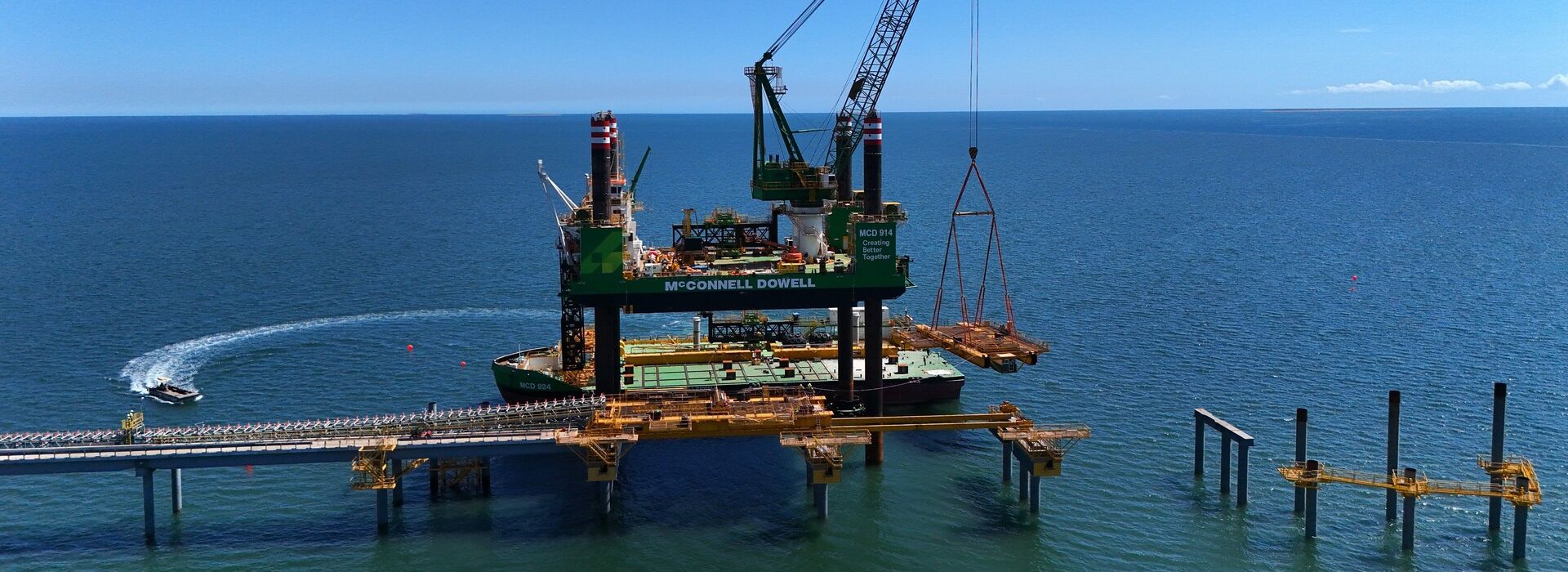
With over 330 marine projects completed across six decades, McConnell Dowell is synonymous with marine infrastructure.
From wharves and jetties to ocean outfalls, breakwaters, and submarine pipelines — we bring coastal confidence to every project.
Our modular approach to construction has helped create productive ports for clients like Rio Tinto, FMG, Vale, and BHP, where over 1.2 billion tonnes of iron ore are shipped annually from wharves we built.
CUF Marine Development Works
Supporting Australia's shipbuilding capacity
Fast Facts
- Construction of 80 - 100 m land backed wharf
- 40,000 m3 of dredging
- Berth kiosk services, including water and eletrical supplies
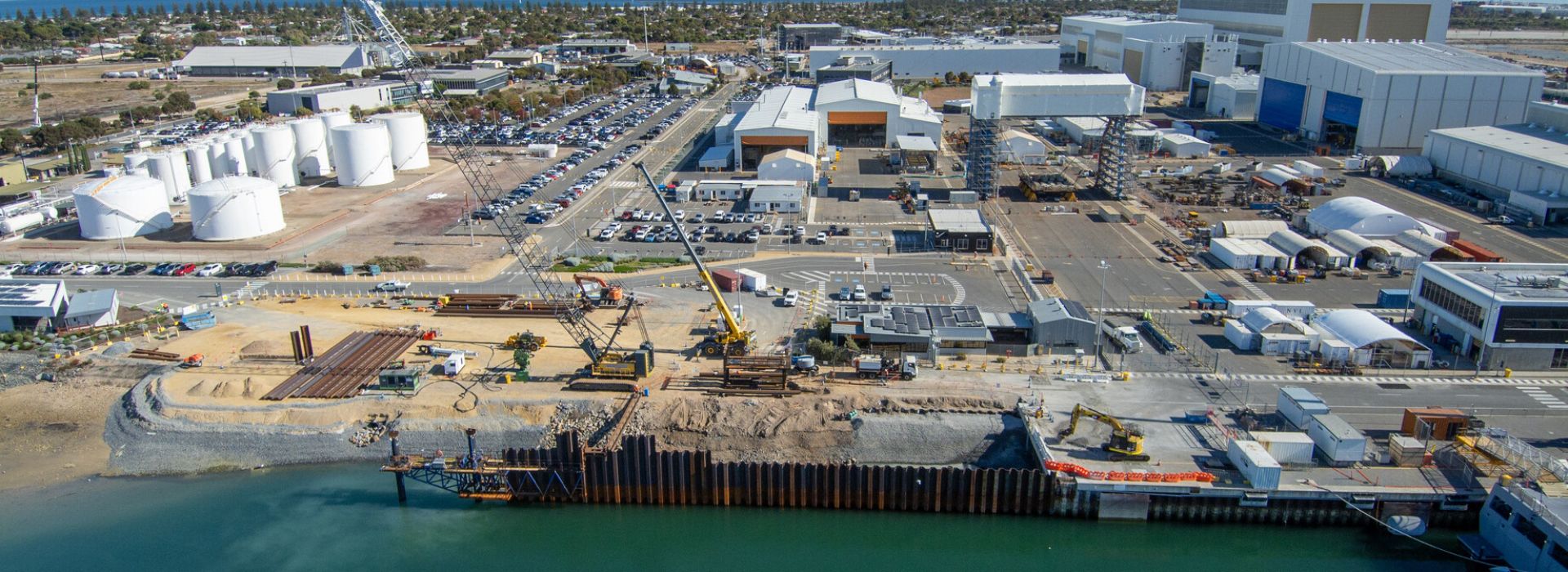
Common User Facility (Techport)
In one of the first Early Contractor Involvement (ECI) contracts in Australia, we designed and delivered the Techport Australia Common User Facility - a new state-of-the-art shipbuilding and maintenance complex on the Port River at Osborne, South Australia. We delivered it in joint venture with our building company, Built Environs (the MDBE JV).
The project was rolled out in two stages. In the first stage, our team worked in collaboration with design and technology partners and DefenceSA to develop the final design and risk adjusted price.
Fast Facts
- 213 m long, 25 m wide wharf
- 450,000 m3 material dredged
- 34 m x 160 m new shiplift pocket
- Installation of Australia's largest shiplift
- Works conducted in a sensitive marine environment and dolphin sanctuary
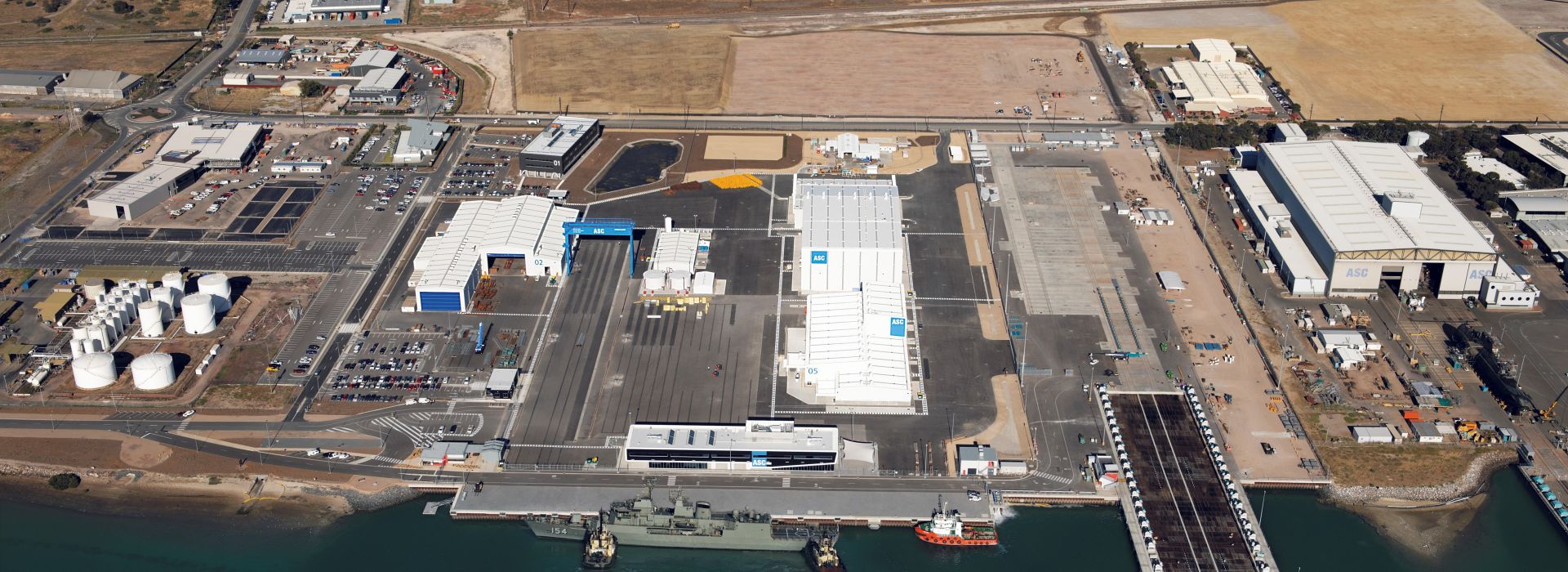
HMAS Coonawarra
New wharf and approach jetties to support the Australian Defence Force
We refined the initial concept design and constructed a new outer wharf structure at HMAS Coonawarra in Darwin to support the Australian Defence Force (ADF). The project involved the construction of a new 250 m long wharf and two approach jetties.
While the final structures are simple in their geometry and configuration, the site location and operational requirements were challenging.
Fast Facts
- 250 m long wharf
- Two approach jetties
- Enhancing ADF's maritime defence capability
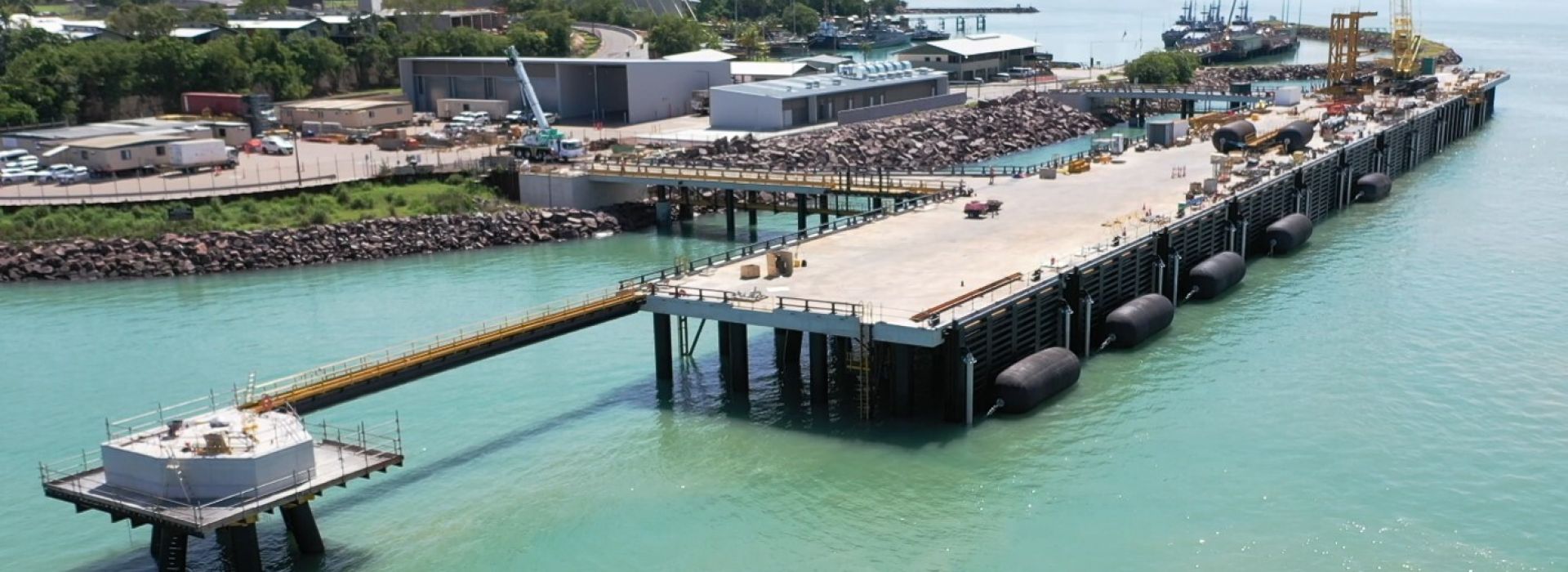
Brisbane River Ferry Terminals
Using an innovative, flood-resilient design, we upgraded upgrade seven ferry terminals along the Brisbane River for Brisbane City Council. These replaced the orginal terminals lost or damaged in serious flooding. We also built a new terminal at Milton to service residents and workers.
The new facilities, capable of berthing two CityCat vessels simultaneously, include new covered waiting areas and access gangways, steel pontoons, and a debris deflection system.
Fast Facts
- Construction of 8 ferry terminals at 7 locations
- Zero Lost Time Injuries
- Delivered on time and on budget
- Awarded the Institute of Civil Engineers' Brunel Medal
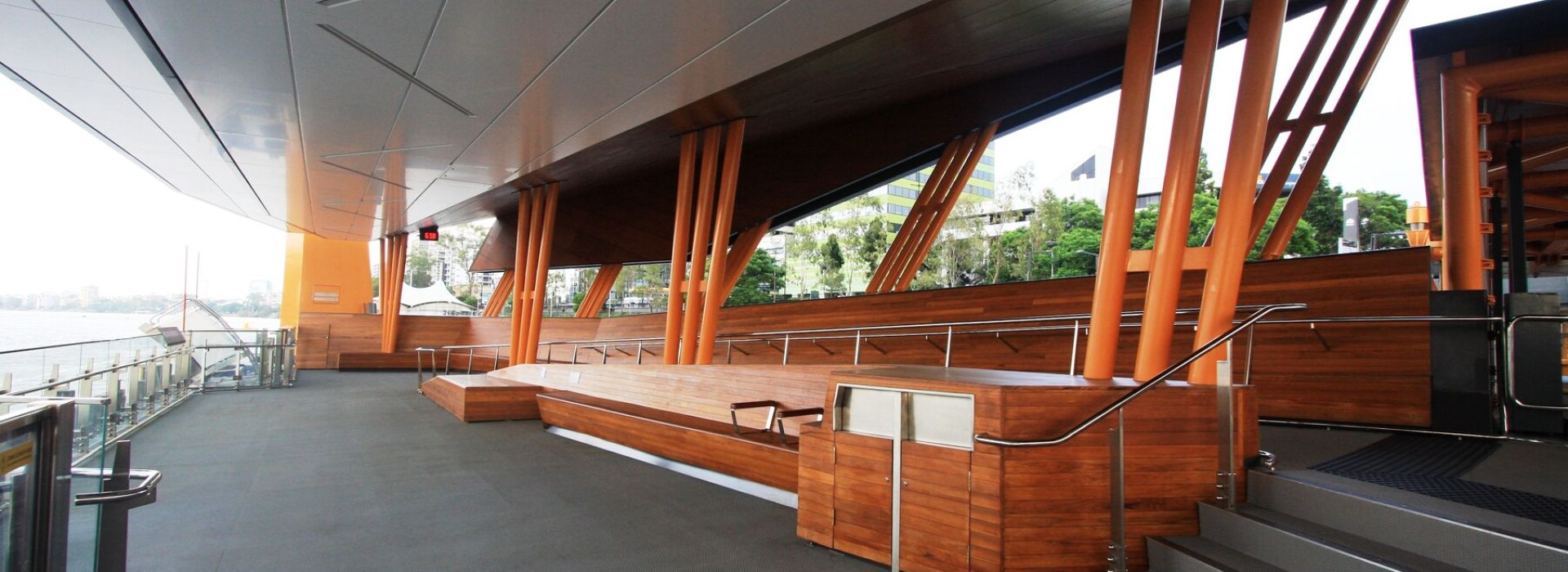
Overseas Passenger Terminal
Improving Sydney's public passenger terminal for cruise ships and ocean liners
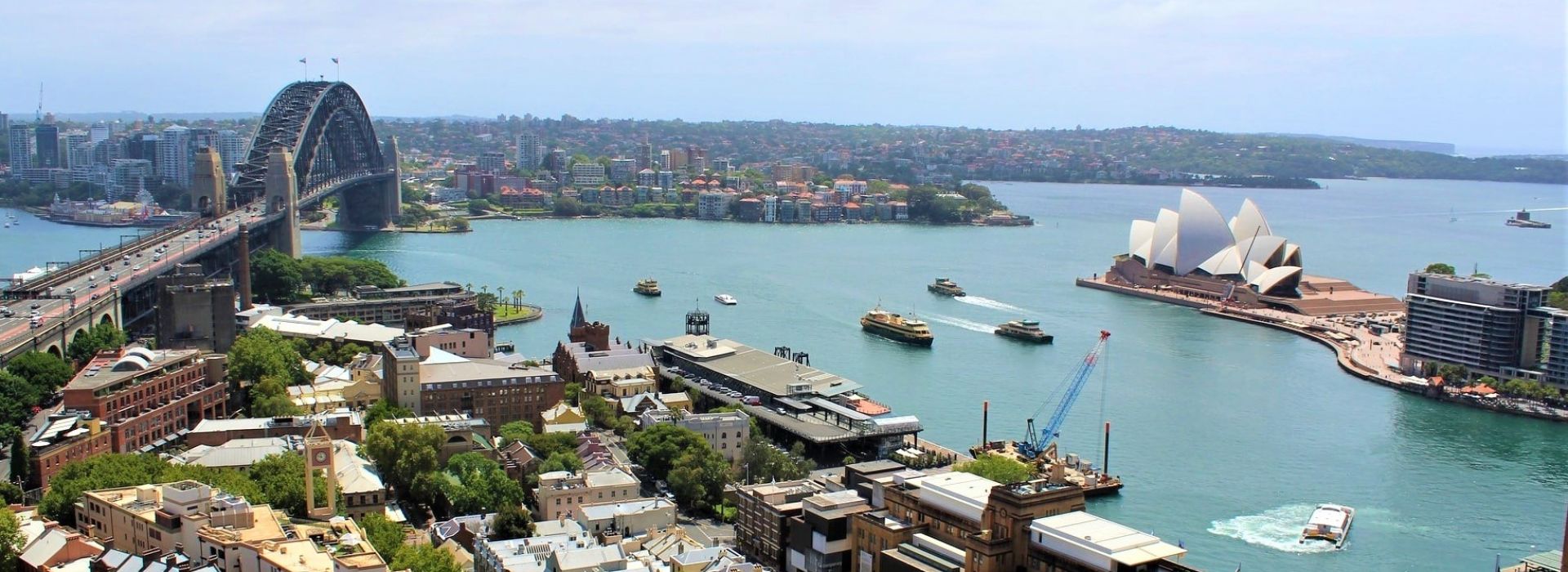
Working for the Port Authority of New South Wales we delivered a series of improvements to the Overseas Passenger Terminal (OPT), located in the iconic Circular Quay area of Sydney Harbour.
Built in 1960, the OPT is located in one of Australia’s busiest waterways. Over time, natural processes and vessel activity have caused scouring, accretion and movement of materials on the seabed around the terminal’s wharf.
Fast Facts
- Underwater sheetpile installation
- Scour protection design and installation
- Berth pocket dredging
- Dreging disposal
- Managing Contractor for archaeological investigations and artefact cataloguing
Outer Harbour Berth 6 Extension
Increasing container port capacity in South Australia
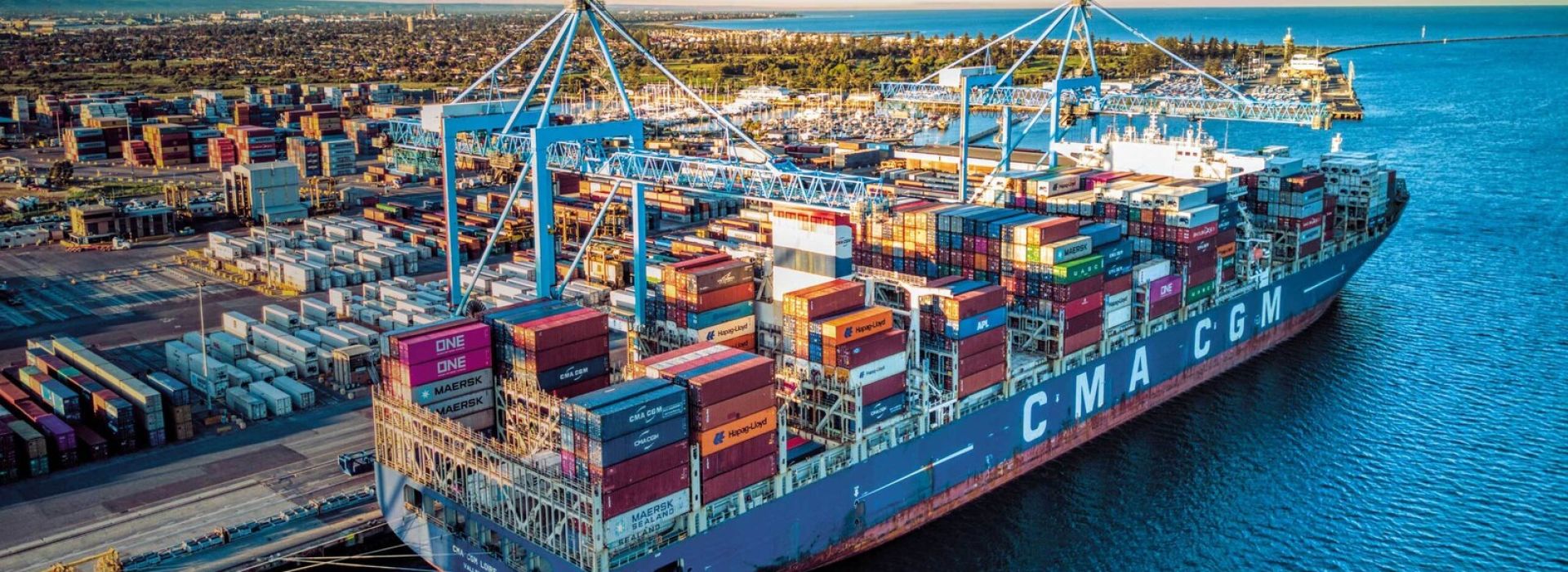
After a 6-month Early Contractor Involvement process, we're now delivering a berth extension and remediation works at the Flinders Adelaide Container Terminal (FACT) — South Australia’s only container terminal.
Our works form part of Flinders Port Holdings’ (FPH) A$350 million GatewaySA Program, a multi-year initiative designed to increase capacity, efficiency and sustainability across the terminal.
Fast Facts
- 135 m berth extension
- Quay-line extention and strutural remediation
- Site-wide services, hardstands and access road upgrades.
Chith Export Facility
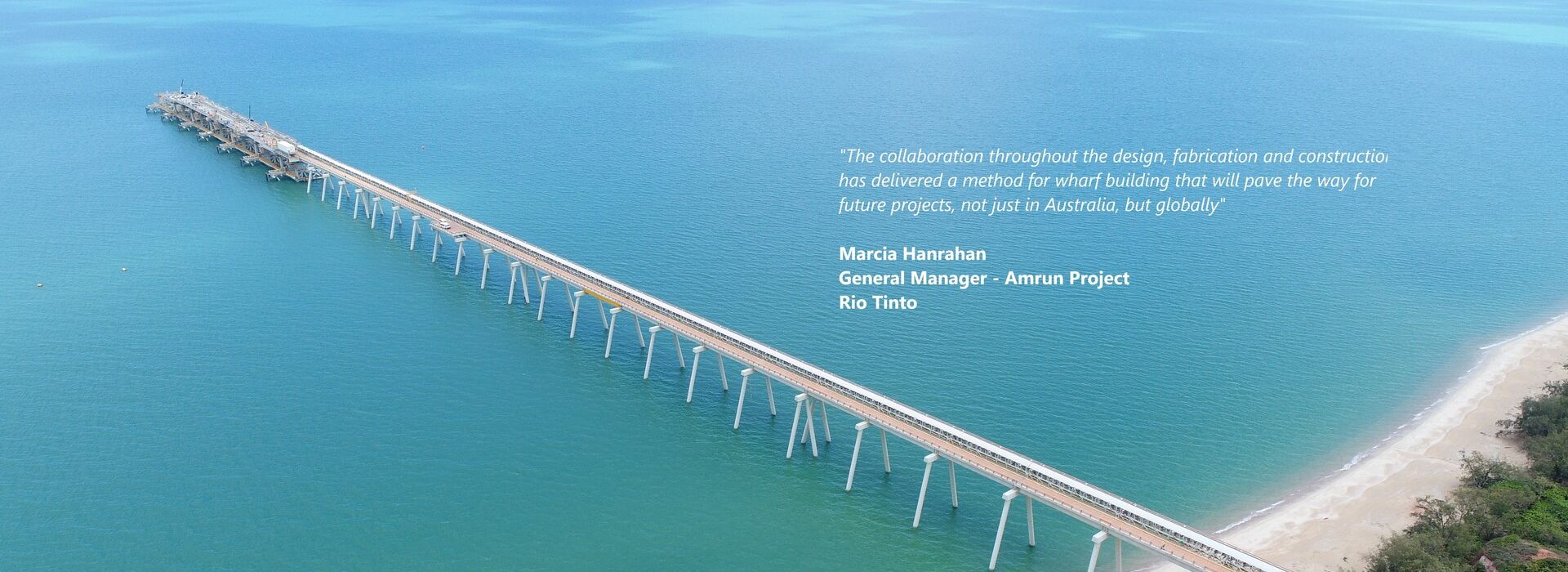
We revolutionised the design and construction of large-scale marine infrastructure when we delivered the Chith Export Facility - a large, complex and remotely located project for Rio Tinto at their Amrun bauxite mine, south of Weipa in Far North Queensland.
The facility comprises a 650 m access jetty, a 350 m loading wharf and an onshore conveyor system. Innovatively designed by Jacobs and constructed by us in just 10 months, modularisation was at the heart of the solution and our project team took it to new levels in scale and breadth.
Fast Facts
- 650 m access jetty
- 350 m long loading wharf
- Fully modularised construction approach
- 300,000 job-hours saved
- Build time reduced by 12 months to just 10 months
- Capital expenditure reduced by $40M
Groote Eylandt GEMCO Wharf
One of Australia’s most ambitious marine recovery efforts
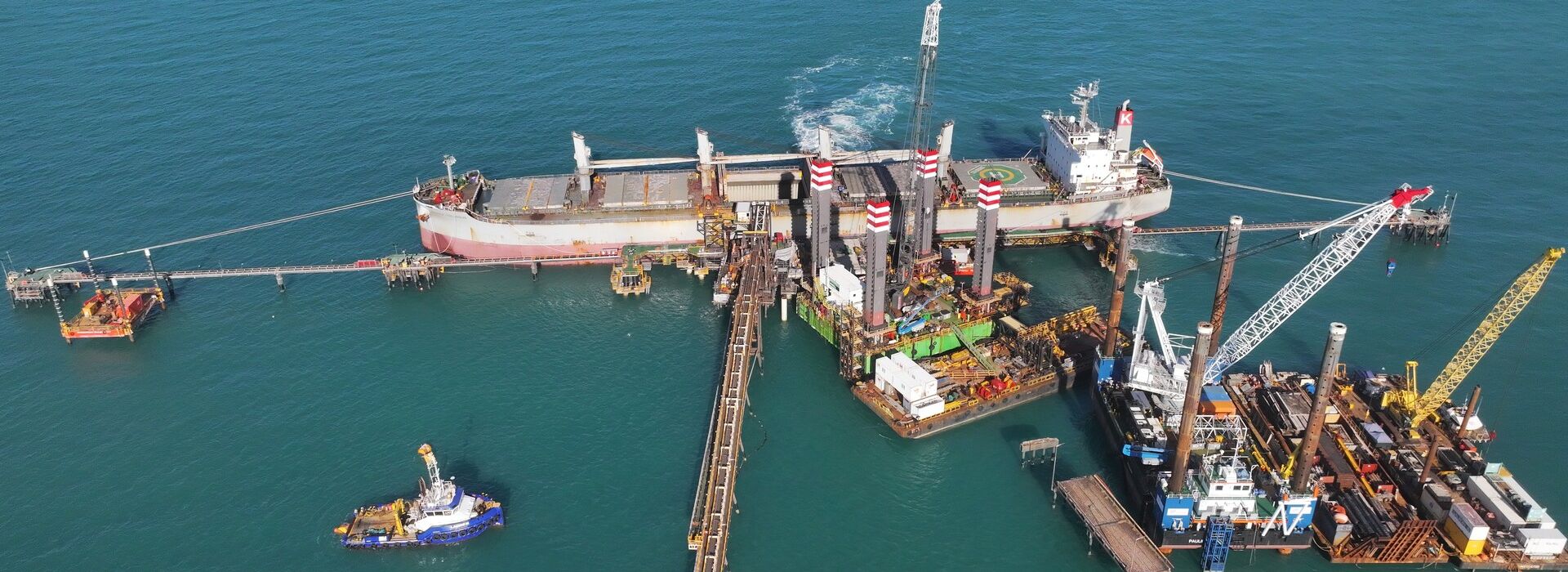
Following a destructive tropical cyclone, we were engaged by South32 to urgently restore and rebuild the cyclone-damaged GEMCO Wharf on Groote Eylandt. In less than 12 months, our project team achieved a major milestone—restarting operations after an intense and fast-tracked program of works.
To meet the challenge, we mobilised a sophisticated marine fleet from across Australia, Singapore, and the UAE. This included two large jack-up barges (Santa Fe and Pauline), two smaller jack-ups (Sealift 2 and Sealift 6), a 250-tonne crane barge, three flattop storage barges, and a support fleet of tugs and work punts. The mobilisation alone was a feat of logistics, setting the stage for a highly coordinated recovery effort.
Fast Facts
- Fast-track salvage and wharf rebuild
- 1037 tonnes of concrete and 998 tonnes of steel recovered from the seabed
- 28 new piles and 13 large prefabricated steel units installed
Swanson Dock West remediation
We recently completed Stage 1 of the Swanson Dock West Remediation, and are now delivering Stage 2. This is our sixth project for Port of Melbourne since 2017.
Swanson Dock West (SDW) is a critical International Container Terminal comprising of a 944 m wharf with three container-handling berths, which were constructed in several stages between the 1960s and 1980s. The existing wharf is of varying forms of construction and some sections are close to or beyond the typical design life of 30 years. As a result, major remediation was needed.
Fast Facts
- A three-staged wharf remediation project
- McConnell Dowell's sixth project for this customer since 2017
- Works programmed around operational wharf
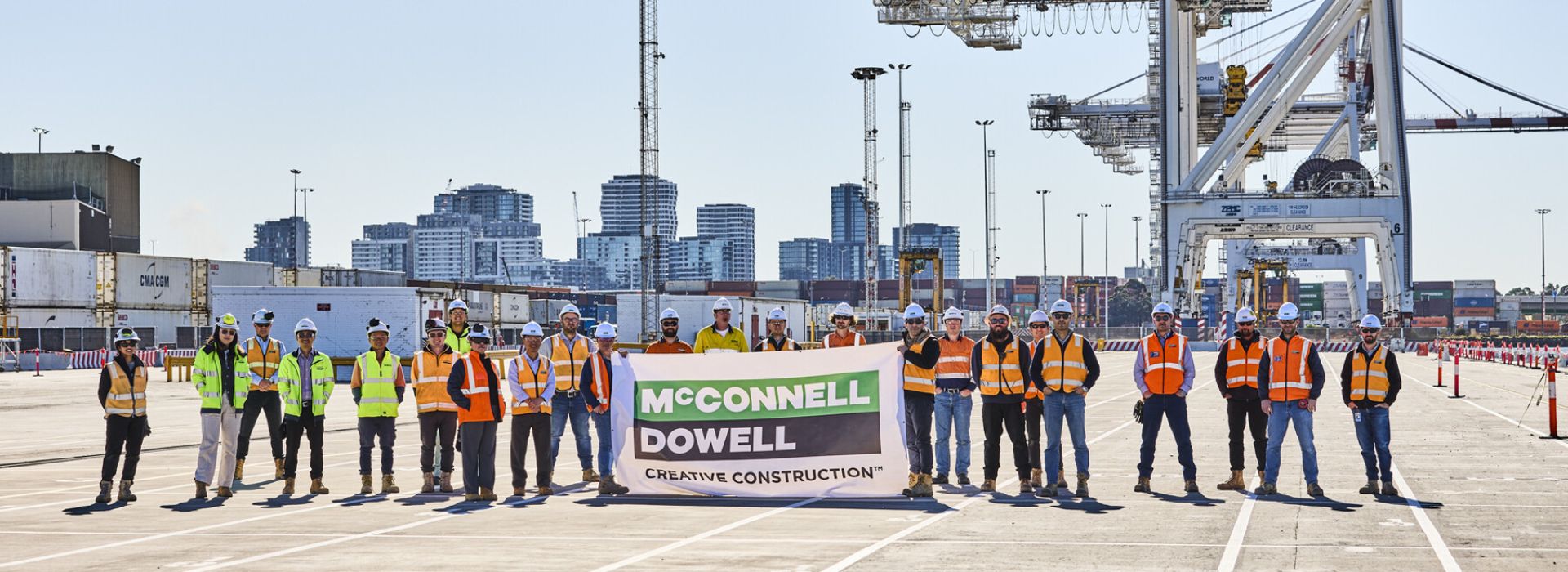
Toll Berthing & Infrastructure Project
Enhanced berthing facilities for efficient port operations at Webb Dock Melbourne
Drawing on our unmatched experience in the Port of Melbourne, we were engaged by Toll Transport to upgrade their wharfs and berthing infrastructure at Webb Dock, Melbourne and McGaw Wharf, Burnie. These terminals service Toll's trans-Bass Strait shipping route.
Upgrades were required at both facilities in advance of Toll receiving two new larger vessels which were longer, wider, deeper and heavier, resulting in the need for significant modifications to the existing infrastructure.
Fast Facts
- 10 week Early Contractor Involvement process
- Two operational wharves upgraded
- 200 concrete piles
- 200 metres of sheetpile wall
- Zero Lost Time Injuries
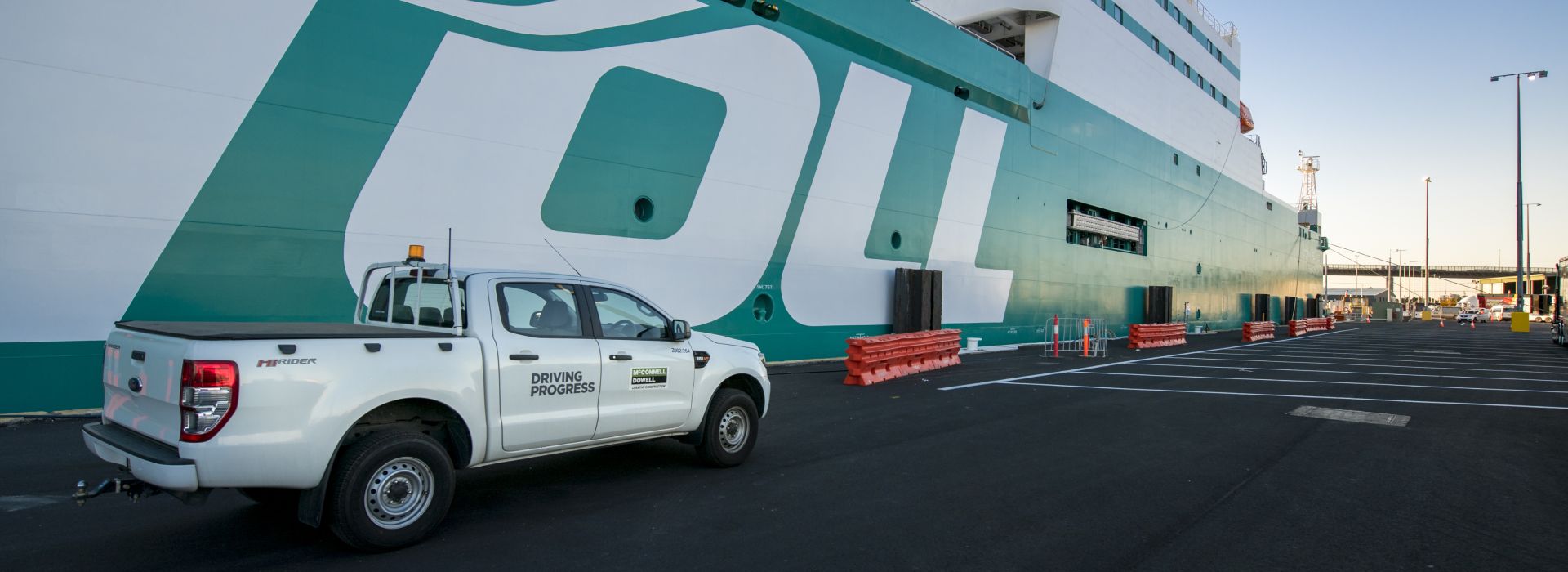
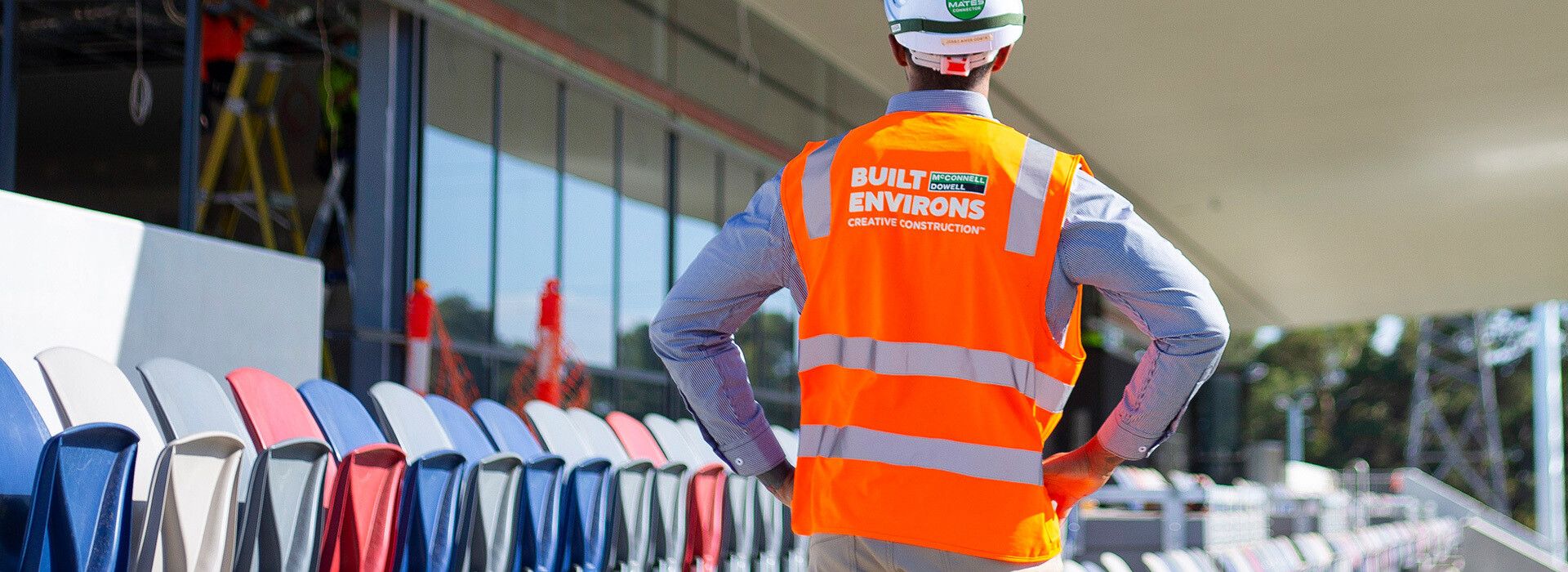
Building Solutions
Built Environs, is a full-service construction company providing design management, through to construction and fit out. They specialise in complex buildings like hospitals, aged care and high-performance sports facilities.
ANI Blast and Paint Facility
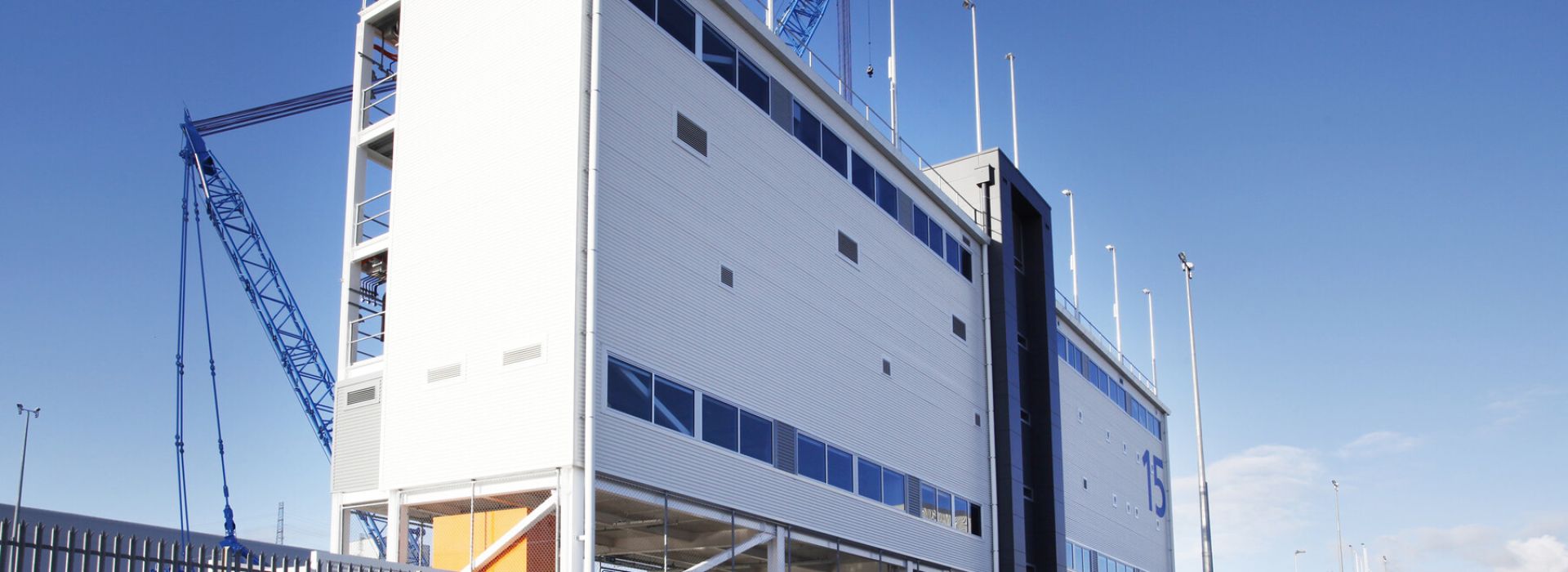
Built Environs was contracted to build two six-storey steel structures to support shipbuilder ASC in constructing three Air Warfare Destroyers for the Royal Australian Navy.
This project included the fit out of a dedicated ship blasting and painting facility, as well as the integration of blast and paint equipment, and the installation of supporting structure and services such as a 12m x 55m steel awning, dust and dry paint protection, emission control seals, acoustic installation and tool stores, workshops and offices.
Fast Facts
- 2 six-storey steel structured towers
- 12 m x 55 m steel awning installation
- High-level environmental and safety controls
RAAF Base Edinburgh
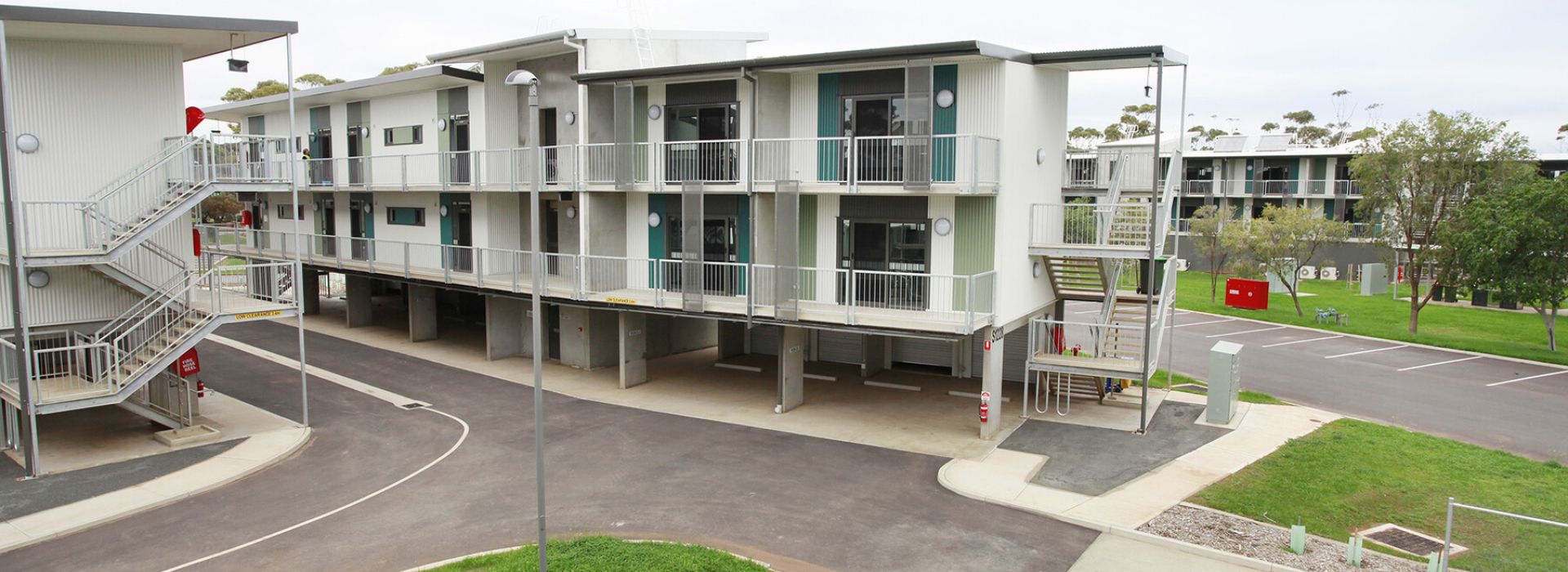
Built Environs constructed 432 contemporary accommodation units at RAAF Base Edinburgh as part of the Plenary Living consortium under a public-private partnership (PPP) with the Federal Government.
This included nine three-storey and 11 single-storey buildings, forming the South Australian part of the Single LEAP (Living Environment and Accommodation Precinct) Phase 2 project. Each of the 432 single-bedroom apartments featured an open plan living and study area, an ensuite bathroom and kitchenette.
Fast Facts
- 9 three-storey buildings
- 11 single storey buildings
- 432 accomodation units
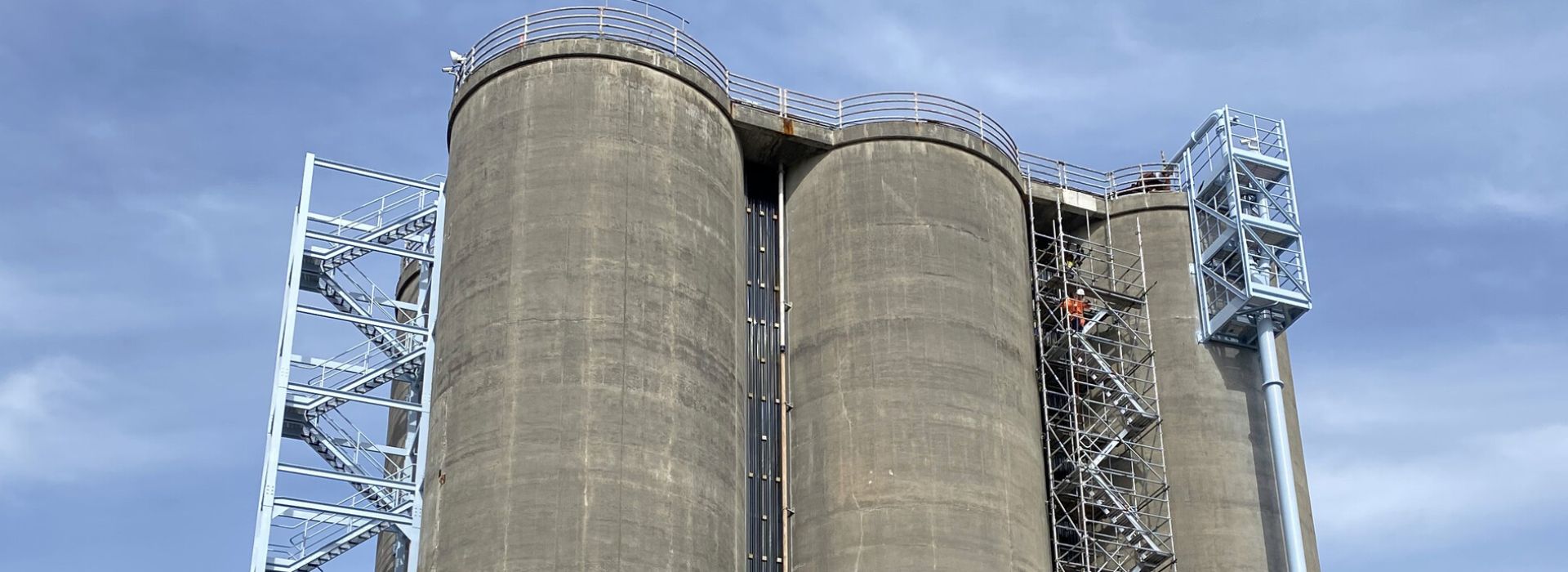
Silo 6 Emergency Cladding Replacement and Upgrades
McConnell Dowell’s Mechanical Team was awarded the contract to urgently repair this heritage structure to ensure the 33m high silos remain a prominent feature at Silo Park for years to come.
Highlights included:
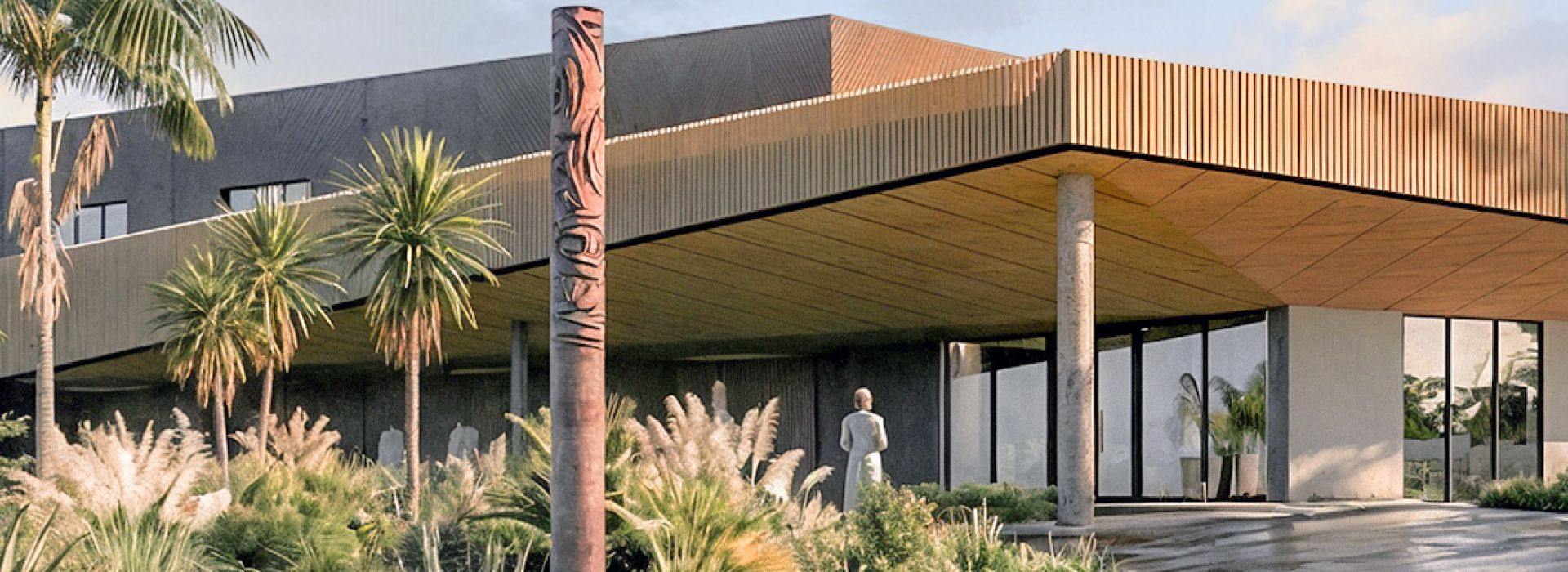
Pacific Property System Project
In 2025, we completed infrastructure upgrades for the Ministry of Foreign Affairs & Trade (MFAT) in Tonga and Samoa, and this year, we are starting projects in Fiji and Papua New Guinea.
In a joint venture with our vertical colleagues, Built Environs, we have been contracted to build new diplomatic facilities in Suva and Port Moresby.
Fast Facts
- new infrastructure, solar power and security in Tonga and Samoa
- new chanceries in Fiji and PNG
- a Representation Space in PNG
- and a new Official Residence in Fiji
Creative Construction
Creative Construction at McConnell Dowell is the inspired engineering behind the complex infrastructure we deliver.
It's the technical problems and challenges solved behind the scenes by people empowered to think creatively and work collaboratively. It’s the alternative idea or innovation that saves time, reduces cost, makes us safer, and delivers more value.
It might not always be evident when you look at the end product, but it's there, inside every McConnell Dowell project.
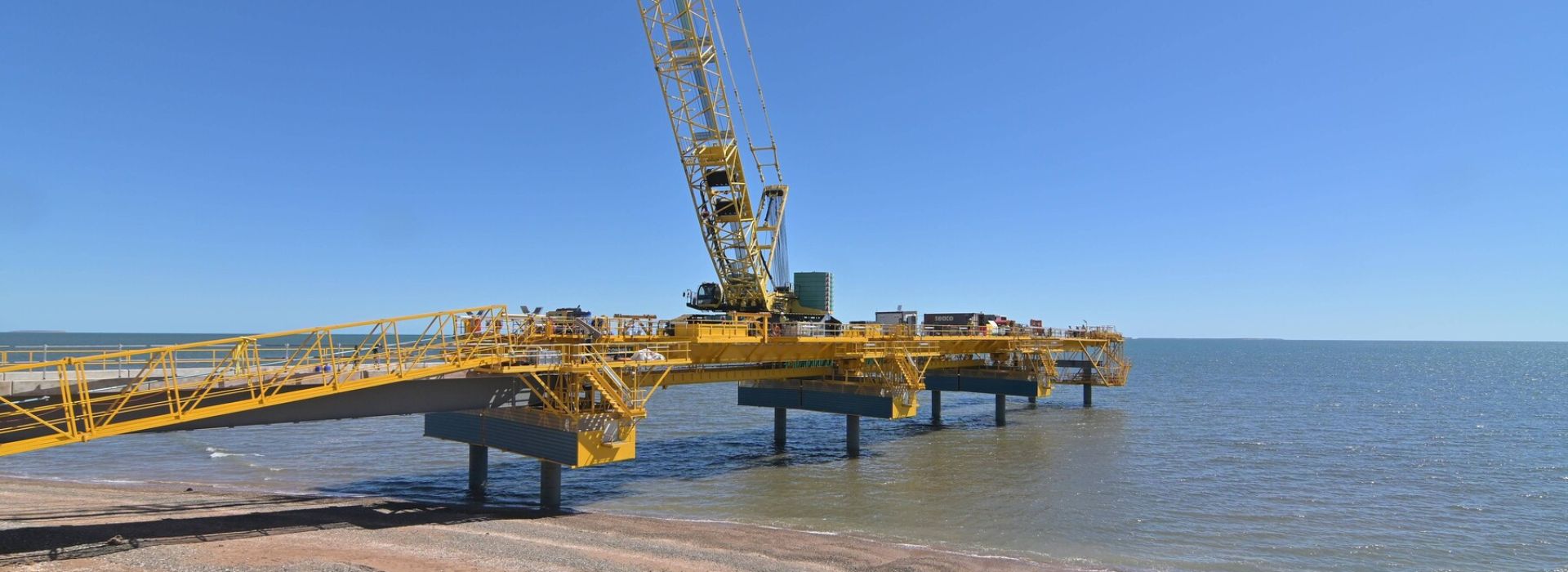
Cantilever traveller - innovative temporary works
Our 'Canti-Traveller' is a purpose-built temporary mobile platform that facilitates fast, safe, low-impact construction of piled marine jetties and piers.
The innovative system, designed and fabricated by our in-house team, provides a platform for progressively installing new piles, propelling itself along the new jetty alignment using hydraulics.
A piling gate fixed to the front of the Traveller allows pitching and driving of piles in a vertical position. If required it can be used to install raking piles using the gate’s hydraulics. The piling gate also provides a working platform for cutting piles and welding headstocks. Bent spacing can extend to 27 m, and it has a system for changing direction. The traveller supports a 450 tonne crawler crane, if required.
One of the primary advantages of the Canti-Traveller is its minimal ecological impact, not touching the earth except for the permanent piles it both drives and sits atop. Removing the need for marine-borne plant, it also operates independently of marine conditions, offering significant program and cost certainty. This makes the Canti-traveller particularly effective in design and construct projects where the program can be optimized for maximum efficiency.
We have a proven track record of successful installations in environmentally sensitive areas and a reputation for delivering safe, efficient, marine solutions for our customers. The Canti-Traveller reinforces our leadership in marine innovation and construction.
Click on the video to see the Canti-Traveller in action (Hint: It's yellow!). Click here for a more detailed specification.
Low impact marine construction
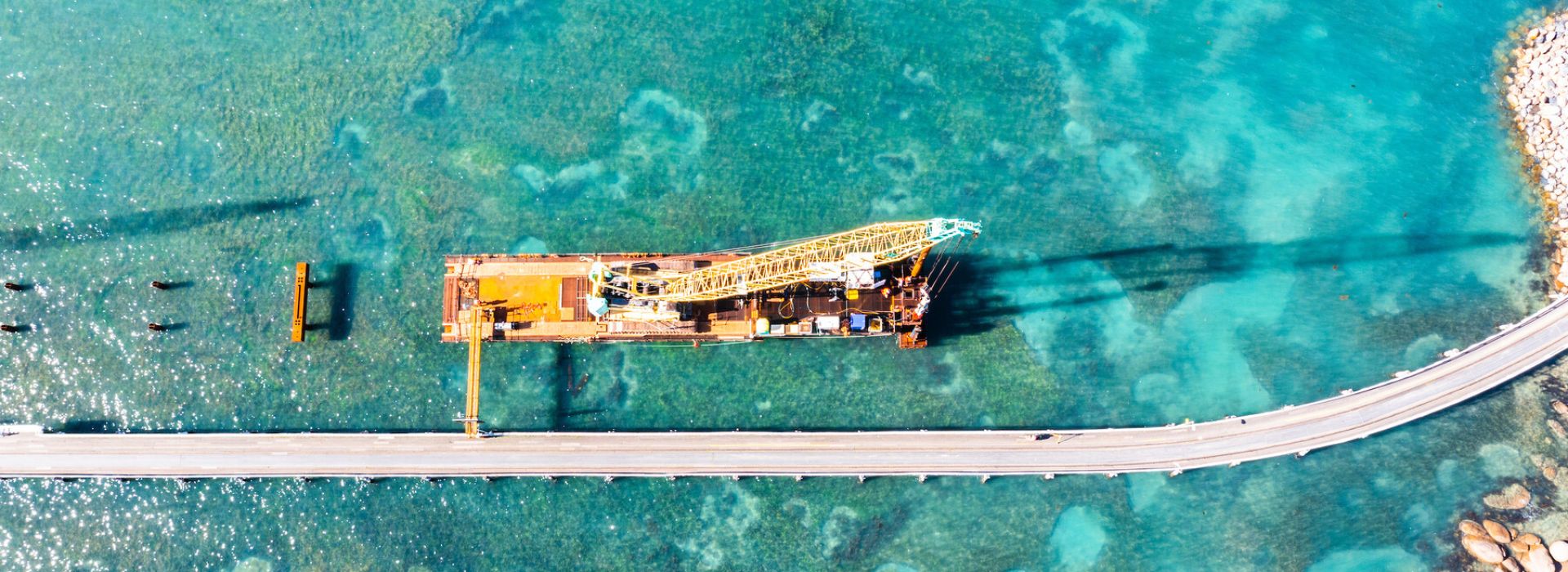
On the Granite Island Causeway Project in South Australia our team used the 'hand over hand' construction method to minimise environmental impacts and ensure delivery on time.
The 'hand over hand' method employs three concurrent work fronts:
- Front one installing the permanent piles
- Front two installing the grouted HDPE sleeves and the precast headstocks
- Front three installing the precast longitudinal girders and decks.
As the structure advances out into the water it acts as a construction platform for the work crews to build the next stage. Each work front takes a similar duration, ensuring maximum certainty in productivity and schedule.
Analysis was conducted on various construction approaches during the tender phase, including the use of jack-up barges or a temporary bridge structure to facilitate construction. However, the 'hand over hand' method was the only one capable of achieving completion by the target date.
The other benefit of the method is its minimal footprint. Minimising the impact on the sensitive marine environment was a key consideration during the tender and design phases of the project.
The adoption of the method, along with the use of precast prestressed deck units which pushed the span out as far as possible, minimised the number of pile driving operations further reducing the impact on the marine environment.
The design and construction methodology was fit-for-purpose and extremely efficient. It resulted in on time and on budget completion and had a low impact on Victor Harbor's rich marine ecology.
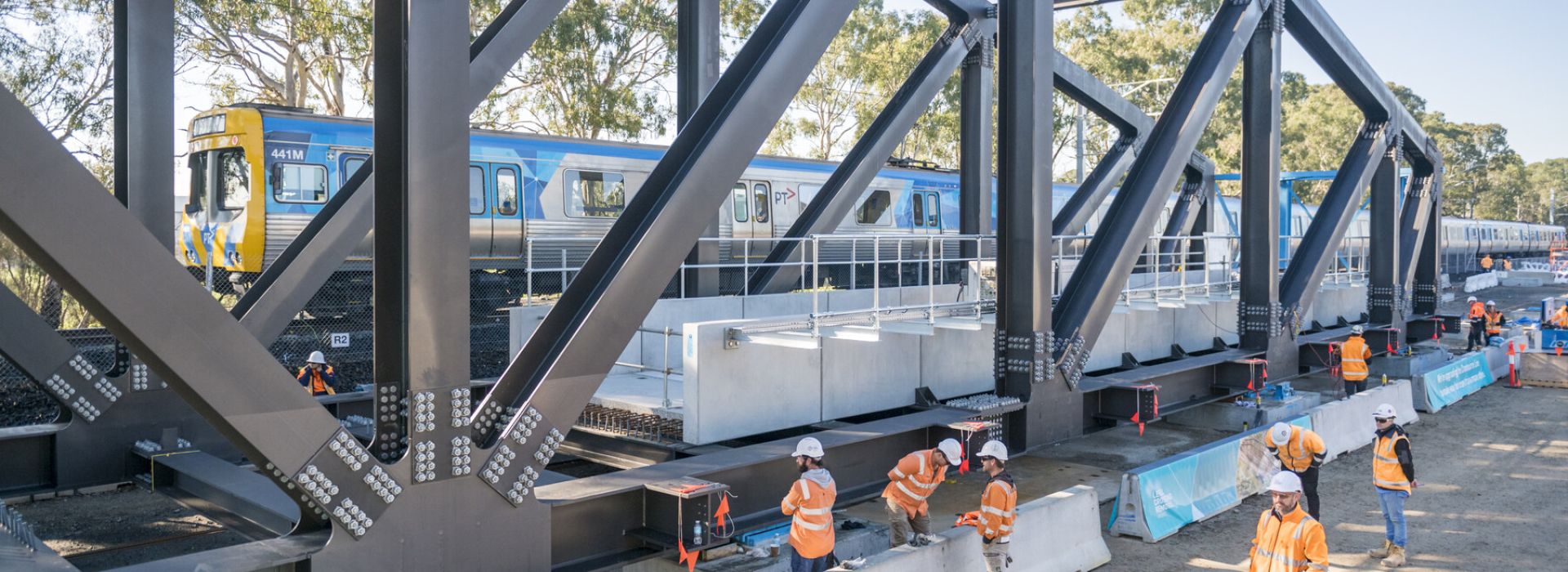
Using 4D planning to streamline project delivery
On a recent rail duplication project in Melbourne, our team used digital engineering and 4D modelling to streamline the design and "rehearse" the construction of a 340 tonne steel bridge being launched over a waterway.
The 4D planning exercise was a game changer in helping the design, engineering and construction teams achieve an authentic digital rehearsal. The process helped identify and rectify early problems, including a clash between temporary and permanent retaining walls, as well as signalling cables and wall panels.
After months of painstaking planning and the ‘virtual launch’, the 63 metre long, 340 tonne steel bridge structure was successfully moved into position during the rail occupation.
The project team received an innovation award for the work done on this project.
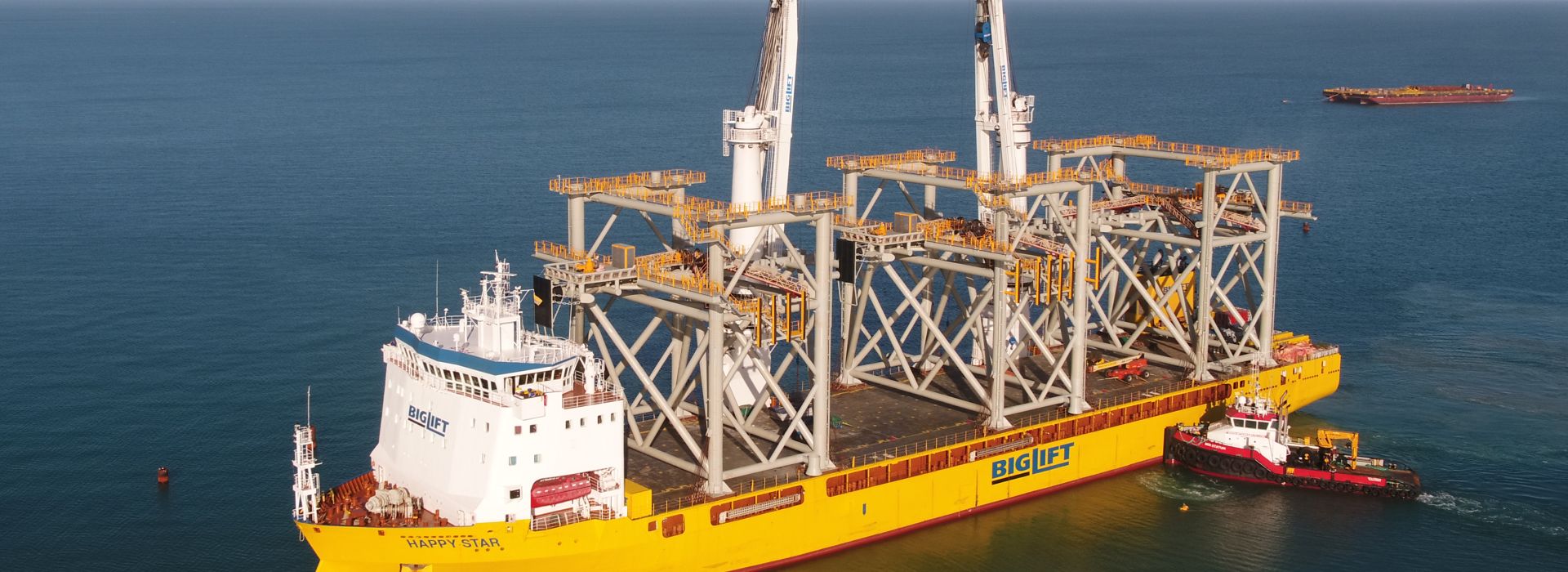
World first wharf modularisation
We helped revolutionise the design and construction approach for large-scale marine infrastructure on Rio Tinto's Chith Export Facility project in remote Far North Queensland.
The 350m wharf structure was split into seven, first-of-a-kind ‘jacket’ modules (the substructure) and six topside modules. Weighing approximately 680 tonnes each and standing 30m high, the jacket modules, with integrated dolphins, reduced the number of permanent wharf piles required from 100 to just 28, minimising environmental impact to marine life – a core focus for the Chith Export Facility team.
The wharf topside modules, placed on the jackets, ranged from 600 to 1400 tonnes and were fabricated complete with all services, conveyors, concrete roadways and access walkways.
In true ‘plug and play’ fashion, the modules were delivered and installed by a heavy-lift ship in a safe, clean and efficient operation.
The project, completed in just 10 months, was awarded the Australian Construction Achievement Award by Engineers Australia and the Brunel Medal by the Institute of Civil Engineers (UK).
Sustainability (ESG)
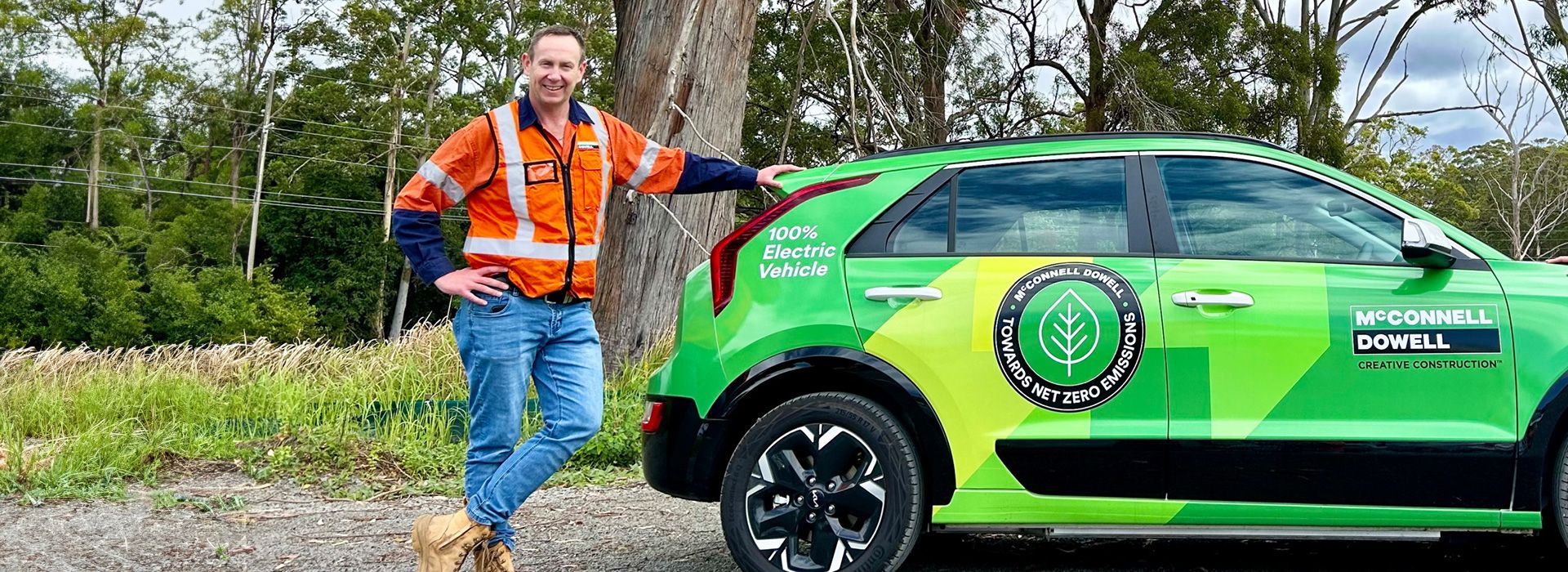
Our purpose is 'Providing a Better Life’ - today and into the future. That’s why sustainability, in all its forms, is considered in every project, process and product across our business.
Our approach is clearly articulated in our Sustainability Policy.
We're about action not just aspiration. Our ambitious but achievable {tip title="Carbon Reduction Roadmap" content=" "} carbon reduction road-map {/tip} will see us be operationally net zero by 2030, with 44 initiatives that are being progressively rolled out across the company. Last year we reduced our carbon emissions by 442 tonnes through the use of solar technologies alone, and diverted almost two million tonnes of waste from landfill.
Environmental
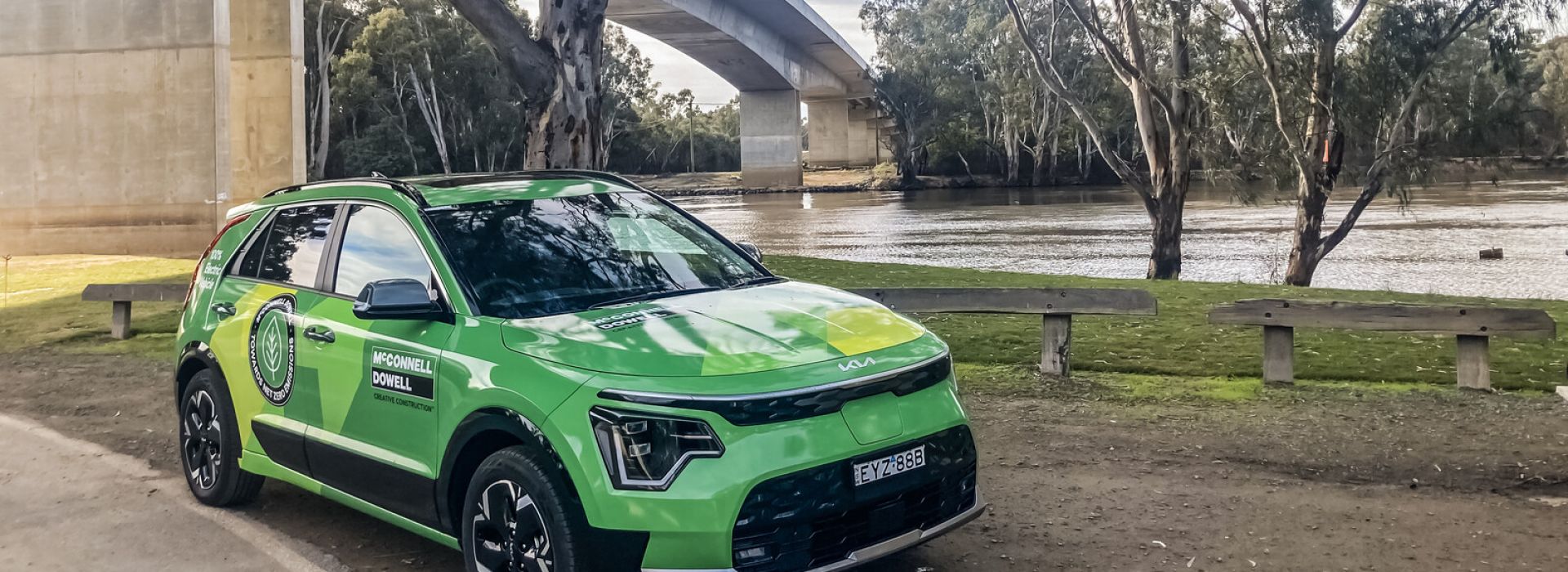
We understand the impact construction can have on our natural ecologies and we're constantly seeking ways to minimise our footprint and restore and improve the natural environment and biodiversity around our works.
We've embraced the circular economy, renewed local ecologies, reconnected habitats, and lowered energy use across our projects in line with our {tip title="Carbon Reduction Roadmap" content=""} carbon reduction road-map {/tip}.
We set energy and waste reduction targets on every project and are committed to making our environmental footprint as small as possible, as showcased in the recent case studies below.
Safety
We never compromise on safety.
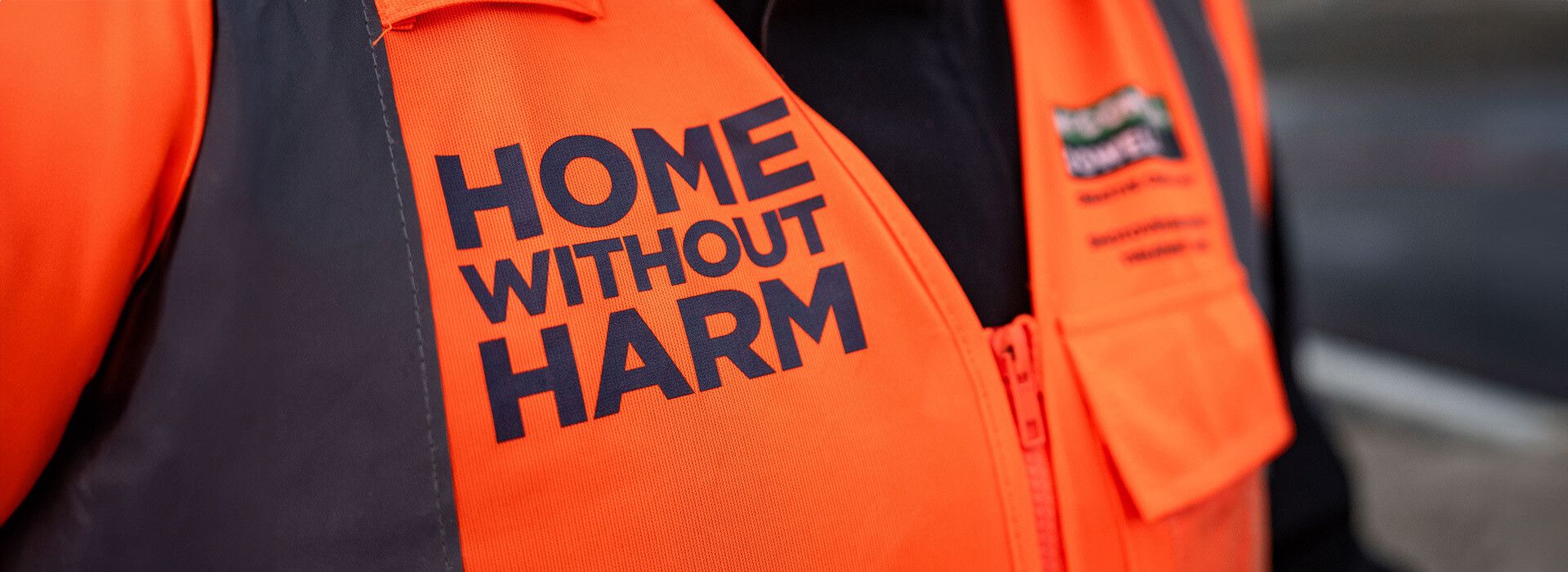
We foster our 'Home Without Harm' safety culture through robust processes, effective systems, and by recognising and rewarding safe behaviours.
Our Site Safety Managers are always on our project leadership teams, ensuring safety is prioritised in all site activities. Every team member has clear safety responsibilities, aimed at protecting themselves, their colleagues, and the community.
We're also leading our industry in the adoption of new safety technologies, like virtual reality plant simulators and AI-enabled blind spot elimination. Check out the case studies below for more information.
Underpinning it all are our Safety Golden Rules. Built on our long-term collective knowledge and learnings, they are specifically targeted at preventing fatalities and serious injuries.


Social
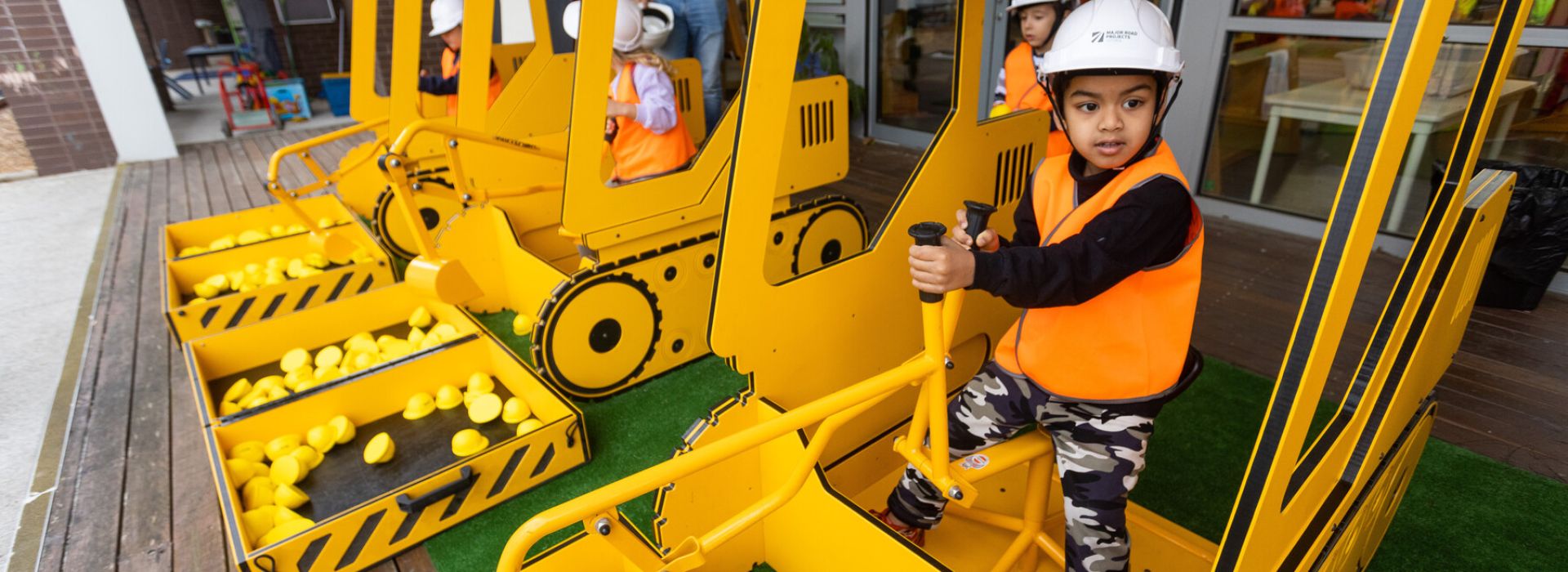
We consider the 'Social' aspect of ESG to encompass everything related to people.
That's from ensuring everyone goes Home Without Harm, to making a positive and meaningful impact on the well-being and prosperity of our employees, stakeholders, and the communities we engage with. This focus aligns seamlessly with our purpose of 'Providing a Better Life'.
Our commitment begins with our rigorous safety management system and extends to maximising local employment and supply opportunities, as well as delivering needs-based community support and uplift initiatives through our projects.
Closing Text - General with contacts, no video
Summary
Thank you for taking an interest in McConnell Dowell's skills, capabilities and approach. Additional information is available on our website, including additional project case studies.
Contact us through the link(s) below for advice or assistance with your project.