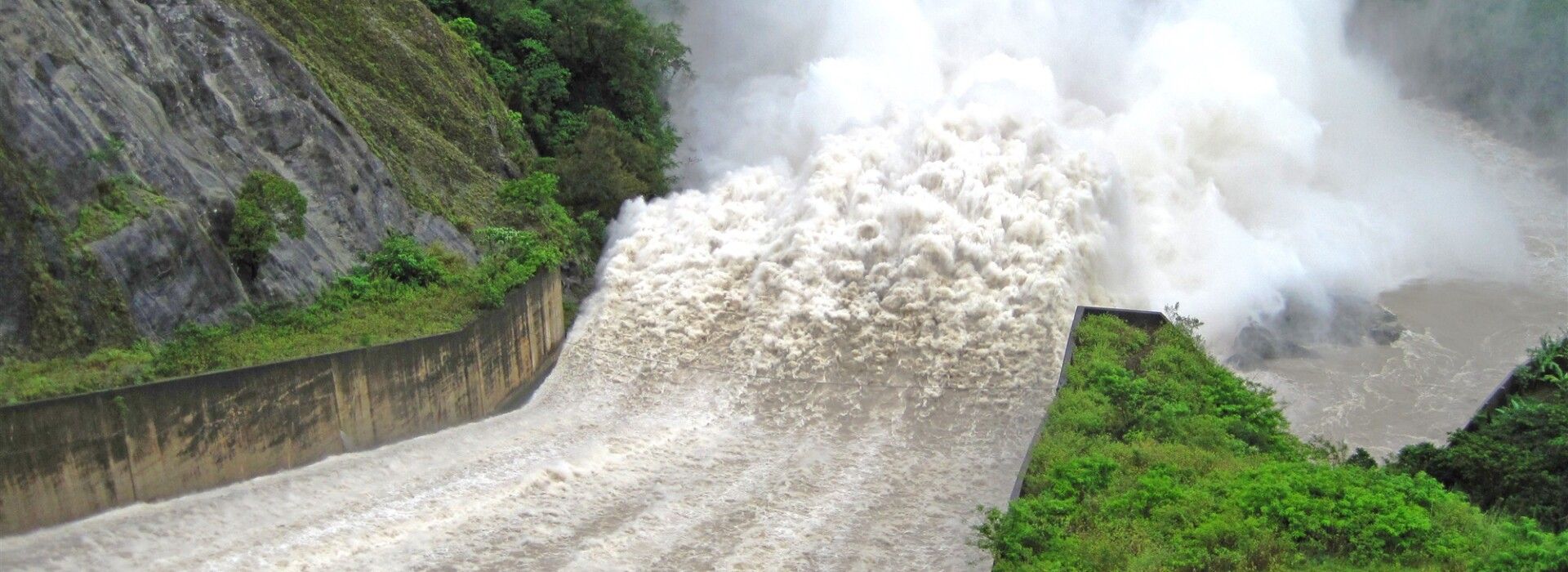
Capability Statement
Prepared for NSW - Energy
May 2026
Introduction General
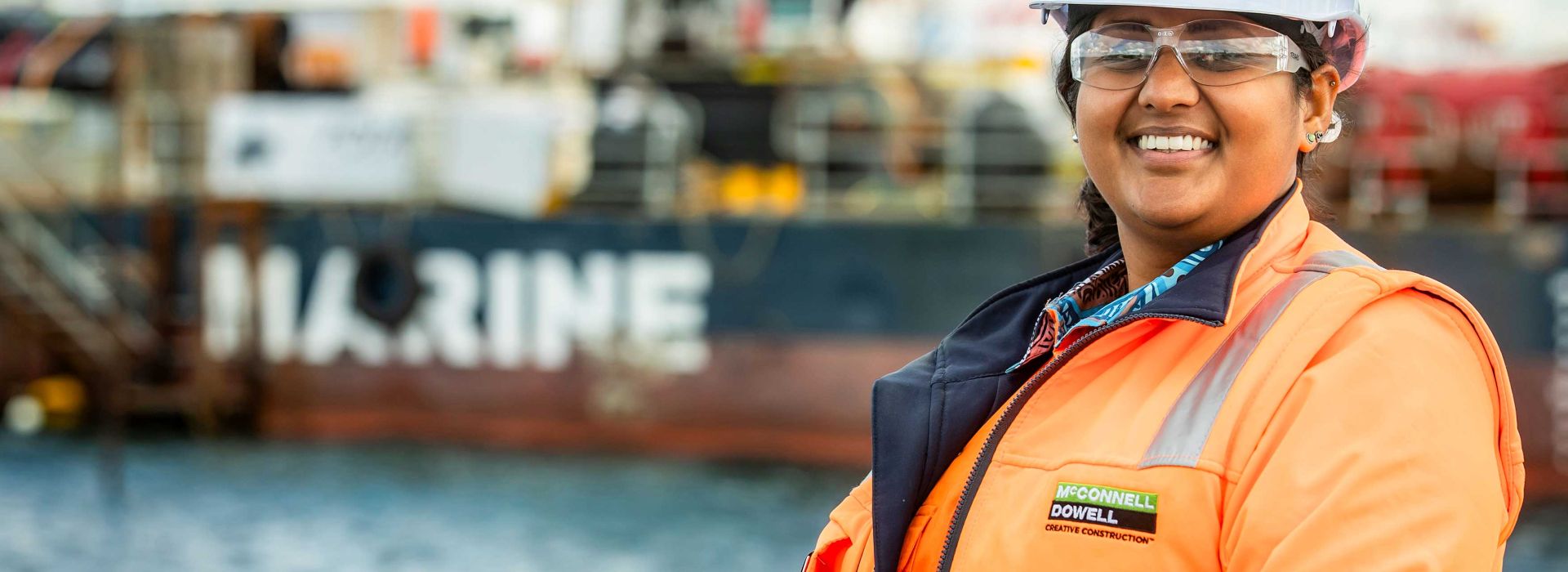
Thank you for the opportunity to present this brief capability statement which details a cross-section of our skills and experience, and showcases a selection of our recent projects.
About Us (typically use first)
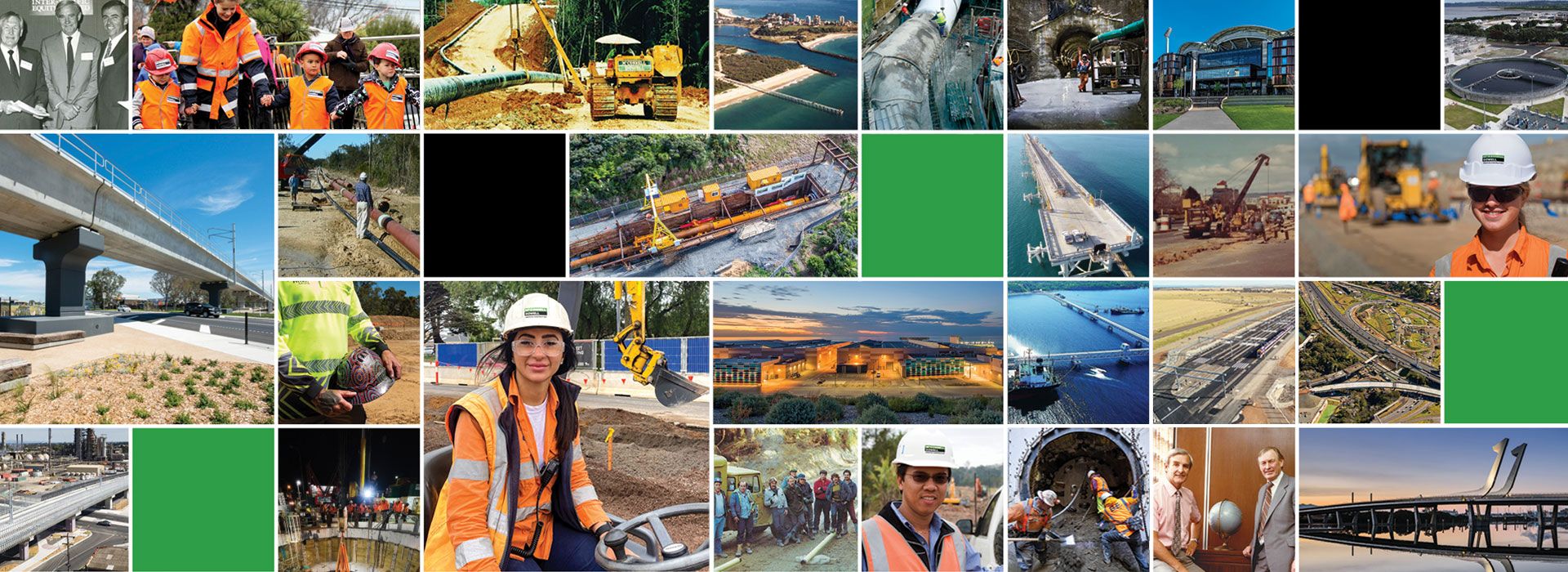
For over 65 years customers have been coming to McConnell Dowell with complex projects that require innovative solutions. That's why we're known as the Creative Construction company.
From remote resources and energy projects to city-shaping infrastructure, we've built thousands of quality assets and facilities.
Engineering-led, our expertise has grown steadily to span building, civil, electrical, fabrication, marine, mechanical, pipelines, rail, tunnel and underground construction..
Our Approach (typically use 2nd or 3rd)
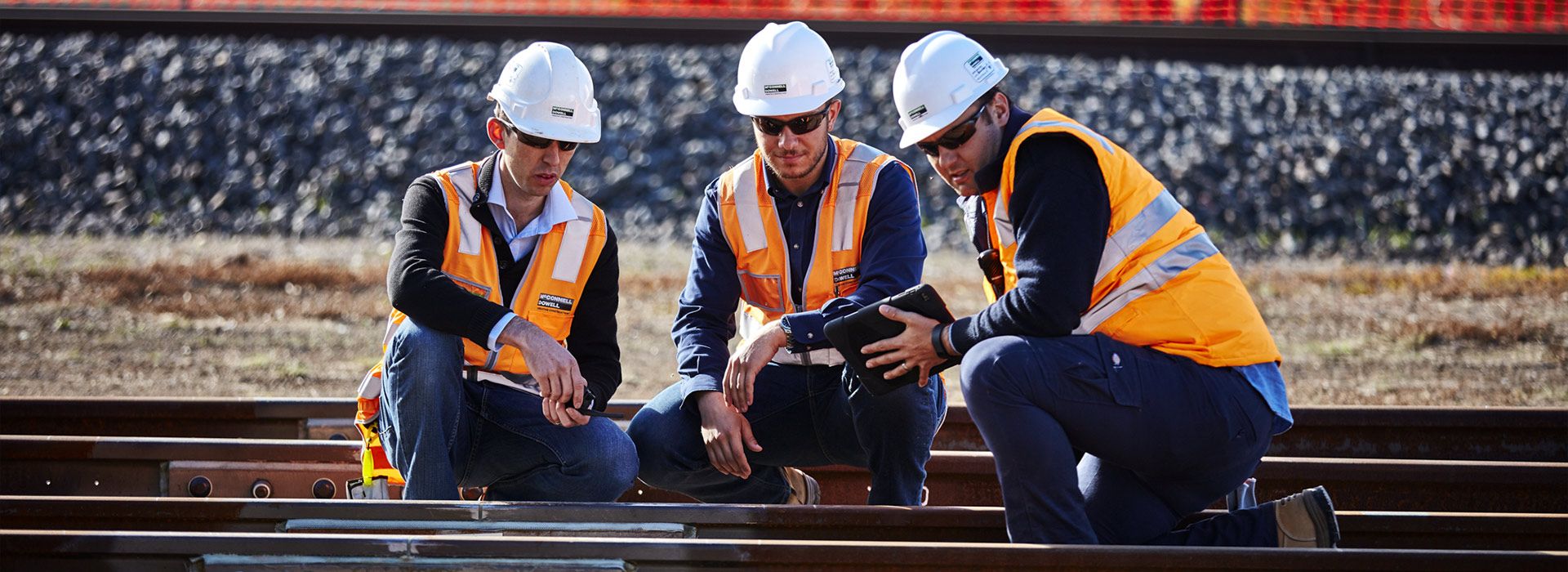
We approach every project with a focus on creativity and certainty - seeking the right blend of innovation and safe, proven approaches so we can exceed our customers' expectations.
We also understand that construction today is as much about community and sustainability as it is about concrete and steel. Our unwavering objective and commitment is to deliver what we promise to our customers, while protecting and enhancing our people, the community and the environment.
Purpose & Values (typically use 2nd or 3rd)
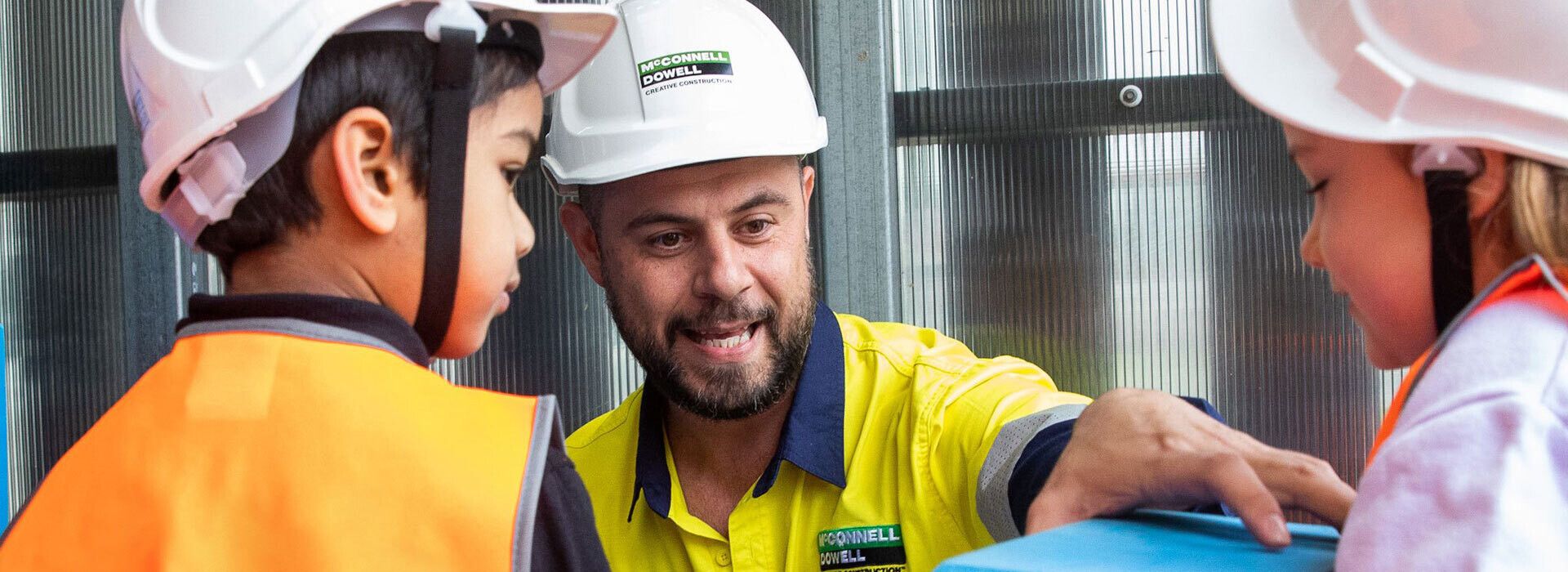
We are a Purpose and Values driven organisation. These define what's important to us, guide our decision making and unite us behind a common goal.
Our Purpose is Providing a Better Life.
We do that through delivering projects that connect, sustain and enhance communities, and through providing career opportunities that challenge, reward and grow our people.
We also have five company values that guide our behaviours and decisions. Our values are:
Our Solutions (typically use 4th to 8th)
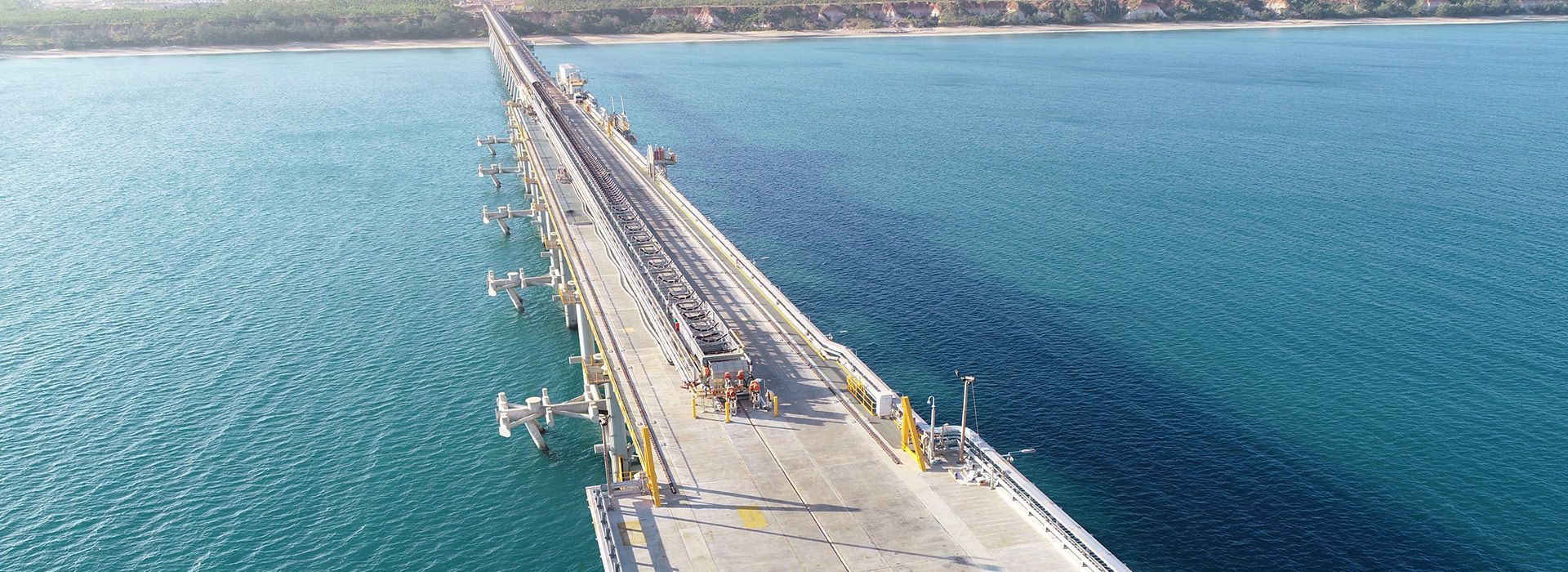
We offer our customers engineering and construction solutions in transport, water & wastewater, ports & coastal, energy, resources, and building.
Our services encompass the complete project lifecycle—from early concept design to commissioning and ongoing maintenance. We tailor each solution to suit our customer's specific project objectives and preferred delivery approach.
NSW & ACT Intro (typically use 4th to 8th)
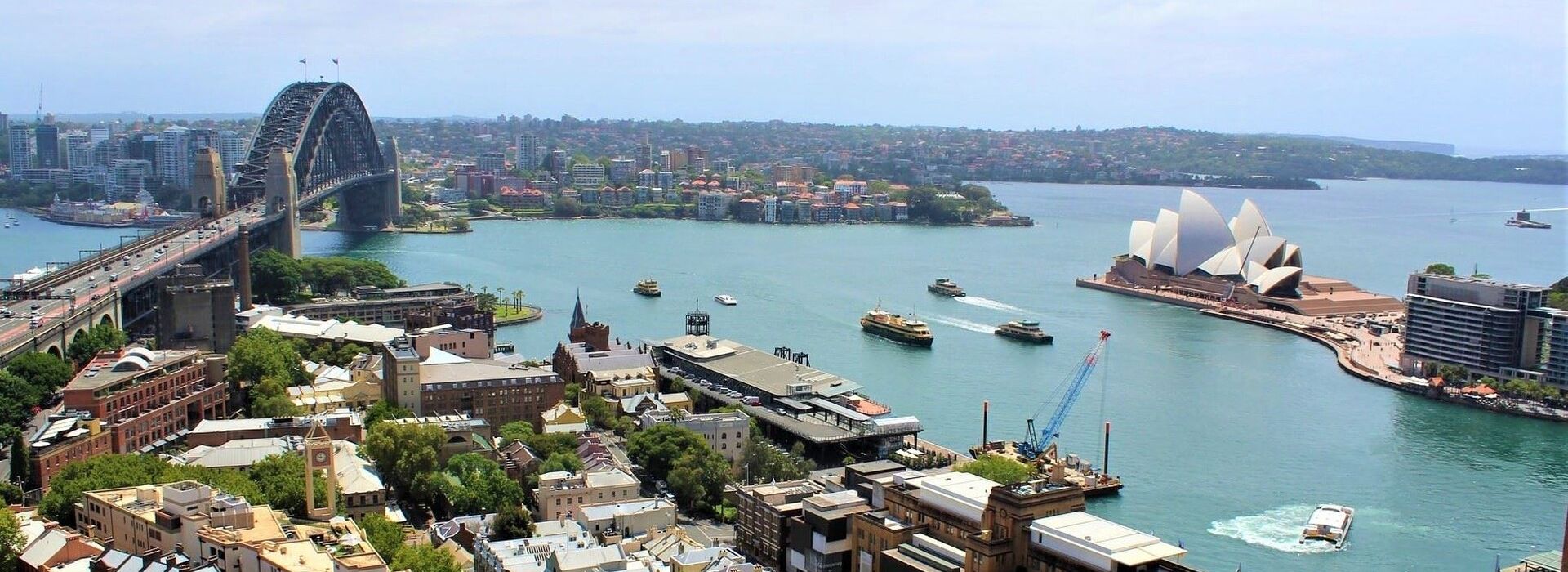
Since completing our first project in Sydney in the 1970s, we've delivered a diverse range of projects throughout New South Wales and the ACT.
Urban projects have included construction of two new recreational wharves at Kamay (Botany Bay); the design and installation of complex subsea pipelines for the Sydney Desalination Plant; the transformation of Penrith's CBD through the Mulgoa Road upgrade; and the refurbushment of the Overseas Passenger Terminal in the iconic Circular Quay.
Regionally, the company has constructed a new LNG gas import terminal and a tug boat facility at Port Kembla in Wollongong; upgraded the Hume Dam in Albury; duplicated the Pacific Highway between Kempsey and Kundabung; and supported ARTC with track upgrades in the Hunter Valley.
Digital Engineering
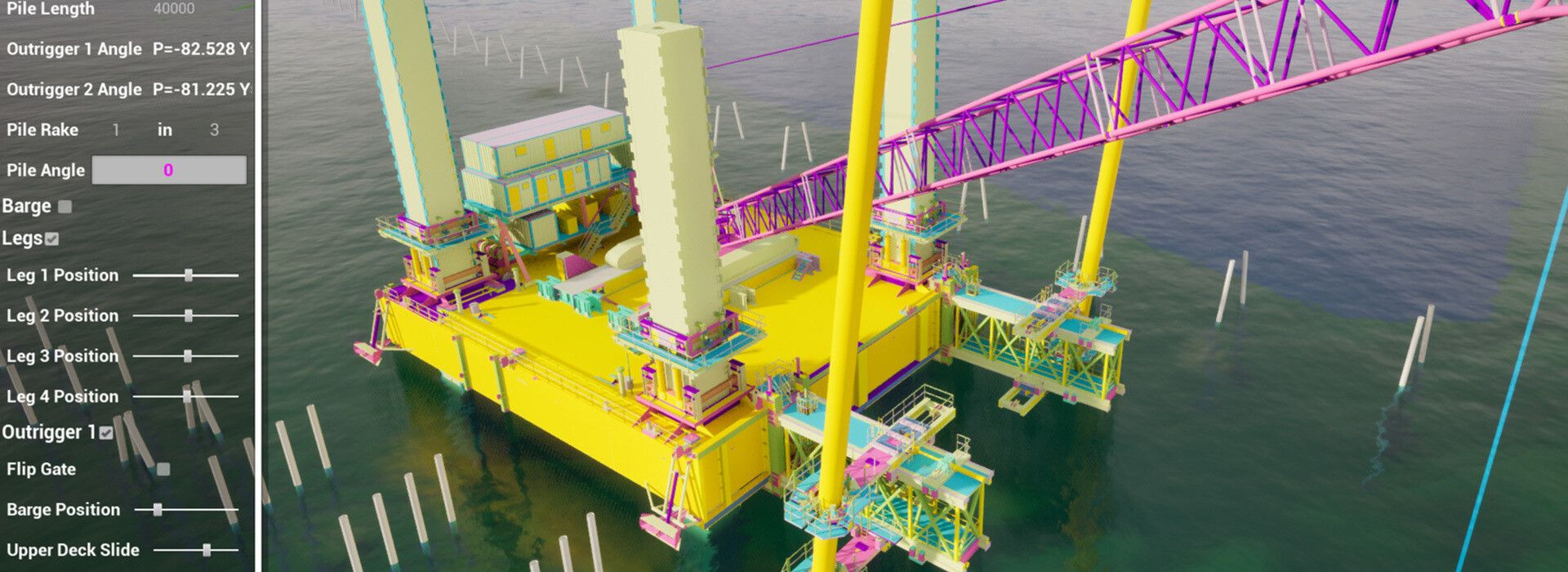
We take a ‘Digital First’ approach to all our projects, equipping our teams with the latest digital tools and systems from the design stage forward.
This helps them identify and address potential issues at the earliest stages of project development, effectively eliminating issues at their genesis leading to lower costs and delays once we start on site.
On site, we use digital tools like drones for surveying, and GPS tracked plant to monitor and improve safety and efficiency.
Safety
We never compromise on safety.
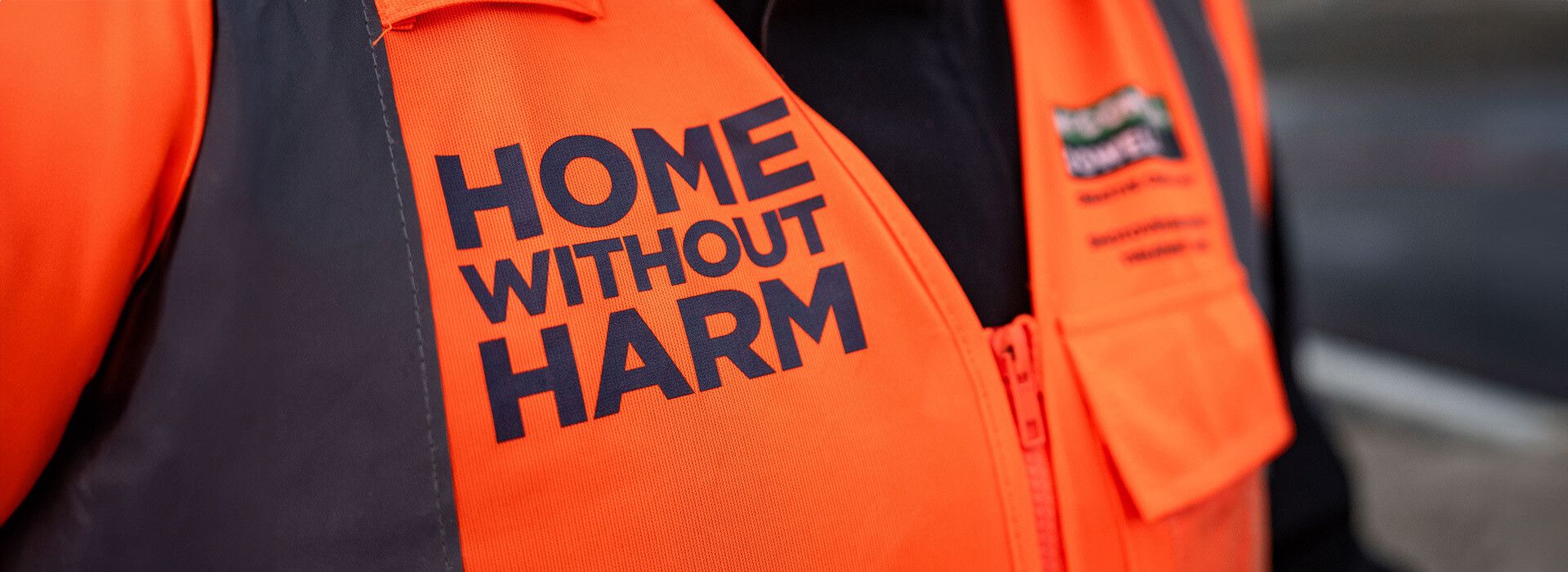
We foster our 'Home Without Harm' safety culture through robust processes, effective systems, and by recognising and rewarding safe behaviours.
Our Site Safety Managers are always on our project leadership teams, ensuring safety is prioritised in all site activities. Every team member has clear safety responsibilities, aimed at protecting themselves, their colleagues, and the community.
We're also leading our industry in the adoption of new safety technologies, like virtual reality plant simulators and AI-enabled blind spot elimination. Check out the case studies below for more information.
Underpinning it all are our Safety Golden Rules. Built on our long-term collective knowledge and learnings, they are specifically targeted at preventing fatalities and serious injuries.


Energy Solutions
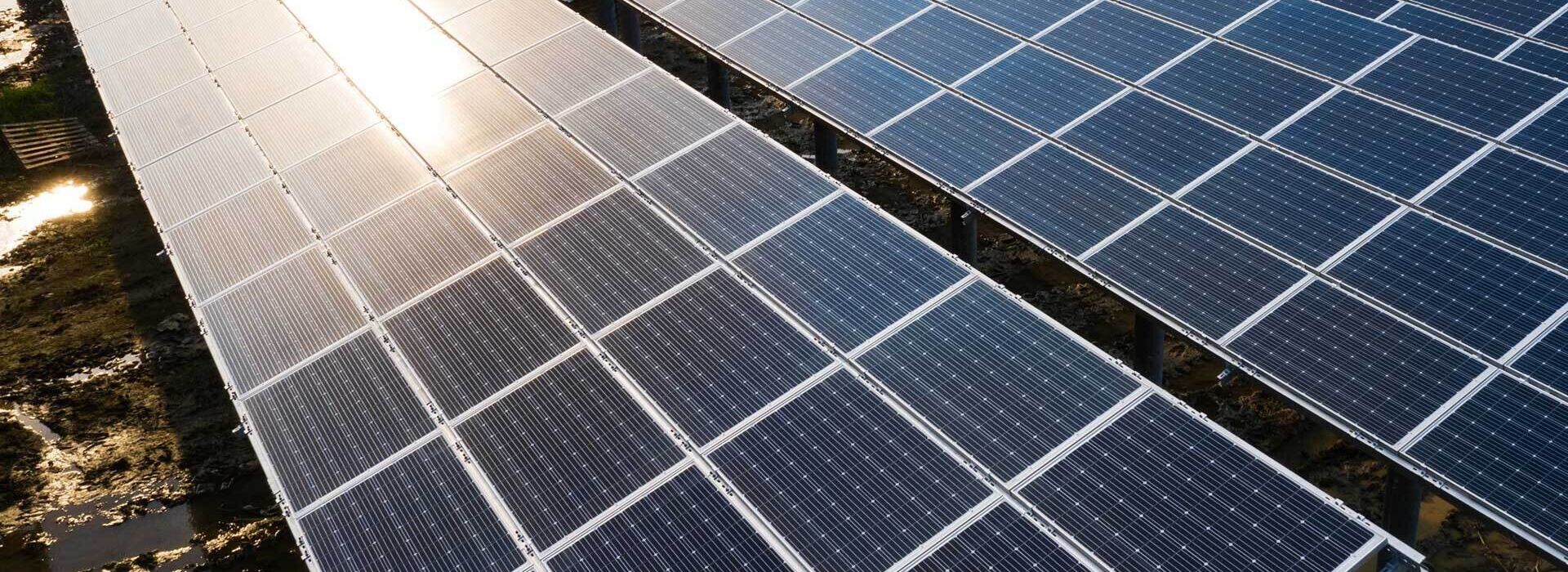
We help create safe, sustainable and efficient power infrastructure that supports today’s energy hungry and environmentally conscious communities. We deliver civil, electrical, mechanical, pipelines and tunnelling works across all power generation types.
Recent projects that reflect our capabilities in sustainable power generation include the engineering, procurement and construction of the 166 MW Te Mihi Geothermal Power Station in New Zealand; the refurbishment of the 75 MW Ambuklao and 100 MW Binga Hydropower Plants in the Philippines; and the current Kidston Pumped Storage Hydro Project in Queensland.
Kidston Pumped Storage Hydro
A game-changing project for Australia's clean energy industry
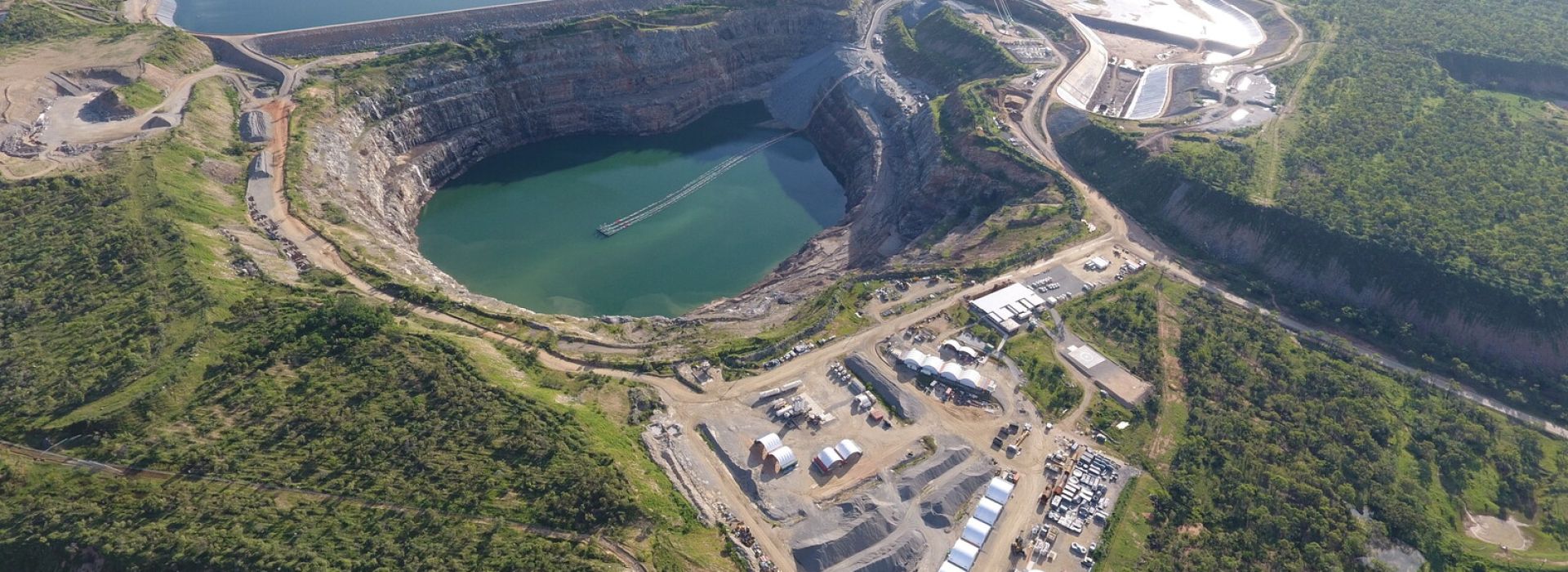
We are constructing the Kidston Pumped Storage Hydro Project in Far North Queensland - an innovative project that involves the world-first conversion of a disused gold mine into a pumped storage hydroelectric power generation facility.
This first-of-its-kind natural battery storage facility has the potential to generate up to 250 MW of rapid response (less than 30 seconds), flexible power to Australia’s National Electricity Market.
Fast Facts
- First-of-its-kind natural battery storage facility
- 250 MW of rapid response (30 seconds) renewable energy
- 4 year design development and technical optimisation leading up to construction
- 800 jobs to be created during construction
Port Kembla Energy Terminal
Converting disused coal terminal to provide flexible energy supply
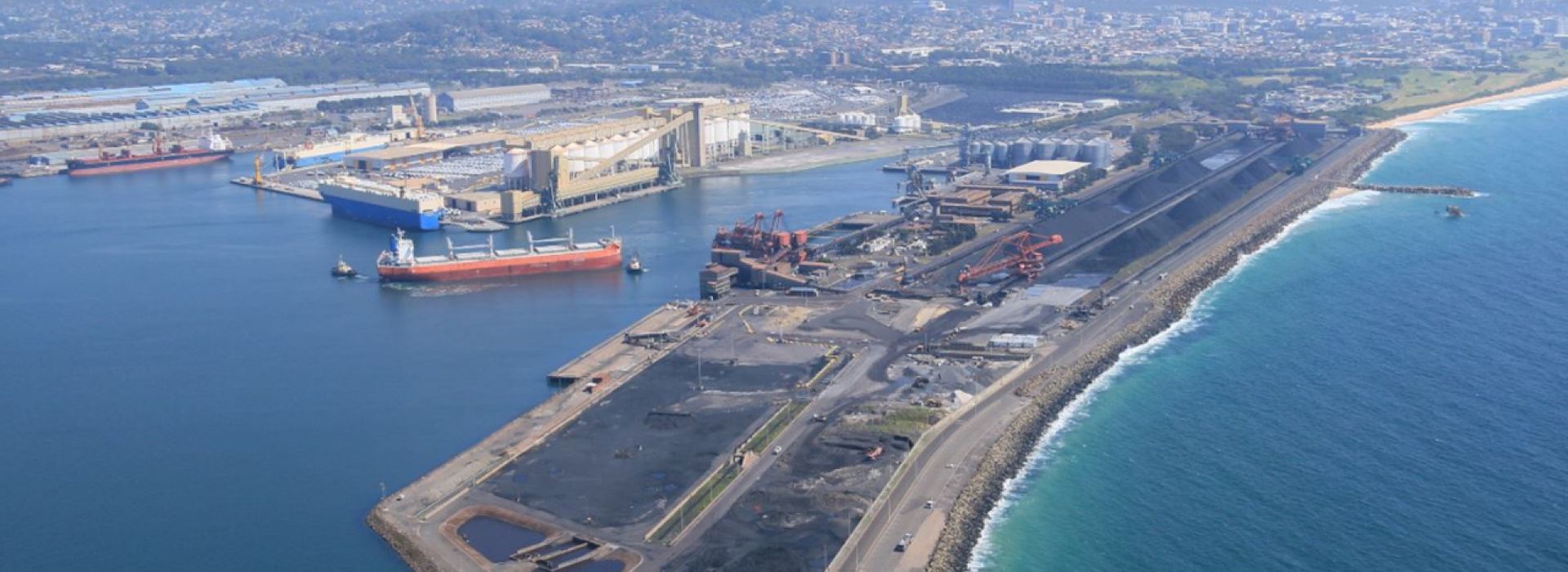
Engaged by Squadron Energy, one of Australia’s leading renewable energy companies, we helped establish a new gas import facility at Port Kembla to bring flexible additional energy supply to the eastern seaboard of Australia.
The facility, built on an abandoned coal export terminal, has the capacity to supply more than 70% of NSW’s gas needs.
Fast Facts
- New gas import facility
- Two contracts completed - marine works and onshore receiving facilities
- Marine works involving 160 piles, each 1500 mm diameter
- Over 500 sheet piles
- Nine mooring dolphins
- Expected capacity: 130PJ annually
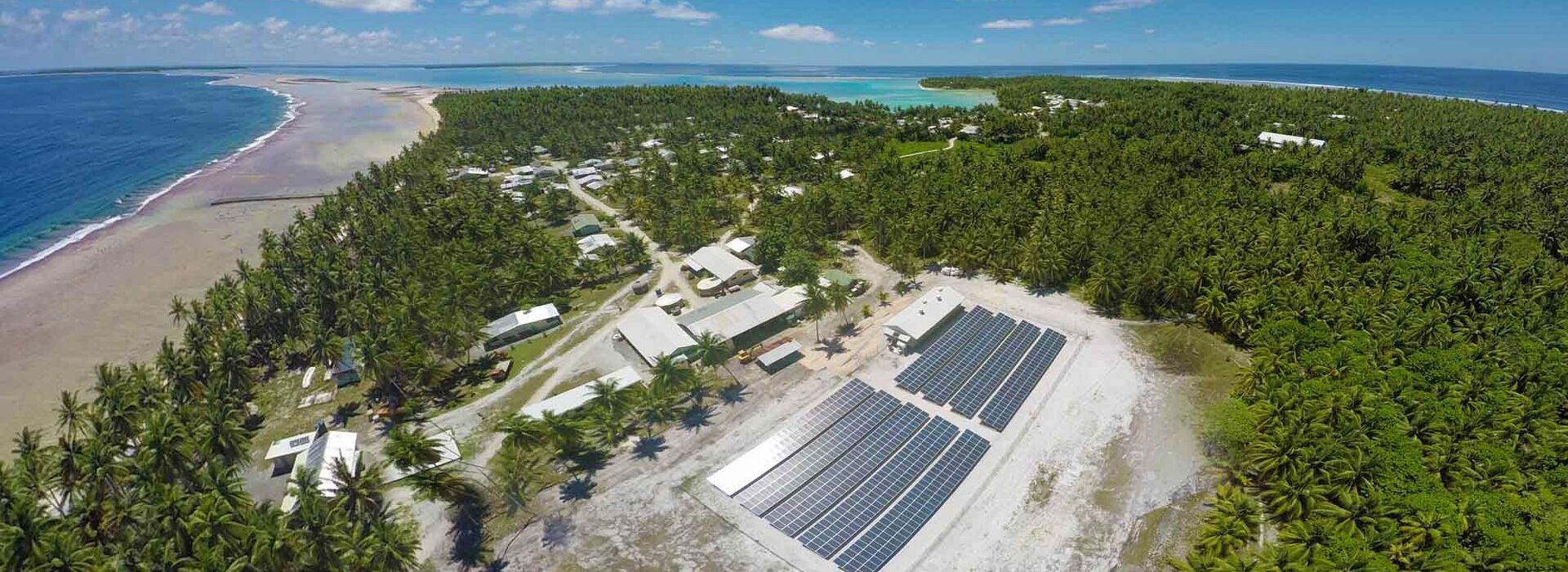
Cook Islands Solar Power Project
Bringing renewable energy to the Cook Islands and Tuvalu
This project comprised two separate sub-contracts and involved civil and building works for this solar power project. Works were undertaken in eight remote locations in the Cook Islands, and in four locations in Tuvalu.
Our scope of works included construction of power station buildings, complete with a marine grade aluminium roof cladding for the extreme local weather conditions, and solar panel array foundations.
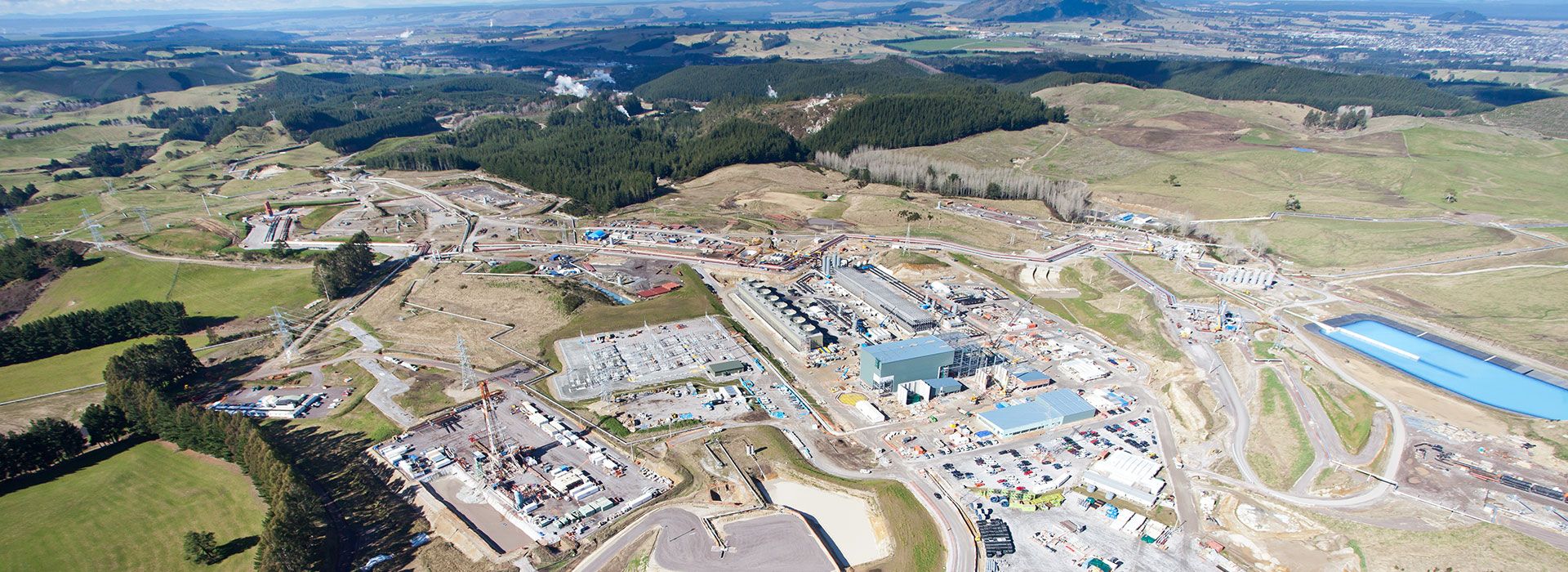
Te Mihi Geothermal Power Station
In joint venture, we designed, constructed and commissioned the 166 MW Te Mihi Geothermal Power Station, replacing the world's second largest power station - the 50 year old Wairakei Power Station.
With limited experience in complex EPC contracts in New Zealand, the joint venture, comprising ourselves, SNC Lavalin, and Parsons Brinckerhoff, brought together a strong team with extensive international expertise in power plants, to meet Contact Energy's specific requirements.
Fast Facts
- 495,200 m3 earthworks
- 5,550 lm piles
- 15,800 m3 concrete
- 2,050 tonnes reinforcing steel
- 1,390 tonnes structural steel
- 3,880 lm electrical duct banks
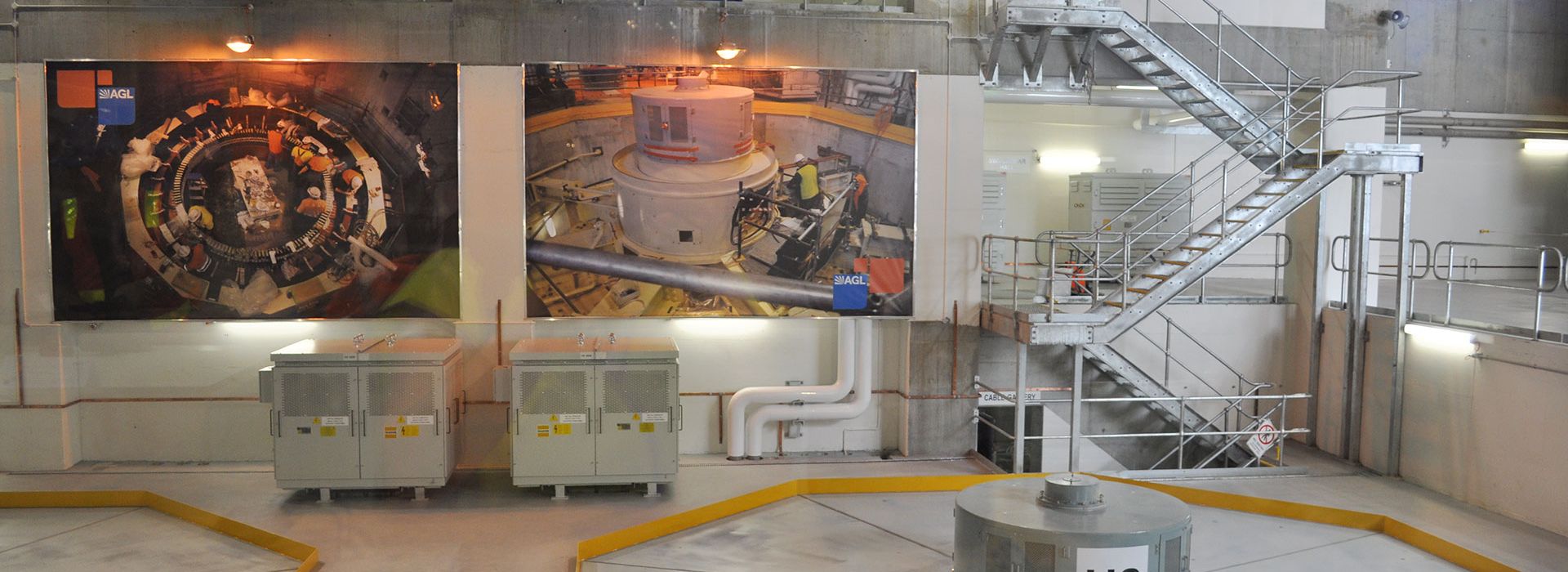
Bogong Hydro Power Project
Awarded the design and construct contract for the Bogong Power Development Project by AGL, our engineers set about developing smart design and construction strategies that ultimately reduced the project cost by A$30 million.
Consisting of a network of tunnels and shafts and the construction of a new underground hydro electric power station, the Bogong Power Development Project is the largest hydro power project constructed in Australia in 25 years.
Fast Facts
- 6.5 km of 5 m diameter hardrock tunnel constructed using a tunnel boring machine;
- 1.3 km of drill and blast tunnels;
- 250 m of 5 m diameter shafts;
- 5,000 t penstock liners;
- Power station construction and installation of two 70 MW turbines.
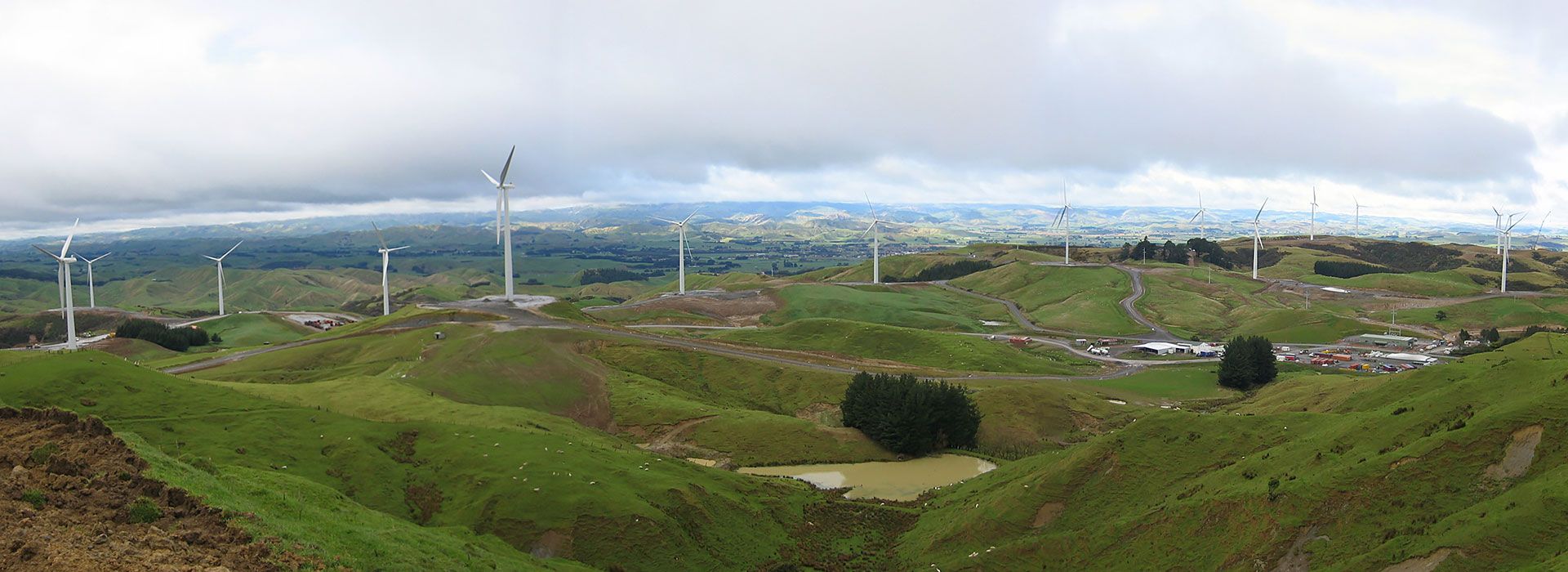
Te Apiti Windfarm
We were engaged by Meridian Energy Ltd to provide electrical services for their Te Apiti wind farm, one of the largest in the southern hemisphere. The wind farm consists of 55 turbines each capable of generating 1.65 MW.
Our scope included ‘balance of plant’ procurement, installation testing and commissioning of 4.5 km of 110 kV transmission line, 48 km underground cabling and 110/22 kV, 100 MVA substation.
Fast Facts
- 4.5 km of 110 kV transmission line
- 48 km underground cabling
- 110/22 kV, 100 MVA substation
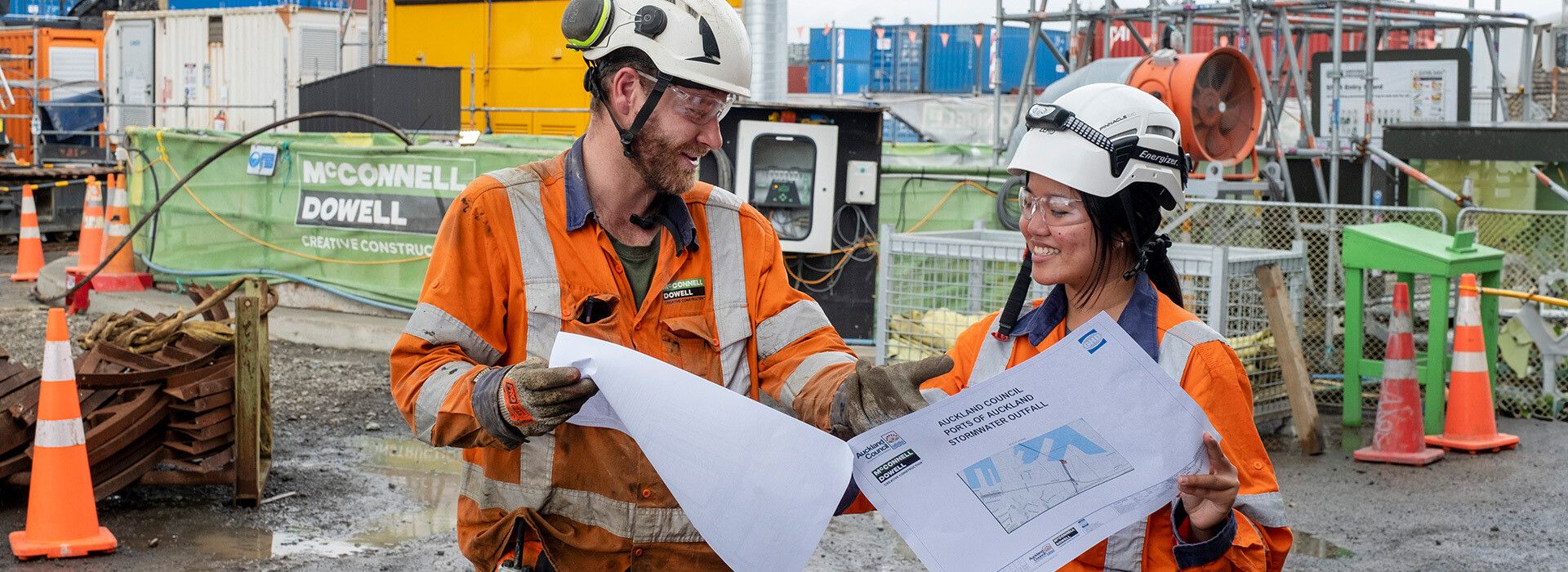
Creative Construction
Creative Construction at McConnell Dowell is the inspired engineering behind the complex infrastructure we deliver.
It's the technical problems and challenges solved behind the scenes by people empowered to think creatively and work collaboratively. It’s the alternative idea or innovation that saves time, reduces cost, makes us safer, and delivers more value.
It might not always be evident when you look at the end product, but it's there, inside every McConnell Dowell project.
Introducing the 'Solarator'
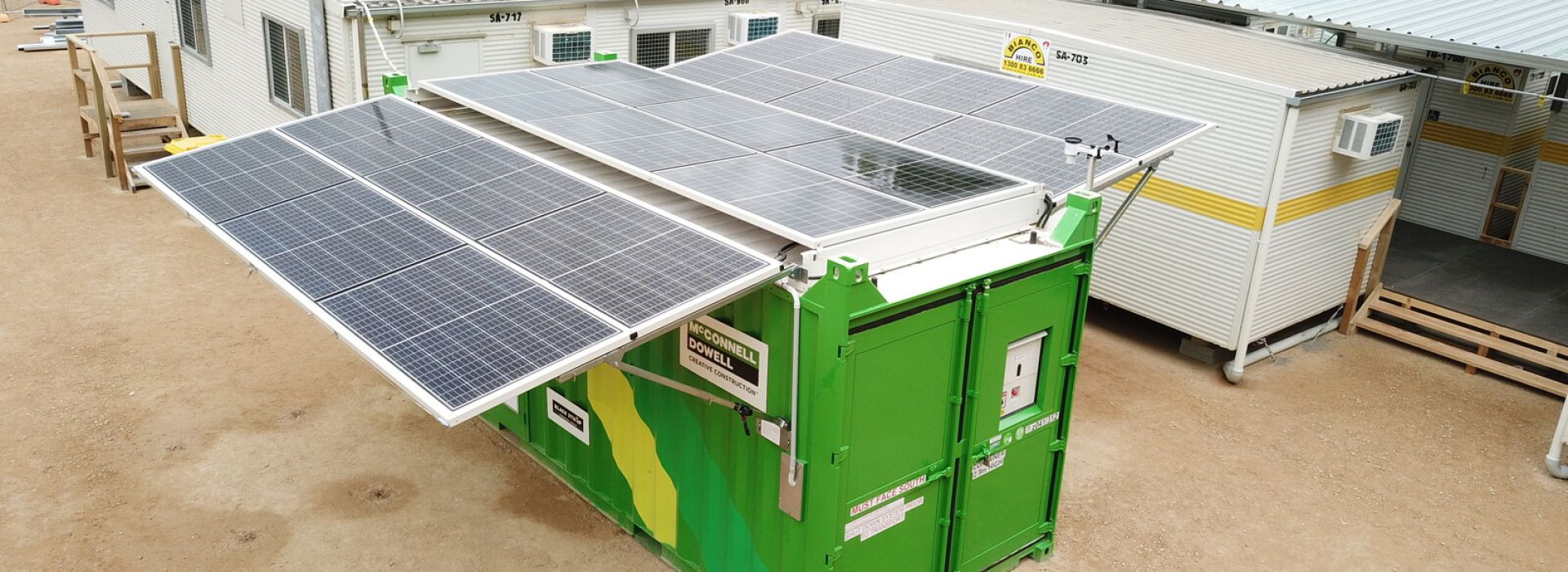
In partnership with Australian OEM, Black Stump Technologies, we have co-created the 'Solarator', a compact containerised power plant that combines solar panels, batteries and a small diesel generator.
Now being used on our project sites across Australia, the Solarators are scaleable in output and can reduce diesel consumption by up to 90% for our off-grid site facilities. Over a 10-year period the units will save over 8000 tonnes of carbon on our work sites.
The Solarators are available in a number of configurations, including ‘accordion style’ (where the panels unfold on frames) and solar-only (i.e. no diesel generator). The solar-only units can result in a carbon positive project site, with unused energy being exported to the grid.
In addition to their sustainability benefits, Solarators are quiet, low maintenance, compact, transportable and 'plug and play' in their set up.
You can't get many more wins than that!
Using 4D planning to streamline project delivery
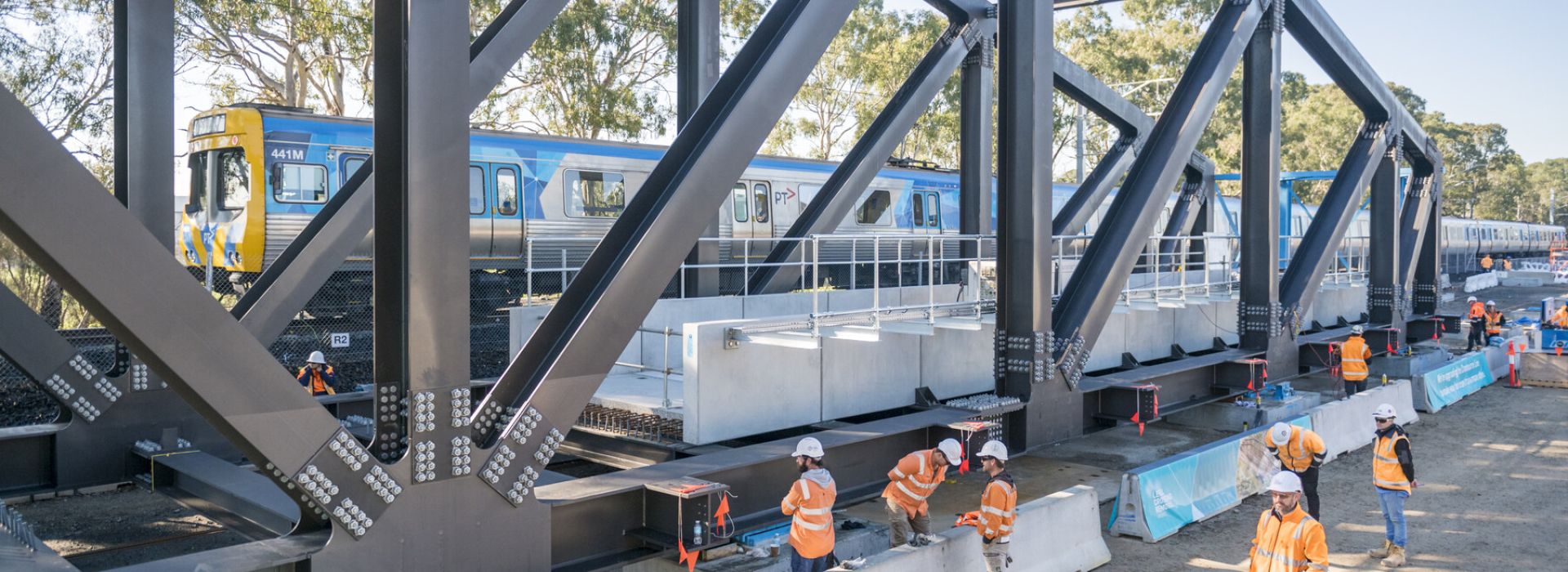
On a recent rail duplication project in Melbourne, our team used digital engineering and 4D modelling to streamline the design and "rehearse" the construction of a 340 tonne steel bridge being launched over a waterway.
The 4D planning exercise was a game changer in helping the design, engineering and construction teams achieve an authentic digital rehearsal. The process helped identify and rectify early problems, including a clash between temporary and permanent retaining walls, as well as signalling cables and wall panels.
After months of painstaking planning and the ‘virtual launch’, the 63 metre long, 340 tonne steel bridge structure was successfully moved into position during the rail occupation.
The project team received an innovation award for the work done on this project.
Innovative PFAS contaminated soil management
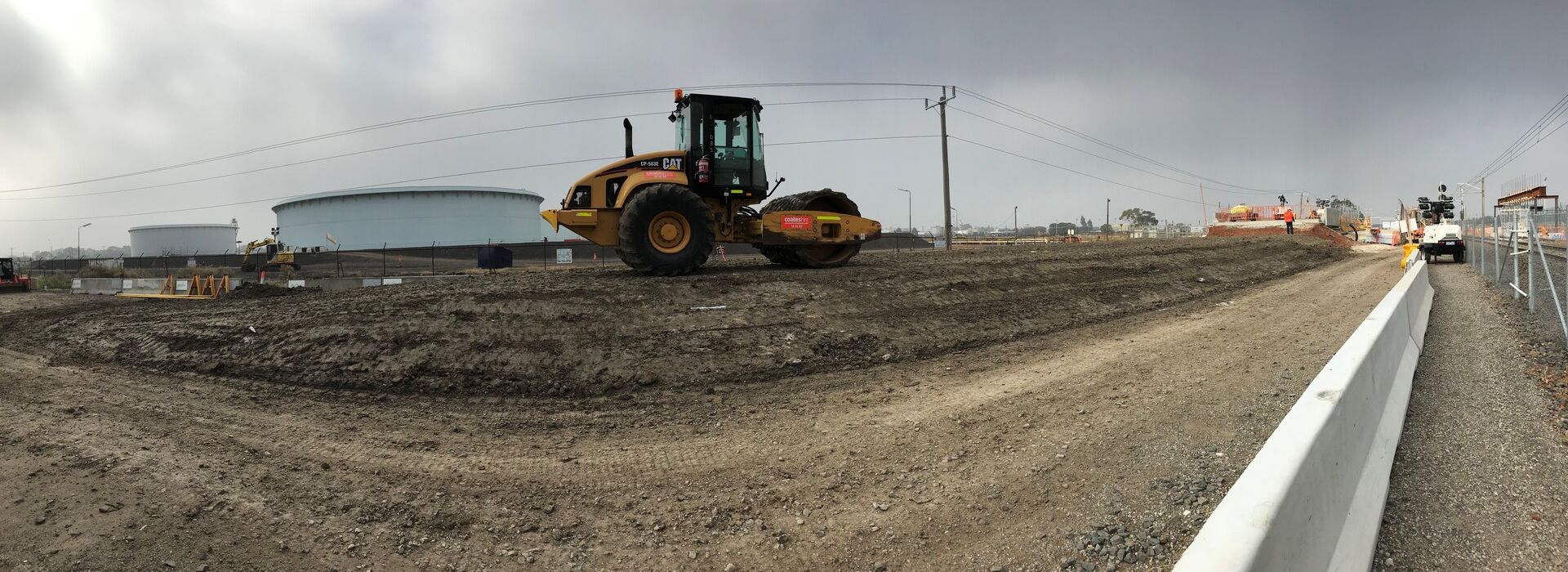
On the Level Crossing Removal Project in Victoria our alliance team worked with the EPA to allow the safe reuse of PFAS contaminated soils on site, in-lieu of removal and treatment off site. This saved the project approximately $10 million and led to new regulations that benefit the entire construction industry.
PFAS, short for Per- and Poly-fluoroalkyl substances, are manufactured chemicals used in products that resist heat, oil and water. They are most often associated with fire-fighting foam. Multiple health effects associated with PFAS exposure have been identified, hence the heavy regulations that exist for their management.
On the Kororoit Creek Road Level Crossing Removal project our team identified high concentrations of PFAS in the soil and groundwater. Faced with the potential of major cost and schedule impacts, the team engaged with the EPA and started the process of investigating options for onsite reuse through encapsulation.
The trial-and-error process involved numerous revisions of soil management plans and consultant soil analysis reports.
After 12 months the team successfully gained approval for the reuse of PFAS impacted material onsite - a first in Victoria. In the end, over 10,500 m3 of contaminated soil was retained on site and reused.
The conditions of approval included the implementation of an impermeable delineation layer, restricting the materials reuse to areas which are outside 1 in 100-year flood events, and to areas where groundwater is greater than 2 m below the placed PFAS impacted soils.
In addition to the cost saved, carbon emissions were reduced by approximately 187,000 kg, by not having to transport material 50–60 km for disposal.
Construction innovation delivers sustainability savings
The Auckland Hospital Plant and Tunnel project is proof that innovation and sustainability can go hand in hand. The team reduced the project's carbon footprint by 261,248 kg/CO2-e by repurposing local materials for a clever temporary works solution.
To alleviate the client, Te Whatu Ora’s, concerns about noise and vibration; and maintain public access the team came up with a temporary elevated ramp as an alternate access route to the worksite. The novel design diverted construction traffic away from sensitive stakeholders and medical equipment and provided safe access for the public, but it needed a lot of steel and concrete to build. The ramp was also a programme priority as it enabled other work onsite to start but the steel was estimated to take 20 weeks to arrive.
The team found the solution on the Ngā Hāu Mangere Bridge Project. They had recently completed temporary works and had 42.3 tonnes (t) of steel and 16 concrete panels weighing a total of 249.6 t that could be repurposed. Another 8.1 t of steel came from the McConnell Dowell Mechanical & Plant Yard in South Auckland. The materials were all transported to the site from within Auckland, rather than across the country or overseas, increasing the carbon savings.
Fast Facts:
- 300 t of steel and concrete was recycled
- 3 t of steel and
- 6 t of concrete pads came 18 km from the Ngā Hāu Mangere Bridge Project
- 18 t of steel came 23.9 km from the Puhinui Plant Yard
- Reusing these materials saved 261,248 kg/CO2-e
- Only travelled 41.9 km to get to site (rather than from China 11,160 km)

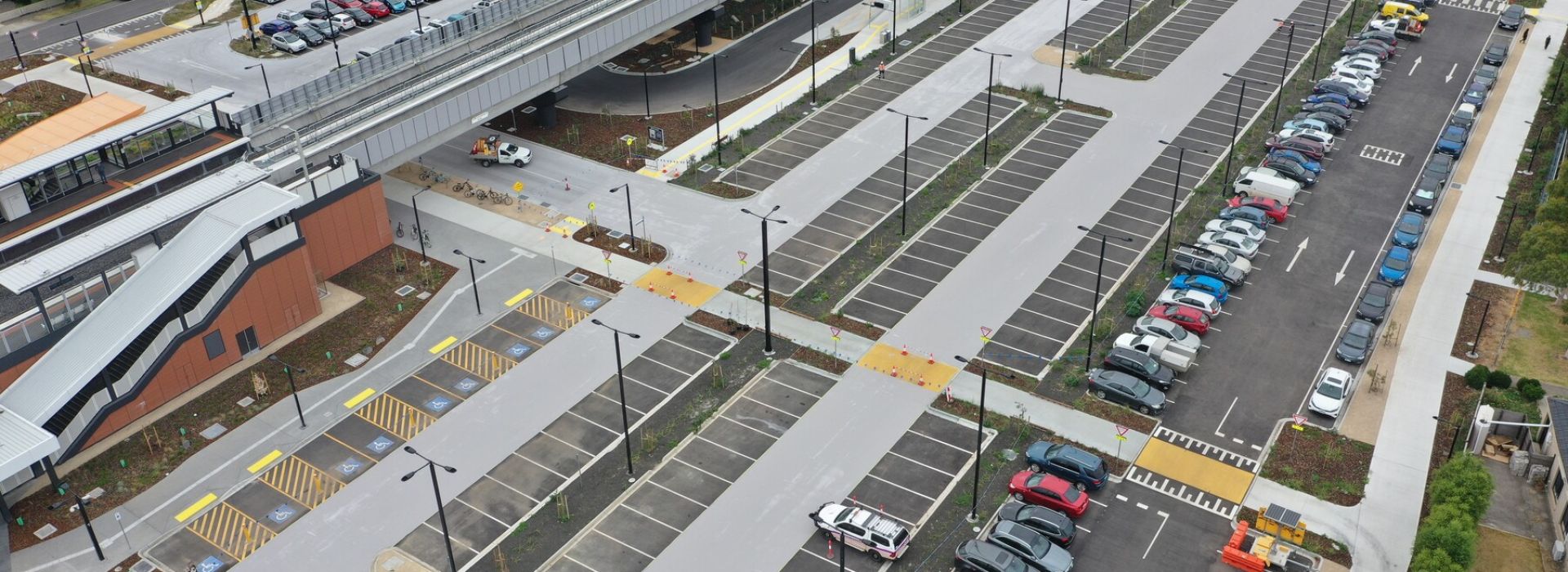
A cool idea for battling climate change
Climate change is increasing the 'heat sink' effect, with traditional construction materials such as asphalt, steel, and concrete, trapping heat and increasing ambient temperatures by up to 20%. That's where our creative team on a level crossing removal project in Melbourne's west comes in.
We used an innovative product called 'Cool Seal' to coat part of the new railway station's asphalt carpark to reduce the heat sink effect. This bitumen-based seal coat product contains 5% recycled crushed glass and lowers surface temperatures by 3-15 degrees. Not only that, it can also extend pavement life by 5-7 years and decrease lighting requirements due to its high reflectivity. This makes it both highly effective and cost neutral.
The impact on human comfort is considerable. In combination with smart landscaping elements 'Cool Seal' delivers a high value community outcome, increasing commuter comfort and reducing the station precinct's impact on the environment overall.

Digital Engineering
We take a ‘Digital First’ approach to all our projects, equipping our teams with the latest digital tools and systems from the design stage forward.
This helps them identify and address potential issues at the earliest stages of project development, effectively eliminating issues at their genesis leading to lower costs and delays once we start on site.
On site, we use digital tools like drones for surveying, and GPS tracked plant to monitor and improve safety and efficiency.
Environmental
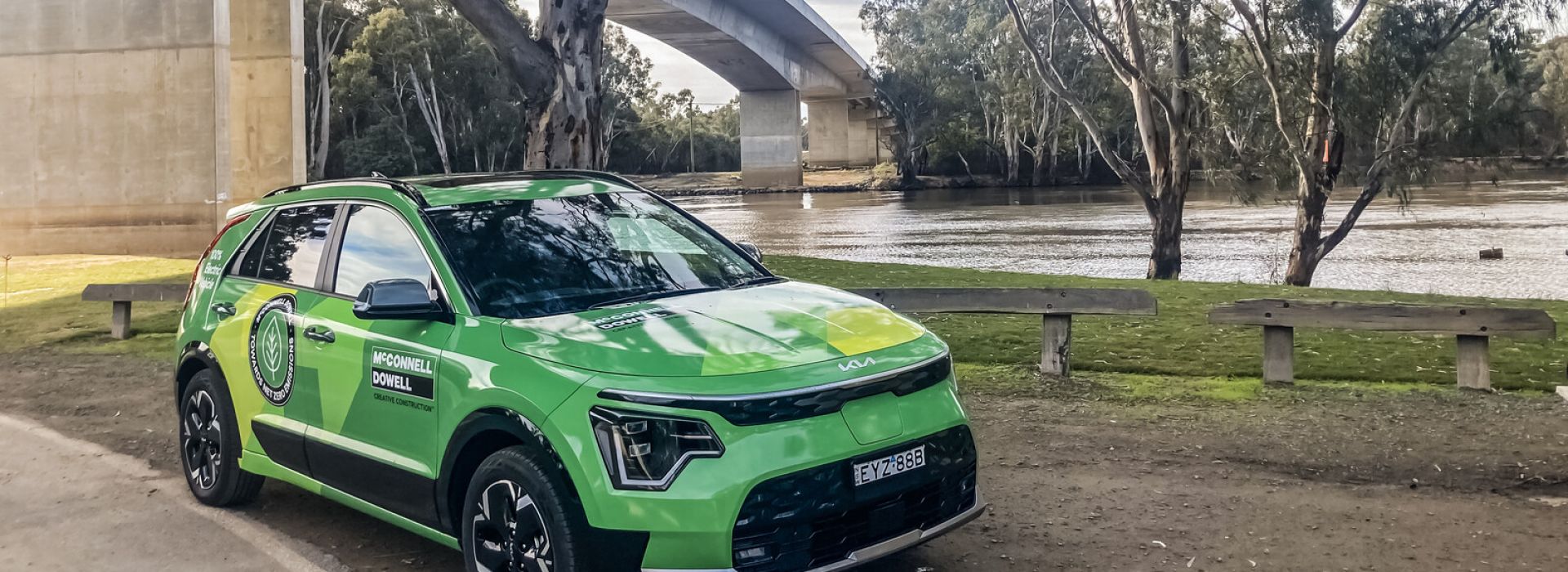
We understand the impact construction can have on our natural ecologies and we're constantly seeking ways to minimise our footprint and restore and improve the natural environment and biodiversity around our works.
We've embraced the circular economy, renewed local ecologies, reconnected habitats, and lowered energy use across our projects in line with our {tip title="Carbon Reduction Roadmap" content=" "} carbon reduction road-map {/tip}.
We set energy and waste reduction targets on every project and are committed to making our environmental footprint as small as possible, as showcased in the recent case studies below.
Safety
We never compromise on safety.
We foster our 'Home Without Harm' safety culture through robust processes, effective systems, and by recognising and rewarding safe behaviours.
Our Site Safety Managers are always on our project leadership teams, ensuring safety is prioritised in all site activities. Every team member has clear safety responsibilities, aimed at protecting themselves, their colleagues, and the community.
We're also leading our industry in the adoption of new safety technologies, like virtual reality plant simulators and AI-enabled blind spot elimination. Check out the case studies below for more information.
Underpinning it all are our Safety Golden Rules. Built on our long-term collective knowledge and learnings, they are specifically targeted at preventing fatalities and serious injuries.
Closing Text - General with contacts, no video
Summary
Thank you for taking an interest in McConnell Dowell's skills, capabilities and approach. Additional information is available on our website, including additional project case studies.
Contact us through the link(s) below for advice or assistance with your project.
Contacts
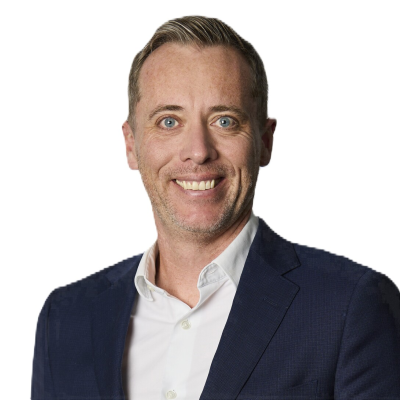

Toby Herniman
Pre-Contracts Manager - NSW & ACT
M: +61 478 946 769
toby.herniman@mcdgroup.com LinkedIn