Capability Statement
Prepared for Prepared for the Department of Infraestructure and Transport
May 2026
Introduction - Recruitment
Thank you for considering McConnell Dowell. This short capability statement explains a bit more about the benefits of working with us and showcases our capabilities and some of the interesting projects we deliver.
About Us (typically use first)
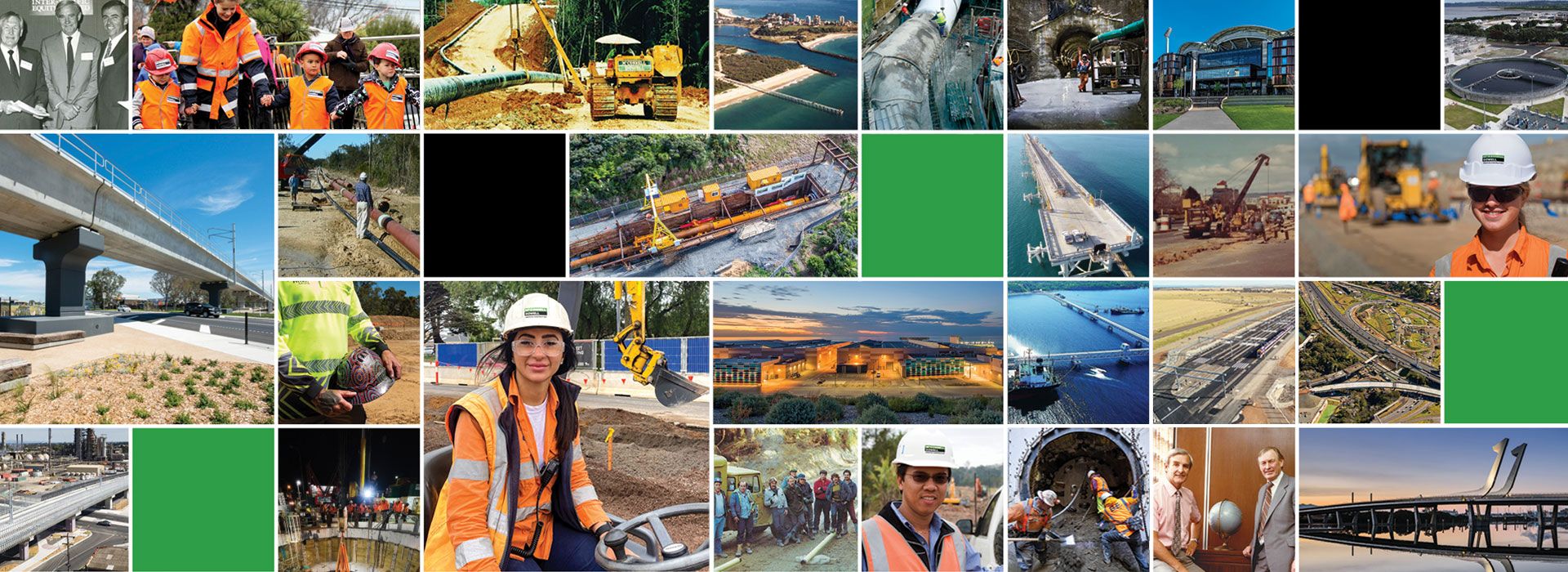
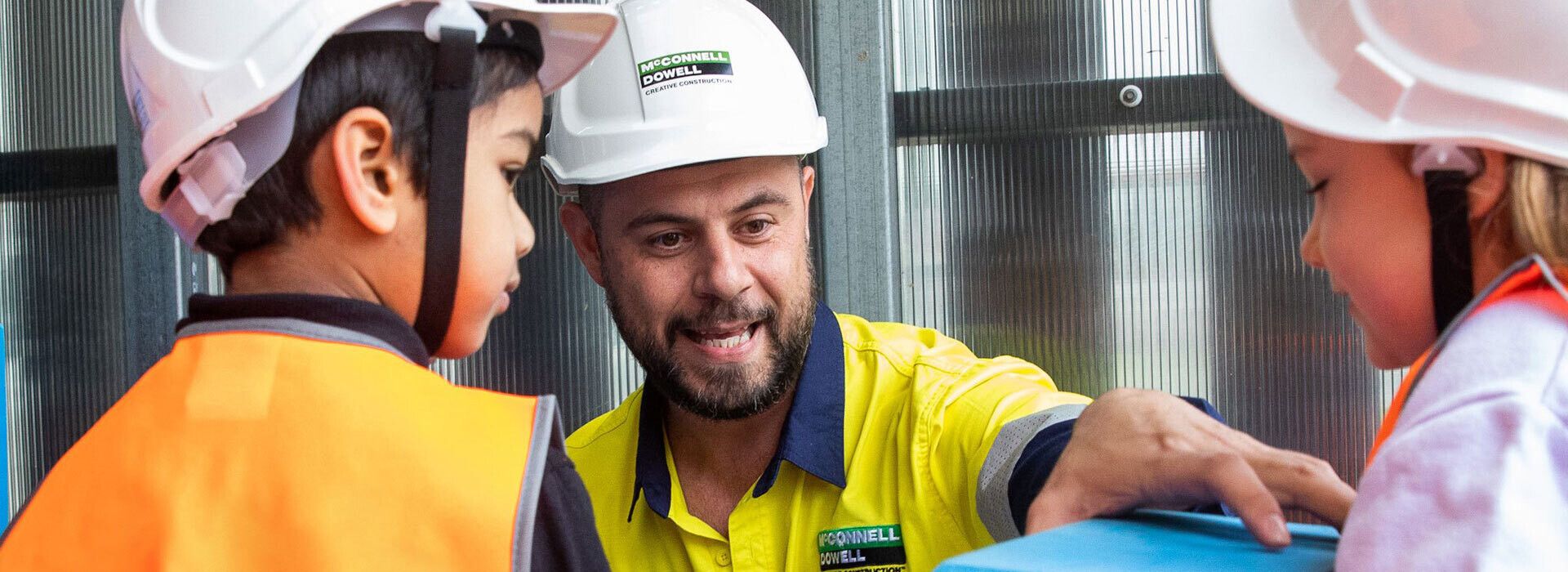
For over 65 years customers have been coming to McConnell Dowell with complex projects that require innovative solutions. That's why we're known as the Creative Construction company.
From remote resources and energy projects to city-shaping infrastructure, we've built thousands of quality assets and facilities.
Engineering-led, our expertise has grown steadily to span building, civil, electrical, fabrication, marine, mechanical, pipelines, rail, tunnel and underground construction..
Purpose & Values (typically use 2nd or 3rd)
We are a Purpose and Values driven organisation. These define what's important to us, guide our decision making and unite us behind a common goal.
Our Purpose is Providing a Better Life.
We do that through delivering projects that connect, sustain and enhance communities, and through providing career opportunities that challenge, reward and grow our people.
We also have five company values that guide our behaviours and decisions. Our values are:
Our Approach (typically use 2nd or 3rd)
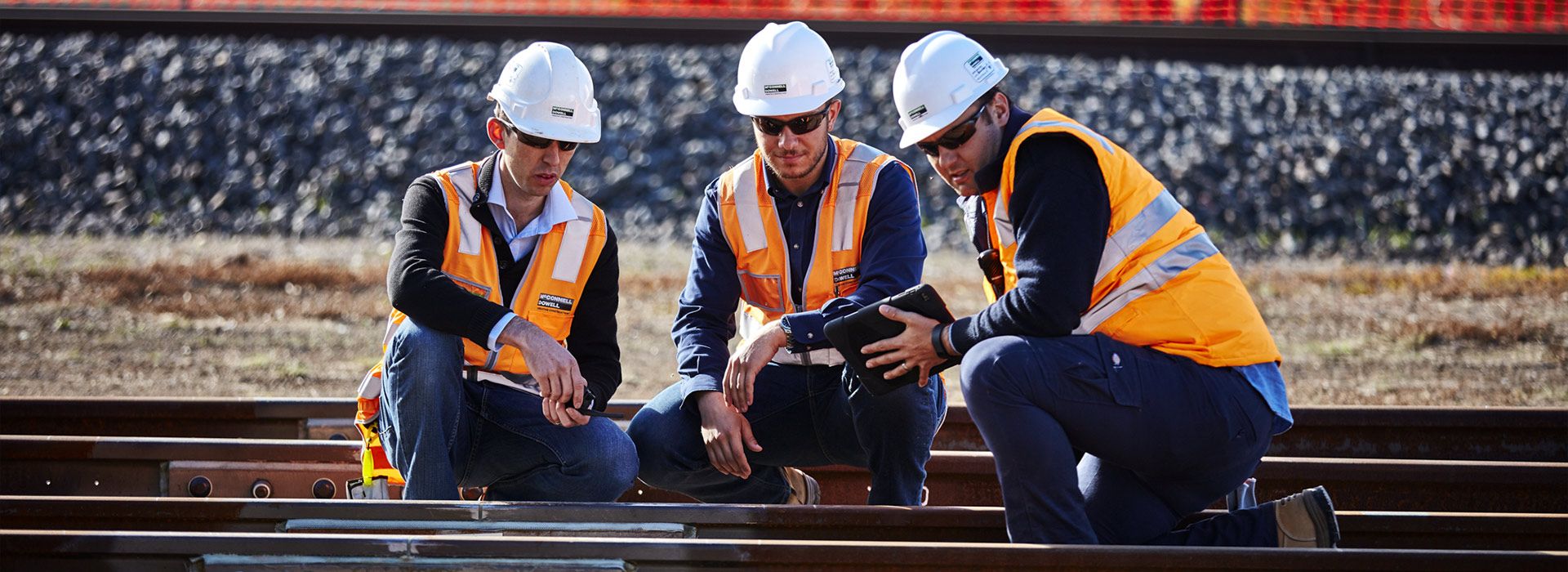
We approach every project with a focus on creativity and certainty - seeking the right blend of innovation and safe, proven approaches so we can exceed our customers' expectations.
We also understand that construction today is as much about community and sustainability as it is about concrete and steel. Our unwavering objective and commitment is to deliver what we promise to our customers, while protecting and enhancing our people, the community and the environment.
Transport Solutions
When it comes to building the bridges and tunnels that connect communities and keep economies moving, McConnell Dowell brings the experience, ingenuity, and dependability to deliver.
We’ve installed multi-span road bridges over live highways, launched heavy rail bridges across active corridors with minimal disruption, and upgraded major intersections and interchanges in some of the busiest transport networks.
From regional road upgrades to city-shaping rail overpasses, we work in close collaboration with stakeholders to deliver complex transport solutions that balance technical excellence with community needs and environmental care.
When the challenge calls for building smarter, safer, and stronger transport links, McConnell Dowell is the partner you can trust to get it done.
Heysen Tunnel Refit and Upgrade
Improving safety and traffic management
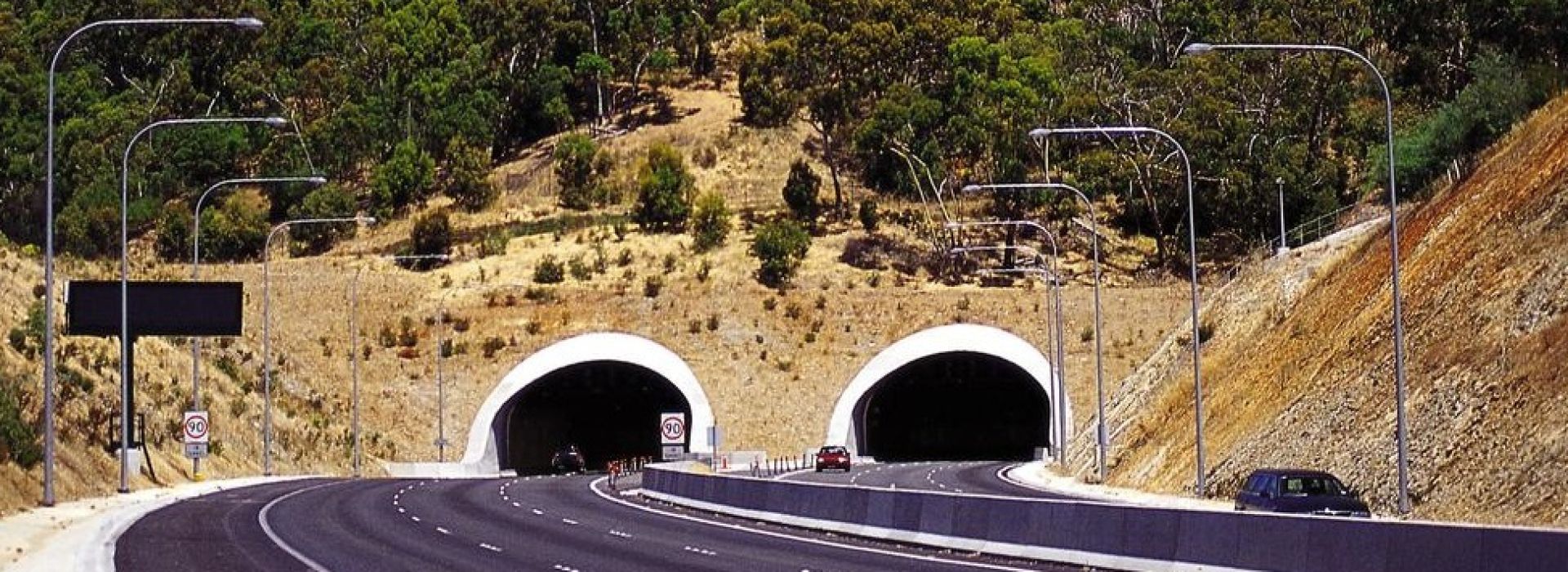
Appointed as the Managing Contractor by the Department for Infrastructure and Transport, we delivered a major refit and upgrade of the Heysen Tunnels in South Australia, while managing over 45,000 vehicles per day. The result is improved safety, traffic management and incident response capabilities.
The twin tunnels, which are each around 500 m long, are part of the South Eastern Freeway, providing the most direct connection between Adelaide and Melbourne. It is also a key corridor connecting Adelaide and the Adelaide Hills. As part of the National Land Transport Network, maintaining efficient operation of the Freeway is recognised by Infrastructure Australia as a nationally significant issue.
Fast Facts
- Major refit and upgrade of the Heysen Tunnels
- Upgrade of tunnel lighting and ventilation systems
- Installation of new automated fire suppression system
Regency Road to Pym Street Project
Road upgrade improving efficiency, safety, and connectivity in the North of Adelaide
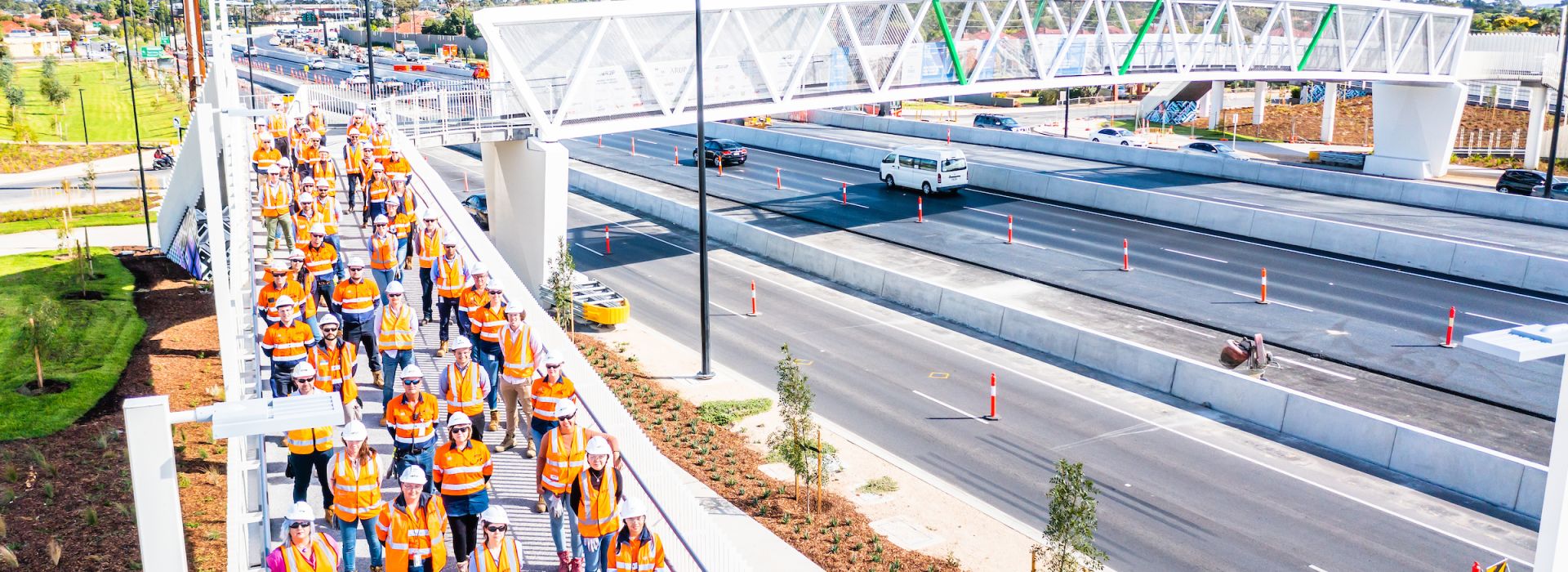
McConnell Dowell, in alliance, delivered the Regency Road to Pym Street (R2P) Project, which connects the South Road Superway and Torrens Road to River Torrens Motorway, providing a continuous 47-kilometre motorway along the North-South Corridor.
The project was delivered four months early and $28 m below target cost by the R2P Alliance - made up of McConnell Dowell, Arup, Mott MacDonald and the Department for Infrastructure and Transport.
Fast Facts
- 8 km motorway constructed
- 35,000 m3 of earthworks
- 1,240 tonne of steel
- 67,000 tonne of asphalt
- Two 82 m x 15 m sections of Regency Road bridge constructed offline
- 210 jobs created per year during construction
Tram Grade Separation Projects
Easing traffic congestion in Adelaide
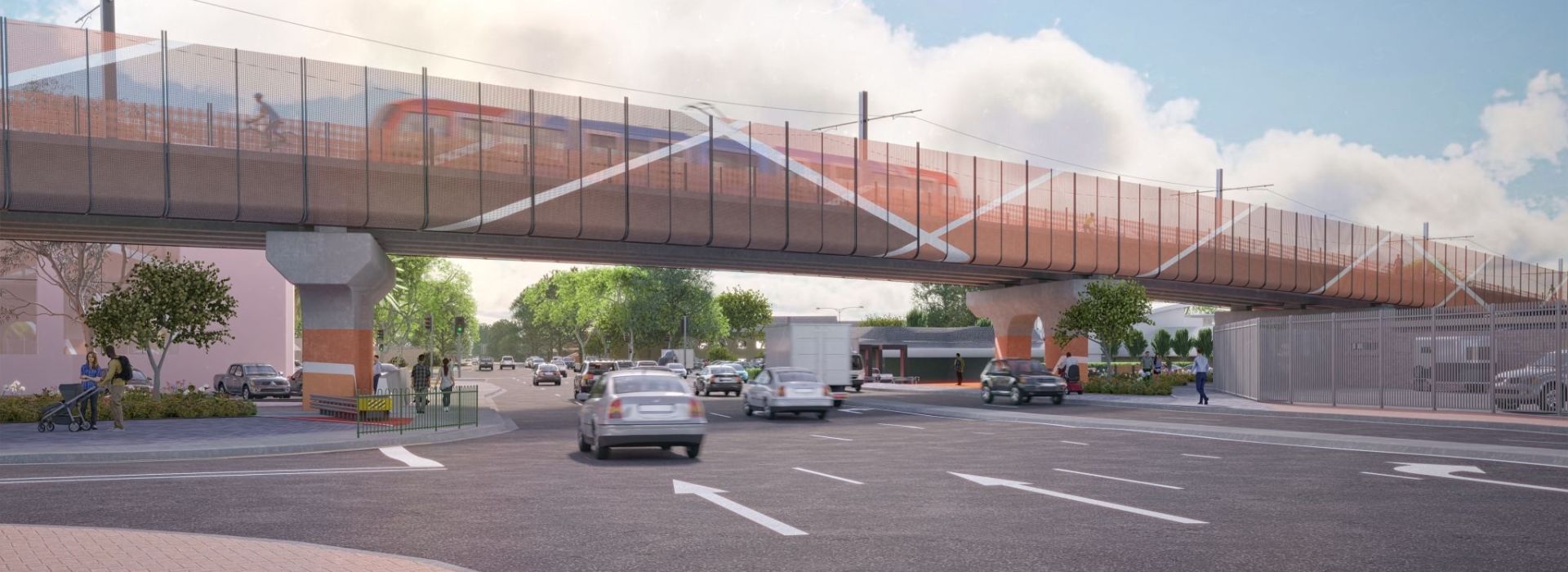
As part of an Alliance with our customer, Department for Infrastructure and Transport, CPB Contractors, and designers Mott MacDonald, Arup and Aurecon, we are delivering the Tram Grade Separation Projects in Adelaide, South Australia.
Jointly funded by the Australian and South Australian governments, the projects involve the removal of multiple level crossings along the Glenelg tram line.
Fast Facts
- Removal of mutiple level crossings
- Intersection upgrades
- Part of the broader North-South Corridor T2D project
Ovingham Level Crossing Removal
Improving travel times and safety in inner Adelaide
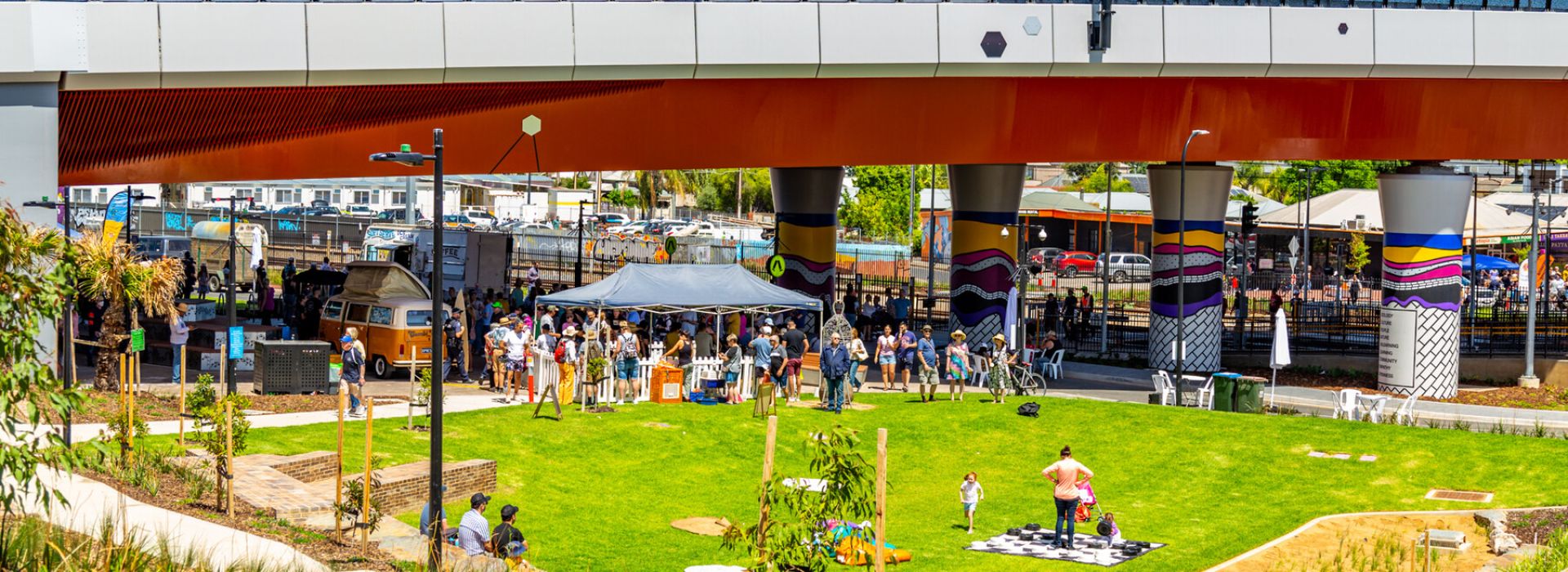
In an alliance with the South Australian State Government, Mott MacDonald and Arup, we successfully removed the level crossing at Torrens Road, Ovingham, improving travel times, bus reliability, and safety and amenity for the community.
Located near the fringe of the Adelaide CBD, an average of 21,300 vehicles passed through the crossing daily before it was removed.
Fast Facts
- Road over rail grade separation
- Complex, inner city location
- Intersection used by 21,300 vehicles per day
- Five community consultation sessions held to decide final design
- Shortlisted for prestigious Banksia Sustainability Award for Placemaking
Granite Island Causeway
Providing new Causeway structure for community and tourists
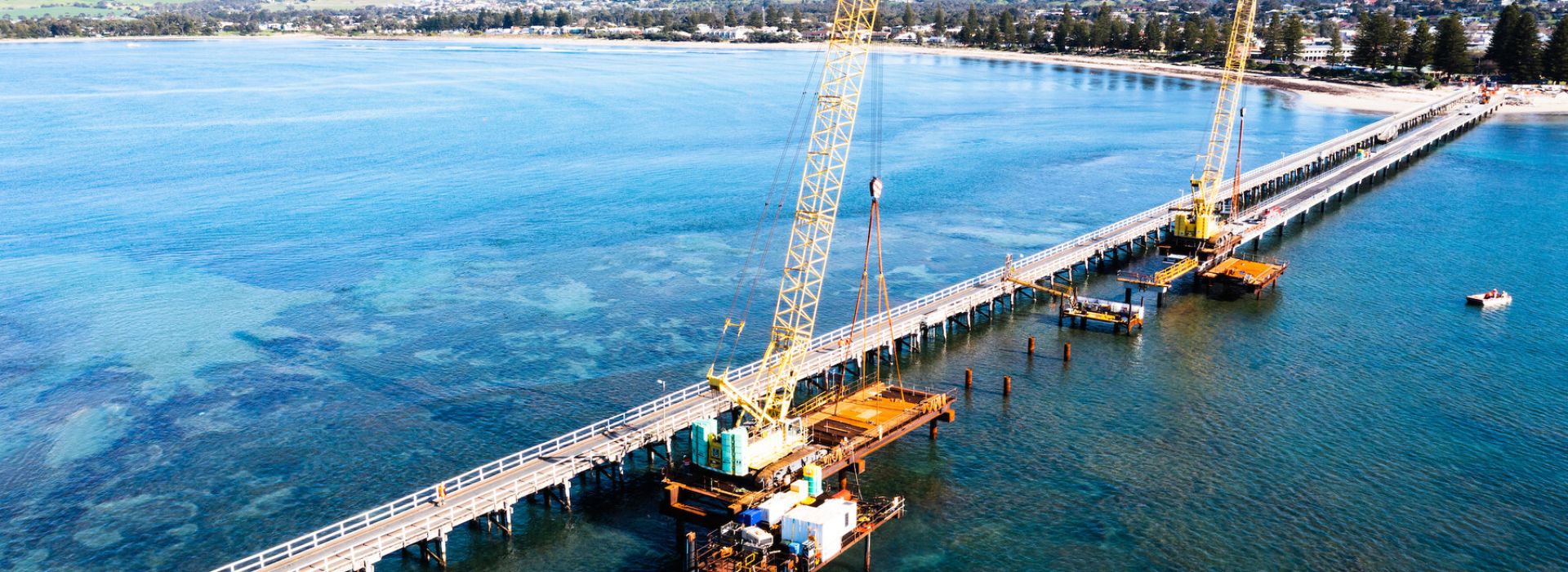
We partnered with the Department for Infrastructure and Transport (DIT) to design and construct the new Granite Island Causeway Project. The awarding of the contract followed a collaborative design development process involving DIT, ourselves and our design consultant, WGA.
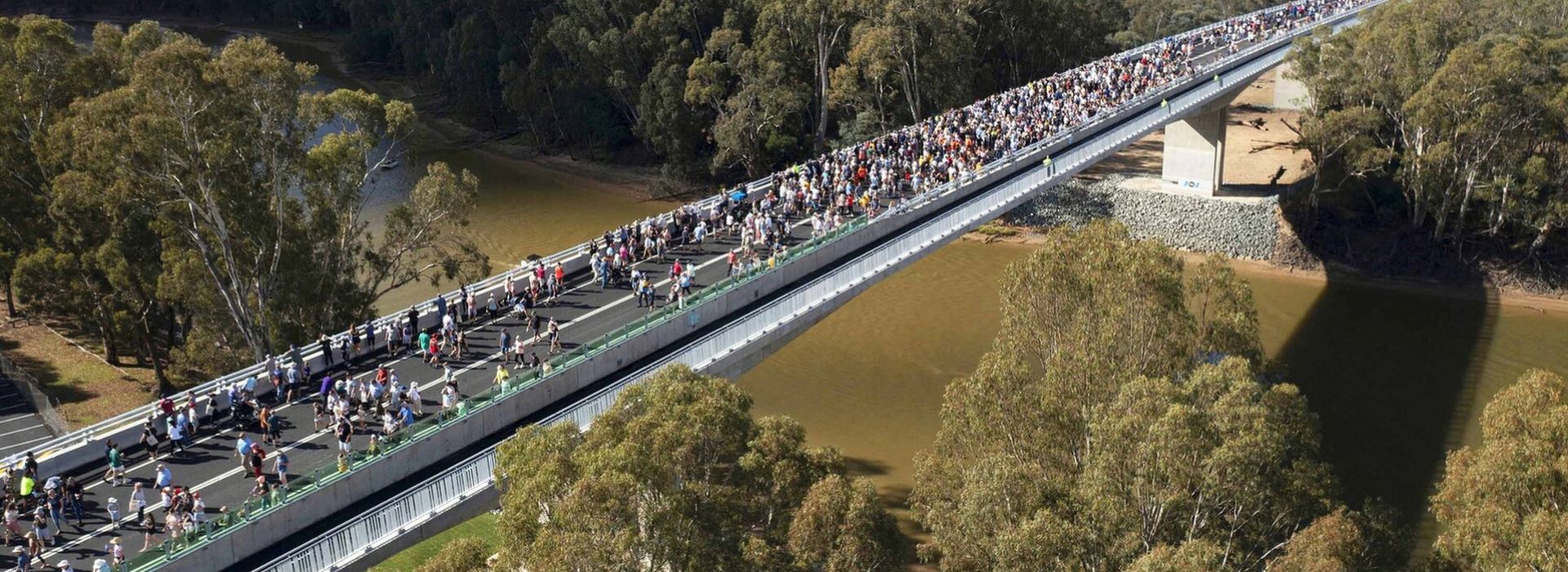
The Granite Island Causeway, located 83 kilometres south of Adelaide in Victor Harbor is a tourism, commercial and recreational landmark. It is the only link between Granite Island and Victor Harbor and is used by pedestrians, the iconic horse drawn tram service, a small number of vehicles that service the island, tourism attractions and the fishing industry. It is estimated that the number of pedestrians accessing the Causeway is approximately 700,000 per annum.
Fast Facts
- 650 m long, 6 m wide new causeway
- New rail line on causeway for historic horse-drawn tram
- New boat landing facility
O-Bahn City Access Project
Reducing travel times and improving reliability for Adelaide commuters
The O-Bahn City Access Project builds on the SA Government’s investment in a stronger public transport network. Its primary objective was to improve travel times and reliability for users of the O-Bahn service and to reduce traffic congestion and delays, particularly on the Inner Ring Route.
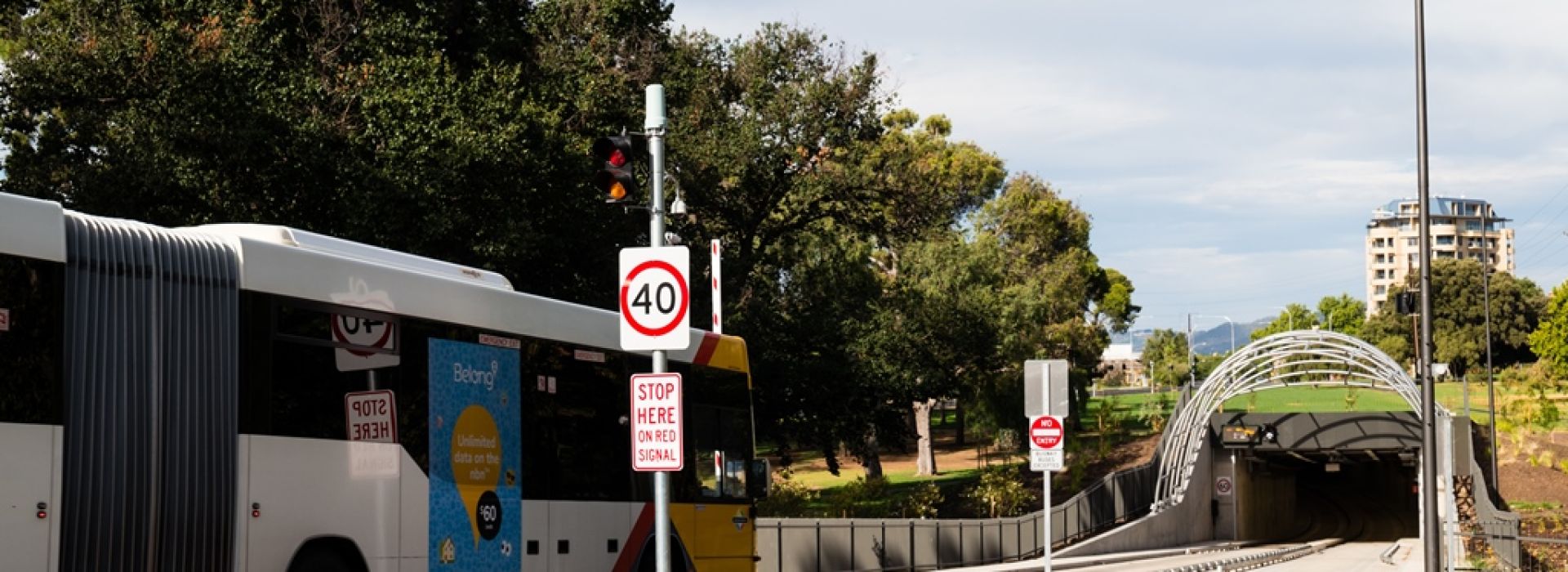
Specifically, the project extended the O-Bahn system from the end of the busway at Gilberton into the cross-city priority bus lanes on Grenfell Street, and included the creation of centrally aligned priority bus lanes along Hackney Road and a dedicated 670 metre bus tunnel providing quicker, more reliable access for O-Bahn buses into the city.
Fast Facts
- 670 m tunnel construction
- 2,000 tonnes of steel
- 450 jobs created for the project
- Over 70,000 m³ material excavated
- 2018 CCF Earth Award for Excellence
Mechanical & Electrical
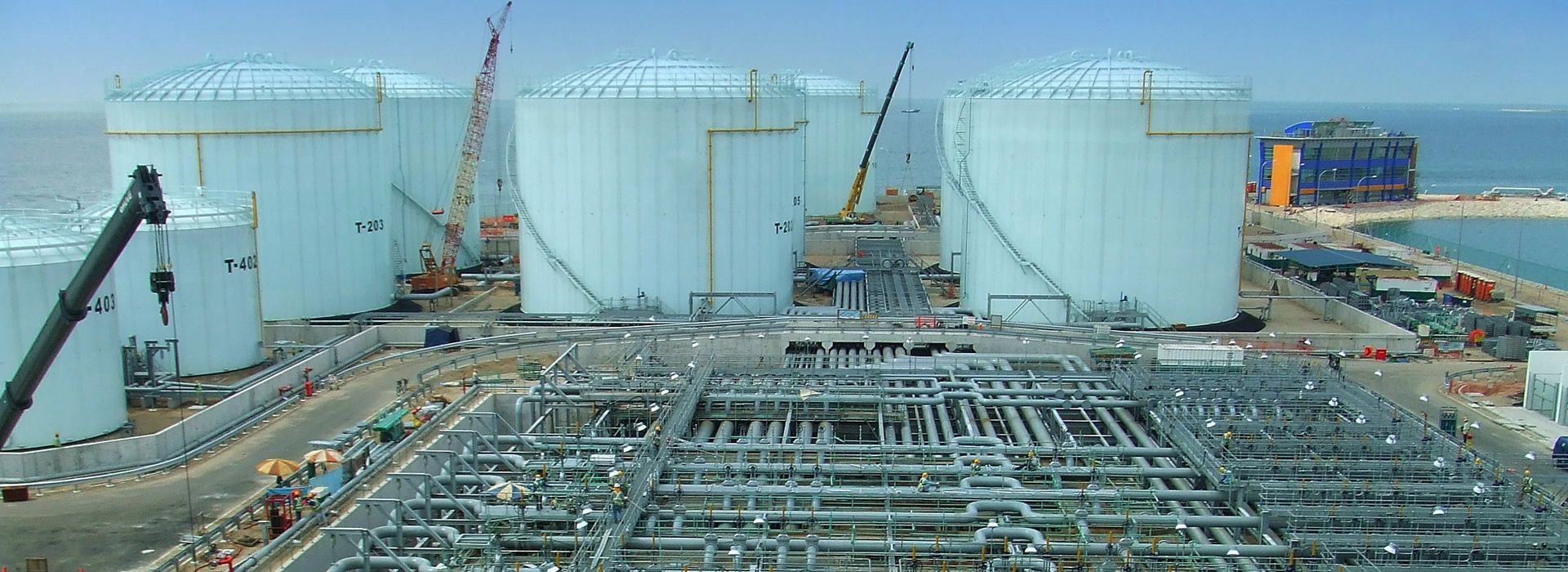
We have an extensive track record in delivering complex mechanical & electrical projects stretching back to the early 1980s.
We've delivered structural, mechanical and piping projects in live operating environments for multi-national customers such as ExxonMobil, BP, BHP, Rio Tinto, FMG, DuPont, and various water authorities.
Our project engineers and construction leaders have specialist skills in mechanical and electrical design and installation, and we have successfully managed projects with peak workforces in excess of 1000 people.
We optimise construction outcomes through the use of modularisation, prefabrication and preassembly - minimising site risks, durations and impacts, and ensuring cost savings and high quality outcomes for our customers.
We continue to achieve industry-leading results in safety performance and customer satisfaction.
Creative Construction
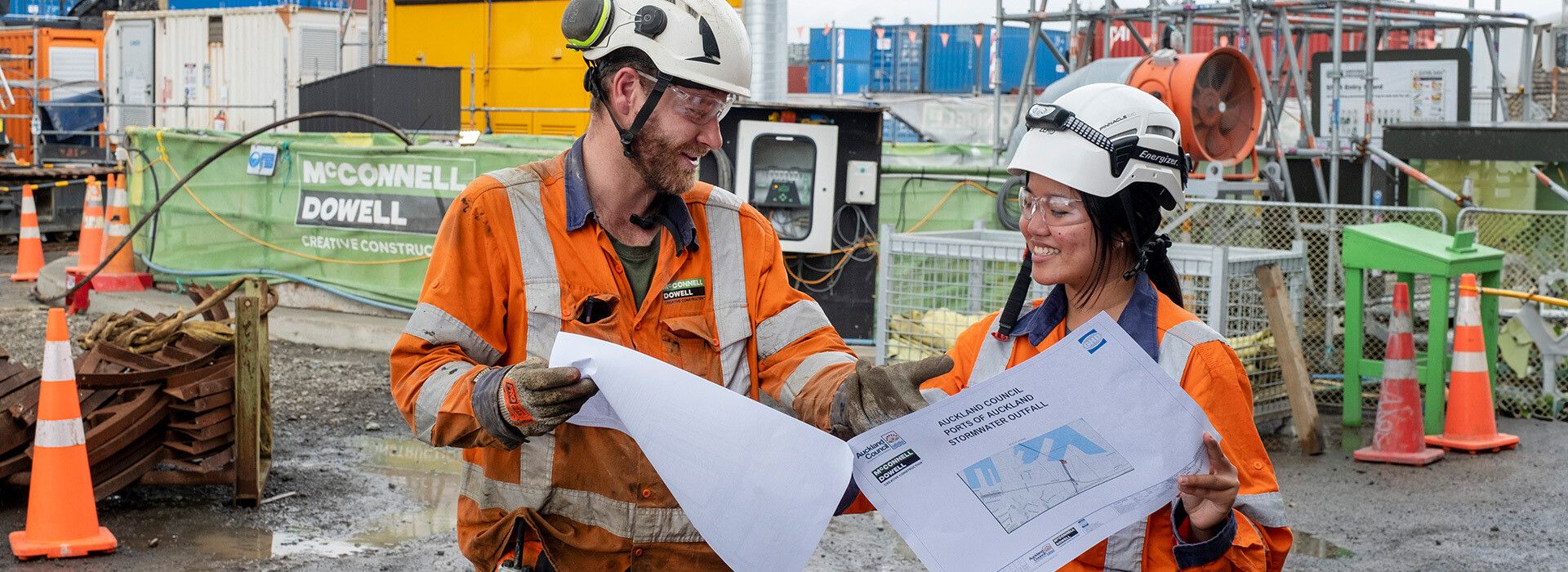
Creative Construction at McConnell Dowell is the inspired engineering behind the complex infrastructure we deliver.
It's the technical problems and challenges solved behind the scenes by people empowered to think creatively and work collaboratively. It’s the alternative idea or innovation that saves time, reduces cost, makes us safer, and delivers more value.
It might not always be evident when you look at the end product, but it's there, inside every McConnell Dowell project.
Setting new safety standards through smart traffic control solutions
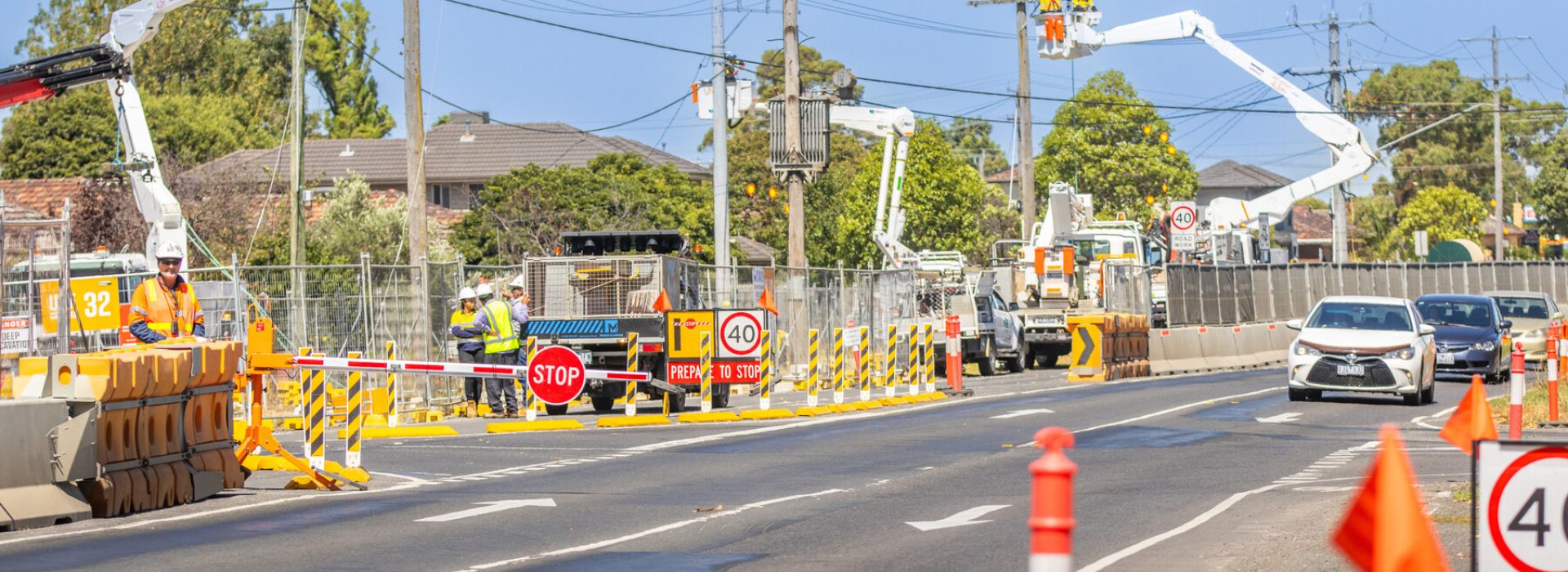
In a bid to transform safety standards, our team on the Epping Road Upgrade project in Melbourne has taken a pioneering approach, harnessing cutting-edge traffic control solutions to safeguard both workers and commuters alike.
Traditionally, traffic controllers have had to physically stand on the road to manage traffic flow, putting them at risk from passing vehicles. To enhance safety, the project team has introduced advanced traffic control devices that can be operated remotely.
These devices include:
- Portable Traffic Control Devices: These include eBooms, and Gibney barriers which provide physical separation between moving traffic and the traffic Controller, further safeguarding workers. The eBooms are operated remotely.
- Portable Traffic Signal System: The eSTOP system utilises remote-controlled traffic signals. By triggering red lights from a safe distance, eSTOP enables traffic controllers to manage traffic flow without being directly exposed to live traffic.
This innovative approach removes traffic controllers from the immediate vicinity of moving vehicles, significantly reducing their risk of injury. They can now effectively control traffic flow from a protected location, ensuring their safety while continuing to perform their crucial role on the project.
By embracing technological advancements like eBooms and eSTOP, the Epping Road Upgrade project is setting a positive precedent for future infrastructure projects, demonstrating that efficient construction can go hand-in-hand with a strong commitment to safety.

An 'e-boom' in action. These create physical separation between moving traffic and the traffic Controller, further safeguarding our workers.
Recycled crushed glass as road-base
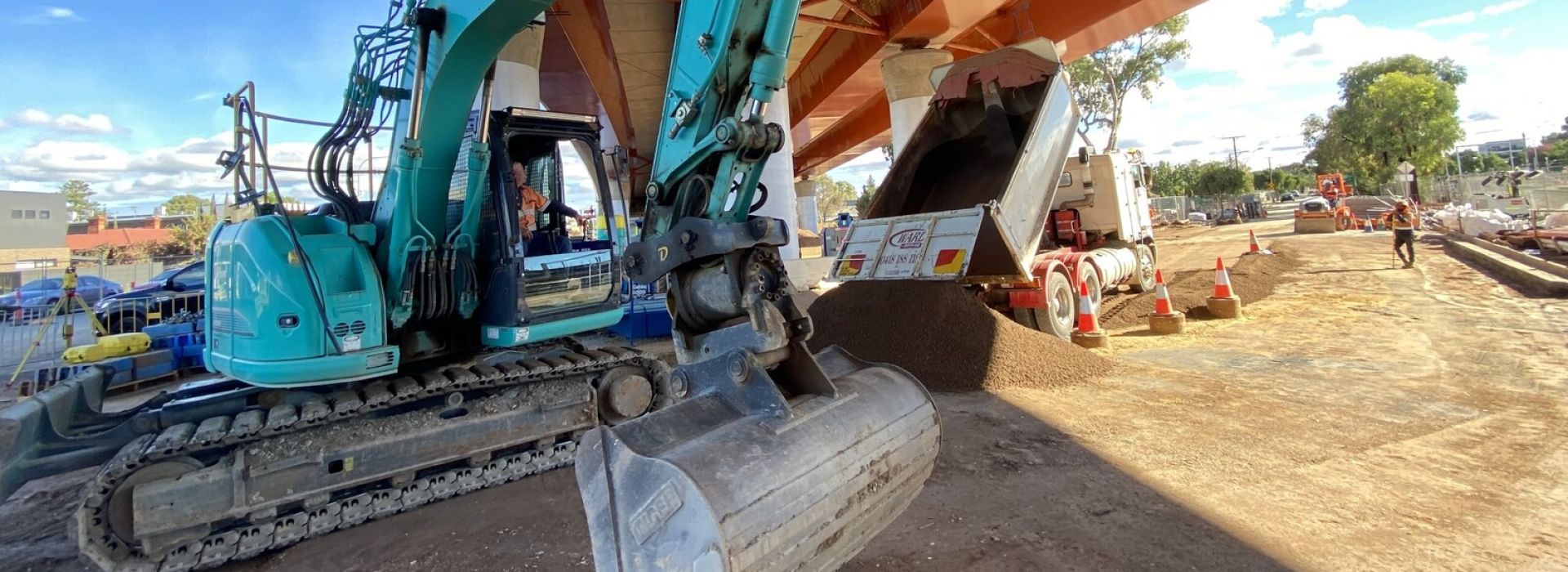
Although the use of recycled glass in the construction industry has become a more familiar sight in recent years in Australia, it wasn't until 2021 that we introduced it into South Australia's infrastructure construction sector.
Back then, our team on the R2P Project worked with supplier, ResourceCo, and our customer, the Department for Infrastructure and Transport (DIT), to trial a PM2/20 road-base product containing 5% recycled glass on an arterial road project. The trial was a resounding success.
Leap ahead to mid 2022 and our team on the Ovingham Level Crossing Removal project in Adelaide upped the ante, this time using 10% recycled crushed glass within 660 tonnes of road-base. Again, this was the first time this level of recycled glass was used on a DIT project.
The result was the diversion of 66 tonnes of municipal glass waste from land fill, the equivalent of 132,000 empty wine bottles.
At the heart of these initiatives is our "Creative Construction" ethos, our focus on the circular economy, and the collaboration and trust we foster between our design, construction and customer teams.
Lowering emissions through warm mix asphalt
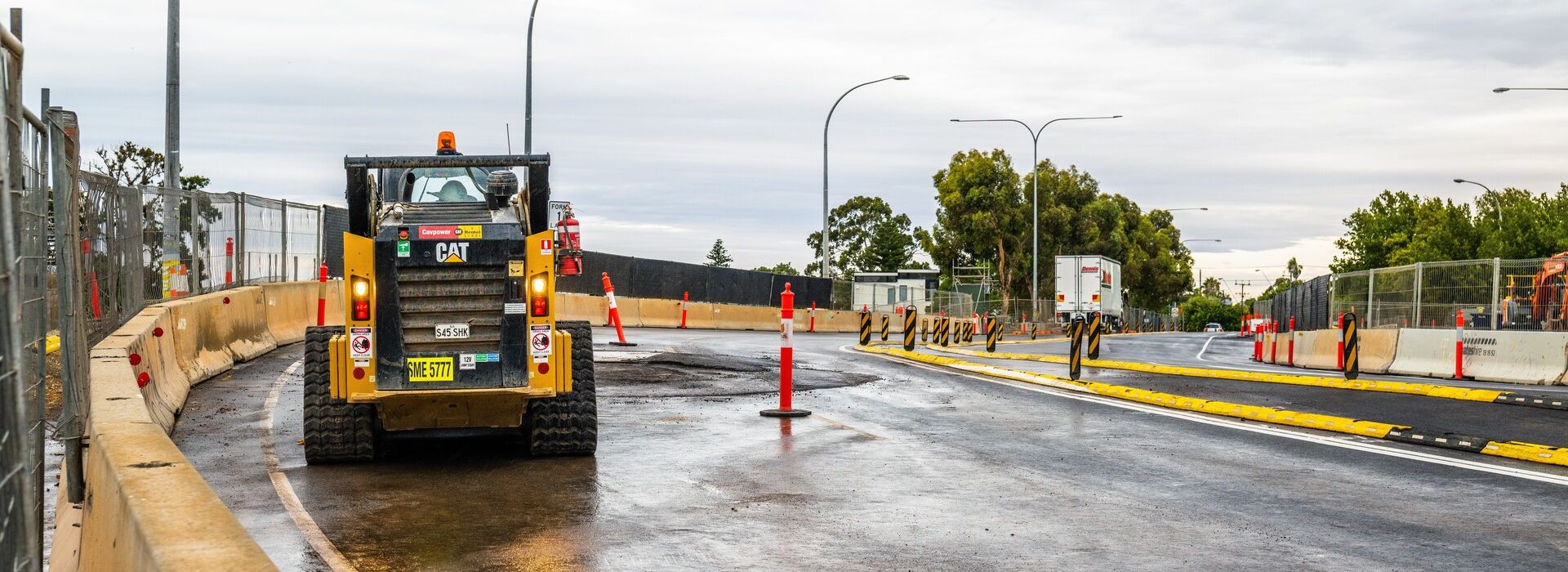
On the Ovingham Level Crossing Removal Project in Adelaide our team expanded the use of Warm Mix Ashphalt (WMA) and combined it with Recycled Asphalt Pavement (RAP) to drive down emissions.
Asphalt is a major material used on road projects and replacing Hot Mix Asphalt (HMA) (typically 175°C); with WMA (typically 140°C) is a generally accepted practice. However current asphalt specifications only allow for placement when the surface temperature is above 20°C, thereby limiting its use.
To overcome this restriction our team developed an alternative placement method allowing the WMA to be laid below 20°C. The first layer is the standard HMA and the following layers are WMA.
Not stopping there, our team combined the use of WMA with a 10% Recycled Asphalt Pavement (RAP) content in the wearing and levelling courses, and a 30% RAP content in other layers.
This approach has led to an estimated 10% to 15% reduction in the overall emissions associated with asphalt use on the project.
Based on this positive experience Warm Mix Asphalt has now been used on other McConnell Dowell projects.
Low carbon concrete bridges
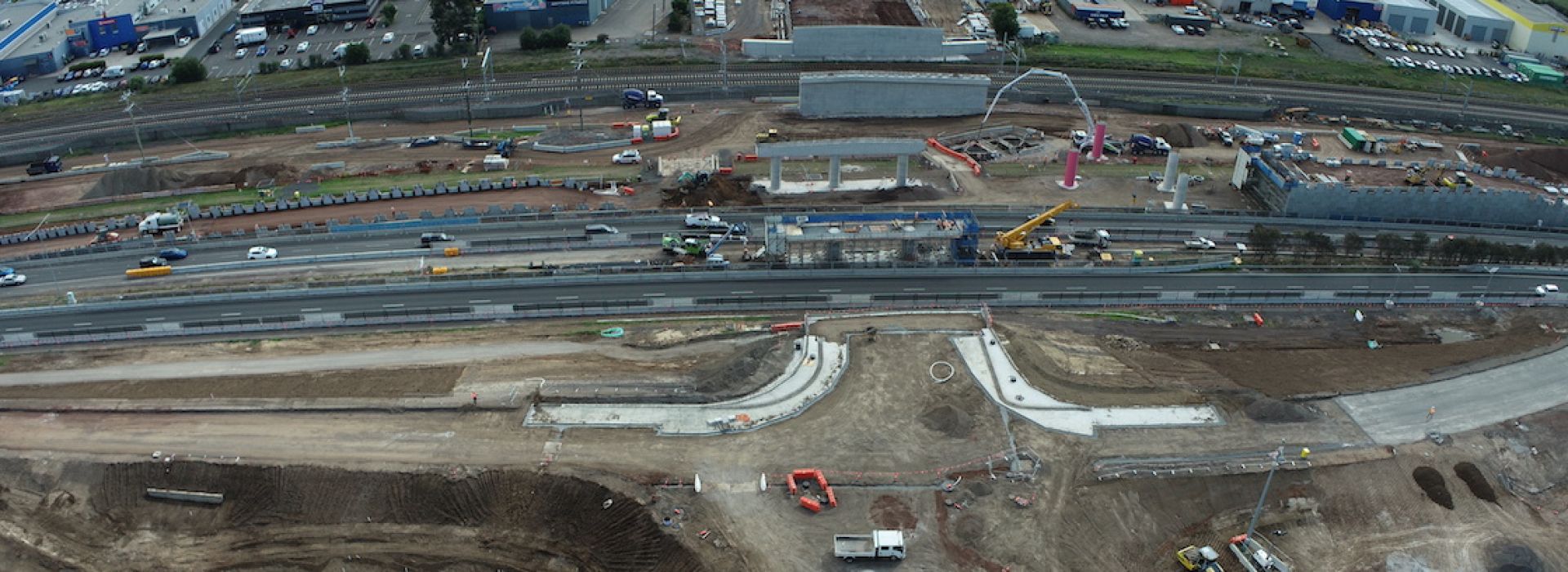
On a recent level crossing removal project in Victoria our site team developed a ready-mix concrete with a reduced carbon footprint. The mix has now been approved by the local road authority, VicRoads, for structural bridge elements such as decks, piers and abutments.
Based on experience from other states, our team, in cooperation with a concrete supplier, developed a mix design where cement was replaced with supplementary cementitious materials (SCM). The concrete was produced, placed and tested under site conditions and in accordance with the relevant VicRoads specifications.
The results demonstrated that SCM concrete with a reduced carbon footprint does not compromise concrete performance during production, transport or placement. Further, the properties and durability of the hardened concrete meet the requirements of the design.
Following further trials and tests VicRoads not only granted approval for the project at hand, but included the mix in their list of approved concrete mixes for other road projects in Victoria.
The approval of the SCM mix was not only a significant contributor towards the project achieving its desired Infrastructure Sustainability Council rating and project KRAs, but it also makes a significant contribution towards achieving a more sustainable construction industry in Victoria.
Safety
We never compromise on safety.
We foster our 'Home Without Harm' safety culture through robust processes, effective systems, and by recognising and rewarding safe behaviours.
Our Site Safety Managers are always on our project leadership teams, ensuring safety is prioritised in all site activities. Every team member has clear safety responsibilities, aimed at protecting themselves, their colleagues, and the community.
We're also leading our industry in the adoption of new safety technologies, like virtual reality plant simulators and AI-enabled blind spot elimination. Check out the case studies below for more information.
Underpinning it all are our Safety Golden Rules. Built on our long-term collective knowledge and learnings, they are specifically targeted at preventing fatalities and serious injuries.


Digital Engineering
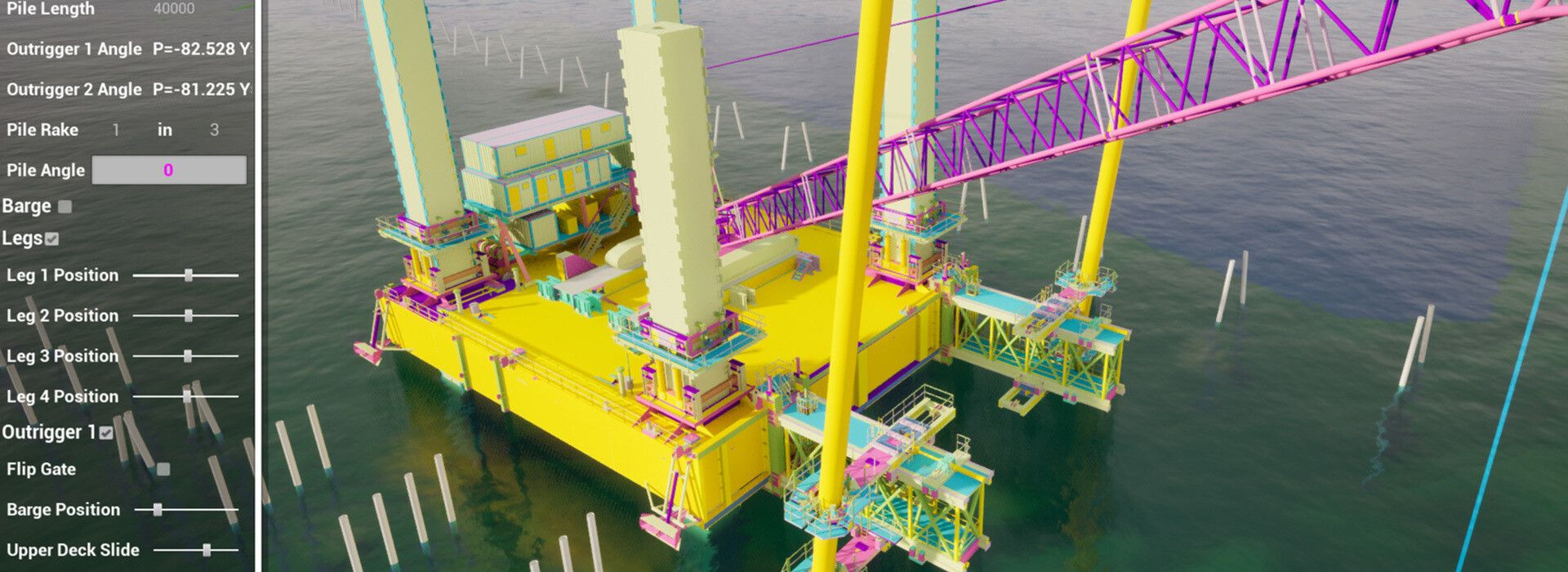
We take a ‘Digital First’ approach to all our projects, equipping our teams with the latest digital tools and systems from the design stage forward.
This helps them identify and address potential issues at the earliest stages of project development, effectively eliminating issues at their genesis leading to lower costs and delays once we start on site.
On site, we use digital tools like drones for surveying, and GPS tracked plant to monitor and improve safety and efficiency.
Sustainability (ESG)
Our purpose is 'Providing a Better Life’ - today and into the future. That’s why sustainability, in all its forms, is considered in every project, process and product across our business.
Our approach is clearly articulated in our Sustainability Policy.
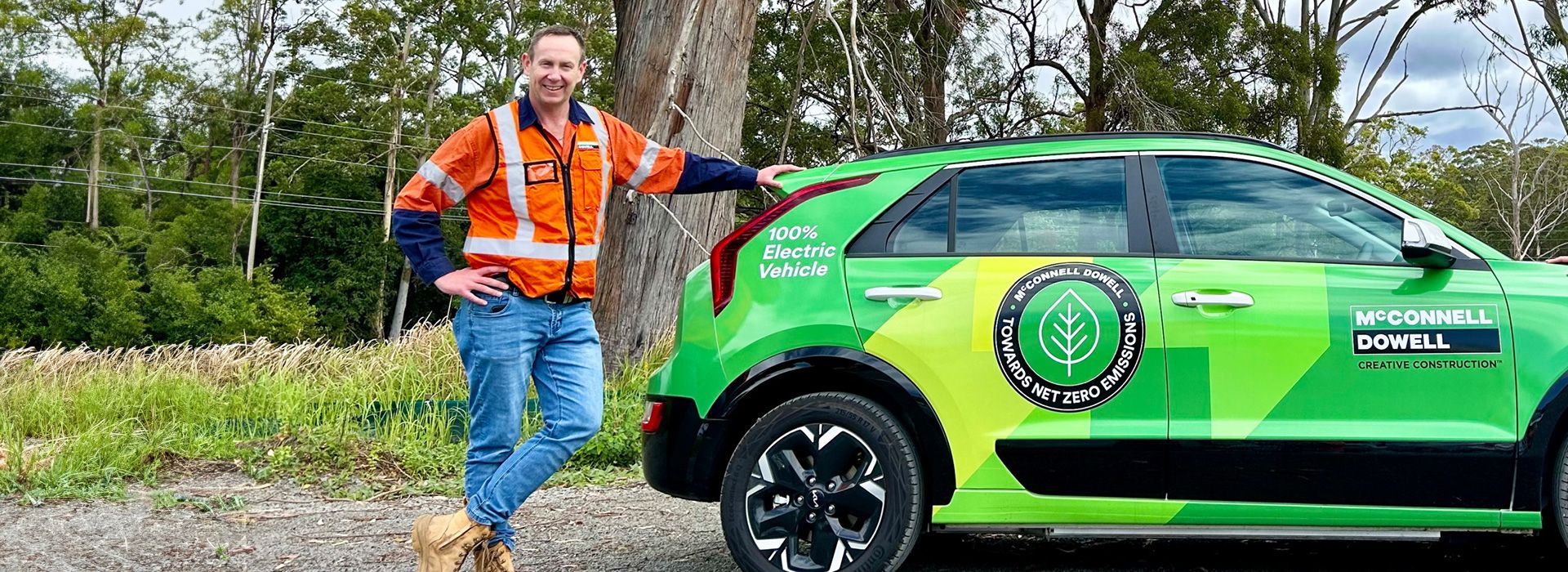
We're about action not just aspiration. Our ambitious but achievable {tip title="Carbon Reduction Roadmap" content=" "} carbon reduction road-map {/tip} will see us be operationally net zero by 2030, with 44 initiatives that are being progressively rolled out across the company. Last year we reduced our carbon emissions by 442 tonnes through the use of solar technologies alone, and diverted almost two million tonnes of waste from landfill.
Environmental
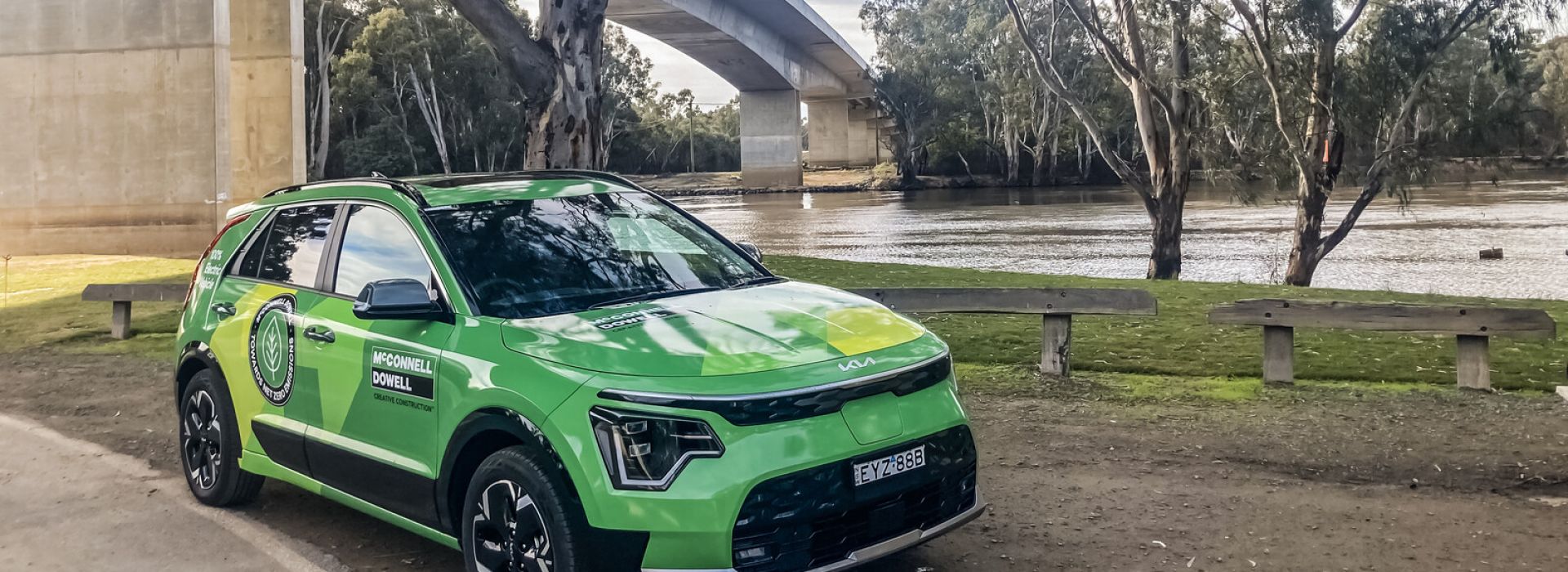
We understand the impact construction can have on our natural ecologies and we're constantly seeking ways to minimise our footprint and restore and improve the natural environment and biodiversity around our works.
We've embraced the circular economy, renewed local ecologies, reconnected habitats, and lowered energy use across our projects in line with our {tip title="Carbon Reduction Roadmap" content=""} carbon reduction road-map {/tip}.
We set energy and waste reduction targets on every project and are committed to making our environmental footprint as small as possible, as showcased in the recent case studies below.
Closing text - with contacts and Video
Summary
Thank you for taking an interest in McConnell Dowell's skills, capabilities and approach. Additional information is available on our website, including additional project case studies.
Contact us through the link(s) at the bottom for advice or assistance with your project.
Contacts
Claire Tanner
Pre-Contracts Manager SA & WA
M: +61 (0)418 645 297
claire.tanner@mcdgroup.com LinkedIn