Capability Statement
Prepared for Rio Tinto Parker Point Project
May 2026
Introduction General
Thank you for the opportunity to present this brief capability statement which details a cross-section of our skills and experience, and showcases a selection of our recent projects.
Creative Construction
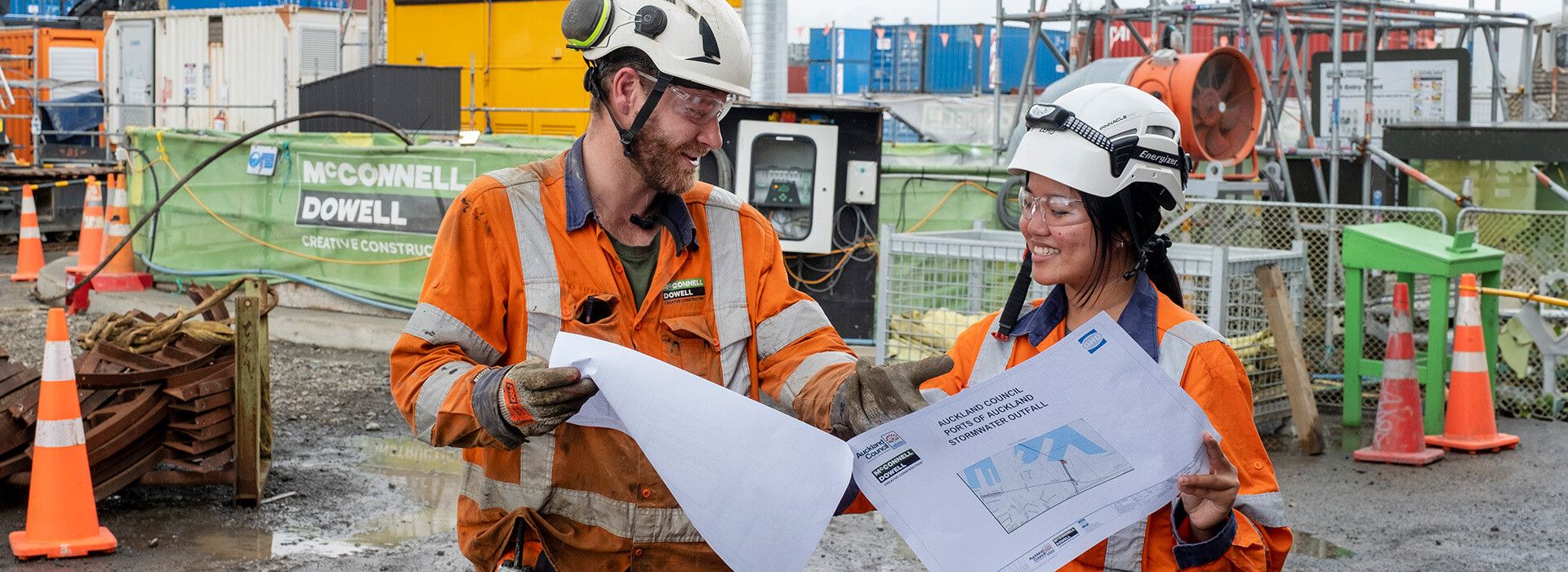
Creative Construction at McConnell Dowell is the inspired engineering behind the complex infrastructure we deliver.
It's the technical problems and challenges solved behind the scenes by people empowered to think creatively and work collaboratively. It’s the alternative idea or innovation that saves time, reduces cost, makes us safer, and delivers more value.
It might not always be evident when you look at the end product, but it's there, inside every McConnell Dowell project.
Safety
We never compromise on safety.
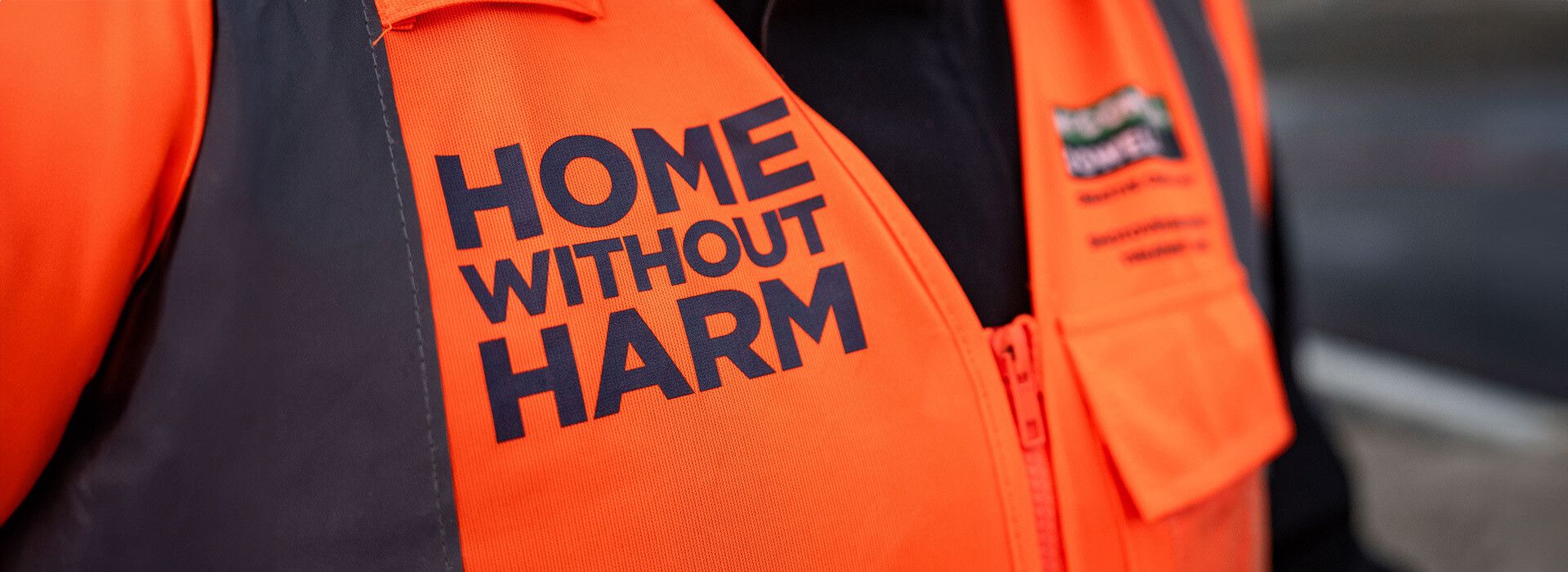
We foster our 'Home Without Harm' safety culture through robust processes, effective systems, and by recognising and rewarding safe behaviours.
Our Site Safety Managers are always on our project leadership teams, ensuring safety is prioritised in all site activities. Every team member has clear safety responsibilities, aimed at protecting themselves, their colleagues, and the community.
We're also leading our industry in the adoption of new safety technologies, like virtual reality plant simulators and AI-enabled blind spot elimination. Check out the case studies below for more information.
Underpinning it all are our Safety Golden Rules. Built on our long-term collective knowledge and learnings, they are specifically targeted at preventing fatalities and serious injuries.


Chith Export Facility
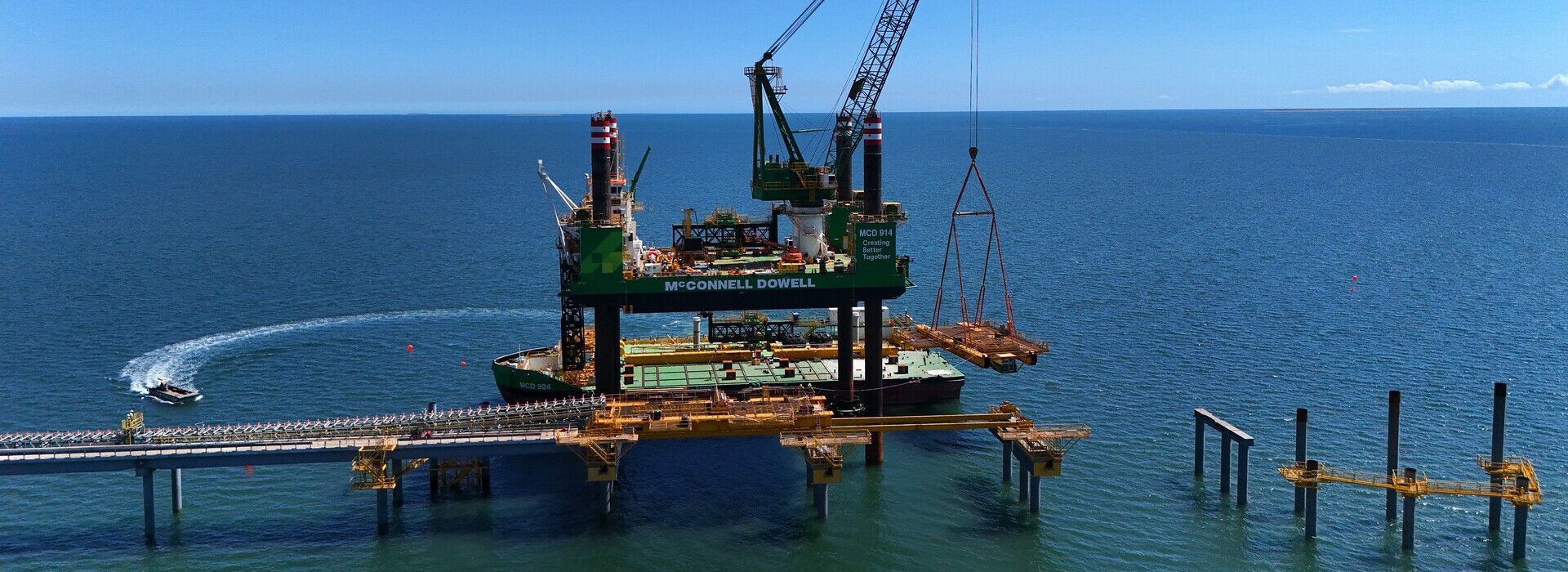
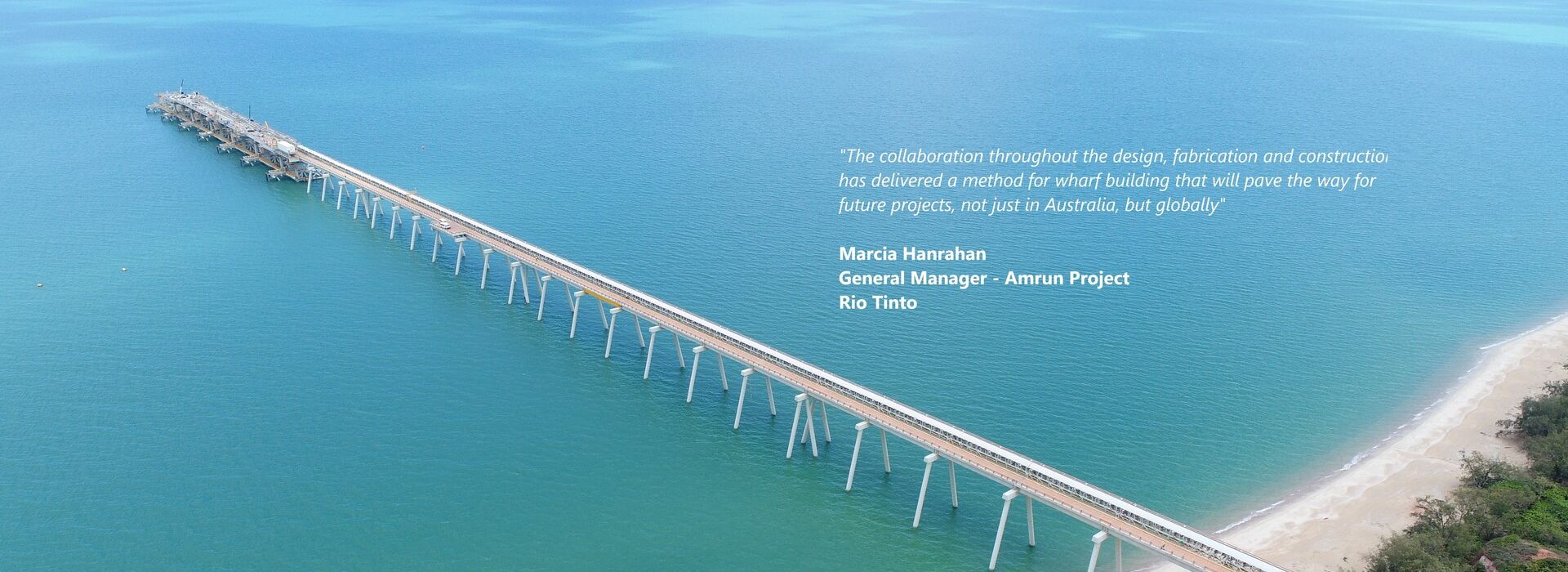
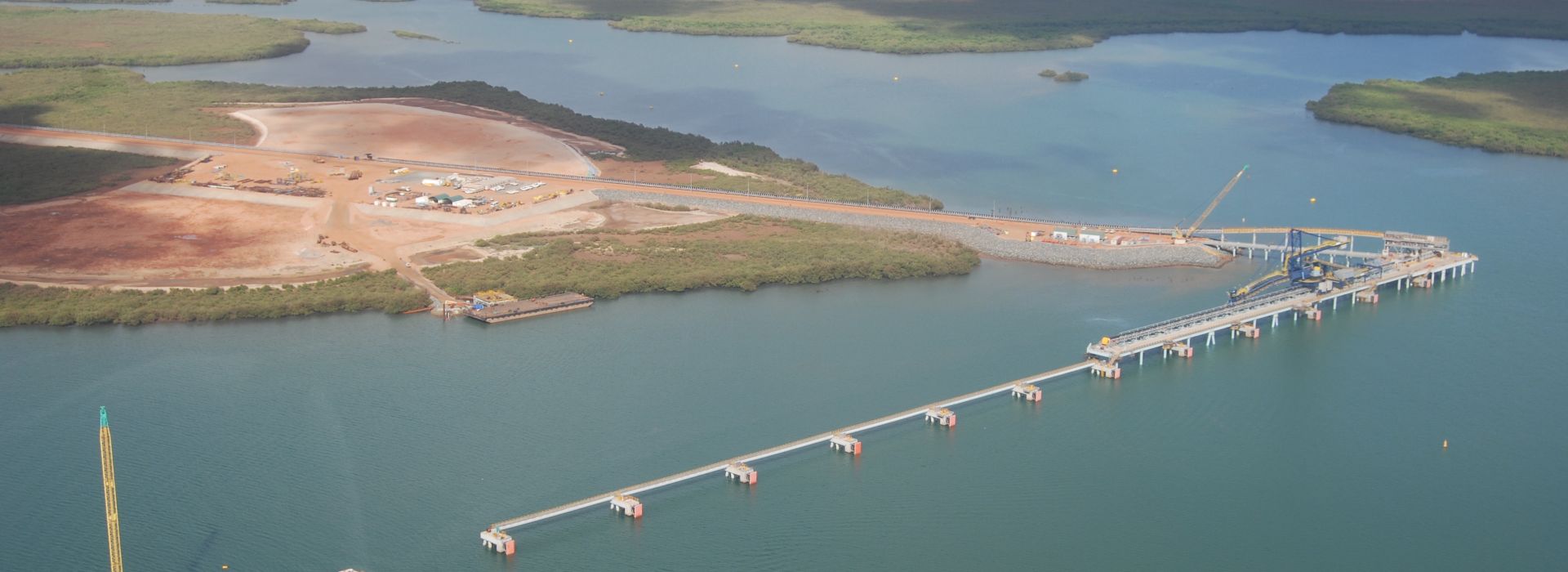
We revolutionised the design and construction of large-scale marine infrastructure when we delivered the Chith Export Facility - a large, complex and remotely located project for Rio Tinto at their Amrun bauxite mine, south of Weipa in Far North Queensland.
The facility comprises a 650 m access jetty, a 350 m loading wharf and an onshore conveyor system. Innovatively designed by Jacobs and constructed by us in just 10 months, modularisation was at the heart of the solution and our project team took it to new levels in scale and breadth.
Fast Facts
- 650 m access jetty
- 350 m long loading wharf
- Fully modularised construction approach
- 300,000 job-hours saved
- Build time reduced by 12 months to just 10 months
- Capital expenditure reduced by $40M
Dampier Port Upgrade Phase A & B
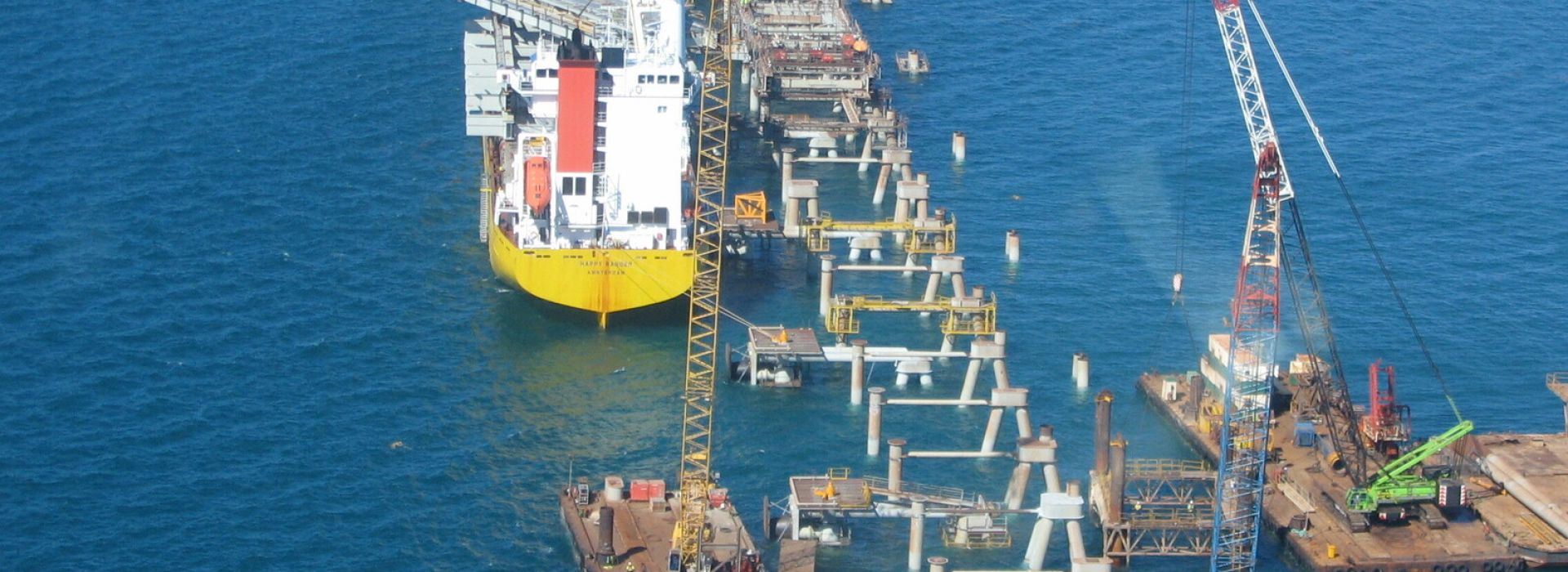
We delivered a major wharf upgrade in two phases for Rio Tinto at Dampier Port, using modularisation to accelerate construction and reduce the cost of onsite labour.
Phase A included the construction of a 455 m wharf extension, a new access jetty, tail end structure, electrical deck, and modifications to the existing wharf.
Fast Facts
- Two phase wharf upgrade
- 600 m overall wharf extension
- Extensive use of large scale modularisation
- Work successfully completed within operating port without distruption
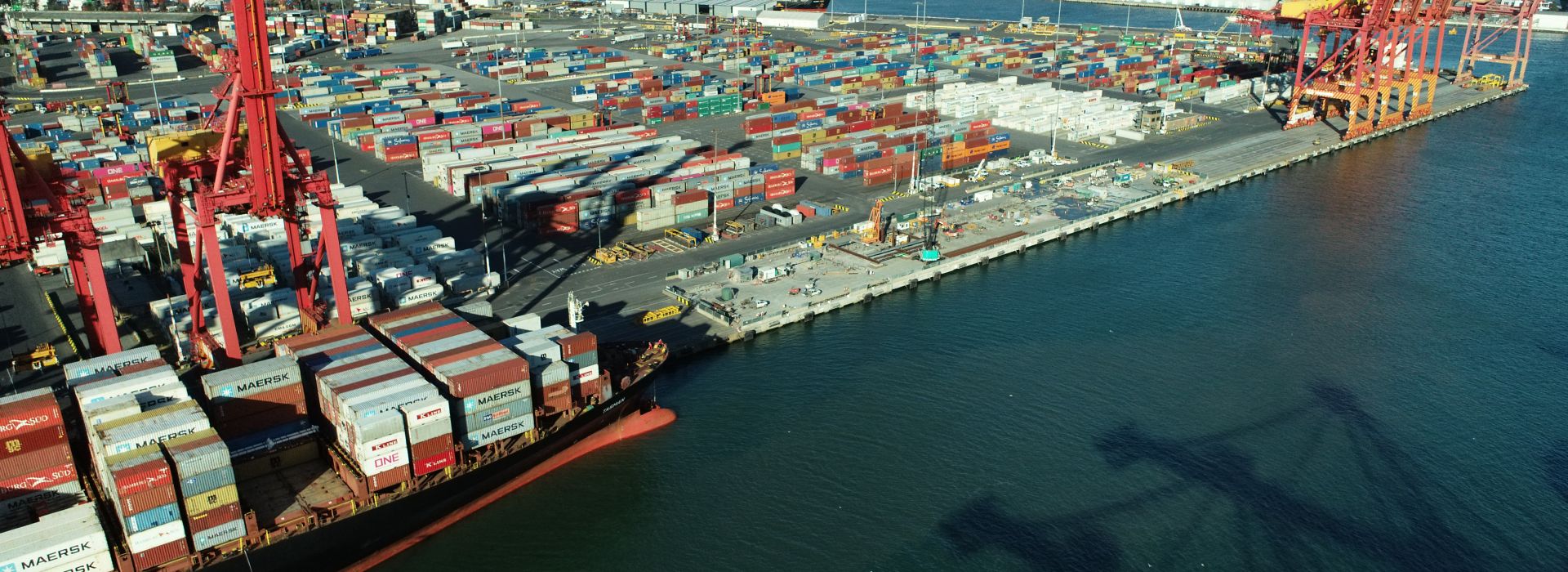
Swanson Dock West remediation
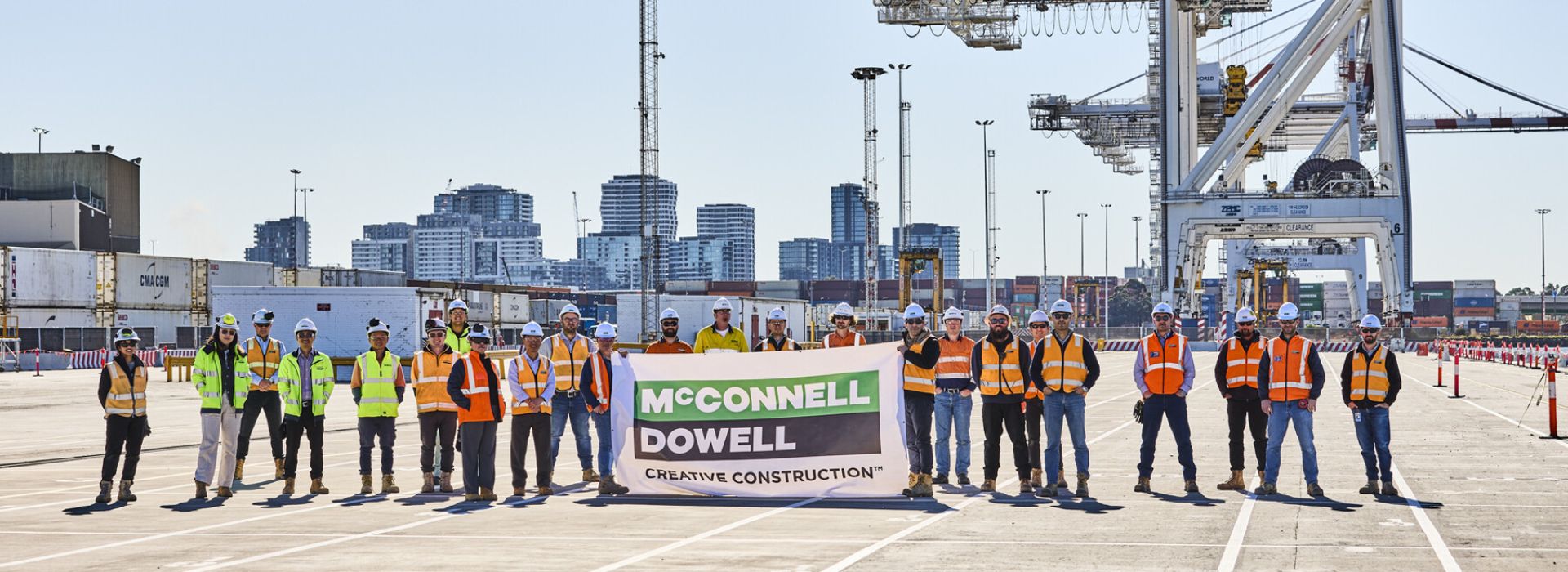
We recently completed Stage 1 of the Swanson Dock West Remediation, and are now delivering Stage 2. This is our sixth project for Port of Melbourne since 2017.
Swanson Dock West (SDW) is a critical International Container Terminal comprising of a 944 m wharf with three container-handling berths, which were constructed in several stages between the 1960s and 1980s. The existing wharf is of varying forms of construction and some sections are close to or beyond the typical design life of 30 years. As a result, major remediation was needed.
Fast Facts
- A three-staged wharf remediation project
- McConnell Dowell's sixth project for this customer since 2017
- Works programmed around operational wharf
Swanson Dock East Berths 1 & 2 Rehabilitation
Collaborative Approach, Safety Focus, and Minimising Disruptions in Port Rehabilitation Project
Working in collaboration with the Port of Melbourne, we successfully completed four contracts at Swanson Dock between 2017 and 2020.
After completing the award winning Port Capacity Project, we continued our partnership with Port of Melbourne with a series of smaller contracts to rehabilitate the iconic Swanson Dock - the heart of Australia's busiest container terminal.
Fast Facts
- Multiple projects successfully completed without disrupting port operations
- 412 piles driven
- 570 tonnes of reinforcement used
- 3,600 m2 of new wharf deck laid
Mardie Salt & Potash Marine Structures
Delivering new marine facilities to grow Australian exports
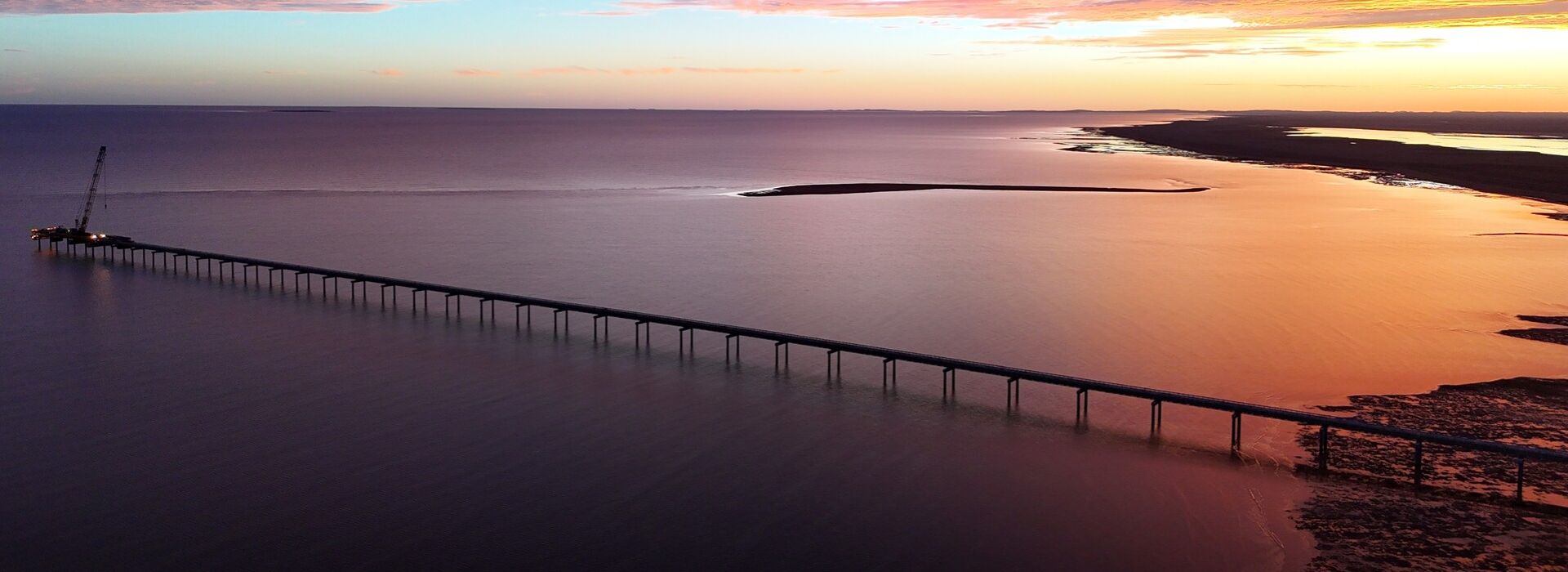
We designed and constructed the marine structures for BCI Minerals’ Mardie Salt & Potash Project in Western Australia, using our innovative canti-traveller system for speed and low impact delivery.
The 'Mardie' Project is a large-scale, solar evaporation operation on the Pilbara coast. Capacity of the completed facility is estimated to be 5.35 million tonnes per annum of high purity salt and 140,000 tonnes per annum of sulphate of potash, over an operating life of at least 60 years.
Fast Facts
- 2.4 km long jetty with berthing and mooring dolphins
- 200 steel piles, up to 30 metres long
- 100 m of jetty completed every 10 days using innovative canti-traveller system
FMG Berths 1-4
At the height of the Australian resources boom (2004-2014), we became the marine partner of choice for Fortescue Metals Group (FMG), as they developed the infrastructure to support their new iron ore export business.
Fast Facts
- 4 major wharves completed over 5 years
- Berth 1: 270 m wharf, 100 m approach jetty, load-out conveyor
- Berth 2: 400 m wharf and extension to load-out conveyor
- Berth 3: 375 m wharf, duplicate load-out system
- Berth 4: 415 m wharf, elevated conveyor system
Port Capacity Project - Webb Dock
Enhancing and expanding Australia's busiest container port
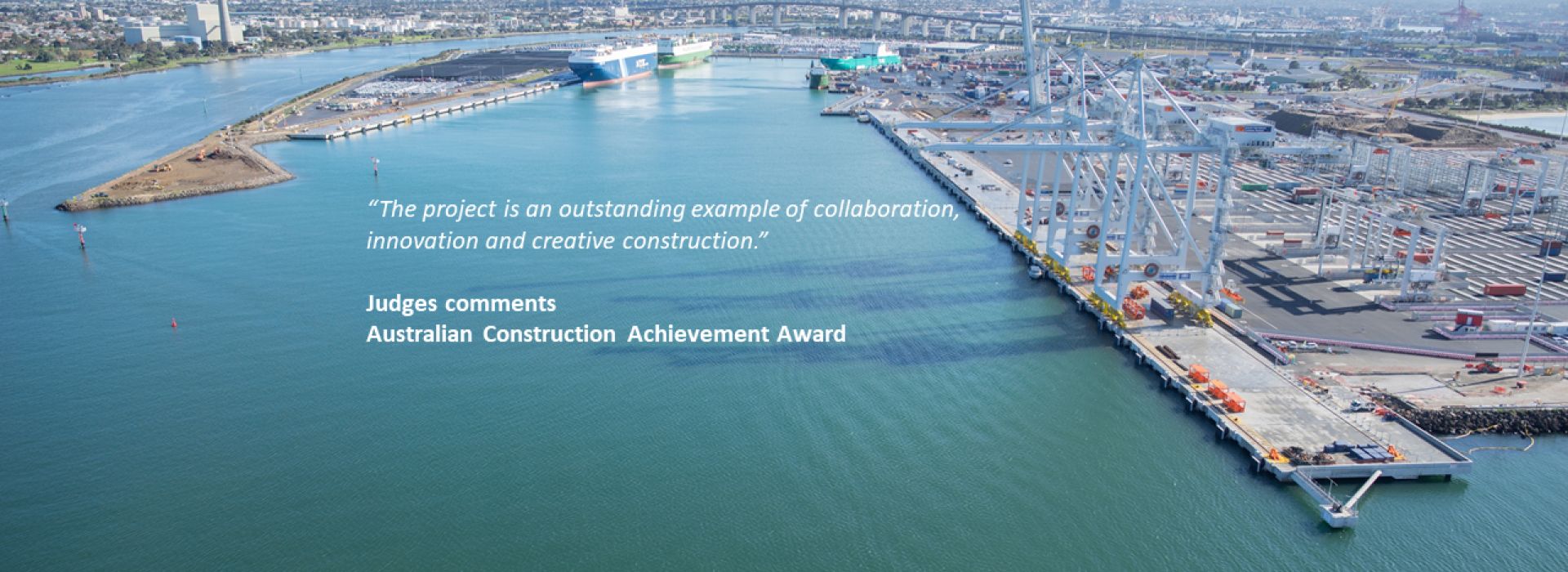
We received the Australian construction industry's highest accolade for this major wharf redevelopment within Melbourne's main port precinct.
This was a large and complex marine project delivered within Australia's busiest operational container port, and within very tight environmental controls to protect the rich marine life within the surrounding bay.
Fast Facts
- 900 tubular steel piles up to 1500 mm diameter and 45 m long driven as single length piles.
- 40,000 m³ of structural concrete.
- 10,000 tonnes of reinforcing steel.
- 40,000 m of sheet pile installation.
- 210,000 tonnes of imported quarry product.
- 15,000 m³ of rehabilitated concrete deck.
Port Kembla Outer Harbour Tug Berth
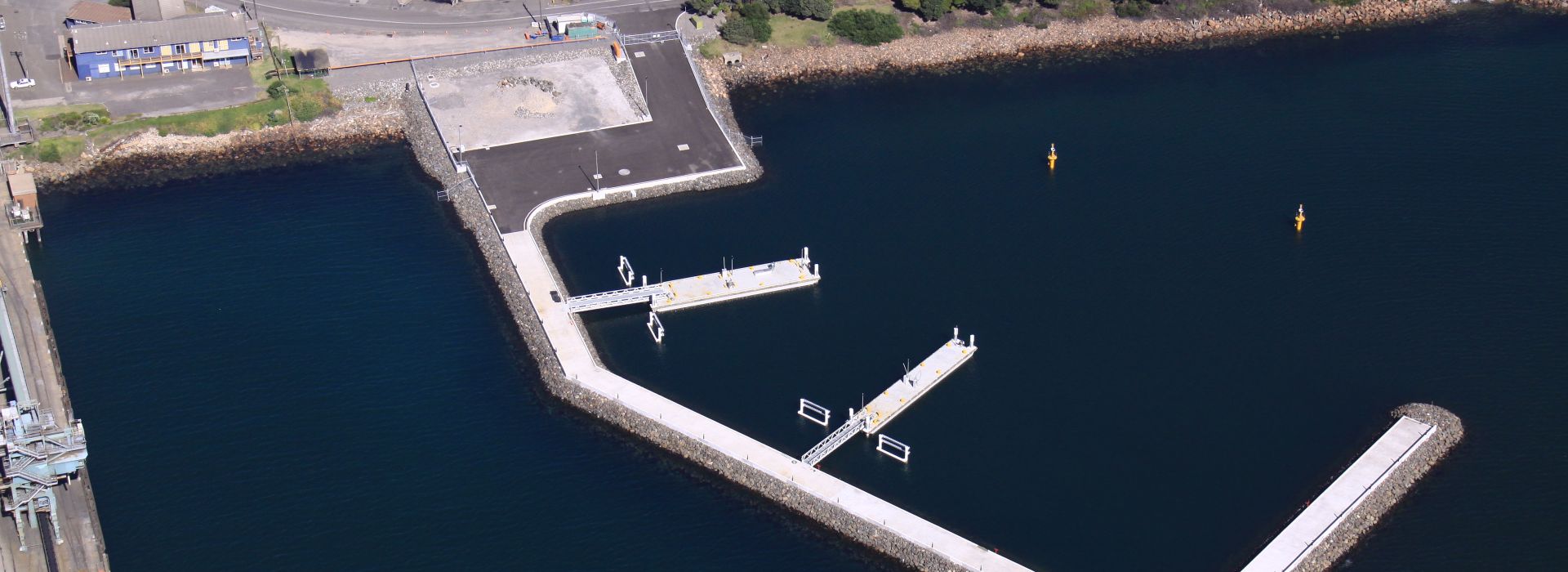
When Port Kembla Port Corporation needed to replace one of NSW's oldest jetties, we brought their vision to fruition and turned what was a liability into a world-class asset.
We constructed a new 270 m long breakwater jetty using 90,000 m3 of imported rockfill and 20,000 m3 of rock armour. Prior to commencing the works, approximately 30,000 m3 of sandy clay, stiff clay and loose rock was dredged from the harbour floor using a Cutter Suction Dredge (CSD) and pumped one km into the outer harbour.
Fast Facts
- 270 m long breakwater
- 90,000 m3 of imported rockfill
- 30,000 m3 of dredging
- 1800 m2 of asphalt paving
- Two navigation beacons installed
Roy Hill Iron Ore Project (Marine Works)
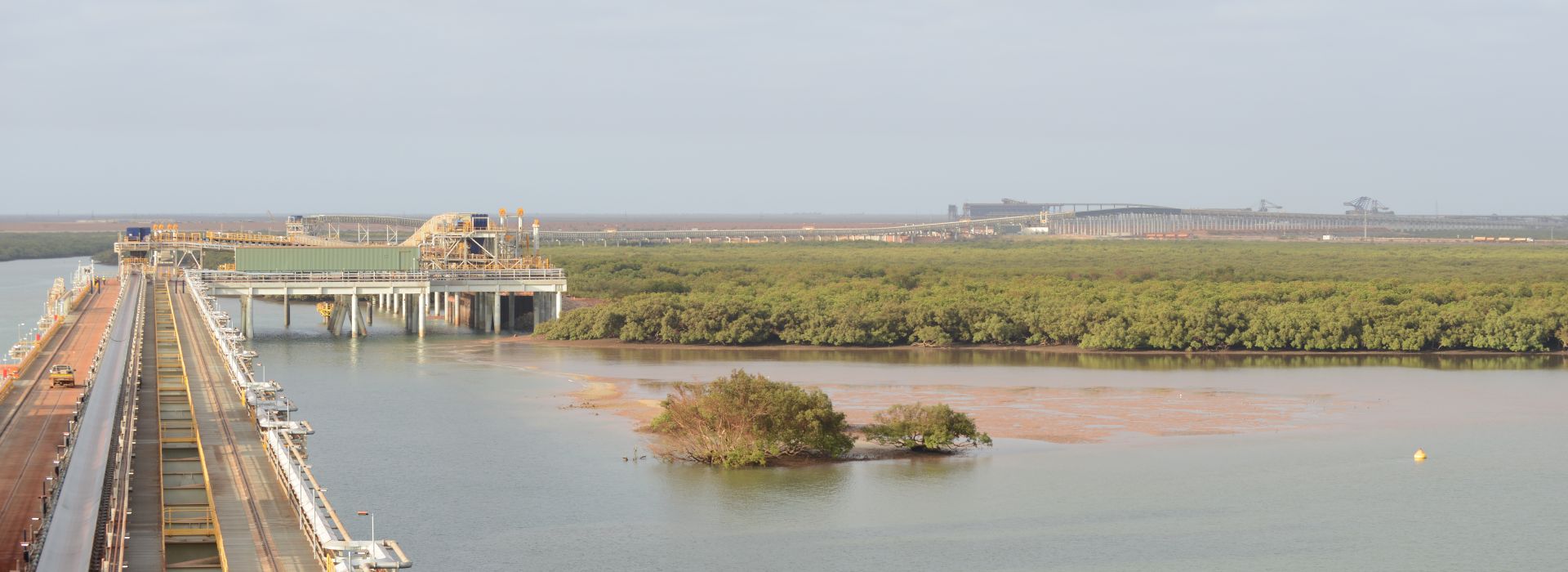
As part of the $10 billion Roy Hill Iron Ore project, we designed and constructed the Stanley Point Iron Ore Terminal at Port Hedland. We used substantial prefabrication and our innovative temporary works system for low impact, high productivity construction.
Our scope consisted of a two berth iron ore load out wharf, connected with a 3600 m long elevated road and overland conveyor to the ore stockyard. In addition to the wharf and the overland conveyor, we delivered an abutment, drive stations, three transfer stations and all SMPE&I works.
Fast Facts
- Two berth load out wharf
- 800 m long wharves
- 30,000 T design and supply steelwork
- 4.5 km of conveyor steelwork
- 3,600 m elevated road and conveyor
- Prefabrication to increase safety and savings to client
Marine
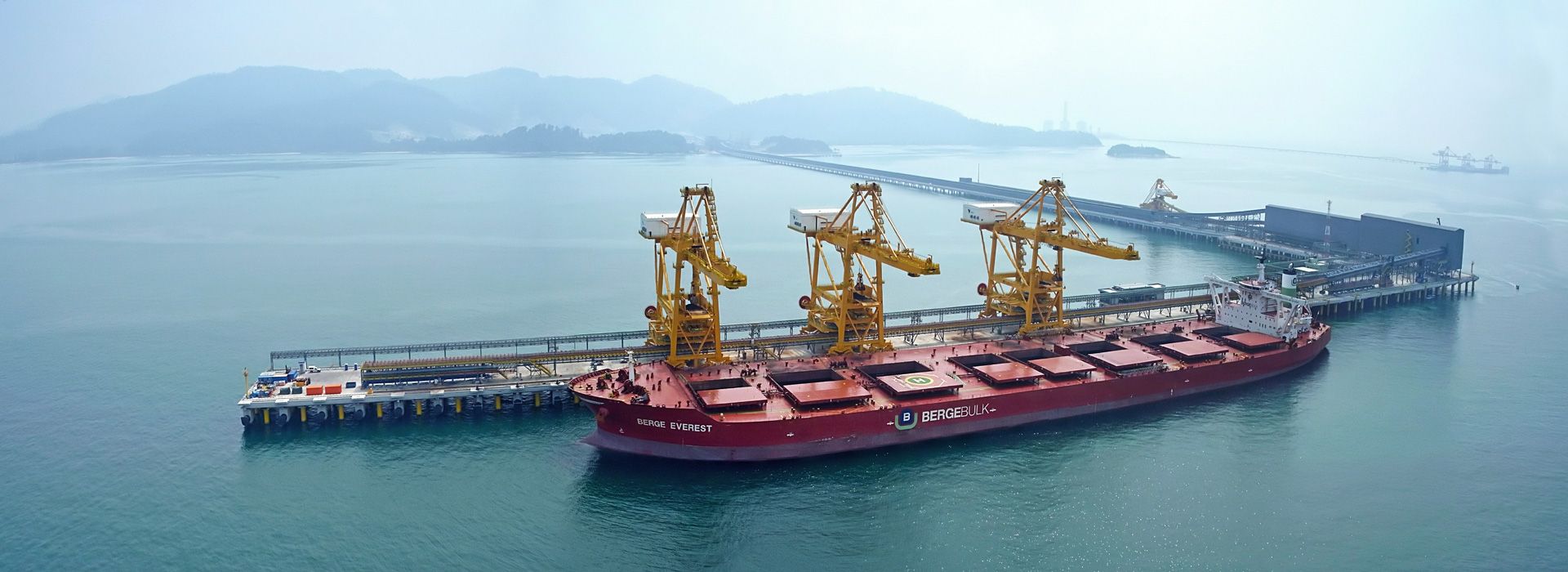
With over 330 marine projects completed across six decades, McConnell Dowell is synonymous with marine infrastructure.
From wharves and jetties to ocean outfalls, breakwaters, and submarine pipelines — we bring coastal confidence to every project.
Our modular approach to construction has helped create productive ports for clients like Rio Tinto, FMG, Vale, and BHP, where over 1.2 billion tonnes of iron ore are shipped annually from wharves we built.
We thrive in complex, operational environments — delivering innovative temporary works and safe, efficient methods that protect people, environment, and productivity. From purpose-built barges to proven marine systems, we engineer safe harbours with precision and care.
At McConnell Dowell, we don’t just build marine infrastructure — we deliver it with certainty, creativity, and a commitment to results.
Closing Text - General, with video, no contacts
Summary
Thank you for taking an interest in McConnell Dowell's skills, capabilities and approach. Additional information is available on our website, including additional project case studies.
Contacts
Claire Tanner
Pre-Contracts Manager SA & WA
M: +61 (0)418 645 297
claire.tanner@mcdgroup.com LinkedIn