Capability Statement
Prepared for MCD Internal
May 2026
Creative Construction
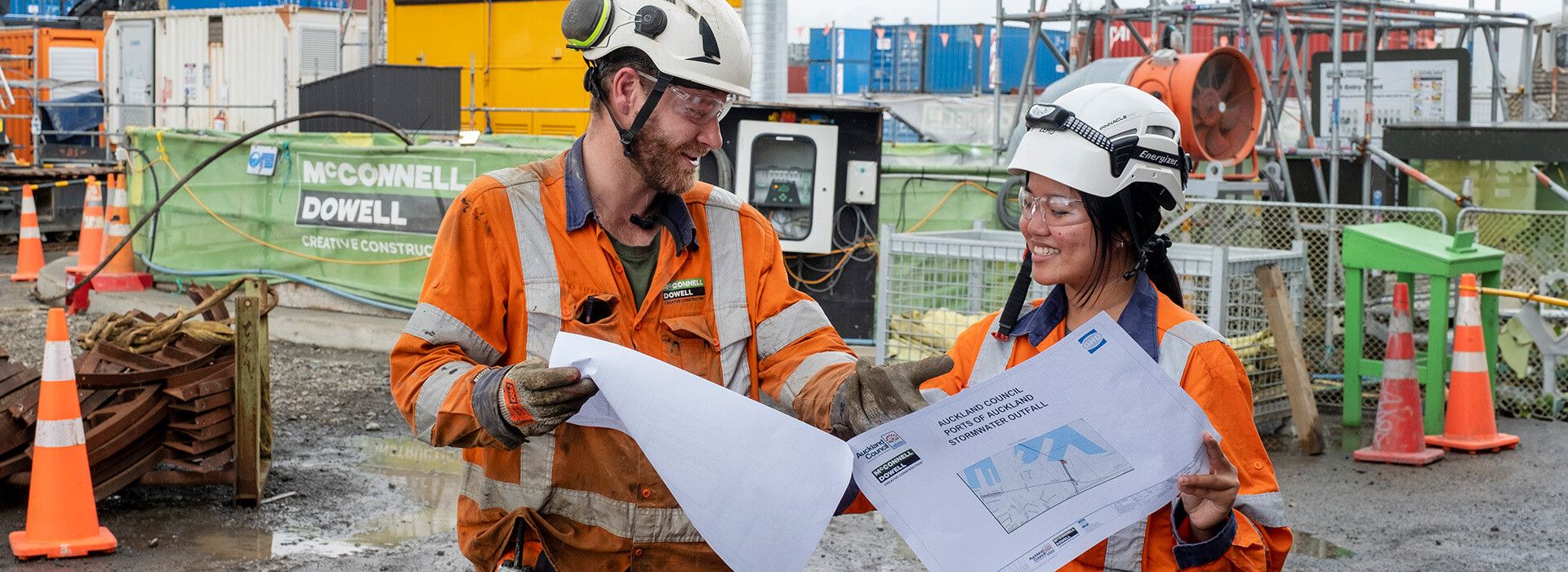
Creative Construction at McConnell Dowell is the inspired engineering behind the complex infrastructure we deliver.
It's the technical problems and challenges solved behind the scenes by people empowered to think creatively and work collaboratively. It’s the alternative idea or innovation that saves time, reduces cost, makes us safer, and delivers more value.
It might not always be evident when you look at the end product, but it's there, inside every McConnell Dowell project.
Adelaide Living Beaches
Enhanced coastal protection and improved recreational beach amenity in Adelaide
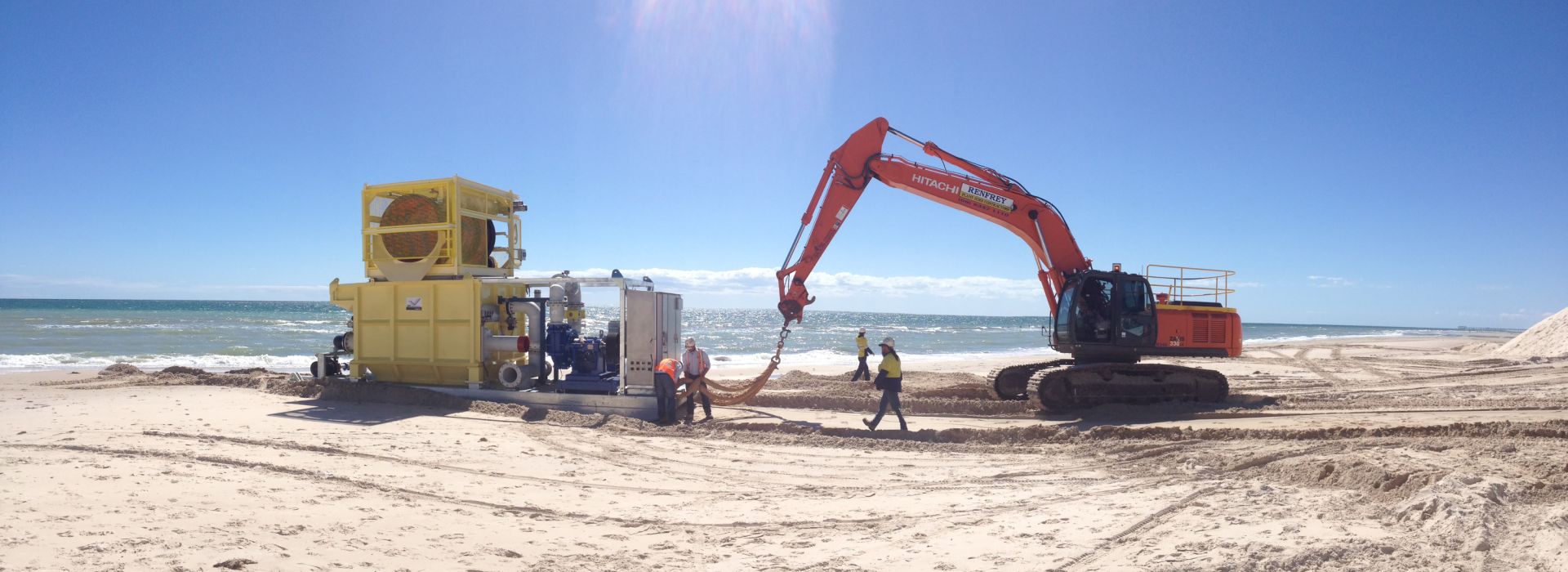
We designed, constructed, commissioned and now operate the Adelaide Living Beaches Sand Transfer Infrastructure project in South Australia. Through this network of pipes and pumps we're moving 150,000 cubic metres of sand each year, mantaining the health and amenity of Adelaide's inner beaches.
Sea conditions along Adelaide’s metropolitan coastline results in longshore drift of sand from south to north, stripping the southern beaches of sand when not replenished.
Fast Facts
- Up to 150,000 m3 of sand transfer per year
- 9 km of slurry delivery pipework
- 7 km of seawater supply pipework
- 5 slurry and 2 seawater pumping stations
- 16 sand discharge points
Tweed River Entrance Sand Bypassing Facility
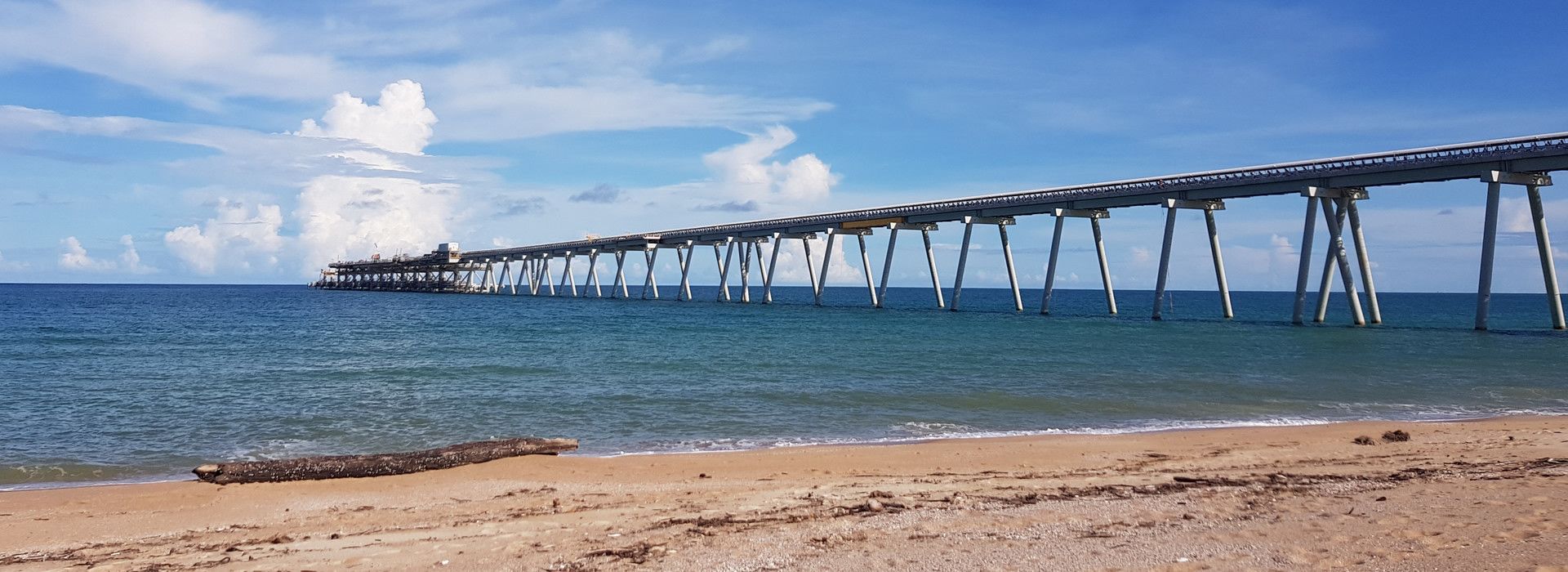
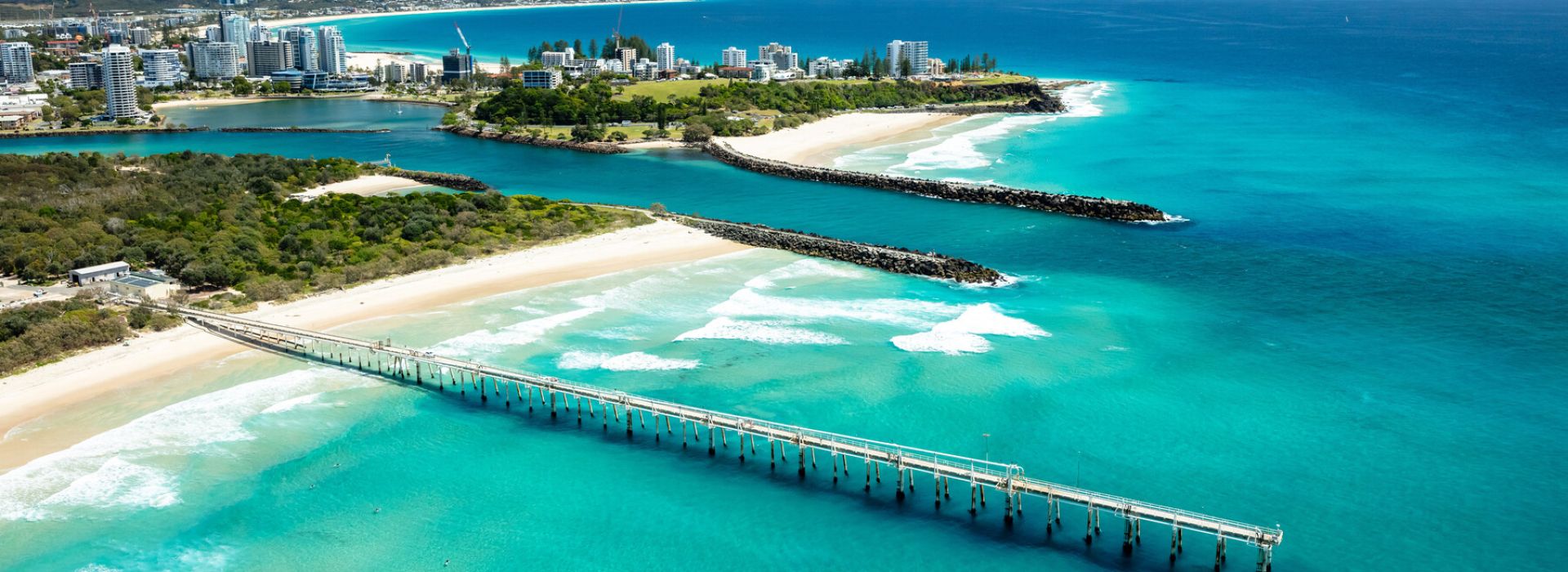
We devised, designed, constructed and operated the unique Tweed River Entrance Sand Bypassing system, building it in the late 1990s and operating it for 25 years. The facility ensures a safe and navigable entrance to the Tweed River, and maintains the ecology and amenity of beaches on the southern Gold Coast.
The centrepiece of the facility is the sand collection jetty which is approximately 450 m long and extends approx 300 m from the shoreline. A sand trap or depression is formed under the jetty by the operation of 10 submerged jet pumps approximately 10 m below the seabed. Natural wave action feeds sand into this trap. Up to five jet pumps are then used to create a sand-water flume which flows under gravity to the control area.
Fast Facts
- 450 m long jetty equipped with sand pumping system
- 10 submerged jet pumps approximately 10 m below the seabed
- 5 km long slurry pipeline
- Peak sand transport capacity: 1,000 tonnes per hour
- Queesland winner - Australian Institute of Project Management
- 25 years of successful operations
Taputimu Seawall
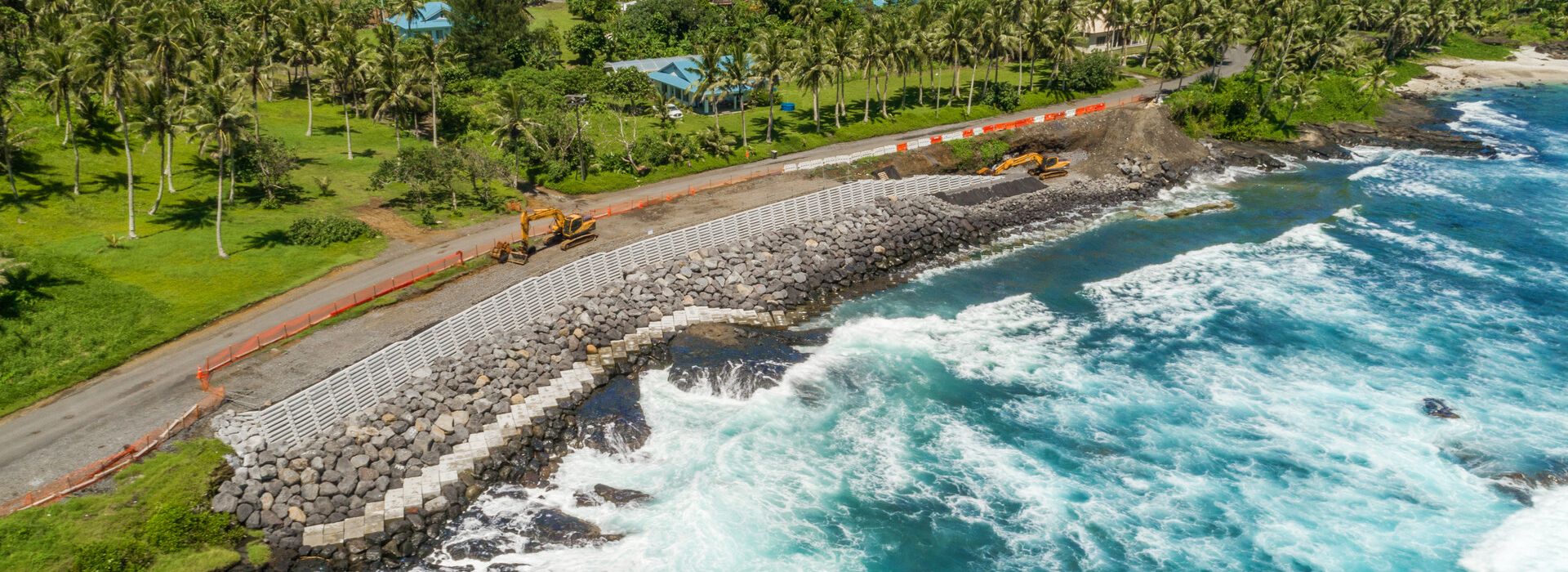
When a devastating earthquake and multiple tsunamis hit the island of Tutuila, the Department of Public Works of American Samoa engaged us to construct a new 390 feet (119m) sea wall at Taputimu, in the southwest of the Island.
To create the shoreline protection, our team first built 318 lineal feet of rock revetment, before constructing the crib wall on top.
Fast Facts
- 119 m long new seawall
- 100 m of rock revetment
- Crib wall top
Taupō Control Gates Erosion Repair
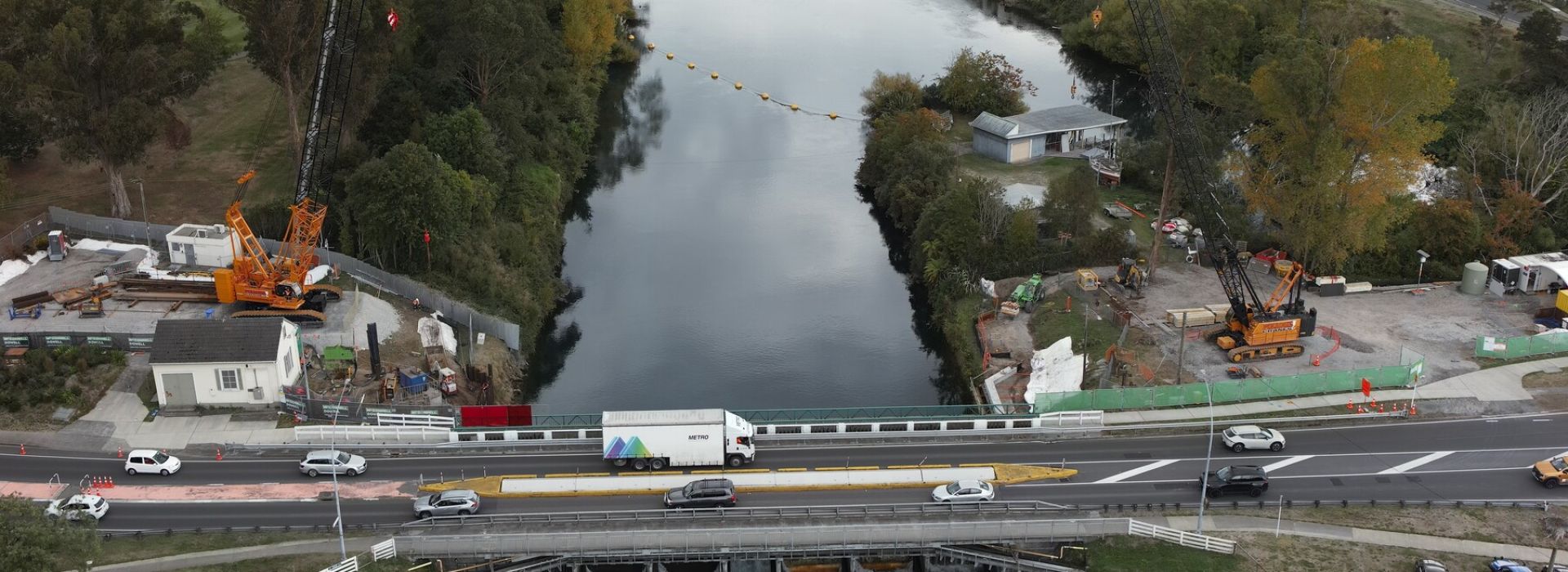
Completing erosion repairs to protect the Waikato Hydro System
The project scope included stabilising the banks of the Waikato River alongside the control gates that manage water flow to the Waikato Hydropower System.
Powerful water flows erode the banks alongside the gates, and Mercury’s asset surveillance regime had identified the need for intervention to prevent further erosion.
Fast Facts
- Design and construction of work to stabilise the banks of the Waikato River
- 36 m of sheet piling upstream
- and 122 m3 of grouting downstream
Tri-Marine Dock, Seawall and Wharf
Enhancing and expanding cannery facilities to increase capacity and operational continuity
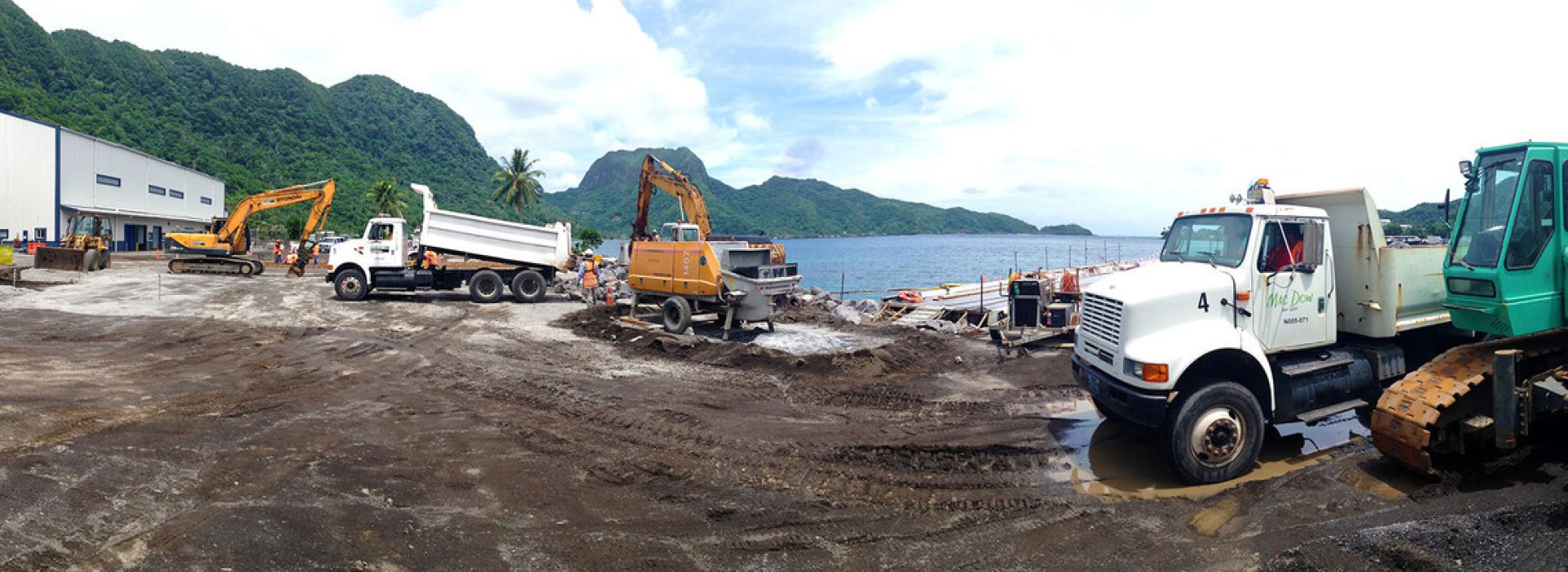
We designed and constructed a new ocean wharf, seawall, and concrete and asphalt hardstands, to improve access and operations at this 70 year old tuna canning facility in American Samoa.
Our scope consisted of the design of all works, reclamation of just over 5,000 m2 of the foreshore, construction of a 125 m long new rock seawall and natural rock revetments, drainage works, pavement construction, and dredging of the seabed around the wharf to enable the fishing fleet access.
Fast Facts
- 30 m long wharf
- 125 m long seawall 4 m below mean sea level with toe armour
- 12 x 600 mm dia steel pipes, 20 m long
- 5,000 m² of foreshore reclamation
- 0 LTI and MTI
Eyre Peninsula Marine Works
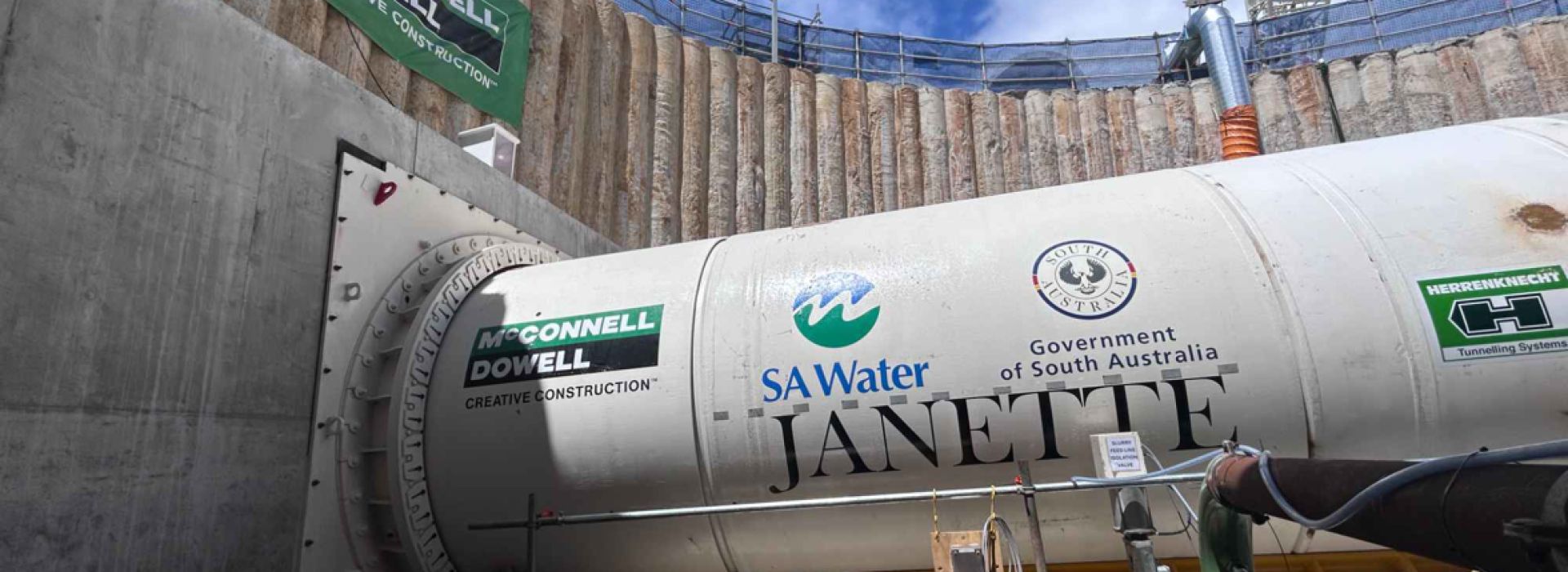
We're delivering the Eyre Peninsula Desalination Plant Marine Works for SA Water.
This project plays a key role in supporting a more reliable and climate independent water supply for the Eyre Peninsula, reducing reliance on the Uley South Basin and preparing the region for future growth.
Fast Facts
- Micro-tunnelled intake and outfall pipelines
- Minor dredging
- Installation of intake tower and outfall diffuser
Snells Algies Wastewater Pipe & Outfall
Improving wastewater infrastructure while minimising disruption
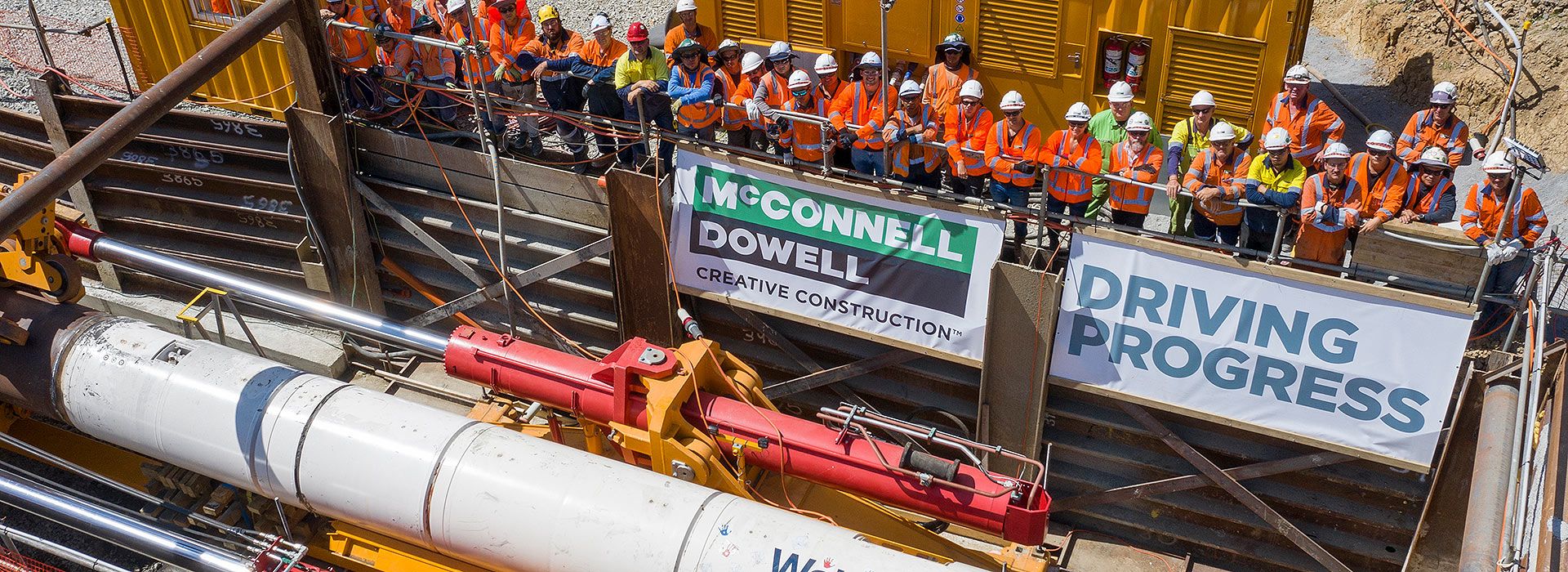
Proposing a trenchless solution to minimise disruption, Watercare Services awarded us the Snells Algies wastewater pipe and outfall construction project. It resulted in new world record - a 2021 metre long Direct Pipe® drive delivered using a micro tunnel boring machine.
The project was the first phase of a three-phased scheme to improve water quality in the Mahurangi Harbour and cater for population growth in the Warkworth and Mahurangi East communities north of Auckland.
Fast Facts
- 2021 m world record Direct Pipe® drive by MTBM
- 4.3 km of 630 mm diameter HDPE pressure/gravity main installed in open trench
- 2 km of 1.2 m diameter steel pipe installed using the Direct Pipe® system
- 230 m outfall pipeline
- 530 m of 710 mm diameter HDPE pipe using horizontal directional drilling (HDD)
- 1220 mm OD steel pipe for the Direct Pipe®, 32 mm wall thickness
Taharoa Buoy Relocation
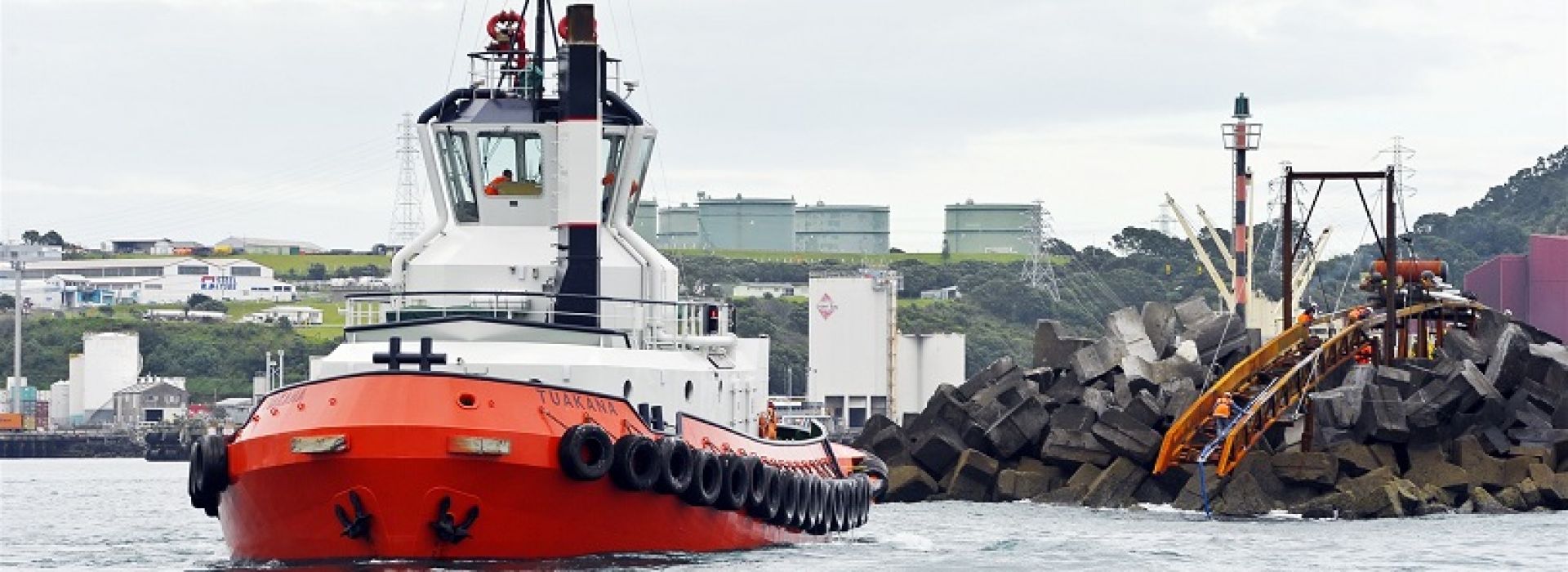
Engaged by New Zealand Steel Mining, we relocated and extended a slurry line to their Single Buoy Mooring (SBM) to cater for larger vessels. The project was located in a remote, rugged west coast environment, with subsea pipelaying in 35 m deep seas, and working windows restricted due to weather.
The mine processes iron sand into a concentrate, which is stockpiled and periodically pumped via fresh water slurry to an export ship moored at the SBM 3 km offshore. Replacement of the export vessel with a new, larger capacity vessel required more sea room to manoeuvre into, and away from the SBM. Hence its relocation and the need for the pipeline extension.
Fast Facts
- 500 m pipeline extension
- 70 nm submerged pipeline tow
- Zero LTIs
Warkworth to Snells Transfer Pipeline
Enhancing wastewater management for a sustainable future
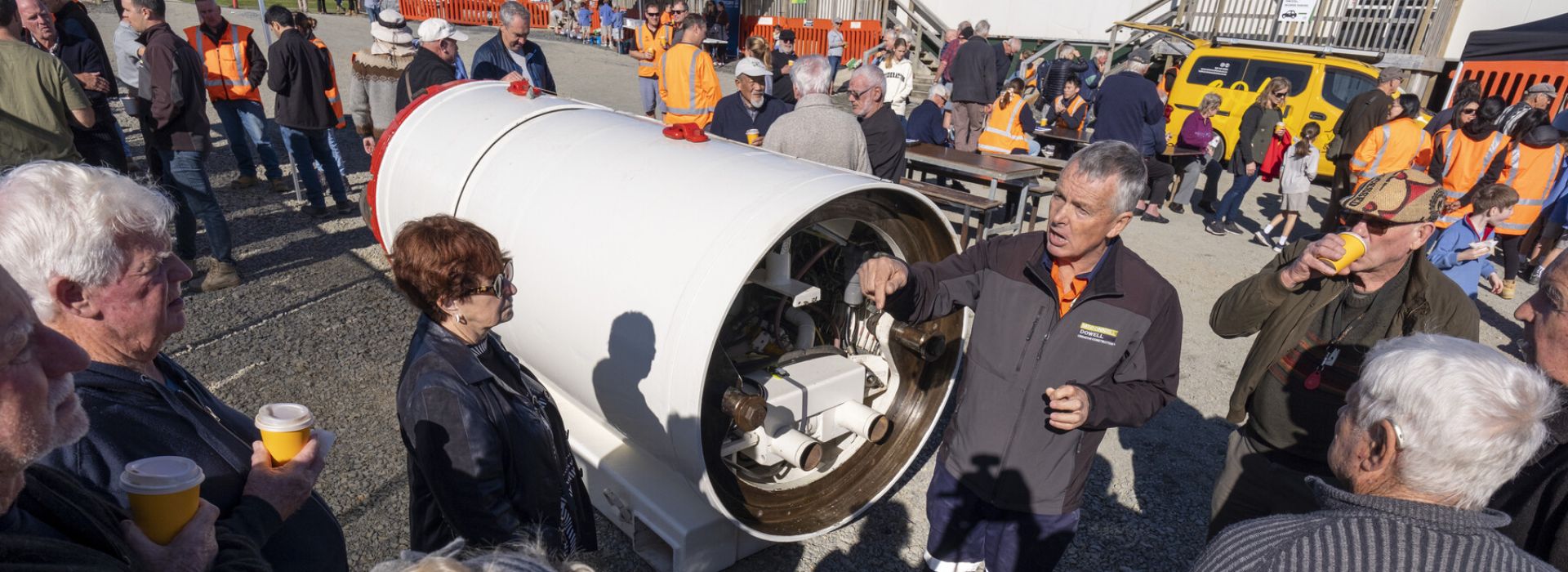
Drawing on our industry-leading trenchless construction experience, we delivered the Warkworth to Snells Transfer Pipeline for Watercare, continuing our strong relationship with them.
The project was part of Watercare's North-East Wastewater Servicing Scheme, which conveyed wastewater from Warkworth to Snells Beach. The scheme will cater for future growth and enable Watercare to decommission the existing Warkworth Wastewater Treatment Plant, which discharges into the Mahurangi River.
Fast Facts
- 1.4 km long dual rising main
- 3.6 km long single gravity sewer
- 409 steel pipes, each 1219 mm in diameter and weighing 6.85 tonnes
- Water NZ Project of the Year 2025
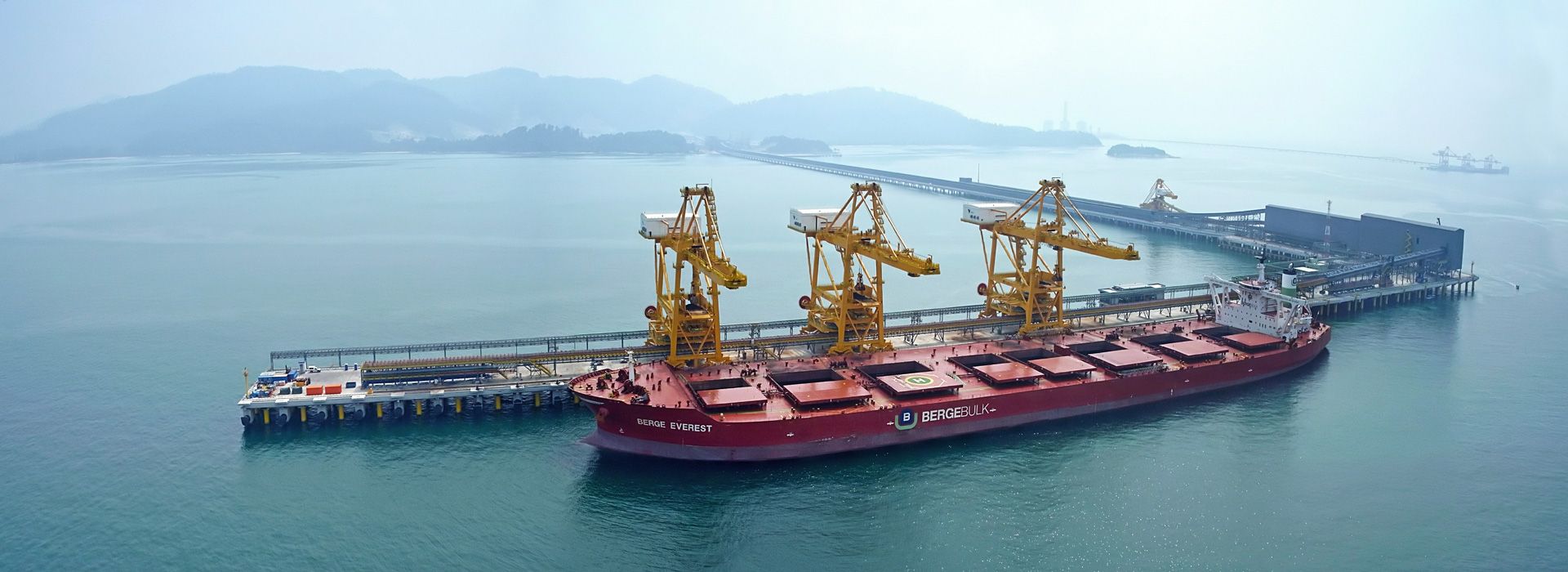
Marine
With over 330 marine projects completed across six decades, McConnell Dowell is synonymous with marine infrastructure.
From wharves and jetties to ocean outfalls, breakwaters, and submarine pipelines — we bring coastal confidence to every project.
Our modular approach to construction has helped create productive ports for clients like Rio Tinto, FMG, Vale, and BHP, where over 1.2 billion tonnes of iron ore are shipped annually from wharves we built.
We thrive in complex, operational environments — delivering innovative temporary works and safe, efficient methods that protect people, environment, and productivity. From purpose-built barges to proven marine systems, we engineer safe harbours with precision and care.
At McConnell Dowell, we don’t just build marine infrastructure — we deliver it with certainty, creativity, and a commitment to results.
Breakwater Road Realignment
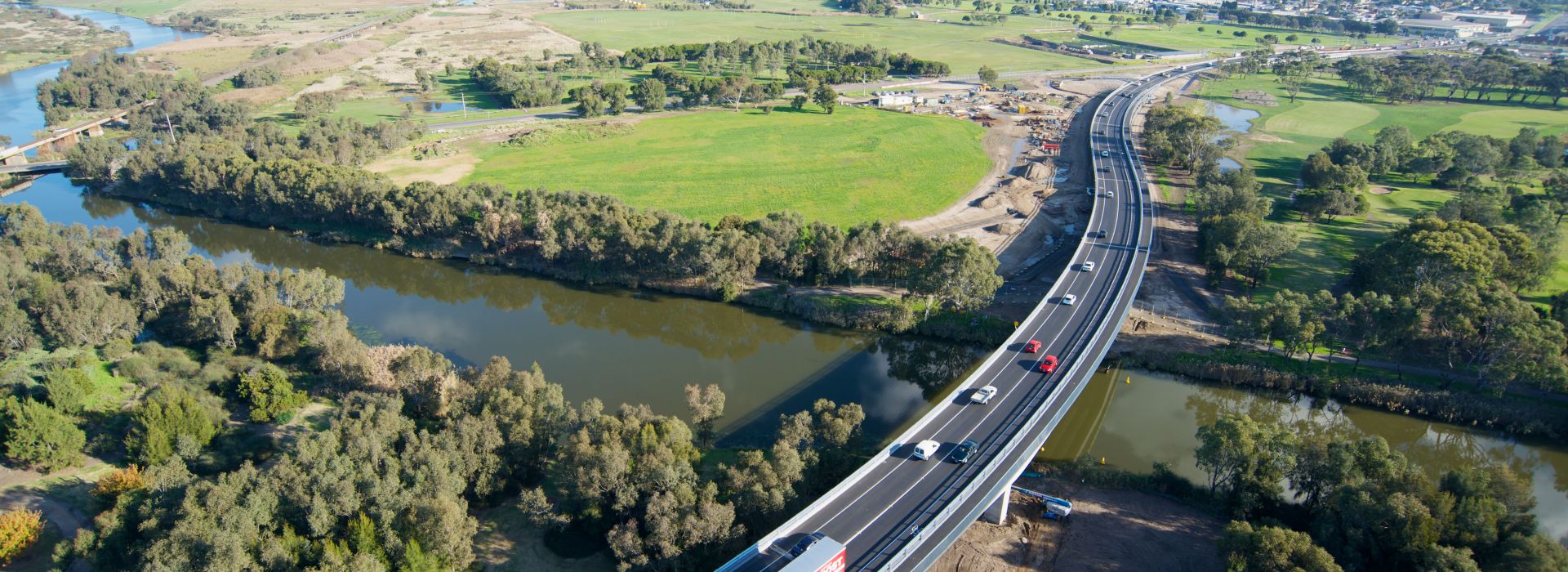
We successfully delivered the Breakwater Road Realignment project in Geelong, overcoming challenging ground conditions and saving our customer money by rethinking the construction approach.
Breakwater Road is an essential crossing of the Barwon River, carrying around 20,000 vehicles each day. The existing bridge was in a flood plain and when it rained heavily it was closed down, forcing traffic through the centre of Geelong and causing delays for drivers. There was also a height restriction with the exiting intersection which meant trucks bigger than 3.7 m couldn't fit under the Melbourne-Warrnambool rail bridge.
Fast Facts
- 453 precast box culverts
- 146 precast bridge beams
- 10,600 cubic metres of concrete
- 1,240 tonnes of steel
- 50,000 cubic metres of earth fill material
- 2,885 piles installed