Capability Statement
Prepared for Prepared for ACEN Australia
May 2026
Introduction General
Thank you for the opportunity to present this brief capability statement which details a cross-section of our skills and experience, and showcases a selection of our recent projects.
About Us (typically use first)
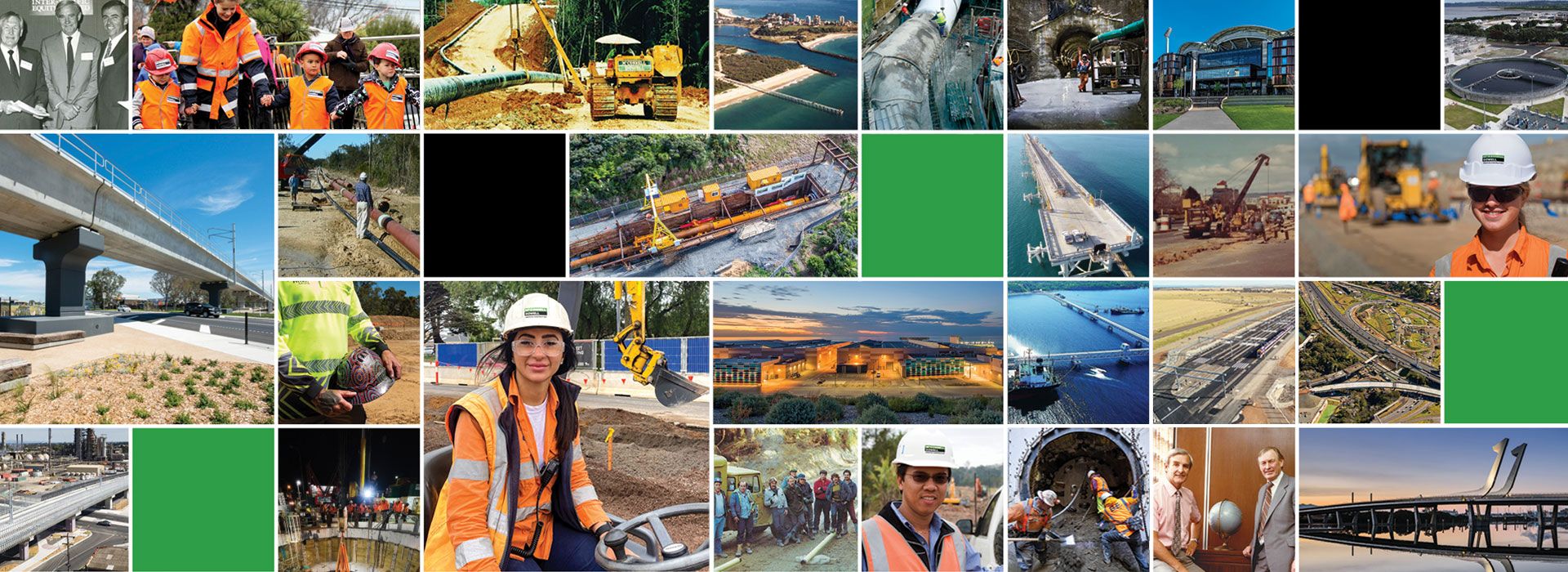
For over 65 years customers have been coming to McConnell Dowell with complex projects that require innovative solutions. That's why we're known as the Creative Construction company.
From remote resources and energy projects to city-shaping infrastructure, we've built thousands of quality assets and facilities.
Engineering-led, our expertise has grown steadily to span building, civil, electrical, fabrication, marine, mechanical, pipelines, rail, tunnel and underground construction..
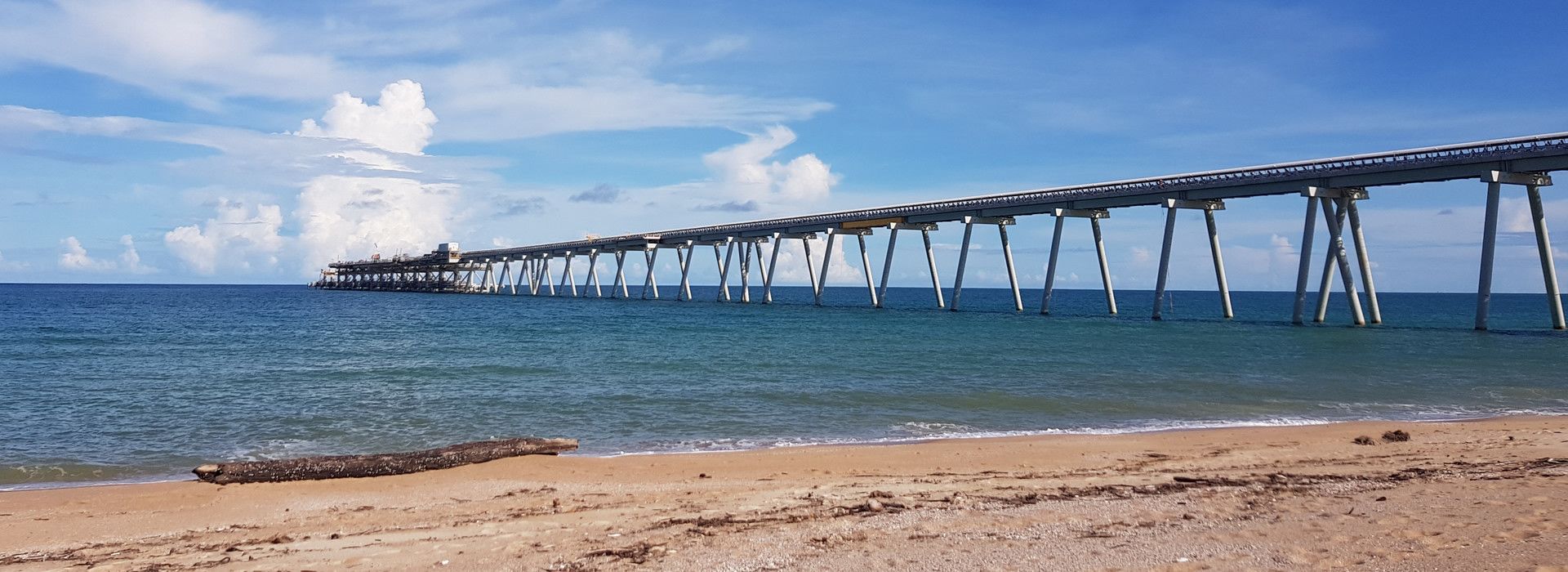
Mardie Salt & Potash Marine Structures
Delivering new marine facilities to grow Australian exports
We designed and constructed the marine structures for BCI Minerals’ Mardie Salt & Potash Project in Western Australia, using our innovative canti-traveller system for speed and low impact delivery.
The 'Mardie' Project is a large-scale, solar evaporation operation on the Pilbara coast. Capacity of the completed facility is estimated to be 5.35 million tonnes per annum of high purity salt and 140,000 tonnes per annum of sulphate of potash, over an operating life of at least 60 years.
Fast Facts
- 2.4 km long jetty with berthing and mooring dolphins
- 200 steel piles, up to 30 metres long
- 100 m of jetty completed every 10 days using innovative canti-traveller system
Chith Export Facility
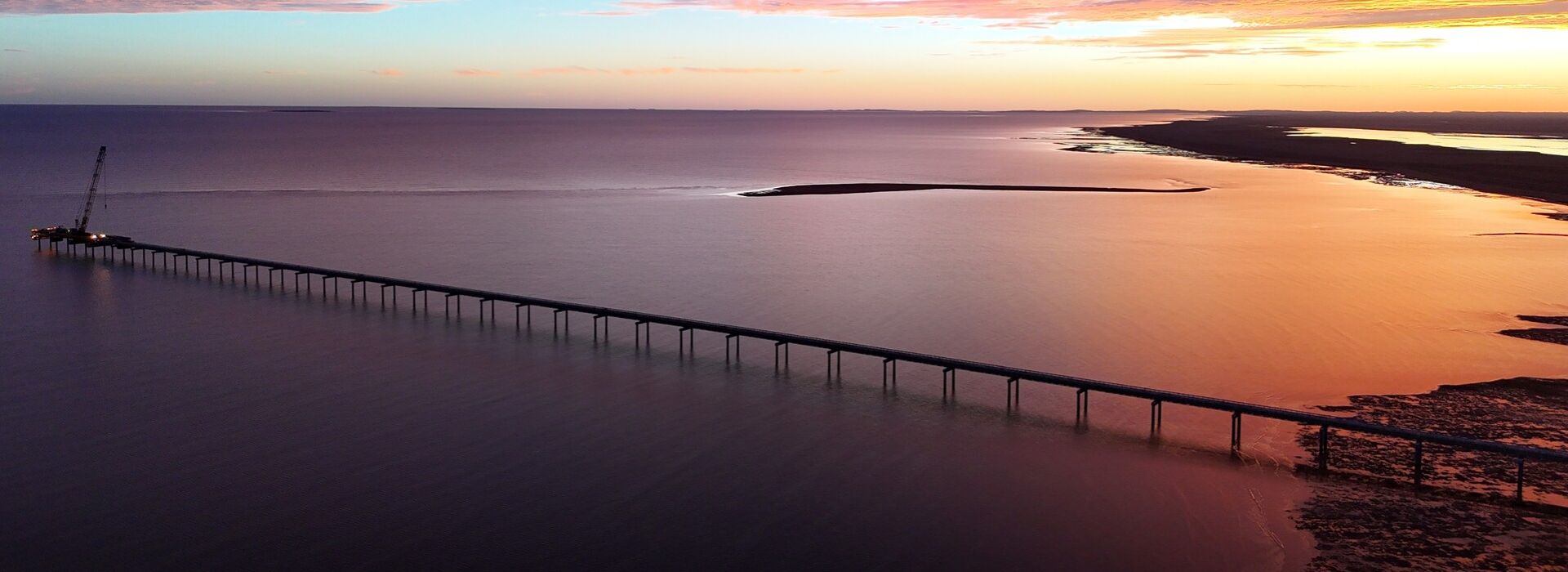
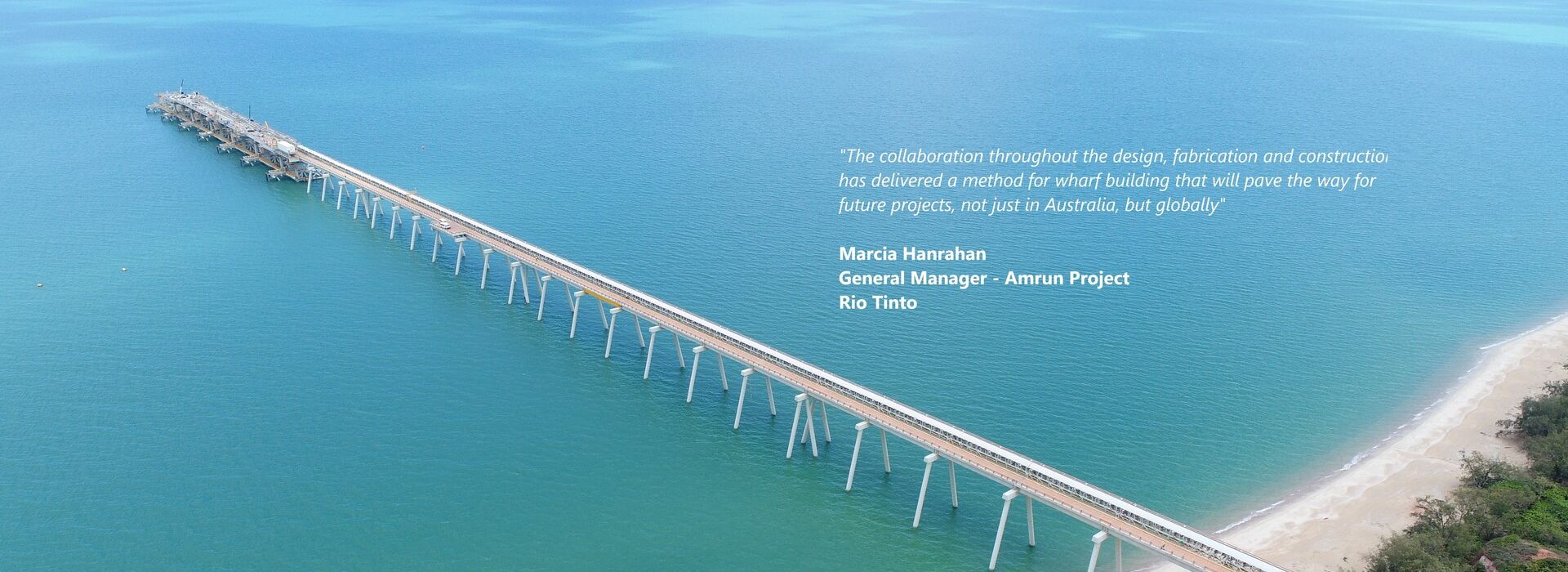
We revolutionised the design and construction of large-scale marine infrastructure when we delivered the Chith Export Facility - a large, complex and remotely located project for Rio Tinto at their Amrun bauxite mine, south of Weipa in Far North Queensland.
The facility comprises a 650 m access jetty, a 350 m loading wharf and an onshore conveyor system. Innovatively designed by Jacobs and constructed by us in just 10 months, modularisation was at the heart of the solution and our project team took it to new levels in scale and breadth.
Fast Facts
- 650 m access jetty
- 350 m long loading wharf
- Fully modularised construction approach
- 300,000 job-hours saved
- Build time reduced by 12 months to just 10 months
- Capital expenditure reduced by $40M
Energy Solutions
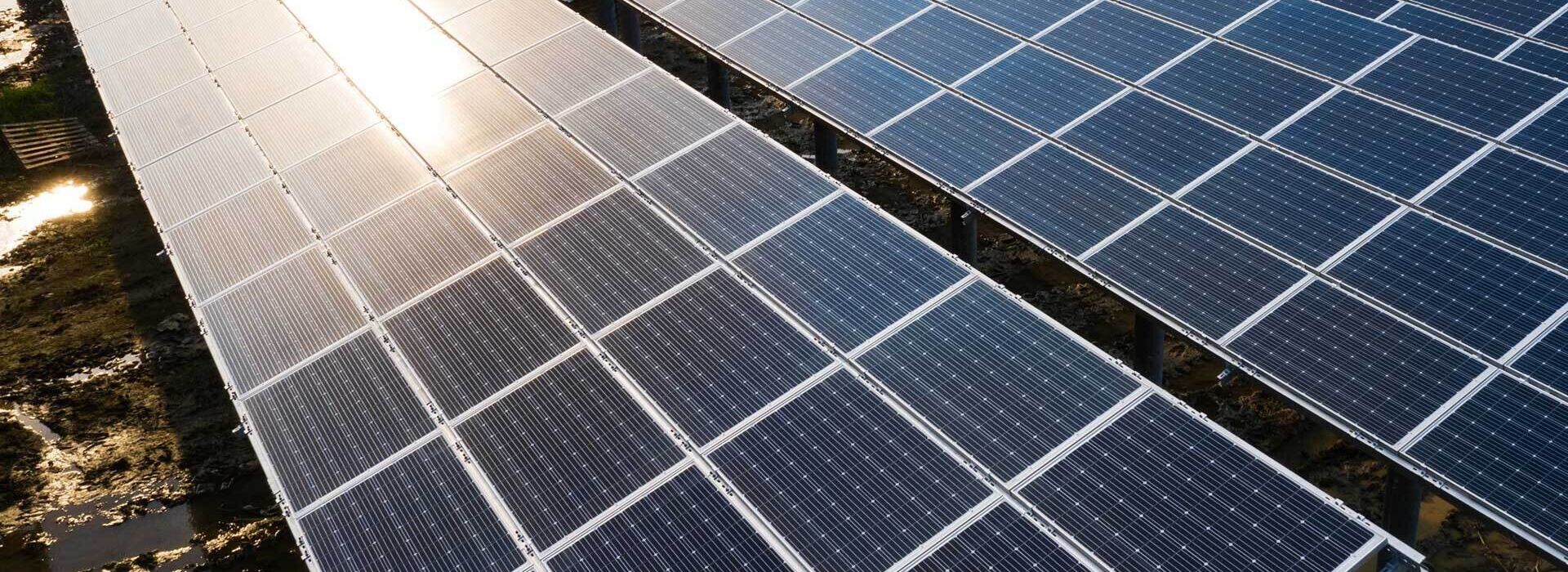
We help create safe, sustainable and efficient power infrastructure that supports today’s energy hungry and environmentally conscious communities. We deliver civil, electrical, mechanical, pipelines and tunnelling works across all power generation types.
Recent projects that reflect our capabilities in sustainable power generation include the engineering, procurement and construction of the 166 MW Te Mihi Geothermal Power Station in New Zealand; the refurbishment of the 75 MW Ambuklao and 100 MW Binga Hydropower Plants in the Philippines; and the current Kidston Pumped Storage Hydro Project in Queensland.
Kidston Pumped Storage Hydro
A game-changing project for Australia's clean energy industry
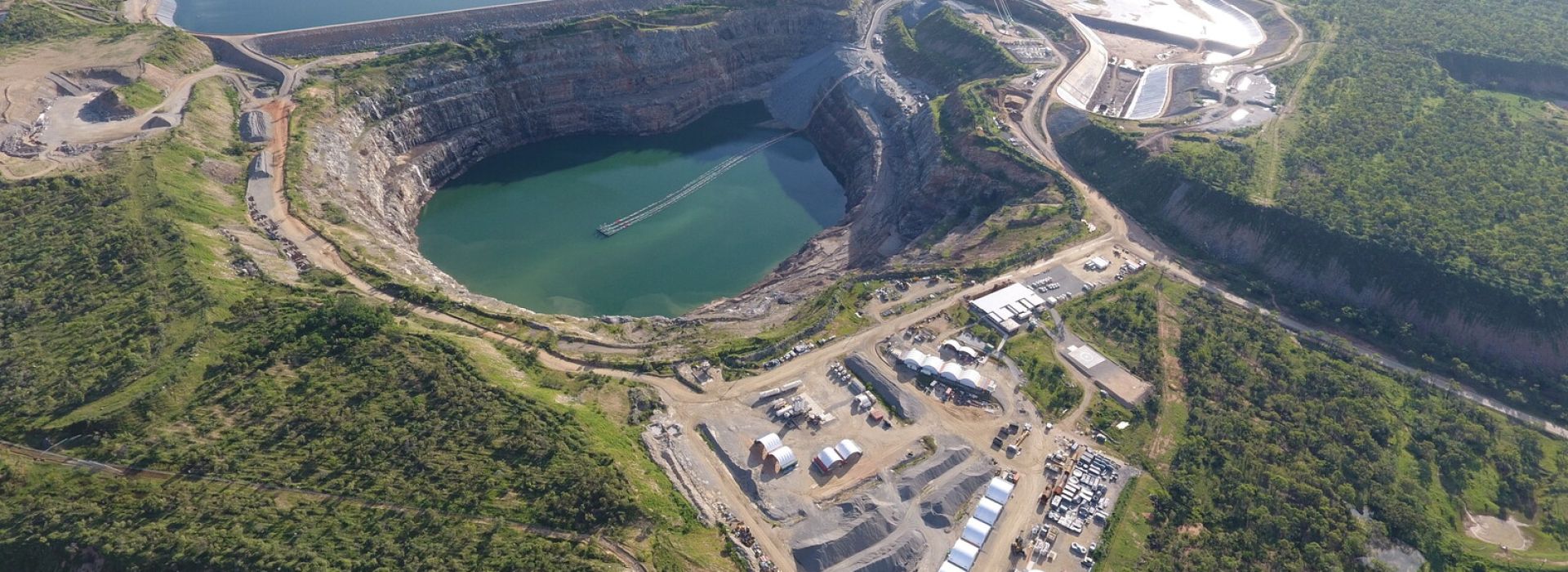
We are constructing the Kidston Pumped Storage Hydro Project in Far North Queensland - an innovative project that involves the world-first conversion of a disused gold mine into a pumped storage hydroelectric power generation facility.
This first-of-its-kind natural battery storage facility has the potential to generate up to 250 MW of rapid response (less than 30 seconds), flexible power to Australia’s National Electricity Market.
Fast Facts
- First-of-its-kind natural battery storage facility
- 250 MW of rapid response (30 seconds) renewable energy
- 4 year design development and technical optimisation leading up to construction
- 800 jobs to be created during construction
Civil
Our multi-disciplinary experience encompasses every type of civil construction, including bulk earthworks, foundations, hardstands, precast concrete, piling, roads, runways, and bridges.
Our ability to solve technical challenges creatively, means we find ways of delivering complex civil structures with minimal disruption to the community and our customers' operations.
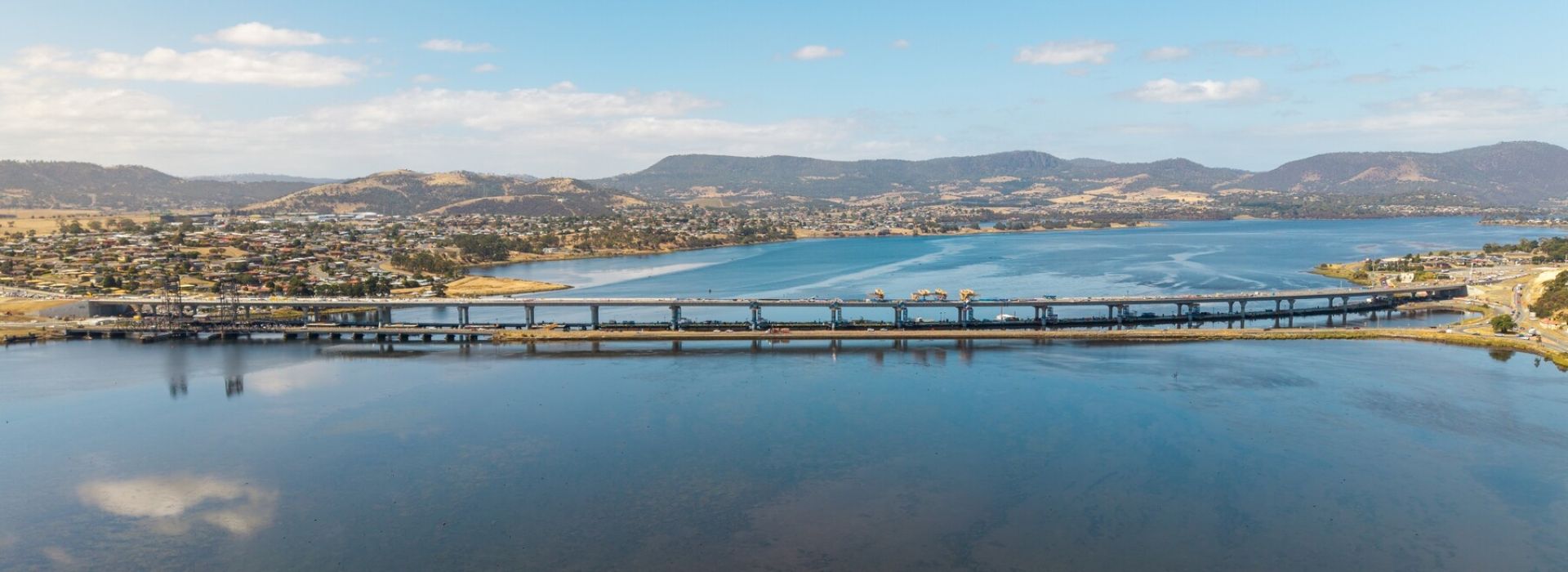
New Bridgewater Bridge
Cutting travel times and connecting communities
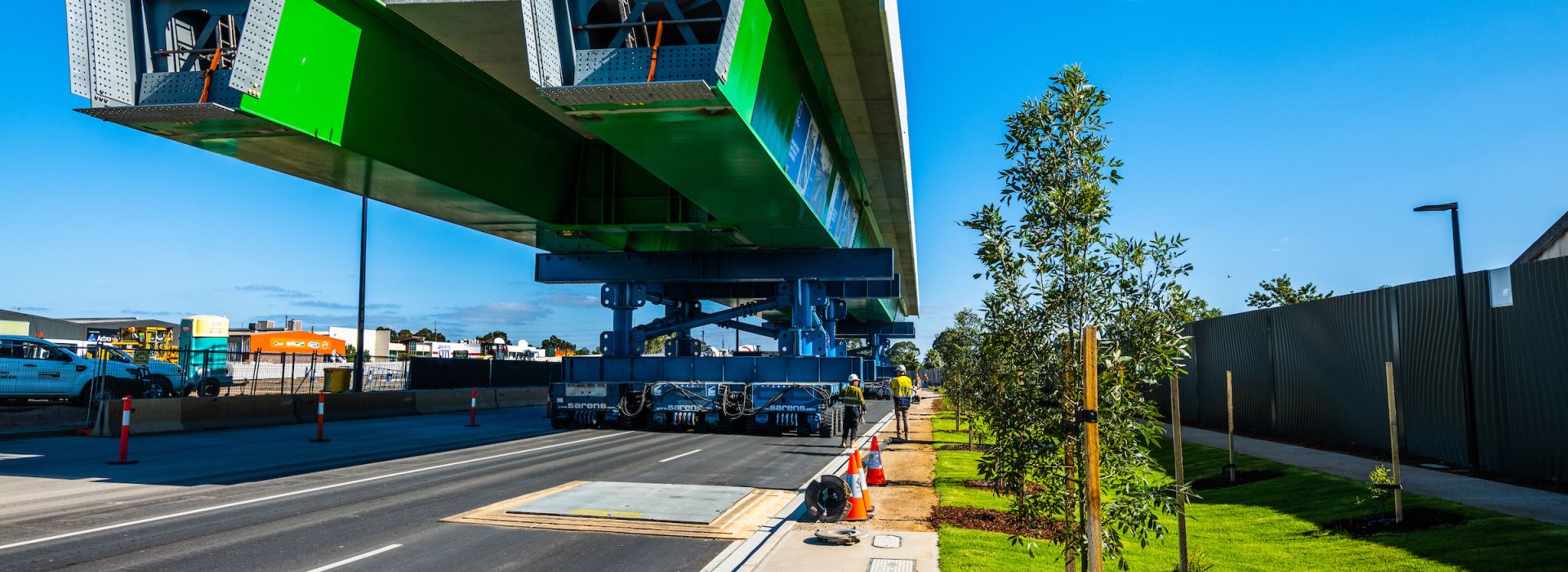
We delivered the New Bridgewater Bridge project in Hobart - Tasmania's largest ever transport infrastructure project and one of the longest road bridges over water in Australia. The Tasmanian Department of State Growth awarded us the contract based on our innovative design and focus on local industry participation.
The new 1.28 kilometre long bridge replaces the existing lift-span bridge built in the 1940s, providing a new modern crossing of the River Derwent. The new bridge will cut travel times for the 22,000 people that use the route each day. It will also improve freight movement around the state capital.
Fast Facts
- 1.28 km long new bridge across River Derwent
- Four lane capacity for 22,000 daily trips
- Two enhanced major interchanges
- Shared pathway for cyclists and pedestrians
Archer River Crossing
Improving road access for Queensland's remote communities
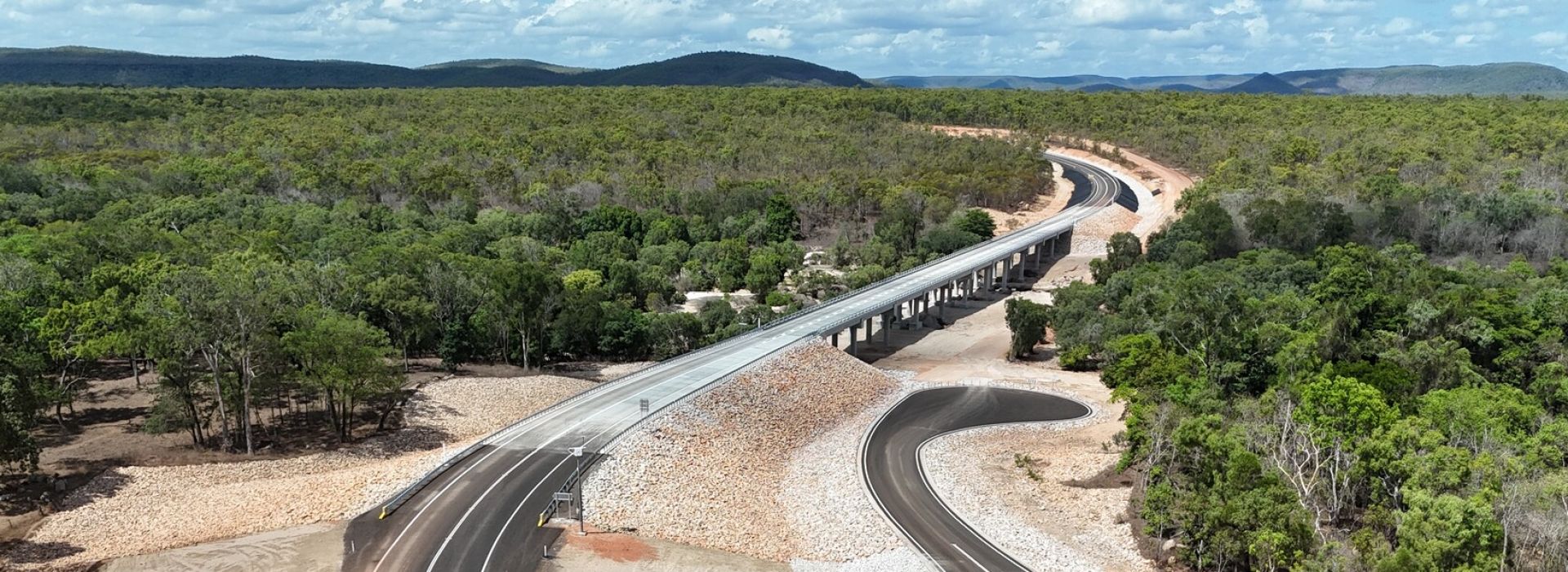
We delivered the Archer River Crossing project for Department of Transport and Main Roads (TMR) in remote, Far North Queensland.
The Archer River Crossing is one part of the broader Cape York Region Package (CYRP) Stage 2, which is jointly funded by the Australian and Queensland governments under the Roads of Strategic Importance program.
Fast Facts
- 230 m long (11x 21 m spans), 10.4 m wide bridge
- Earthworks and drainage
- Vertical alignment modification to improve resilience to flooding
- Guardrails, signs, and pavement marking.
Echuca Moama Bridge
Providing locals and visitors with safer and easier travels between Echuca and Moama
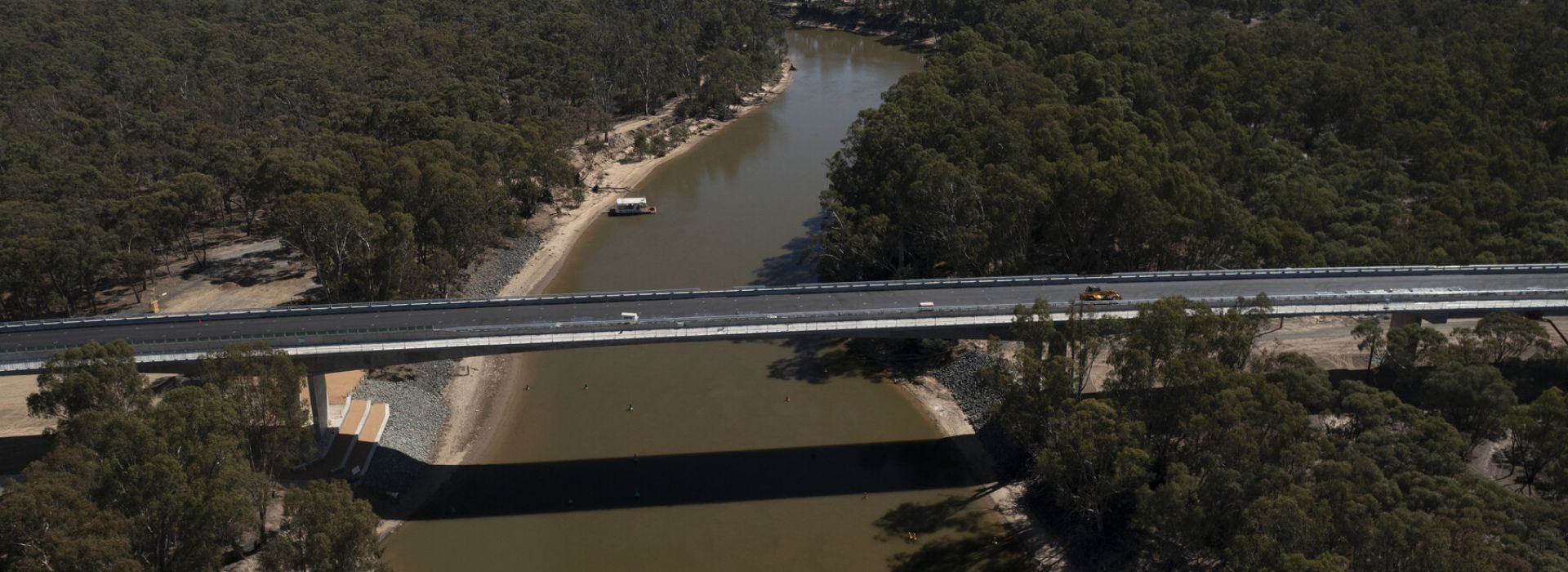
An innovative bridge solution saw us secure the design and delivery of this important new river crossing for the Victorian and NSW state governments.
Completed four months ahead of schedule, construction of this vital second crossing between Echuca and Moama included new bridges over the Murray and Campaspe rivers, and two new flood relief bridges.
Fast Facts
- 600 m of elevated structures, including a 115 m in-situ balanced cantilever box girder for main river crossing
- Eight span 300 m Campaspe Bridge structure completed in 10 months
- 400,000 tonnes of fill successfully imported through busy border tourist town
- 125 Super-Tees (each 35 m long) used for bridge approaches
- 10,000 tonnes of asphalt laid
- 13.7 ha of habitat improvement works
Granite Island Causeway
Providing new Causeway structure for community and tourists
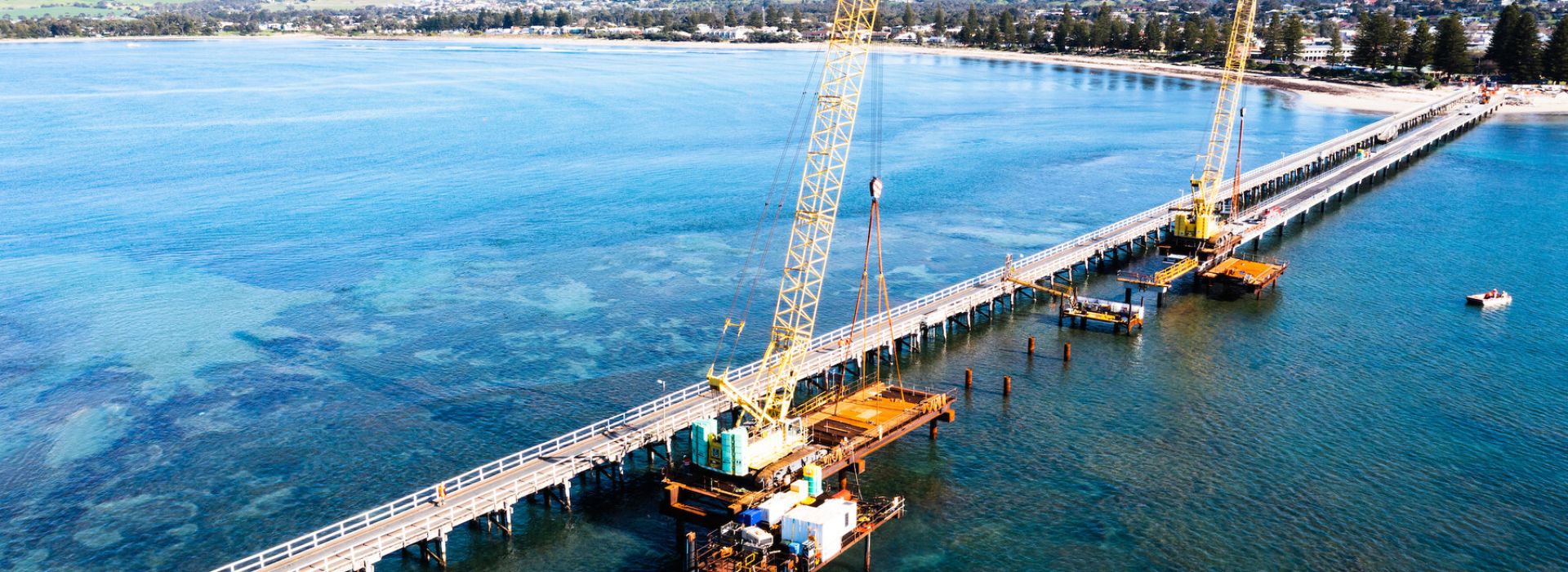
We partnered with the Department for Infrastructure and Transport (DIT) to design and construct the new Granite Island Causeway Project. The awarding of the contract followed a collaborative design development process involving DIT, ourselves and our design consultant, WGA.
The Granite Island Causeway, located 83 kilometres south of Adelaide in Victor Harbor is a tourism, commercial and recreational landmark. It is the only link between Granite Island and Victor Harbor and is used by pedestrians, the iconic horse drawn tram service, a small number of vehicles that service the island, tourism attractions and the fishing industry. It is estimated that the number of pedestrians accessing the Causeway is approximately 700,000 per annum.
Fast Facts
- 650 m long, 6 m wide new causeway
- New rail line on causeway for historic horse-drawn tram
- New boat landing facility
Closing Text - General , no contacts, no video
Summary
Thank you for taking an interest in McConnell Dowell. More information is available on our website, including additional project profiles and case studies.