Company Profile
Prepared for McConnell Dowell in the Pacific Islands
May 2026
About Us (typically use first)
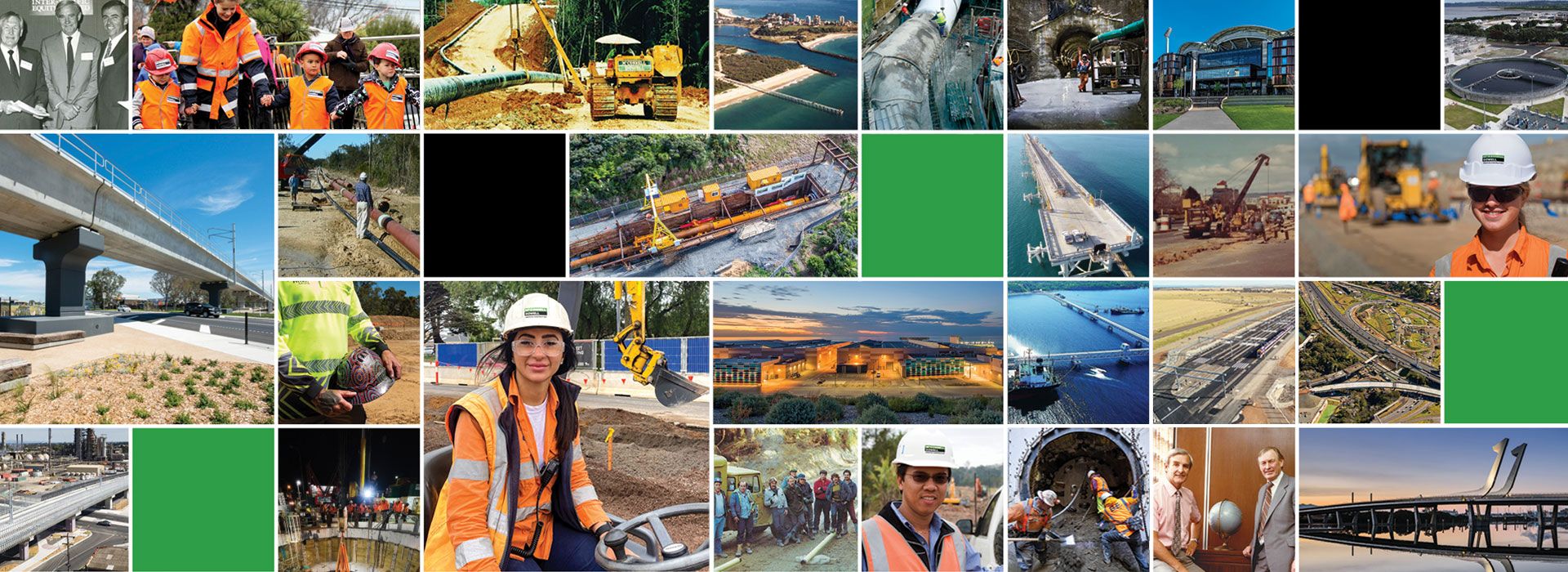
For over 65 years customers have been coming to McConnell Dowell with complex projects that require innovative solutions. That's why we're known as the Creative Construction company.
From remote resources and energy projects to city-shaping infrastructure, we've built thousands of quality assets and facilities.
Engineering-led, our expertise has grown steadily to span building, civil, electrical, fabrication, marine, mechanical, pipelines, rail, tunnel and underground construction..
Creative Construction
Creative Construction at McConnell Dowell is the inspired engineering behind the complex infrastructure we deliver.
It's the technical problems and challenges solved behind the scenes by people empowered to think creatively and work collaboratively. It’s the alternative idea or innovation that saves time, reduces cost, makes us safer, and delivers more value.
It might not always be evident when you look at the end product, but it's there, inside every McConnell Dowell project.
NZP Intro (typically use 4th to 8th)
With over 65 years of history in the region, and as the birthplace of the company, McConnell Dowell is well known in New Zealand and the Pacific Islands as an accomplished, engineering-led, multi-disciplined contractor.
We have a proven track record in delivering complex projects in remote and difficult locations, and have extensive in-house resources, specialist plant, and experienced support teams that enables us to self-perform much of our work.
Pacific Maritime Security Programme
Supporting security and safety in nine nations
Improving marine infrastructure for nine Pacific Island countries as part of the Australian Government’s Pacific Maritime Security Programme (PMSP) fits perfectly with our vision: Providing a Better Life.
This project also demonstrated our ability to deliver logistically challenging marine projects across the Pacific.
Fast Facts
- wharf upgrades across nine Pacific Island nations
- custom construction activities at each wharf location
- includes piling, dredging, concrete and steel construction,
- facilities will accommodate new Guardian Class Patrol Boats (GPBs)
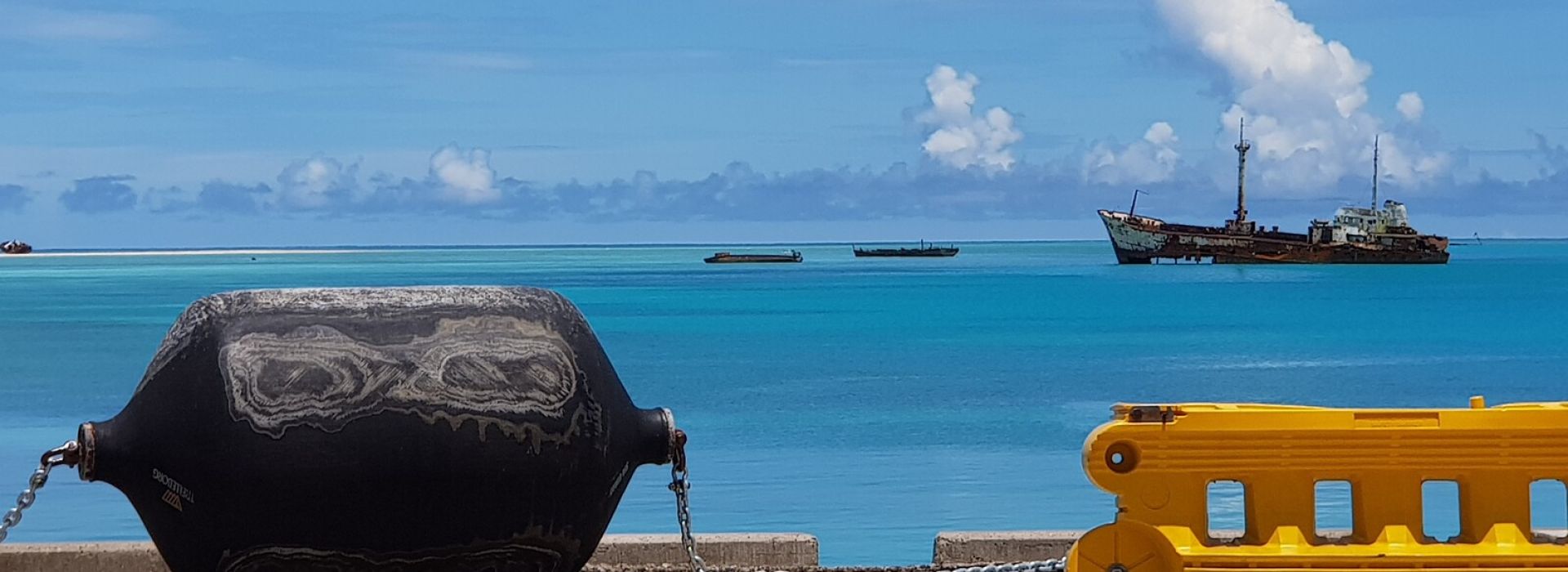
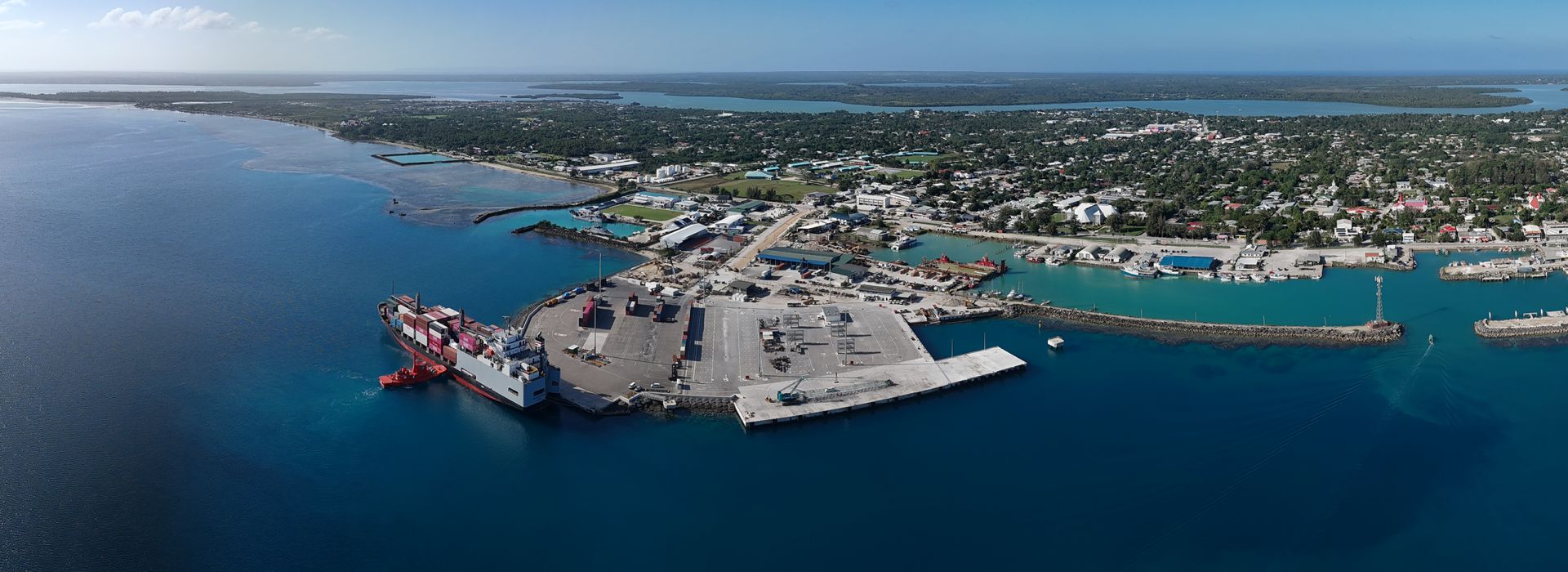
Queen Sālote International Wharf Upgrade
We upgraded the Queen Sālote International Wharf in Nukau'alofa for the Tongan Ministry of Infrastructure between 2023 and 2025, on time and on budget, with zero LITs during the one million hours worked.
The wharf is Tonga’s only international port, a lifeline for the country, processing 95% of the country's imports and exports. This critical infrastructure upgrade modernised and climate-proofed the facility, increased capacity, and improved power, drainage and water services.
Fast Facts
- Wharf reconstruction and extensions to cater for larger vessels
- Construction of four new berthing and mooring dolphins
- General port improvements, including paving, drainage, lighting, and firefighting facilities
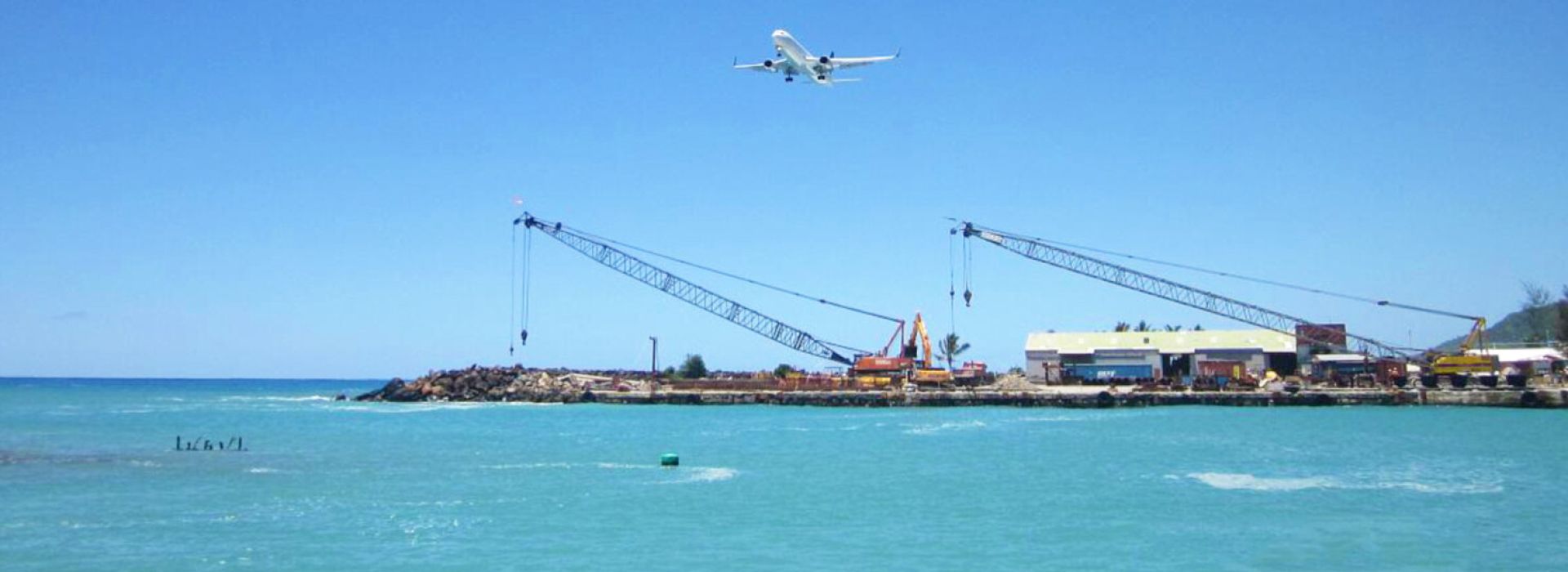
Avatiu Port Redevelopment
Working closely with the Cook Islands Port Authority, we expanded their existing port facilities to accommodate larger cargo and cruise ships. Staging our works around their existing operations, we implemented a number of initiatives to expedite the works.
Our scope included: construction of a new 270 m long wharf; dredging and widening of the main harbour to increase turning movements for ships; armoured revetment shore protection around the entire harbour; demolition of wharf structures and buildings; and provision for new lighting.
Fast Facts
- 270 m long wharf
- 80,000 m3 of dredging
- 92 m extension of breakwater
- 50 local workers
- 9,000 m² of concrete pavement
- 320 x 16m long piles
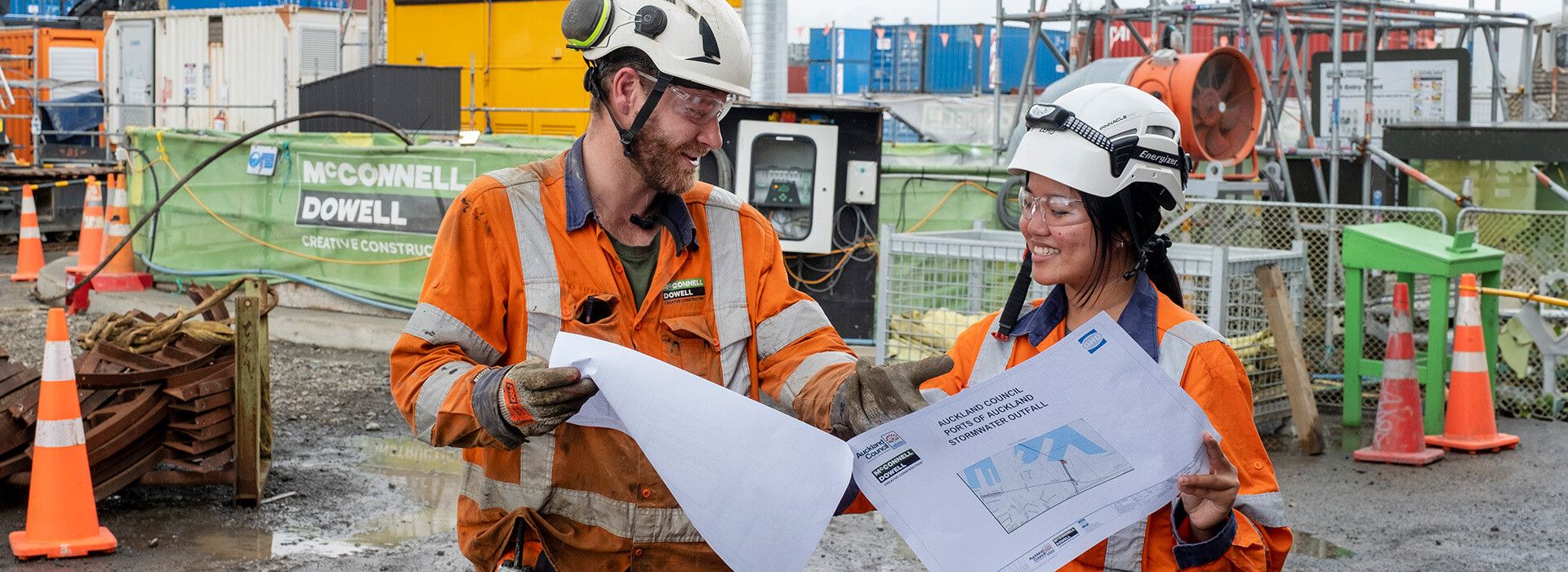
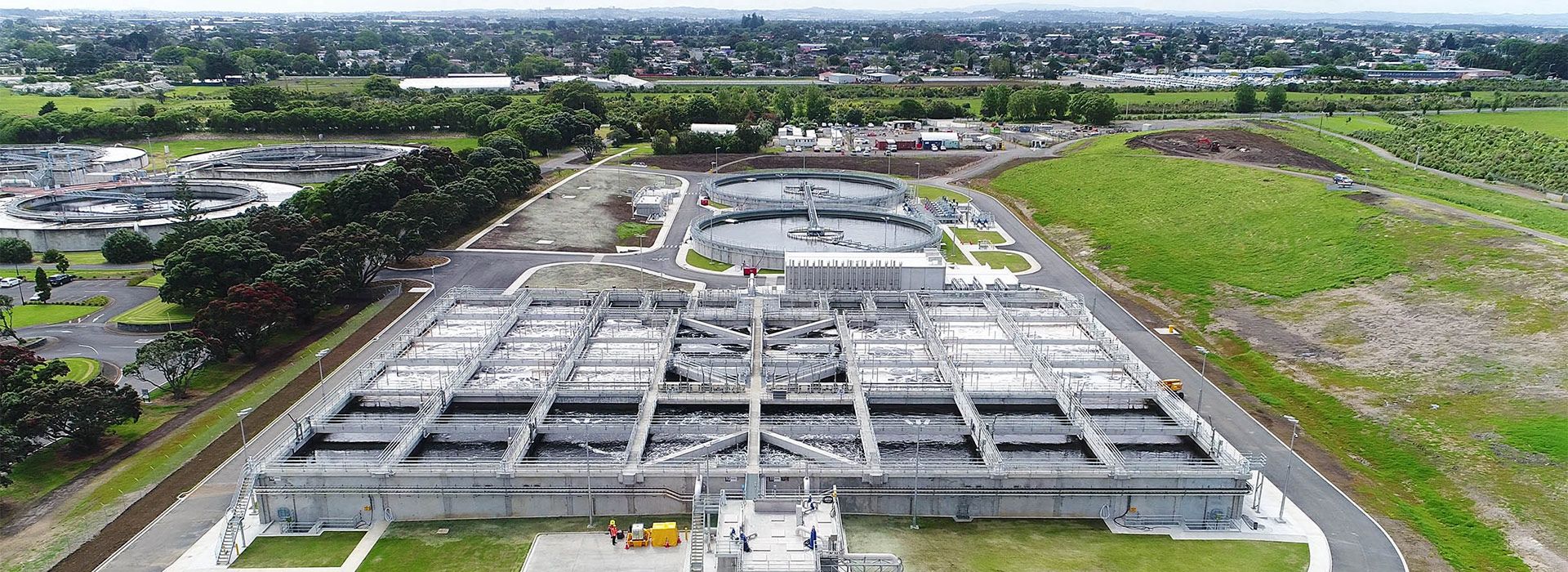
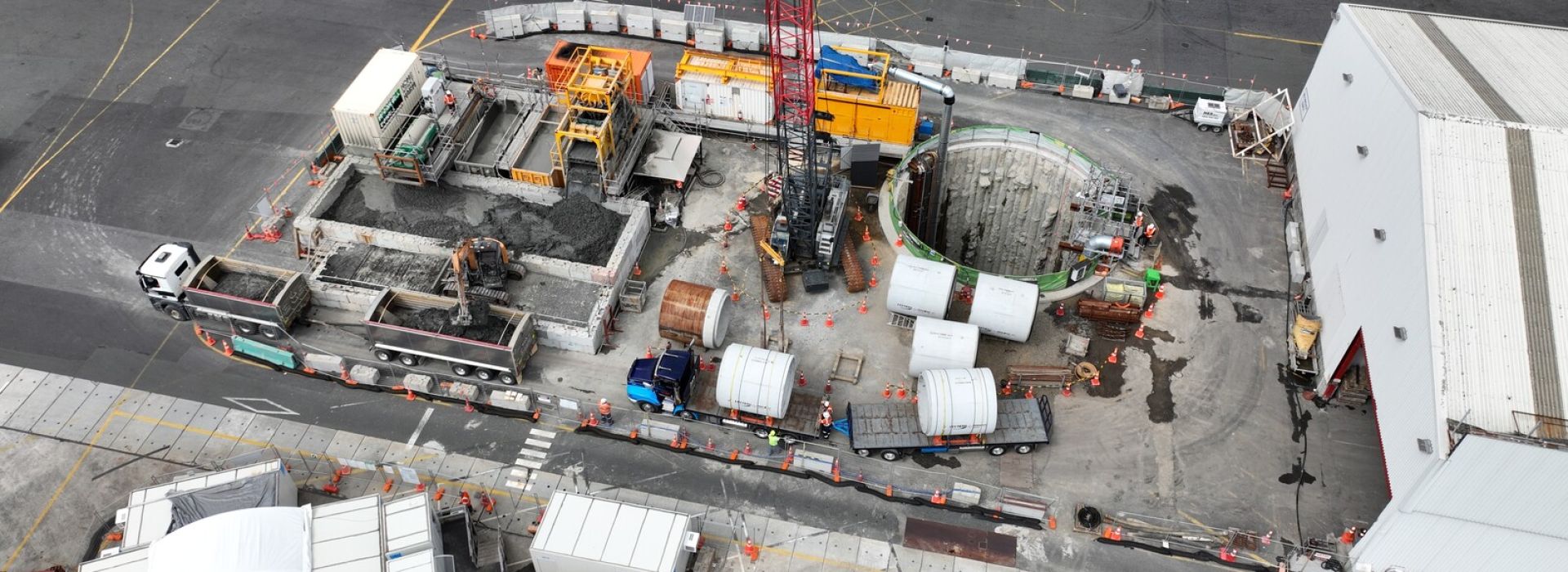
Ports of Auckland Outfall Upgrade
Improving Auckland's stormwater network and overall infrastructure resilience
Wharf 7 Upgrade
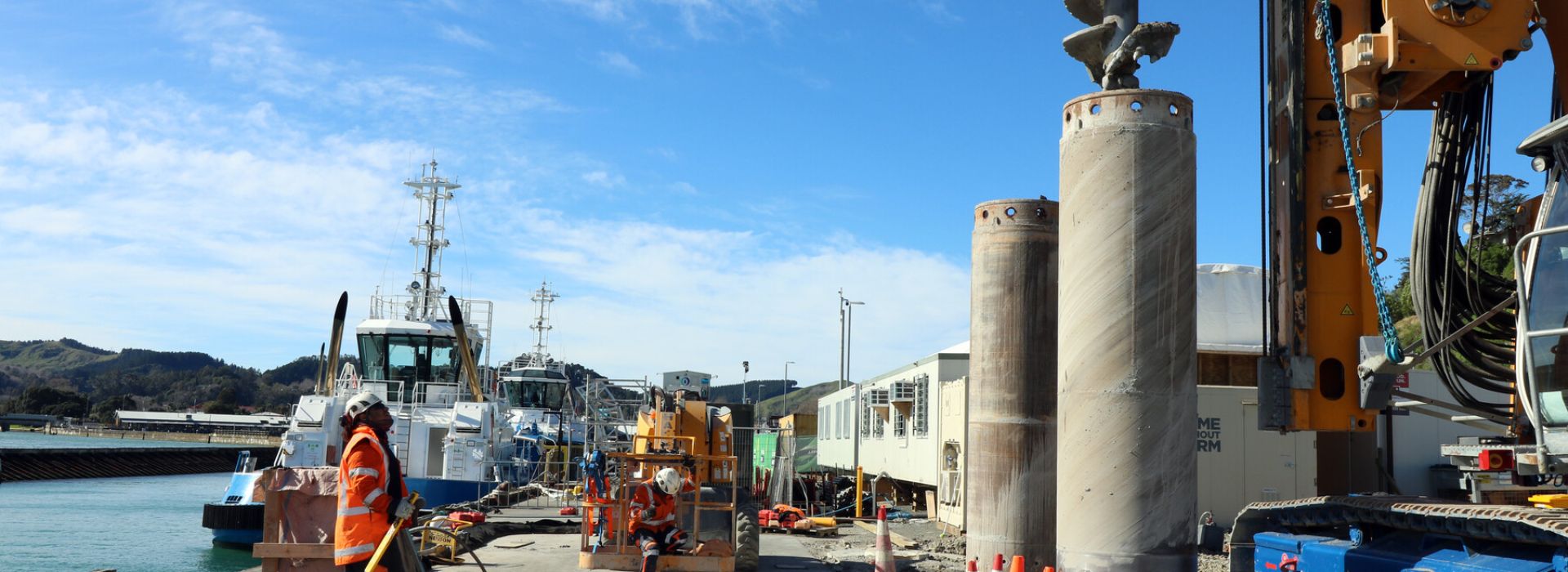
Eastland Port in Gisborne, New Zealand awarded us the design and construct contract to rebuild their Wharf 7 after a very successful six-month value engineering exercise. Construction took just under 18 months to complete.
The contract was part of Stage One of the $60 million Twin Berth Project which will enable two handymax (180-200m long) ships to load and unload at the port safely, simultaneously.
Fast Facts
- Rebuild a 240m long wharf
- Enhanced pile-on-deck design
- 70% less steel
- 50% fewer piles than the original design
- Drill & drive method to reduce noise, vibration and environmental impacts
- Reduced carbon footprint of project by 13,692 tonnes of CO2e
Taputimu Seawall
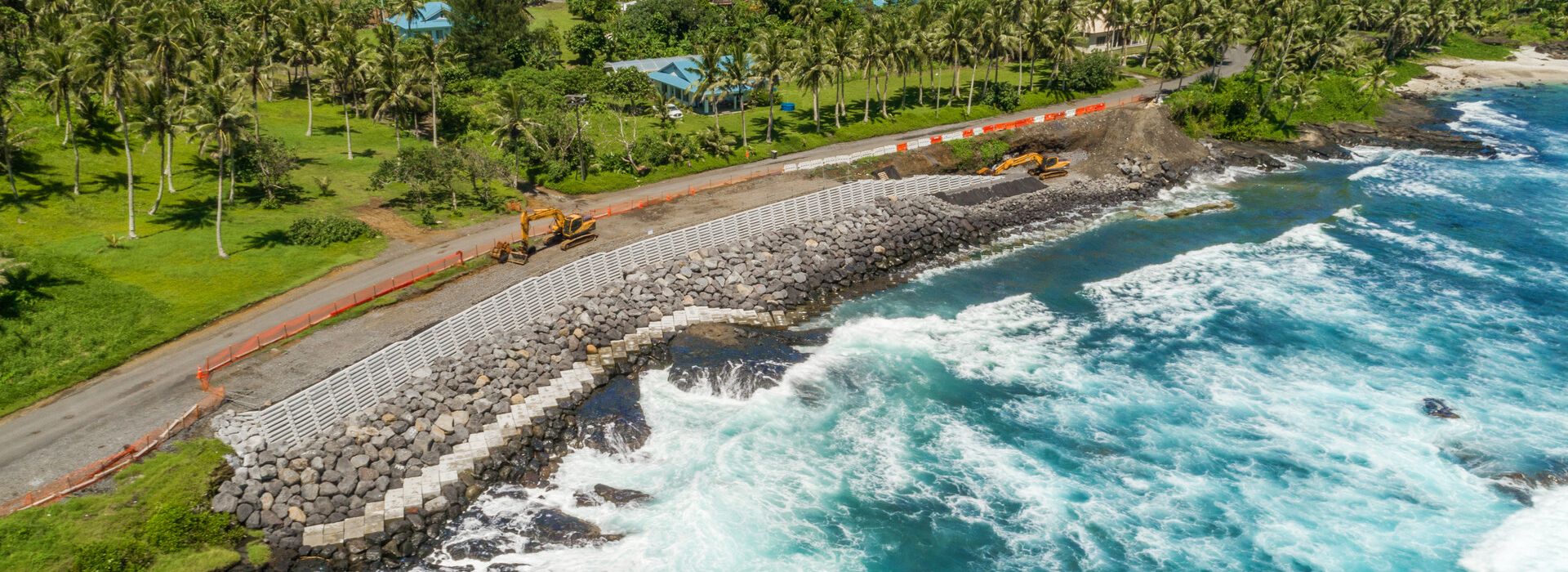
When a devastating earthquake and multiple tsunamis hit the island of Tutuila, the Department of Public Works of American Samoa engaged us to construct a new 390 feet (119m) sea wall at Taputimu, in the southwest of the Island.
To create the shoreline protection, our team first built 318 lineal feet of rock revetment, before constructing the crib wall on top.
Fast Facts
- 119 m long new seawall
- 100 m of rock revetment
- Crib wall top
Award-winning innovation for safer working over water
In marine environments, where the margin for error is razor-thin, temporary works aren’t mere enablers—they’re foundational to safe, efficient delivery.
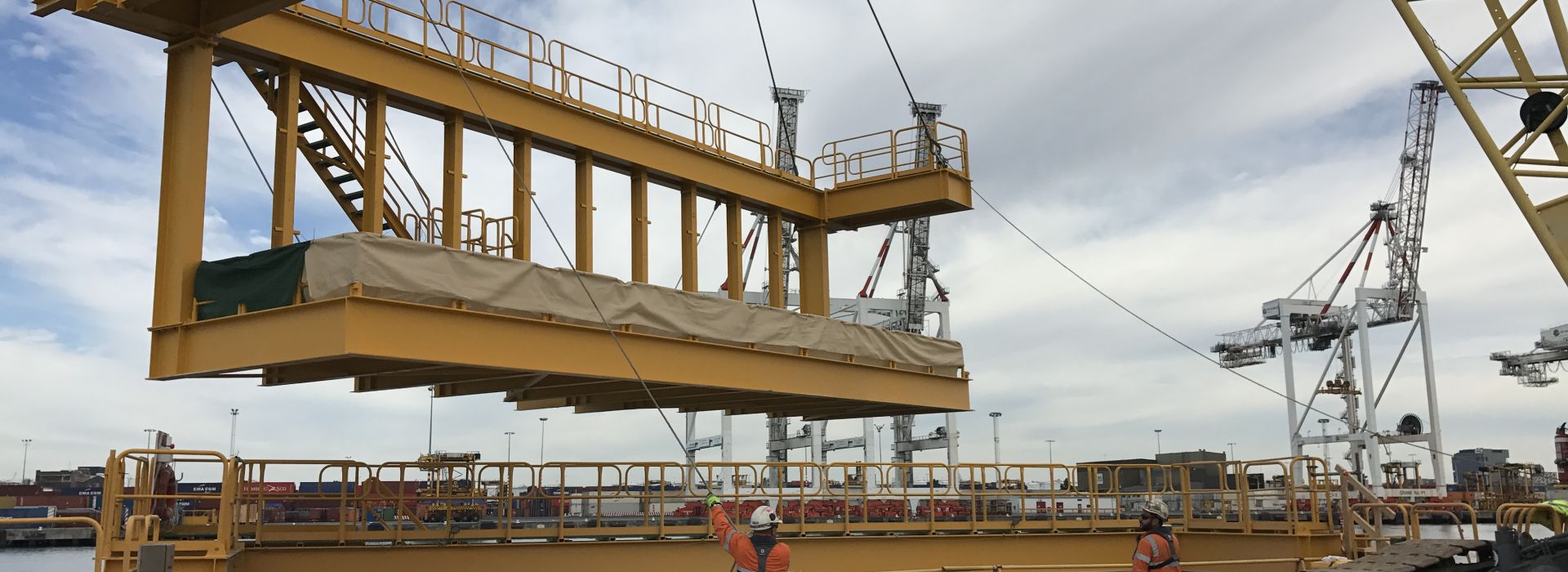
Take the Swanson Dock upgrade at the Port of Melbourne. Our temporary works team engineered an innovative fender access platform, earning the a WorkSafe Victoria award for “Best Solution to a Specific Workplace Health and Safety Issue”
Here’s what set it apart:
- Comprehensive access with one setup – The platform spanned 15 × 4 m and included removable mid‑level decks, enabling seamless access to all faces of the fender beams—front, soffit, and rear—for hydro-demolition, rebar replacement, and gunite spraying.
- Spatial efficiency in live operations – Designed to work within a daily operation window on the busiest container terminal in Australia, the platform kept works tightly within a small footprint.
- Reusability factors in long-term value – Not a one-off rig—it was engineered to be reusable for future fender rehabilitation works, reducing waste and delivering cost efficiencies over time.
- Award-level impact – The solution directly addressed specific HSE risks of working over water, giving our crews a safer, more controlled environment to complete high-risk tasks without compromise.
Why Temporary Works Matter
-
Prioritising safety at early design stages – Proactively engineering safe access platforms significantly diminishes risk in live marine settings.
-
Driving productivity through better access – Easier, safer access means faster cycle times and fewer quay-side delays.
-
Enabling precise engineering works – Demolition, rebar placement, and spraying all demand stable, safe working environments—temporary works deliver just that.
-
Promoting sustainability and reuse – Modular, reusable temporary works not only save time but also cut embodied carbon across projects.
By spotlighting temporary works as a core part of project delivery—not an afterthought—we’re reshaping how marine construction tackles safety, efficiency, and sustainability.
Low impact marine construction
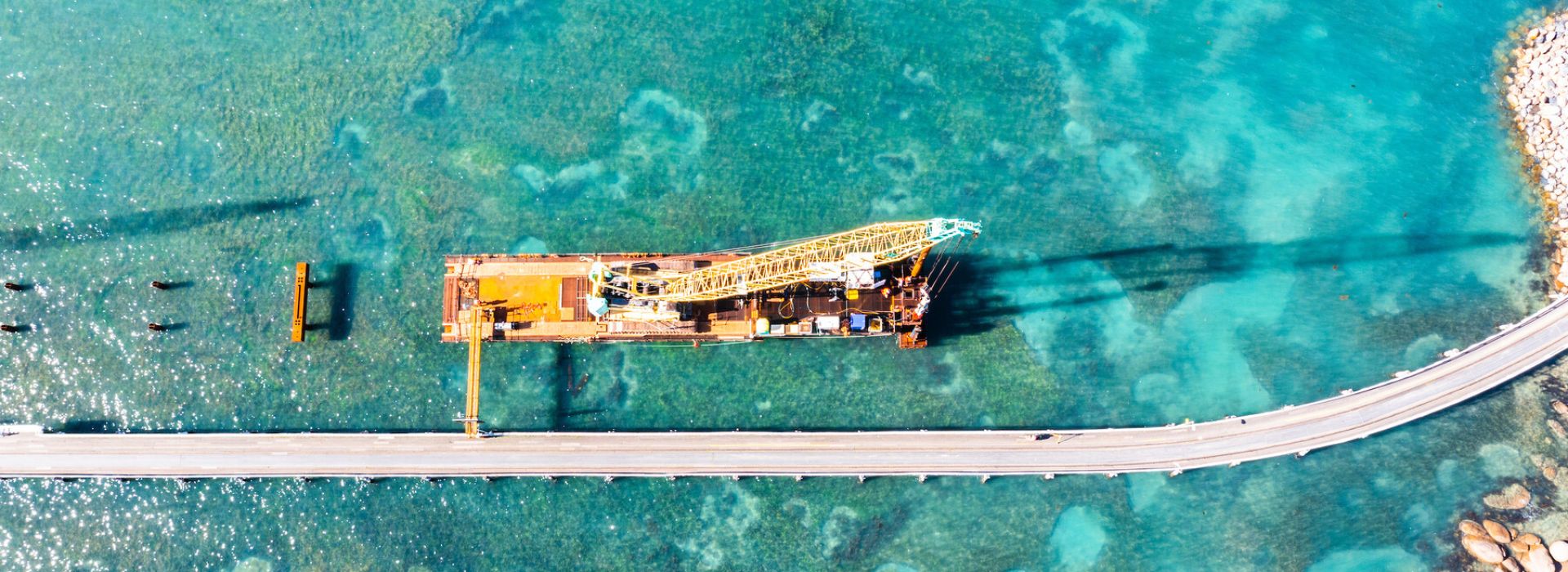
On the Granite Island Causeway Project in South Australia our team used the 'hand over hand' construction method to minimise environmental impacts and ensure delivery on time.
The 'hand over hand' method employs three concurrent work fronts:
- Front one installing the permanent piles
- Front two installing the grouted HDPE sleeves and the precast headstocks
- Front three installing the precast longitudinal girders and decks.
As the structure advances out into the water it acts as a construction platform for the work crews to build the next stage. Each work front takes a similar duration, ensuring maximum certainty in productivity and schedule.
Analysis was conducted on various construction approaches during the tender phase, including the use of jack-up barges or a temporary bridge structure to facilitate construction. However, the 'hand over hand' method was the only one capable of achieving completion by the target date.
The other benefit of the method is its minimal footprint. Minimising the impact on the sensitive marine environment was a key consideration during the tender and design phases of the project.
The adoption of the method, along with the use of precast prestressed deck units which pushed the span out as far as possible, minimised the number of pile driving operations further reducing the impact on the marine environment.
The design and construction methodology was fit-for-purpose and extremely efficient. It resulted in on time and on budget completion and had a low impact on Victor Harbor's rich marine ecology.
World first wharf modularisation
We helped revolutionise the design and construction approach for large-scale marine infrastructure on Rio Tinto's Chith Export Facility project in remote Far North Queensland.
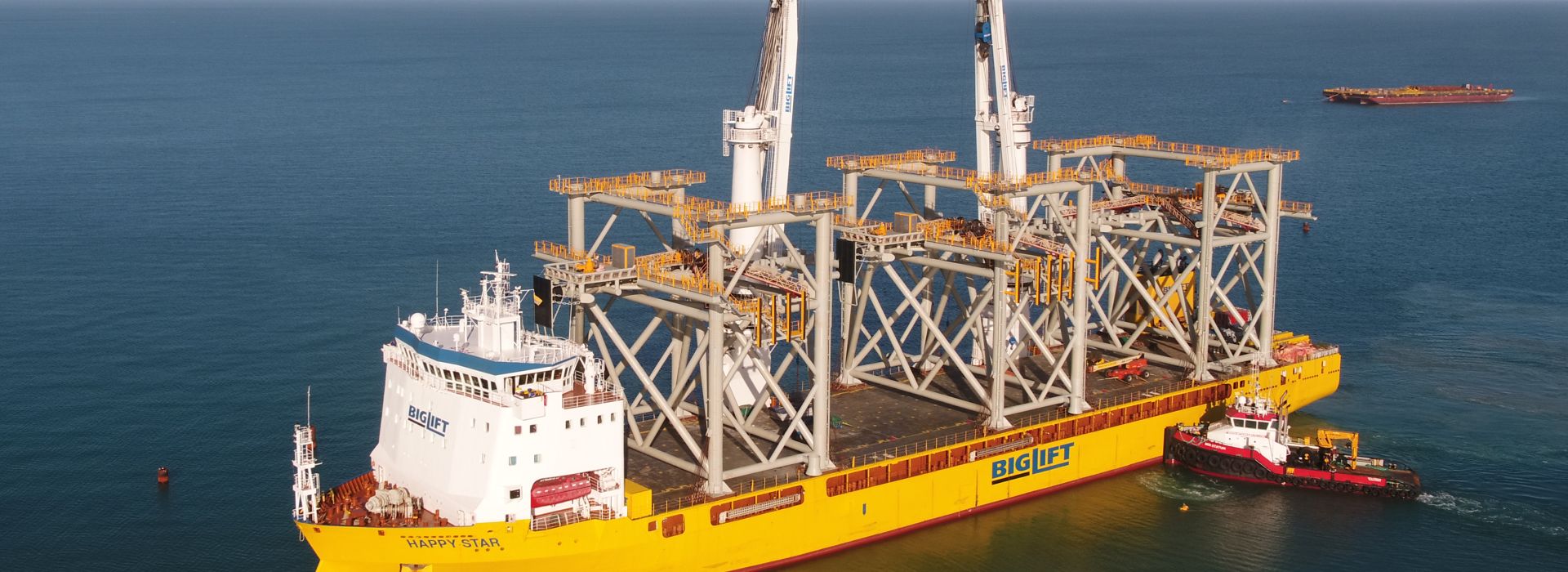
The 350m wharf structure was split into seven, first-of-a-kind ‘jacket’ modules (the substructure) and six topside modules. Weighing approximately 680 tonnes each and standing 30m high, the jacket modules, with integrated dolphins, reduced the number of permanent wharf piles required from 100 to just 28, minimising environmental impact to marine life – a core focus for the Chith Export Facility team.
The wharf topside modules, placed on the jackets, ranged from 600 to 1400 tonnes and were fabricated complete with all services, conveyors, concrete roadways and access walkways.
In true ‘plug and play’ fashion, the modules were delivered and installed by a heavy-lift ship in a safe, clean and efficient operation.
The project, completed in just 10 months, was awarded the Australian Construction Achievement Award by Engineers Australia and the Brunel Medal by the Institute of Civil Engineers (UK).
Helping build a better future in Pacific Island communities
McConnell Dowell has a long association delivering infrastructure projects in American Samoa and other Pacific Islands. Our project teams working in the islands become part of these close-knit communities and they often see opportunities for the team to give back to the locals they are working with.
In a reciprocal relationship the local people provide projects with talent for construction and we in turn look for substantial ways we can use machinery, materials or skills to benefit the local people in return.
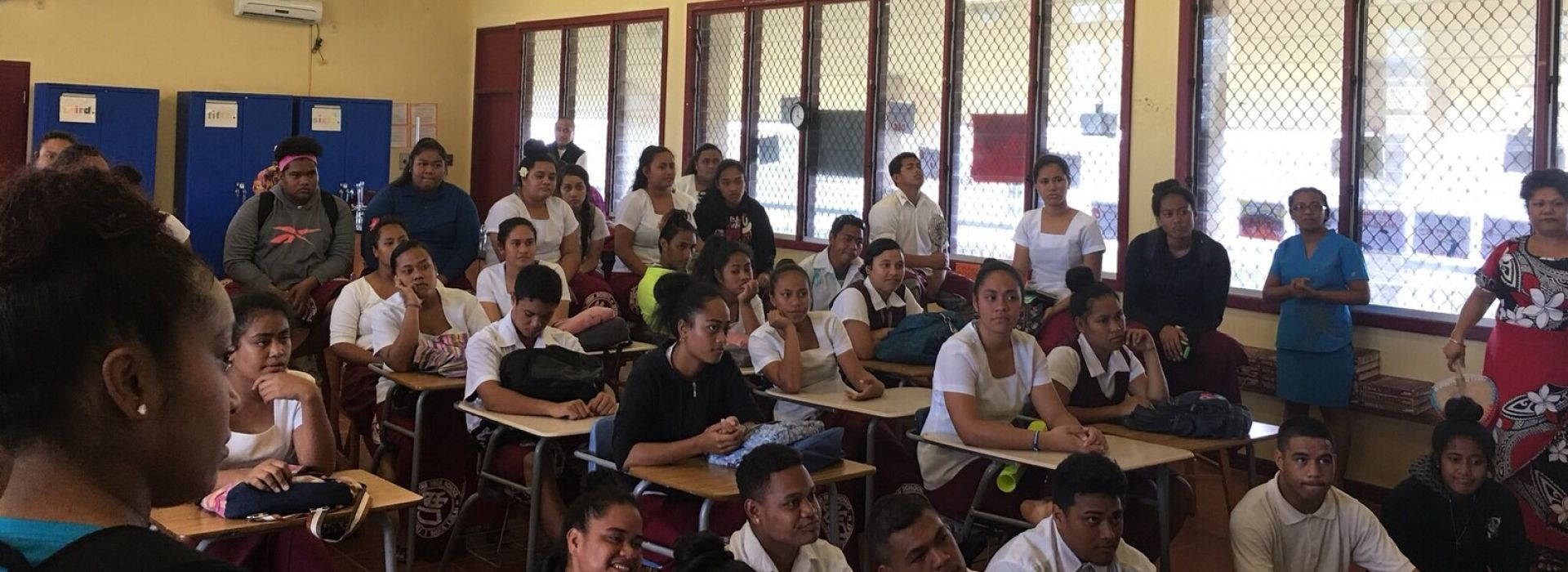
Some of the community projects the team find most rewarding involve upgrading school facilities for local children. At Tafuna High School this meant responding to a request from the Parent Teachers Association to fix up the school’s drainage and create an access road to the carpark using McConnell Dowell-donated plant, labour and materials. Here you can see the drainage works well on their way and the access road starting to take shape.


We also supported the Pavaiai High School's aim to create an all weather assembly area by donating recycled millings and asphalt to the project. Before the resurfacing students had to sit on muddy grass when they gathered during bad weather. As you can see from the photos, they now have an area they can use to gather or play whatever the weather.

A 'whale of a time' with noise attenuation
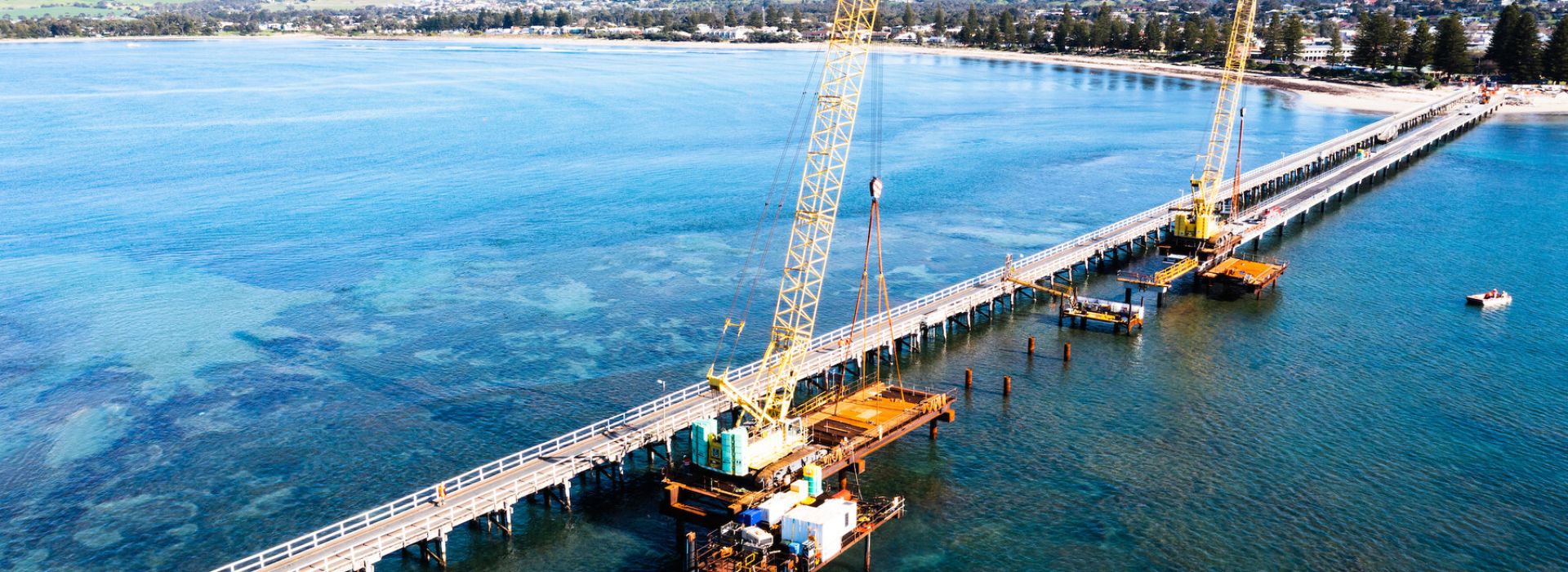
On the Granite Island Causeway project in South Australia, our team designed and implemented a "shroud and bubble curtain" to stop marine piling noise from disturbing the Southern Right Whale (SRW) and other marine fauna, such as the Australian sea lion and little penguins.
Prior to the solution being developed and approved, a local whale protection group strongly objected to piling occurring during whale season, which had the potential to impact the project's schedule and budget.
The bubble curtain was designed to reduce the noise levels by scattering, absorption, reflection, and refraction of the sound waves. The curtain design, along with some other piling modifications, gave sufficient confidence for federal approval under the Environment Protection and Biodiversity Conservation Act for piling during the whale season.
Org chart - NZP
Our New Zealand and Pacific Islands business is headed by a group of passionate, skilled construction industry leaders who understand their local markets, customers and supply chains.

For more detailed information about our leadership team's experience, click here.
Closing Text - General with contacts, no video
Summary
Thank you for taking an interest in McConnell Dowell's skills, capabilities and approach. Additional information is available on our website, including additional project case studies.
Contact us through the link(s) below for advice or assistance with your project.
Contacts