Capability Statement
Prepared for Prepared for BHP - Aries Pipeline Partial Replacement
May 2026
Introduction General
Thank you for the opportunity to present this brief capability statement which details a cross-section of our skills and experience, and showcases a selection of our recent projects.
About Us (typically use first)
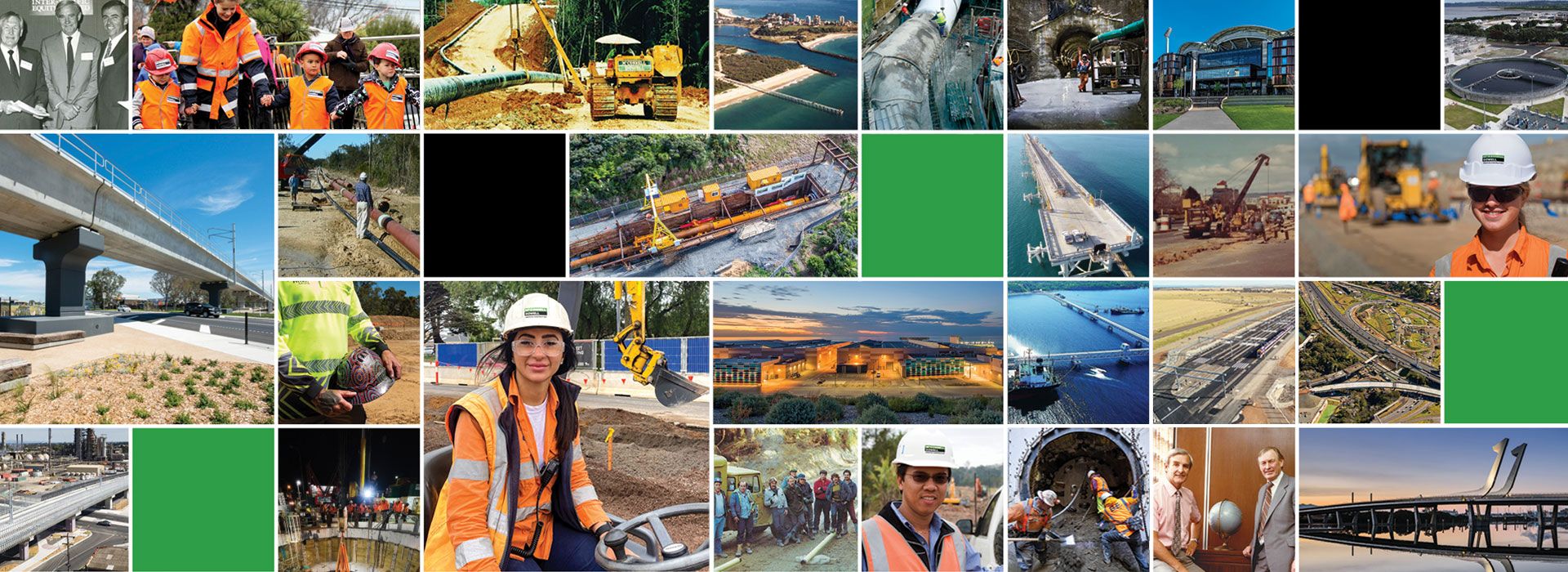
For over 65 years customers have been coming to McConnell Dowell with complex projects that require innovative solutions. That's why we're known as the Creative Construction company.
From remote resources and energy projects to city-shaping infrastructure, we've built thousands of quality assets and facilities.
Engineering-led, our expertise has grown steadily to span building, civil, electrical, fabrication, marine, mechanical, pipelines, rail, tunnel and underground construction..
Purpose & Values (typically use 2nd or 3rd)
We are a Purpose and Values driven organisation. These define what's important to us, guide our decision making and unite us behind a common goal.
Our Purpose is Providing a Better Life.
We do that through delivering projects that connect, sustain and enhance communities, and through providing career opportunities that challenge, reward and grow our people.
We also have five company values that guide our behaviours and decisions. Our values are:
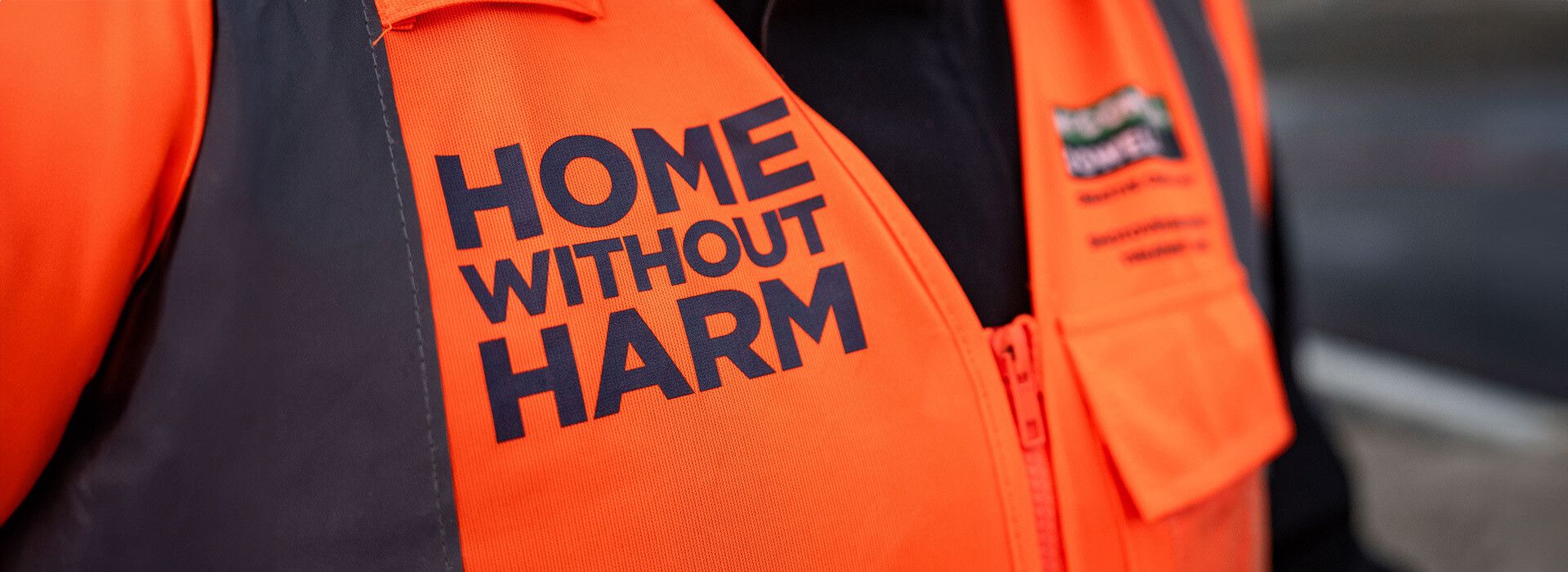
Safety
We never compromise on safety.
We foster our 'Home Without Harm' safety culture through robust processes, effective systems, and by recognising and rewarding safe behaviours.
Our Site Safety Managers are always on our project leadership teams, ensuring safety is prioritised in all site activities. Every team member has clear safety responsibilities, aimed at protecting themselves, their colleagues, and the community.
We're also leading our industry in the adoption of new safety technologies, like virtual reality plant simulators and AI-enabled blind spot elimination. Check out the case studies below for more information.
Underpinning it all are our Safety Golden Rules. Built on our long-term collective knowledge and learnings, they are specifically targeted at preventing fatalities and serious injuries.


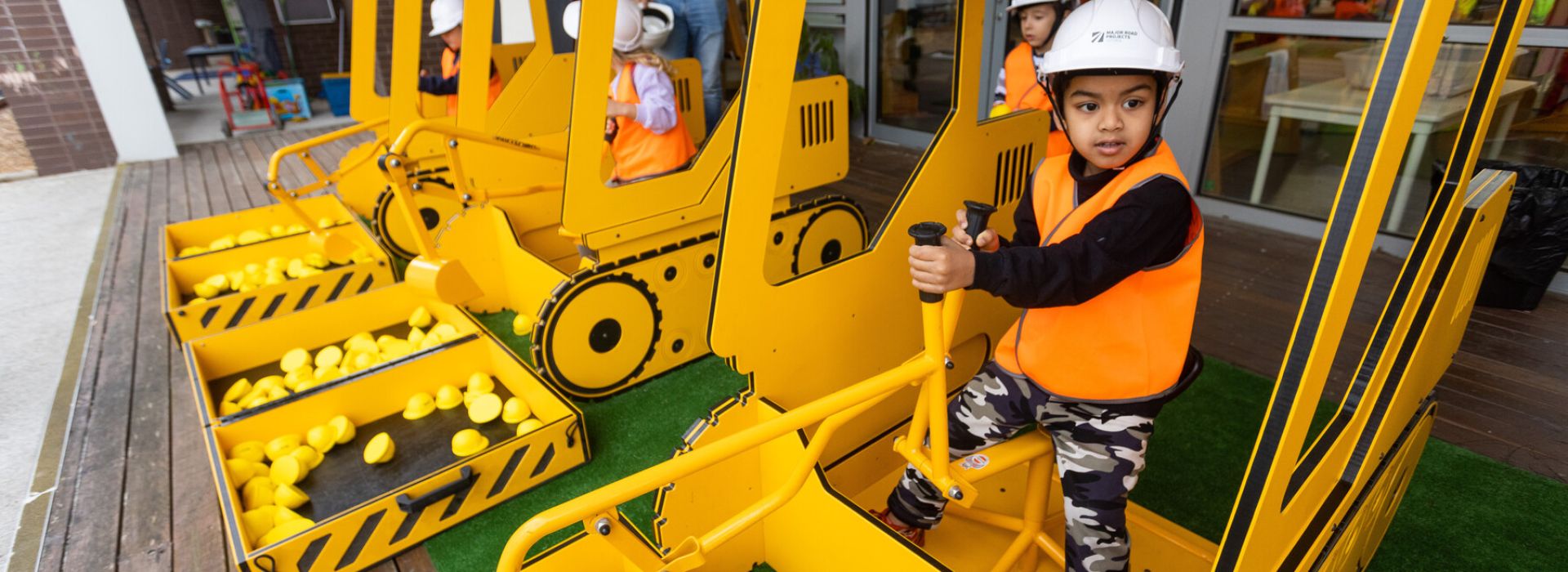
Social
We consider the 'Social' aspect of ESG to encompass everything related to people.
That's from ensuring everyone goes Home Without Harm, to making a positive and meaningful impact on the well-being and prosperity of our employees, stakeholders, and the communities we engage with. This focus aligns seamlessly with our purpose of 'Providing a Better Life'.
Our commitment begins with our rigorous safety management system and extends to maximising local employment and supply opportunities, as well as delivering needs-based community support and uplift initiatives through our projects.
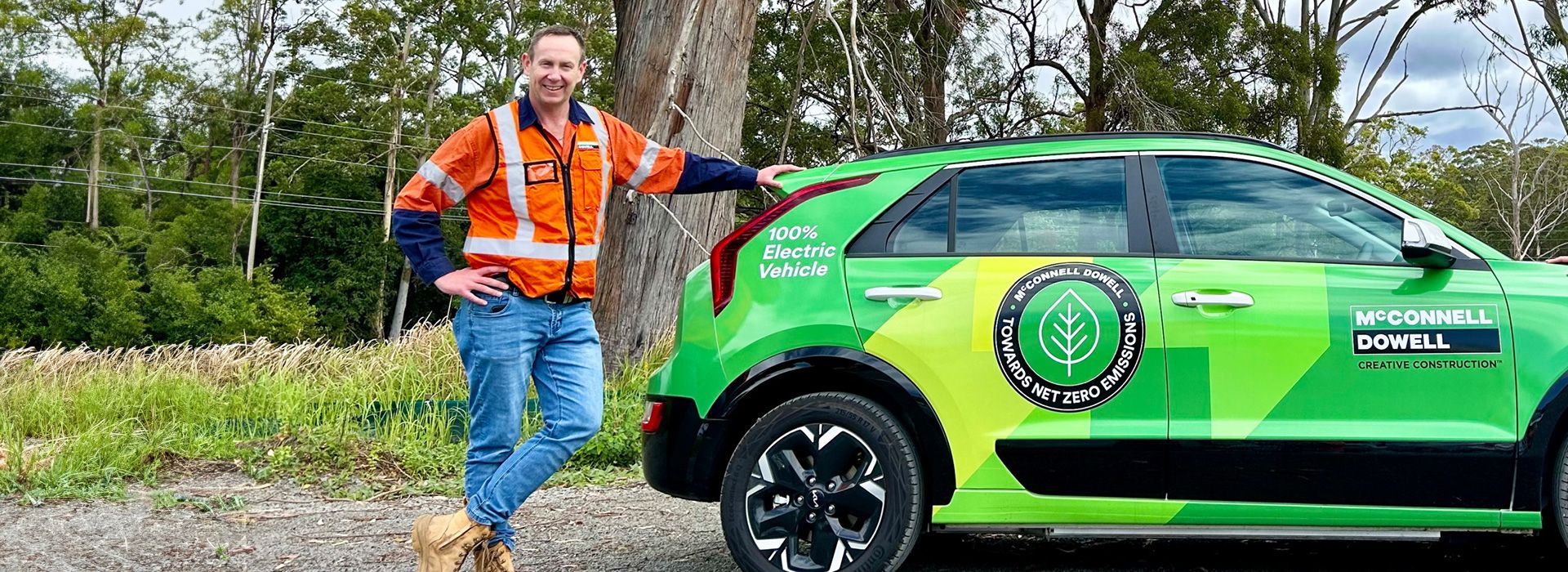
Sustainability (ESG)
Our purpose is 'Providing a Better Life’ - today and into the future. That’s why sustainability, in all its forms, is considered in every project, process and product across our business.
Our approach is clearly articulated in our Sustainability Policy.
We're about action not just aspiration. Our ambitious but achievable {tip title="Carbon Reduction Roadmap" content=" "} carbon reduction road-map {/tip} will see us be operationally net zero by 2030, with 44 initiatives that are being progressively rolled out across the company. Last year we reduced our carbon emissions by 442 tonnes through the use of solar technologies alone, and diverted almost two million tonnes of waste from landfill.
SA Intro (typically use 4th to 8th)
We completed our first project in South Australia over 40 years ago, and have since built a reputation for safety, quality and collaboration.
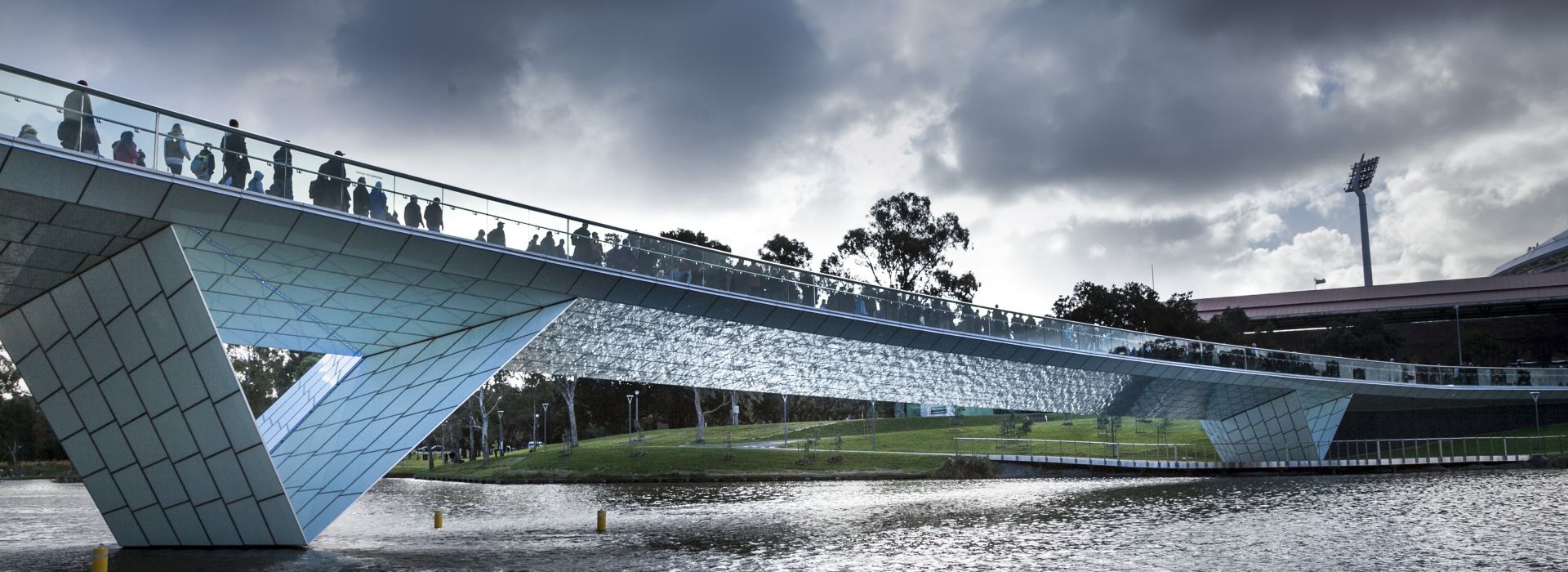
We've delivered numerous high profile and complex road and rail bridge projects, along with a number of general civil, water, pipeline and marine infrastructure projects. Highlights include the Adelaide desalination plant and pipeline, Riverbank Precinct Bridge, O-Bahn City Access Project, Seaford Rail Extension, Regency Road to Pym Street Upgrade, and the recently completed Ovingham Level Crossing Removal.
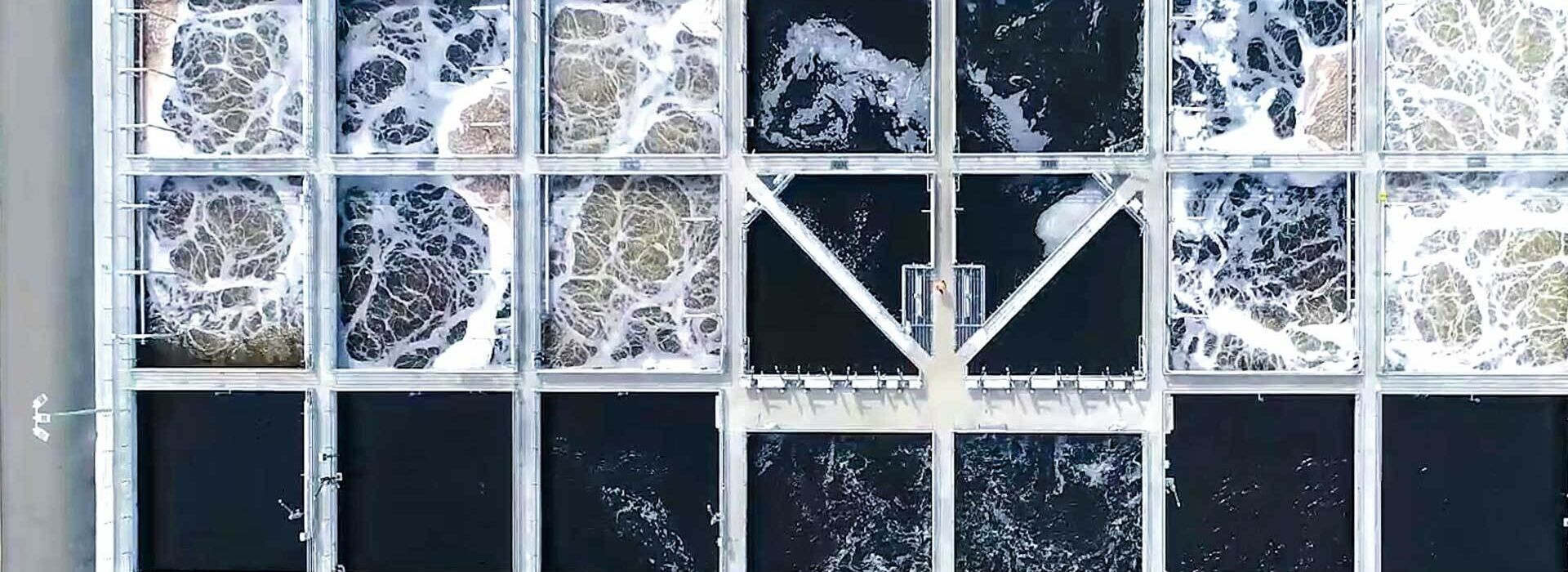
Water & Wastewater Solutions
We understand what matters most to our water industry customers - uninterrupted supply, minimal disruption, safety, compliance, and positive community engagement.
We've been entrusted with the design and delivery of major metro desalination and water treatment plants, as well as the construction of dams and large-diameter pipeline and pump station networks.
We've delivered approximately $9 billion in new water assets over the last 15 years, including:
SA Water Frameworks
Improving the reliability and capacity of South Australia's water supply
In joint venture with Diona (the Water North JV) we're one of three major framework partners delivering SA Water’s multi-billion dollar capital delivery program. The 'Frameworks' model fosters collaboration and innovation in the planning and delivery of water projects across metro and regional South Australia.
During the first four years (2020 - 24) our team delivered approximately 150 projects, including the design and construction of:
Fast Facts
- Collaborative delivery program
- Approximately 150 individual projects in first 4 years
- 60,000 m of water pipelines
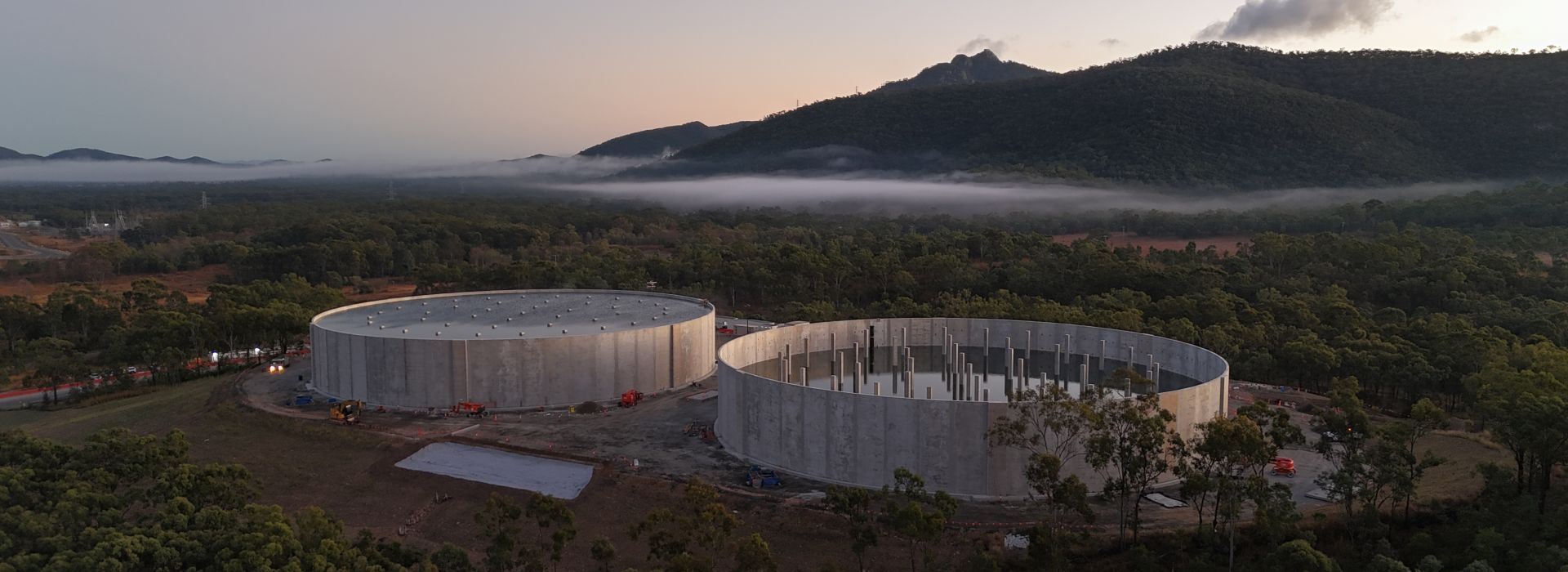
- 2 earth bank storage projects
- 2 distribution pump stations
- 21 water tank remediation works (including concrete & structural remediation)
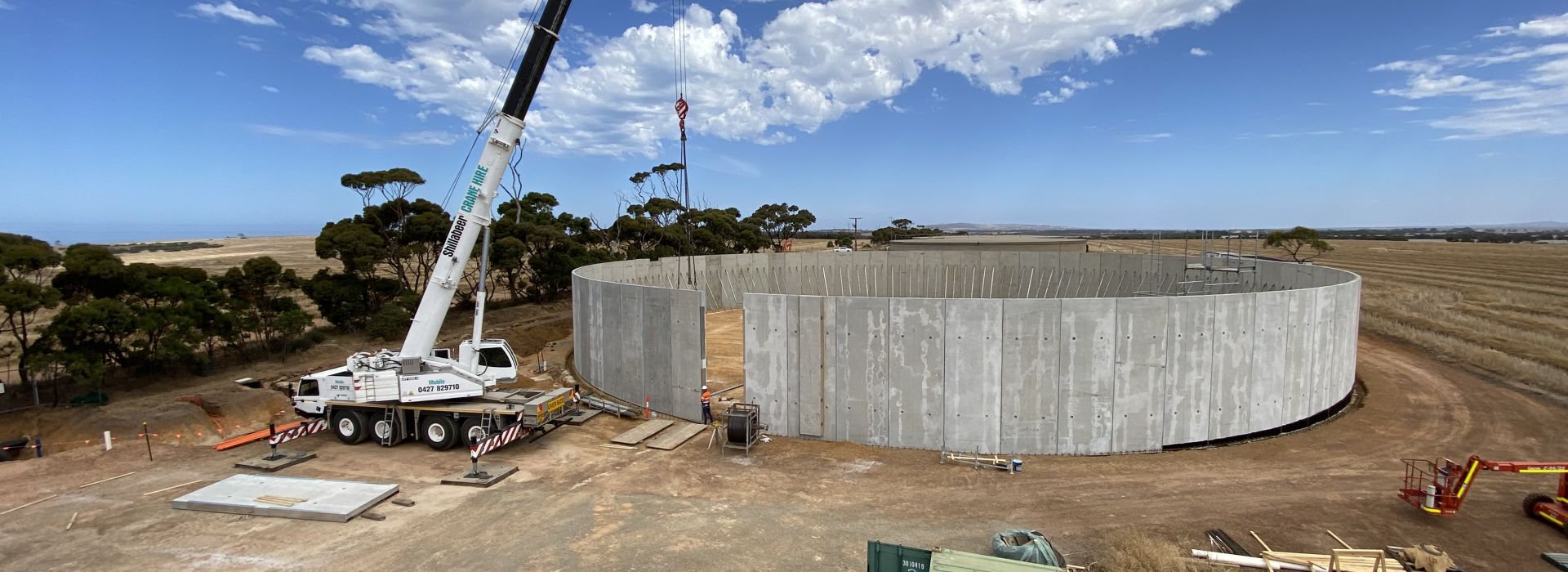
Fitzroy to Gladstone pipeline
Improving long-term water security
We're delivering the Fitzroy to Gladstone Pipeline (FGP) project for the Gladstone Area Water Board (GAWB) and the Queensland Government. The project, which will have the capacity to transport 30 gigalitres per annum, will enable long-term water security for urban and industrial customers in the region.
The FGP, which comprises an approximately 117 km long, 1 m diameter pipeline, a water treatment plant, reservoirs, and pumping stations, will also support the emerging hydrogen industry in the Gladstone region of Queensland. We have teamed up with BMD Constructions in a joint venture (the MBJV) to deliver the Project.
Fast Facts
- 117 km long, 1 m diameter pipeline
- New water treatment plant
- Reservoirs and pumping stations
- 21 trenchless crossings
- $10 million First Nations spend
Barber Grove to Seaview Wastewater Treatment Plant Pipe Duplication
Future proofing and improving water quality
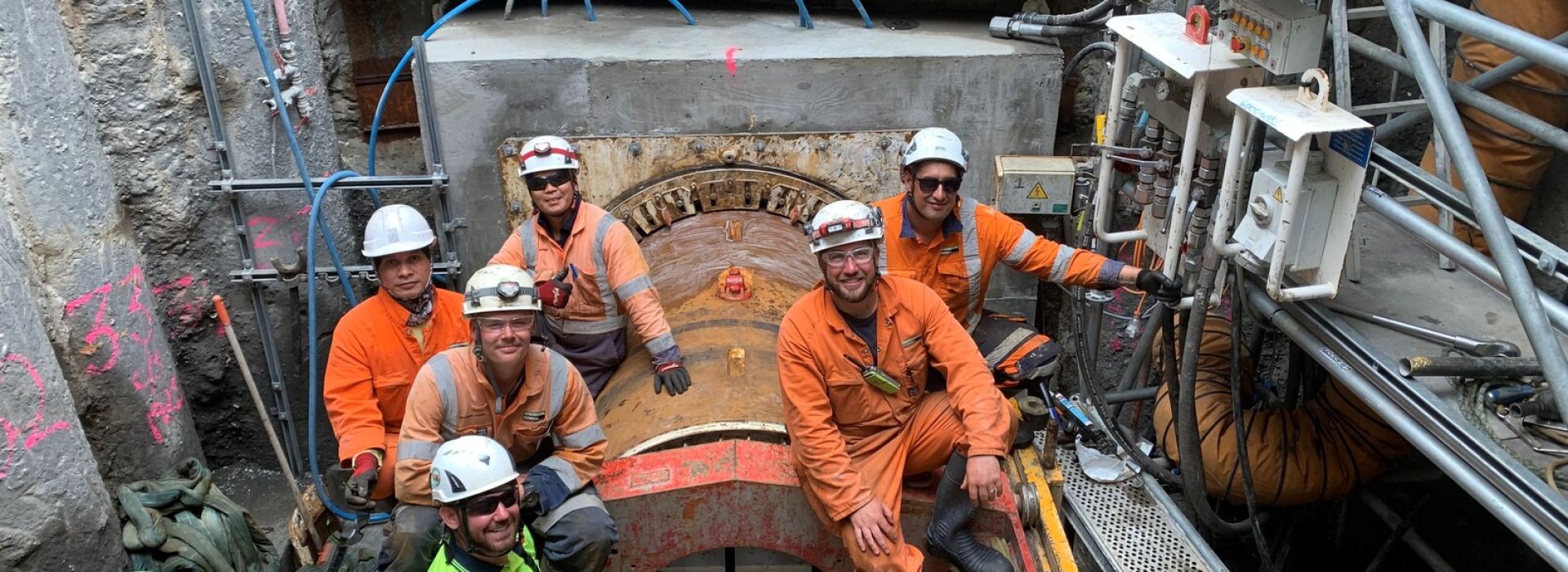
We used the optimum mix of tunnelling and trenched construction techniques to deliver the Barber Grove to Seaview Wastewater Treatment Plant Pipe Duplication Project for Wellington Water, causing the least impact possible.
The project involved the installation of a new 1.2 km long, 1 m diameter pressurised wastewater pipeline. It services 90% of the residents in Hutt Valley, improving water quality and catering to the region’s growth.
Fast Facts
- 1.2 km long, 1 m dia. pressurised wastewater pipeline installed up 9 m deep
- 55% of the alignment installed using micro-tunnelling
- 4 No. shafts for access tunnel
Western Sydney Recycled Water Scheme
Delivery of one of Australia's largest water recycling plants
As part of the Deerubbin WaterFutures Consortium, we designed and constructed of one of the largest water recycling plants in Australia. The St Marys Advanced Water Treatment Plant provides environmental flows to the Hawkesbury-Nepean River system and highly treated recycled water for industry and new homes in Sydney’s booming western suburbs.
The consortium included United Group Infrastructure, GE Water and Process Technologies, and ourselves.
Fast Facts
- 50 ML/day advanced water treatment plant
- 3696 reverse osmosis membrane filters
- 52 km of water pipelines, up to 600 mm dia.
- 7 pump stations
Southern Regional Water Pipeline Alliance
Fast-tracked new water grid for Queensland
As the principal contractor within the Southern Regional Water Pipeline Alliance, we designed and delivered a new 200-megalitre-per-day water grid on a fast-track program to support the rapidly growing population of South East Queensland.
The project was delivered during the worst drought on record, with Brisbane's water storages at less than 15 percent capacity. This 'need for speed' necessitated concurrent progress in land access, design, approvals, and procurement.
Fast Facts
- 200 km of large diameter water pipe
- 2.2 km of tunnels
- 12 pump stations
- 7 large storage tanks
- 600 directly effected landowners
- Over 970 approvals secured
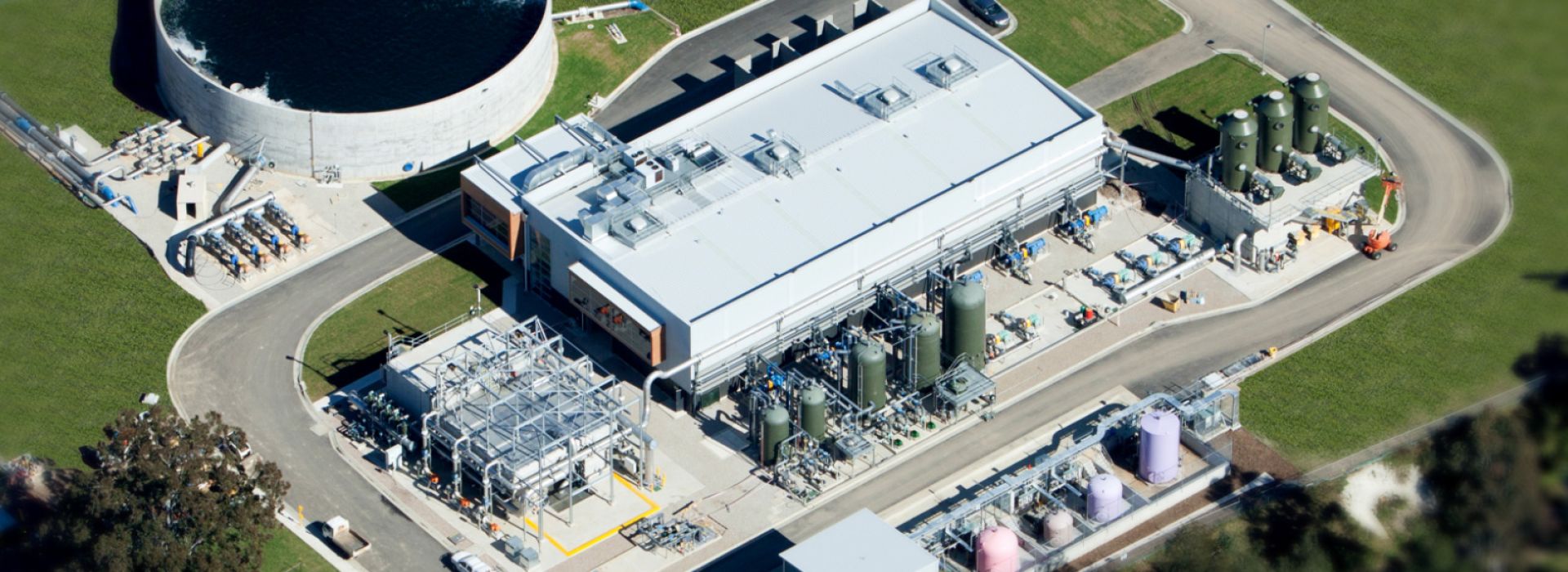
Adelaide Desalination Plant - Transfer Pipeline
Strengthening Adelaide's water infrastructure
In a joint venture with our building company, Built Environs, we designed, constructed, and commissioned the water pipeline and associated pumping infrastructure that connects the Adelaide Desalination Plant, (also delivered by us in consortia), to Adelaide’s main reservoir at Happy Valley.
We were awarded the project following an extensive early contractor involvement (ECI) process, including a rigorous assessment of our proposed design, construction methodology, and costs.
Fast Facts
- 12 km of 1.5 m diameter pipeline
- 150 ML/day transfer pump station
- 9 ML, 44 m diameter, 6m high break pressure tank
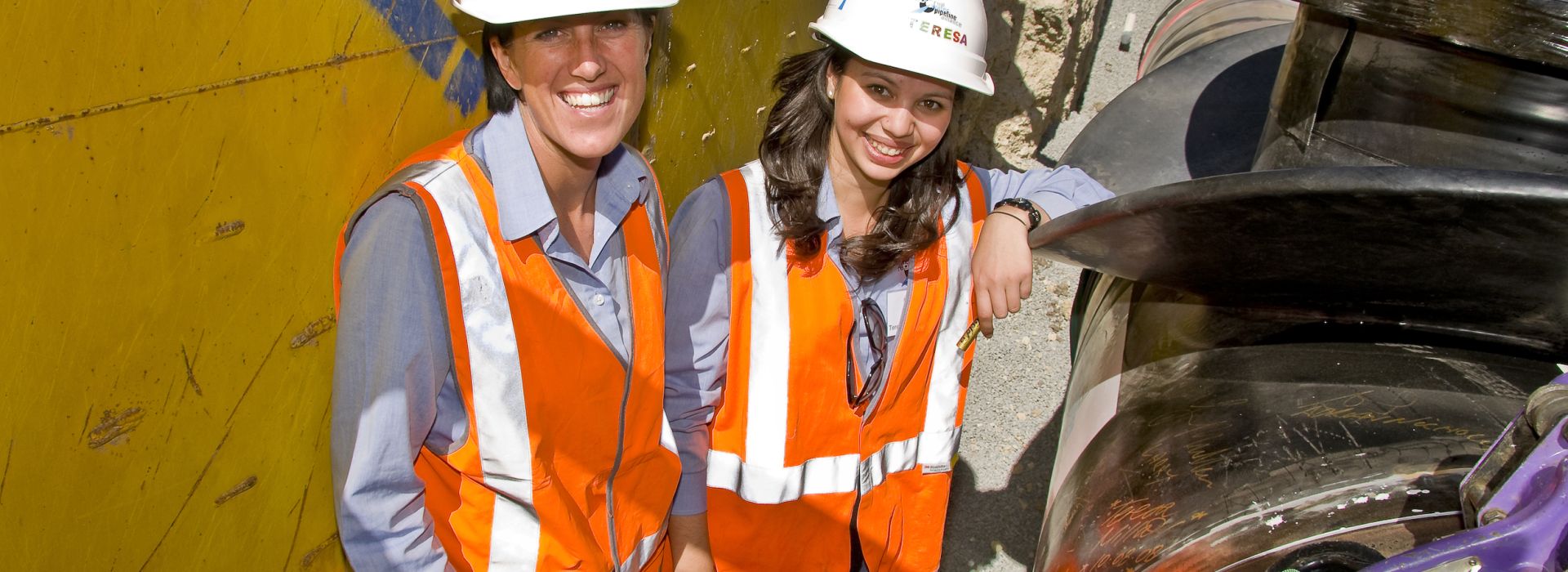
Western Corridor Recycled Water Pipeline
In alliance, we delivered the Western Corridor Recycled Water Pipeline (WCRWP), the backbone of the largest advanced recycled water project in the southern hemisphere and third largest in the world.
The project was an integral component of the Queensland Government’s A$9 billion South East Queensland Water Grid, the largest urban drought response in Australia.
Fast Facts
- 32 km long, 1500 mm dia. MSCL pipeline
- 48.3 km long, 1000 mm dia. GRP pipeline
- 60 km of small diameter pipelines
- 2 No. 5 ML storage tanks
- 7 No. pump stations
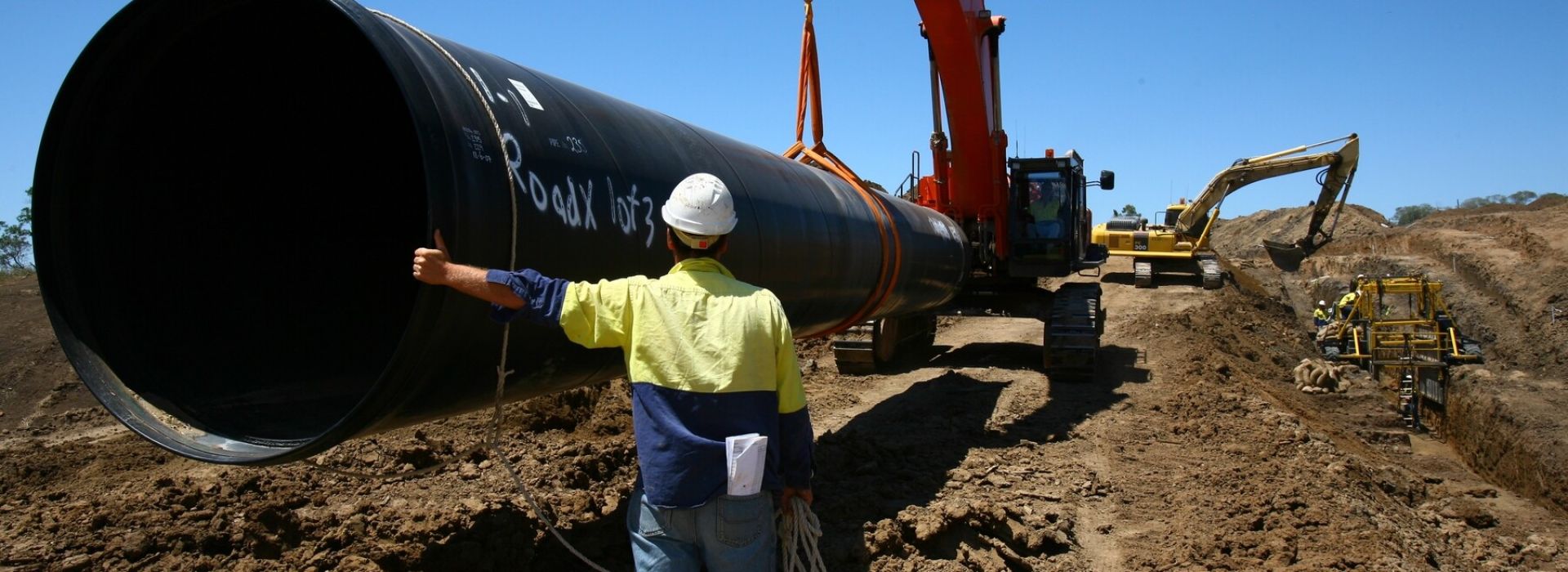
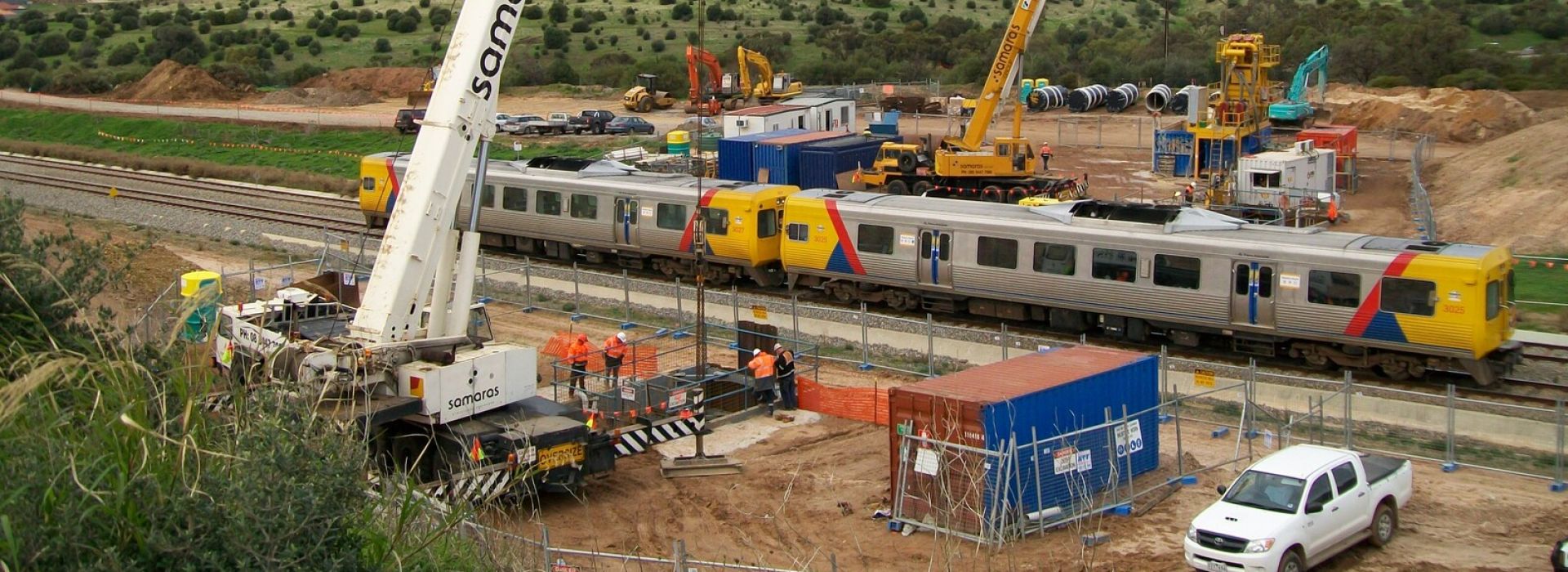
Burdekin to Moranbah Water Pipeline
Achieving an average daily pipe-laying rate of 1.25 km (peaking at 3.1 km), we constructed this 217 km long, large diameter water pipeline on a fast-track program for Sunwater.
The pipeline delivers 16,800 ML of water per annum to a terminal storage at Moranbah to be used predominately by industry. The new water supply ensures the continued prosperity of the Bowen Basin Region.
Fast Facts
- 172 km long, 813 mm dia. MSCL pipeline
- 45 km long, 750 m dia. DICL pipeline
- 1 No. main pump station
- 3 No. intermediate pump stations
Pipelines
We've delivered over 20,000 km of new pipe networks.
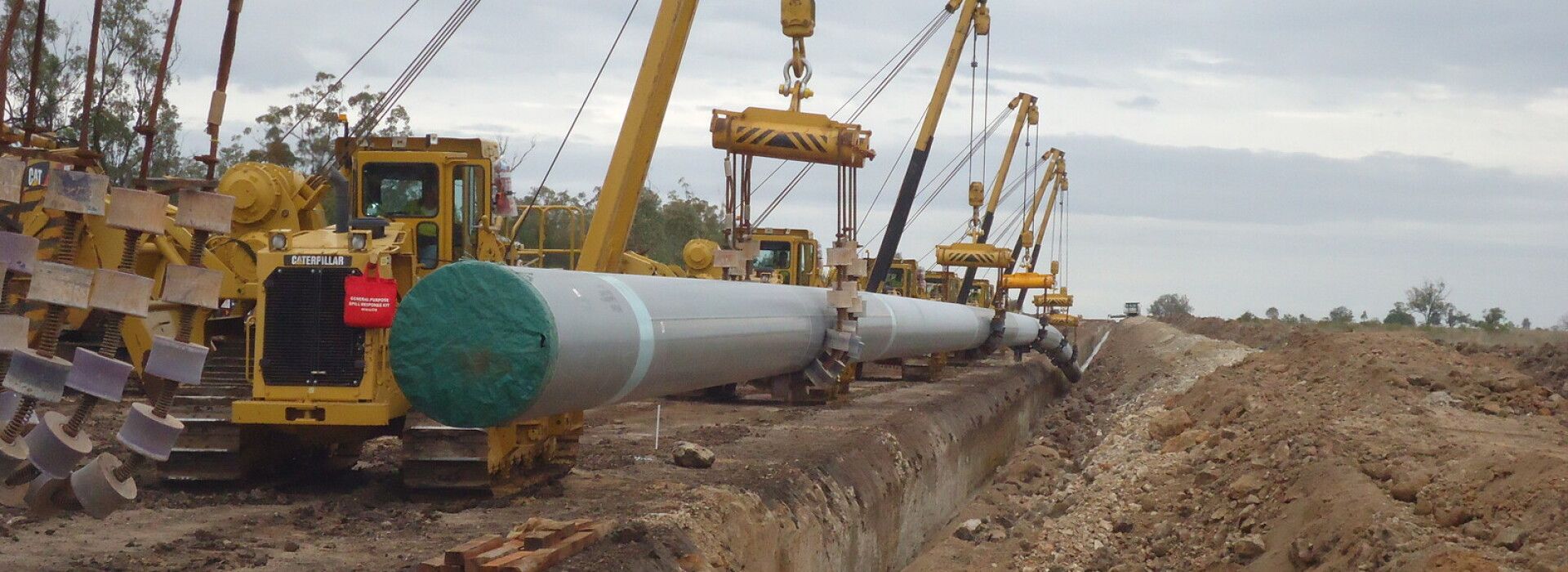
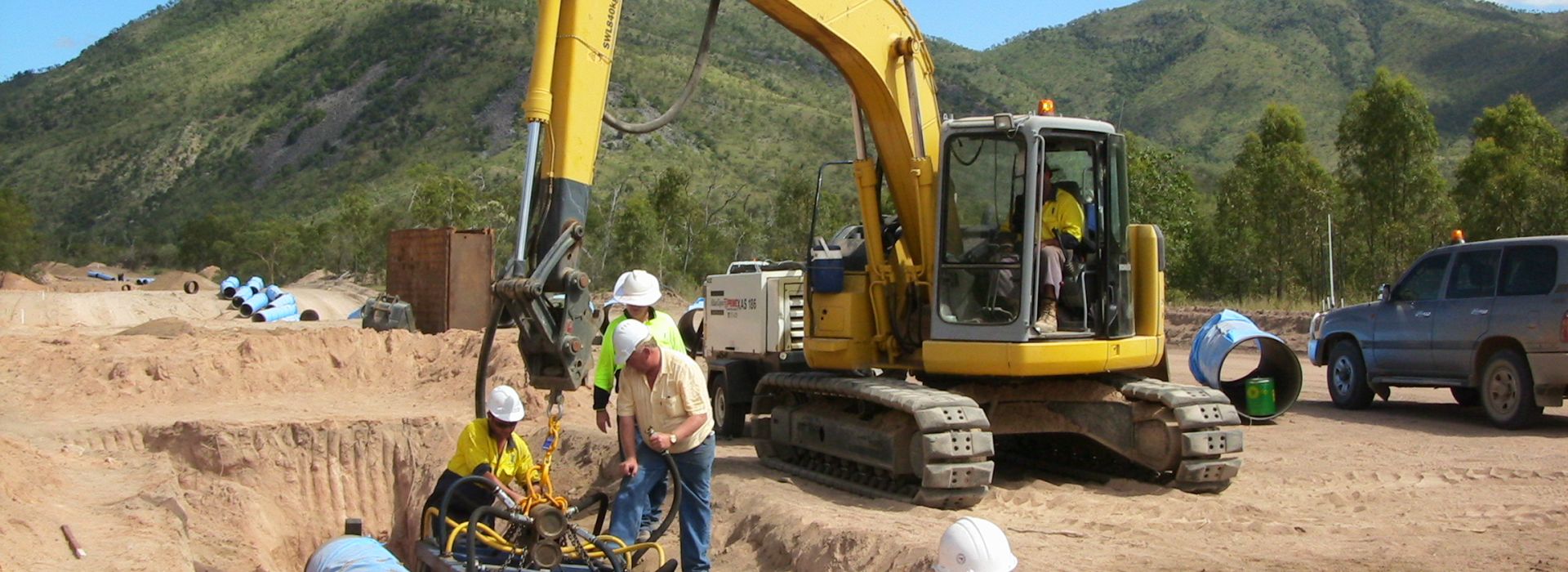
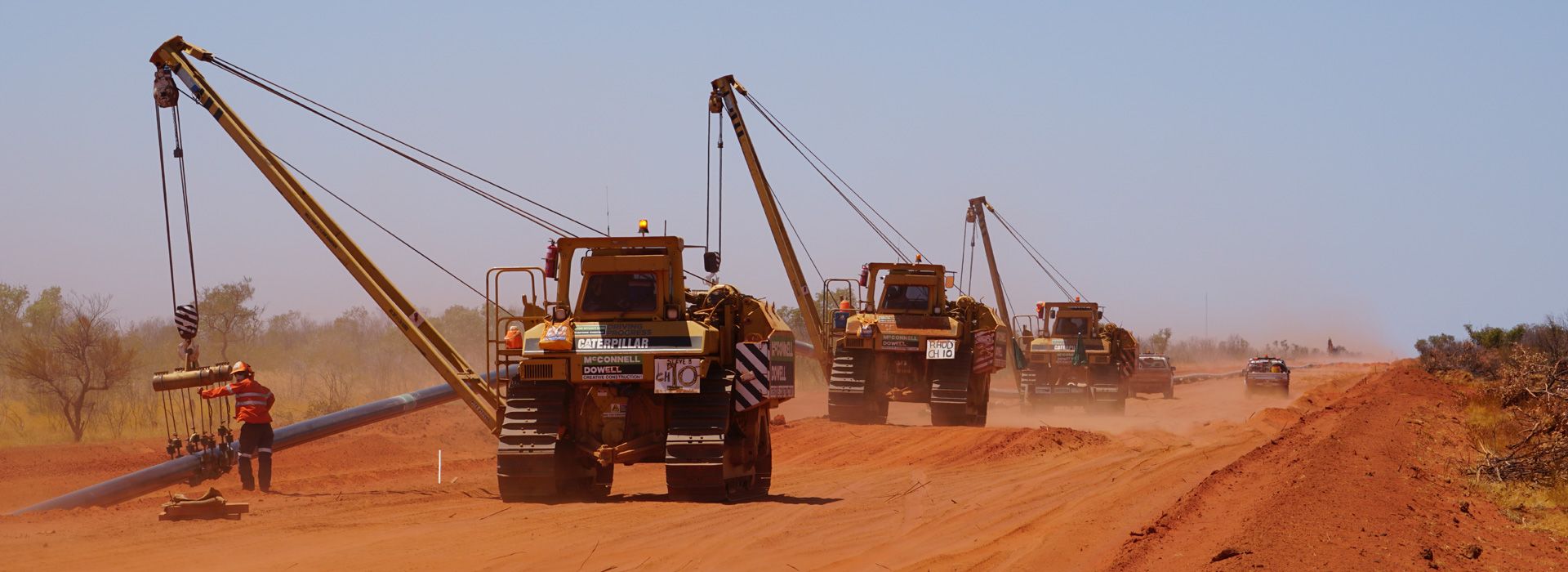
McConnell Dowell is a leading international pipeline contractor. We have constructed over 20,000 km of new pipe networks across more than 200 projects including gas, petroleum, water and slurry pipelines. These pipelines help drive economic and social progress across Australia, New Zealand, and South East Asia.
We are experts in large diameter pipeline construction and have delivered gas pipelines up to 1300 mm (50”) in diameter and water pipelines up to 1800 mm (70”) in diameter. Our in-house specialist skills and plant enable execution of HDD, micro-tunnelling, marine pipe pulls, pipe bridges and other complex crossing solutions.
Ryde to Pymble Pipeline Upgrade
Strengthening Sydney’s water network
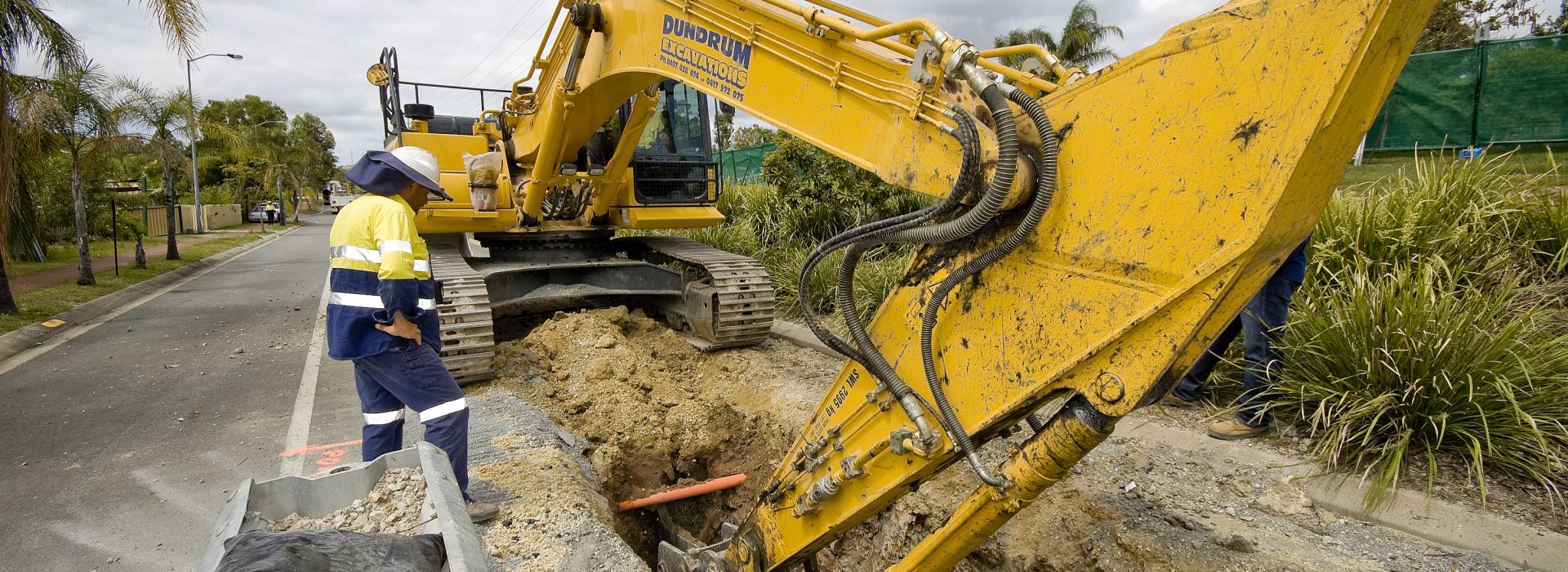
In a joint venture with Gamuda Australia, we have been awarded Sydney Water’s Ryde to Pymble pipeline upgrade project.
The project involves the design and construction of approximately 11 km of DN900 watermain from Ryde Pump Station to Wahroonga Reservoir, reinstating a critical watermain first built in 1936.
Fast Facts
- New DN900 watermain
- 10.2 km trenched construction
- 800 m trenchless crossing under national park
Warkworth to Snells Transfer Pipeline
Enhancing wastewater management for a sustainable future
Drawing on our industry-leading trenchless construction experience, we delivered the Warkworth to Snells Transfer Pipeline for Watercare, continuing our strong relationship with them.
The project was part of Watercare's North-East Wastewater Servicing Scheme, which conveyed wastewater from Warkworth to Snells Beach. The scheme will cater for future growth and enable Watercare to decommission the existing Warkworth Wastewater Treatment Plant, which discharges into the Mahurangi River.
Fast Facts
- 1.4 km long dual rising main
- 3.6 km long single gravity sewer
- 409 steel pipes, each 1219 mm in diameter and weighing 6.85 tonnes
- Water NZ Project of the Year 2025
Safety
We never compromise on safety.
We foster our 'Home Without Harm' safety culture through robust processes, effective systems, and by recognising and rewarding safe behaviours.
Our Site Safety Managers are always on our project leadership teams, ensuring safety is prioritised in all site activities. Every team member has clear safety responsibilities, aimed at protecting themselves, their colleagues, and the community.
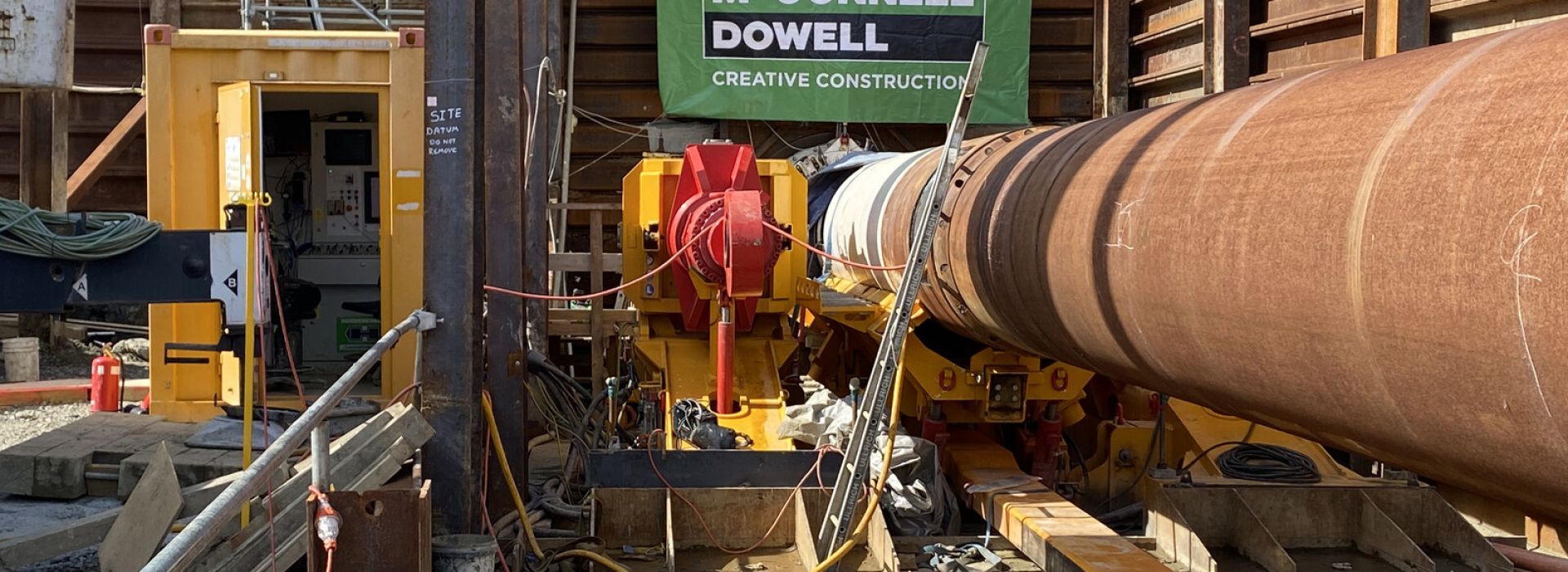
Pioneering Safety in Tunnel Works
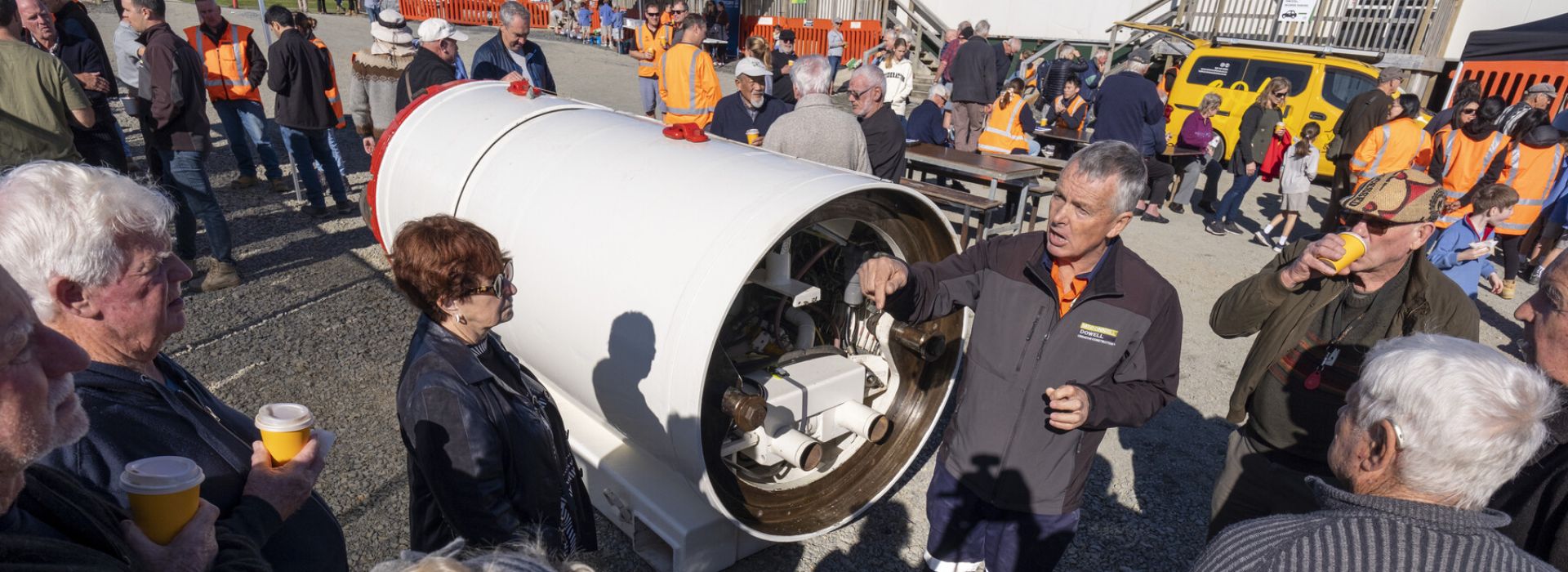
We’re always on the lookout for safer ways of working and our team came up with some ripper solutions on the Warkworth to Snells Transfer Pipeline project in New Zealand.
To keep our workers safe deep underground in a 1.2 m diameter steel tunnel, we engineered a game-changing upgrade to our tunnel service vehicles (TSVs), and reimagined critical slurry pump components—setting new industry standards in the process.
Our custom TSV modifications transformed factory-standard equipment into life-saving assets. We replaced software-based emergency brakes with a mechanical airbag-drop braking system that physically grips the rails. We added accessible emergency stop cords, rebreathers, fire suppressants, and even bump bars with auto-shutoff triggers. These thoughtful upgrades weren’t just theoretical—they were stress-tested, operator-approved, and rolled out across our full fleet. Combined with new training protocols and ergonomic tweaks, our upgrades are now enhancing safety on multiple tunnelling projects across New Zealand.
Meanwhile, our engineers tackled another critical safety and productivity hurdle—slurry pump failures. Working hand-in-hand with tunnelling specialists and Herrenknecht, we trialled and refined new materials and mechanical seal designs that dramatically improved the durability of in-pipe pumps. The result? Inspection intervals have jumped from 400m to 1200m of tunnelling, virtually eliminating the need for underground maintenance and slashing safety risks and downtime.
By thinking beyond off-the-shelf solutions and relentlessly improving with each project, we not only protect our people but elevate safety and performance benchmarks for the entire trenchless tunnelling industry. These breakthroughs—now adopted by global manufacturer Herrenknecht—are testament to our team’s ingenuity and our culture of ‘Home without Harm’.
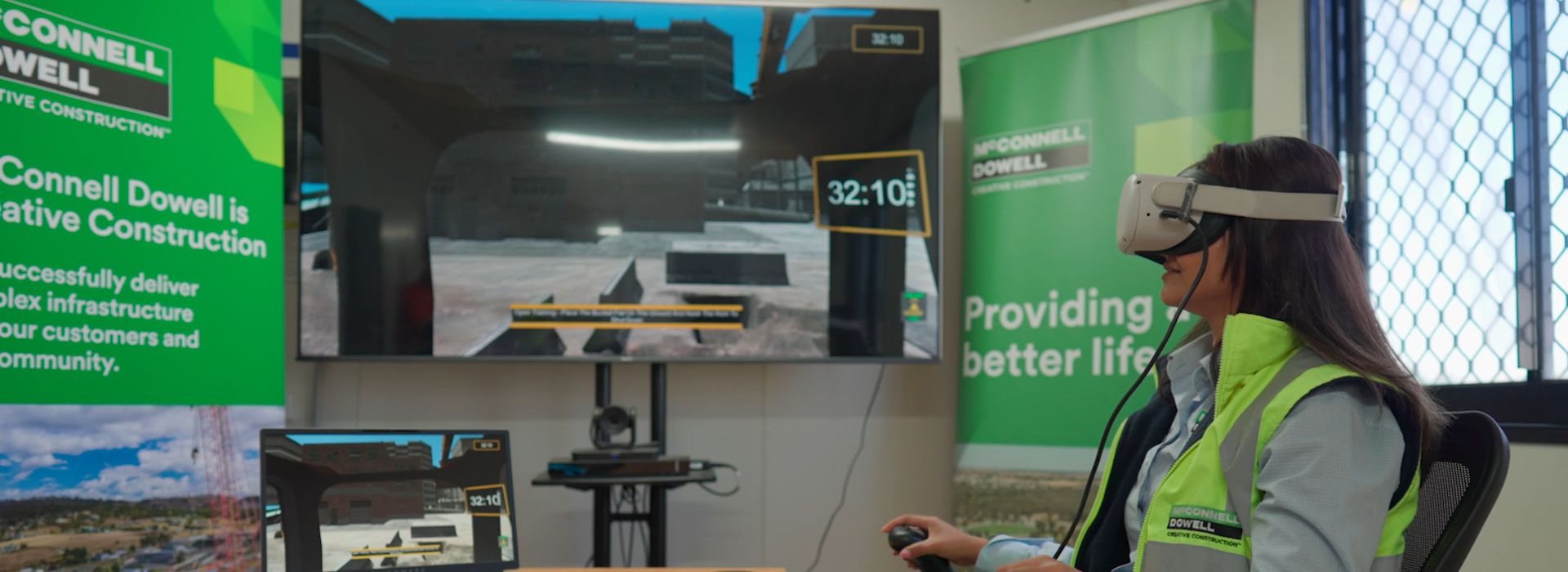
VR Plant Awareness Program - changing behaviour through living the experience
Previously, commercially available VR units were only used for plant operator training, but our team has customised the use case to increase awareness for all personnel.
The program allows anyone to experientially learn the challenges, limitations and risks plant operators face.
This innovative program has not only increased our workers’ plant awareness, but has also improved work practices and methods on site. It has increased plant awareness among those that control or influence activities on site, which has had a positive impact on safety site-wide.
Watch the video and book the system below.
Bookings
If you're in Australia and you'd like to book the VR system, please send an email to greg.evangelakos@mcdgroup.com.
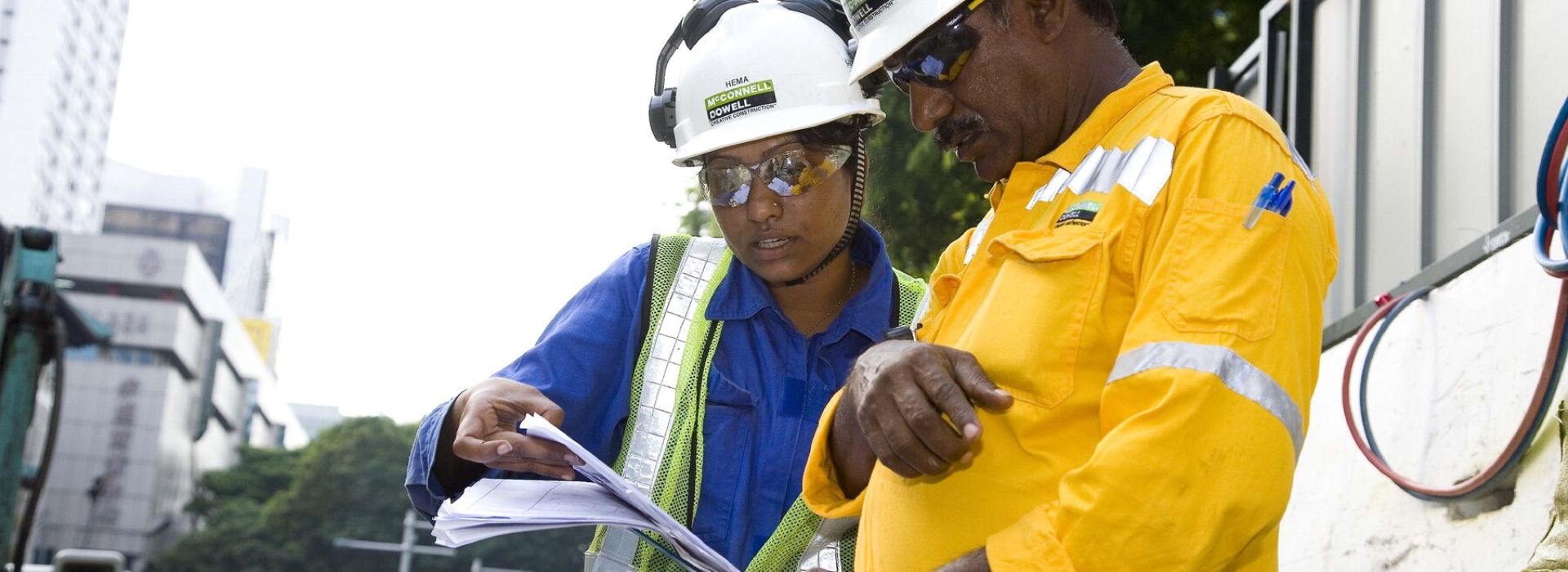
Driving Safety Through Revamped Golden Rules
At McConnell Dowell, safety is a non-negotiable principle at the heart of every decision. To strengthen our commitment to a safer, more empowered workforce, we recently modernised our Safety Golden Rule Requirements. This refresh simplifies and reinforces our safety culture through bold new visuals, clear messaging, and digital accessibility tailored to today’s diverse worksites.
The revamped program introduced high-impact signage based on international standards, a mobile-optimised platform for real-time access to safety resources, and a digital booklet for on-the-go reference. Mandatory e-learning ensures everyone understands the changes and their personal role in maintaining safety. Supervisors are now explicitly empowered to stop any unsafe activity without needing approval—highlighting our shift toward individual accountability.
Early results show stronger engagement, better rule retention, and faster access to resources. More importantly, the cultural shift is clear: safety at McConnell Dowell is not just enforced—it’s actively owned by every person, every day.

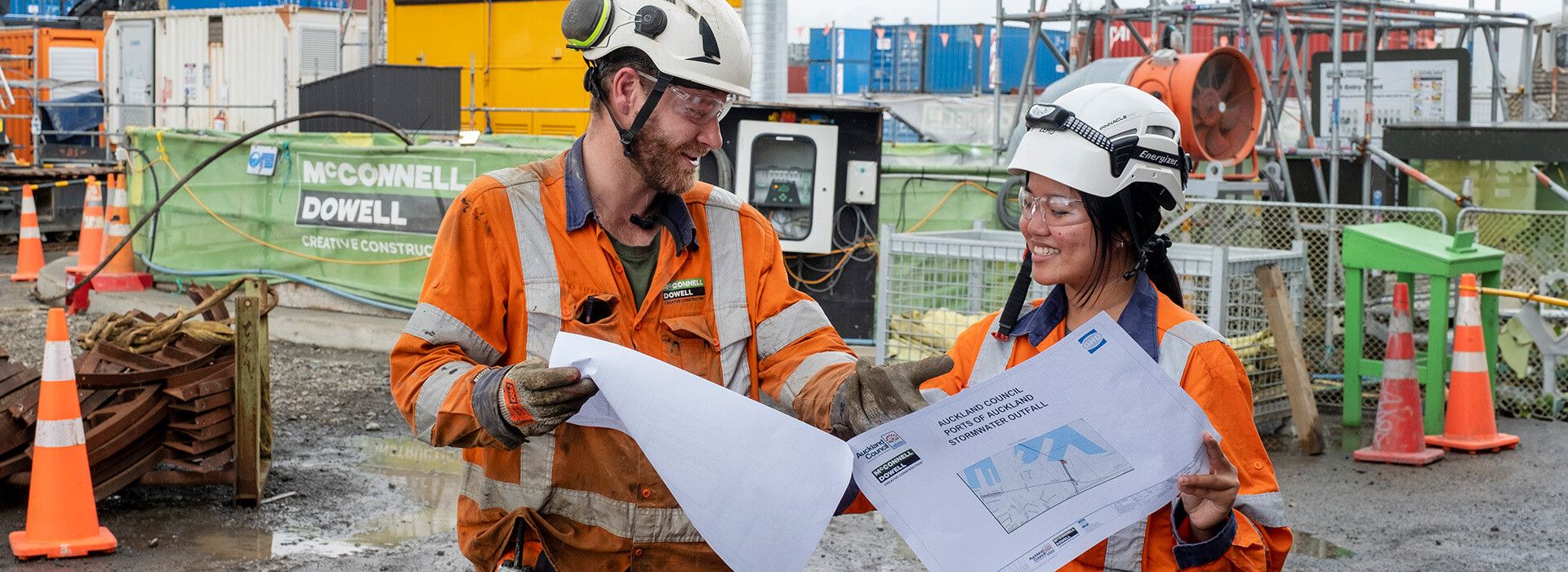
Creative Construction
Creative Construction at McConnell Dowell is the inspired engineering behind the complex infrastructure we deliver.
It's the technical problems and challenges solved behind the scenes by people empowered to think creatively and work collaboratively. It’s the alternative idea or innovation that saves time, reduces cost, makes us safer, and delivers more value.
It might not always be evident when you look at the end product, but it's there, inside every McConnell Dowell project.
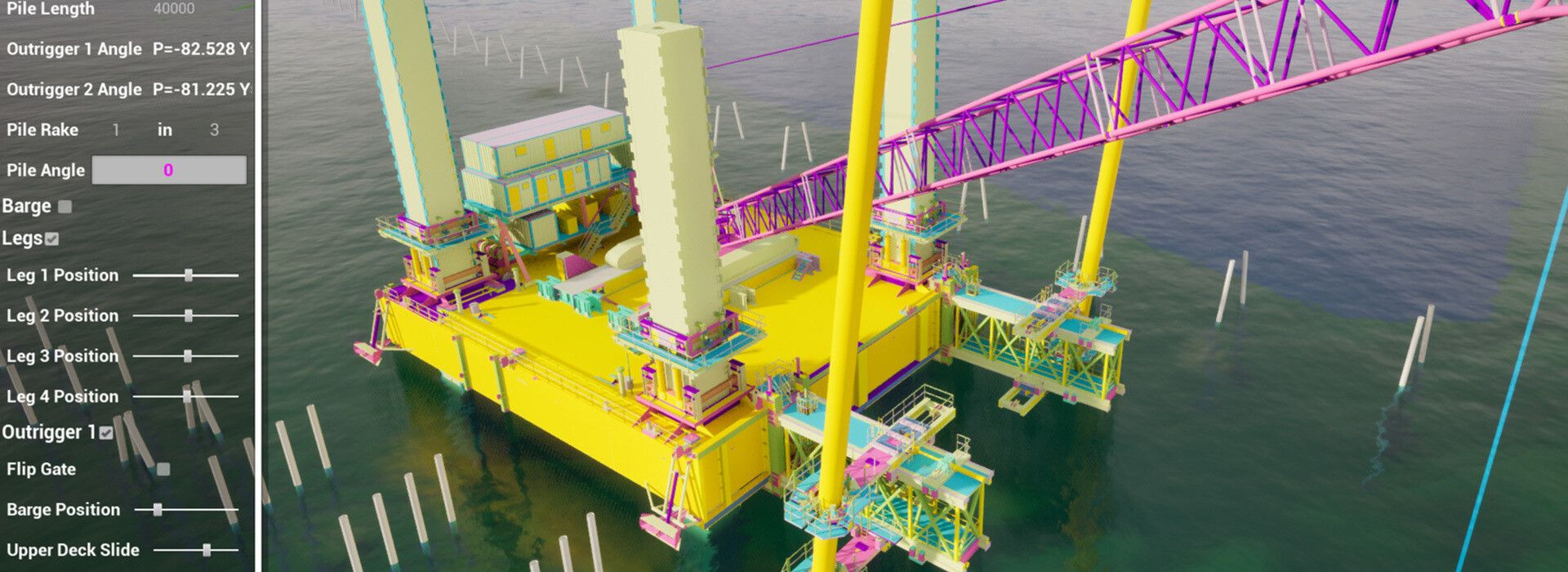
Digital Engineering
We take a ‘Digital First’ approach to all our projects, equipping our teams with the latest digital tools and systems from the design stage forward.
This helps them identify and address potential issues at the earliest stages of project development, effectively eliminating issues at their genesis leading to lower costs and delays once we start on site.
On site, we use digital tools like drones for surveying, and GPS tracked plant to monitor and improve safety and efficiency.
Sustainability (ESG)
Our purpose is 'Providing a Better Life’ - today and into the future. That’s why sustainability, in all its forms, is considered in every project, process and product across our business.
Our approach is clearly articulated in our Sustainability Policy.
We're about action not just aspiration. Our ambitious but achievable {tip title="Carbon Reduction Roadmap" content=""} carbon reduction road-map {/tip} will see us be operationally net zero by 2030, with 44 initiatives that are being progressively rolled out across the company. Last year we reduced our carbon emissions by 442 tonnes through the use of solar technologies alone, and diverted almost two million tonnes of waste from landfill.
Closing Text - General with contacts, no video
Summary
Thank you for taking an interest in McConnell Dowell's skills, capabilities and approach. Additional information is available on our website, including additional project case studies.
Contact us through the link(s) below for advice or assistance with your project.
Contacts
Claire Tanner
Pre-Contracts Manager SA & WA
M: +61 (0)418 645 297
claire.tanner@mcdgroup.com LinkedIn