Capability Statement
Prepared for Veolia
May 2026
Introduction General
Thank you for the opportunity to present this brief capability statement which details a cross-section of our skills and experience, and showcases a selection of our recent projects.
About Us (typically use first)
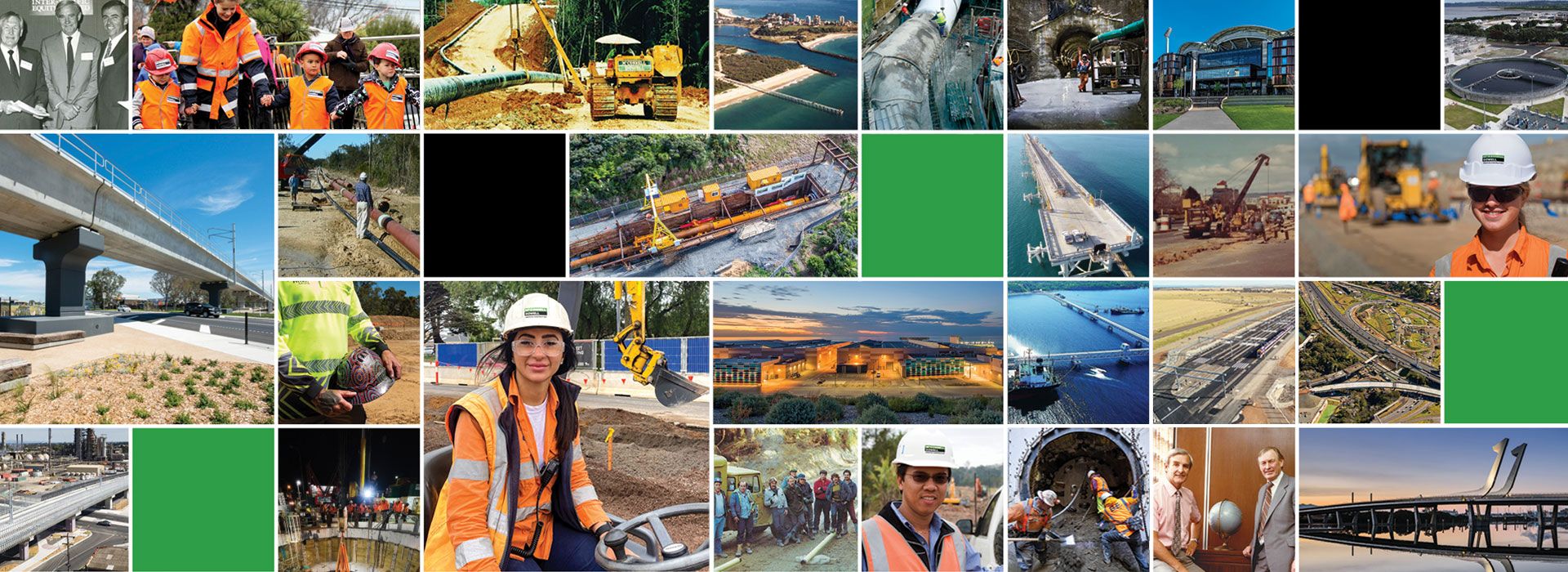
For over 65 years customers have been coming to McConnell Dowell with complex projects that require innovative solutions. That's why we're known as the Creative Construction company.
From remote resources and energy projects to city-shaping infrastructure, we've built thousands of quality assets and facilities.
Engineering-led, our expertise has grown steadily to span building, civil, electrical, fabrication, marine, mechanical, pipelines, rail, tunnel and underground construction..
Water & Wastewater Solutions
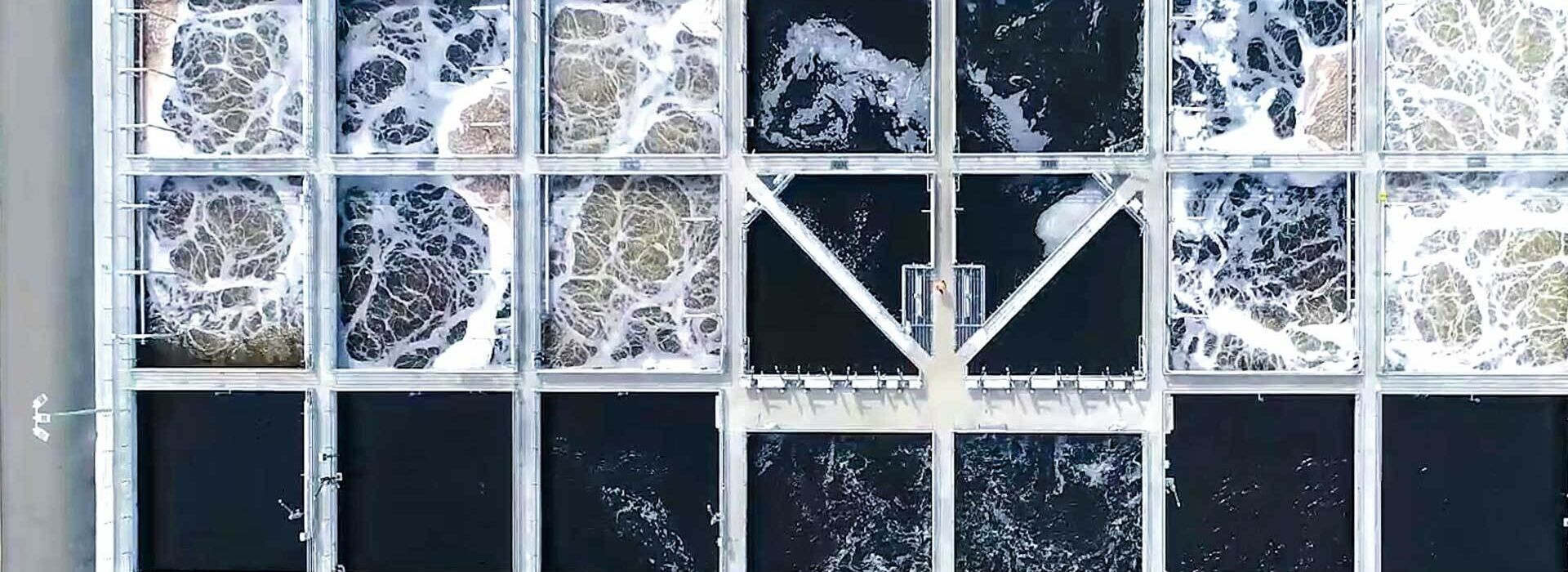
We understand what matters most to our water industry customers - uninterrupted supply, minimal disruption, safety, compliance, and positive community engagement.
We've been entrusted with the design and delivery of major metro desalination and water treatment plants, as well as the construction of dams and large-diameter pipeline and pump station networks.
We've delivered approximately $9 billion in new water assets over the last 15 years, including:
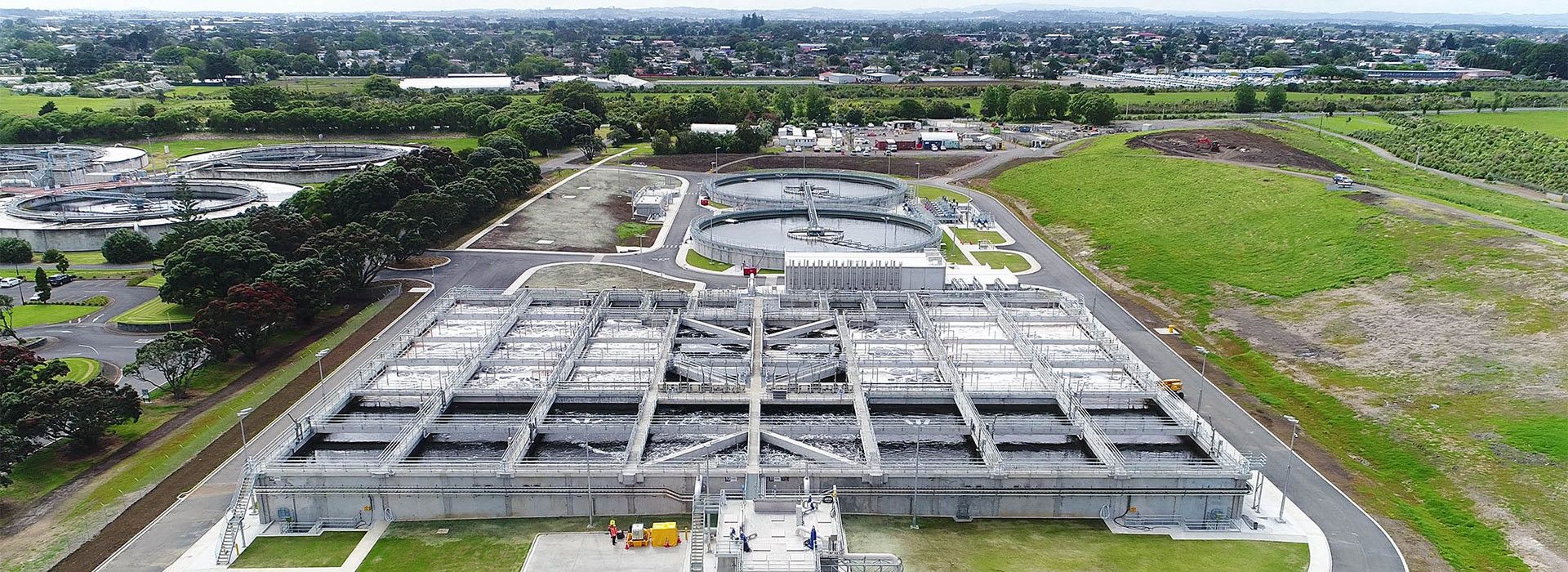
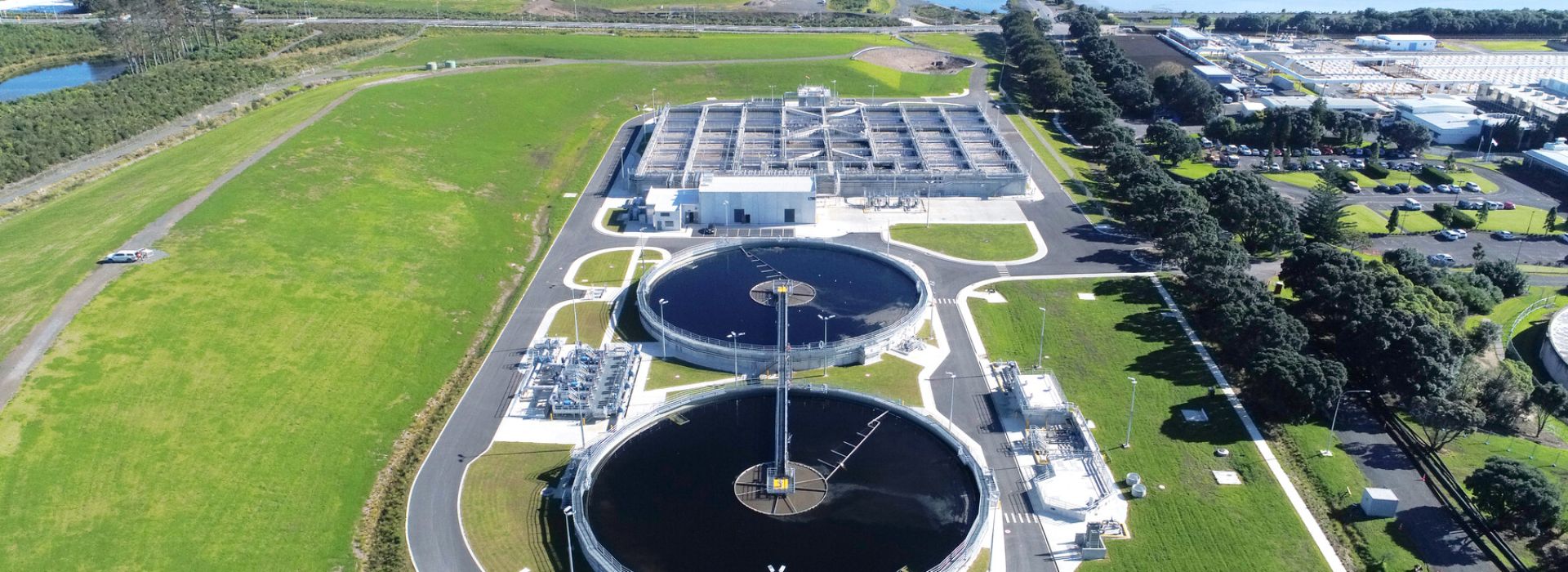
Māngere Biological Nutrient Removal Facility Upgrade
Expanding wastewater treatment capacity to meet growing demand
In joint venture, we delivered an additional Biological Nutrient Removal (BNR) facility for Watercare, streamlining the programme and providing alternate solutions that reduced the cost of this complex brownfield project. The facilty provides additional secondary treatment capacity for approximately 250,000 people.
The project, which was part of Watercare's expansion of their Māngere Resource Recovery Facility (MRRF) in Auckland, won a IPWEA 'Best Public Works Project' award.
Fast Facts
- 200 staff
- 830,000-man hours worked
- 120,000 m3 earth moved
- 15,500 m3 of concrete poured, or 750 concrete truckloads
- 2,400 No. 150 mm steel piles each weighing 500 kg
- 323 No. precast concrete panels
Shotover Wastewater Treatment Plant Upgrade
Improving environmental outcomes and facilitating future growth for communities
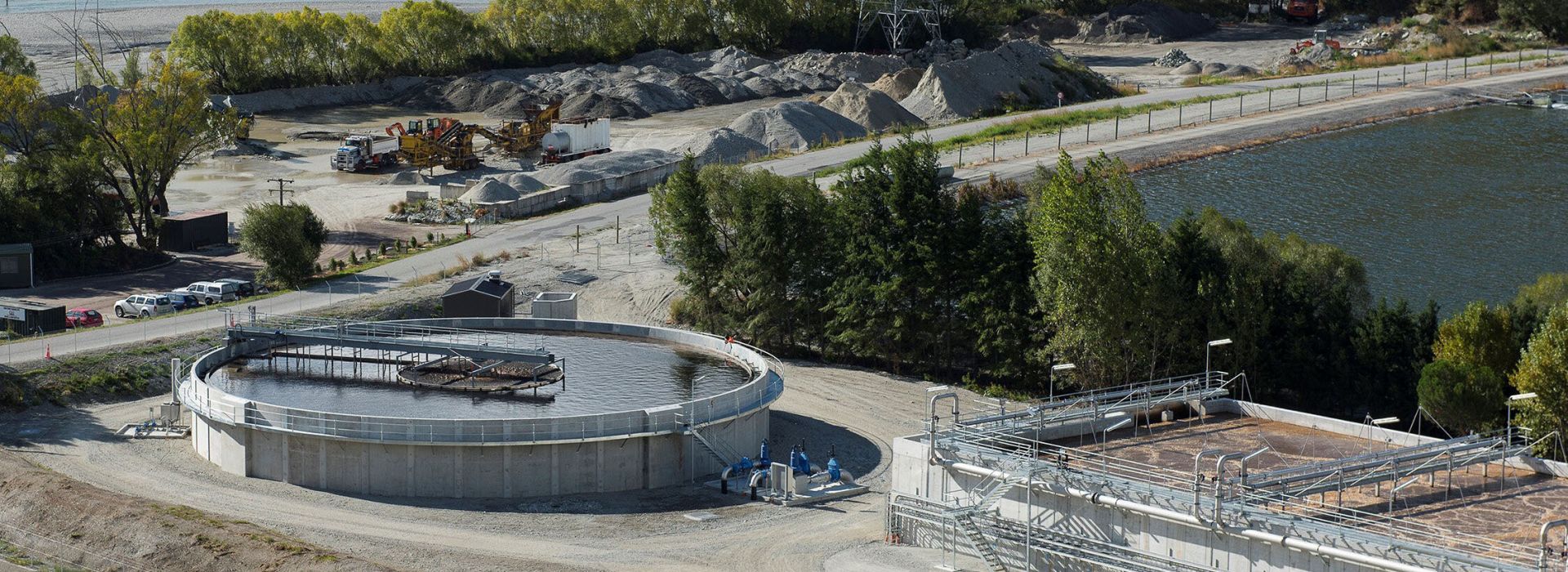
Protecting the environment and minimising disruption to existing operations were key to securing the second stage of the Shotover Wastewater Treatment Plant Upgrade in picturesque Queenstown.
Our project was the third (and final stage) of Queenstown Lakes District Council’s 20-year-long programme to transition the plant from the traditional Biological and Aerated Pond Treatment processes to the more effective and efficient ‘Activated Sludge Treatment’ method.
Fast Facts
- Reused 10,000 m3 of spoil in a temporary bund for land reclamation
- Constructed 11,000 m3 engineered gravel raft
- Safely repurposed 1100 dry tonnes of sludge
- Built new 34 m diameter Clarifier
- and 24 m x 80 m x 6.2 m MLE Reactor Tank
- Decommission an oxidation pond
Aura and Harmony Infrastructure Program
Improving water and wastewater infrastructure
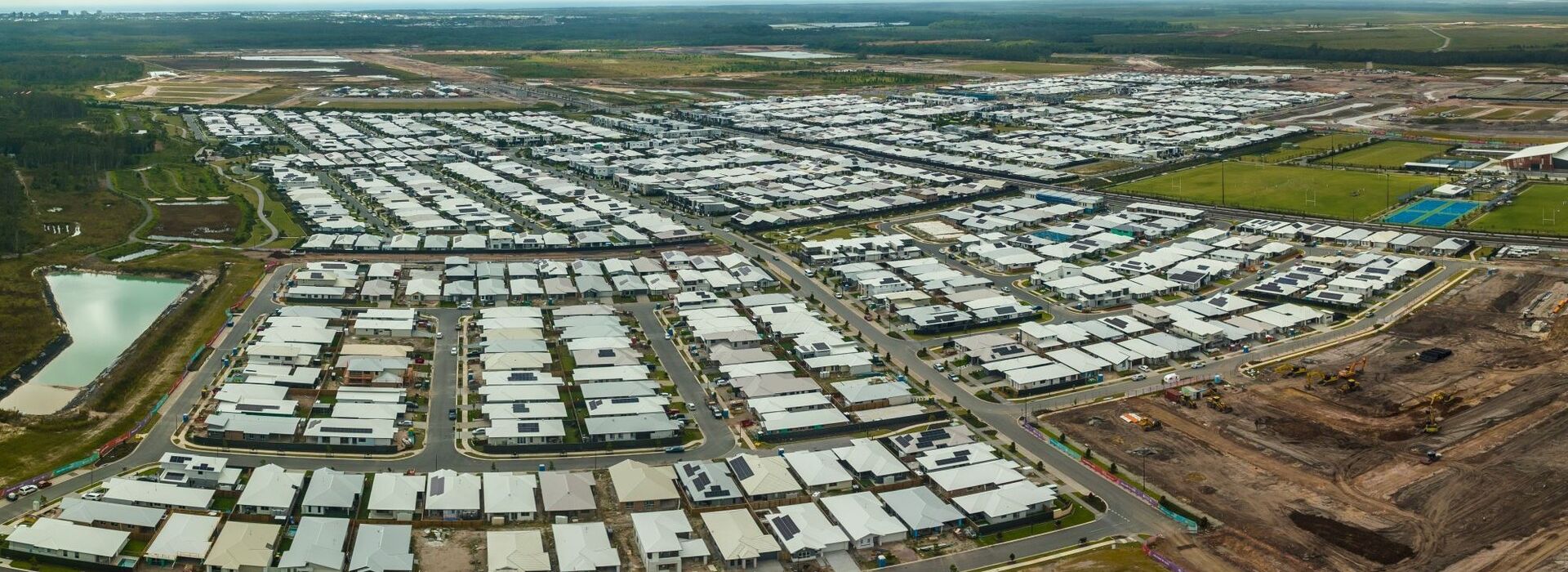
On behalf of Unitywater, we're delivering critical new water and wastewater infrastructure to support growth on Queensland's Sunshine Coast. The new pipelines, pump stations, and storage reservoirs will support the new Aura and Harmony communities in the Caloundra region.
For the Aura development (which will grow to 50,000 residents by 2050), we're delivering a new wastewater network that includes over 12 km of 900 mm diameter pipeline and one pump station. We're also delivering a new water supply network for this community, that includes over 12 km of 800 mm diameter pipeline connecting the Ewen Maddock Dam to a new 12 ML water reservoir.
Fast Facts
- Large diameter (up to 900 mm) water and wastewater pipelines
- 12 ML storage reservoirs
- Pump stations
- Open and trenchless pipeline construction techniques
Fitzroy to Gladstone pipeline
Improving long-term water security
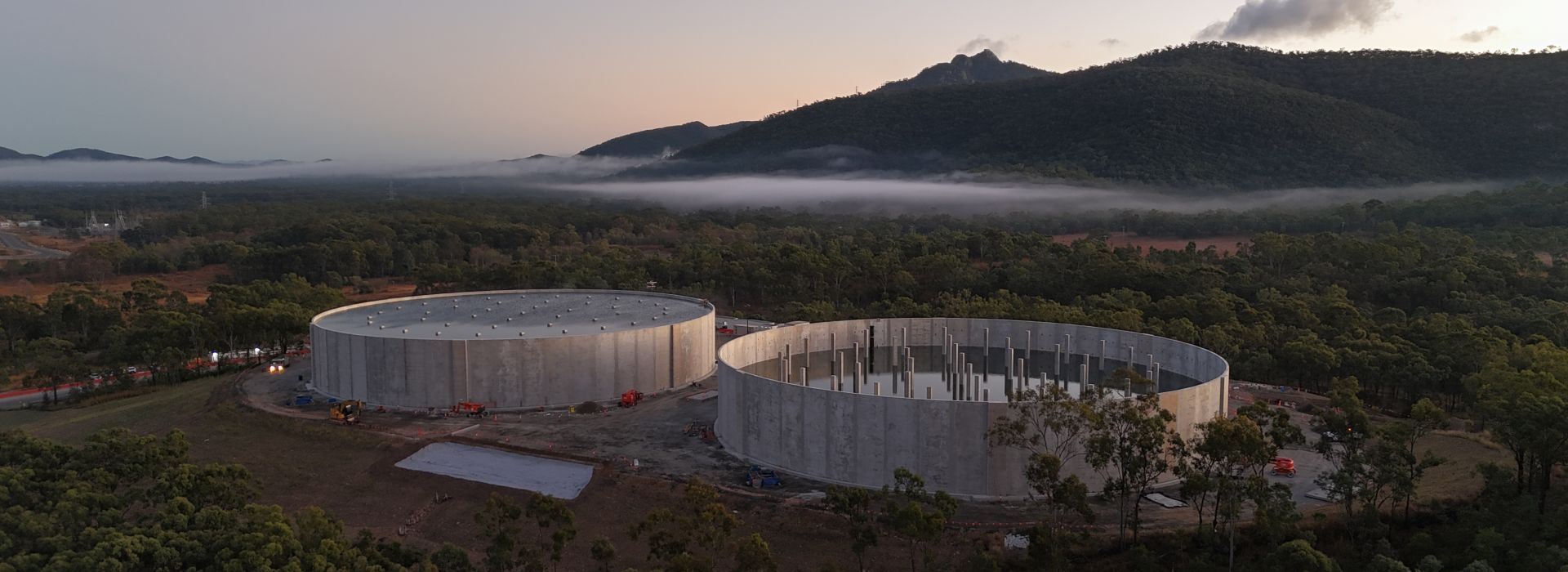
We're delivering the Fitzroy to Gladstone Pipeline (FGP) project for the Gladstone Area Water Board (GAWB) and the Queensland Government. The project, which will have the capacity to transport 30 gigalitres per annum, will enable long-term water security for urban and industrial customers in the region.
The FGP, which comprises an approximately 117 km long, 1 m diameter pipeline, a water treatment plant, reservoirs, and pumping stations, will also support the emerging hydrogen industry in the Gladstone region of Queensland. We have teamed up with BMD Constructions in a joint venture (the MBJV) to deliver the Project.
Fast Facts
- 117 km long, 1 m diameter pipeline
- New water treatment plant
- Reservoirs and pumping stations
- 21 trenchless crossings
- $10 million First Nations spend
Adelaide Desalination Plant
Setting new benchmarks in efficiency and reliability
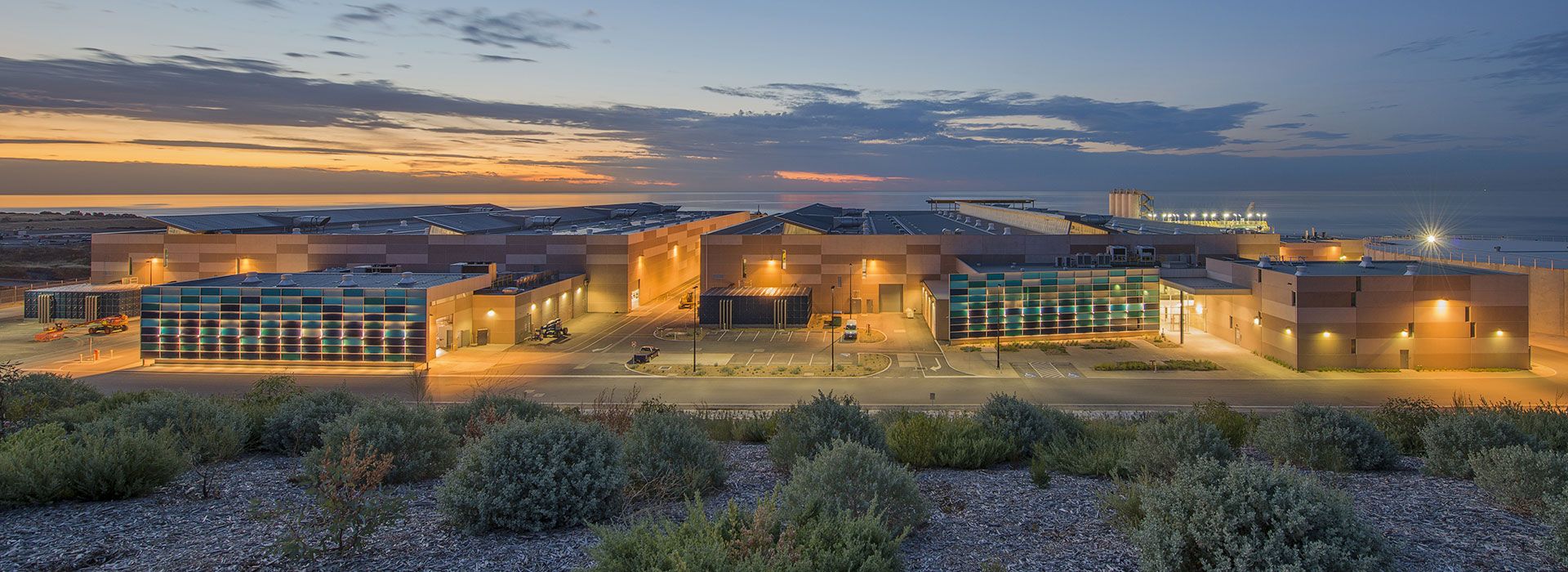
We were a member of the Adelaide Aqua consortia responsible for designing, building, and commissioning the Adelaide Desalination Plant, the state's largest ever infrastructure project. The reverse osmosis plant is one of the most efficient in the world and can produce 100 GL of fresh water each year.
The project encompassed all construction disciplines including bulk earthworks, civil structures, marine, tunnelling, mechanical, electrical, and building works. Some 10,000 people were employed during construction.
Fast Facts
- 650,000 m3 of earthworks
- 2 subsea tunnels: 1.4 km and 1.1 km long
- 40 km of fibreglass, steel and PVC pipework
- 12 buildings
- 10,000 people employed during construction
Gisborne Wastewater Treatment Plant Upgrade – Stages One & Two
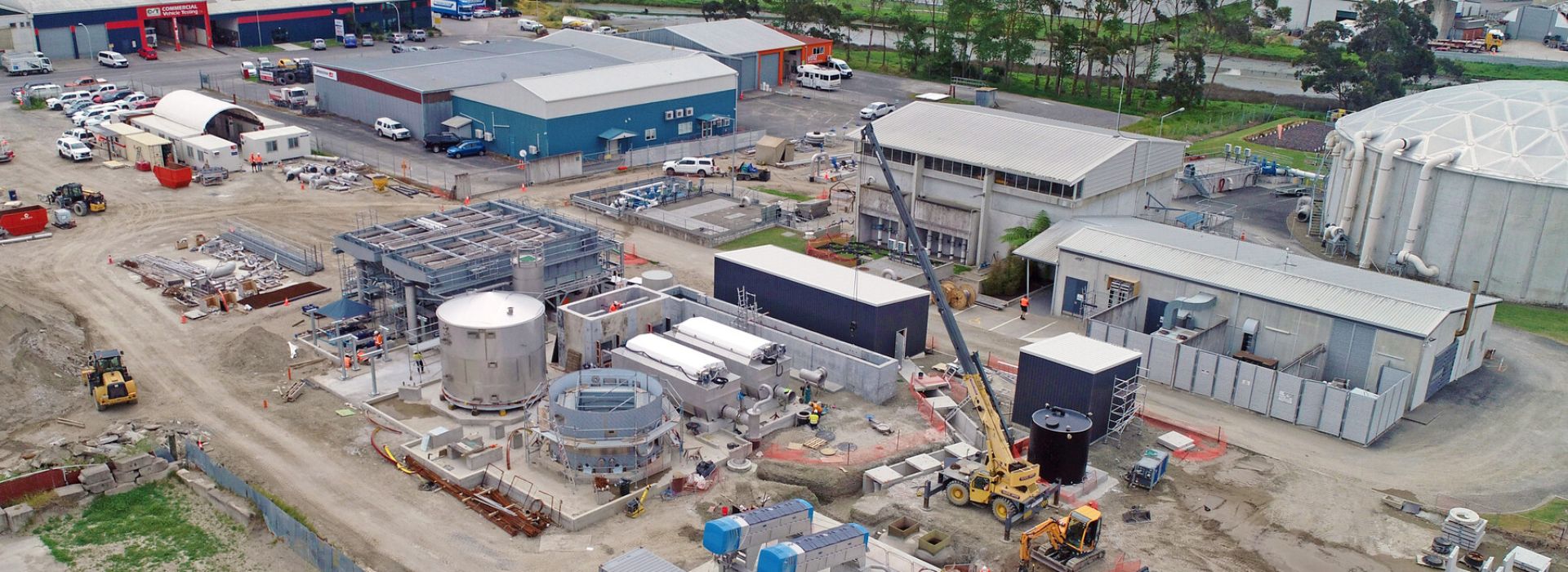
In Gisborne, on the east coast of New Zealand’s North Island, we upgraded a wastewater treatment plant, doubling its existing capacity while saving our customer 30% in construction costs.
The budget for the Gisborne Wastewater Treatment Plant Upgrade – Stages One & Two was tight, but we love a value-engineering challenge! Working with the Gisborne District Council, the team rescoped and redesigned the construction method, reducing the cost by 30% and reducing the carbon footprint of the job.
Fast Facts
- 8500 m3 material stabilised, forming a 5 m deep 'earth raft'
- 12 m deep steel piled temporary cofferdam
- 6 m deep permanent pump station
- 2 No. 11 tonne tanks
- 9 m high stainless-steel tank
SA Water Frameworks
Improving the reliability and capacity of South Australia's water supply
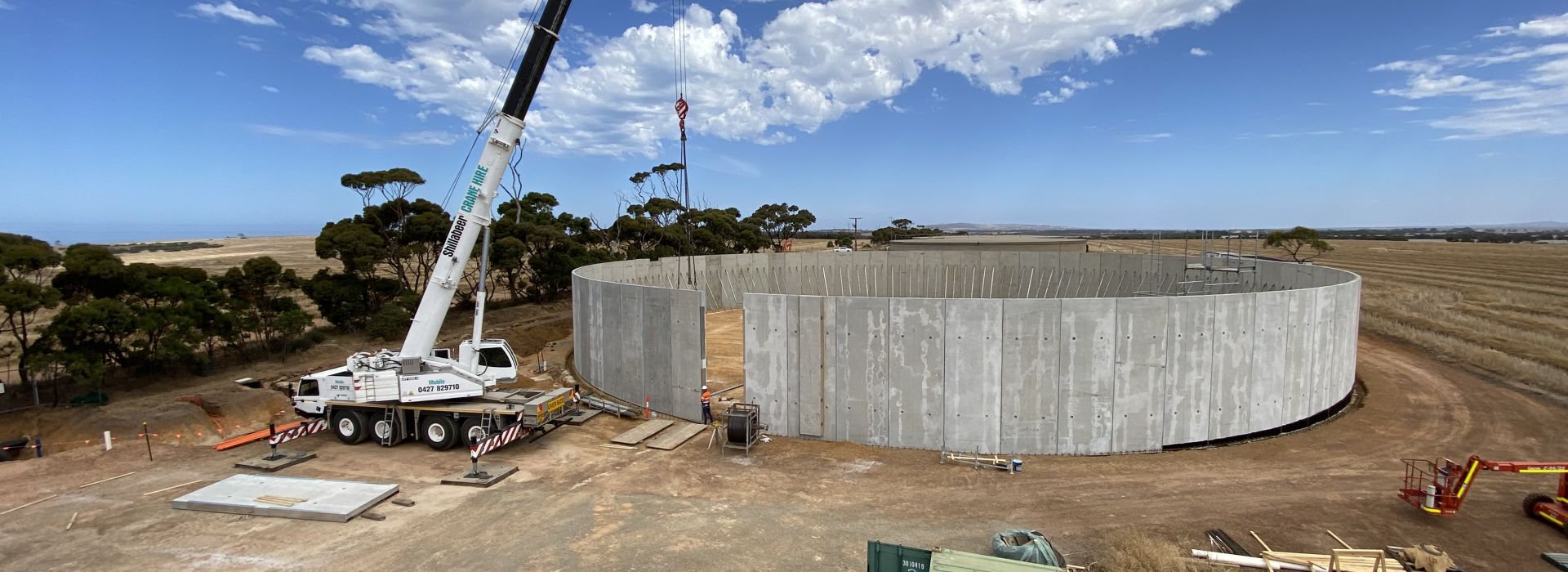
In joint venture with Diona (the Water North JV) we're one of three major framework partners delivering SA Water’s multi-billion dollar capital delivery program. The 'Frameworks' model fosters collaboration and innovation in the planning and delivery of water projects across metro and regional South Australia.
During the first four years (2020 - 24) our team delivered approximately 150 projects, including the design and construction of:
Fast Facts
- Collaborative delivery program
- Approximately 150 individual projects in first 4 years
- 60,000 m of water pipelines
- 2 earth bank storage projects
- 2 distribution pump stations
- 21 water tank remediation works (including concrete & structural remediation)
Echuca Moama Bridge
Providing locals and visitors with safer and easier travels between Echuca and Moama
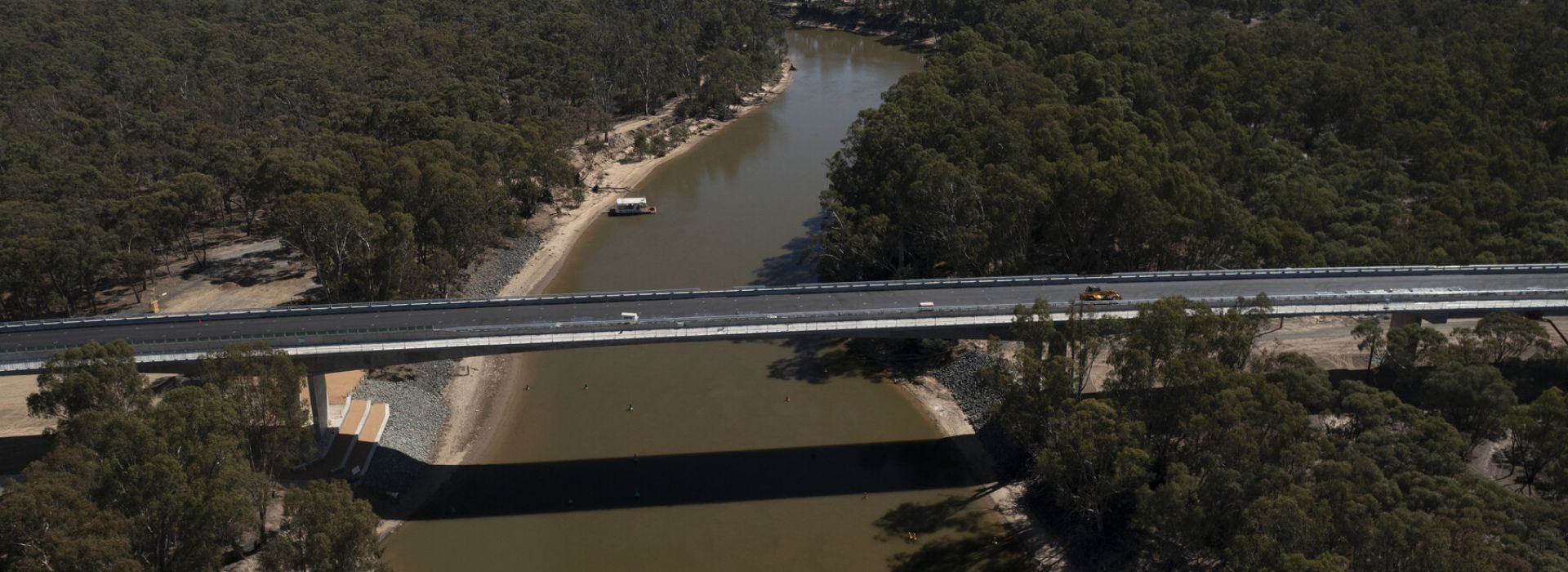
An innovative bridge solution saw us secure the design and delivery of this important new river crossing for the Victorian and NSW state governments.
Completed four months ahead of schedule, construction of this vital second crossing between Echuca and Moama included new bridges over the Murray and Campaspe rivers, and two new flood relief bridges.
Fast Facts
- 600 m of elevated structures, including a 115 m in-situ balanced cantilever box girder for main river crossing
- Eight span 300 m Campaspe Bridge structure completed in 10 months
- 400,000 tonnes of fill successfully imported through busy border tourist town
- 125 Super-Tees (each 35 m long) used for bridge approaches
- 10,000 tonnes of asphalt laid
- 13.7 ha of habitat improvement works
Digital Engineering & Technology
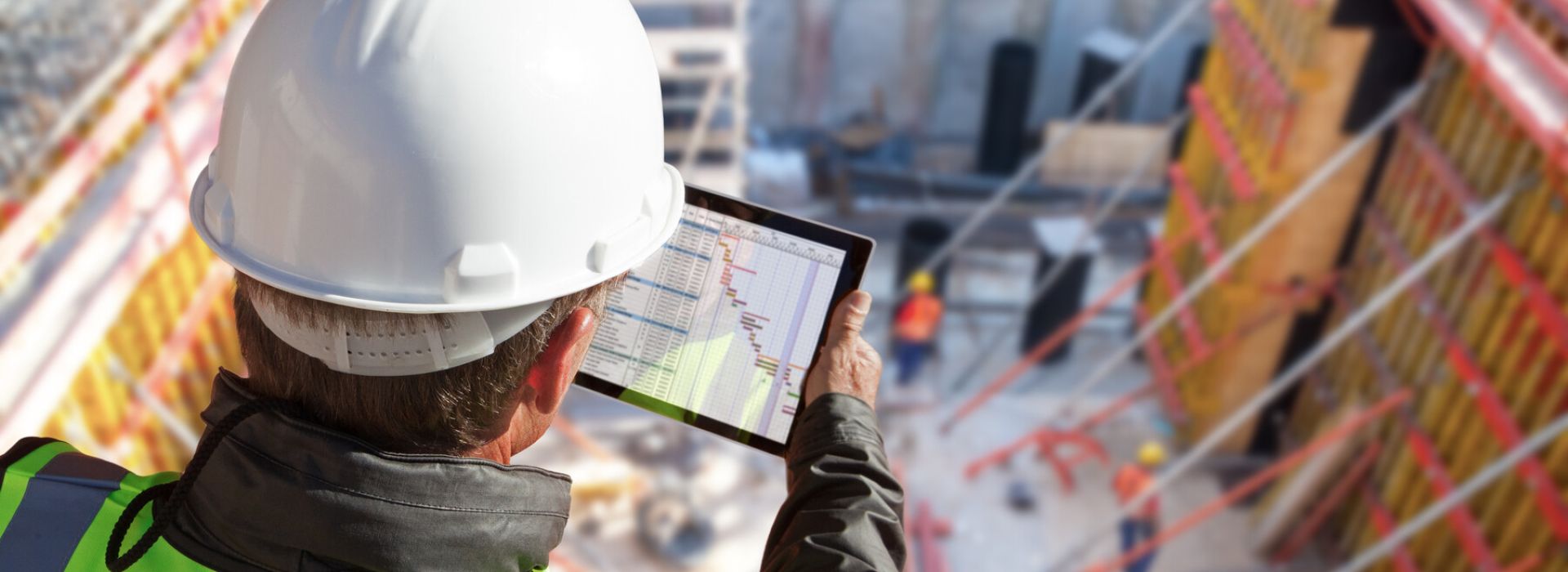
We take a ‘Digital First’ approach to all our projects, equipping our teams with the latest digital tools and systems from the design stage forward.
This helps them identify and address potential issues at the earliest stages of project development, effectively eliminating issues at their genesis leading to lower costs and delays once we start on site.
On site, we use digital tools like drones for surveying, and GPS tracked plant to monitor and improve safety and efficiency.
Improving safety through technology and automation
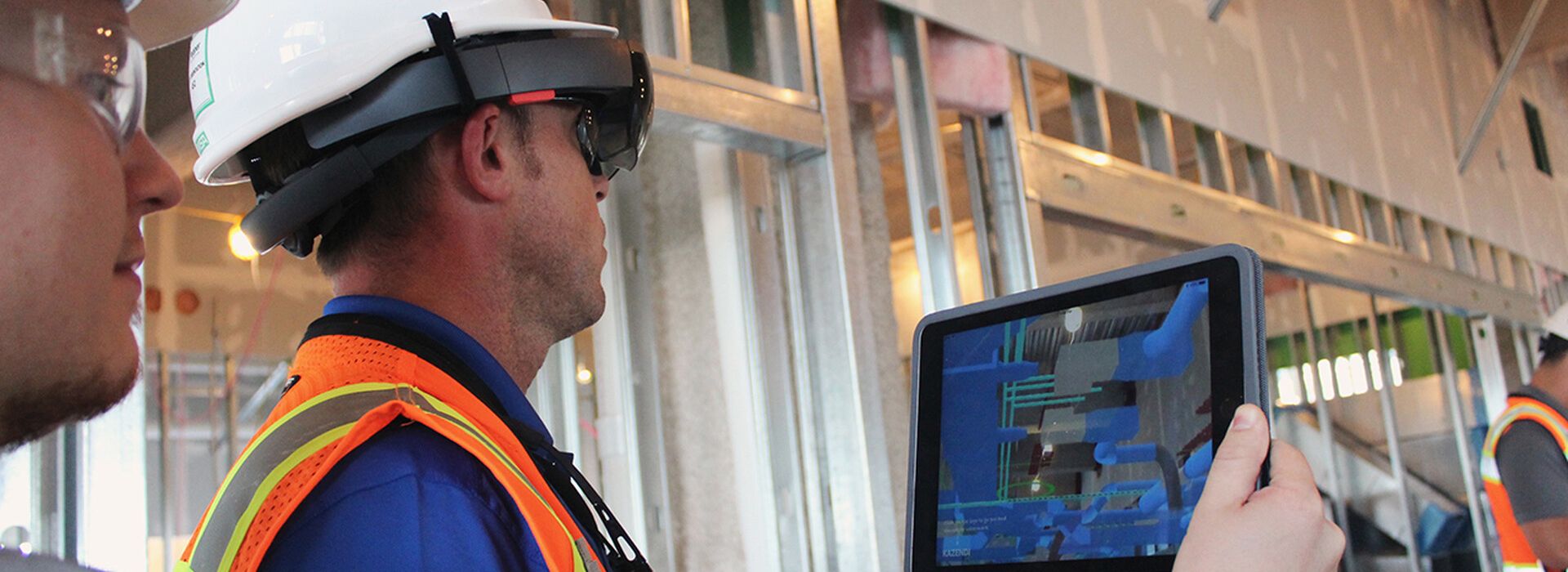
We're using immersive technologies and GPS controlled plant to enhance safety and reduce disruptions to our customers.
Project teams now identify and experience site conditions in a virtual setting before executing on site. Situations involving high risk or high consequence environments can be thoroughly worked through – virtually – to ensure the optimal methodology can be determined and procedures practiced by those responsible before entering the live environment.
The same models can be used to communicate clearance zones in the form of 3D volumes where machinery should not cross or leave. We've used this technology on projects such as the Papakura to Pukekohe Electrification project. If machinery approaches a predefined tolerance to the zone, the equipment will power down to prevent undue risk to people or plant.
Bringing gaming technology to marine construction
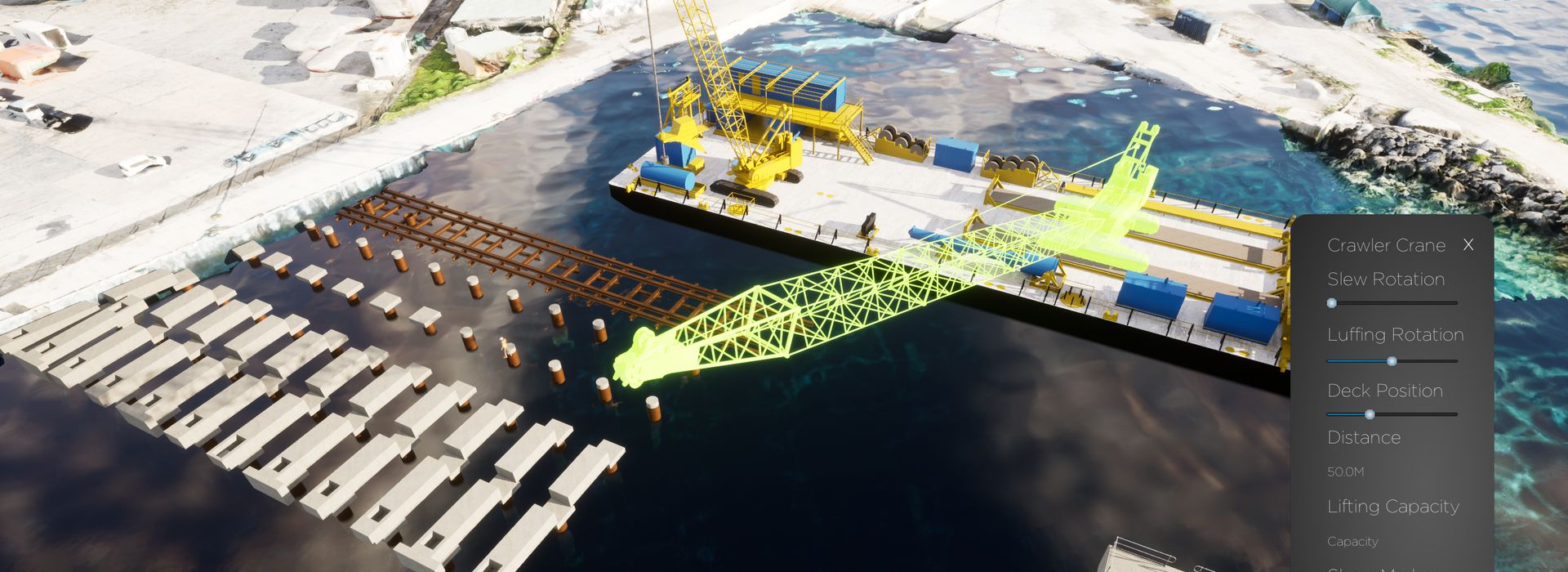
Our digital engineering team are experts at building applications using 'Unreal Engine' - one of the world's most advanced 3D graphics game engines.
We've used Unreal to develop a traffic simulation tool to test temporary traffic management schemes before rollout, and simulated construction works in an operational airport with AI driven crowd behaviours.
The team's most recent application is a powerful marine construction simulator - fully developed in-house. The simulator combines intelligent 3D plant models and reality capture data to accurately place marine plant in a virtual environment and replicate its real-world capabilities.
The tool enables our teams to simulate methodologies and iterate the positioning of plant and equipment around the design models. This is all done in a realistic environment with features such as accurate bathymetric data, reality capture point-cloud models, and real-world tide levels.
The permanent works build sequence can be tested to ensure we avoid clashes during construction. Plant and equipment is programmed with its real-world performance and dynamic constraints to enable equipment limitations to be established and enabling features such as crane hook capacity to be determined in real-time.
We are leading the industry in simulation - identifying and mitigating constructability issues during the design phase, driving program and cost certainty for our customers.

Temporary works design and coordination
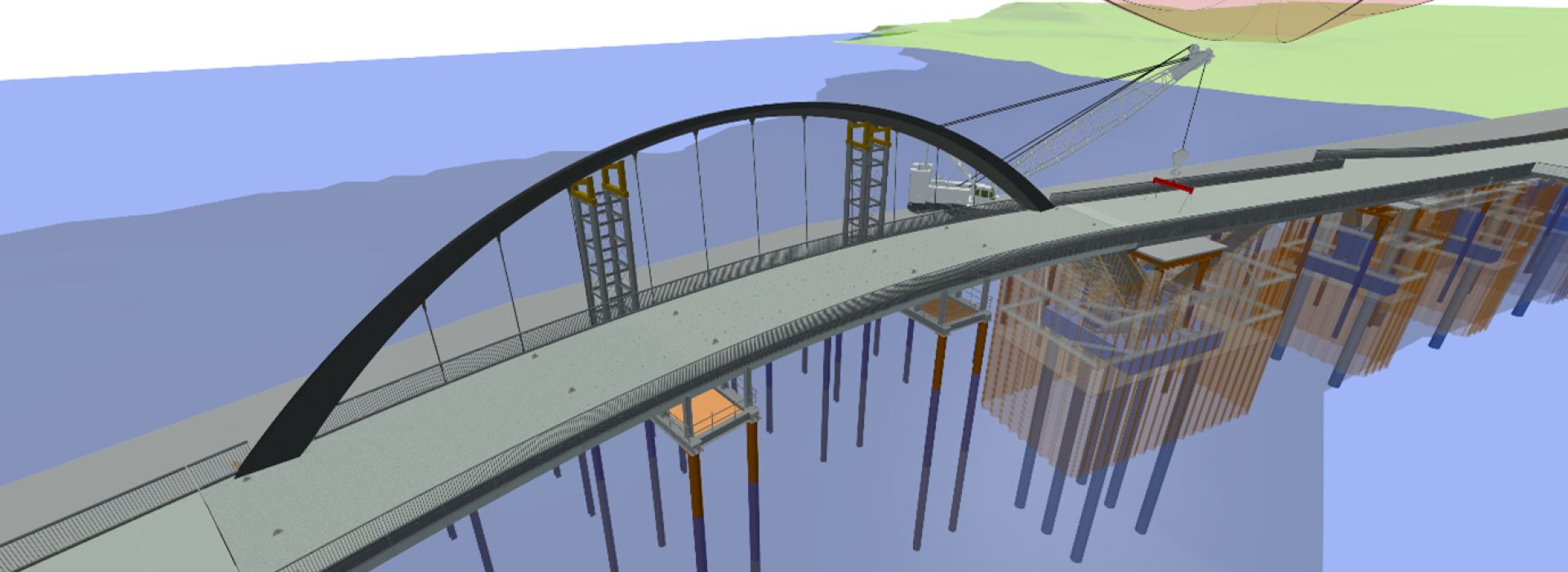
On the Old Māngere Bridge Project in Auckland, our digital engineering team developed a detailed temporary works and construction staging model to test and coordinate all temporary and permanent works interfaces.
This 260 m long pedestrian and cycle bridge traverses a sensitive marine area and under 110kV power lines, presenting several complex construction challenges.
Mobile crane and piling rig movements were tested against the HV power line Minimum Approach Distance (MAD) envelope to ensure the construction methodology could be achieved safely. In a New Zealand first, the HV envelope geometry was referenced by geospatial sensors fitted to the mobile plant, triggering proximity warnings and automatic shut-down if the envelope was breached. This tool is now widely used across New Zealand.
Other elements that were modelled included the adjacent temporary bridge structure and piling platforms; cofferdams at each pier; pier form and falsework; all propping, and temporary support structures for the main deck and steel arch. Fabrication drawings were subsequently developed from the model for the temporary support elements.
Our use of digital engineering on this project contributed significantly to a safe and efficient construction methodology.
Closing Text - General with contacts, no video
Summary
Thank you for taking an interest in McConnell Dowell's skills, capabilities and approach. Additional information is available on our website, including additional project case studies.
Contact us through the link(s) below for advice or assistance with your project.