Capability Statement
Prepared for Prepared for Ports North
May 2026
Introduction - Recruitment
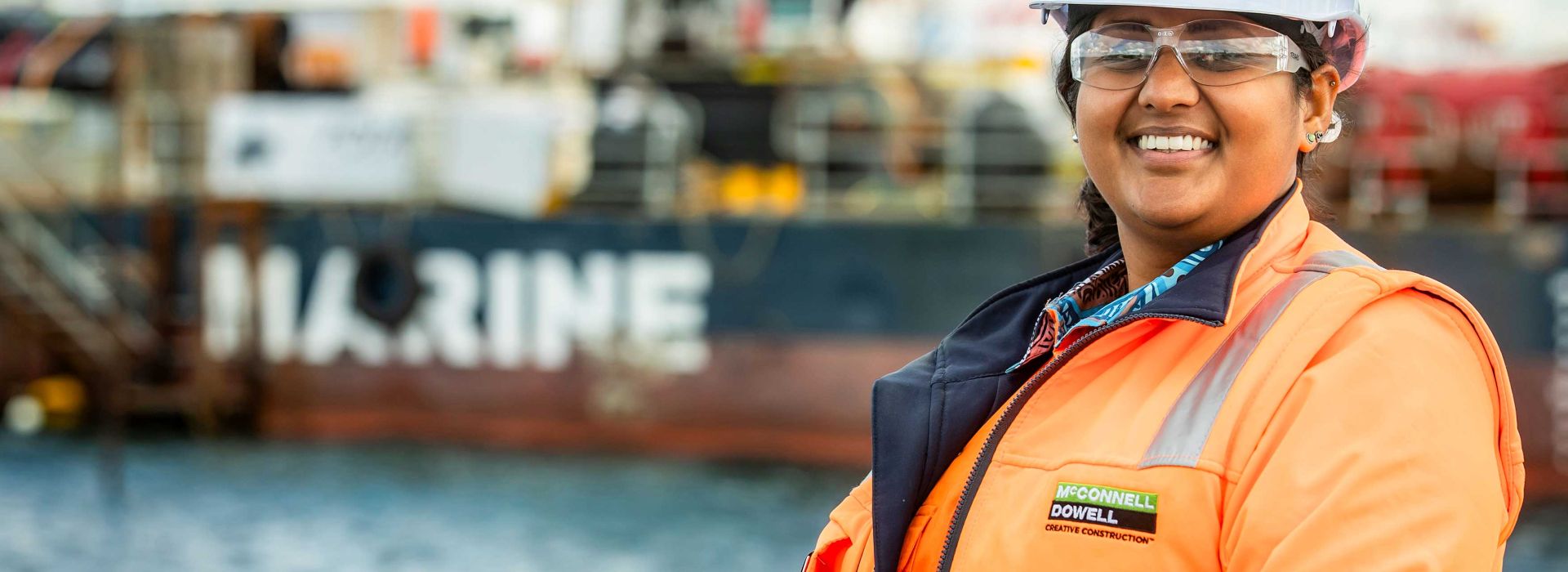
Thank you for considering McConnell Dowell. This short capability statement explains a bit more about the benefits of working with us and showcases our capabilities and some of the interesting projects we deliver.
Our Approach (typically use 2nd or 3rd)
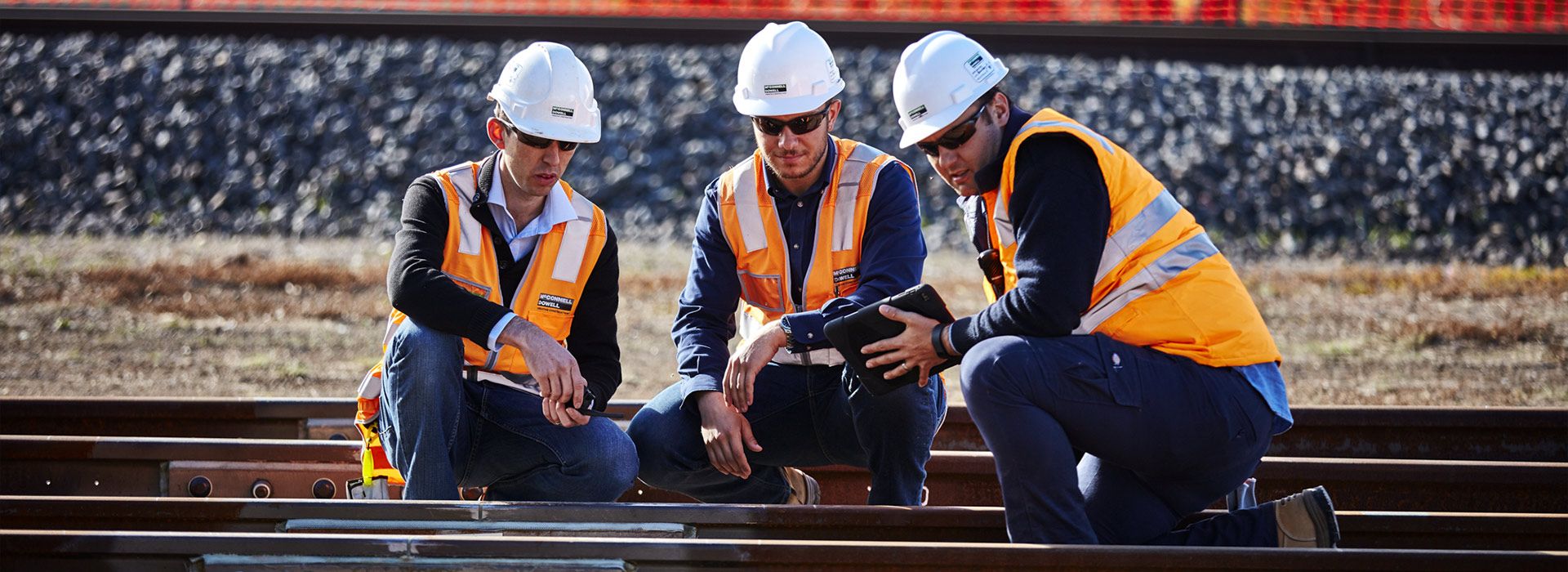
We approach every project with a focus on creativity and certainty - seeking the right blend of innovation and safe, proven approaches so we can exceed our customers' expectations.
We also understand that construction today is as much about community and sustainability as it is about concrete and steel. Our unwavering objective and commitment is to deliver what we promise to our customers, while protecting and enhancing our people, the community and the environment.
Purpose & Values (typically use 2nd or 3rd)
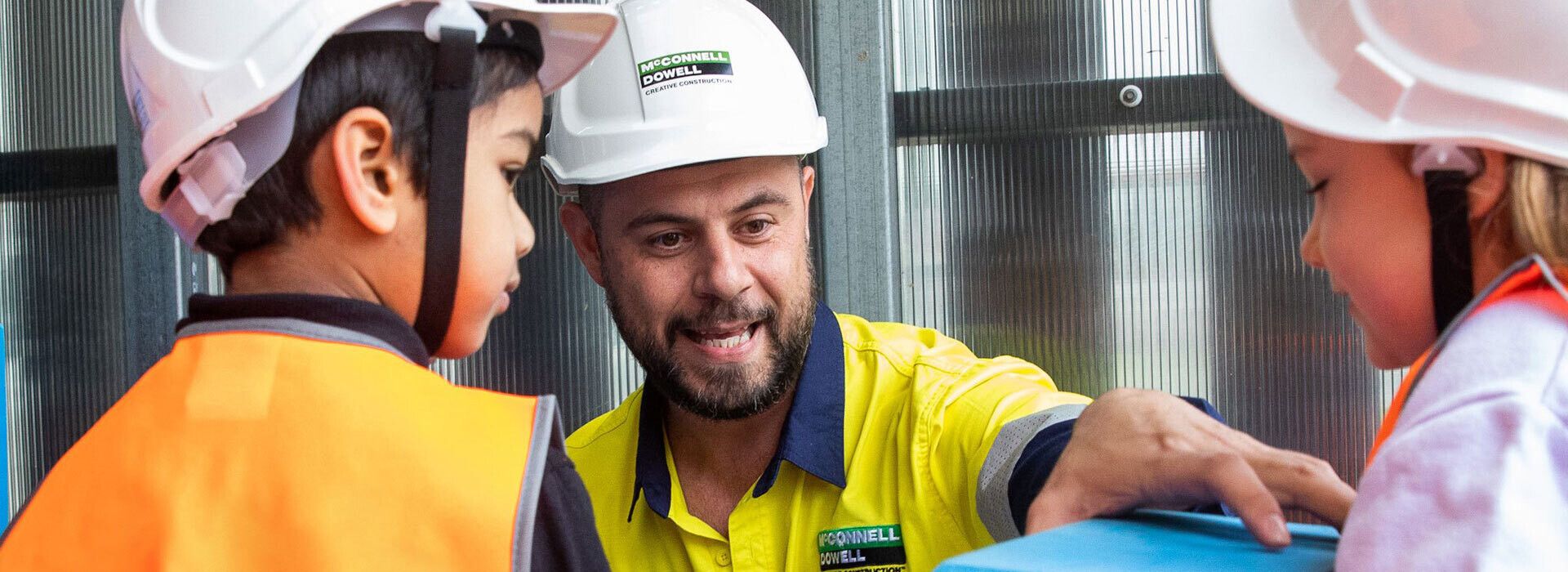
We are a Purpose and Values driven organisation. These define what's important to us, guide our decision making and unite us behind a common goal.
Our Purpose is Providing a Better Life.
We do that through delivering projects that connect, sustain and enhance communities, and through providing career opportunities that challenge, reward and grow our people.
We also have five company values that guide our behaviours and decisions. Our values are:
Qld & NT Intro (typically use 4th to 8th)
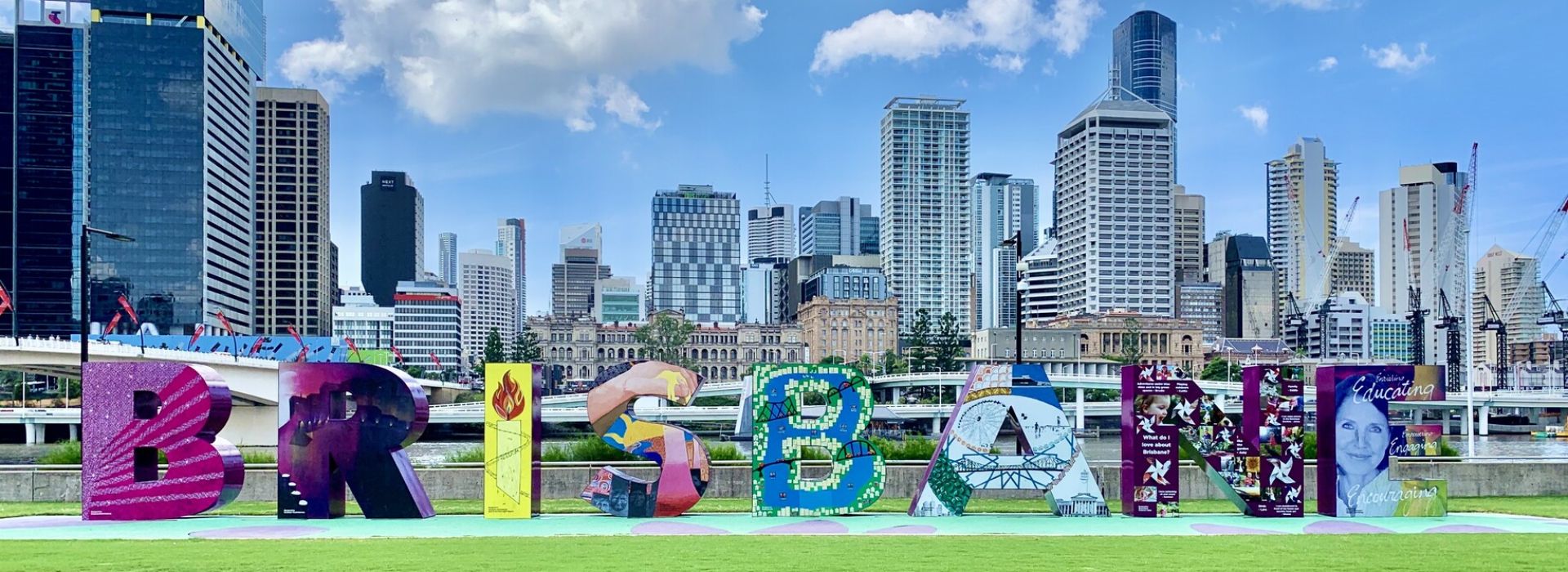
McConnell Dowell's business in Queensland and the Northern Territory is as diverse and varied as these two regions themselves.
With abundant natural resources, much of the company’s work stems from the water and resources sectors. This includes major mineral export wharves and cross country gas and water pipelines.
We are also at the forefront of the move to renewables, delivering the Kidston Pumped Storage Hydro project - a world first conversion of a gold mine into a natural battery.
Ports & Coastal Solutions
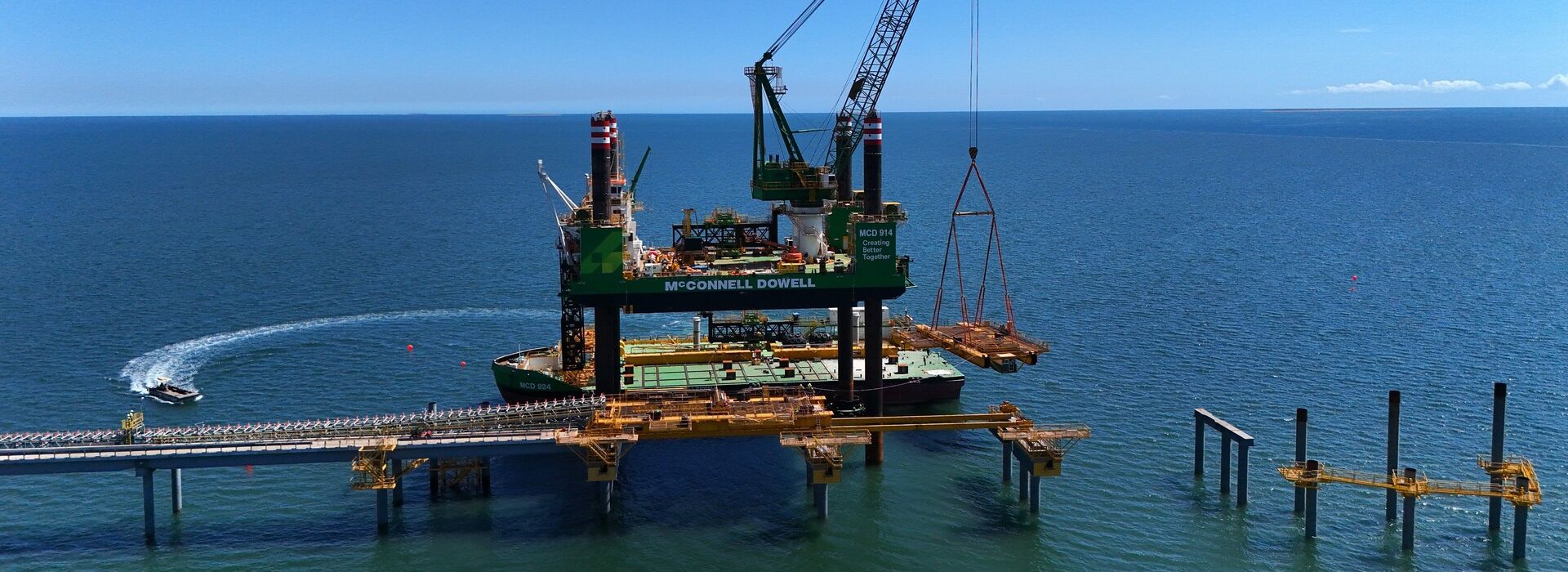
With over 330 marine projects completed across six decades, McConnell Dowell is synonymous with marine infrastructure.
From wharves and jetties to ocean outfalls, breakwaters, and submarine pipelines — we bring coastal confidence to every project.
Our modular approach to construction has helped create productive ports for clients like Rio Tinto, FMG, Vale, and BHP, where over 1.2 billion tonnes of iron ore are shipped annually from wharves we built.
Mardie Salt & Potash Marine Structures
Delivering new marine facilities to grow Australian exports
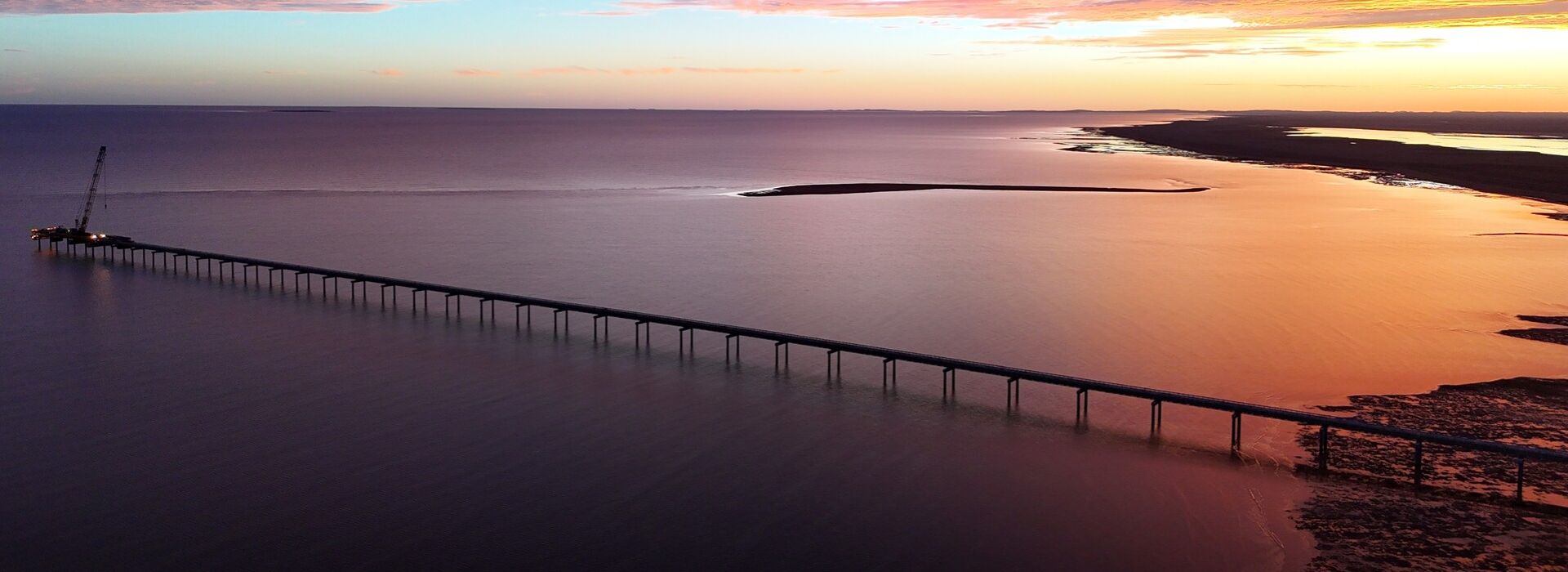
We designed and constructed the marine structures for BCI Minerals’ Mardie Salt & Potash Project in Western Australia, using our innovative canti-traveller system for speed and low impact delivery.
The 'Mardie' Project is a large-scale, solar evaporation operation on the Pilbara coast. Capacity of the completed facility is estimated to be 5.35 million tonnes per annum of high purity salt and 140,000 tonnes per annum of sulphate of potash, over an operating life of at least 60 years.
Fast Facts
- 2.4 km long jetty with berthing and mooring dolphins
- 200 steel piles, up to 30 metres long
- 100 m of jetty completed every 10 days using innovative canti-traveller system
CUF Marine Development Works
Supporting Australia's shipbuilding capacity
Fast Facts
- Construction of 80 - 100 m land backed wharf
- 40,000 m3 of dredging
- Berth kiosk services, including water and eletrical supplies
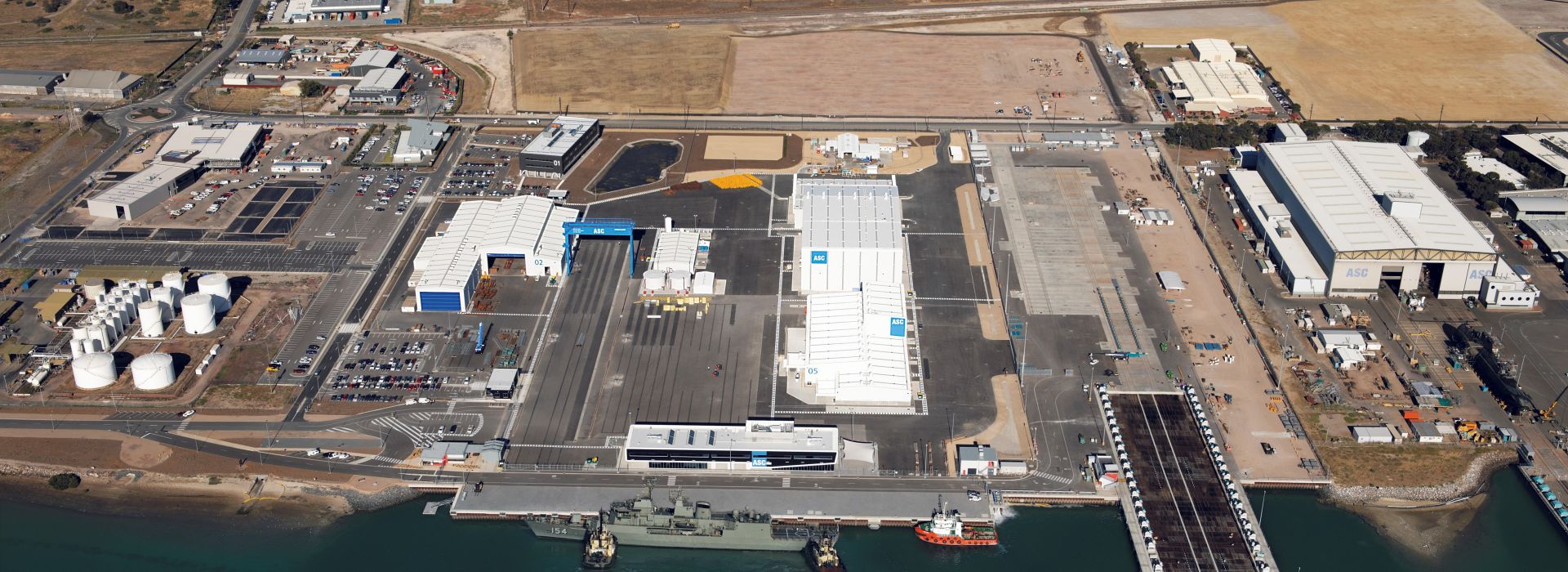
Common User Facility (Techport)
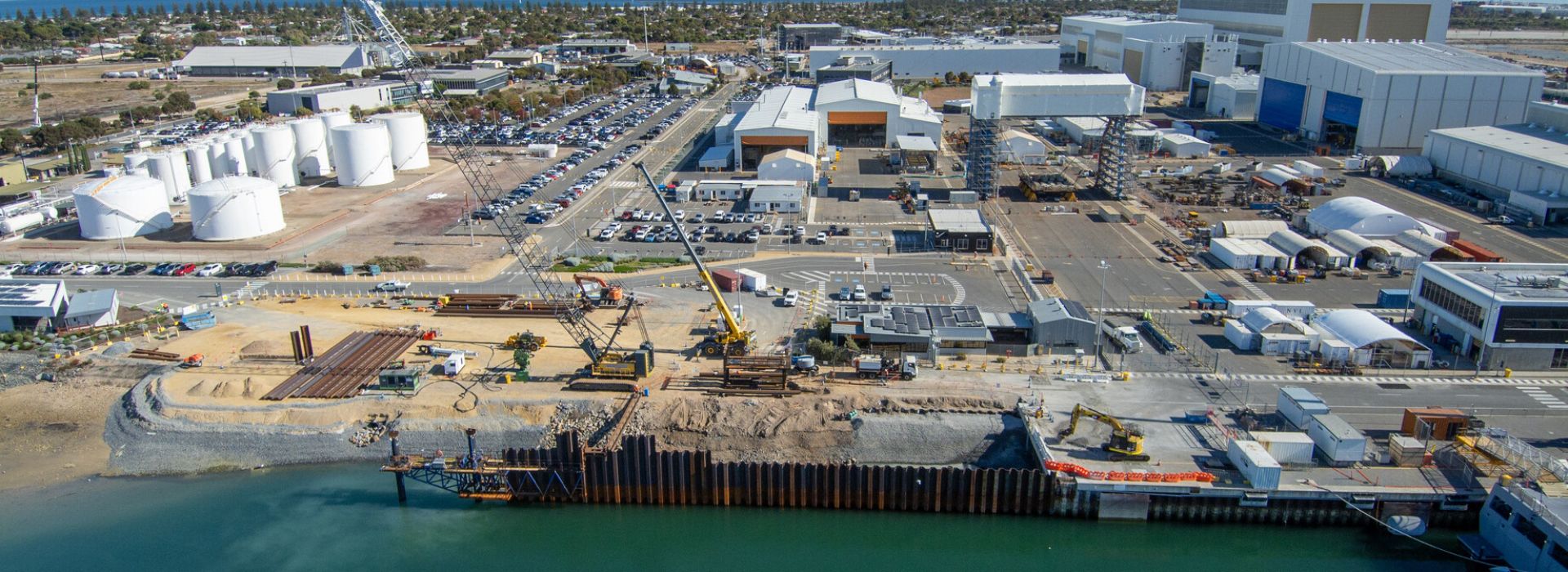
In one of the first Early Contractor Involvement (ECI) contracts in Australia, we designed and delivered the Techport Australia Common User Facility - a new state-of-the-art shipbuilding and maintenance complex on the Port River at Osborne, South Australia. We delivered it in joint venture with our building company, Built Environs (the MDBE JV).
The project was rolled out in two stages. In the first stage, our team worked in collaboration with design and technology partners and DefenceSA to develop the final design and risk adjusted price.
Fast Facts
- 213 m long, 25 m wide wharf
- 450,000 m3 material dredged
- 34 m x 160 m new shiplift pocket
- Installation of Australia's largest shiplift
- Works conducted in a sensitive marine environment and dolphin sanctuary
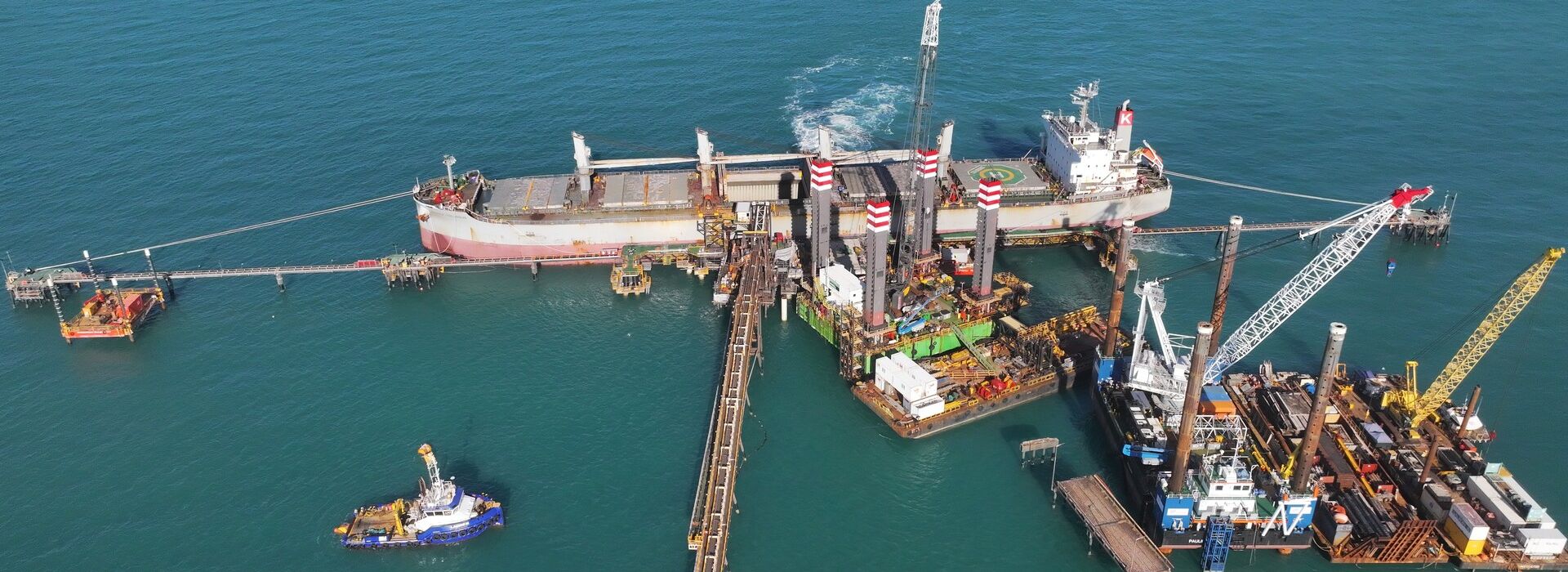
Groote Eylandt GEMCO Wharf
One of Australia’s most ambitious marine recovery efforts
Following a destructive tropical cyclone, we were engaged by South32 to urgently restore and rebuild the cyclone-damaged GEMCO Wharf on Groote Eylandt. In less than 12 months, our project team achieved a major milestone—restarting operations after an intense and fast-tracked program of works.
To meet the challenge, we mobilised a sophisticated marine fleet from across Australia, Singapore, and the UAE. This included two large jack-up barges (Santa Fe and Pauline), two smaller jack-ups (Sealift 2 and Sealift 6), a 250-tonne crane barge, three flattop storage barges, and a support fleet of tugs and work punts. The mobilisation alone was a feat of logistics, setting the stage for a highly coordinated recovery effort.
Fast Facts
- Fast-track salvage and wharf rebuild
- 1037 tonnes of concrete and 998 tonnes of steel recovered from the seabed
- 28 new piles and 13 large prefabricated steel units installed
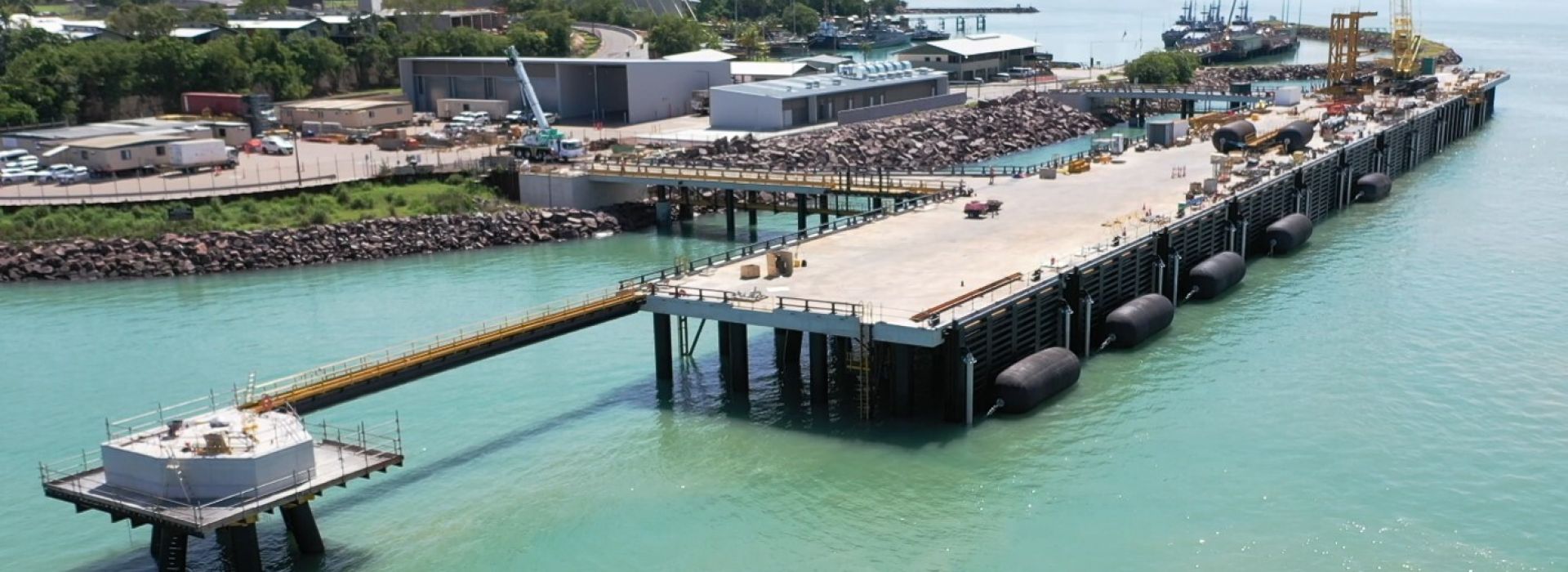
HMAS Coonawarra
New wharf and approach jetties to support the Australian Defence Force
We refined the initial concept design and constructed a new outer wharf structure at HMAS Coonawarra in Darwin to support the Australian Defence Force (ADF). The project involved the construction of a new 250 m long wharf and two approach jetties.
While the final structures are simple in their geometry and configuration, the site location and operational requirements were challenging.
Fast Facts
- 250 m long wharf
- Two approach jetties
- Enhancing ADF's maritime defence capability
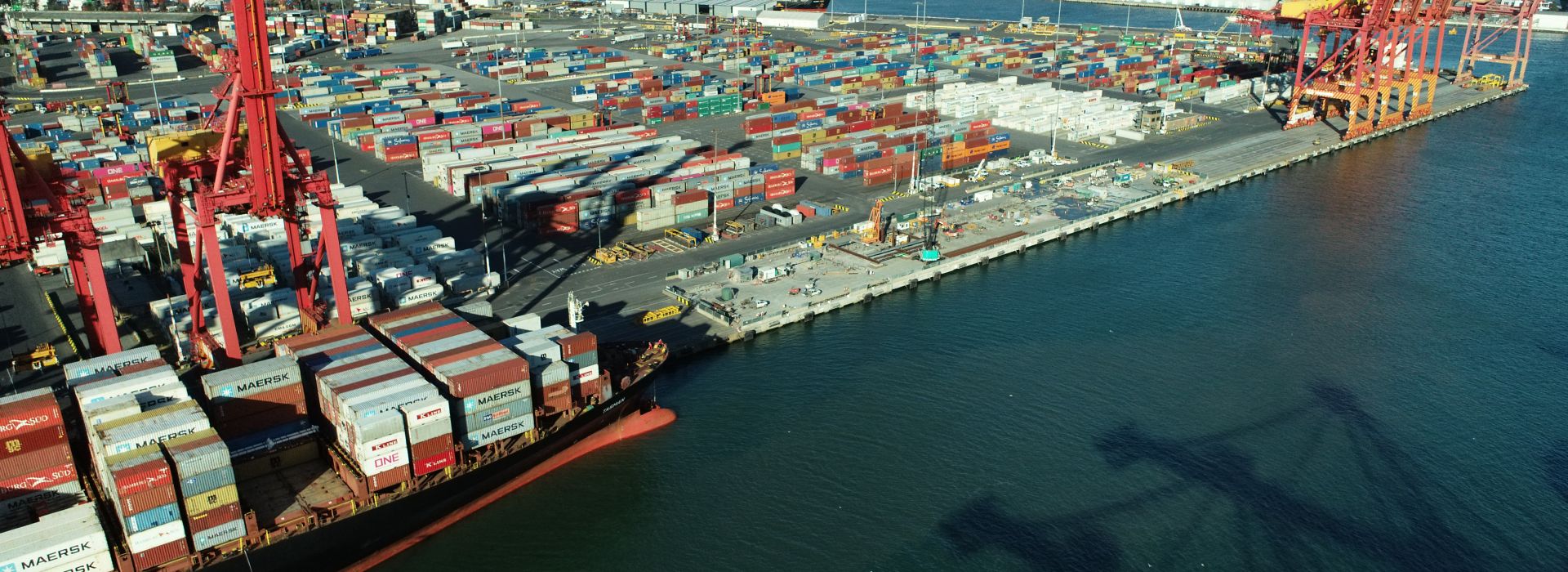
Swanson Dock East Berths 1 & 2 Rehabilitation
Collaborative Approach, Safety Focus, and Minimising Disruptions in Port Rehabilitation Project
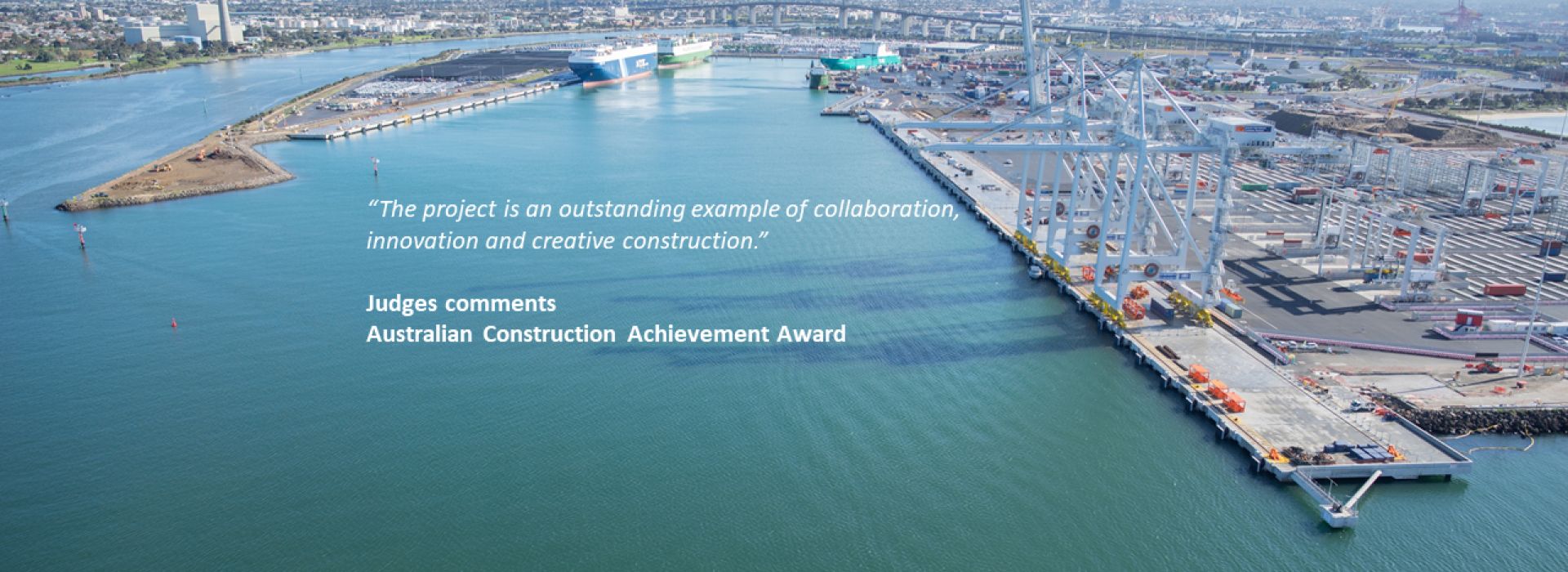
Working in collaboration with the Port of Melbourne, we successfully completed four contracts at Swanson Dock between 2017 and 2020.
After completing the award winning Port Capacity Project, we continued our partnership with Port of Melbourne with a series of smaller contracts to rehabilitate the iconic Swanson Dock - the heart of Australia's busiest container terminal.
Fast Facts
- Multiple projects successfully completed without disrupting port operations
- 412 piles driven
- 570 tonnes of reinforcement used
- 3,600 m2 of new wharf deck laid
Port Capacity Project - Webb Dock
Enhancing and expanding Australia's busiest container port
We received the Australian construction industry's highest accolade for this major wharf redevelopment within Melbourne's main port precinct.
This was a large and complex marine project delivered within Australia's busiest operational container port, and within very tight environmental controls to protect the rich marine life within the surrounding bay.
Fast Facts
- 900 tubular steel piles up to 1500 mm diameter and 45 m long driven as single length piles.
- 40,000 m³ of structural concrete.
- 10,000 tonnes of reinforcing steel.
- 40,000 m of sheet pile installation.
- 210,000 tonnes of imported quarry product.
- 15,000 m³ of rehabilitated concrete deck.
Civil
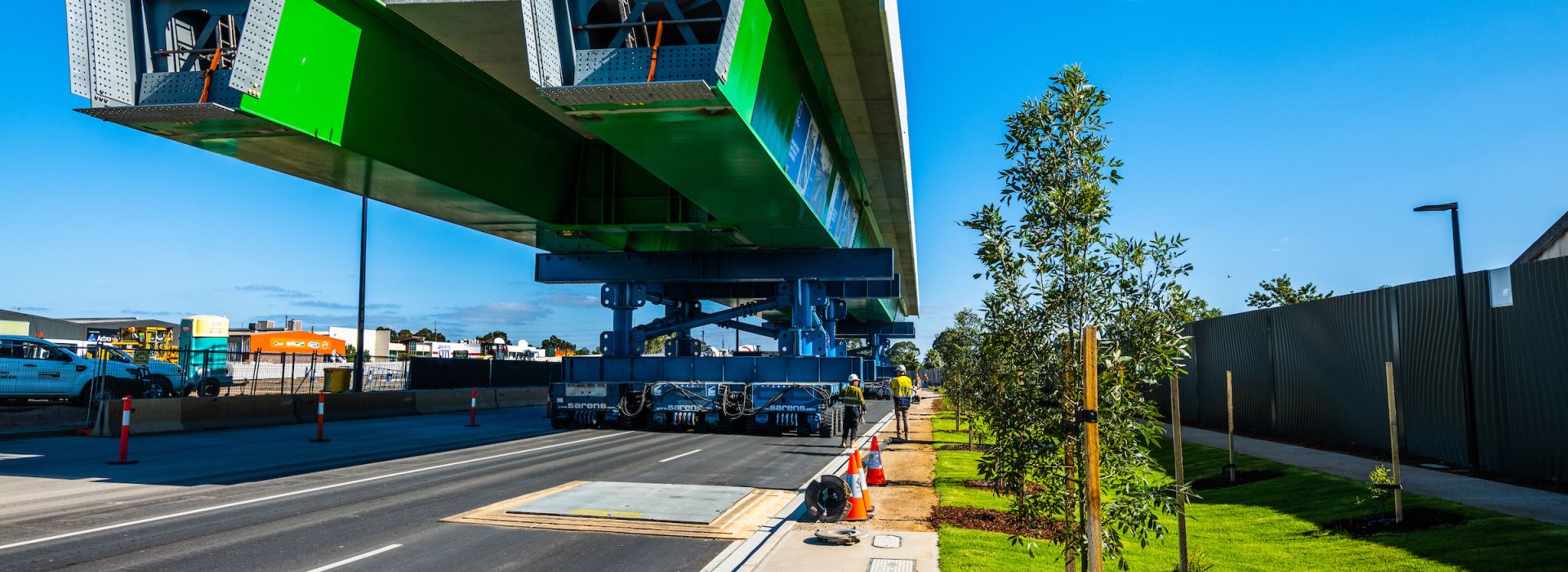
Our multi-disciplinary experience encompasses every type of civil construction, including bulk earthworks, foundations, hardstands, precast concrete, piling, roads, runways, and bridges.
Our ability to solve technical challenges creatively, means we find ways of delivering complex civil structures with minimal disruption to the community and our customers' operations.
Archer River Crossing
Improving road access for Queensland's remote communities
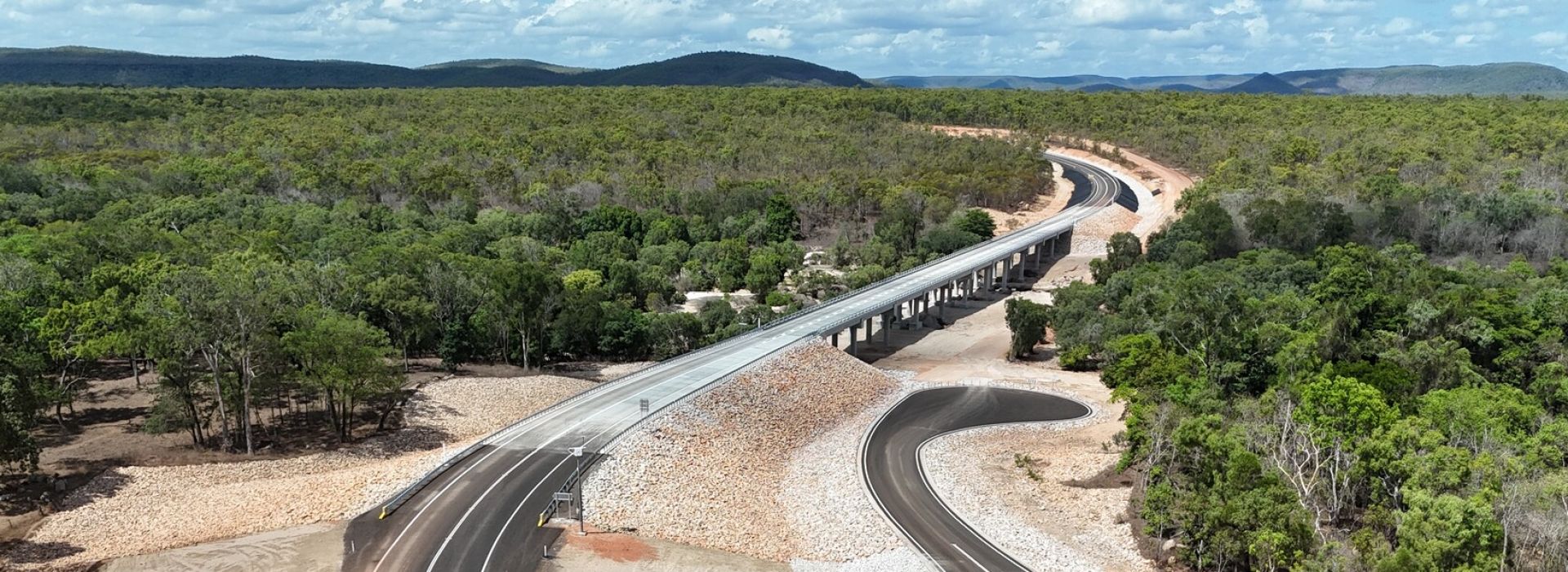
We delivered the Archer River Crossing project for Department of Transport and Main Roads (TMR) in remote, Far North Queensland.
The Archer River Crossing is one part of the broader Cape York Region Package (CYRP) Stage 2, which is jointly funded by the Australian and Queensland governments under the Roads of Strategic Importance program.
Fast Facts
- 230 m long (11x 21 m spans), 10.4 m wide bridge
- Earthworks and drainage
- Vertical alignment modification to improve resilience to flooding
- Guardrails, signs, and pavement marking.
Environmental
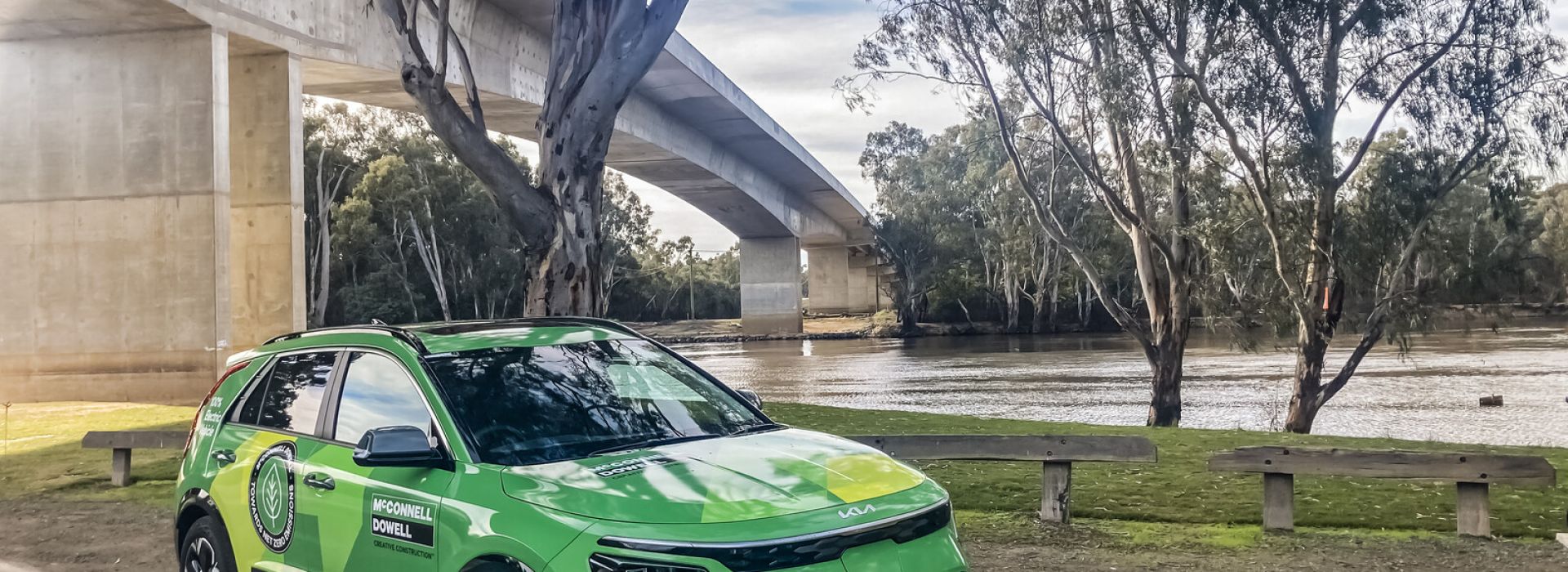
We understand the impact construction can have on our natural ecologies and we're constantly seeking ways to minimise our footprint and restore and improve the natural environment and biodiversity around our works.
We've embraced the circular economy, renewed local ecologies, reconnected habitats, and lowered energy use across our projects in line with our carbon reduction road-map.
We set energy and waste reduction targets on every project and are committed to making our environmental footprint as small as possible, as showcased in the recent case studies below.
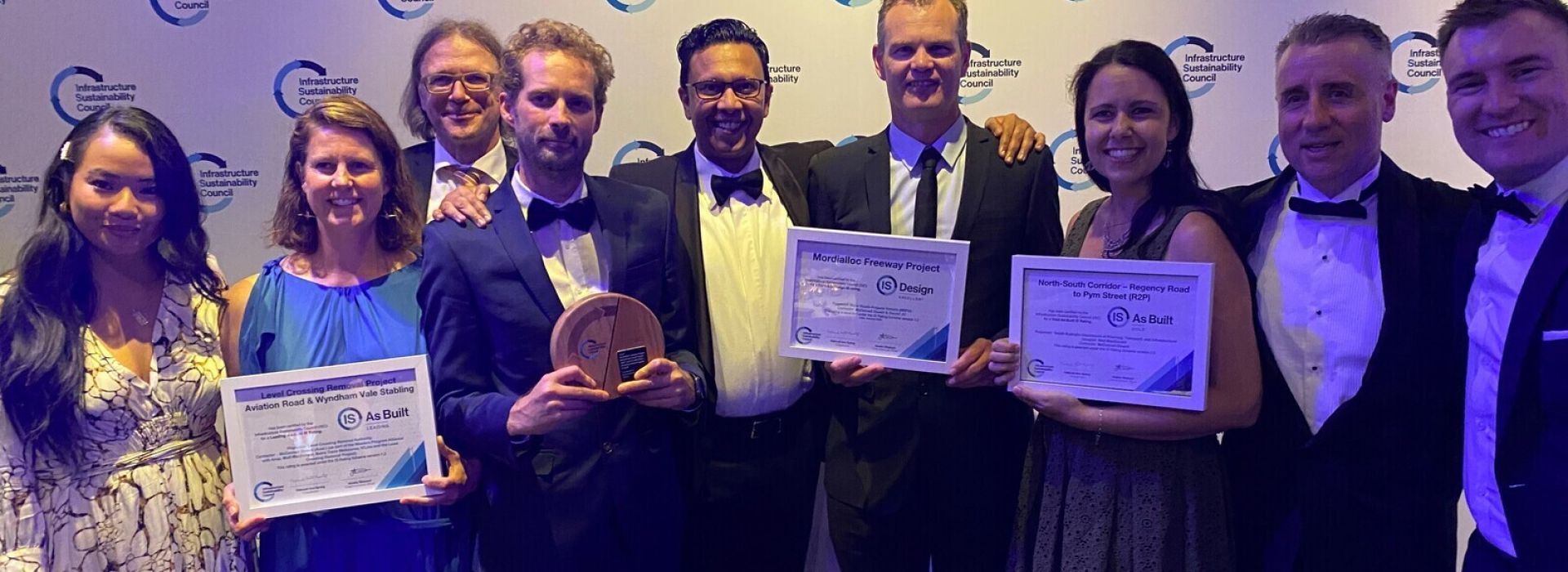
Awarded for excellence in environmental outcomes
Our Mordialloc Freeway Project (MFP) won the Excellence in Environmental Outcomes Award at the Infrastructure Sustainability Council Gala Awards 2021. The awards celebrates sustainability best practices across Australia and New Zealand.
Infrastructure Sustainability Council (ISC) is the peak body for infrastructure sustainability, advocating for the delivery of cultural, social, economic and environmental benefits in all infrastructure projects.
The MFP is a 9 km freeway link in Victoria, incorporating interchanges, bridges over wetlands and a shared user path. The project implemented a range of world-first sustainability initiatives in response to Victoria’s waste crisis and shortage of quarry materials, creating ‘Australia’s greenest freeway’.
Thousands of tonnes of otherwise waste material were used to construct noise walls, asphalt pavements, concrete reinforcing mesh and stormwater drainage pipes. This shift to sustainable consumption of materials achieved a 27% reduction in embodied energy.
The judges acknowledged the significant effort in innovating new technologies to divert waste away from landfill, saying…
“The focus on reduced truck trips, local sourcing and recycling is a powerful way to improve industry practices.
“The MFP demonstrates the potential cost benefits of improvised sustainability practices while supporting development and scale-up of local industry.”
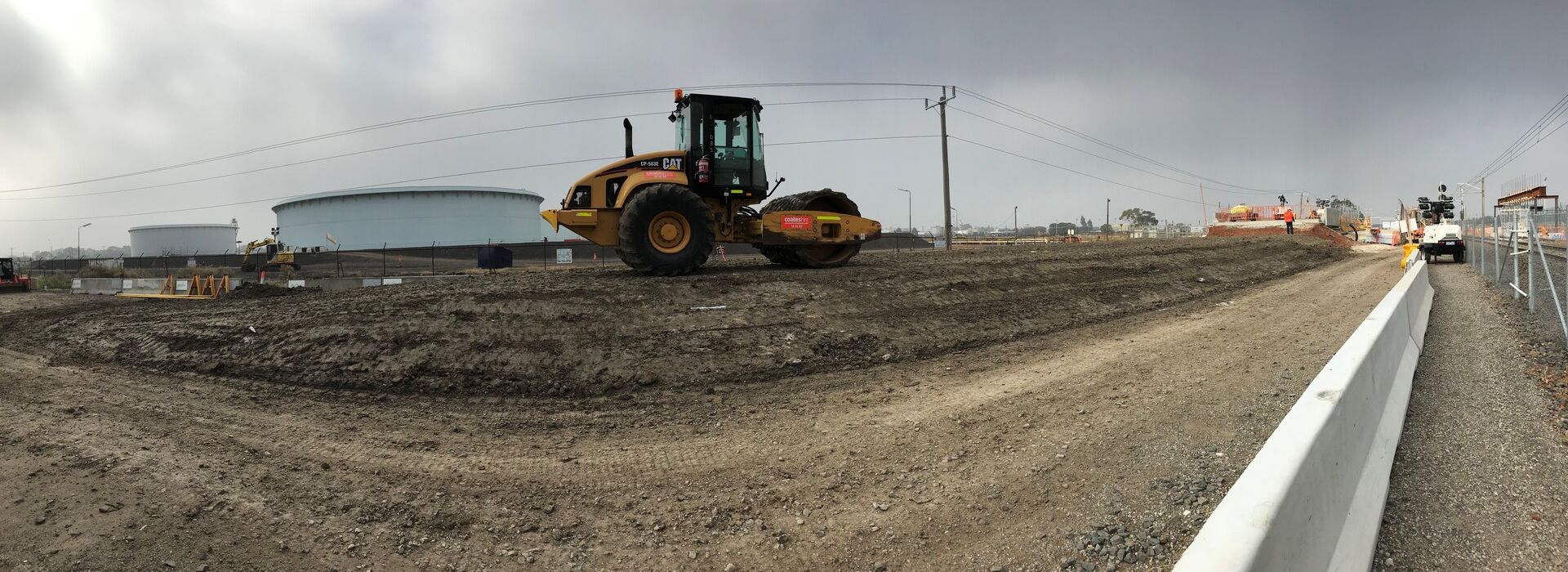
Innovative PFAS contaminated soil management
On the Level Crossing Removal Project in Victoria our alliance team worked with the EPA to allow the safe reuse of PFAS contaminated soils on site, in-lieu of removal and treatment off site. This saved the project approximately $10 million and led to new regulations that benefit the entire construction industry.
PFAS, short for Per- and Poly-fluoroalkyl substances, are manufactured chemicals used in products that resist heat, oil and water. They are most often associated with fire-fighting foam. Multiple health effects associated with PFAS exposure have been identified, hence the heavy regulations that exist for their management.
On the Kororoit Creek Road Level Crossing Removal project our team identified high concentrations of PFAS in the soil and groundwater. Faced with the potential of major cost and schedule impacts, the team engaged with the EPA and started the process of investigating options for onsite reuse through encapsulation.
The trial-and-error process involved numerous revisions of soil management plans and consultant soil analysis reports.
After 12 months the team successfully gained approval for the reuse of PFAS impacted material onsite - a first in Victoria. In the end, over 10,500 m3 of contaminated soil was retained on site and reused.
The conditions of approval included the implementation of an impermeable delineation layer, restricting the materials reuse to areas which are outside 1 in 100-year flood events, and to areas where groundwater is greater than 2 m below the placed PFAS impacted soils.
In addition to the cost saved, carbon emissions were reduced by approximately 187,000 kg, by not having to transport material 50–60 km for disposal.
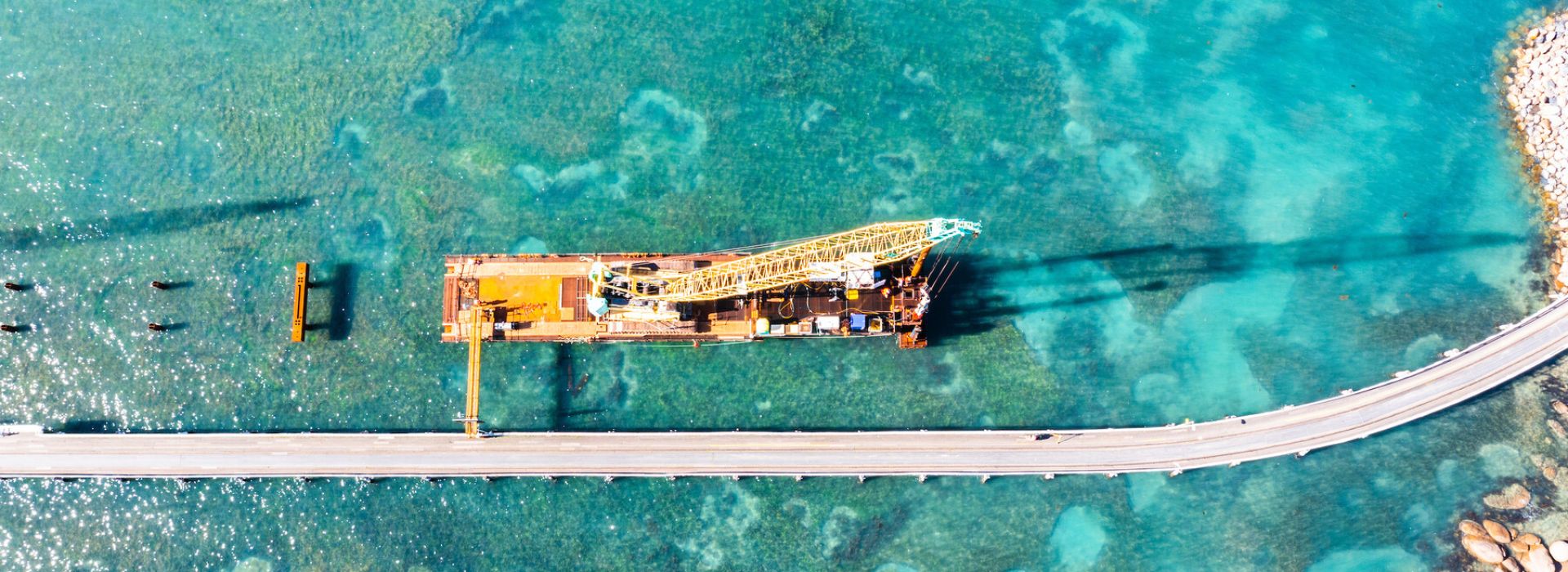
Low impact marine construction
On the Granite Island Causeway Project in South Australia our team used the 'hand over hand' construction method to minimise environmental impacts and ensure delivery on time.
The 'hand over hand' method employs three concurrent work fronts:
- Front one installing the permanent piles
- Front two installing the grouted HDPE sleeves and the precast headstocks
- Front three installing the precast longitudinal girders and decks.
As the structure advances out into the water it acts as a construction platform for the work crews to build the next stage. Each work front takes a similar duration, ensuring maximum certainty in productivity and schedule.
Analysis was conducted on various construction approaches during the tender phase, including the use of jack-up barges or a temporary bridge structure to facilitate construction. However, the 'hand over hand' method was the only one capable of achieving completion by the target date.
The other benefit of the method is its minimal footprint. Minimising the impact on the sensitive marine environment was a key consideration during the tender and design phases of the project.
The adoption of the method, along with the use of precast prestressed deck units which pushed the span out as far as possible, minimised the number of pile driving operations further reducing the impact on the marine environment.
The design and construction methodology was fit-for-purpose and extremely efficient. It resulted in on time and on budget completion and had a low impact on Victor Harbor's rich marine ecology.
Contacts