Capability Statement
Prepared for Ports & Coastal
May 2026
Introduction General
Thank you for the opportunity to present this brief capability statement which details a cross-section of our skills and experience, and showcases a selection of our recent projects.

Our History (use sparingly)
In 1961, two ambitious young engineers from New Zealand—Malcolm McConnell and Jim Dowell—set out with a bold vision: to build a company that would do things better than the one they worked for. That vision marked the birth of McConnell Dowell.
Since then, innovation and creative construction have remained at the heart of everything we do.
Here's our 65 year history through the decades...
Ports & Coastal Solutions
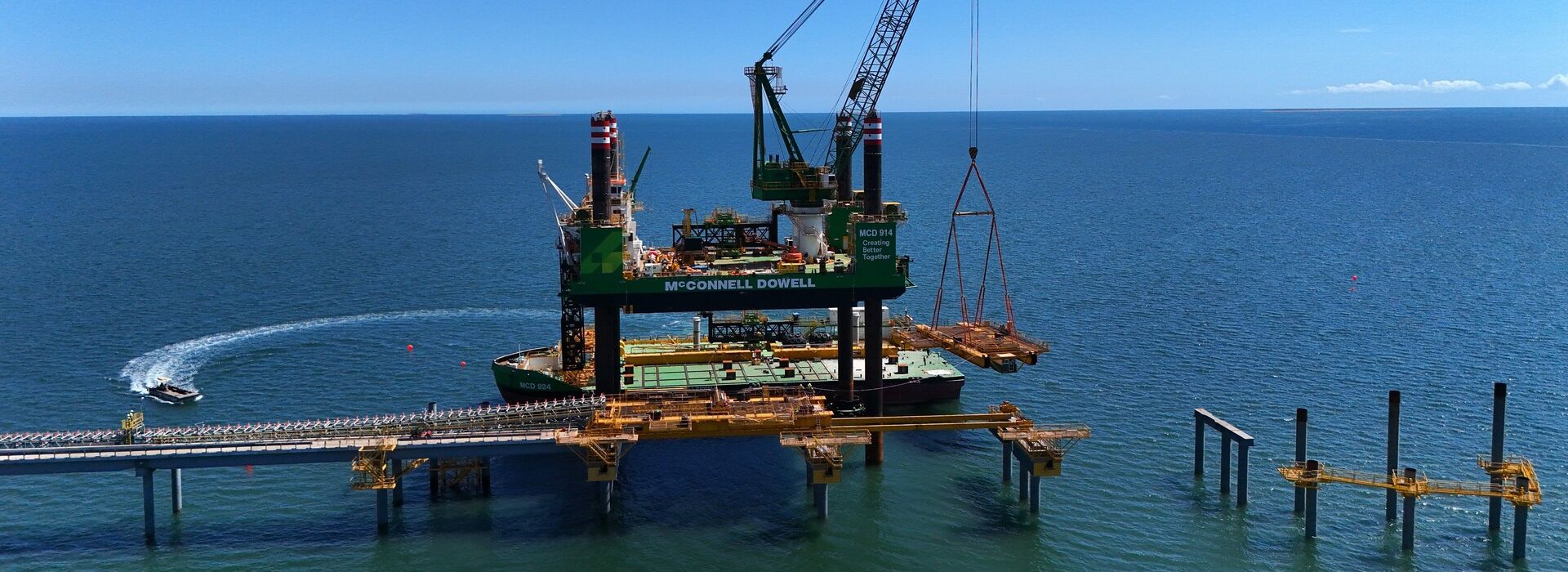
With over 330 marine projects completed across six decades, McConnell Dowell is synonymous with marine infrastructure.
From wharves and jetties to ocean outfalls, breakwaters, and submarine pipelines — we bring coastal confidence to every project.
Our modular approach to construction has helped create productive ports for clients like Rio Tinto, FMG, Vale, and BHP, where over 1.2 billion tonnes of iron ore are shipped annually from wharves we built.
Tangguh Marine Works
We delivered the marine works for BP’s LNG expansion project in Tangguh, located in the remote area of Bintuni Bay in West Papua. Our customer, PT Saipem Indonesia, was part of an EPC joint venture involving Chiyoda-Saipem -Tritati -SAE.
The overall expansion project comprised a full additional natural gas liquefaction train, including an onshore receiving facility (ORF), an additional Boil of Gas (BOG) recovery, utilities, flares, and all infrastructure to support the facility.
Fast Facts
- A 1056 m long access trestle, including decks for the control room, substation and sea water intake
- 29 m x 42.5 m loading platform
- 4 breasting dolphins
- 6 mooring dolphins
Batangas LNG Terminal
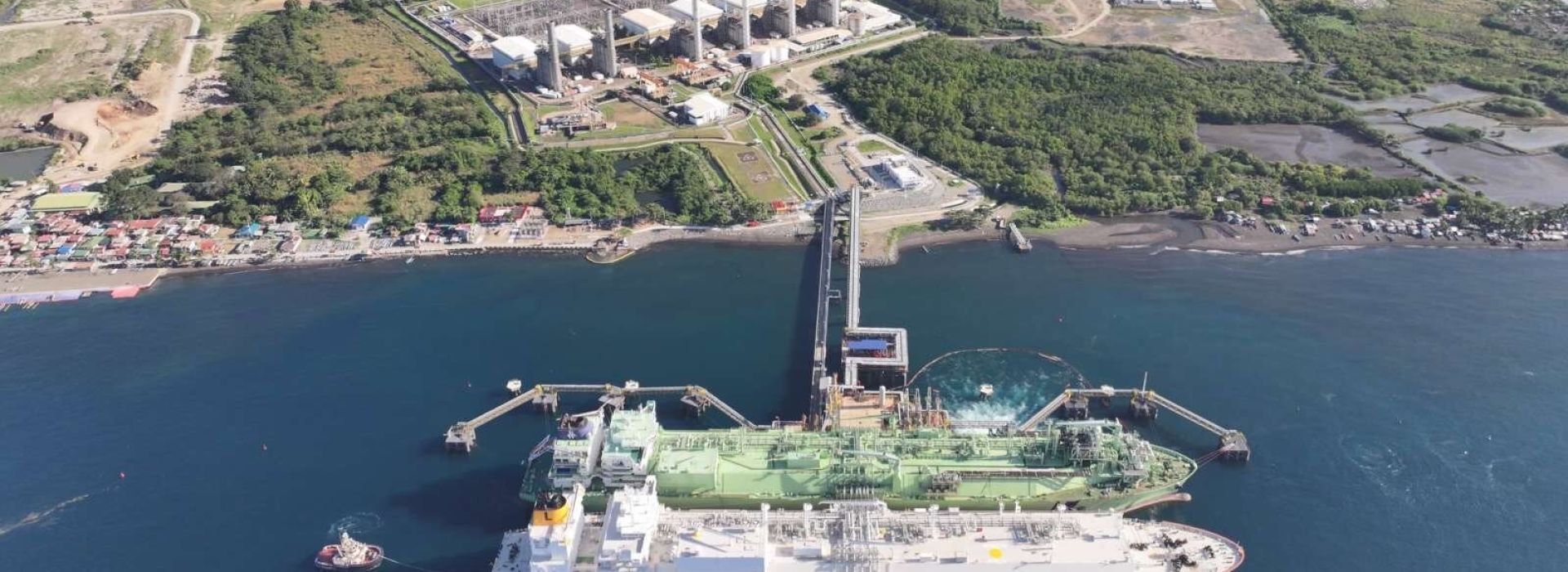
FGEN LNG Corporation (FGEN) engaged us to build and deliver the Interim Offshore Terminal Project ("IOT Project") at their LNG terminal in Batangas, in the Philippines.
We undertook the engineering, procurement and construction of both the Multi-Purpose Jetty and Onshore Gas Receiving Facility. The new Multiple Purpose Jetty is a permanent modification of the existing liquid fuel jetty which we constructed in 1998.
Fast Facts
- New multi-purpose jetty with topside infrastructure
- Onshore facilities, including control room
- 24 inch, 1.3 km long high pressure gas pipeline
- Extensive earthworks, including tsunami bund wall and access road
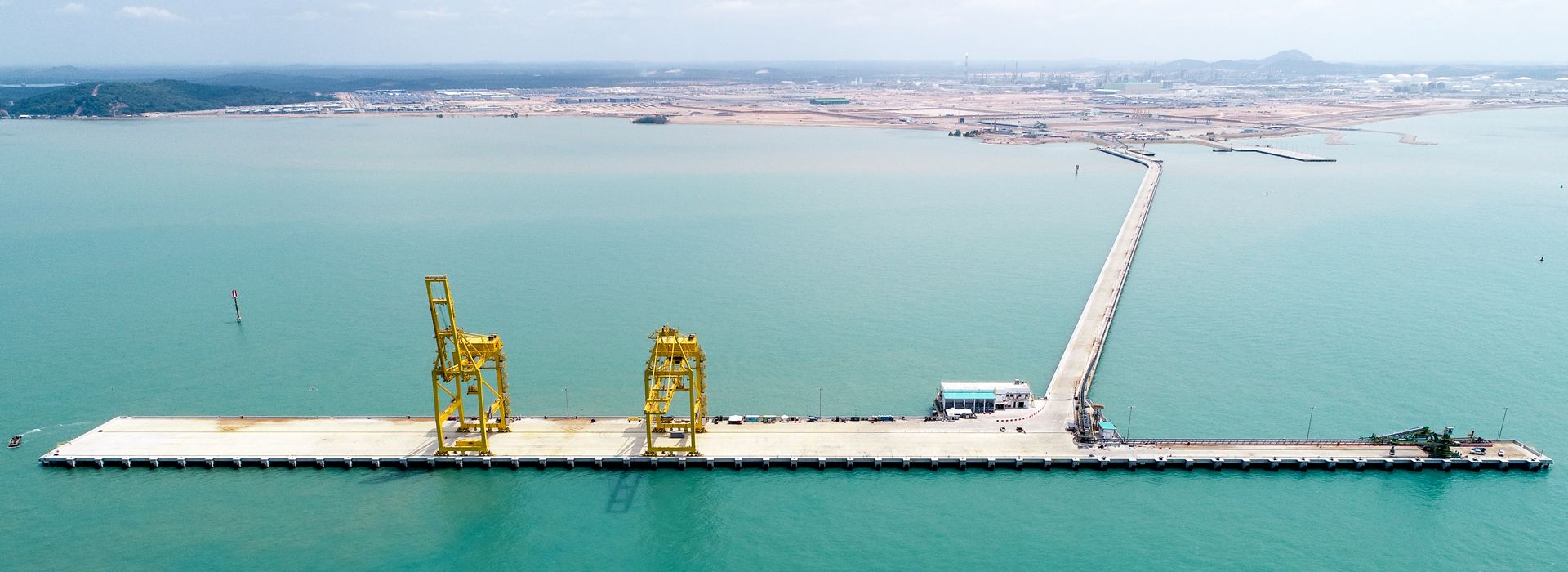
Petronas RAPID Project 12B – Solid Products Jetty
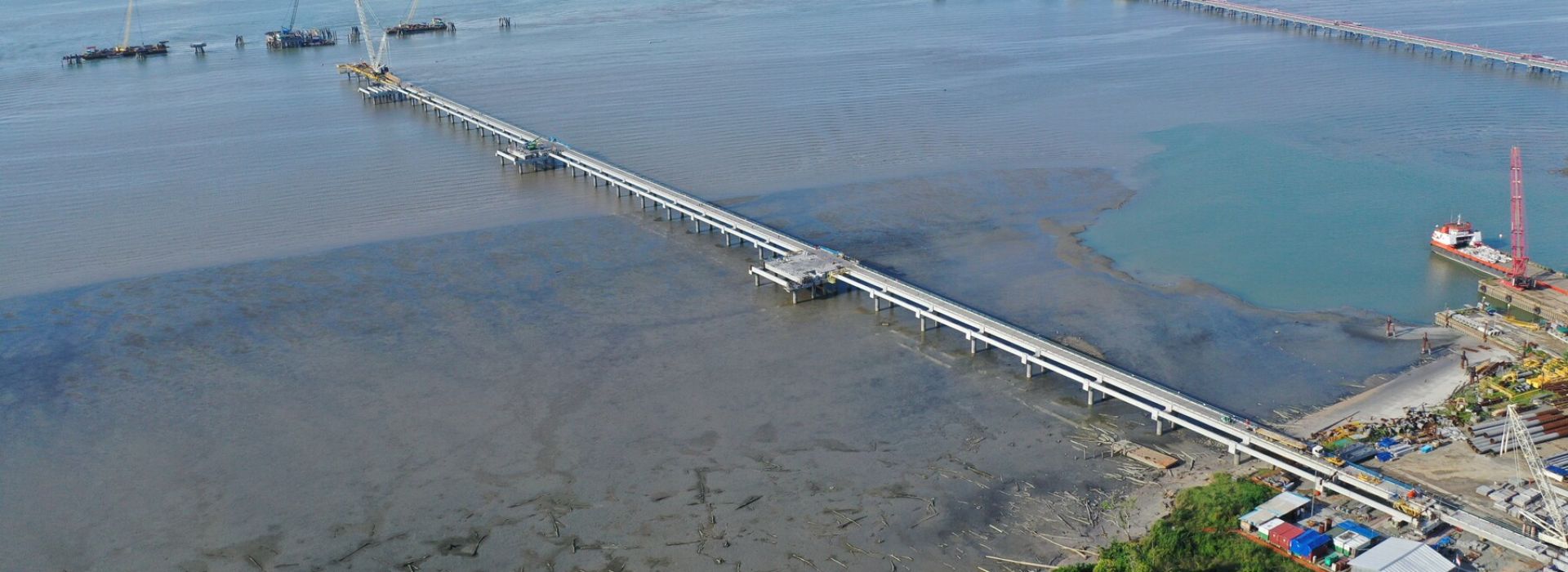
We designed, constructed and commissioned a new jetty and associated handling facilities for Petronas, as part of their RAPID (refinery and petrochemical integrated development) project in Malaysia.
The main element of our scope was a Solid Products Handling Jetty, comprising of a 1300 m long trestle, 710 m long jetty head, two container berths and a sulphur loading berth.
Fast Facts
- 1300 m long trestle with 710 m long jetty head
- Two container berths and a sulphur loading berth
- Topside and landside materials handling system
- Onshore civil and building works
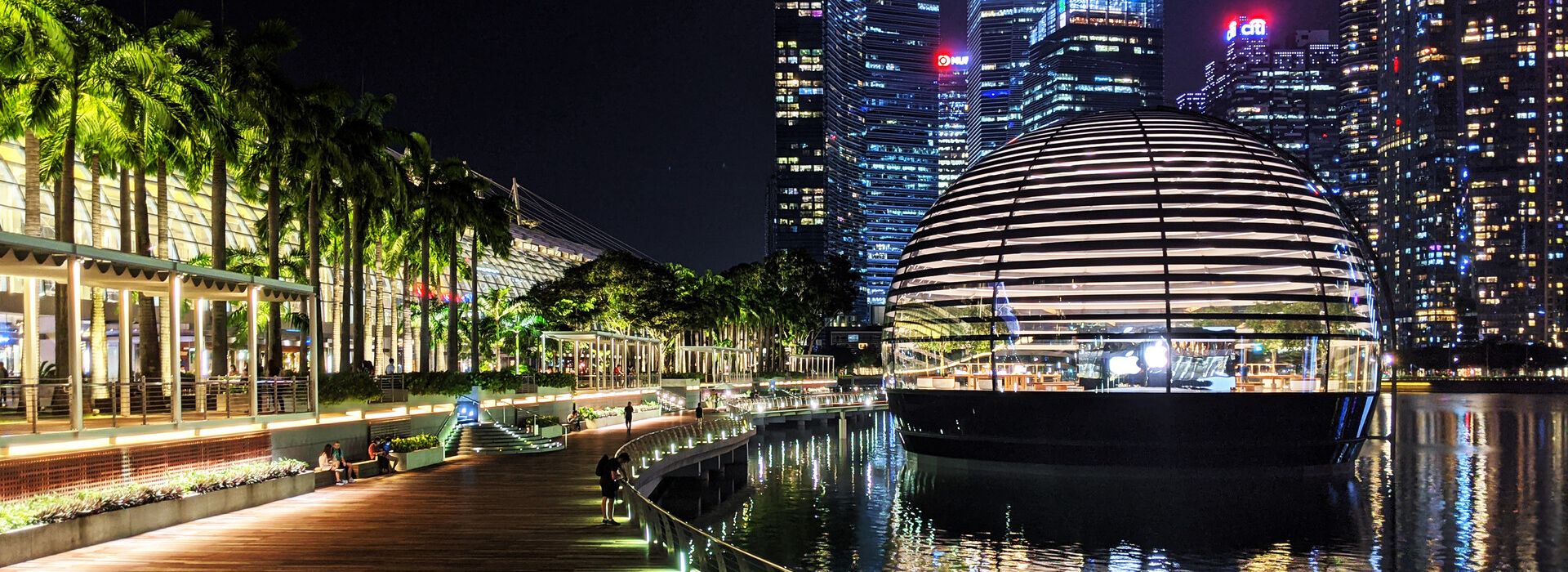
Apple Store Marina Bay Sands
An architectural wonder in the heart of Singapore
We played a key role in the construction of the stunning Apple Store at The Marina Bay Sands (MBS) in Singapore. Entirely surrounded by water, the store offers 360-degree panoramic views of the city and its spectacular skyline through its all-glass dome.
Our role in bringing this architectural wonder to life included both marine-based and onshore construction.
Fast Facts
- Marine based demolition and construction
- Large, piled cofferdam construction
- Subsea tunnelling and waterproofing
- Extensive stakeholder management and engagement
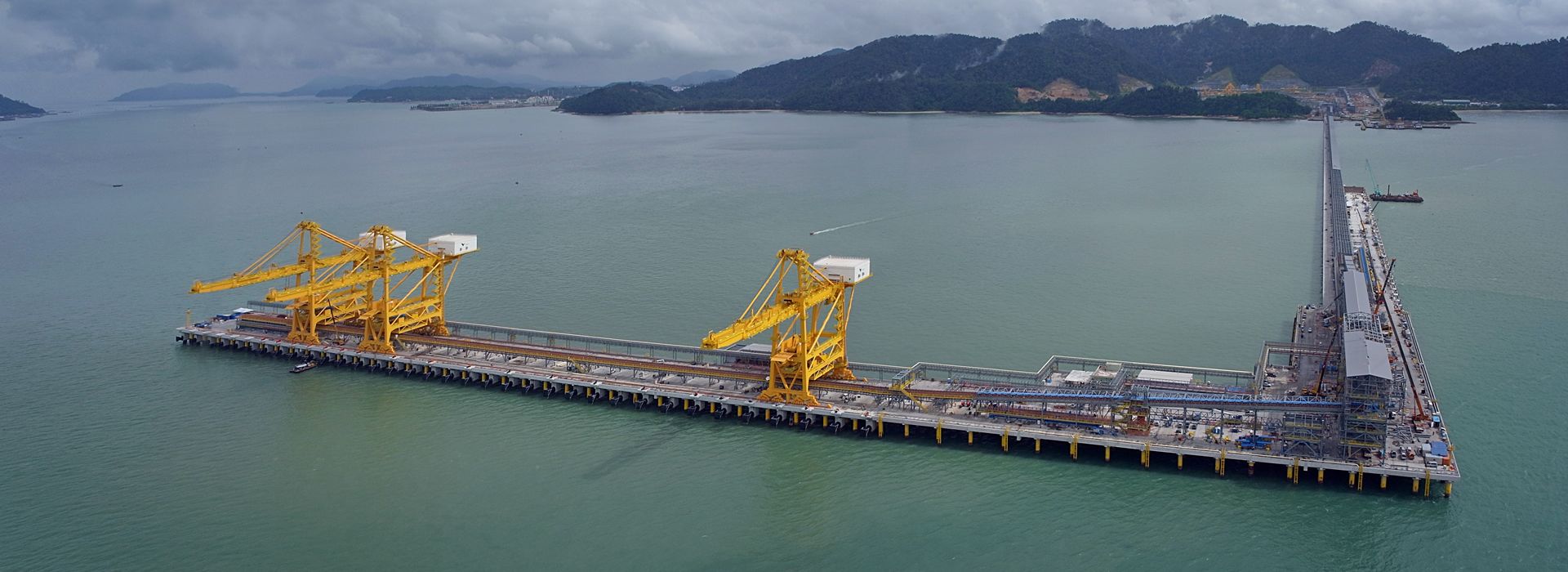
Vale Malaysia Manufacturing Project (VMMP)
In joint venture with BAM Malaysia and SYS Sdn Bhd, we designed and constructed the marine facilities for Vale's Malaysia Manufacturing Project (VMMP).
The berthing facilities cater for the world’s largest bulk carriers, the 400,000 DWT VLOC (also known as ValeMax. Approx. Length 360 m x Width 65 m, Draft: 24 m).
Fast Facts
- Precast Concrete: Quantity - 70,000 m3 / 9500 units / max weight/unit - 120 tonne
- In-situ Concrete: Quantity - 50,000 m3
- Steel Piles: Quantity - 902 piles / diameter up to 1950 mm / length up to 125 m
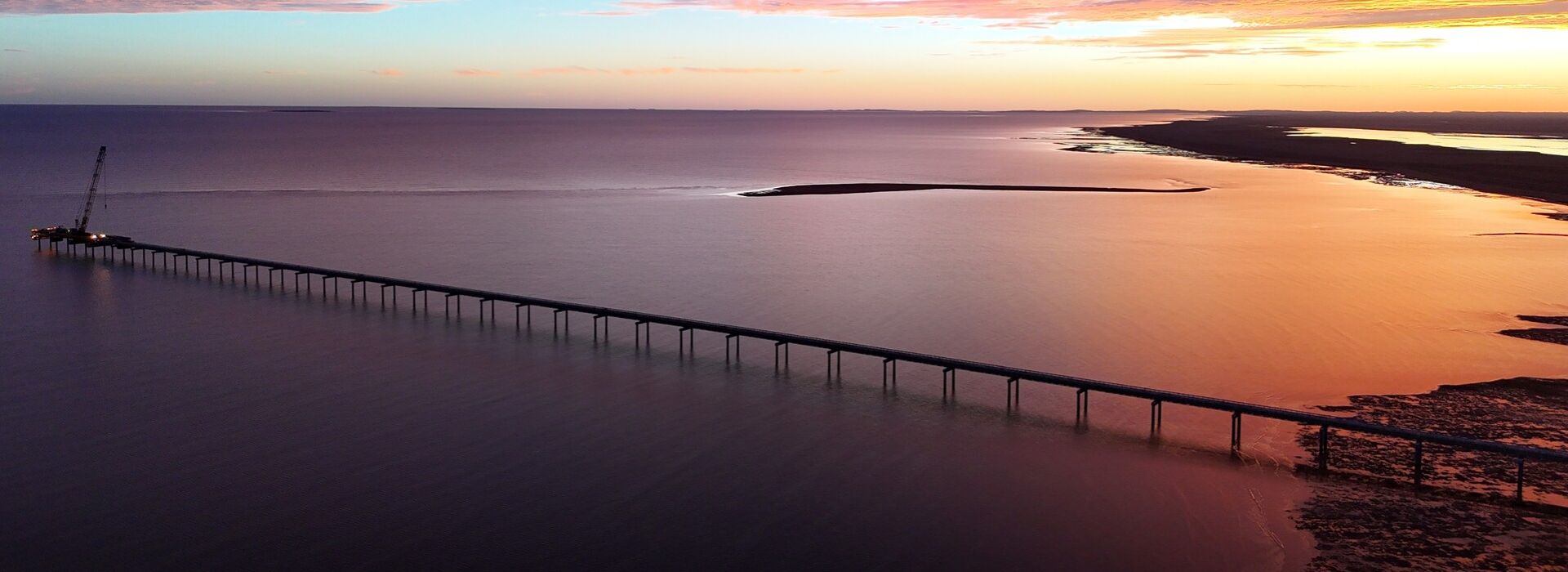
Mardie Salt & Potash Marine Structures
Delivering new marine facilities to grow Australian exports
We designed and constructed the marine structures for BCI Minerals’ Mardie Salt & Potash Project in Western Australia, using our innovative canti-traveller system for speed and low impact delivery.
The 'Mardie' Project is a large-scale, solar evaporation operation on the Pilbara coast. Capacity of the completed facility is estimated to be 5.35 million tonnes per annum of high purity salt and 140,000 tonnes per annum of sulphate of potash, over an operating life of at least 60 years.
Fast Facts
- 2.4 km long jetty with berthing and mooring dolphins
- 200 steel piles, up to 30 metres long
- 100 m of jetty completed every 10 days using innovative canti-traveller system
HMAS Coonawarra
New wharf and approach jetties to support the Australian Defence Force
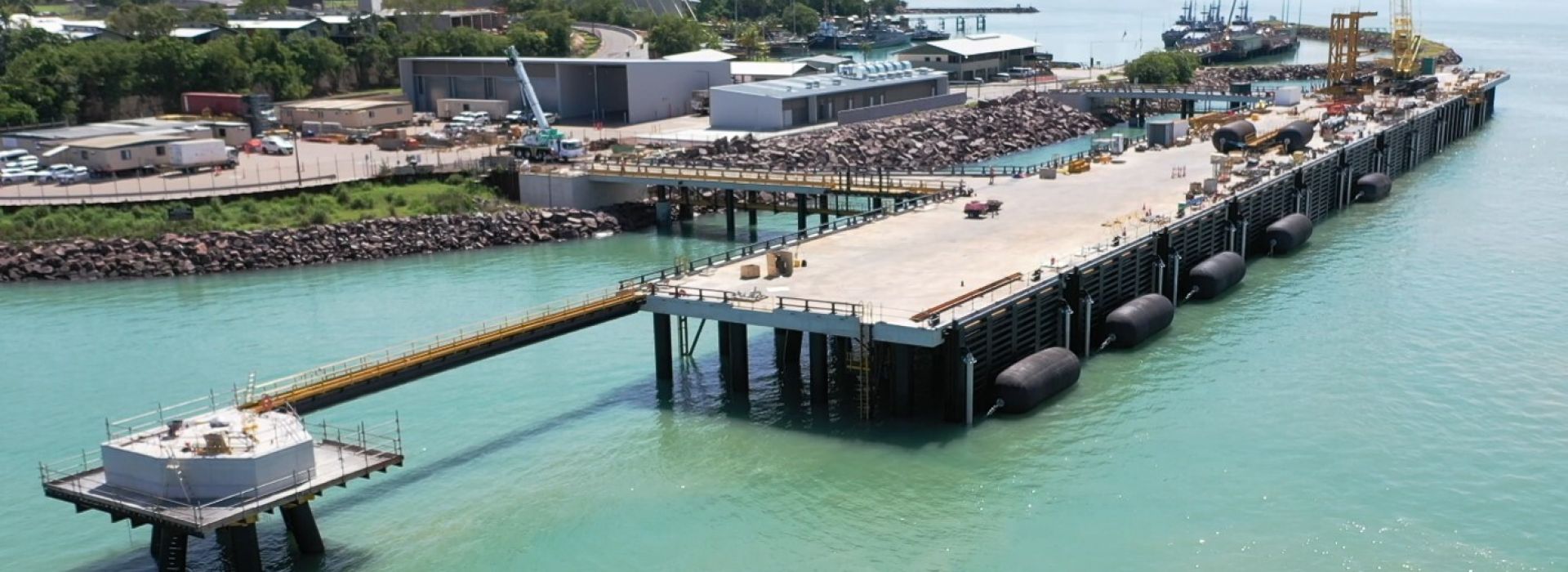
We refined the initial concept design and constructed a new outer wharf structure at HMAS Coonawarra in Darwin to support the Australian Defence Force (ADF). The project involved the construction of a new 250 m long wharf and two approach jetties.
While the final structures are simple in their geometry and configuration, the site location and operational requirements were challenging.
Fast Facts
- 250 m long wharf
- Two approach jetties
- Enhancing ADF's maritime defence capability
Chith Export Facility
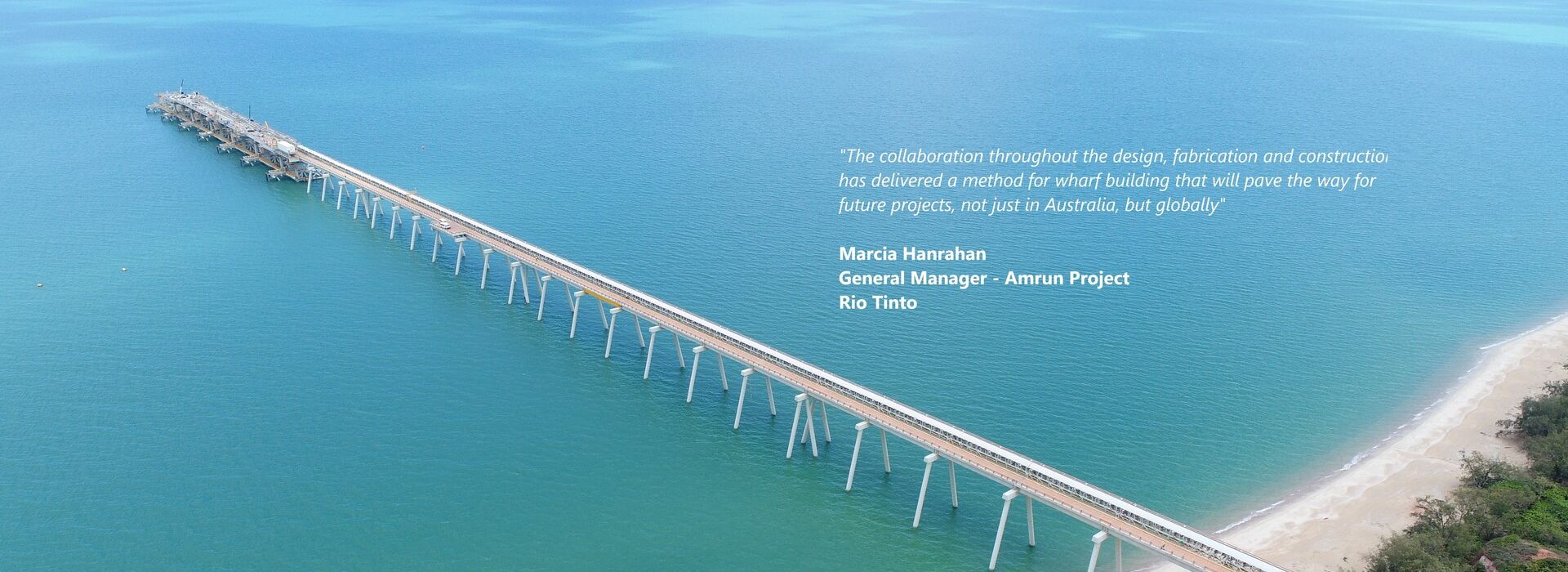
We revolutionised the design and construction of large-scale marine infrastructure when we delivered the Chith Export Facility - a large, complex and remotely located project for Rio Tinto at their Amrun bauxite mine, south of Weipa in Far North Queensland.
The facility comprises a 650 m access jetty, a 350 m loading wharf and an onshore conveyor system. Innovatively designed by Jacobs and constructed by us in just 10 months, modularisation was at the heart of the solution and our project team took it to new levels in scale and breadth.
Fast Facts
- 650 m access jetty
- 350 m long loading wharf
- Fully modularised construction approach
- 300,000 job-hours saved
- Build time reduced by 12 months to just 10 months
- Capital expenditure reduced by $40M
Outer Harbour Berth 6 Extension
Increasing container port capacity in South Australia
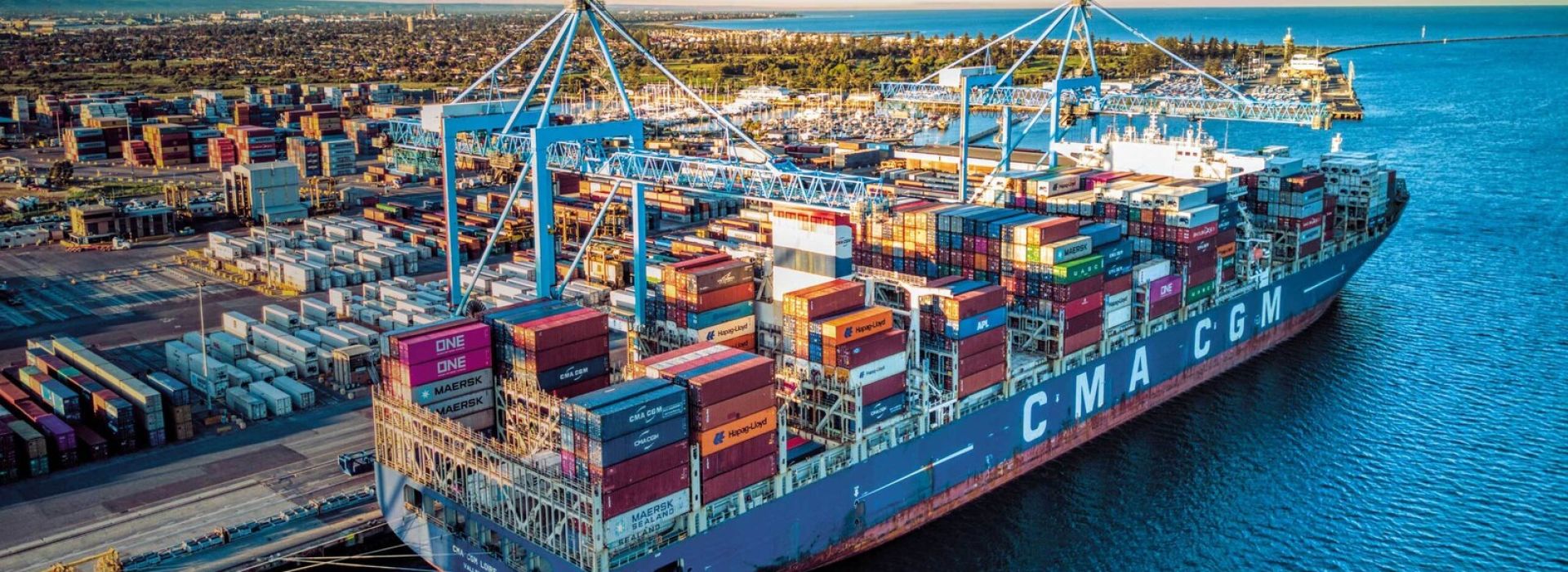
After a 6-month Early Contractor Involvement process, we're now delivering a berth extension and remediation works at the Flinders Adelaide Container Terminal (FACT) — South Australia’s only container terminal.
Our works form part of Flinders Port Holdings’ (FPH) A$350 million GatewaySA Program, a multi-year initiative designed to increase capacity, efficiency and sustainability across the terminal.
Fast Facts
- 135 m berth extension
- Quay-line extention and strutural remediation
- Site-wide services, hardstands and access road upgrades.
Creative Construction
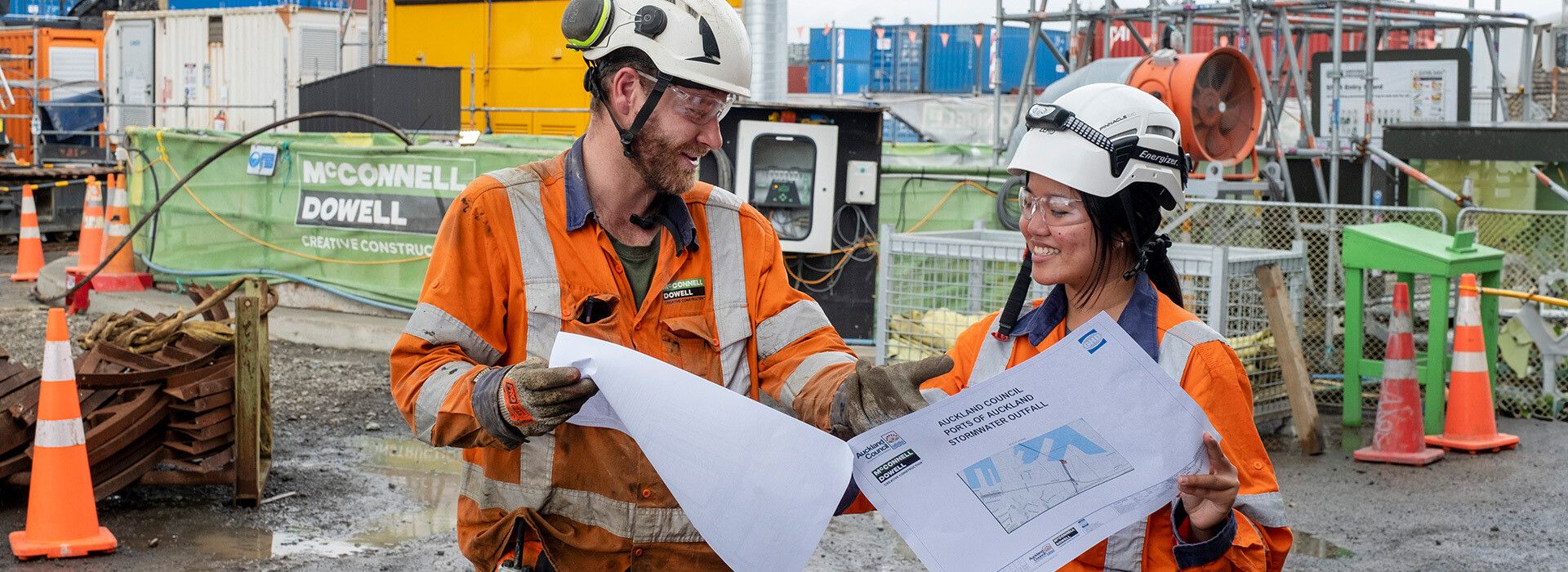
Creative Construction at McConnell Dowell is the inspired engineering behind the complex infrastructure we deliver.
It's the technical problems and challenges solved behind the scenes by people empowered to think creatively and work collaboratively. It’s the alternative idea or innovation that saves time, reduces cost, makes us safer, and delivers more value.
It might not always be evident when you look at the end product, but it's there, inside every McConnell Dowell project.
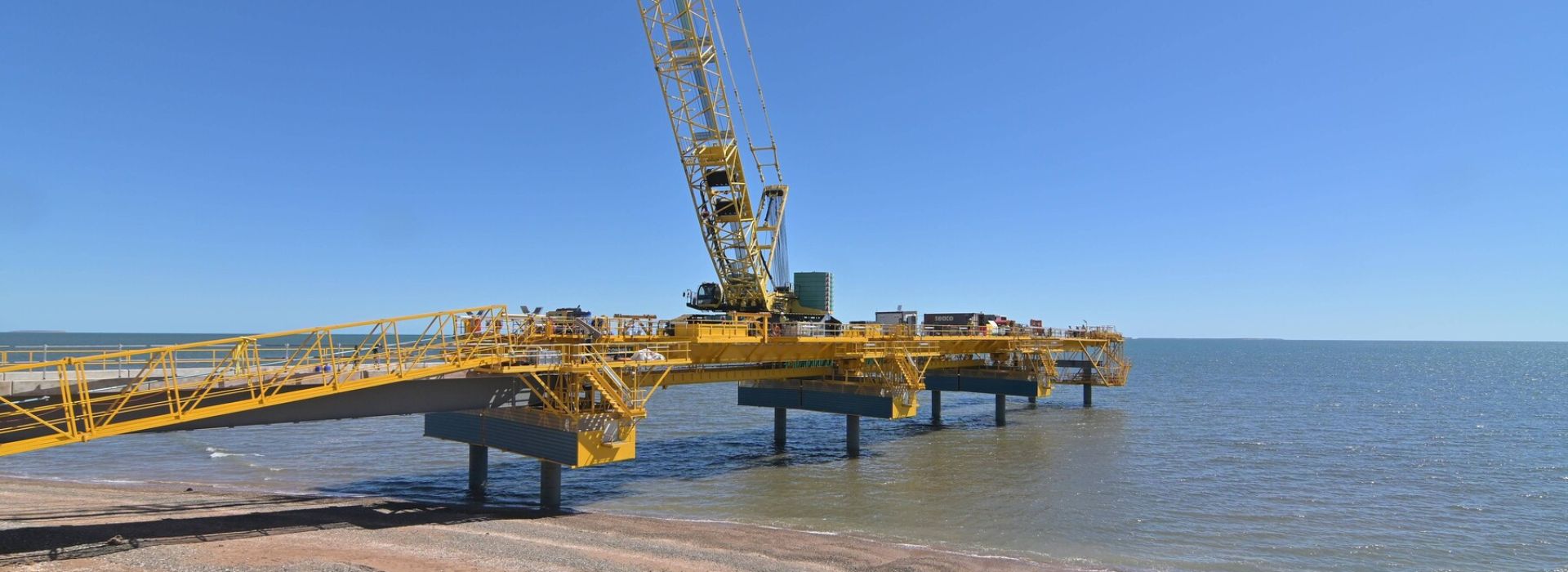
Cantilever traveller - innovative temporary works
Our 'Canti-Traveller' is a purpose-built temporary mobile platform that facilitates fast, safe, low-impact construction of piled marine jetties and piers.
The innovative system, designed and fabricated by our in-house team, provides a platform for progressively installing new piles, propelling itself along the new jetty alignment using hydraulics.
A piling gate fixed to the front of the Traveller allows pitching and driving of piles in a vertical position. If required it can be used to install raking piles using the gate’s hydraulics. The piling gate also provides a working platform for cutting piles and welding headstocks. Bent spacing can extend to 27 m, and it has a system for changing direction. The traveller supports a 450 tonne crawler crane, if required.
One of the primary advantages of the Canti-Traveller is its minimal ecological impact, not touching the earth except for the permanent piles it both drives and sits atop. Removing the need for marine-borne plant, it also operates independently of marine conditions, offering significant program and cost certainty. This makes the Canti-traveller particularly effective in design and construct projects where the program can be optimized for maximum efficiency.
We have a proven track record of successful installations in environmentally sensitive areas and a reputation for delivering safe, efficient, marine solutions for our customers. The Canti-Traveller reinforces our leadership in marine innovation and construction.
Click on the video to see the Canti-Traveller in action (Hint: It's yellow!). Click here for a more detailed specification.
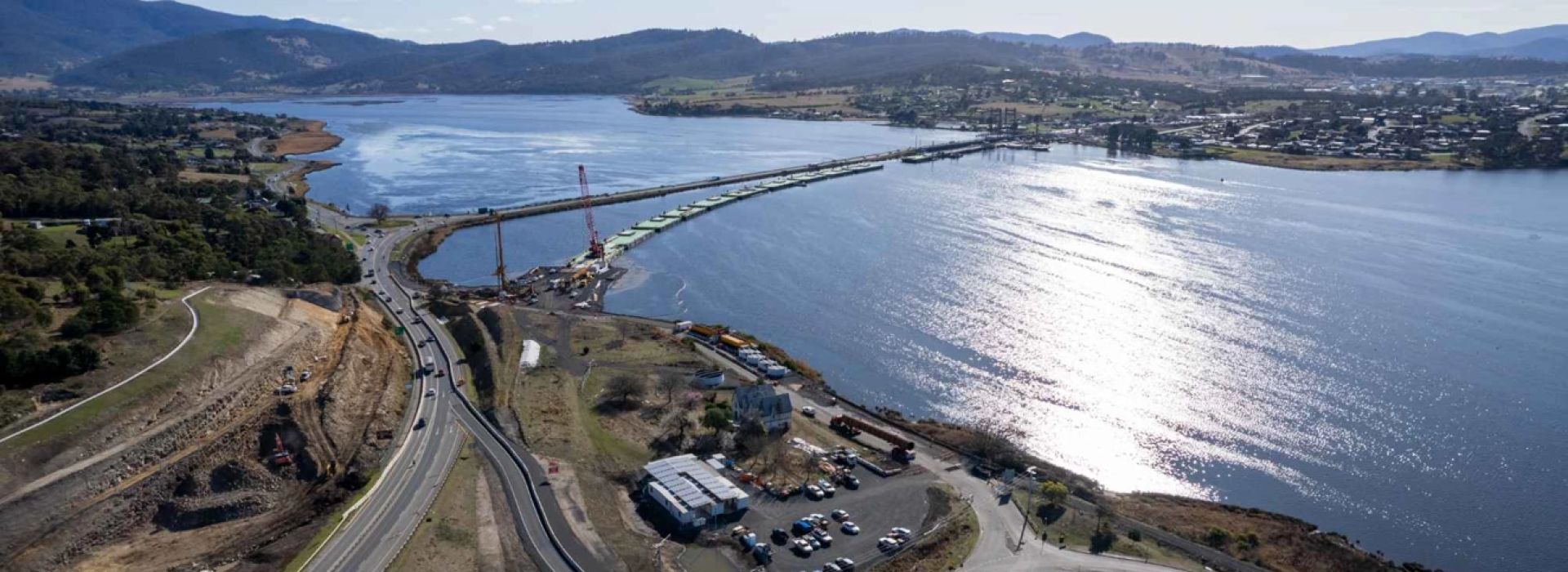
Linked barges to minimise environmental impact
Our marine engineering specialists are always on the lookout for ways to minimise the impact of our works on sensitive environments, and a recent example comes from the New Bridgewater Bridge Project in Tasmania.
The project involves a new 1,300 m long bridge built across the River Derwent. The bridge is being erected from a temporary access platform, which crosses shallow tidal mudflats that have significant environmental, cultural and heritage importance. The temporary access platform allows continuous access for delivery and lifting of segments along the bridge alignment
The initial design for the temporary access platform included piles, but this approach was deemed to have significant environmental, cost and program impacts.
So an alternate and innovative construction methodology was developed by our marine specialists.
While the shallow tidal mudflats prevented the use of floating crane barges, interconnected barges placed on the seabed form the basis of the solution.
Standard (flat-top, 55 m long) barges have been floated into position at high tide, trimmed and ballasted down onto the mud flats. The barges are connected using specifically designed link bridges, allowing movement of equipment over a total length of about 800 m.
The innovative design caters for critical issues such as differential settlement of the very soft muds under cyclic loads; dynamic lifting loads; and load sharing between barges. Specific lift plans have been developed to address key risks during erection.
The linked barges design provides a safe and cost-effective solution while minimising the impact of construction activities on the environmentally sensitive mudflats. After the barges have been removed the mudflats are expected to recover completely. The barges and link bridges can also be re-used on other marine projects, unlike the original piled solution.
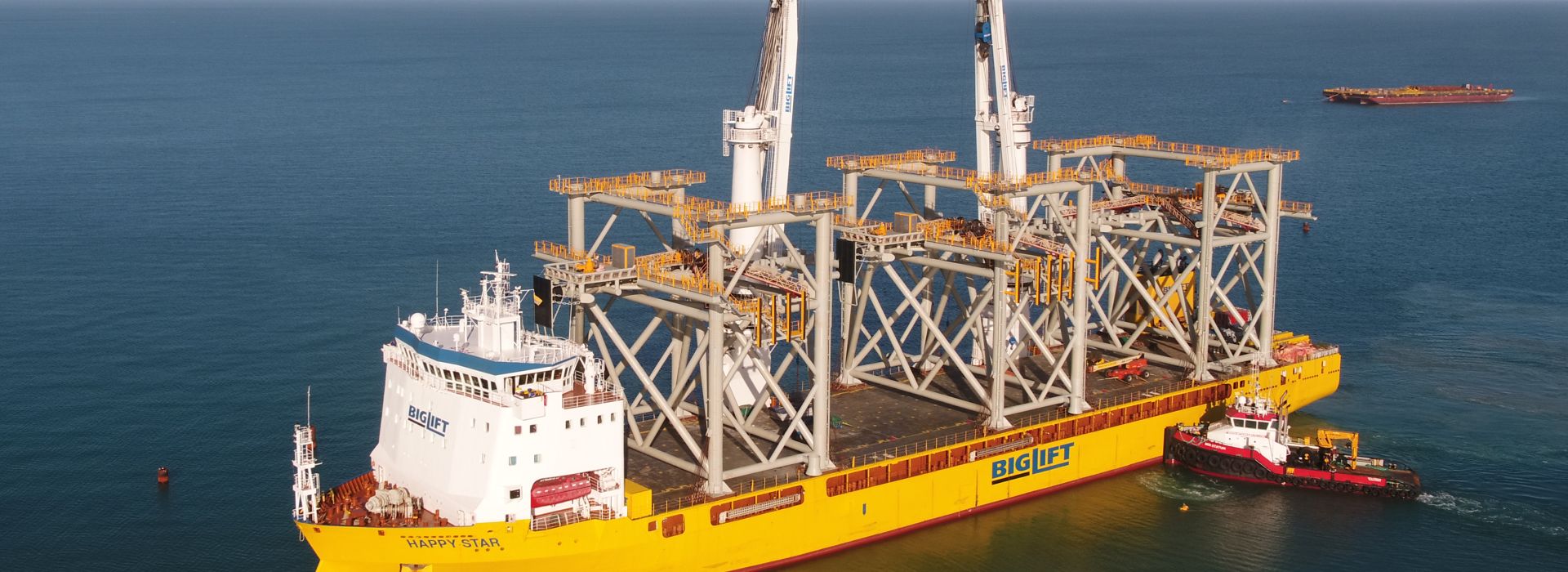
World first wharf modularisation
We helped revolutionise the design and construction approach for large-scale marine infrastructure on Rio Tinto's Chith Export Facility project in remote Far North Queensland.
The 350m wharf structure was split into seven, first-of-a-kind ‘jacket’ modules (the substructure) and six topside modules. Weighing approximately 680 tonnes each and standing 30m high, the jacket modules, with integrated dolphins, reduced the number of permanent wharf piles required from 100 to just 28, minimising environmental impact to marine life – a core focus for the Chith Export Facility team.
The wharf topside modules, placed on the jackets, ranged from 600 to 1400 tonnes and were fabricated complete with all services, conveyors, concrete roadways and access walkways.
In true ‘plug and play’ fashion, the modules were delivered and installed by a heavy-lift ship in a safe, clean and efficient operation.
The project, completed in just 10 months, was awarded the Australian Construction Achievement Award by Engineers Australia and the Brunel Medal by the Institute of Civil Engineers (UK).
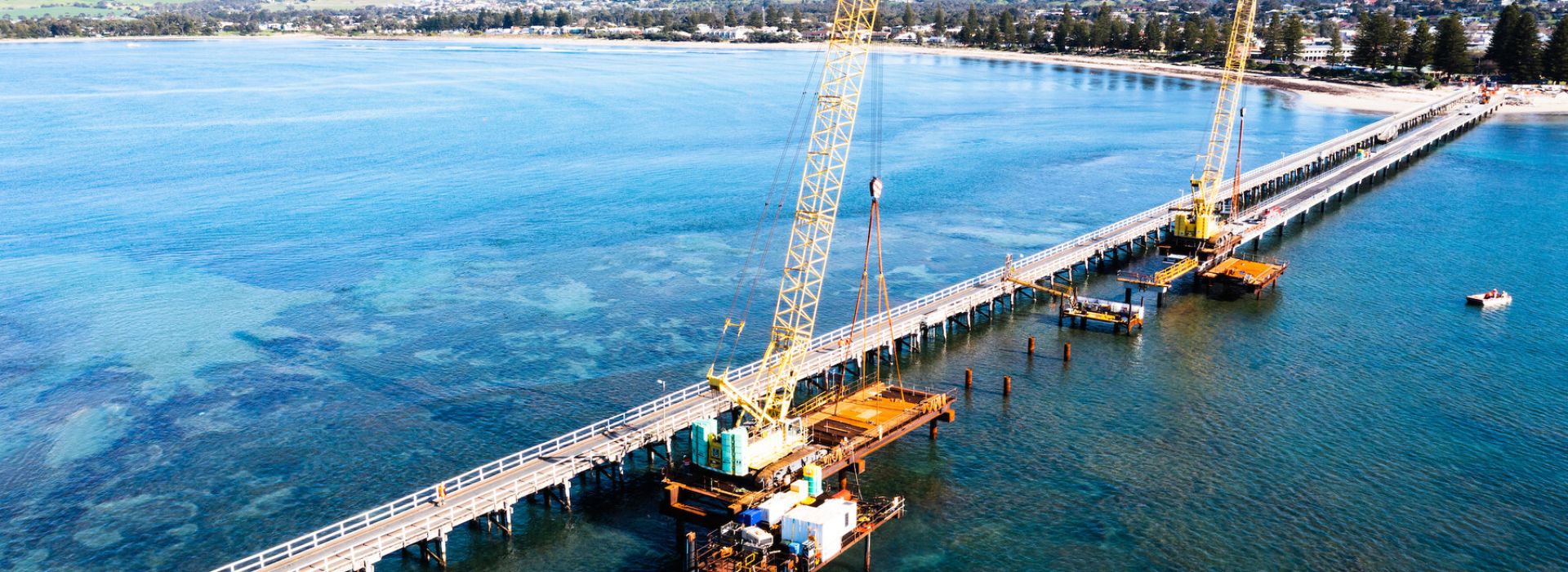
A 'whale of a time' with noise attenuation
On the Granite Island Causeway project in South Australia, our team designed and implemented a "shroud and bubble curtain" to stop marine piling noise from disturbing the Southern Right Whale (SRW) and other marine fauna, such as the Australian sea lion and little penguins.
Prior to the solution being developed and approved, a local whale protection group strongly objected to piling occurring during whale season, which had the potential to impact the project's schedule and budget.
The bubble curtain was designed to reduce the noise levels by scattering, absorption, reflection, and refraction of the sound waves. The curtain design, along with some other piling modifications, gave sufficient confidence for federal approval under the Environment Protection and Biodiversity Conservation Act for piling during the whale season.
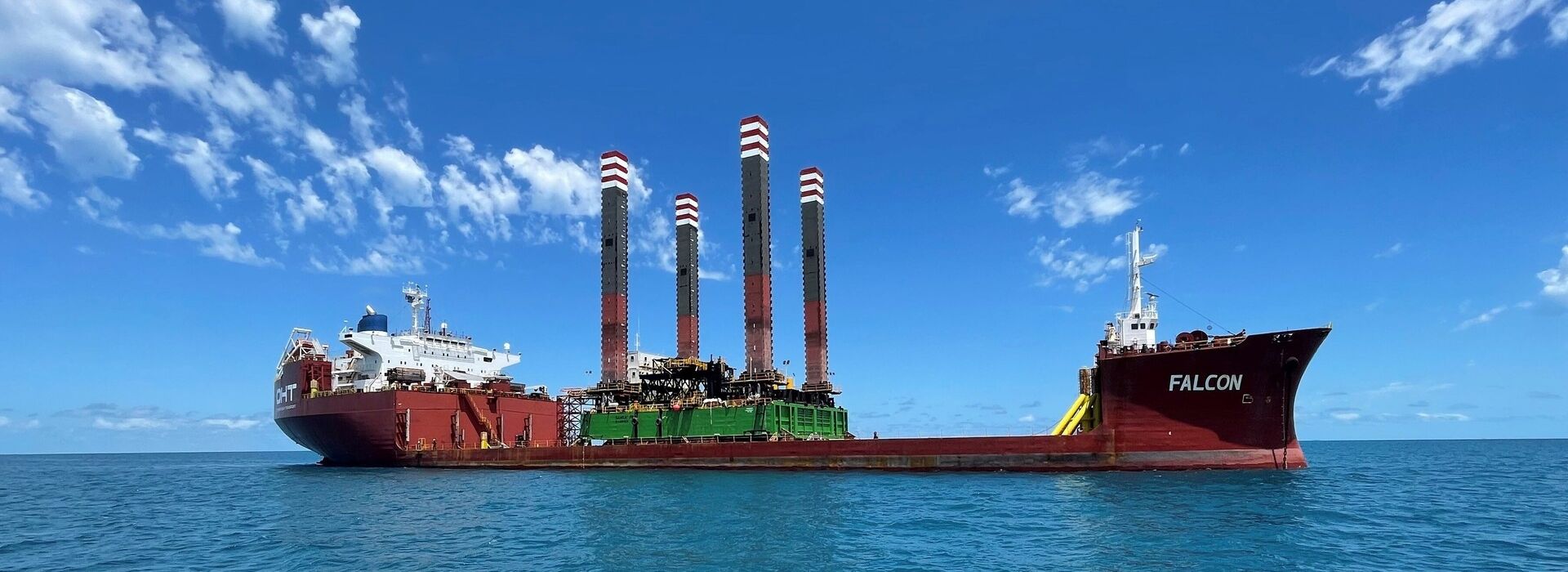
Specialist marine plant
Elevate your marine construction potential
As a leading marine contractor, we bring deep expertise and a legacy of inventive construction to every project. Our fleet of specialist marine plant - including jack-up barges, support vessels, and our custom-designed ‘traveller’ piling system - reflects our commitment to smarter, safer, and more sustainable delivery.
Our equipment is also available for short, medium, or long-term hire. Explore the profiles below to see how our assets can support your next marine challenge.
Closing text - with contacts and Video
Summary
Thank you for taking an interest in McConnell Dowell's skills, capabilities and approach. Additional information is available on our website, including additional project case studies.
Contact us through the link(s) at the bottom for advice or assistance with your project.
Contacts
Jan Matthé
Group Technical Director - Ports & Coastal
M: +65 9030 0989
jan.matthe@mcdgroup.com LinkedIn