Company Profile
Prepared for New Business
May 2026
Introduction - Overseas Recruitment New Zealand
Thank you for your recent application to McConnell Dowell in New Zealand.
As we begin the assessment process we thought we'd share this short information pack. It explains at bit more about the benefits of working with us, showcases our capabilities, and profiles some of our diverse project portfolio.
NZP Intro (typically use 4th to 8th)
With over 65 years of history in the region, and as the birthplace of the company, McConnell Dowell is well known in New Zealand and the Pacific Islands as an accomplished, engineering-led, multi-disciplined contractor.
We have a proven track record in delivering complex projects in remote and difficult locations, and have extensive in-house resources, specialist plant, and experienced support teams that enables us to self-perform much of our work.
Transport Solutions
When it comes to building the bridges and tunnels that connect communities and keep economies moving, McConnell Dowell brings the experience, ingenuity, and dependability to deliver.
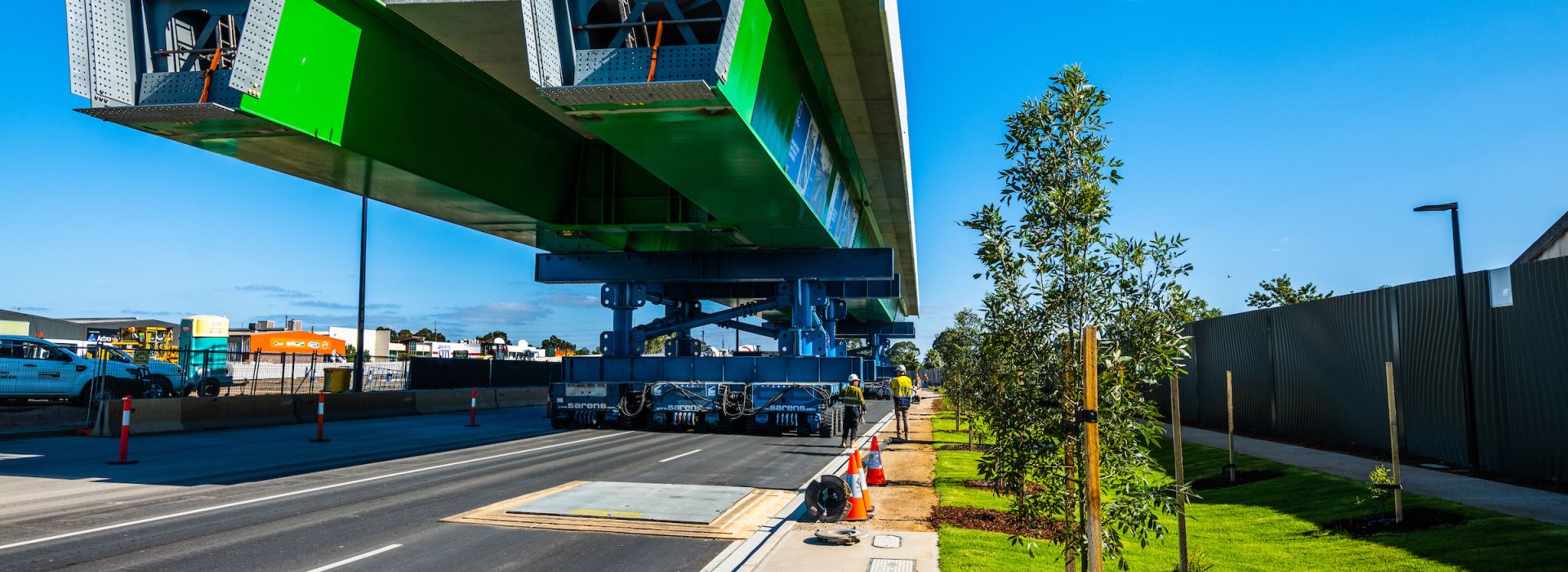
We’ve installed multi-span road bridges over live highways, launched heavy rail bridges across active corridors with minimal disruption, and upgraded major intersections and interchanges in some of the busiest transport networks.
From regional road upgrades to city-shaping rail overpasses, we work in close collaboration with stakeholders to deliver complex transport solutions that balance technical excellence with community needs and environmental care.
When the challenge calls for building smarter, safer, and stronger transport links, McConnell Dowell is the partner you can trust to get it done.
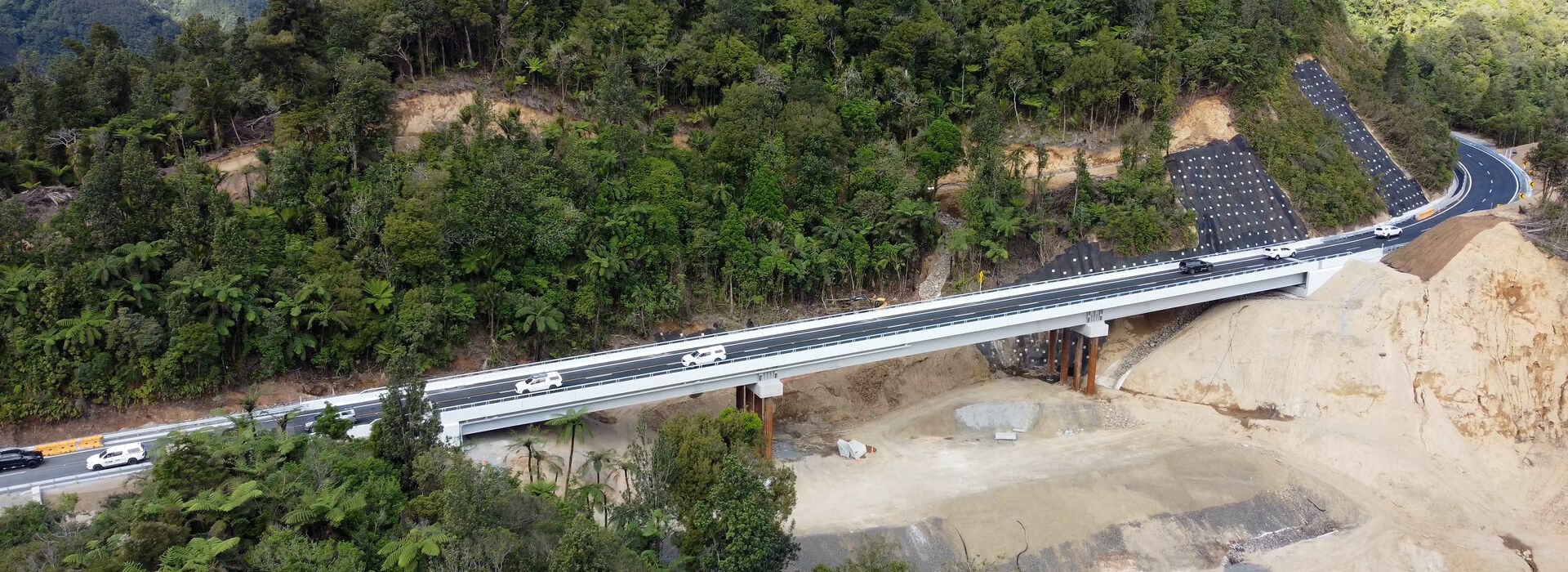
State Highway 25A Taparahi Slip Remediation
Reconnecting communities after a major storm
McConnell Dowell with joint venture partner Fulton Hogan and designers Beca and Tonkin + Taylor completed the new Taparahi bridge and reopened State Highway 25A in record time.
The scope of work involved stabilising the slip and constructing a 124m long by 15m high bridge across the major slip.
Fast Facts
- National recovery project
- 124m long, 15m high bridge
- Tight 9 months delivery timeframe
- 3-span composite design
- Pre-cast concrete deck
- Over 100 people working on and off-site
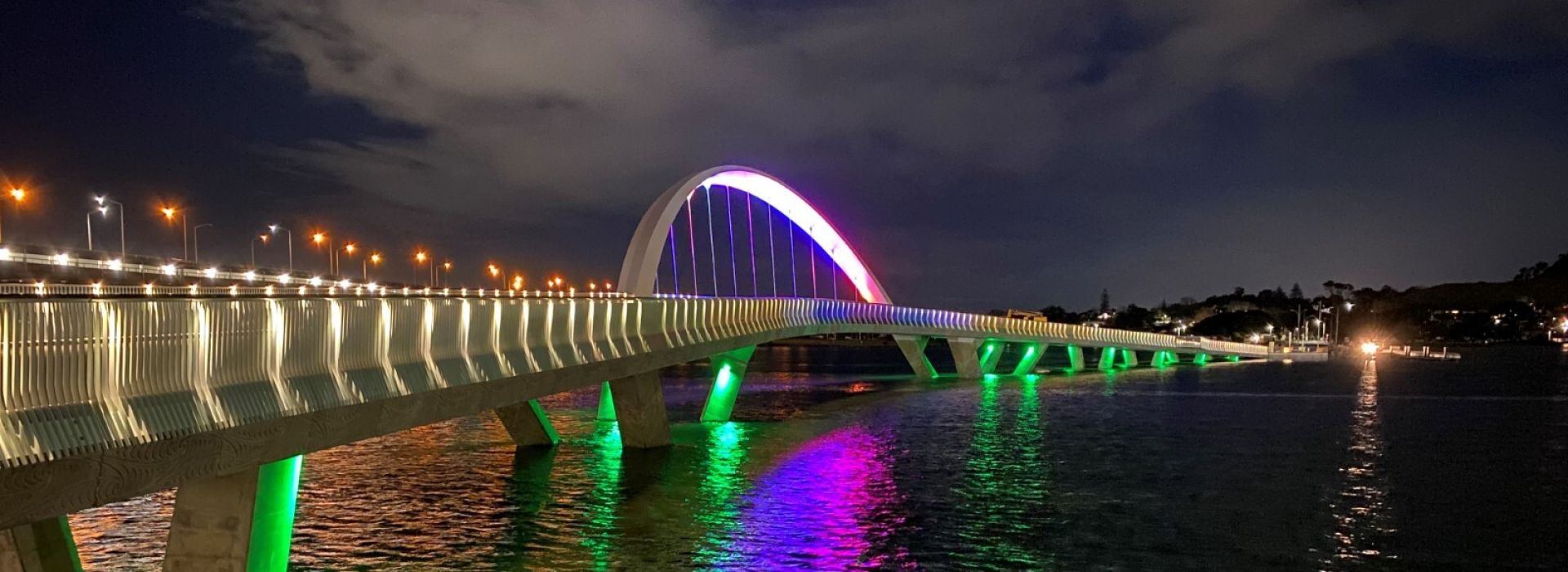
Ngā Hau Māngere Bridge Project
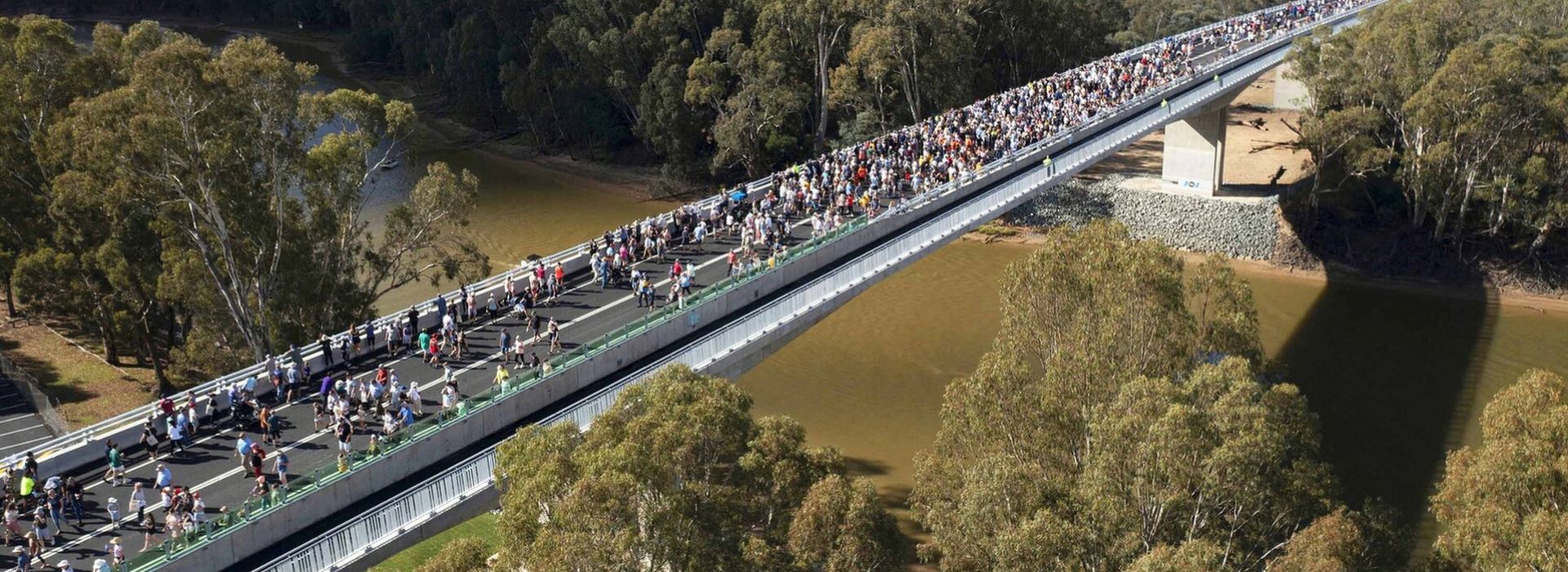
McConnell Dowell was awarded the contract for the Waka Kotahi NZ Transport Agency project to deconstruct the 105-year-old Māngere Bridge and construct a new and improved replacement in late 2019. The new connection linking the communities of Onehunga and Māngere Bridge was completed on time in August 2022.
Local mana whenua gifted the bridge its new name Ngā Hau Māngere, which means ‘gentle lazy winds’ before it was officially opened to the public on 27 August 2022.
Fast Facts
- The new bridge is over 260 m long and eight meters wide
- Main span is on a horizontal curve with a 136 m radius
- The bridge’s most stunning feature is a 60 m steel tied-arch
- Two southern approach spans are 12 m wide creating dedicated fishing bays
- The northern and southern abutments consist of 1.2 m wide reinforced concrete blade walls
- The Ngā Hau Māngere bridge provides up to eight meters clearance for vessels during low tide, to increase access to the upper harbour
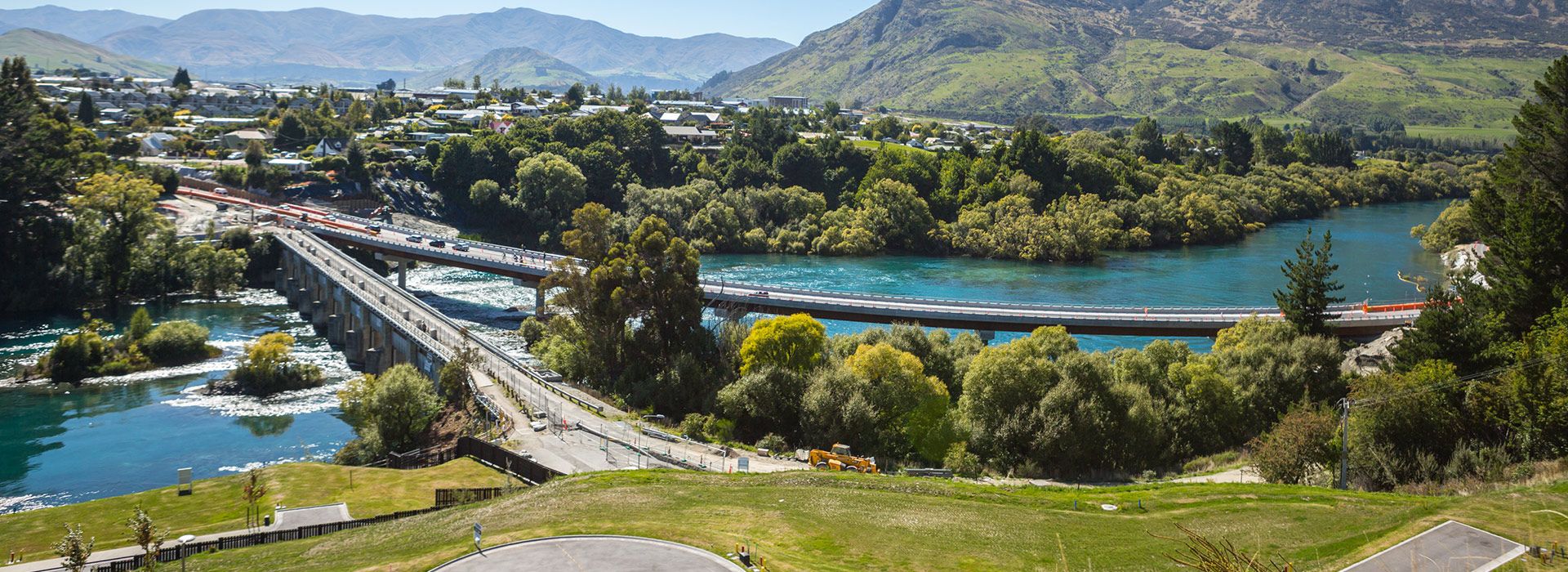
Kawarau Falls Bridge
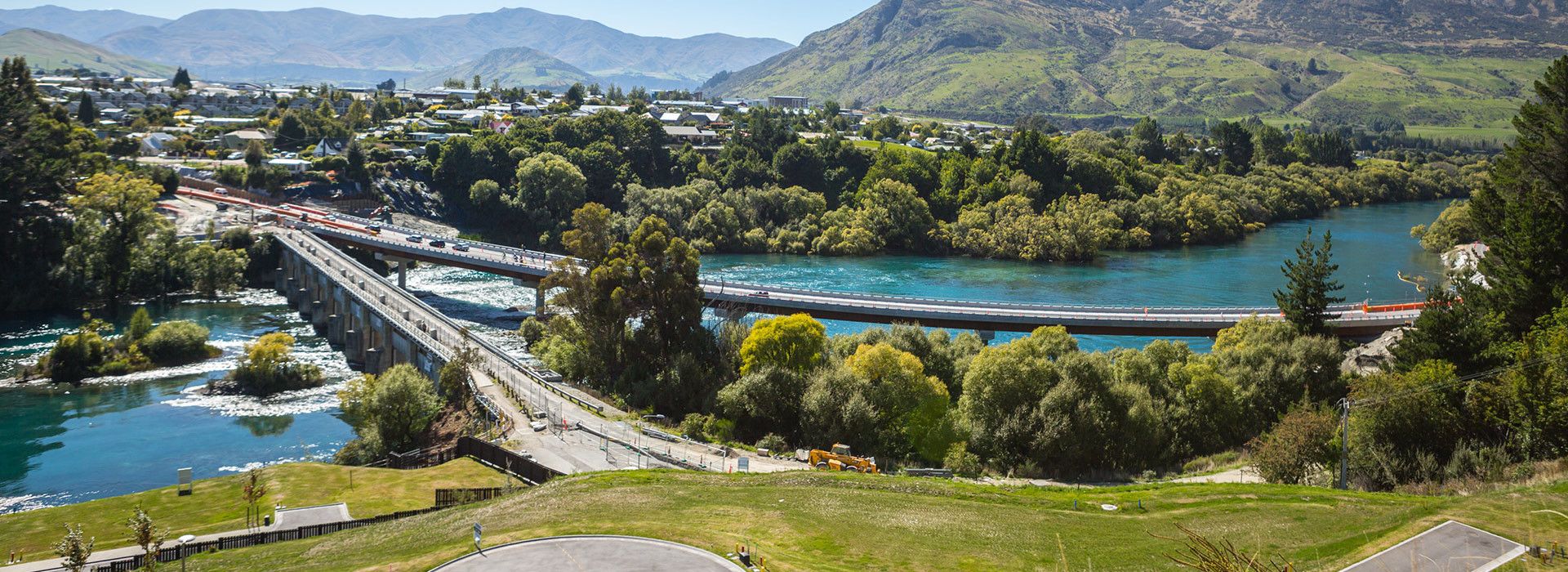
The stunning Kawarau Falls Bridge was delivered by McConnell Dowell for the NZ Transport Agency.
At 250 m long, the sweeping, curved structure consists of steel girders, which form the backbone of the bridge. These weathering steel girders, designed to blend in with the environment, were installed using a unique launch nose method designed in-house by McConnell Dowell temporary works engineers.
Fast Facts
- 252m long bridge
- 45m long beam span
- 342t of structural steel
- 758t of reinforcing steel
- 24m launch nose
- 150t crawler crane
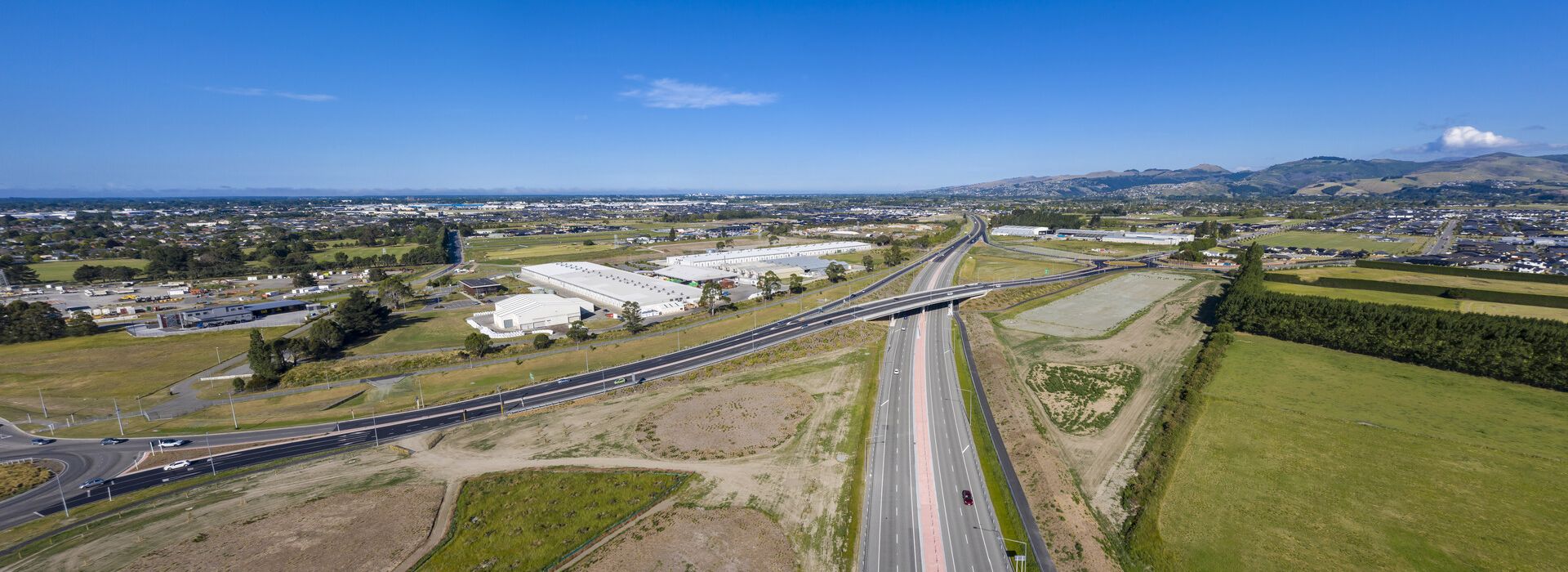
Christchurch Southern Motorway Stage 2 (CSM2)
The Christchurch Southern Motorway Stage 2 (CSM2) project addresses growing congestion in Christchurch’s south and southwest suburbs by delivering a four-lane, median separated motorway from near Rolleston to Robinsons Road. CSM2 follows the first stage of the new motorway, CSM1, which was completed in December 2012.
The upgraded road network now provides better access between the south of Christchurch and the city centre and Lyttelton Port by improving the alignment, capacity and safety of the Christchurch Southern Corridor. The new motorway halves travel time between Rolleston and Christchurch at peak-times (from around 30 minutes down to 15) and will reduce the number of fatal and serious crashes by up to 40%.
Fast Facts
- 8 km of new 4 lane motorway
- 5 km of SH1 duplication
- 5 km of local roads and adaptions
- Seven new bridges over the new highway, one bridge carrying the motorway over a local road together with a subway extension
Russley Rd Upgrade
This high profile, Road of National Significance (RoNS) project was awarded to McConnell Dowell, in Joint Venture with Downer, under an Early Contractor Involvement (ECI) model.
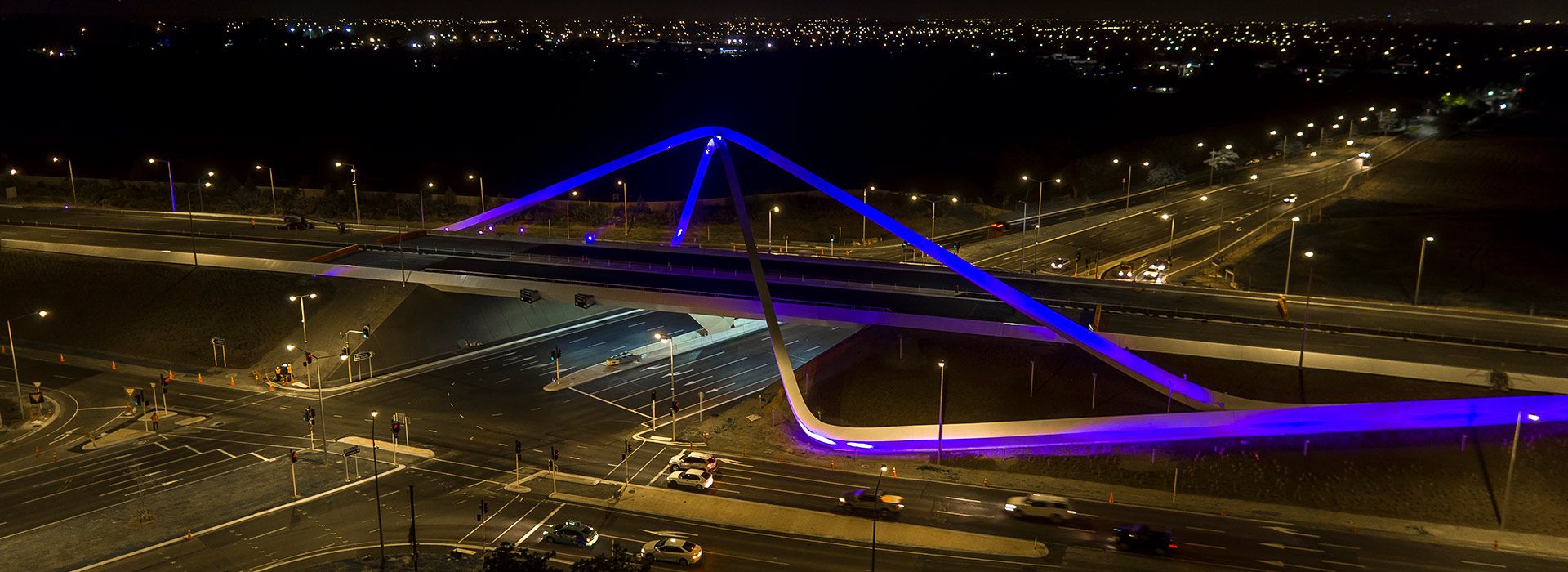
Our scope of works included the four-laning of 3.5 km of existing SH1, an upgrade of the Russley Road/Memorial Avenue roundabout to a grade separated junction or flyover, with Russley Road going over Memorial Avenue on a four-lane bridge, and a large signalised intersection below. The project separates oncoming traffic, while selected road intersections have been improved and access at some roads reduced to improve safety and efficiency.
Fast Facts
- 165 long subway and ramps with 6m long precast units
- Memorial Gateway Bridge - 4 lanes, 400T iconic arch structure
- 30km of cable & 20km of ducting laid on this 3.5km length of road
- Approximately 10,000T of contaminated fill removed to approved landfills
- Over $3M returned to NZ Transport Agency through shared value engineering
Lower Hatea River Crossing
Bringing a bold architectural vision to life
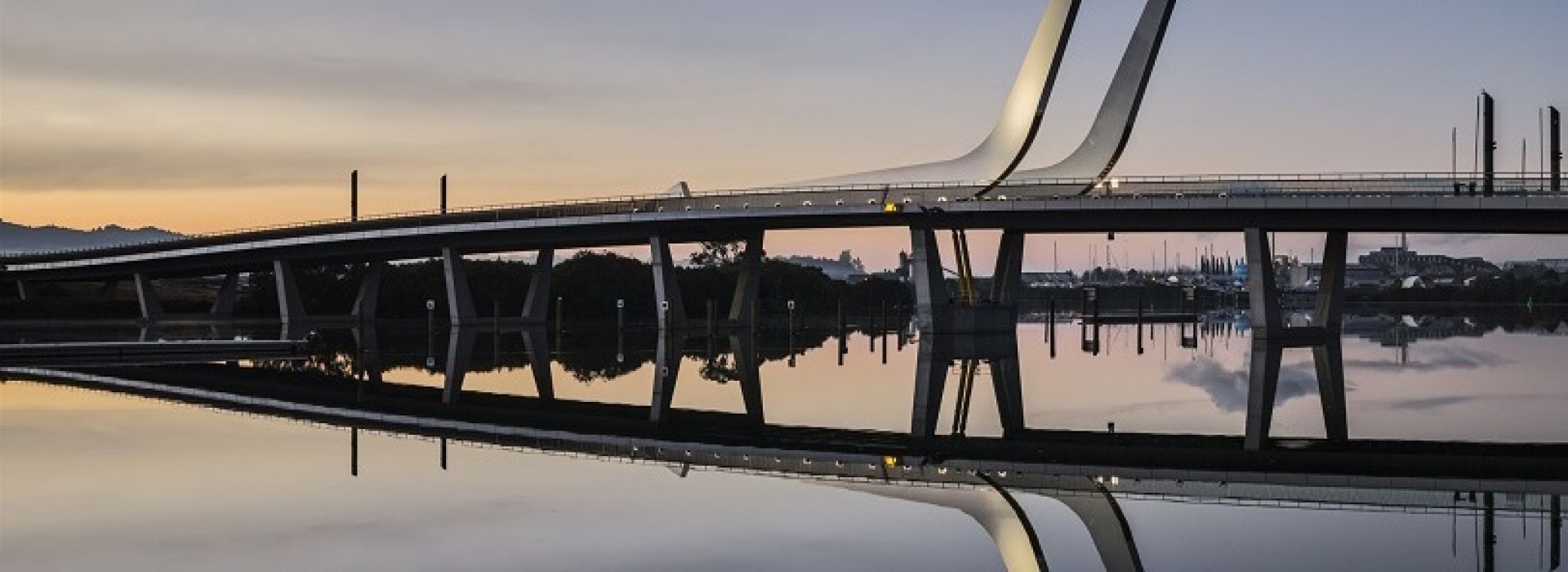
Our customer, the Whangarei District Council, envisioned a striking 265 metre long bascule bridge crossing the Hatea River - one that would embody the unique cultural heritage of the region. Together, we brought this vision to life.
Fast Facts
- 265 m long bascule bridge
- 390 t bascule section
- 2 No. 8 tonne hydraulic rams lift the bridge
Civil
Our multi-disciplinary experience encompasses every type of civil construction, including bulk earthworks, foundations, hardstands, precast concrete, piling, roads, runways, and bridges.
Our ability to solve technical challenges creatively, means we find ways of delivering complex civil structures with minimal disruption to the community and our customers' operations.
Puhinui Station Interchange
Collaborating to enhance public transport connectivity between Auckland Airport and the CBD
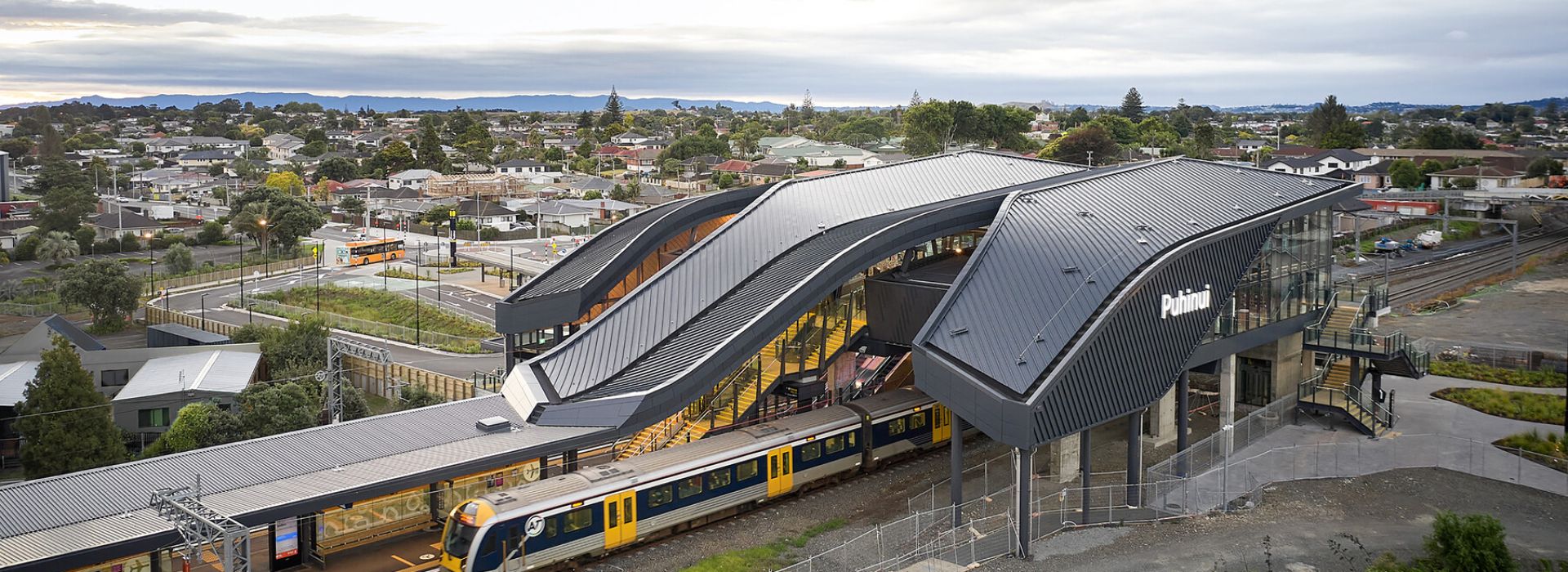
In joint venture with our building company, Built Environs, we successfully delivered the Puhinui Station Interchange Project, demonstrating how we can provide customers with a multi-discipline design and construction service through a single, seamless management interface.
The Interchange is a key component of the Southwest Gateway, a programme aimed at enhancing public transport connectivity between Auckland Airport and the CBD.
Fast Facts
- Designed a New Zealand-first ‘rail protection deck’, enabling work over live rail network.
- New station platform, including a new lift from the concourse covered with a 90m canopy.
- Two new bus stops off Puhinui Road.
- A separate circulation area for private vehicles to drop passengers off near the bus stops.
- 10 ‘meet and greet’ (short term) parking bays and four ‘kiss and ride’ bays adjacent to the new bus stops.
- Two mobility bays, six operational parking spaces, and an all-day parking zone for motorcycles and scooters.
Sumner Road Remediation
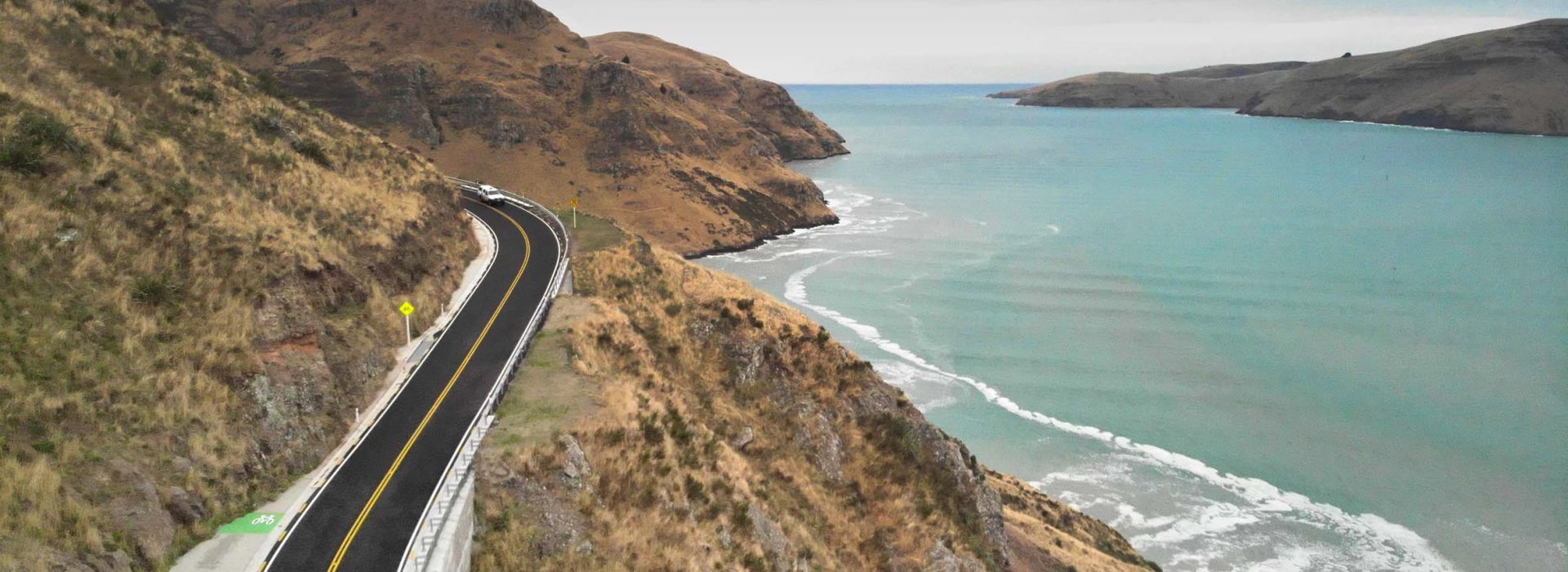
Sumner Road is a vital link between the Lyttelton and Sumner communities, an important strategic connection between the Lyttelton Port and Christchurch city, and a popular recreational space for tourists and locals. But significant rockfall from the surrounding cliffs during the February 2011 earthquakes left a 2.6 km section of the road impassable, forcing it to close.
Christchurch City Council engaged McConnell Dowell to undertake vital geotechnical remediation works to reopen the road for the first time in eight years. We carried out scaling and ground support of the bluffs above Sumner Road, excavated a large 407m long, 18 m high, 15 m wide catch bench below the bluffs to catch any falling rocks, and constructed a 50m long 7 m high rock bund in the gully to the west of the Crater Rim Bluffs to capture rockfall from the bluffs. Our work also included repair and reinforcement of 30 retaining walls below Sumner Road and remediation of the road itself.
Fast Facts
- 15 km of road corridor remediated
- 30 retaining walls built and reinstated – the largest of which is 132 metres long and seven metres high
- 100,000m3 of hard rock removed and transported to Gollans Bay Quarry for reuse in Christchurch City Council’s Coastal Pathway project.
- 420 m of bluffs engineered/blasted
- 150 m maximum drop for rope access
Digital Engineering & Technology
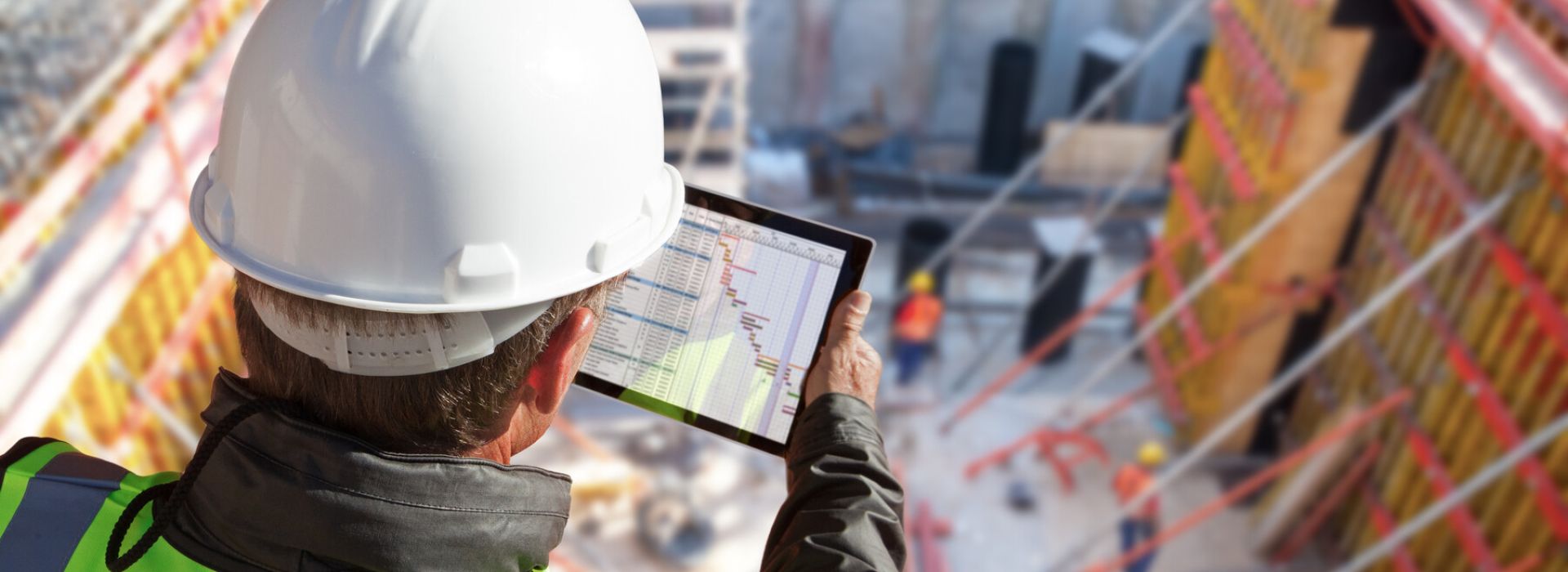
We take a ‘Digital First’ approach to all our projects, equipping our teams with the latest digital tools and systems from the design stage forward.
This helps them identify and address potential issues at the earliest stages of project development, effectively eliminating issues at their genesis leading to lower costs and delays once we start on site.
On site, we use digital tools like drones for surveying, and GPS tracked plant to monitor and improve safety and efficiency.
Temporary works design and coordination
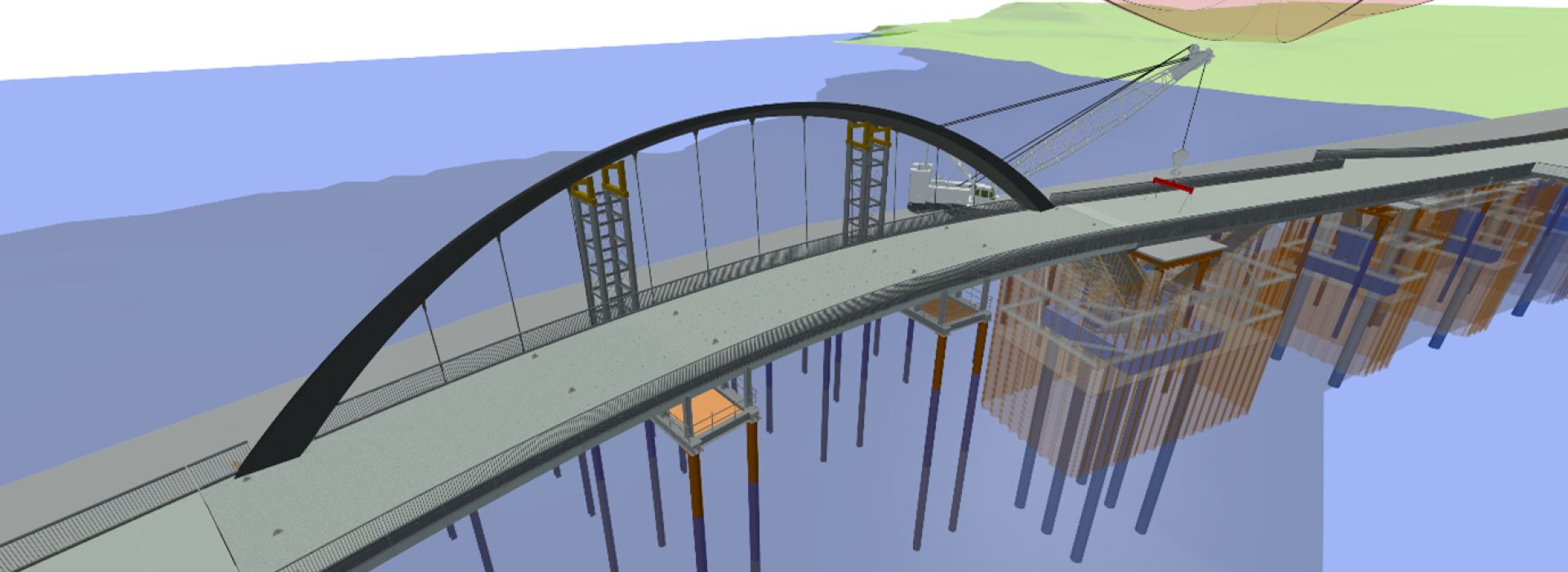
On the Old Māngere Bridge Project in Auckland, our digital engineering team developed a detailed temporary works and construction staging model to test and coordinate all temporary and permanent works interfaces.
This 260 m long pedestrian and cycle bridge traverses a sensitive marine area and under 110kV power lines, presenting several complex construction challenges.
Mobile crane and piling rig movements were tested against the HV power line Minimum Approach Distance (MAD) envelope to ensure the construction methodology could be achieved safely. In a New Zealand first, the HV envelope geometry was referenced by geospatial sensors fitted to the mobile plant, triggering proximity warnings and automatic shut-down if the envelope was breached. This tool is now widely used across New Zealand.
Other elements that were modelled included the adjacent temporary bridge structure and piling platforms; cofferdams at each pier; pier form and falsework; all propping, and temporary support structures for the main deck and steel arch. Fabrication drawings were subsequently developed from the model for the temporary support elements.
Our use of digital engineering on this project contributed significantly to a safe and efficient construction methodology.
Closing Text - General with contacts, no video
Summary
Thank you for taking an interest in McConnell Dowell's skills, capabilities and approach. Additional information is available on our website, including additional project case studies.
Contact us through the link(s) below for advice or assistance with your project.
Contacts