Capability Statement
Prepared for Prepared For Cape Hardy Green Hydrogen Project
May 2026
Introduction General
Thank you for the opportunity to present this brief capability statement which details a cross-section of our skills and experience, and showcases a selection of our recent projects.
About Us (typically use first)
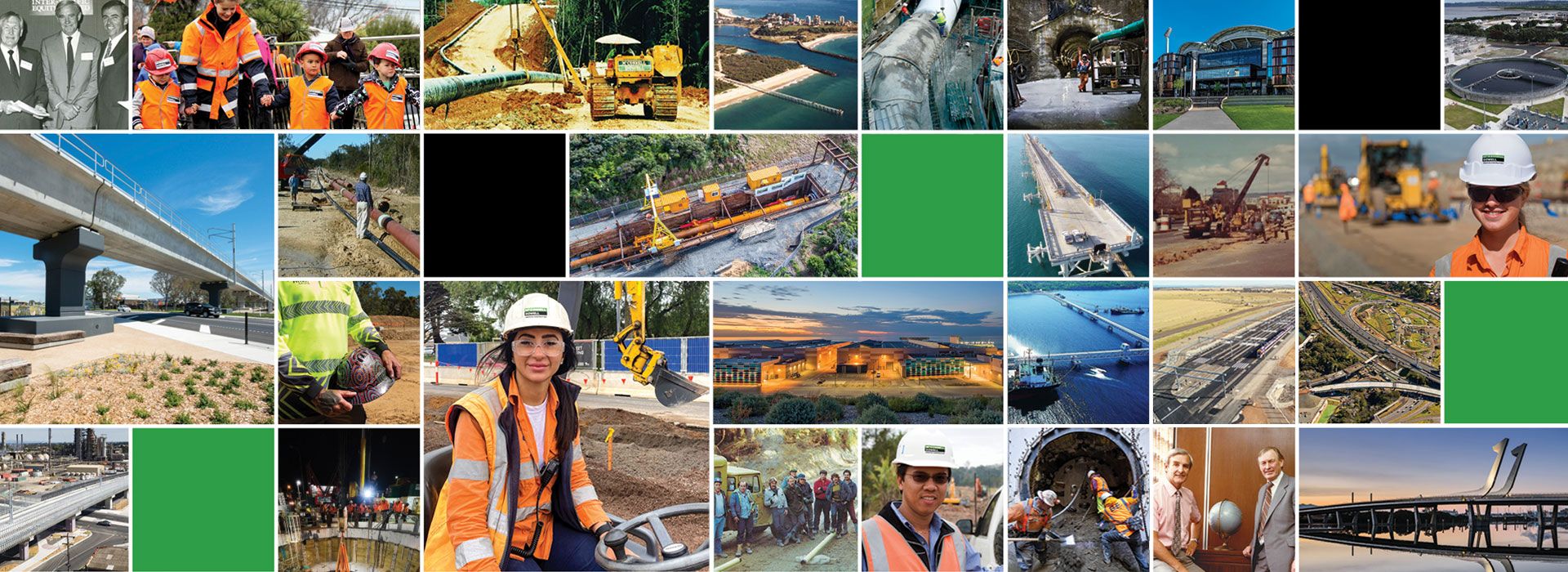
For over 65 years customers have been coming to McConnell Dowell with complex projects that require innovative solutions. That's why we're known as the Creative Construction company.
From remote resources and energy projects to city-shaping infrastructure, we've built thousands of quality assets and facilities.
Engineering-led, our expertise has grown steadily to span building, civil, electrical, fabrication, marine, mechanical, pipelines, rail, tunnel and underground construction..
Creative Construction
Creative Construction at McConnell Dowell is the inspired engineering behind the complex infrastructure we deliver.
It's the technical problems and challenges solved behind the scenes by people empowered to think creatively and work collaboratively. It’s the alternative idea or innovation that saves time, reduces cost, makes us safer, and delivers more value.
It might not always be evident when you look at the end product, but it's there, inside every McConnell Dowell project.
WA Intro (typically use 4th to 8th)
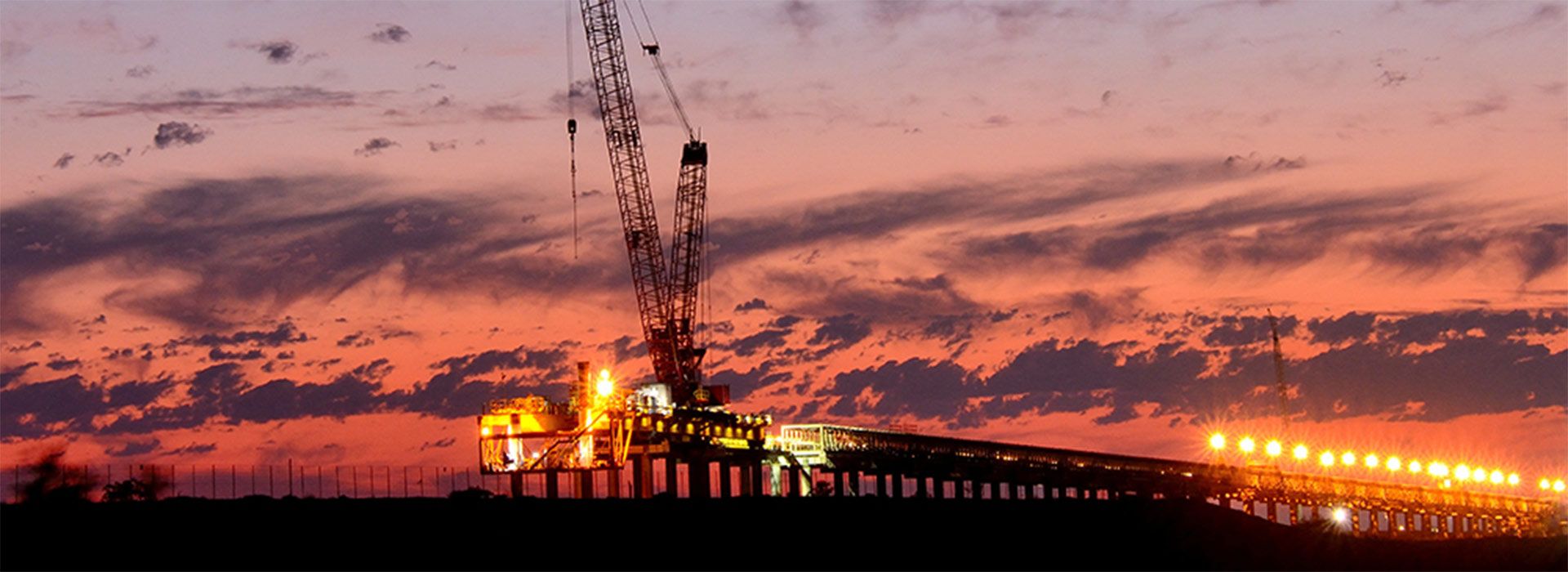
Since securing our first gas pipeline project in Western Australia in the early 1970s, we've gone on to deliver a steady stream of marine, civil, pipelines, rail and mechanical projects for Australia’s blue chip resource organisations and the WA state government.
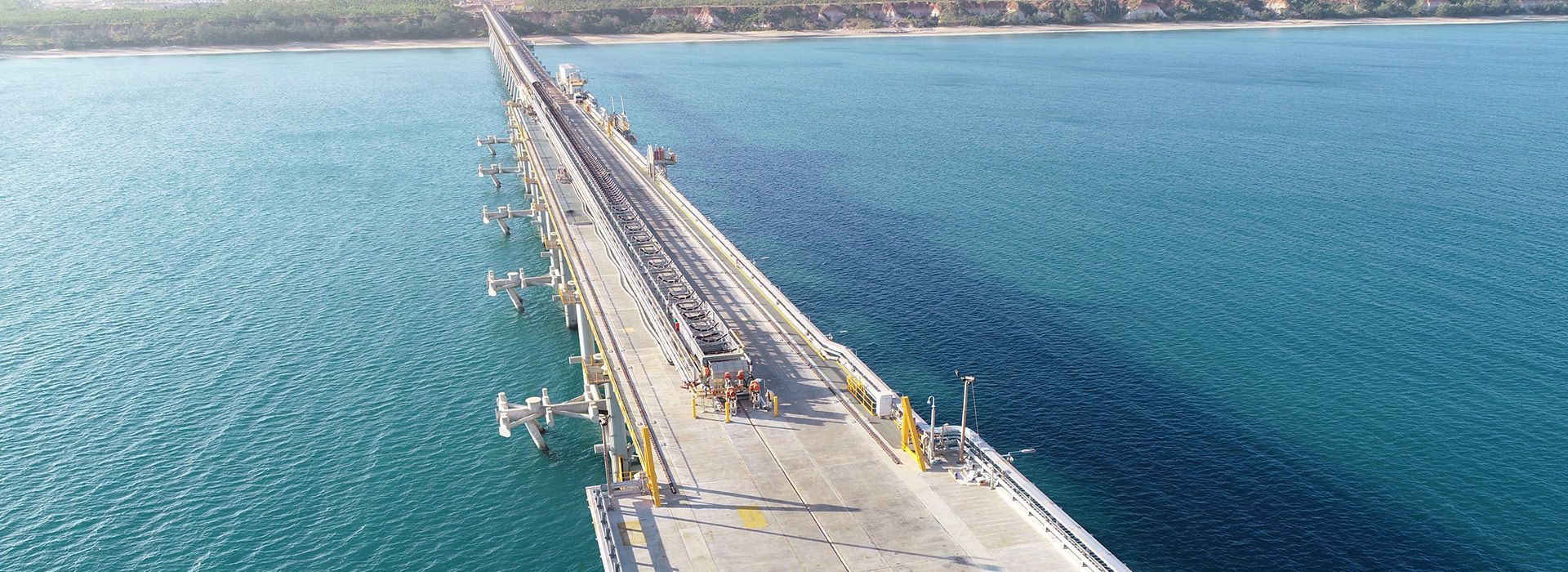
During the most recent mining boom we delivered most of the new iron ore export wharves for FMG, BHP and Rio Tinto. We've also delivered hundreds of kilometres of gas pipelines and rail infrastructure throughout the state.
Closer to the CBD we've delivered rail grade separations, and all the mechanical and electrical packages for Perth's first desalination plant.
Our Solutions (typically use 4th to 8th)
We offer our customers engineering and construction solutions in transport, water & wastewater, ports & coastal, energy, resources, and building.
Our services encompass the complete project lifecycle—from early concept design to commissioning and ongoing maintenance. We tailor each solution to suit our customer's specific project objectives and preferred delivery approach.
Energy Solutions
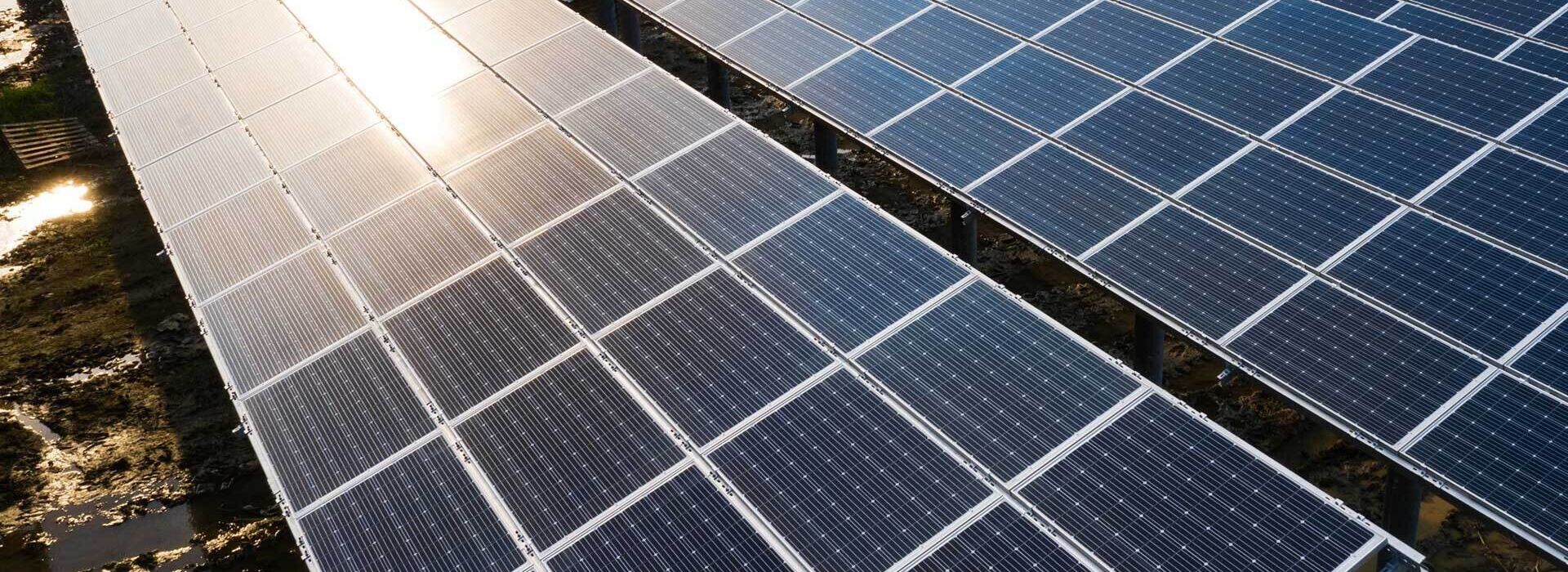
We help create safe, sustainable and efficient power infrastructure that supports today’s energy hungry and environmentally conscious communities. We deliver civil, electrical, mechanical, pipelines and tunnelling works across all power generation types.
Recent projects that reflect our capabilities in sustainable power generation include the engineering, procurement and construction of the 166 MW Te Mihi Geothermal Power Station in New Zealand; the refurbishment of the 75 MW Ambuklao and 100 MW Binga Hydropower Plants in the Philippines; and the current Kidston Pumped Storage Hydro Project in Queensland.
Kidston Pumped Storage Hydro
A game-changing project for Australia's clean energy industry
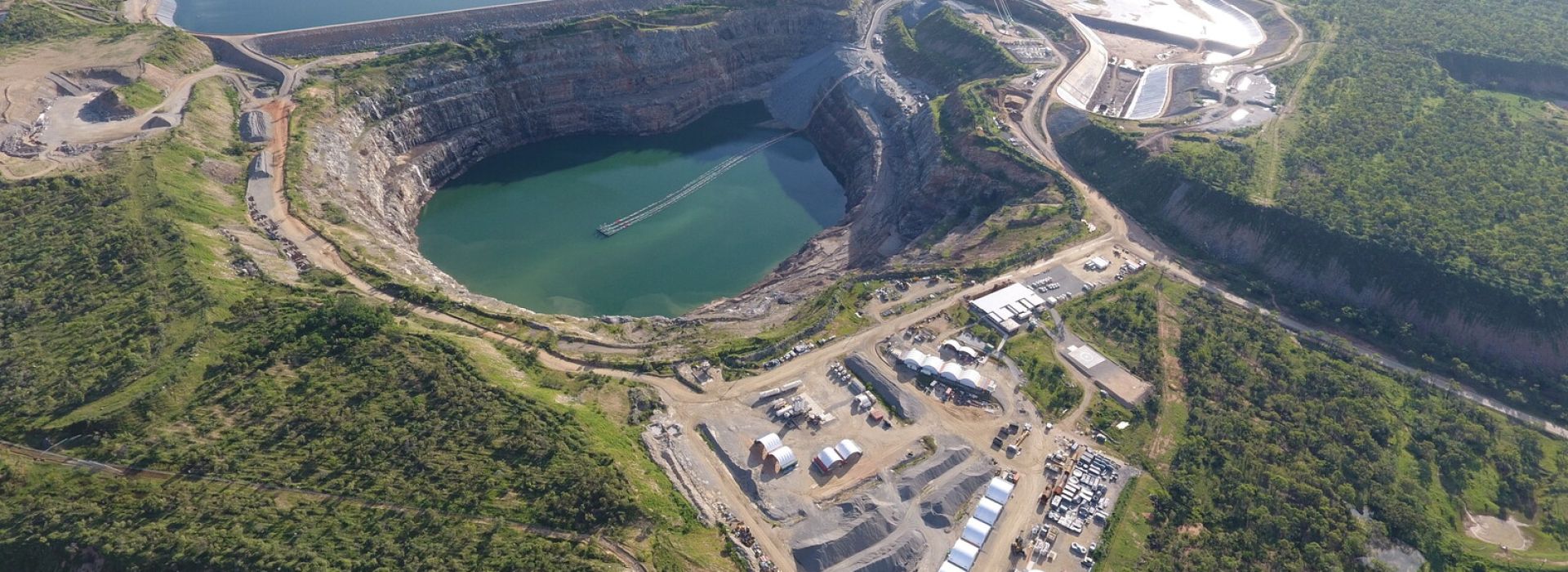
We are constructing the Kidston Pumped Storage Hydro Project in Far North Queensland - an innovative project that involves the world-first conversion of a disused gold mine into a pumped storage hydroelectric power generation facility.
This first-of-its-kind natural battery storage facility has the potential to generate up to 250 MW of rapid response (less than 30 seconds), flexible power to Australia’s National Electricity Market.
Fast Facts
- First-of-its-kind natural battery storage facility
- 250 MW of rapid response (30 seconds) renewable energy
- 4 year design development and technical optimisation leading up to construction
- 800 jobs to be created during construction
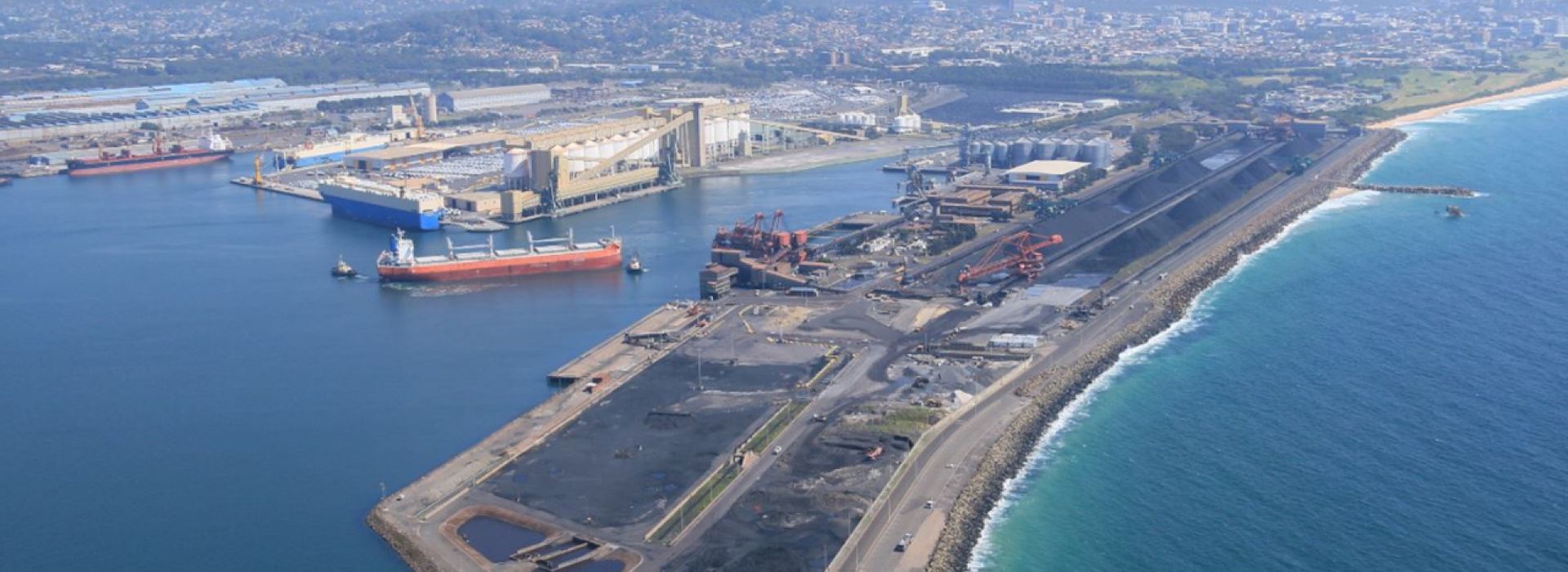
Port Kembla Energy Terminal
Converting disused coal terminal to provide flexible energy supply
Engaged by Squadron Energy, one of Australia’s leading renewable energy companies, we helped establish a new gas import facility at Port Kembla to bring flexible additional energy supply to the eastern seaboard of Australia.
The facility, built on an abandoned coal export terminal, has the capacity to supply more than 70% of NSW’s gas needs.
Fast Facts
- New gas import facility
- Two contracts completed - marine works and onshore receiving facilities
- Marine works involving 160 piles, each 1500 mm diameter
- Over 500 sheet piles
- Nine mooring dolphins
- Expected capacity: 130PJ annually
Ports & Coastal Solutions
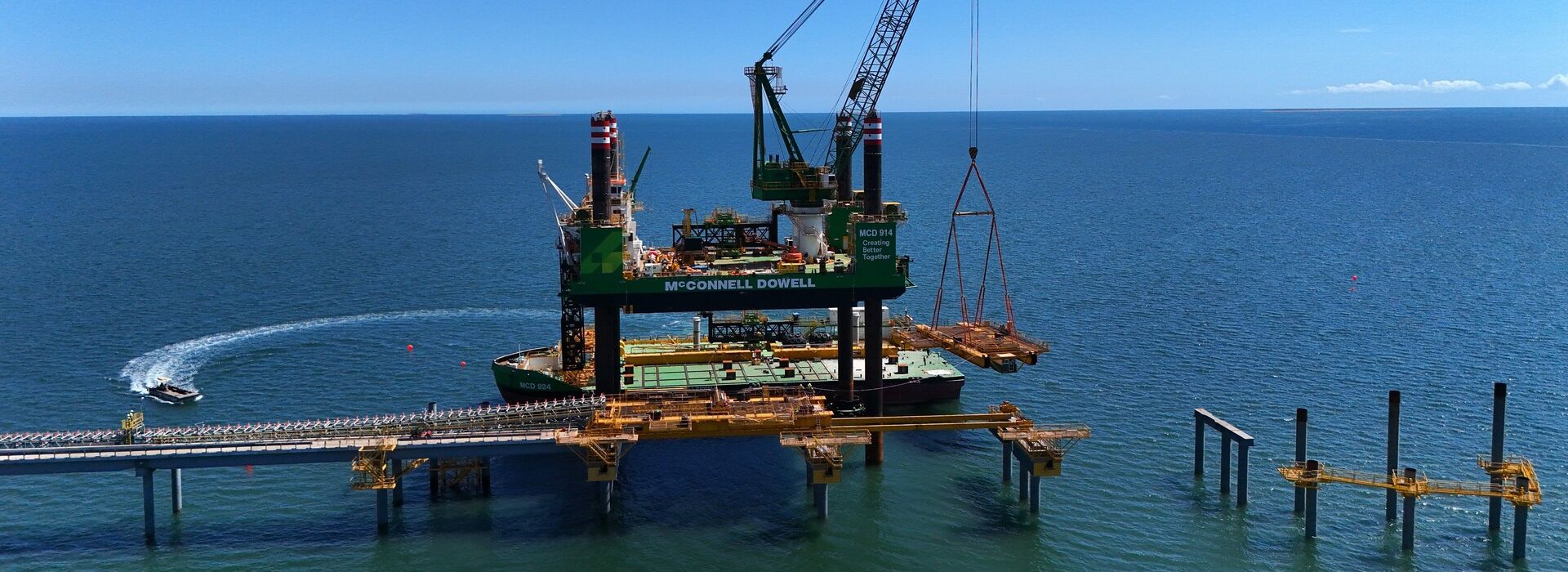
With over 330 marine projects completed across six decades, McConnell Dowell is synonymous with marine infrastructure.
From wharves and jetties to ocean outfalls, breakwaters, and submarine pipelines — we bring coastal confidence to every project.
Our modular approach to construction has helped create productive ports for clients like Rio Tinto, FMG, Vale, and BHP, where over 1.2 billion tonnes of iron ore are shipped annually from wharves we built.
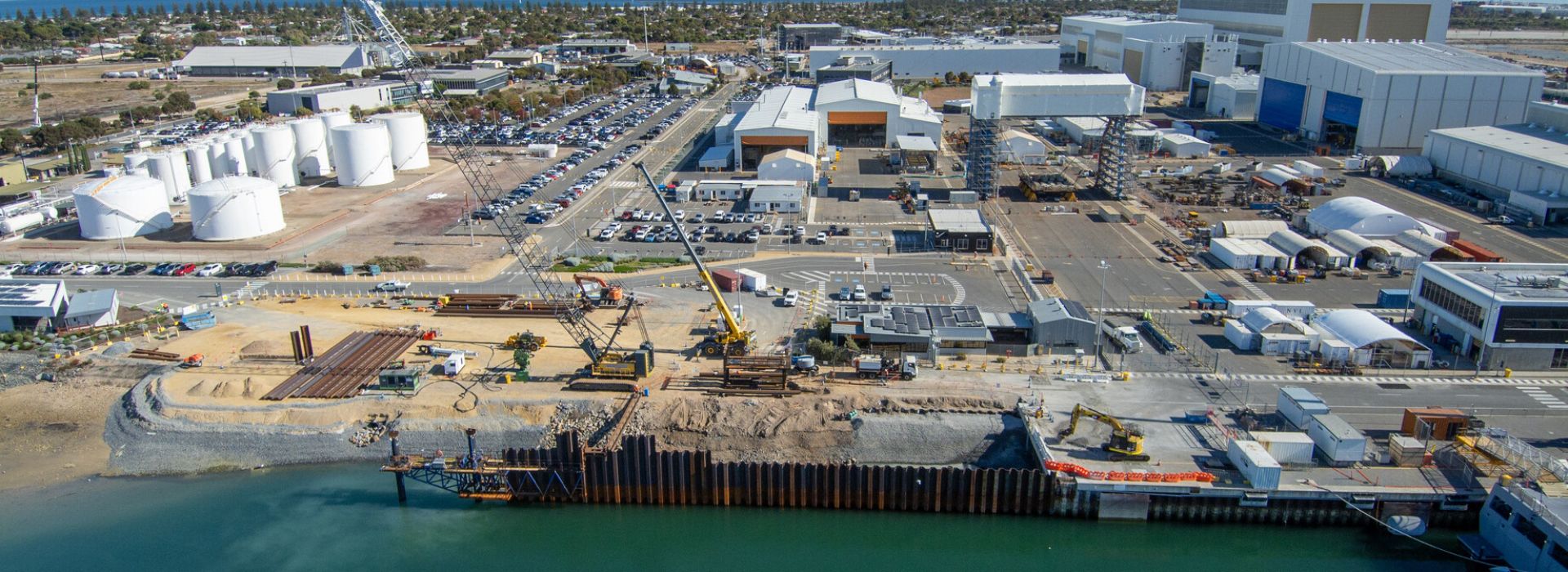
CUF Marine Development Works
Supporting Australia's shipbuilding capacity
Fast Facts
- Construction of 80 - 100 m land backed wharf
- 40,000 m3 of dredging
- Berth kiosk services, including water and eletrical supplies
FMG Berths 1-4
At the height of the Australian resources boom (2004-2014), we became the marine partner of choice for Fortescue Metals Group (FMG), as they developed the infrastructure to support their new iron ore export business.
Fast Facts
- 4 major wharves completed over 5 years
- Berth 1: 270 m wharf, 100 m approach jetty, load-out conveyor
- Berth 2: 400 m wharf and extension to load-out conveyor
- Berth 3: 375 m wharf, duplicate load-out system
- Berth 4: 415 m wharf, elevated conveyor system
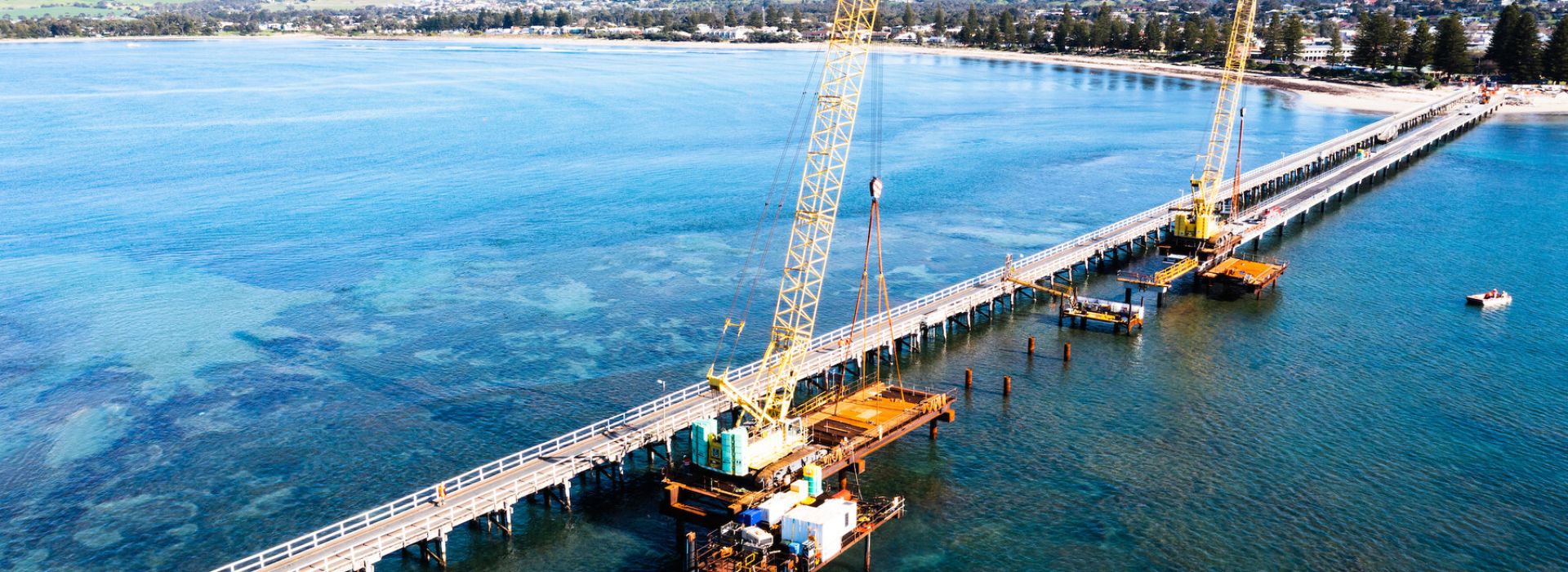
Granite Island Causeway
Providing new Causeway structure for community and tourists
We partnered with the Department for Infrastructure and Transport (DIT) to design and construct the new Granite Island Causeway Project. The awarding of the contract followed a collaborative design development process involving DIT, ourselves and our design consultant, WGA.
The Granite Island Causeway, located 83 kilometres south of Adelaide in Victor Harbor is a tourism, commercial and recreational landmark. It is the only link between Granite Island and Victor Harbor and is used by pedestrians, the iconic horse drawn tram service, a small number of vehicles that service the island, tourism attractions and the fishing industry. It is estimated that the number of pedestrians accessing the Causeway is approximately 700,000 per annum.
Fast Facts
- 650 m long, 6 m wide new causeway
- New rail line on causeway for historic horse-drawn tram
- New boat landing facility
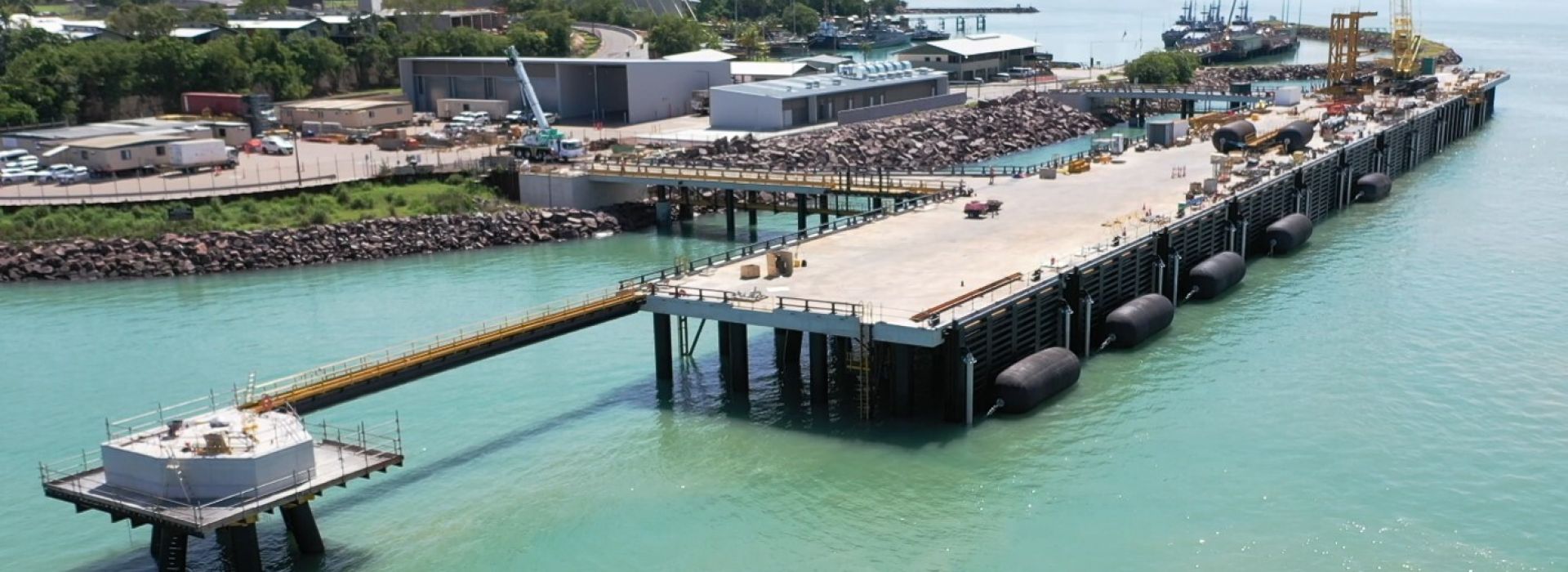
HMAS Coonawarra
New wharf and approach jetties to support the Australian Defence Force
We refined the initial concept design and constructed a new outer wharf structure at HMAS Coonawarra in Darwin to support the Australian Defence Force (ADF). The project involved the construction of a new 250 m long wharf and two approach jetties.
While the final structures are simple in their geometry and configuration, the site location and operational requirements were challenging.
Fast Facts
- 250 m long wharf
- Two approach jetties
- Enhancing ADF's maritime defence capability
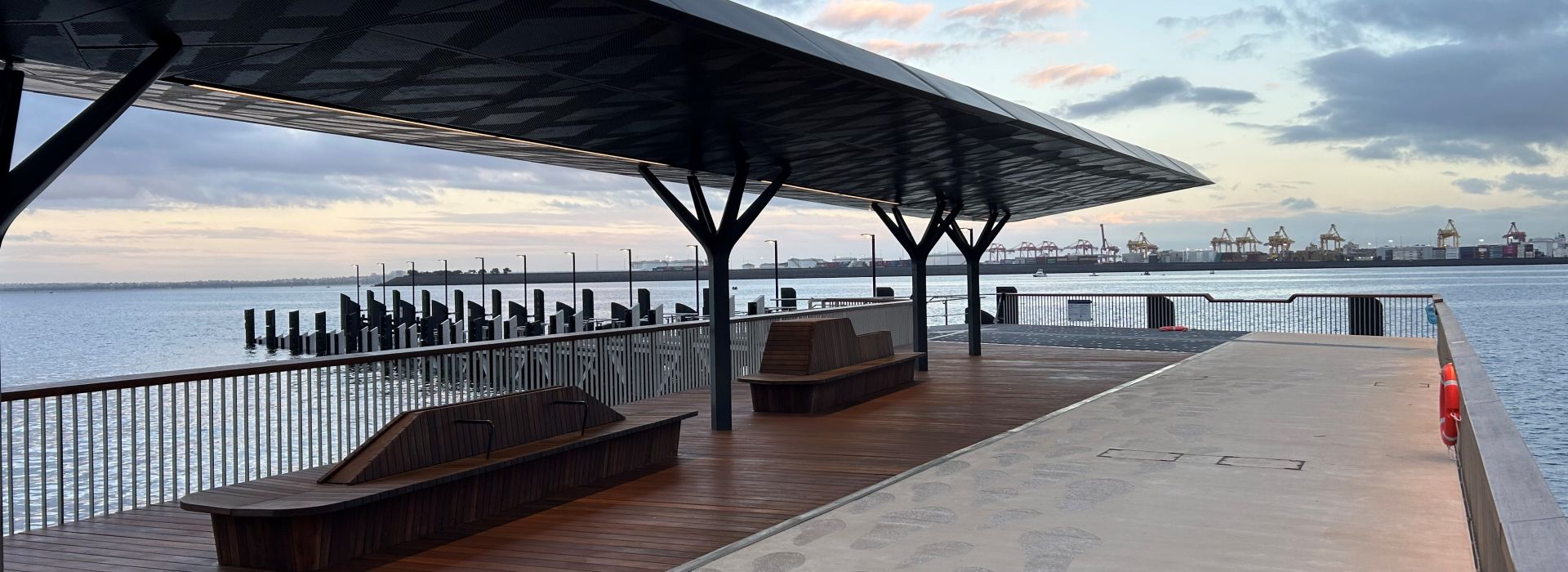
Kamay Wharves
New amenities for Botany Bay
We successfully delivered two new wharves at La Perouse and Kurnell on Botany Bay (Kamay) for the NSW Government. These modern structures replace the original wharves, which had been in operation from the 1890s until 1974, when severe storms rendered them beyond repair.
The Kurnell site holds deep historical and cultural significance. As the first landing place of Captain James Cook, it is a key part of Australia’s colonial history. Equally important, the area remains a place of enduring cultural heritage for First Nations people. To honor this, the wharf designs incorporate large-scale artworks by local Aboriginal artists, creating a meaningful connection to Country.
Fast Facts
- Two new recreational wharves
- 180 m long wharf at La Perouse
- 230 m long wharf at Kurnell
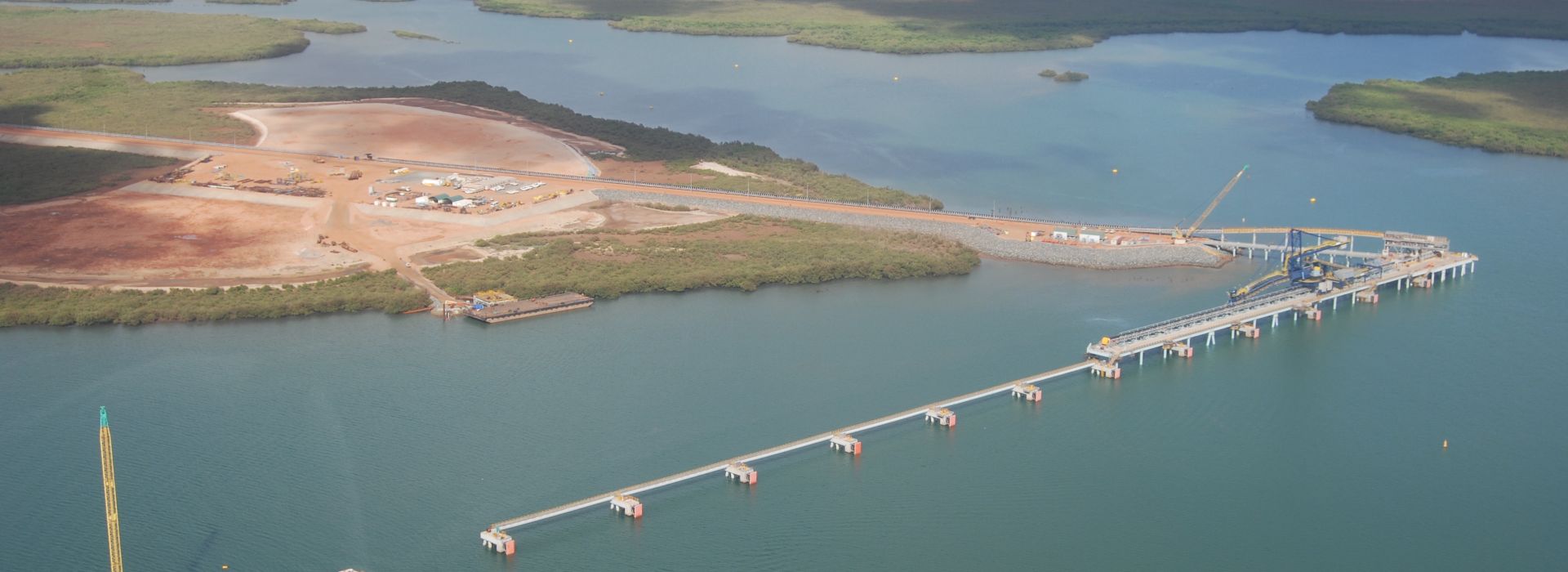
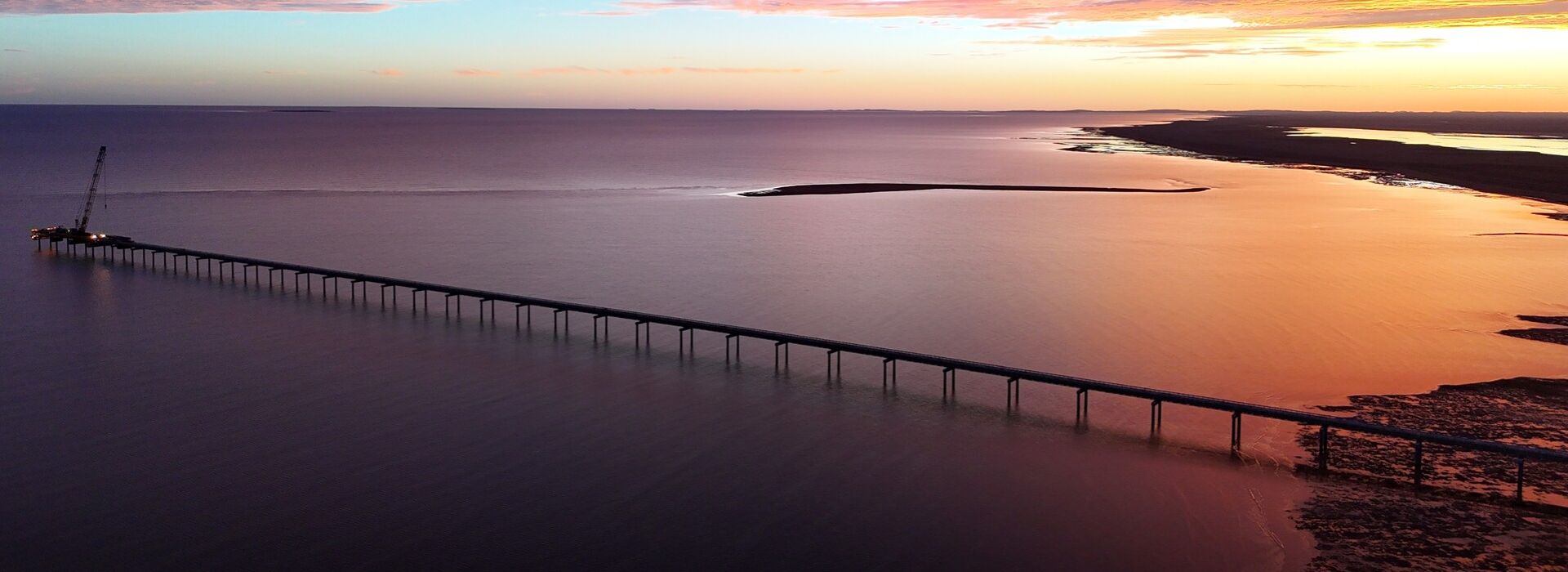
Mardie Salt & Potash Marine Structures
Delivering new marine facilities to grow Australian exports
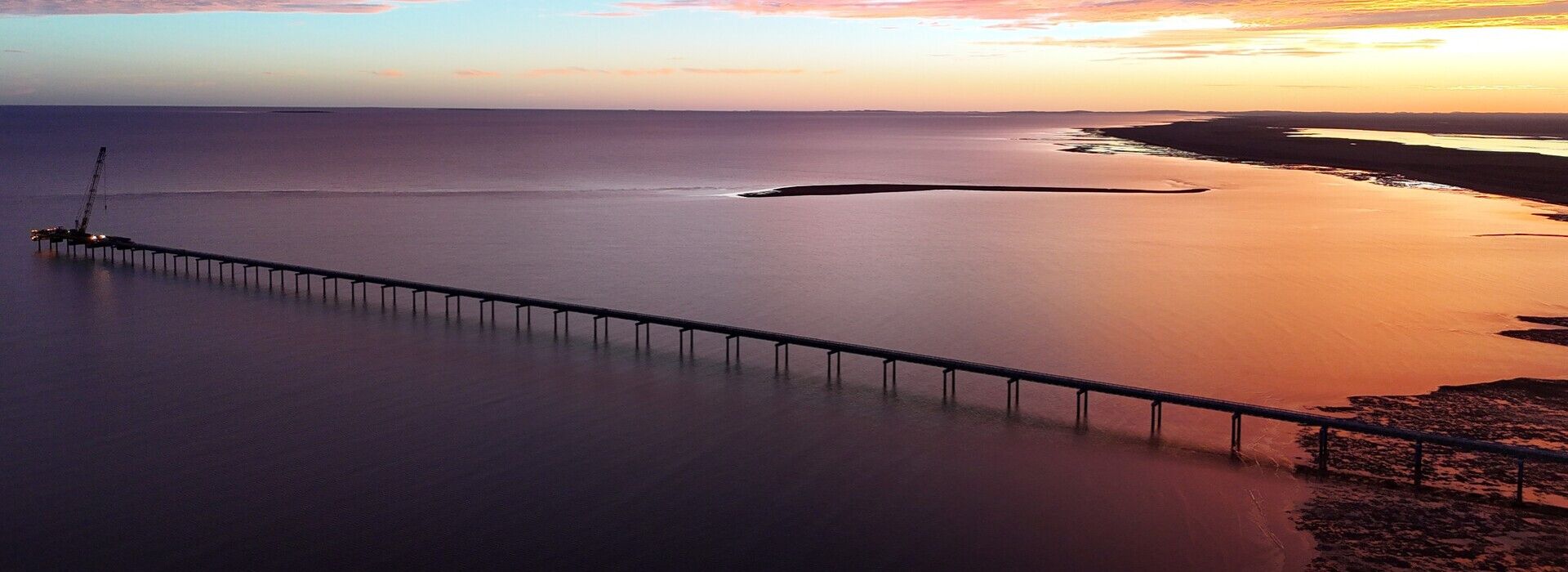
We designed and constructed the marine structures for BCI Minerals’ Mardie Salt & Potash Project in Western Australia, using our innovative canti-traveller system for speed and low impact delivery.
The 'Mardie' Project is a large-scale, solar evaporation operation on the Pilbara coast. Capacity of the completed facility is estimated to be 5.35 million tonnes per annum of high purity salt and 140,000 tonnes per annum of sulphate of potash, over an operating life of at least 60 years.
Fast Facts
- 2.4 km long jetty with berthing and mooring dolphins
- 200 steel piles, up to 30 metres long
- 100 m of jetty completed every 10 days using innovative canti-traveller system
Overseas Passenger Terminal
Improving Sydney's public passenger terminal for cruise ships and ocean liners
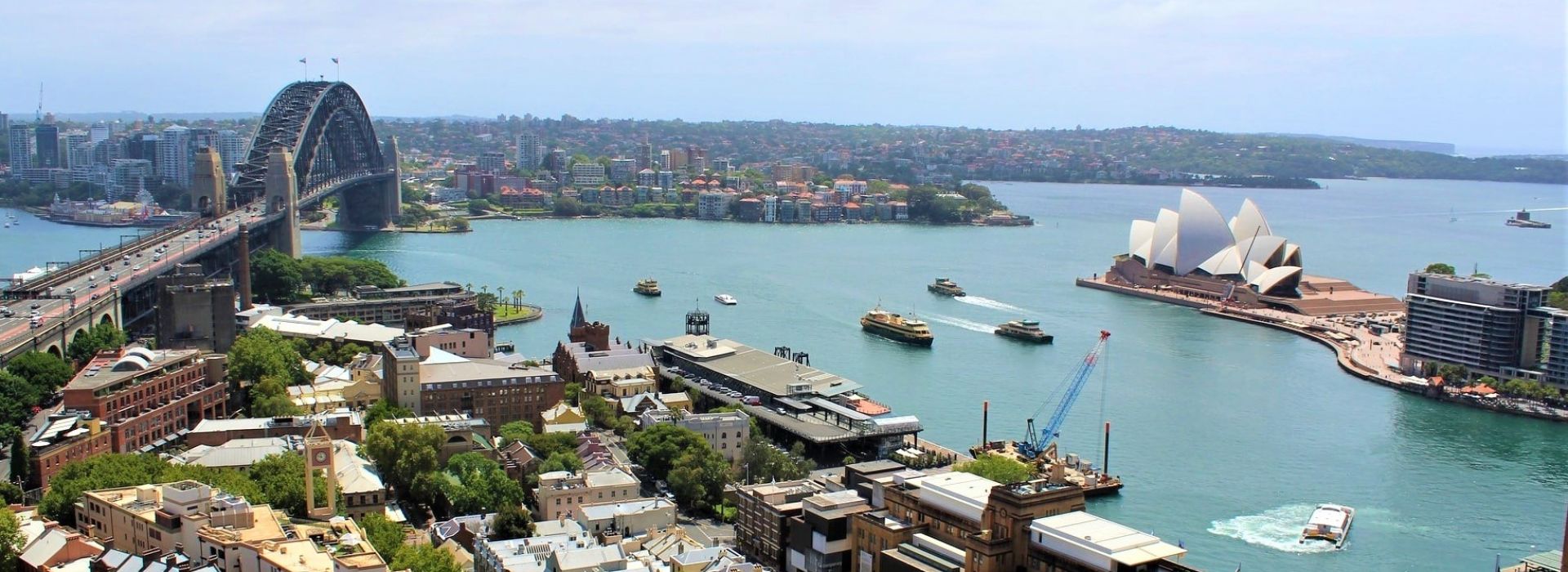
Working for the Port Authority of New South Wales we delivered a series of improvements to the Overseas Passenger Terminal (OPT), located in the iconic Circular Quay area of Sydney Harbour.
Built in 1960, the OPT is located in one of Australia’s busiest waterways. Over time, natural processes and vessel activity have caused scouring, accretion and movement of materials on the seabed around the terminal’s wharf.
Fast Facts
- Underwater sheetpile installation
- Scour protection design and installation
- Berth pocket dredging
- Dreging disposal
- Managing Contractor for archaeological investigations and artefact cataloguing
Mechanical & Electrical
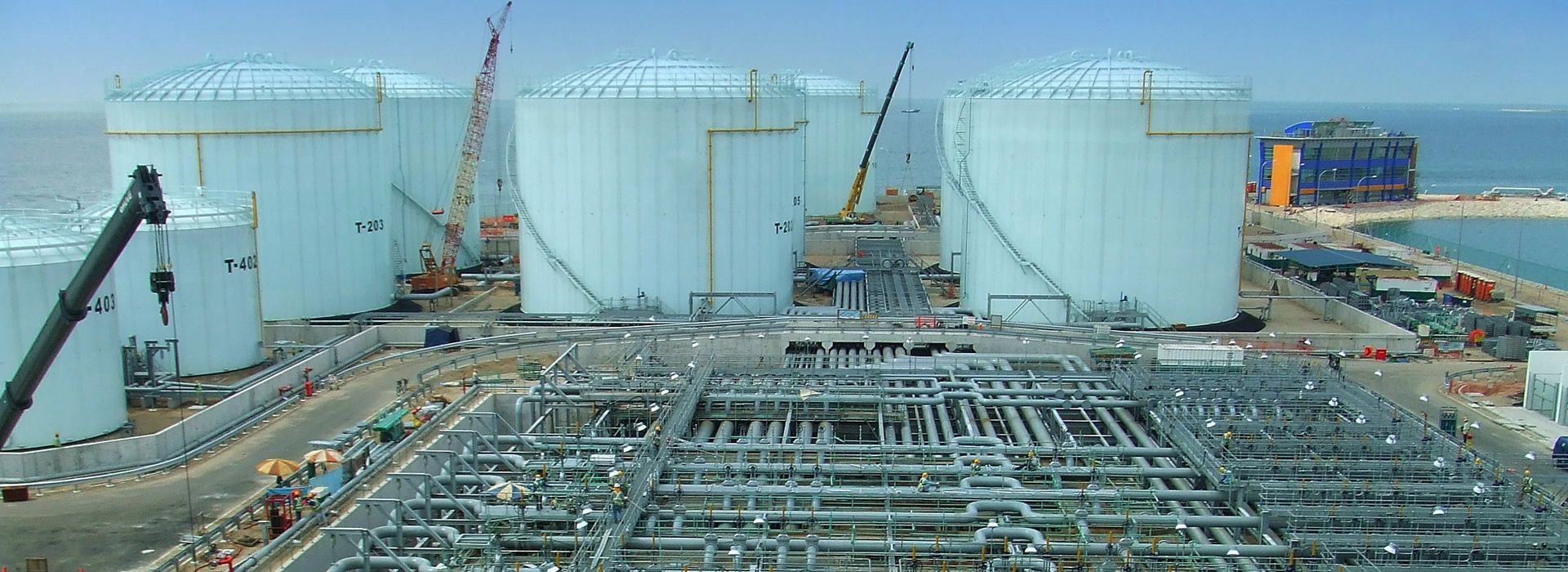
We have an extensive track record in delivering complex mechanical & electrical projects stretching back to the early 1980s.
We've delivered structural, mechanical and piping projects in live operating environments for multi-national customers such as ExxonMobil, BP, BHP, Rio Tinto, FMG, DuPont, and various water authorities.
Our project engineers and construction leaders have specialist skills in mechanical and electrical design and installation, and we have successfully managed projects with peak workforces in excess of 1000 people.
We optimise construction outcomes through the use of modularisation, prefabrication and preassembly - minimising site risks, durations and impacts, and ensuring cost savings and high quality outcomes for our customers.
We continue to achieve industry-leading results in safety performance and customer satisfaction.
Adelaide Desalination Plant
Setting new benchmarks in efficiency and reliability
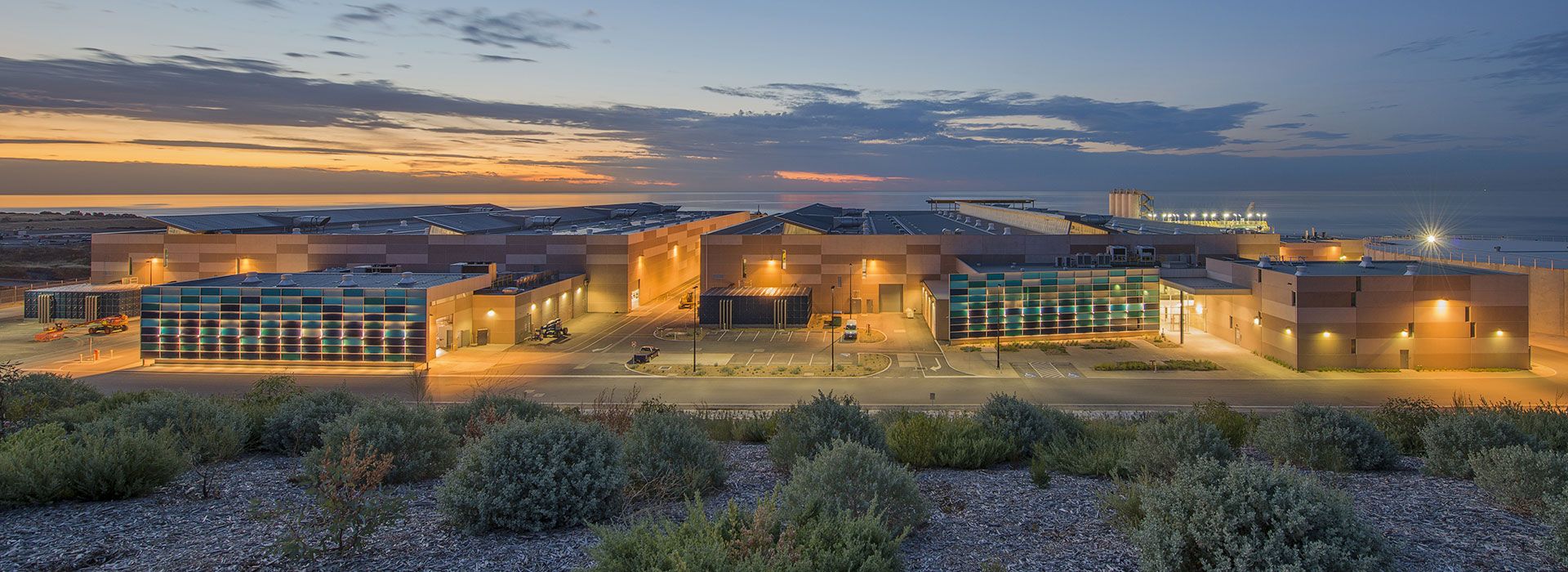
We were a member of the Adelaide Aqua consortia responsible for designing, building, and commissioning the Adelaide Desalination Plant, the state's largest ever infrastructure project. The reverse osmosis plant is one of the most efficient in the world and can produce 100 GL of fresh water each year.
The project encompassed all construction disciplines including bulk earthworks, civil structures, marine, tunnelling, mechanical, electrical, and building works. Some 10,000 people were employed during construction.
Fast Facts
- 650,000 m3 of earthworks
- 2 subsea tunnels: 1.4 km and 1.1 km long
- 40 km of fibreglass, steel and PVC pipework
- 12 buildings
- 10,000 people employed during construction
Aura and Harmony Infrastructure Program
Improving water and wastewater infrastructure
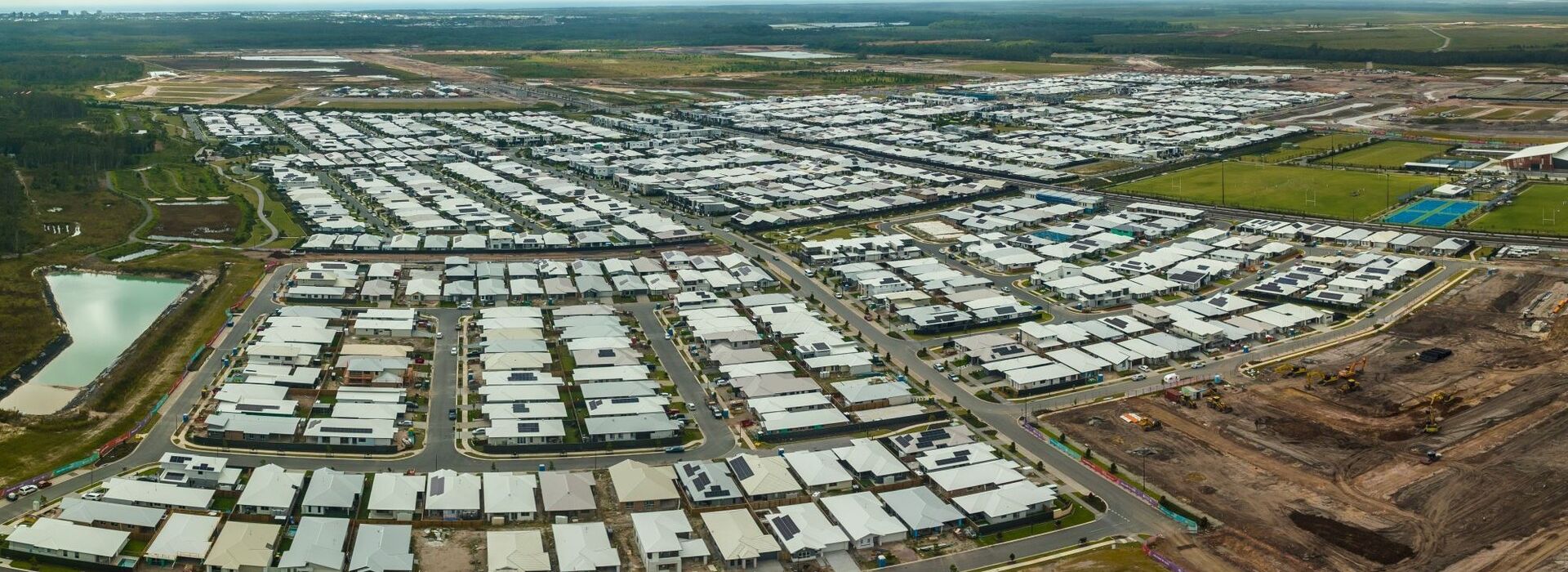
On behalf of Unitywater, we're delivering critical new water and wastewater infrastructure to support growth on Queensland's Sunshine Coast. The new pipelines, pump stations, and storage reservoirs will support the new Aura and Harmony communities in the Caloundra region.
For the Aura development (which will grow to 50,000 residents by 2050), we're delivering a new wastewater network that includes over 12 km of 900 mm diameter pipeline and one pump station. We're also delivering a new water supply network for this community, that includes over 12 km of 800 mm diameter pipeline connecting the Ewen Maddock Dam to a new 12 ML water reservoir.
Fast Facts
- Large diameter (up to 900 mm) water and wastewater pipelines
- 12 ML storage reservoirs
- Pump stations
- Open and trenchless pipeline construction techniques
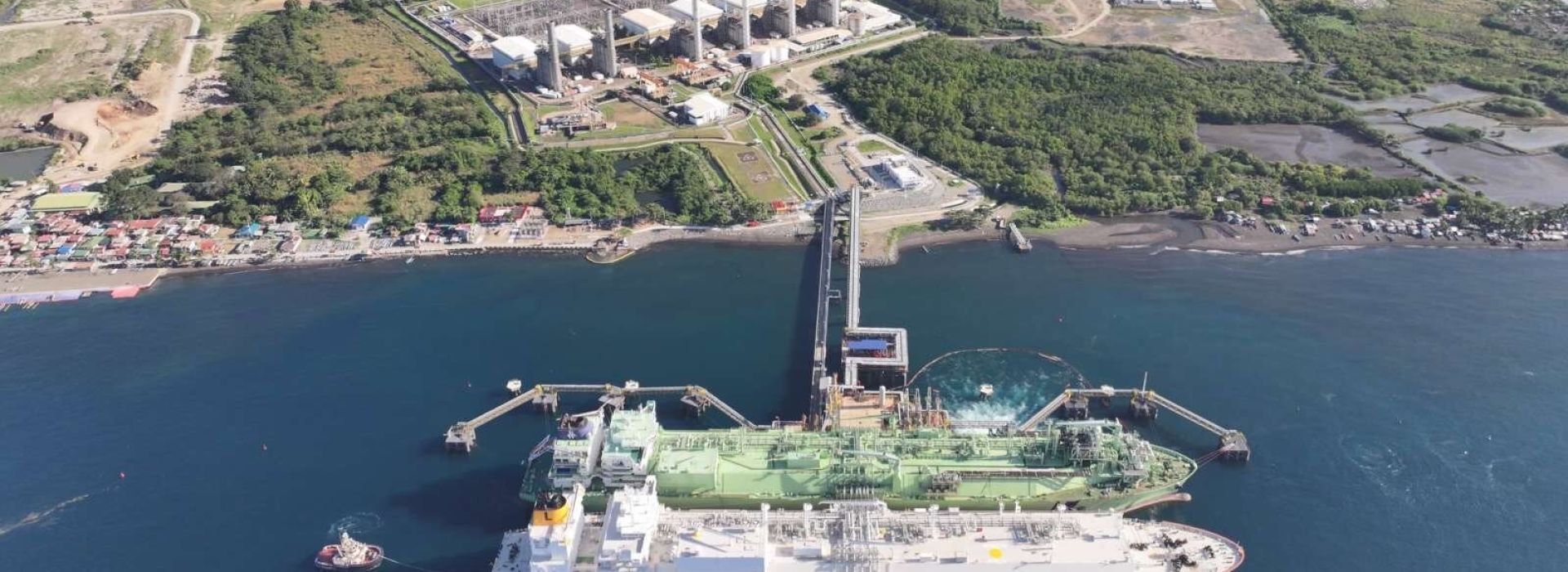
Batangas LNG Terminal
FGEN LNG Corporation (FGEN) engaged us to build and deliver the Interim Offshore Terminal Project ("IOT Project") at their LNG terminal in Batangas, in the Philippines.
We undertook the engineering, procurement and construction of both the Multi-Purpose Jetty and Onshore Gas Receiving Facility. The new Multiple Purpose Jetty is a permanent modification of the existing liquid fuel jetty which we constructed in 1998.
Fast Facts
- New multi-purpose jetty with topside infrastructure
- Onshore facilities, including control room
- 24 inch, 1.3 km long high pressure gas pipeline
- Extensive earthworks, including tsunami bund wall and access road
CUF Marine Development Works
Supporting Australia's shipbuilding capacity
Fast Facts
- Construction of 80 - 100 m land backed wharf
- 40,000 m3 of dredging
- Berth kiosk services, including water and eletrical supplies
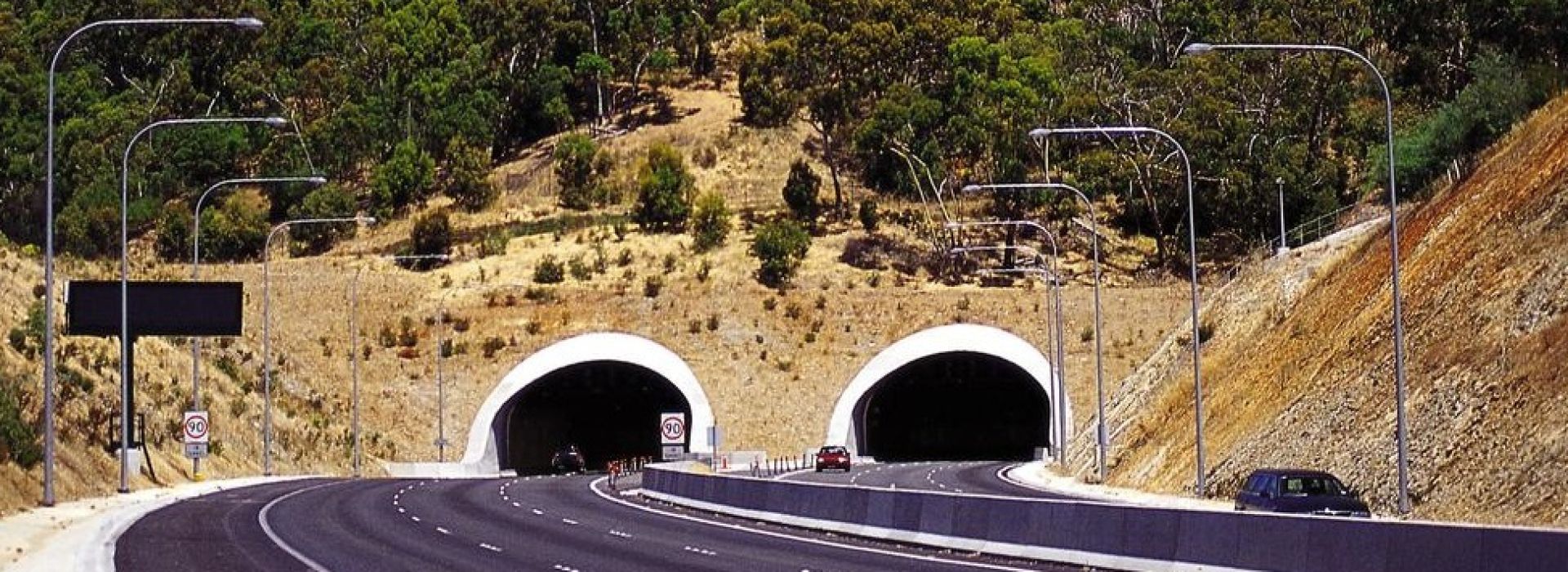
Heysen Tunnel Refit and Upgrade
Improving safety and traffic management
Appointed as the Managing Contractor by the Department for Infrastructure and Transport, we delivered a major refit and upgrade of the Heysen Tunnels in South Australia, while managing over 45,000 vehicles per day. The result is improved safety, traffic management and incident response capabilities.
The twin tunnels, which are each around 500 m long, are part of the South Eastern Freeway, providing the most direct connection between Adelaide and Melbourne. It is also a key corridor connecting Adelaide and the Adelaide Hills. As part of the National Land Transport Network, maintaining efficient operation of the Freeway is recognised by Infrastructure Australia as a nationally significant issue.
Fast Facts
- Major refit and upgrade of the Heysen Tunnels
- Upgrade of tunnel lighting and ventilation systems
- Installation of new automated fire suppression system
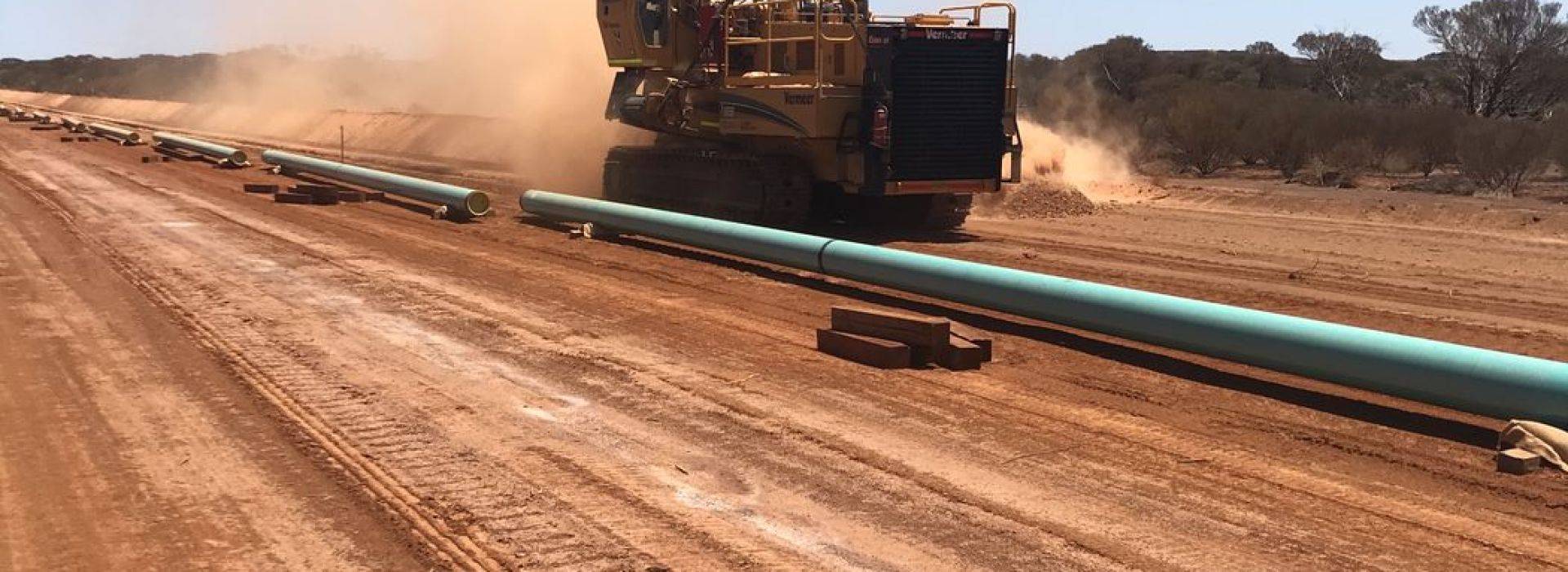
Murrin Murrin Gas Pipeline Looping
We constructed the Murrin Murrin Looping Project for APA Group, east of Lenora in Western Australia. The objective of the project was to increase the capacity of the Murrin Murrin Lateral to enable APA to service future downstream customers.
Our scope consisted of the construction of a 13.8 km long, 200 mm diameter high pressure gas pipeline, along with the tie-ins to an existing above-ground offtake station. The pipeline runs from a connection off the existing Murrin Murrin Lateral.
Fast Facts
- 13.8 km, 200 mm diameter gas pipeline
- Zero Lost Time Injuries
- Practical completion acheived 3 days early
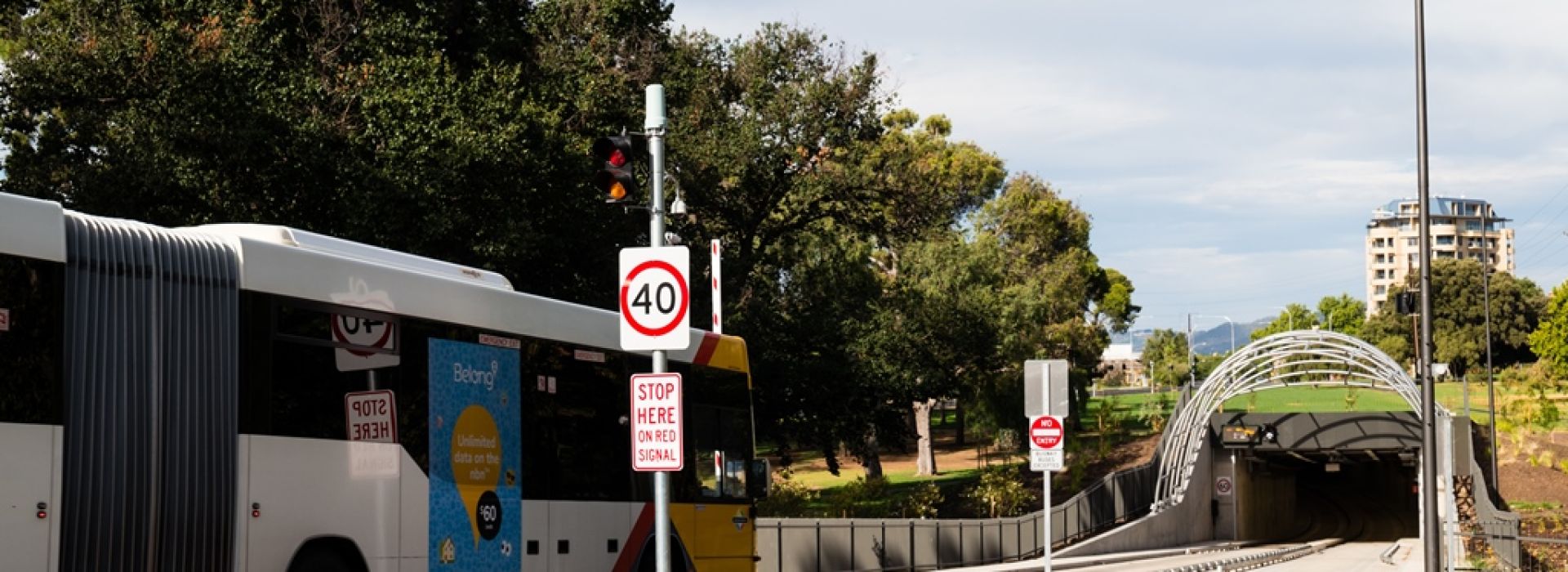
O-Bahn City Access Project
Reducing travel times and improving reliability for Adelaide commuters
The O-Bahn City Access Project builds on the SA Government’s investment in a stronger public transport network. Its primary objective was to improve travel times and reliability for users of the O-Bahn service and to reduce traffic congestion and delays, particularly on the Inner Ring Route.
Specifically, the project extended the O-Bahn system from the end of the busway at Gilberton into the cross-city priority bus lanes on Grenfell Street, and included the creation of centrally aligned priority bus lanes along Hackney Road and a dedicated 670 metre bus tunnel providing quicker, more reliable access for O-Bahn buses into the city.
Fast Facts
- 670 m tunnel construction
- 2,000 tonnes of steel
- 450 jobs created for the project
- Over 70,000 m³ material excavated
- 2018 CCF Earth Award for Excellence
Civil
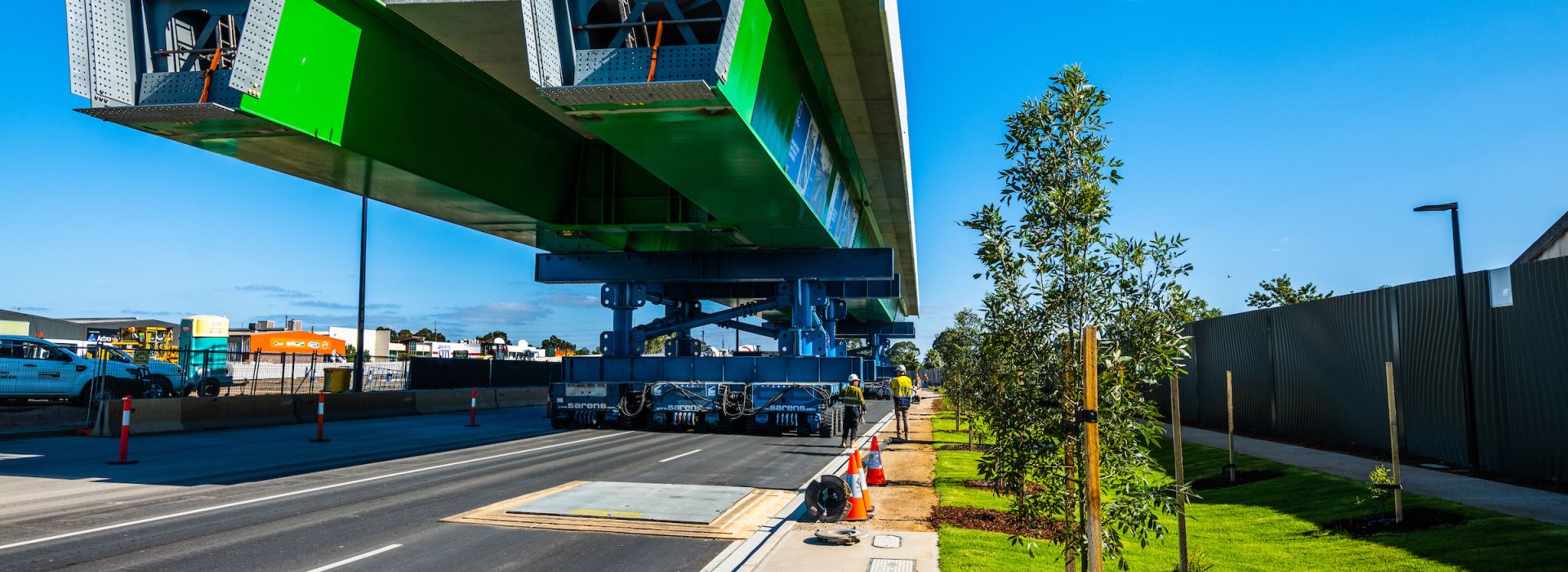
Our multi-disciplinary experience encompasses every type of civil construction, including bulk earthworks, foundations, hardstands, precast concrete, piling, roads, runways, and bridges.
Our ability to solve technical challenges creatively, means we find ways of delivering complex civil structures with minimal disruption to the community and our customers' operations.
METRONET Midland Station
Enhancing Perth's metropolitan train network
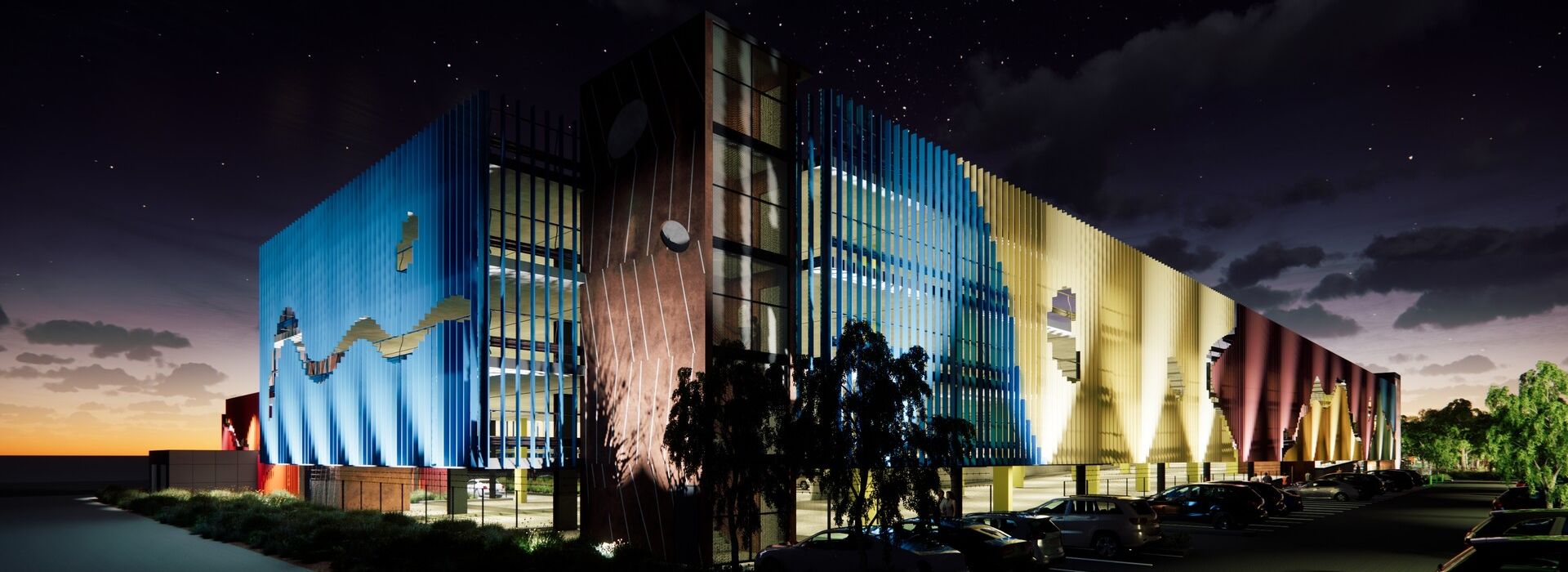
The Midland Junction Alliance (MJA), an alliance comprising of ourselves, Georgiou Group, Arcadis and BG&E, is delivering the new METRONET Midland Station in Perth, Western Australia. METRONET is a multi-government agency created to oversee the expansion of Perth's metropolitan transport network.
The Midland Station project includes decommissioning and demolishing the existing 53 year old train station and the design and construction of a new station between Helena and Cale streets.
Fast Facts
- Demolition of existing 53 year old station
- Design & construction of new, three platform station
- 600 bay multi-storey carpark
- 12-stand bus interchange
- 1 km shared path
Level Crossing Removal Project
Removing dangerous level crossings across Metro Melbourne
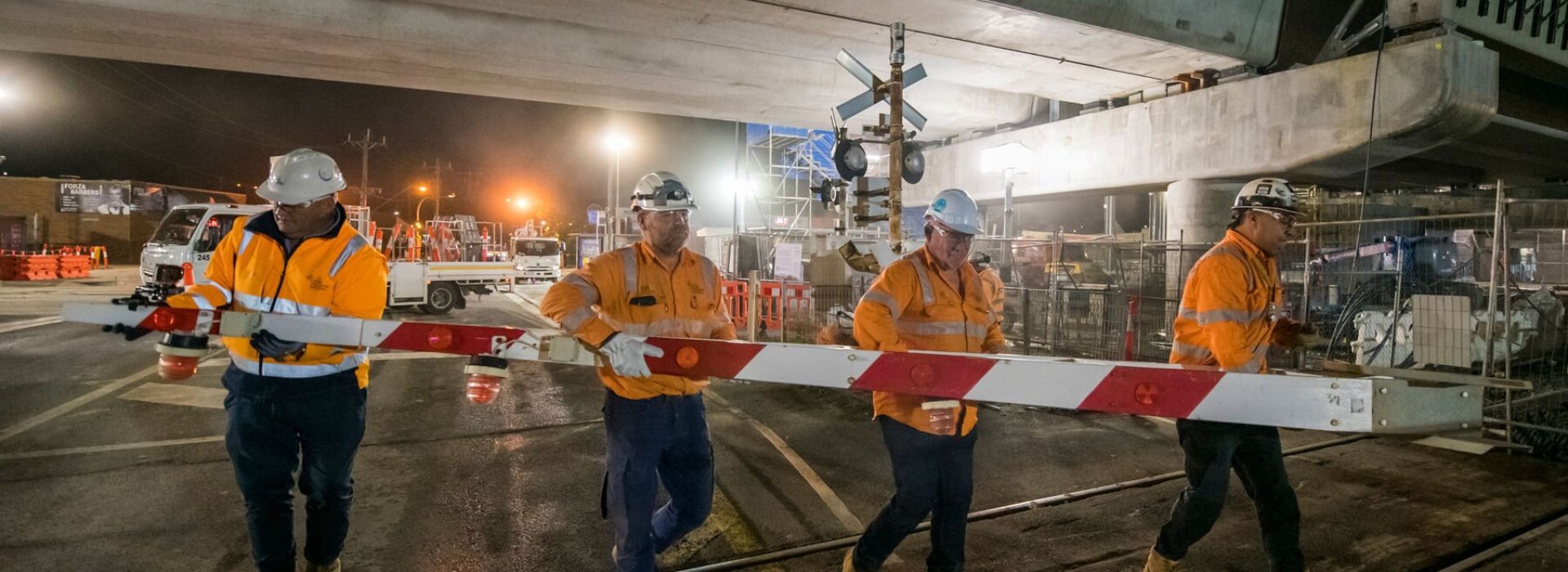
We are the constructor and leader of the Western Program Alliance, delivering part of the Victorian state government’s ambitious level crossing removal program, which is set to remove 110 dangerous level crossings by 2030.
Our Alliance brings together ourselves, the Level Crossing Removal Project (government), MTM and V/Line (network operators), and Arup and Mott MacDonald (design partners).
Fast Facts
- 11 level crossings removed
- Over 18 km of new track laid
- Over 39 km of underground services relocated or upgraded
- Over 4.5 million hours worked lost time injury free
- $275 million invested in local businesses for labour and materials
- One additional level crossing project and two station upgrades underway
New Bridgewater Bridge
Cutting travel times and connecting communities
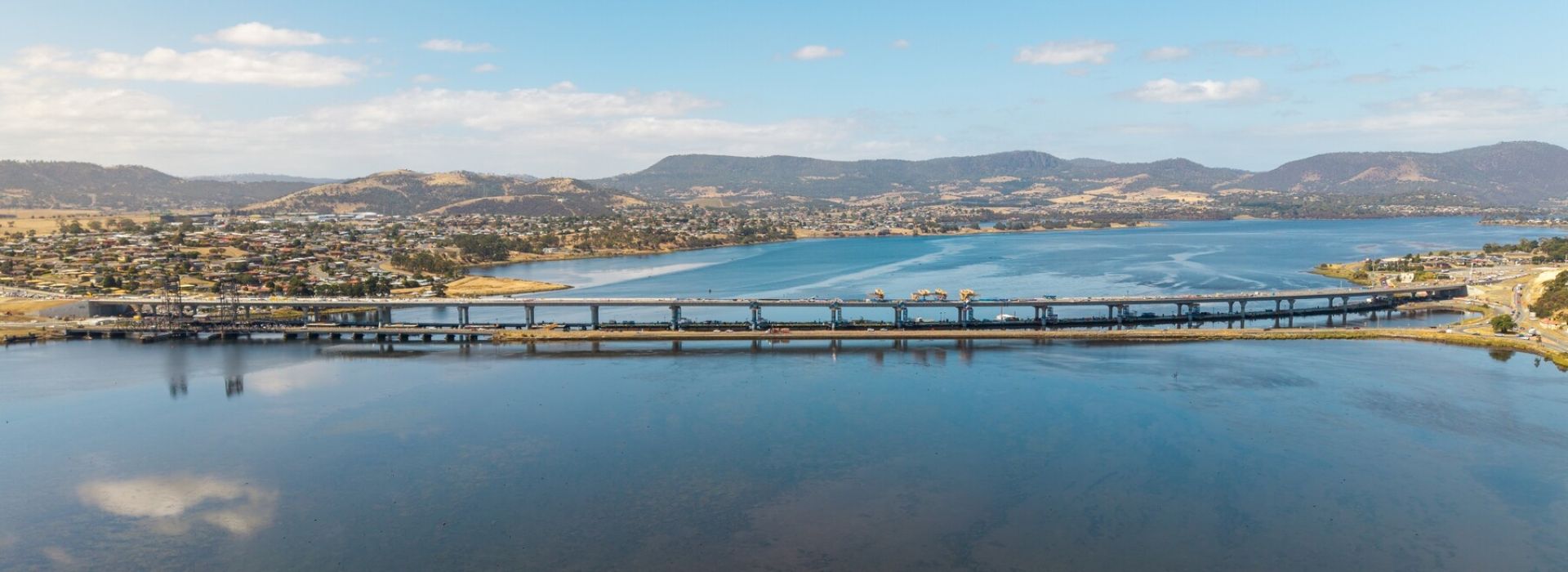
We delivered the New Bridgewater Bridge project in Hobart - Tasmania's largest ever transport infrastructure project and one of the longest road bridges over water in Australia. The Tasmanian Department of State Growth awarded us the contract based on our innovative design and focus on local industry participation.
The new 1.28 kilometre long bridge replaces the existing lift-span bridge built in the 1940s, providing a new modern crossing of the River Derwent. The new bridge will cut travel times for the 22,000 people that use the route each day. It will also improve freight movement around the state capital.
Fast Facts
- 1.28 km long new bridge across River Derwent
- Four lane capacity for 22,000 daily trips
- Two enhanced major interchanges
- Shared pathway for cyclists and pedestrians
Closing text - with contacts and Video
Summary
Thank you for taking an interest in McConnell Dowell's skills, capabilities and approach. Additional information is available on our website, including additional project case studies.
Contact us through the link(s) at the bottom for advice or assistance with your project.
Contacts
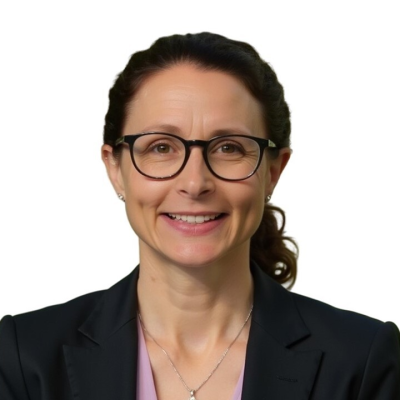
Claire Tanner
Pre-Contracts Manager SA & WA
M: +61 (0)418 645 297
claire.tanner@mcdgroup.com LinkedIn