Capability Statement
Prepared for Heavy Rail, Tram and Port Crane Rail Capability
May 2026
About Us (typically use first)
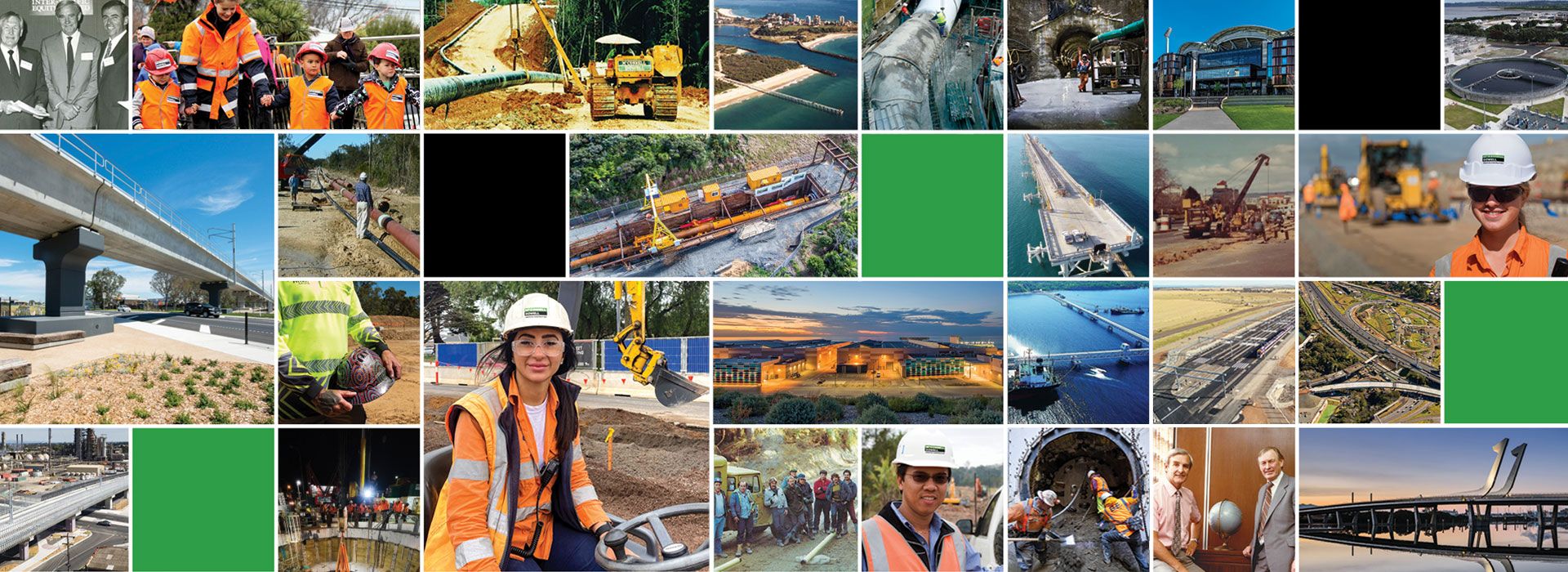
For over 65 years customers have been coming to McConnell Dowell with complex projects that require innovative solutions. That's why we're known as the Creative Construction company.
From remote resources and energy projects to city-shaping infrastructure, we've built thousands of quality assets and facilities.
Engineering-led, our expertise has grown steadily to span building, civil, electrical, fabrication, marine, mechanical, pipelines, rail, tunnel and underground construction..
Our Approach (typically use 2nd or 3rd)
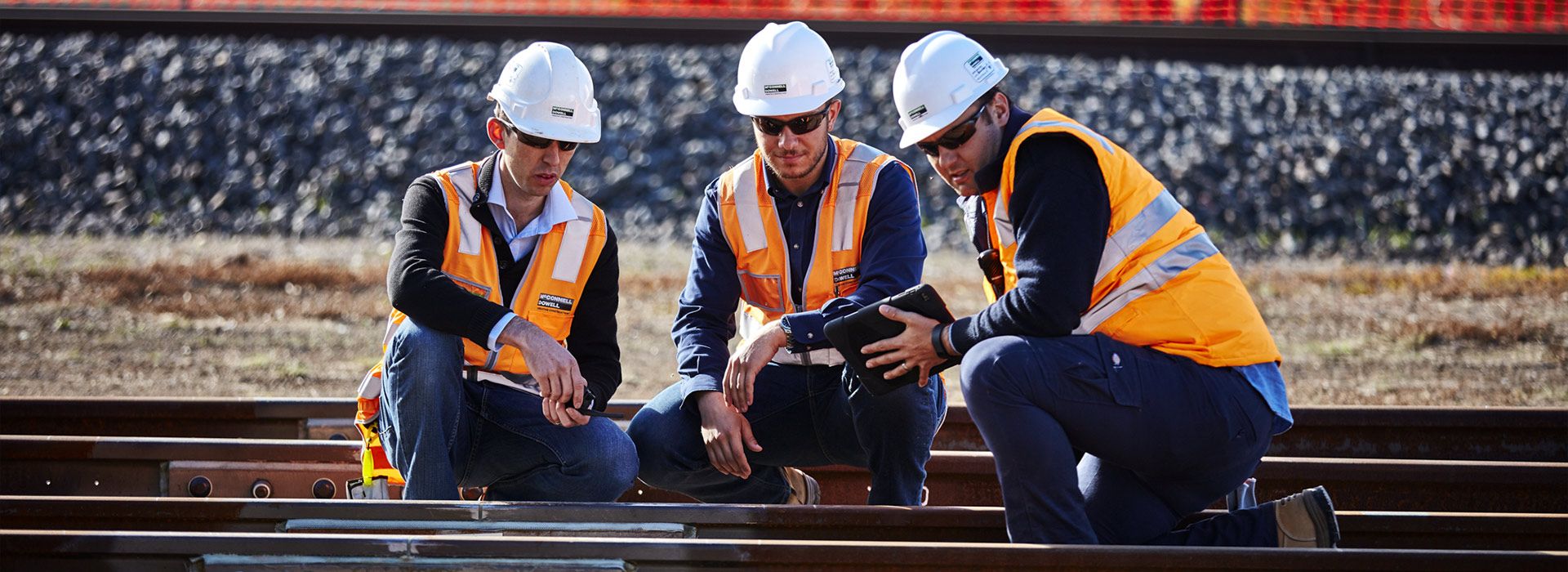
We approach every project with a focus on creativity and certainty - seeking the right blend of innovation and safe, proven approaches so we can exceed our customers' expectations.
We also understand that construction today is as much about community and sustainability as it is about concrete and steel. Our unwavering objective and commitment is to deliver what we promise to our customers, while protecting and enhancing our people, the community and the environment.
Org chart - Australia
Our Australian Business Unit is led by an experienced group of professionals who are empowered to drive performance excellence across all our Australian operations and projects.

Our 'Win & Deliver' teams are accountable for the full lifecycle of our constructon business, including prospecting for opportunities, working with potential customers to add value in the project development phase, through to bidding for projects and delivering them.
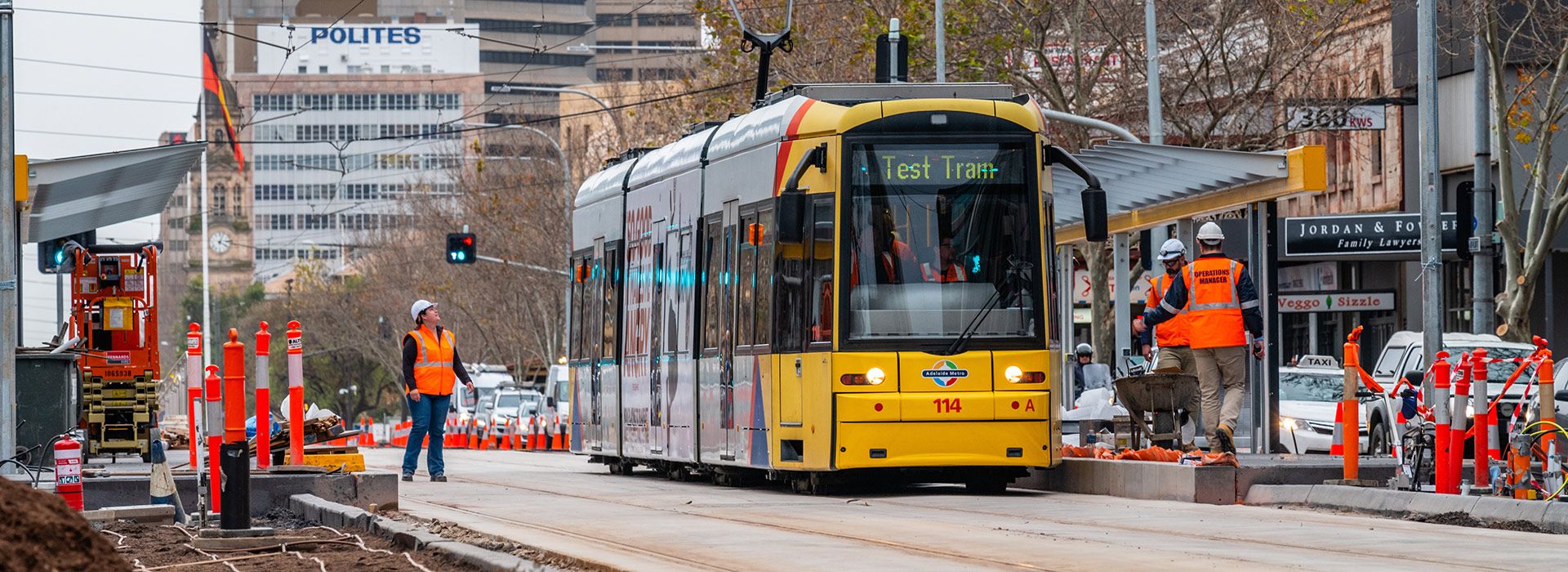
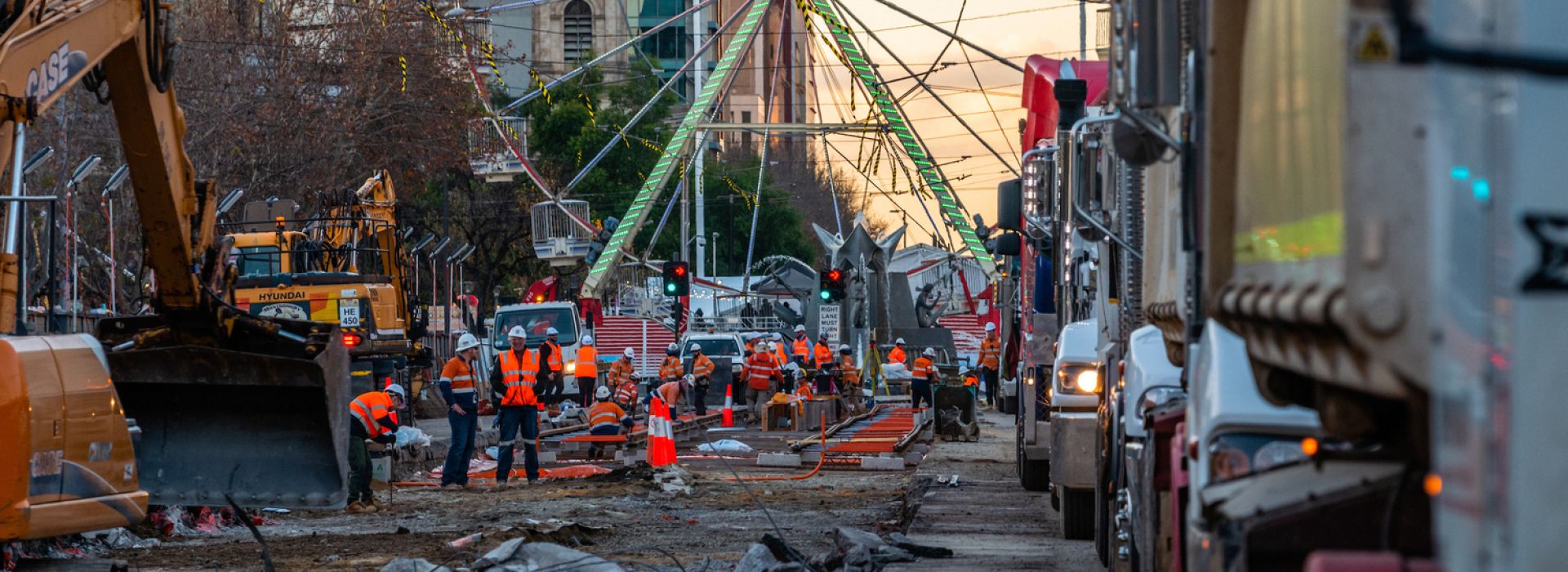
City South Tram Line Replacement
Improved connectivity and service reliability in Adelaide CBD
The City South Tram Line Replacement project was part of a program of public transport projects across metropolitan Adelaide delivered by the Public Transport Projects Alliance (PTPA).
The PTPA brought together ourselves, Arup and Mott MacDonald (design), and the Department for Infrastructure and Transport (customer) to deliver value-for-money public transport solutions that improve liveability and connectivity for South Australians.
Fast Facts
- 600 m of dual tram track removed and reconstructed
- 2,242 lineal metres of rail installed, 153 aluminotheric welds
- Construction of 2 new Disability Discrimination Act (DDA) compliant tram stops
- Single occupation of only 17 days
- $7m injected into state economy from using local suppliers and subcontractors
Level Crossing Removal Project
Removing dangerous level crossings across Metro Melbourne
We are the constructor and leader of the Western Program Alliance, delivering part of the Victorian state government’s ambitious level crossing removal program, which is set to remove 110 dangerous level crossings by 2030.
Our Alliance brings together ourselves, the Level Crossing Removal Project (government), MTM and V/Line (network operators), and Arup and Mott MacDonald (design partners).
Fast Facts
- 11 level crossings removed
- Over 18 km of new track laid
- Over 39 km of underground services relocated or upgraded
- Over 4.5 million hours worked lost time injury free
- $275 million invested in local businesses for labour and materials
- One additional level crossing project and two station upgrades underway
Tram Grade Separation Projects
Easing traffic congestion in Adelaide
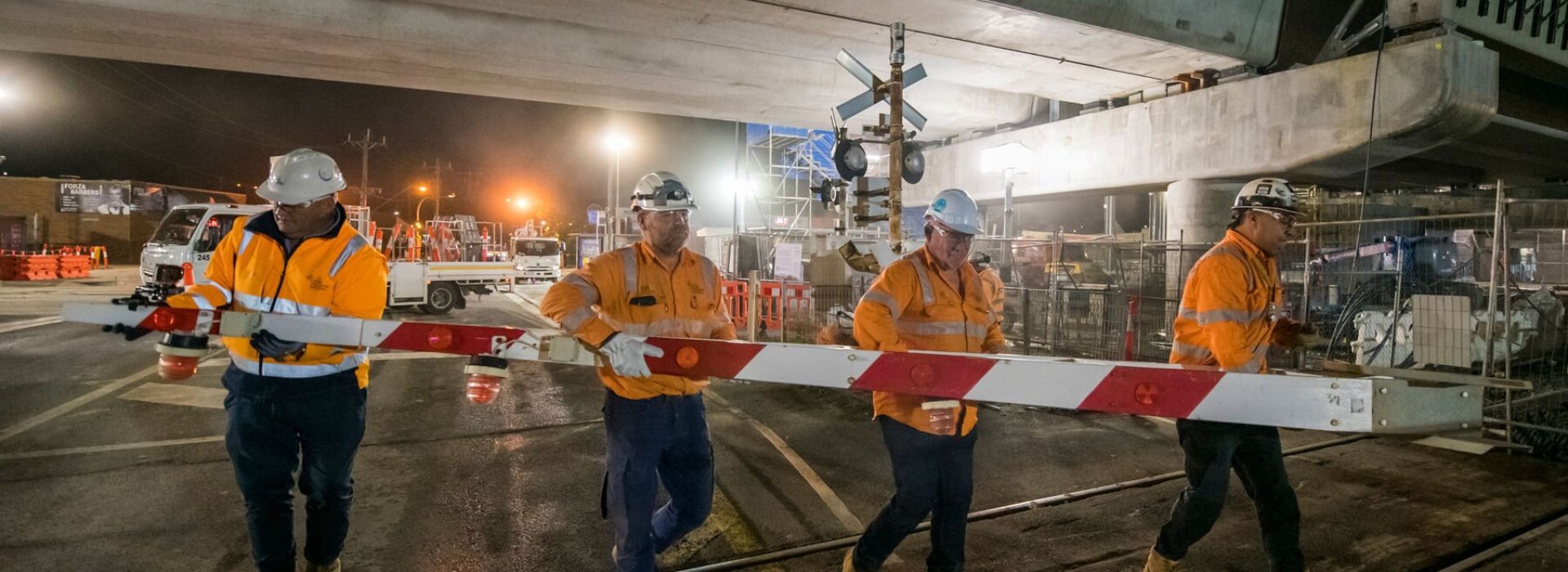
As part of an Alliance with our customer, Department for Infrastructure and Transport, CPB Contractors, and designers Mott MacDonald, Arup and Aurecon, we are delivering the Tram Grade Separation Projects in Adelaide, South Australia.
Jointly funded by the Australian and South Australian governments, the projects involve the removal of multiple level crossings along the Glenelg tram line.
Fast Facts
- Removal of mutiple level crossings
- Intersection upgrades
- Part of the broader North-South Corridor T2D project
Gold Coast Light Rail Project (Stage 1)
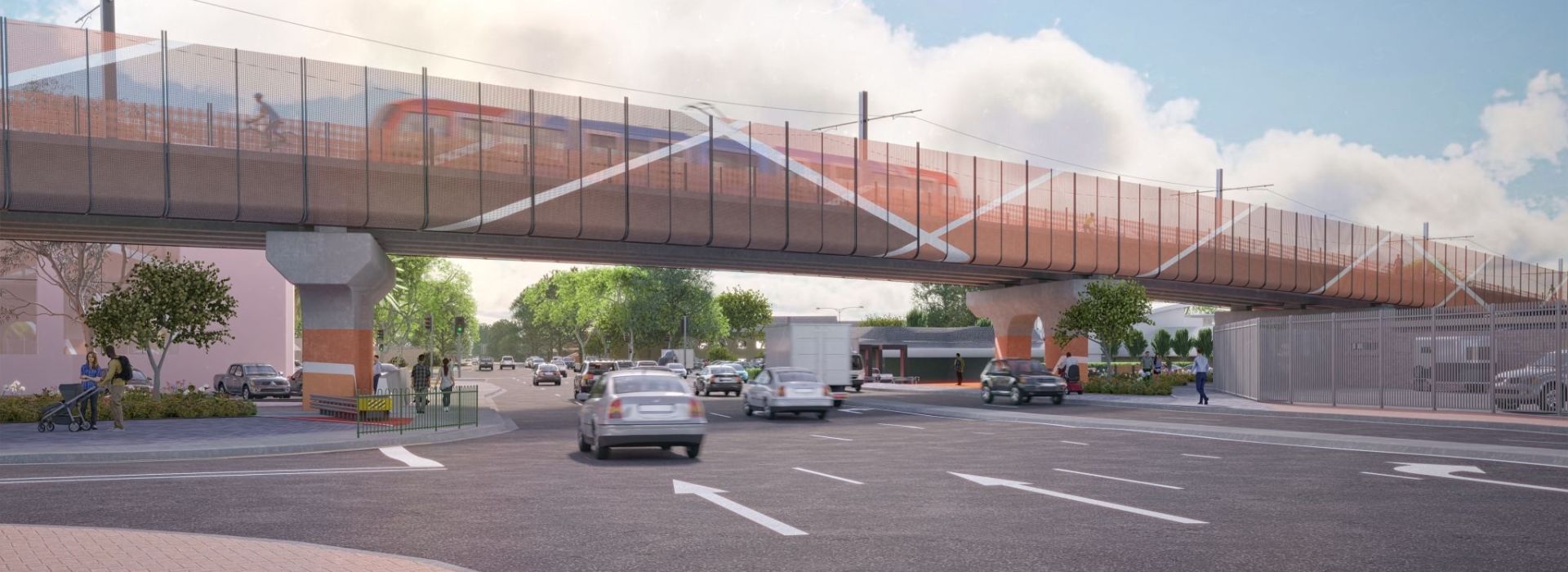
Gold Coast Light Rail (GCLR) was an ambitious, city-changing infrastructure project delivered in a highly congested and complex brownfield environment. We led the design, construction and commissioning of Stage 1 under a Public Private Partnership (PPP).
Stage 1 consisted of a 13 kilometre, 16 station urban transport corridor connecting planned and existing high-density precincts using 14 world-class bi-directional light rail vehicles (trams).
Fast Facts
- 13 km of light rail system, including 26,700 m of rail laid end to end and precision aligned within 2mm
- 16 light rail stations, including one sub-surface station
- 30,000 square metre maintenance facility and control centre
- 6 bridge/viaduct structures, totalling more than 1,500 m in length
- Project wide rail systems interface
- Landscaping and urban design
Cranbourne Line Upgrade
Improving network capacity and road safety
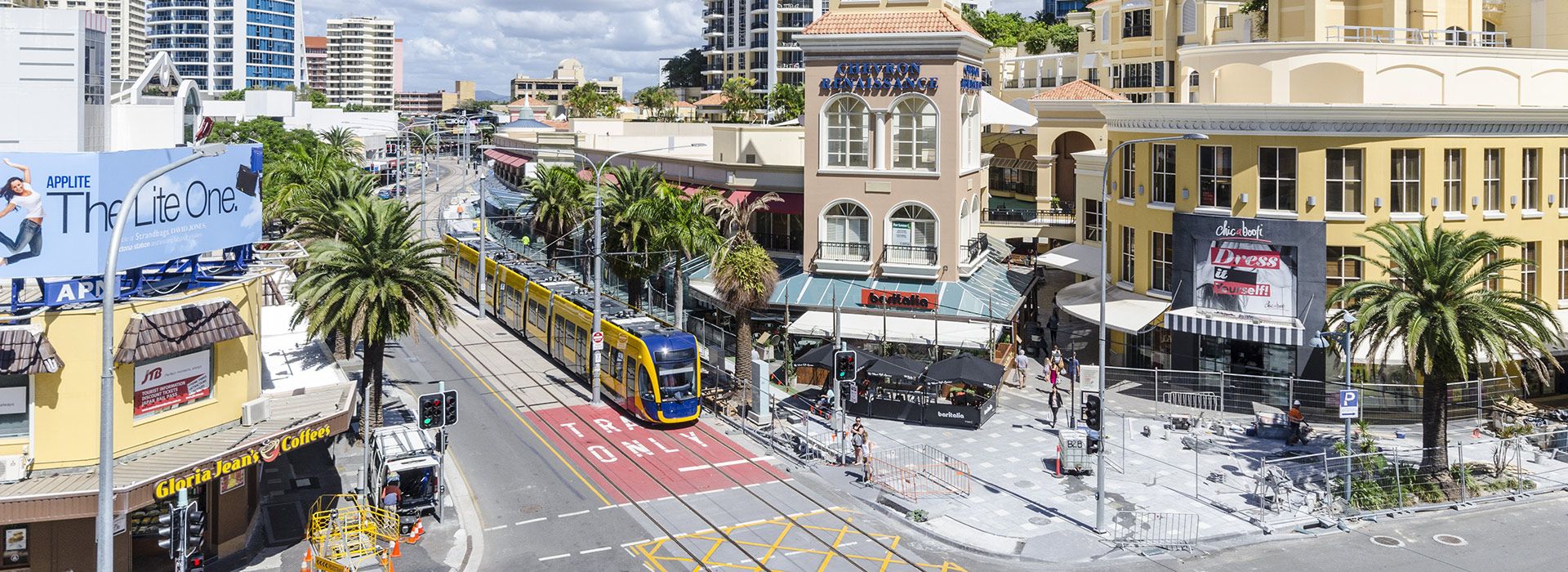
As the primary contractor and leader of the Western Program Alliance, we duplicated part of the Dandenong - Cranbourne rail line in Melbourne's outer east. Now complete, this vital upgrade enables trains every ten minutes on the busy Cranbourne line.
The project was split across two alliances with the Western Program Alliance's scope of work encompassing the duplication of approximately 5.5 km of track on the northern section of the line; the duplication of two existing rail bridges (at Abbotts Road and Eumemmerring Creek); and the removal of a level crossing at Greens Road in Dandenong.
Fast Facts
- Approximately 5.5 km of track duplication, including all associated track and signal systems
- Duplication of two rail bridges
- Removal of one level crossing
- 862 m rail spur connecting freight hub into network
Inland Rail Victoria
Delivering part of Australia’s largest rail freight project
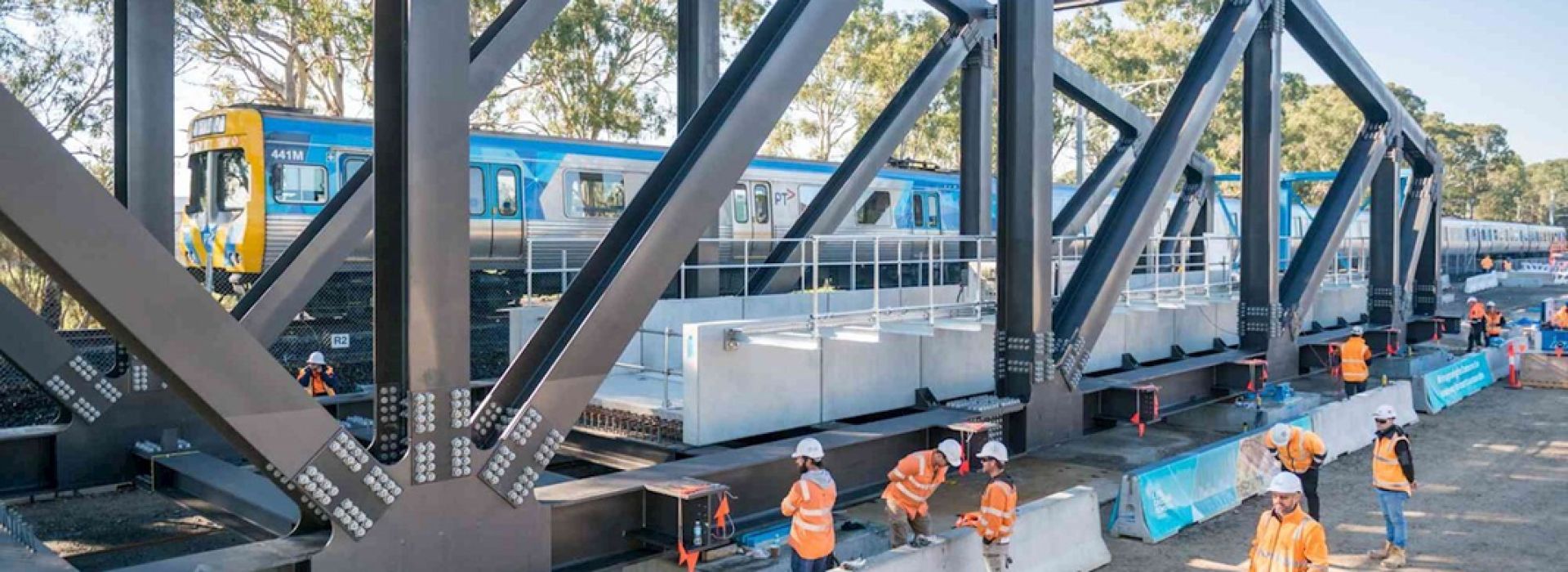
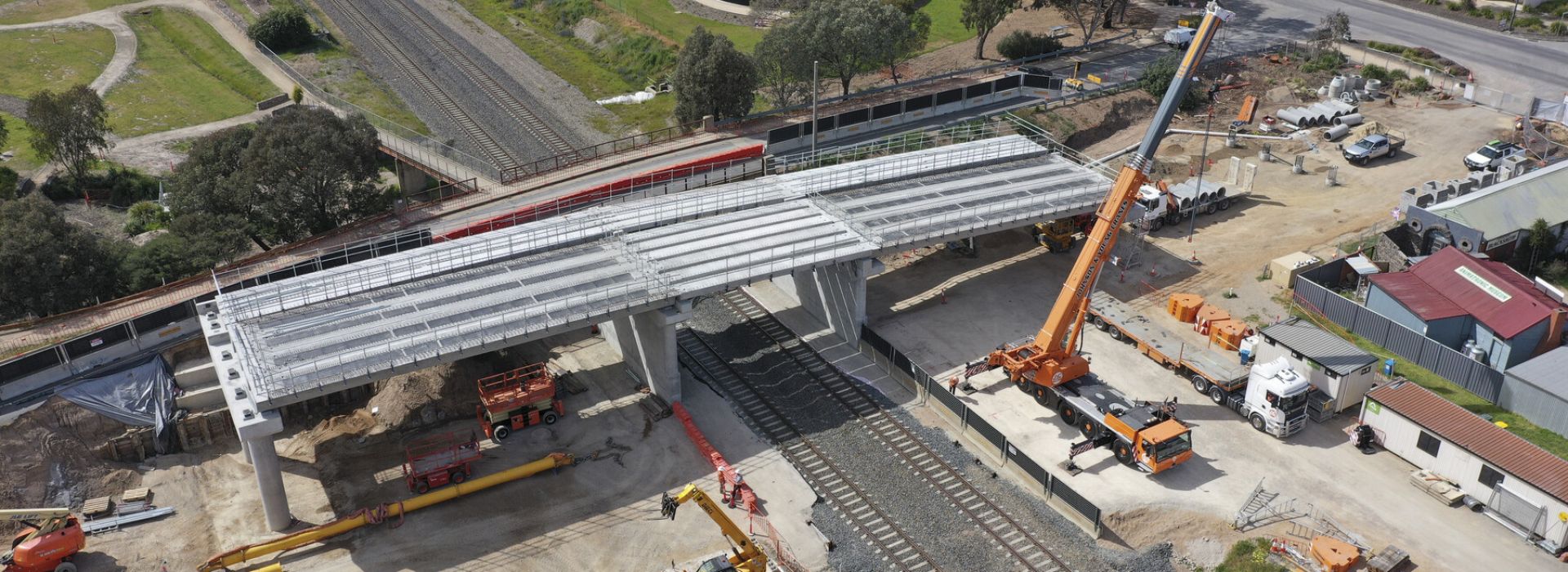
We delivered the first tranche of the Inland Rail project in Victoria - the Beveridge to Albury (B2A) package. The overall Inland Rail project will enable double-stacked freight trains to operate between Brisbane and Melbourne.
Our contract encompassed four 'rail enhancement' sites located in central and northern Victoria, as well as some corridor wide works. The enhancement site works included bridge replacements at Glenrowan, Wangaratta and Seymour; transformation of Wangaratta Station; and track lowering. Corridor wide scope included signalling works, track slews and overhead utilities.
Fast Facts
- Site investigations, detailed design
- Track enhancements at four sites - bridges, underpasses
- Corridor-wide track slews and signalling works
Port Dock Railway Line Project
Improving connectivity into Port Adelaide for locals and tourists.
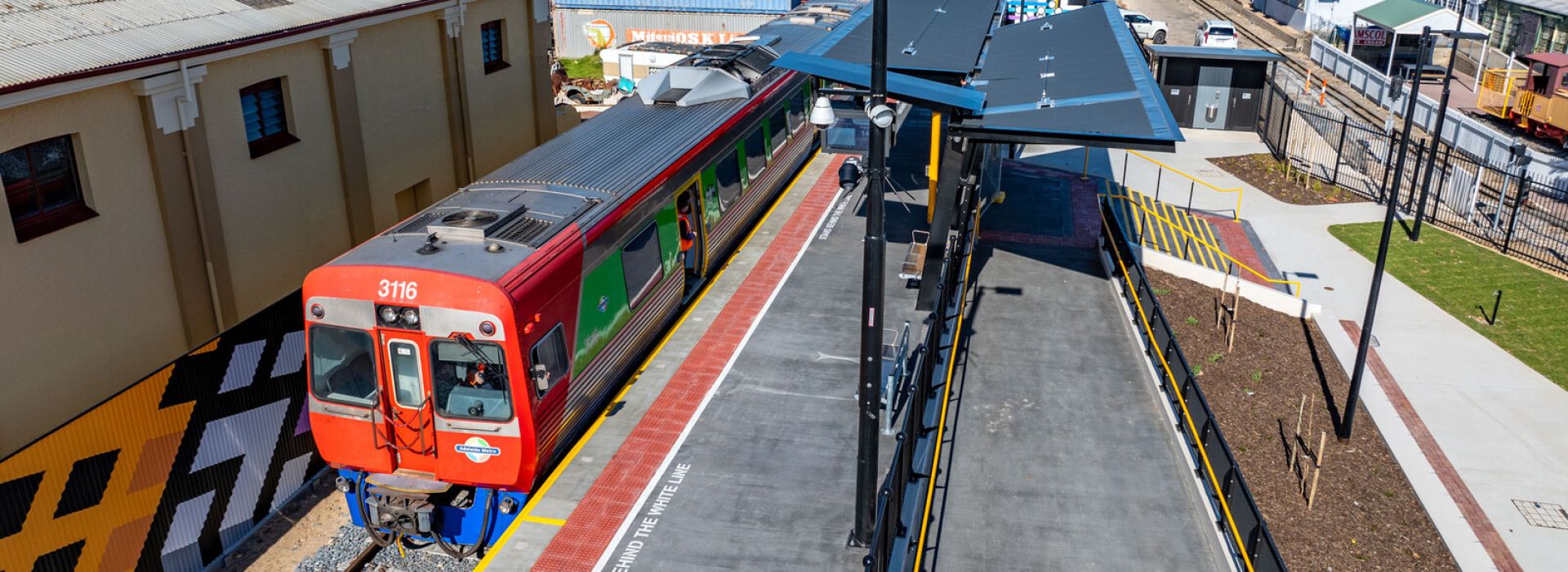
The Public Transport Projects (PTP) Alliance comprising of ourselves, Arup and Mott MacDonald (design), together with the Department for Infrastructure and Transport (customer) delivered the Port Dock Railway Line Project.
The Alliance's scope of work included:
Fast Facts
- One kilometre rail line
- New train station and bus exchange
- Upgrades to pedestrian and cycle facilities
Rail Services
Supporting network operators and projects across Australia
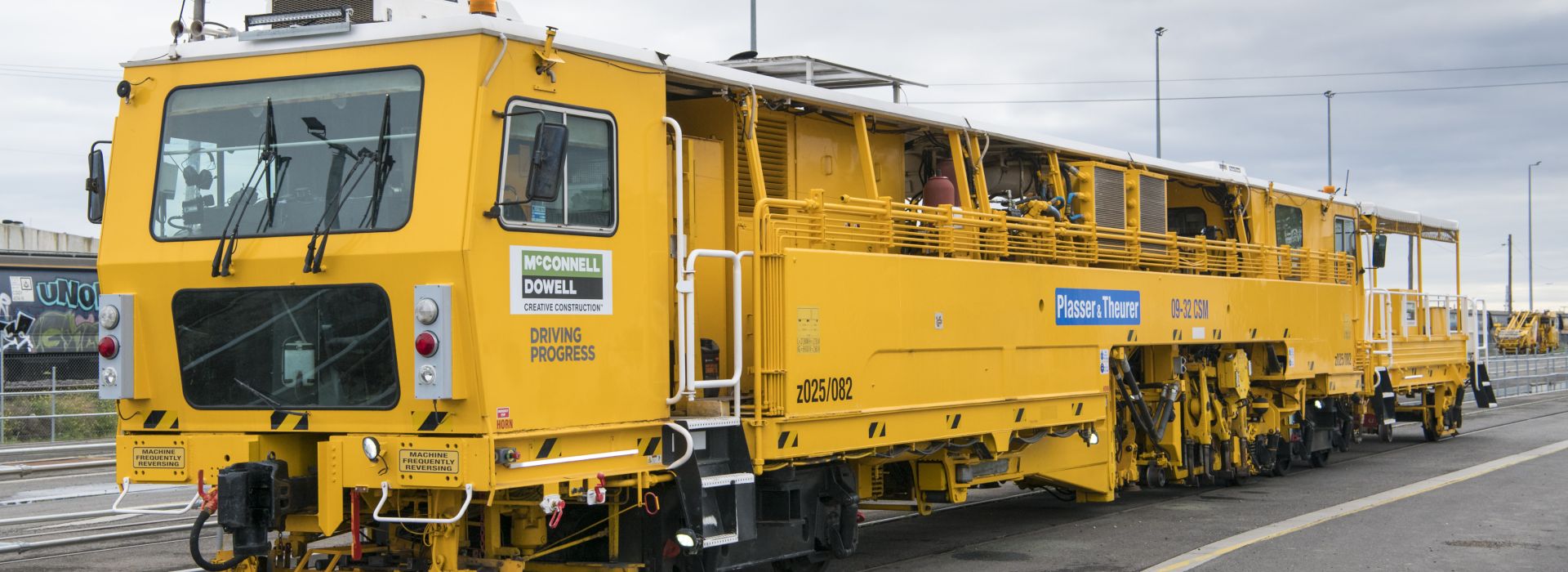
Our rail services team is equipped with specialist plant including tampers, regulators, flash butt welders, and track and resleepering machines. They deliver renewals, upgrade and repairs for a range of rail network owners and operators across Australia.
Some of our current and recent rail services contracts include:
Safety
We never compromise on safety.
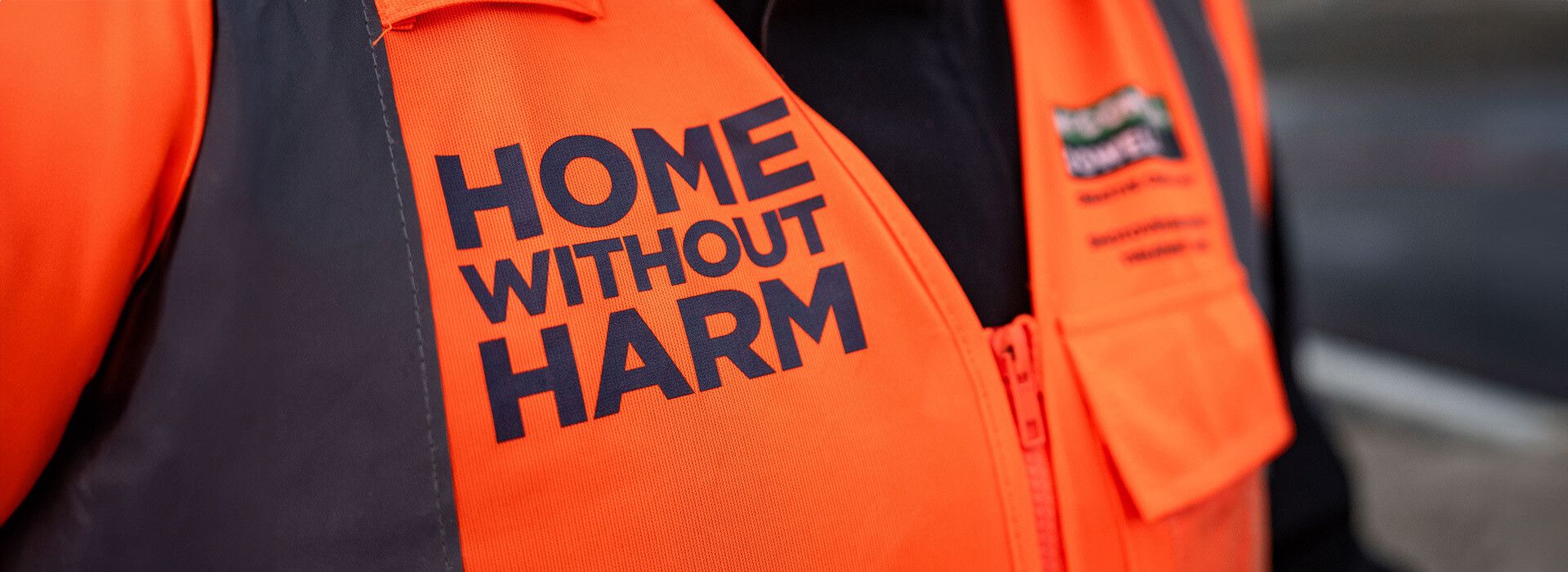
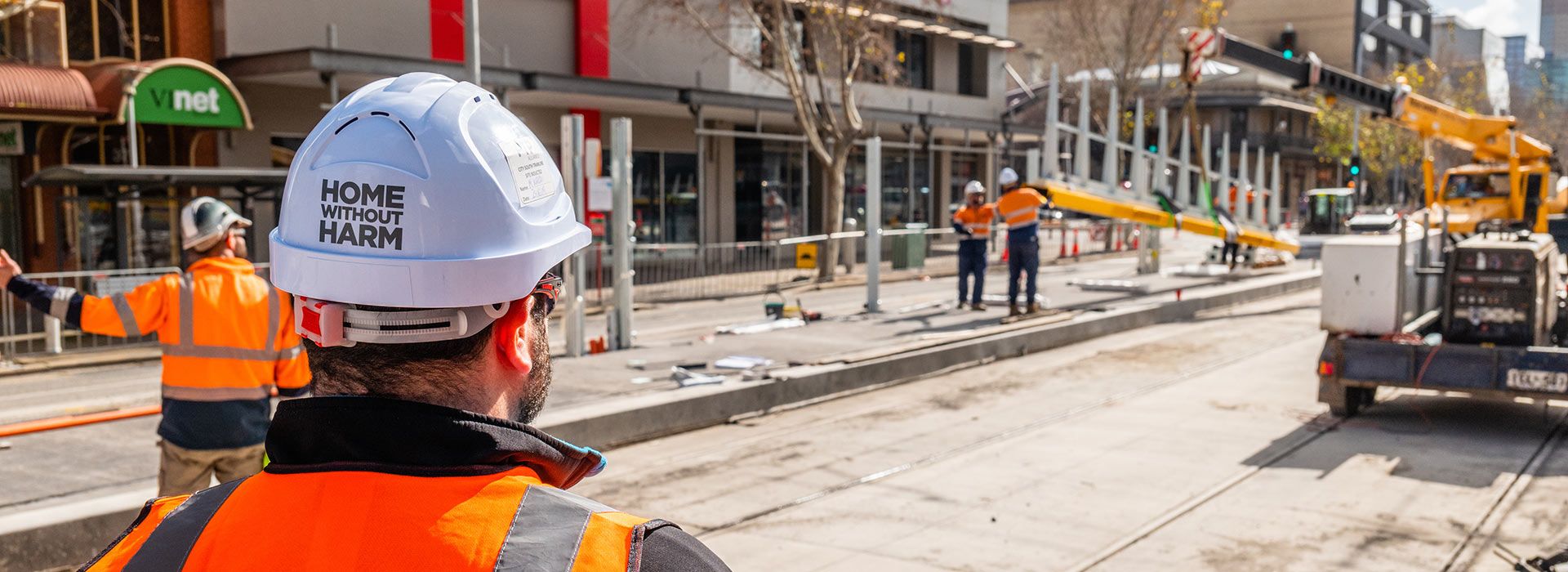
We foster our 'Home Without Harm' safety culture through robust processes, effective systems, and by recognising and rewarding safe behaviours.
Our Site Safety Managers are always on our project leadership teams, ensuring safety is prioritised in all site activities. Every team member has clear safety responsibilities, aimed at protecting themselves, their colleagues, and the community.
‘Site’ technology meets ‘Sight’ technology
We're partnering with Presien and using the latest technology to remove blind spots for our plant operators.
Built on industry-leading AI vision, Blindsight detects, alerts and informs our team on high-risk people-plant interactions.
From operator alerts and data for our daily toolbox reporting, to worksite safety benchmarking, Blindsight is giving our site teams the edge when it comes to working safely around moving plant.
Shining a light on safety
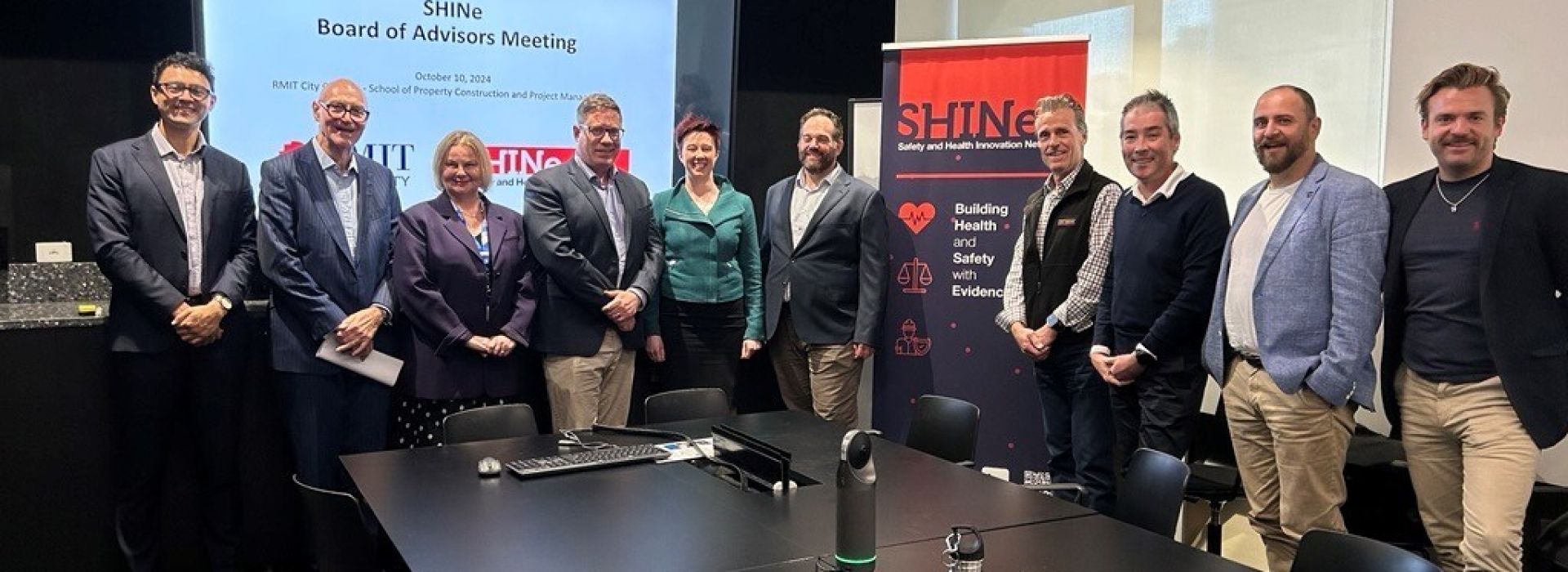
We’re proud foundation members of the Safety Health and Innovation Network (SHINe) in partnership with RMIT.
SHINe brings together industry leaders and experienced academics who are committed to driving innovation and improvements in safety, health and wellbeing in Australia’s construction industry through research.
SHINe is a forum where we:
- Propose and test new ideas and innovations
- Invite industry members to provide suggestions on new research projects
- Explore the efficacy of new technologies
- Network and share best practices
- Help shape the next generation of health and safety researcher and practitioners
By working with SHINe, we’re supporting evidence-based, real-life research that will drive innovation and improve safety outcomes across the sector. Together, we’re building a safer, more resilient industry for everyone.

Smart temporary works for safe live-rail construction
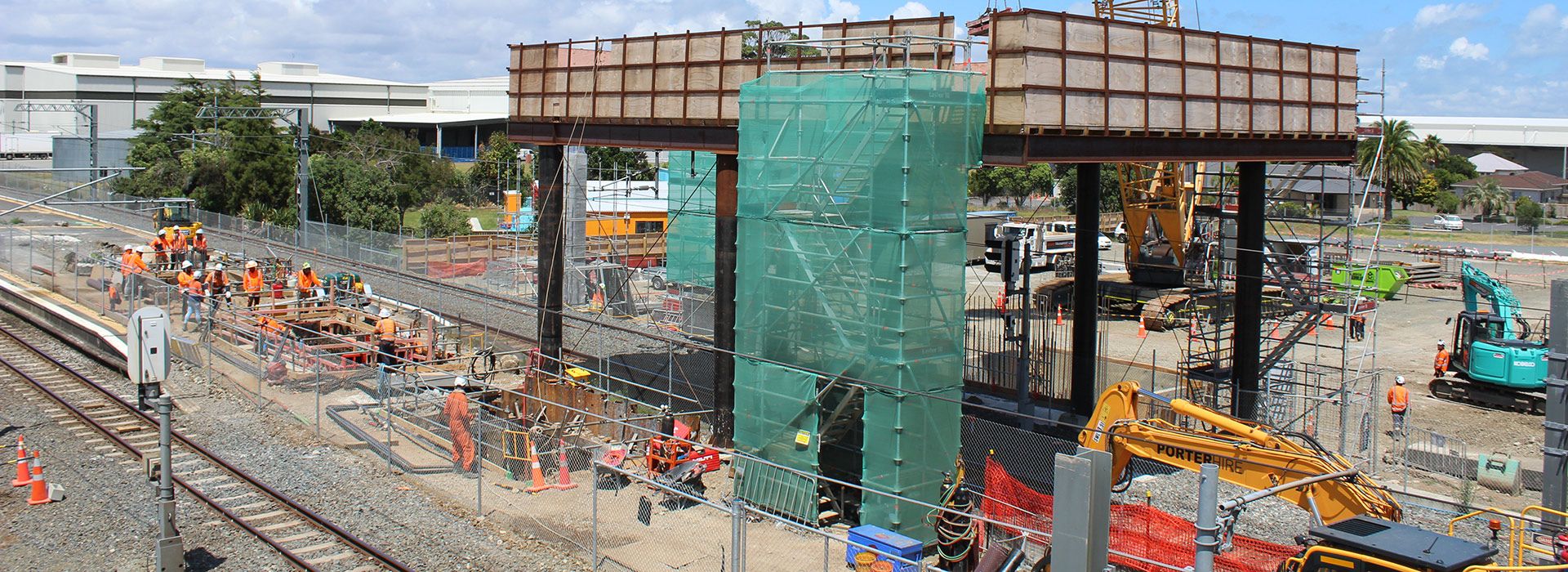
On the Puhinui Station Interchange Project in Auckland our temporary works team designed an innovative ‘rail protection deck’ – a structure that created a physical barrier between construction materials, plant operations, the rail corridor and its electrified assets.
Being the first time such a structure had been proposed for use on a rail construction project in New Zealand, the team worked closely with KiwiRail and Auckland Transport to ensure the protection deck met requirements including design clearances, structural capacity and integrity.
The deck underwent several design and safety reviews, demonstrating the team's collaborative approach to solution development. The rail protection deck allowed the team to safely transport materials from over the train tracks without having to shut down the train line. It also enabled work to continue during the day without night or weekend works, which meant less disruption for local residents.
Contacts
Harriet Christopherson
Operations Manager Vic & Tas
M: +61 (0) 458 864 478
harriet.christopherson@mcdgroup.com LinkedIn