Capability Statement
Prepared for Prepared for Parkwind
May 2026
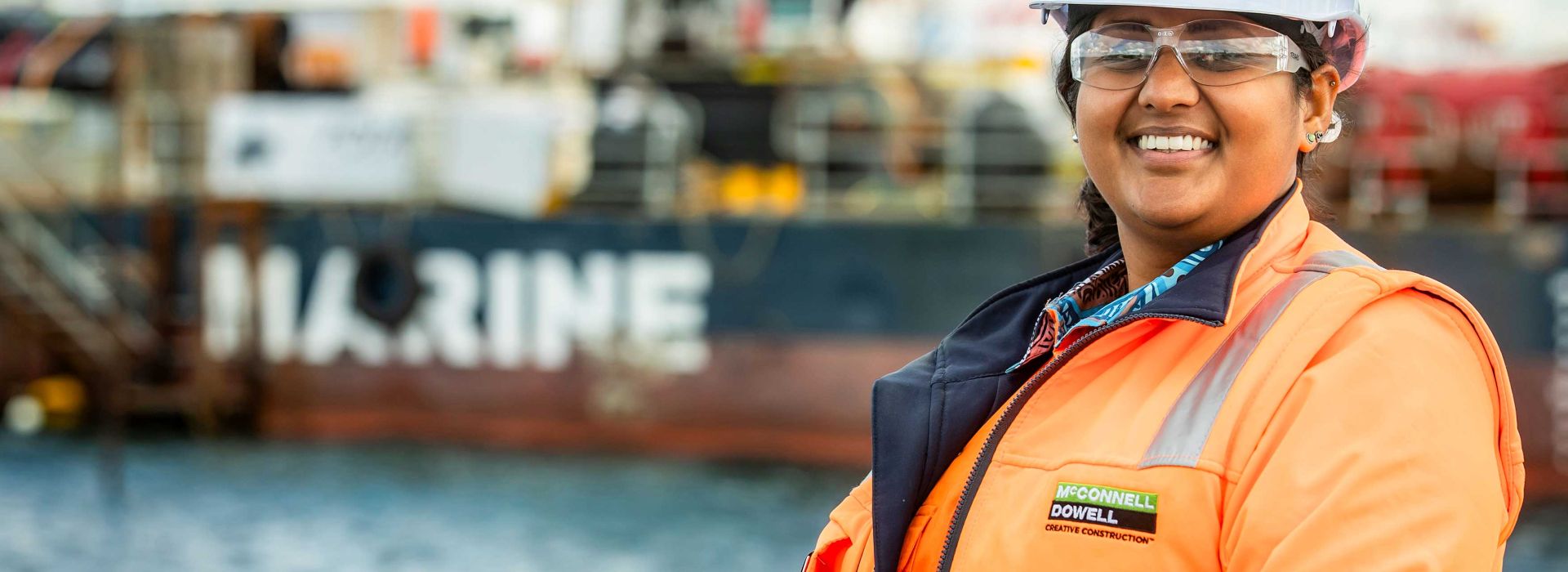
Video Introduction - What is Creative Construction?
Introduction
About Us (typically use first)
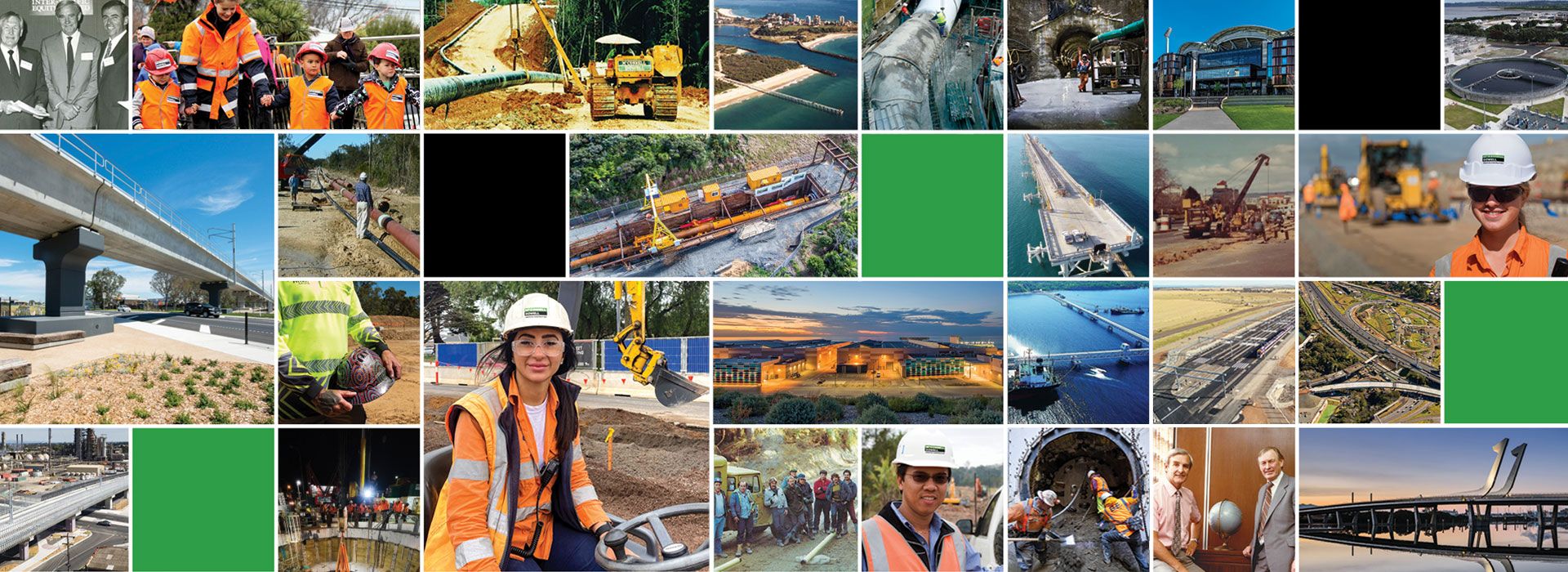
For over 65 years customers have been coming to McConnell Dowell with complex projects that require innovative solutions. That's why we're known as the Creative Construction company.
From remote resources and energy projects to city-shaping infrastructure, we've built thousands of quality assets and facilities.
Engineering-led, our expertise has grown steadily to span building, civil, electrical, fabrication, marine, mechanical, pipelines, rail, tunnel and underground construction..
Org chart - Australia
Our Australian Business Unit is led by an experienced group of professionals who are empowered to drive performance excellence across all our Australian operations and projects.

Our 'Win & Deliver' teams are accountable for the full lifecycle of our constructon business, including prospecting for opportunities, working with potential customers to add value in the project development phase, through to bidding for projects and delivering them.
Creative Construction
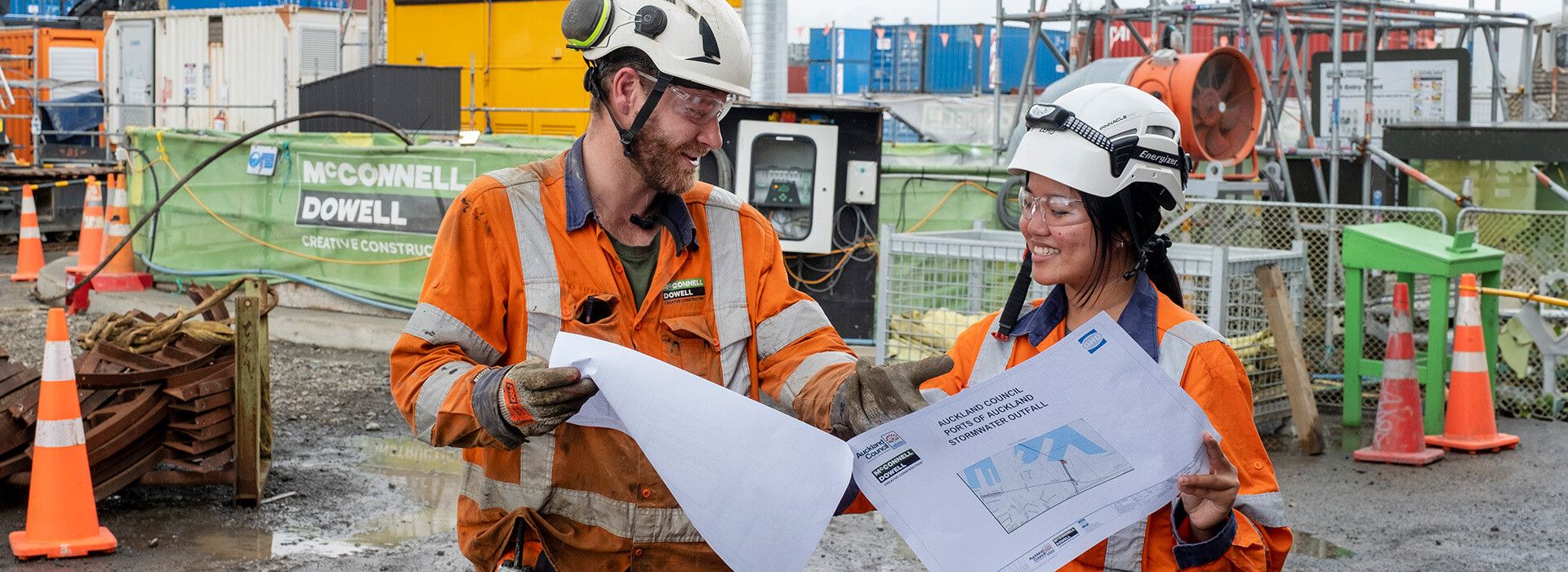
Creative Construction at McConnell Dowell is the inspired engineering behind the complex infrastructure we deliver.
It's the technical problems and challenges solved behind the scenes by people empowered to think creatively and work collaboratively. It’s the alternative idea or innovation that saves time, reduces cost, makes us safer, and delivers more value.
It might not always be evident when you look at the end product, but it's there, inside every McConnell Dowell project.
Specialist marine plant
Elevate your marine construction potential
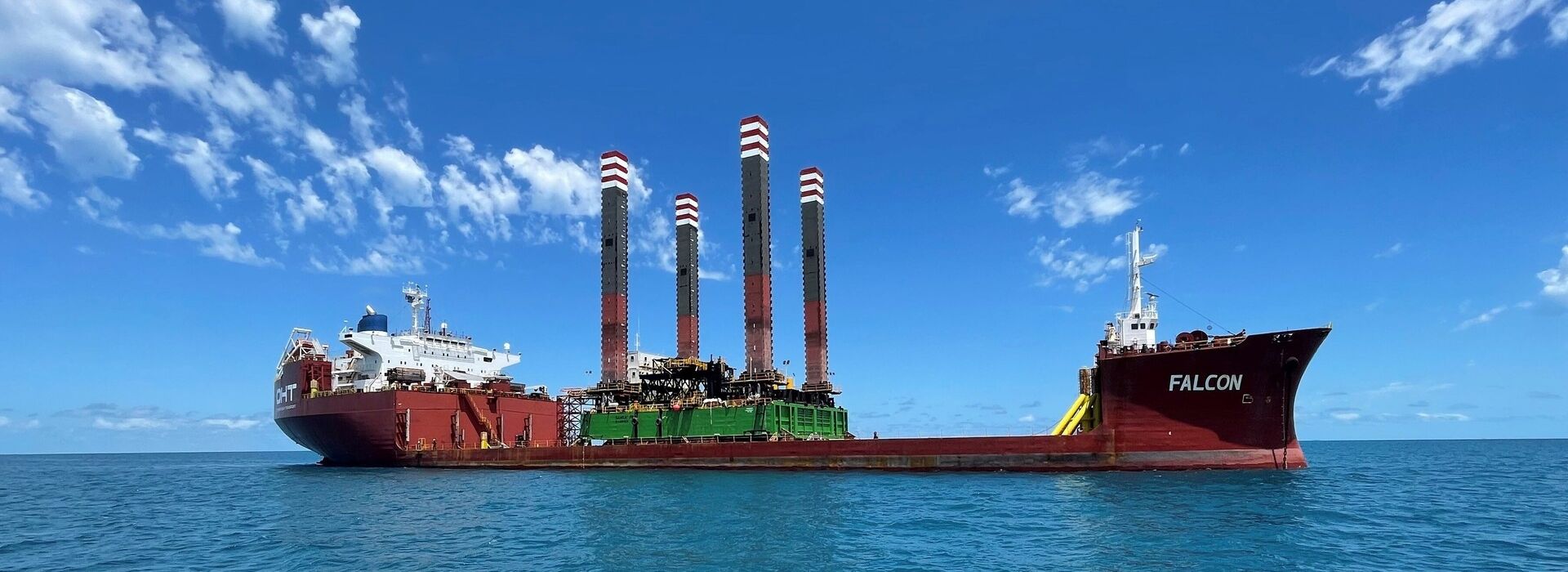
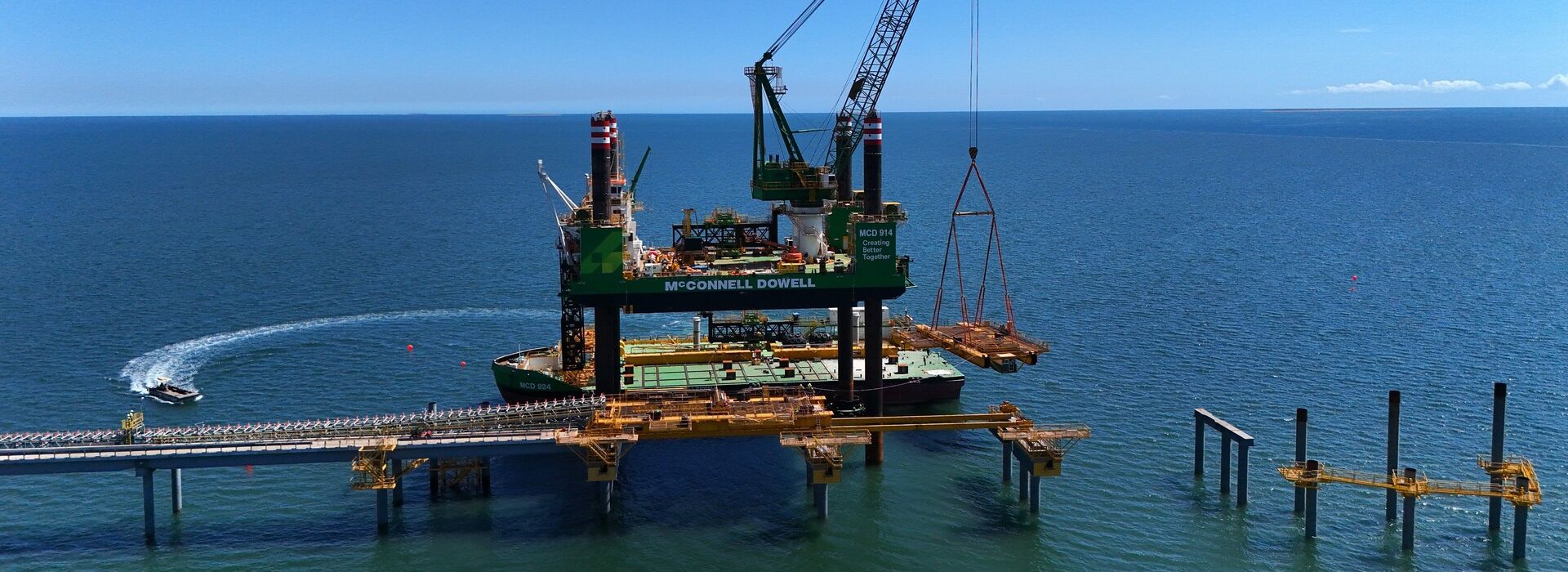
As a leading marine contractor, we bring deep expertise and a legacy of inventive construction to every project. Our fleet of specialist marine plant - including jack-up barges, support vessels, and our custom-designed ‘traveller’ piling system - reflects our commitment to smarter, safer, and more sustainable delivery.
Our equipment is also available for short, medium, or long-term hire. Explore the profiles below to see how our assets can support your next marine challenge.
Ports & Coastal Solutions
With over 330 marine projects completed across six decades, McConnell Dowell is synonymous with marine infrastructure.
From wharves and jetties to ocean outfalls, breakwaters, and submarine pipelines — we bring coastal confidence to every project.
Our modular approach to construction has helped create productive ports for clients like Rio Tinto, FMG, Vale, and BHP, where over 1.2 billion tonnes of iron ore are shipped annually from wharves we built.
Mardie Salt & Potash Marine Structures
Delivering new marine facilities to grow Australian exports
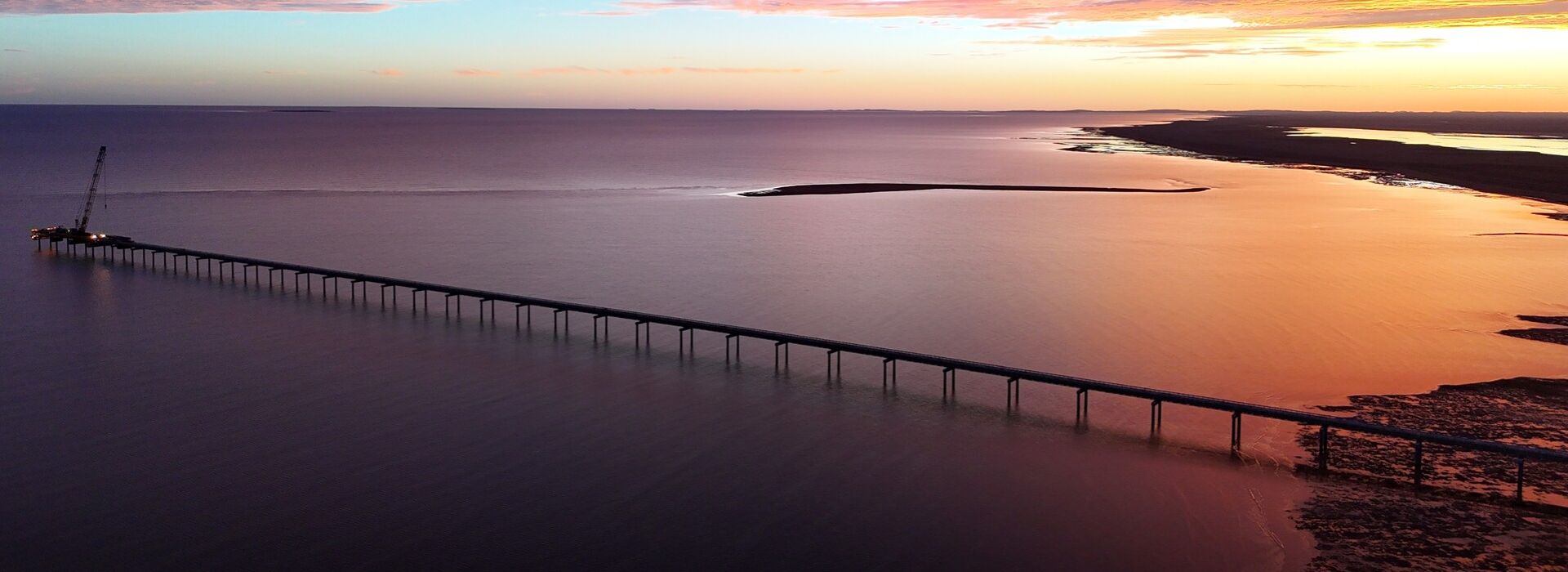
We designed and constructed the marine structures for BCI Minerals’ Mardie Salt & Potash Project in Western Australia, using our innovative canti-traveller system for speed and low impact delivery.
The 'Mardie' Project is a large-scale, solar evaporation operation on the Pilbara coast. Capacity of the completed facility is estimated to be 5.35 million tonnes per annum of high purity salt and 140,000 tonnes per annum of sulphate of potash, over an operating life of at least 60 years.
Fast Facts
- 2.4 km long jetty with berthing and mooring dolphins
- 200 steel piles, up to 30 metres long
- 100 m of jetty completed every 10 days using innovative canti-traveller system
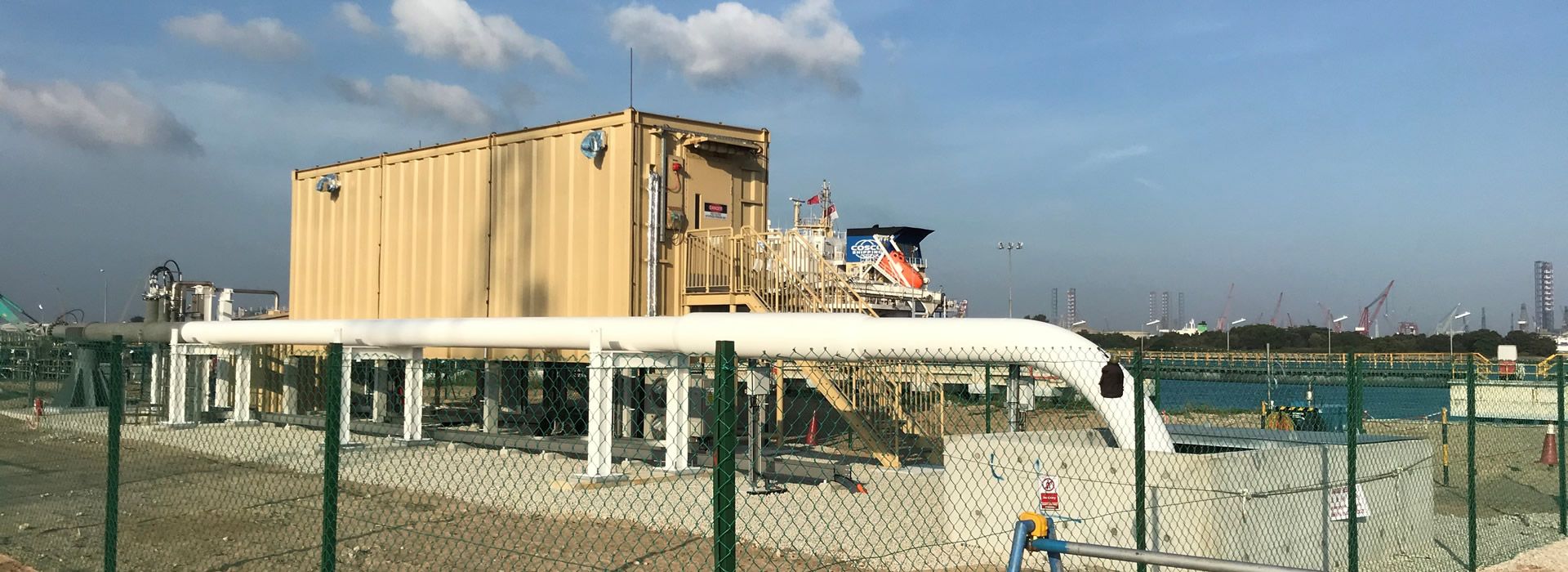
Batangas LNG Terminal
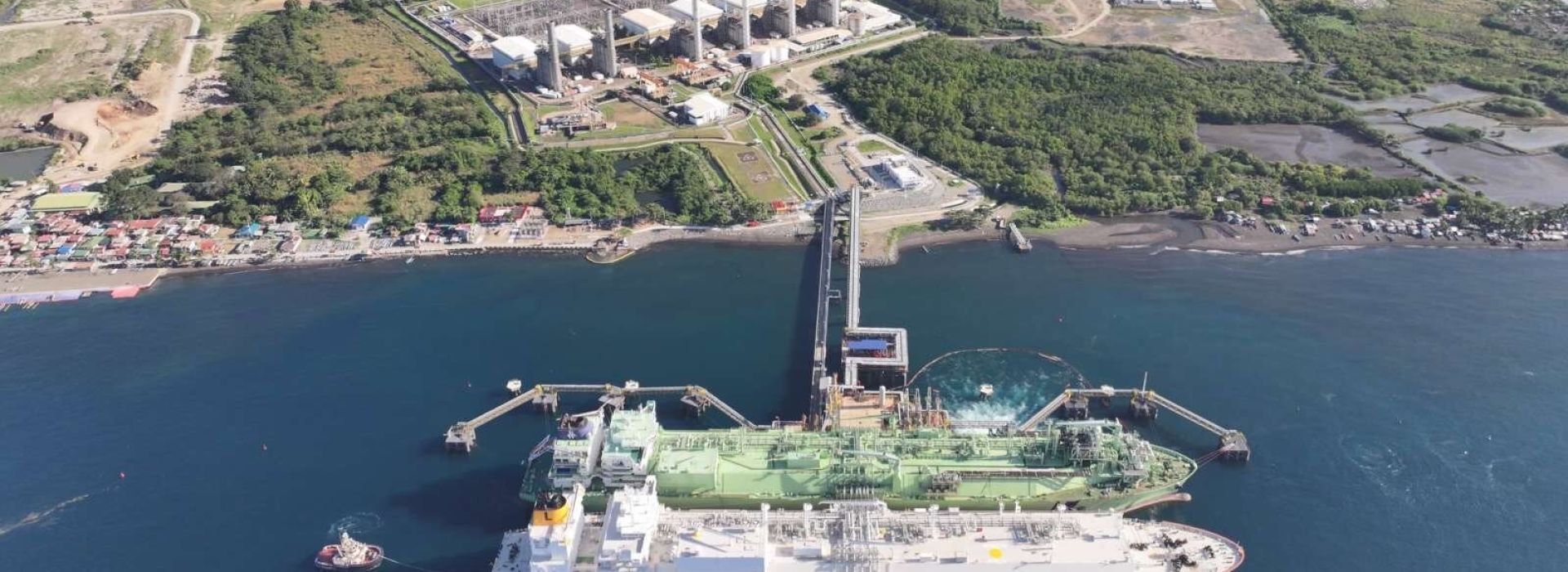
FGEN LNG Corporation (FGEN) engaged us to build and deliver the Interim Offshore Terminal Project ("IOT Project") at their LNG terminal in Batangas, in the Philippines.
We undertook the engineering, procurement and construction of both the Multi-Purpose Jetty and Onshore Gas Receiving Facility. The new Multiple Purpose Jetty is a permanent modification of the existing liquid fuel jetty which we constructed in 1998.
Fast Facts
- New multi-purpose jetty with topside infrastructure
- Onshore facilities, including control room
- 24 inch, 1.3 km long high pressure gas pipeline
- Extensive earthworks, including tsunami bund wall and access road
HMAS Coonawarra
New wharf and approach jetties to support the Australian Defence Force
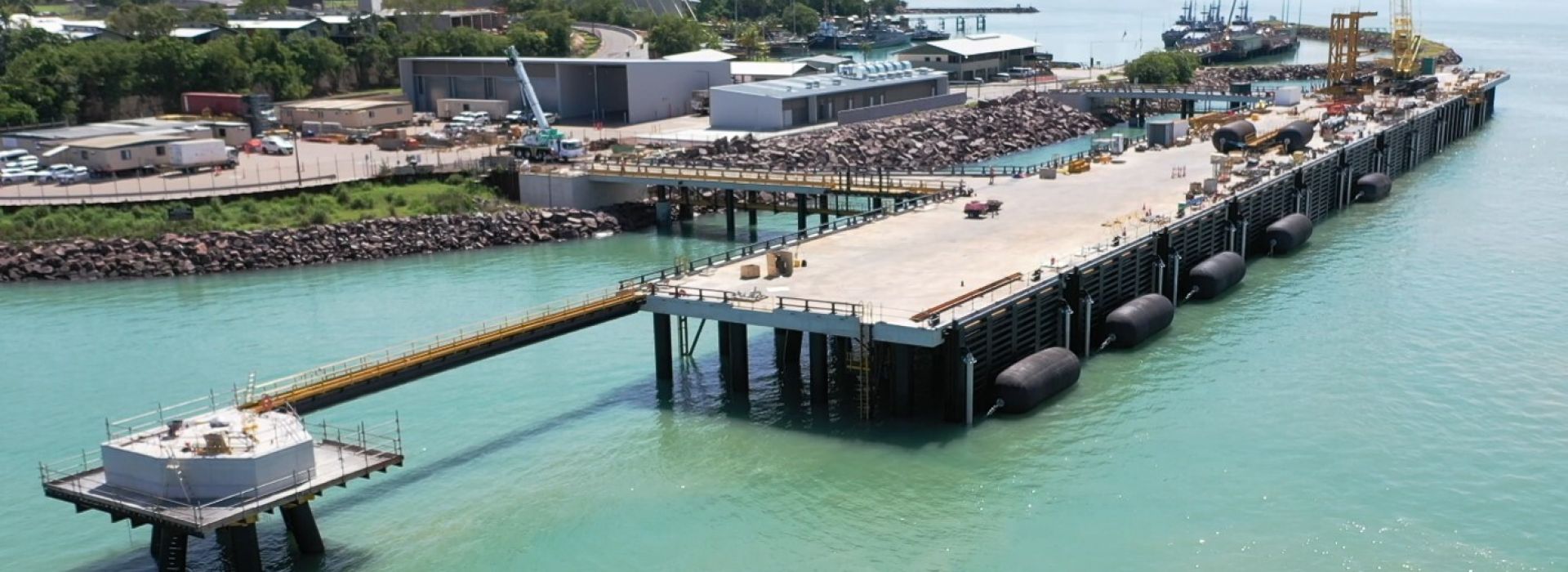
We refined the initial concept design and constructed a new outer wharf structure at HMAS Coonawarra in Darwin to support the Australian Defence Force (ADF). The project involved the construction of a new 250 m long wharf and two approach jetties.
While the final structures are simple in their geometry and configuration, the site location and operational requirements were challenging.
Fast Facts
- 250 m long wharf
- Two approach jetties
- Enhancing ADF's maritime defence capability
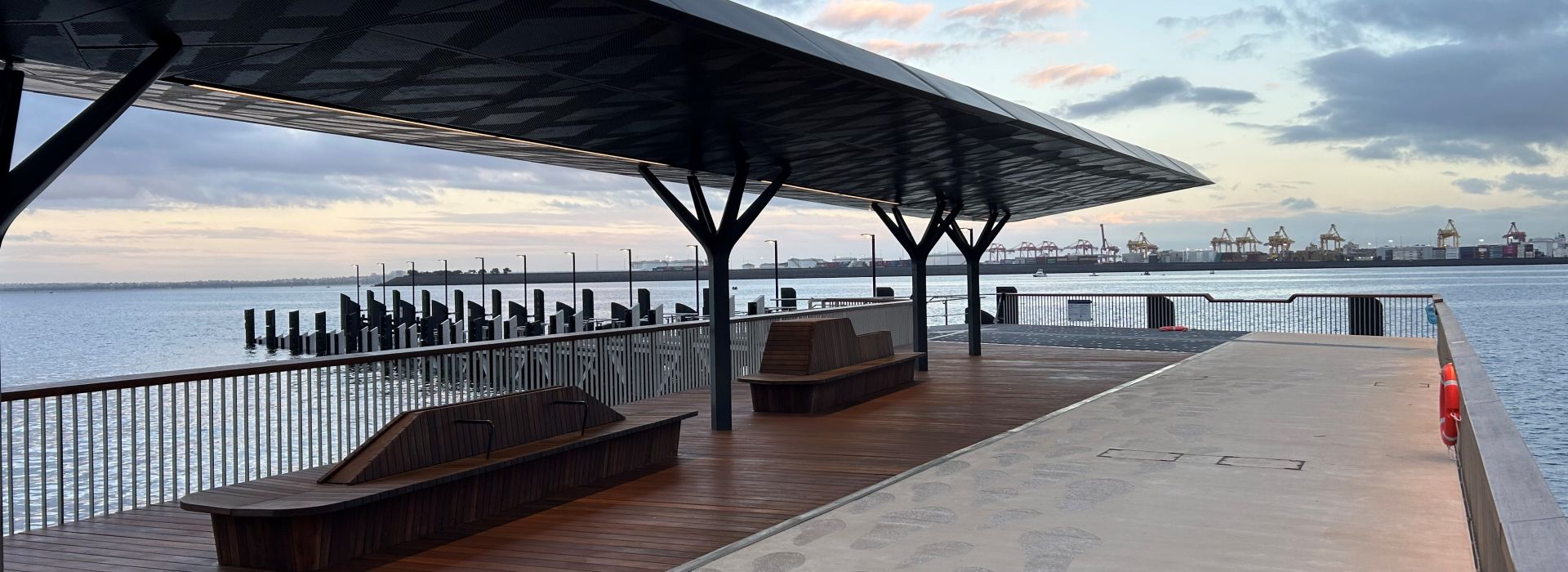
Kamay Wharves
New amenities for Botany Bay
We successfully delivered two new wharves at La Perouse and Kurnell on Botany Bay (Kamay) for the NSW Government. These modern structures replace the original wharves, which had been in operation from the 1890s until 1974, when severe storms rendered them beyond repair.
The Kurnell site holds deep historical and cultural significance. As the first landing place of Captain James Cook, it is a key part of Australia’s colonial history. Equally important, the area remains a place of enduring cultural heritage for First Nations people. To honor this, the wharf designs incorporate large-scale artworks by local Aboriginal artists, creating a meaningful connection to Country.
Fast Facts
- Two new recreational wharves
- 180 m long wharf at La Perouse
- 230 m long wharf at Kurnell
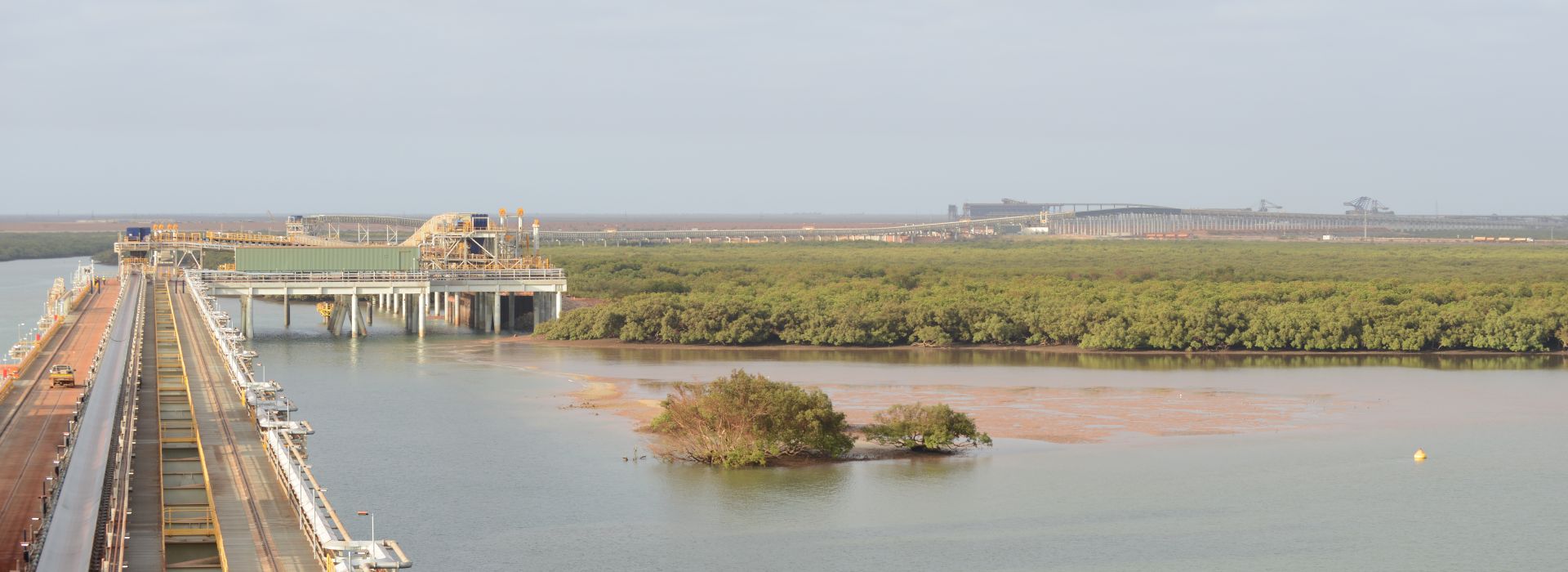
Roy Hill Iron Ore Project (Marine Works)
As part of the $10 billion Roy Hill Iron Ore project, we designed and constructed the Stanley Point Iron Ore Terminal at Port Hedland. We used substantial prefabrication and our innovative temporary works system for low impact, high productivity construction.
Our scope consisted of a two berth iron ore load out wharf, connected with a 3600 m long elevated road and overland conveyor to the ore stockyard. In addition to the wharf and the overland conveyor, we delivered an abutment, drive stations, three transfer stations and all SMPE&I works.
Fast Facts
- Two berth load out wharf
- 800 m long wharves
- 30,000 T design and supply steelwork
- 4.5 km of conveyor steelwork
- 3,600 m elevated road and conveyor
- Prefabrication to increase safety and savings to client
VTB Subsea Pipeline Jurong Island
We joint ventured with ITP (IMJV) to design and construct the VTB (Vacuum Tower Bottoms) Subsea Pipeline for ExxonMobil in Jurong Island, Singapore.
Vacuum Tower Bottoms are the left over bottom product of distillation, which can be processed in cokers and used for upgrading into gasoline, diesel and gas oil.
Fast Facts
- 2 km long, 12 inch dia. subsea pipeline
- Pipeline heated to 200 degree celcius
- Shore crossings
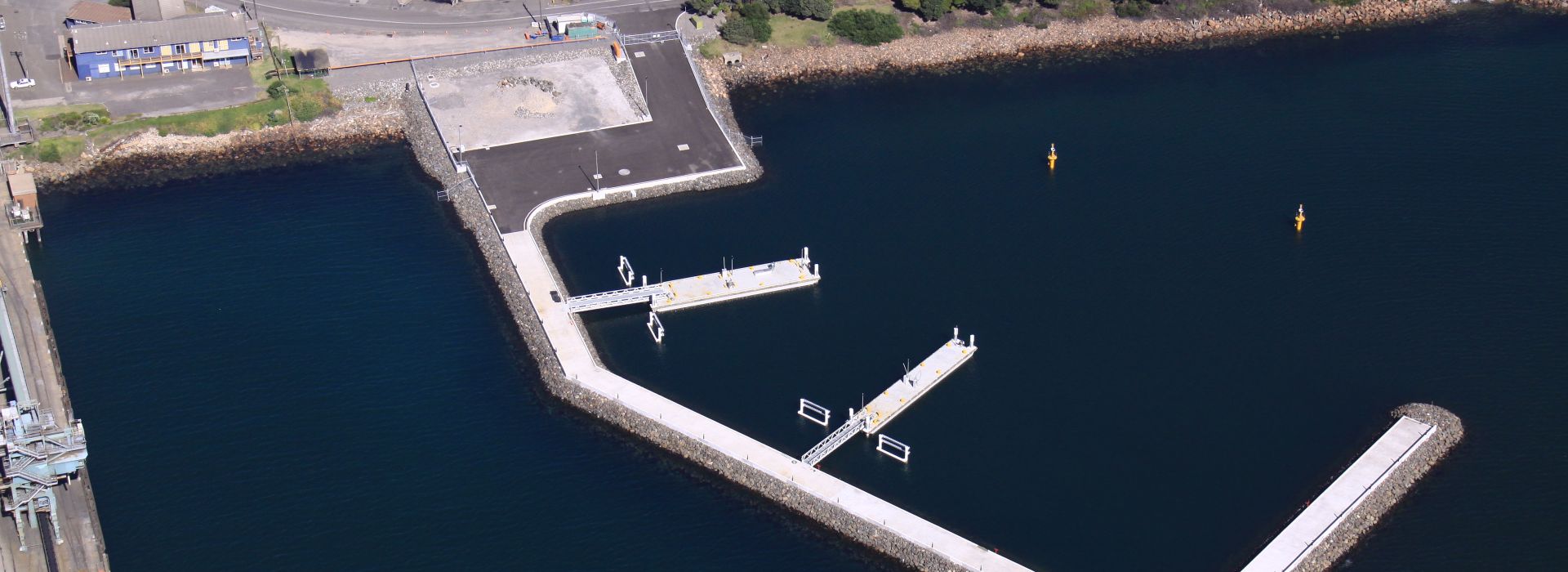
Port Kembla Outer Harbour Tug Berth
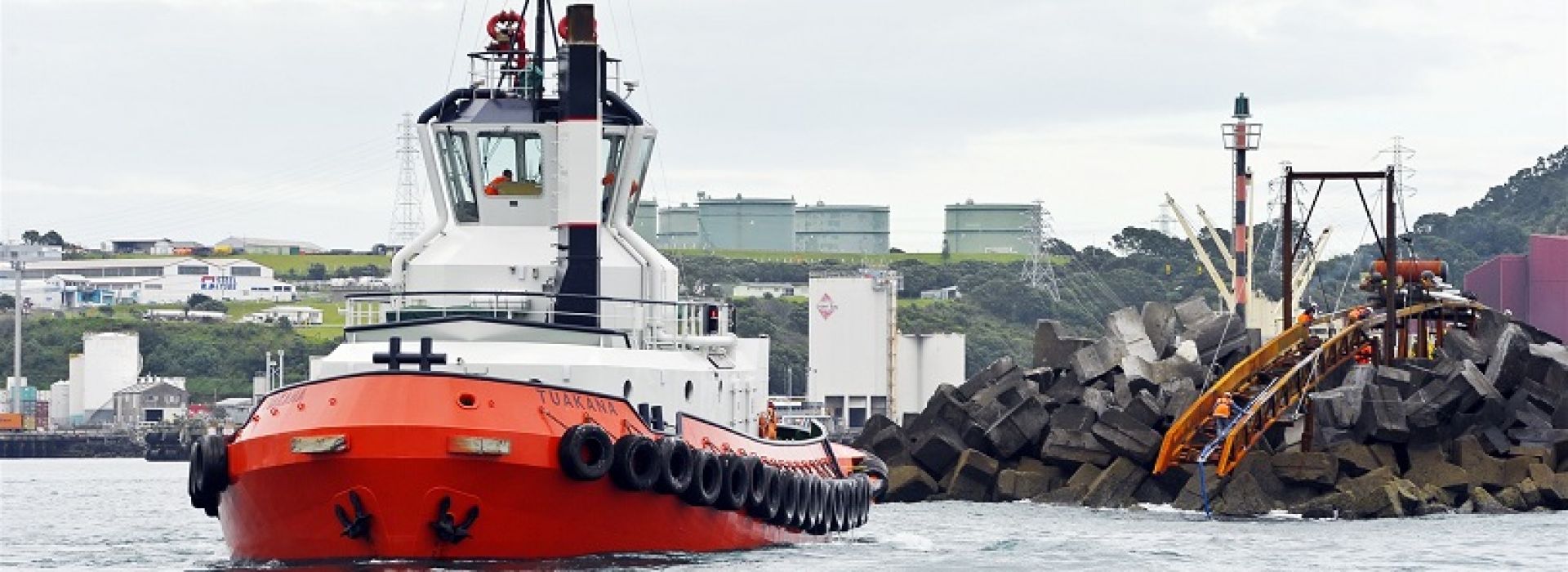
When Port Kembla Port Corporation needed to replace one of NSW's oldest jetties, we brought their vision to fruition and turned what was a liability into a world-class asset.
We constructed a new 270 m long breakwater jetty using 90,000 m3 of imported rockfill and 20,000 m3 of rock armour. Prior to commencing the works, approximately 30,000 m3 of sandy clay, stiff clay and loose rock was dredged from the harbour floor using a Cutter Suction Dredge (CSD) and pumped one km into the outer harbour.
Fast Facts
- 270 m long breakwater
- 90,000 m3 of imported rockfill
- 30,000 m3 of dredging
- 1800 m2 of asphalt paving
- Two navigation beacons installed
Brisbane River Ferry Terminals
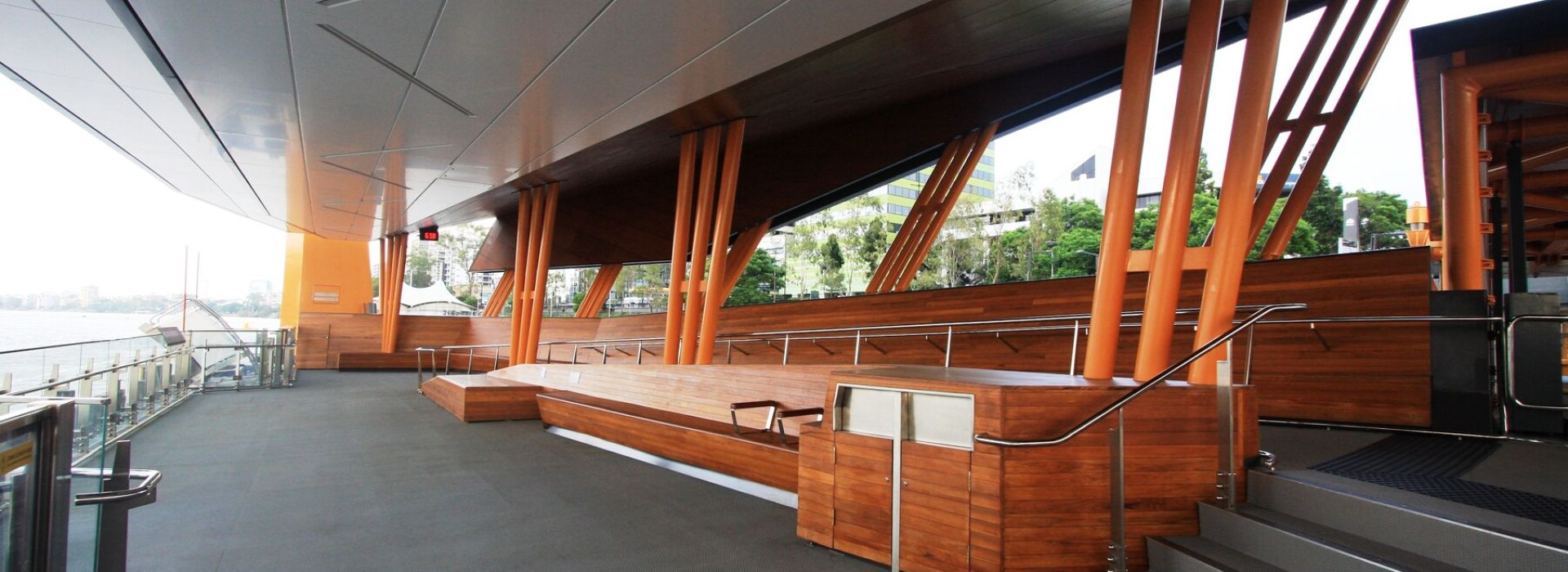
Using an innovative, flood-resilient design, we upgraded upgrade seven ferry terminals along the Brisbane River for Brisbane City Council. These replaced the orginal terminals lost or damaged in serious flooding. We also built a new terminal at Milton to service residents and workers.
The new facilities, capable of berthing two CityCat vessels simultaneously, include new covered waiting areas and access gangways, steel pontoons, and a debris deflection system.
Fast Facts
- Construction of 8 ferry terminals at 7 locations
- Zero Lost Time Injuries
- Delivered on time and on budget
- Awarded the Institute of Civil Engineers' Brunel Medal
Taharoa Buoy Relocation
Engaged by New Zealand Steel Mining, we relocated and extended a slurry line to their Single Buoy Mooring (SBM) to cater for larger vessels. The project was located in a remote, rugged west coast environment, with subsea pipelaying in 35 m deep seas, and working windows restricted due to weather.
The mine processes iron sand into a concentrate, which is stockpiled and periodically pumped via fresh water slurry to an export ship moored at the SBM 3 km offshore. Replacement of the export vessel with a new, larger capacity vessel required more sea room to manoeuvre into, and away from the SBM. Hence its relocation and the need for the pipeline extension.
Fast Facts
- 500 m pipeline extension
- 70 nm submerged pipeline tow
- Zero LTIs
Tunnelling & Underground
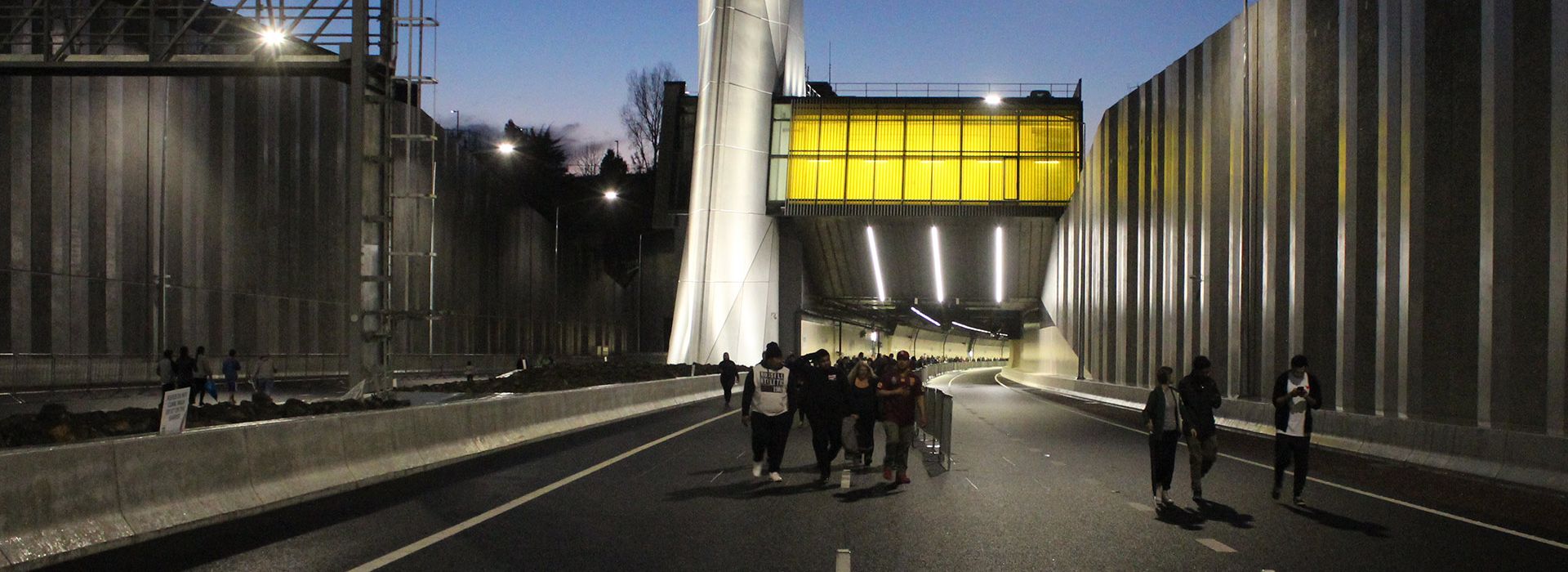
We've delivered over 160 km of tunnels, outfalls, underground stations, hydropower caverns, and underpasses; moving more than five million tonnes of earth and rock in the process.
Our creative construction approach has seen us successfully pioneer new and innovative technologies, and we are renowned for our capacity to provide fully integrated engineering and construction solutions.
Hobson Bay Tunnel Project
Sewage infrastructure upgrade to accommodate population growth
We introduced new tunnelling techniques and lining systems to New Zealand when we replaced the 90 year old sewage pipe crossing Hobson Bay on Auckland's waterfront. And we delivered it ahead of schedule.
The new tunnel increases sewerage capacity for projected population growth and prevents wastewater overflows into the bay and Waitemata Harbour basin, a popular swimming and boating spot.
Fast Facts
- 3 km long, 3.8 m dia tunnel driven 30 m below the bay floor
- Three shafts (23 m, 8 m & 10 m internal dia), approx. 35 m to 40 m deep
- Mechanical and electrical works
- Surface reticulation and connection works
- Demolition of the existing sewer pipeline
- 17 days ahead of schedule
Kidston Pumped Storage Hydro
A game-changing project for Australia's clean energy industry
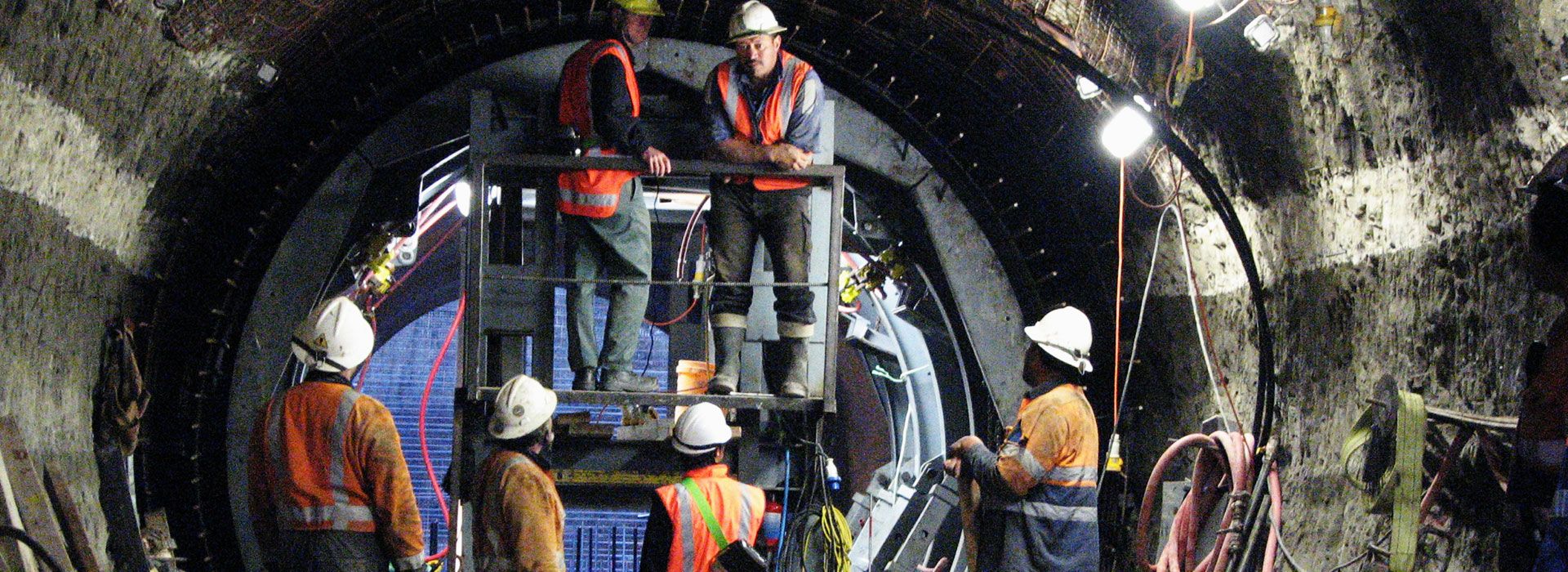
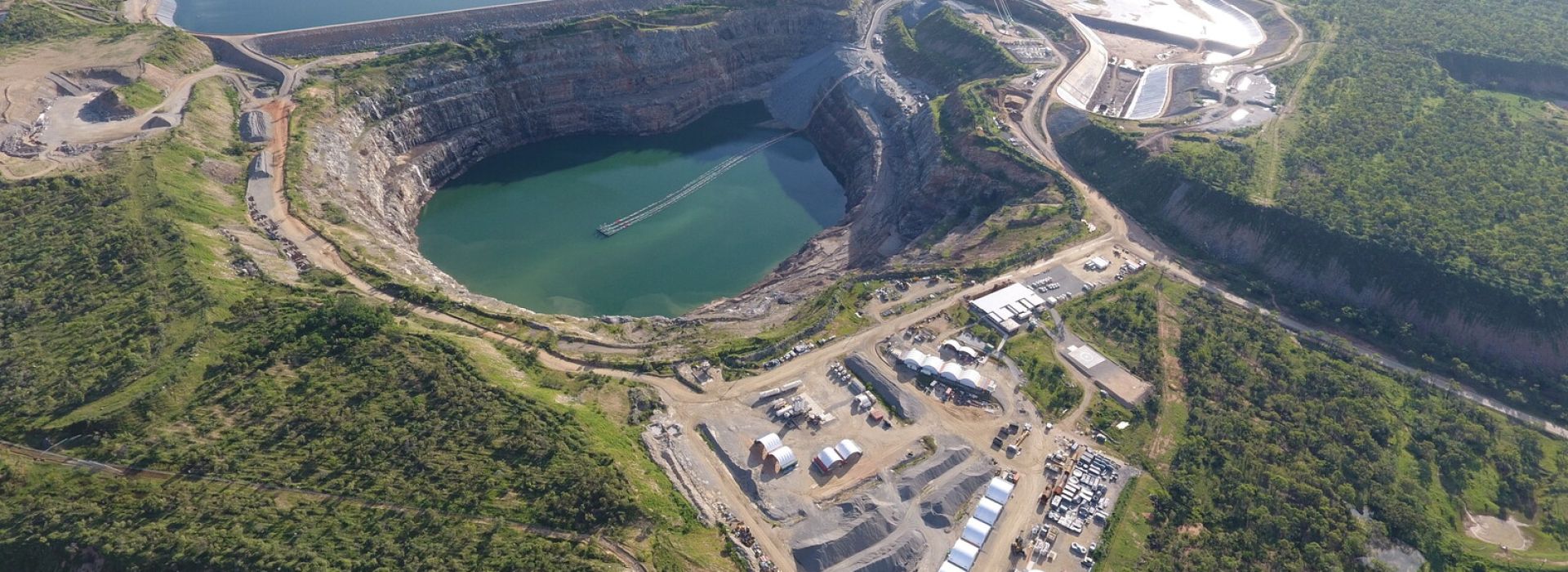
We are constructing the Kidston Pumped Storage Hydro Project in Far North Queensland - an innovative project that involves the world-first conversion of a disused gold mine into a pumped storage hydroelectric power generation facility.
This first-of-its-kind natural battery storage facility has the potential to generate up to 250 MW of rapid response (less than 30 seconds), flexible power to Australia’s National Electricity Market.
Fast Facts
- First-of-its-kind natural battery storage facility
- 250 MW of rapid response (30 seconds) renewable energy
- 4 year design development and technical optimisation leading up to construction
- 800 jobs to be created during construction
Pipelines
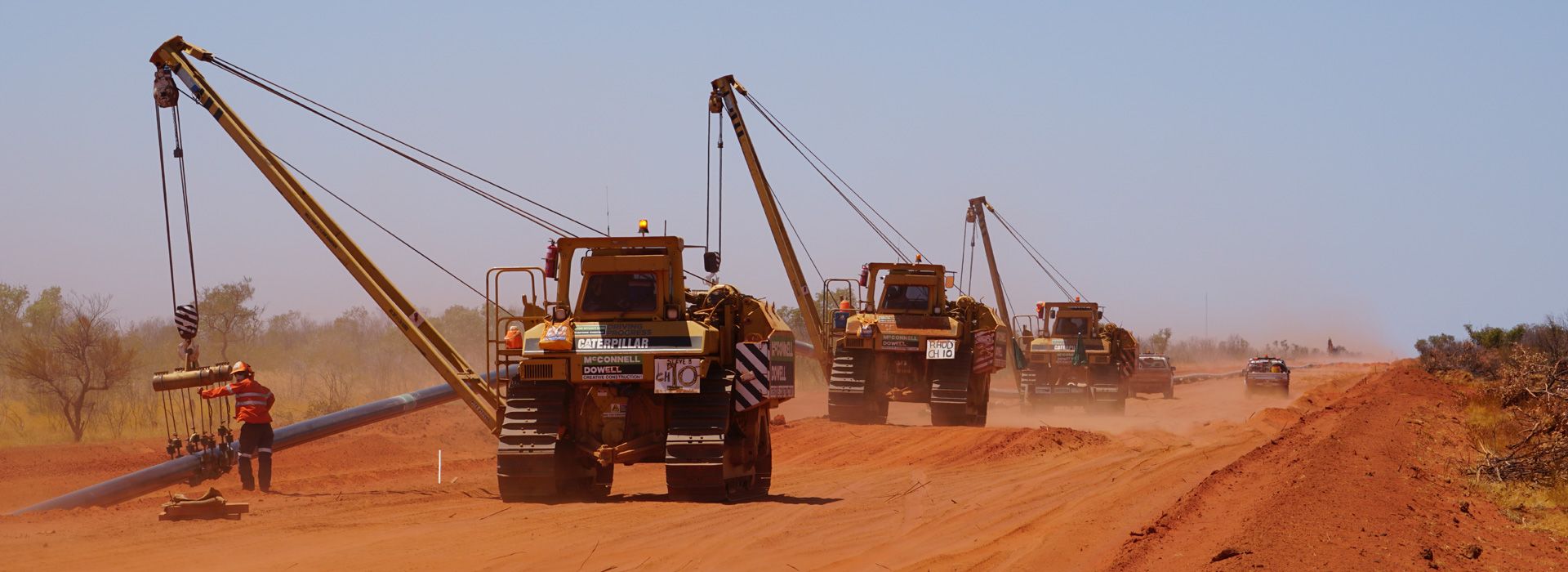
We've delivered over 20,000 km of new pipe networks.
McConnell Dowell is a leading international pipeline contractor. We have constructed over 20,000 km of new pipe networks across more than 200 projects including gas, petroleum, water and slurry pipelines. These pipelines help drive economic and social progress across Australia, New Zealand, and South East Asia.
We are experts in large diameter pipeline construction and have delivered gas pipelines up to 1300 mm (50”) in diameter and water pipelines up to 1800 mm (70”) in diameter. Our in-house specialist skills and plant enable execution of HDD, micro-tunnelling, marine pipe pulls, pipe bridges and other complex crossing solutions.
Army Bay Ocean Outfall
Record Breaking Direct Pipe Drive
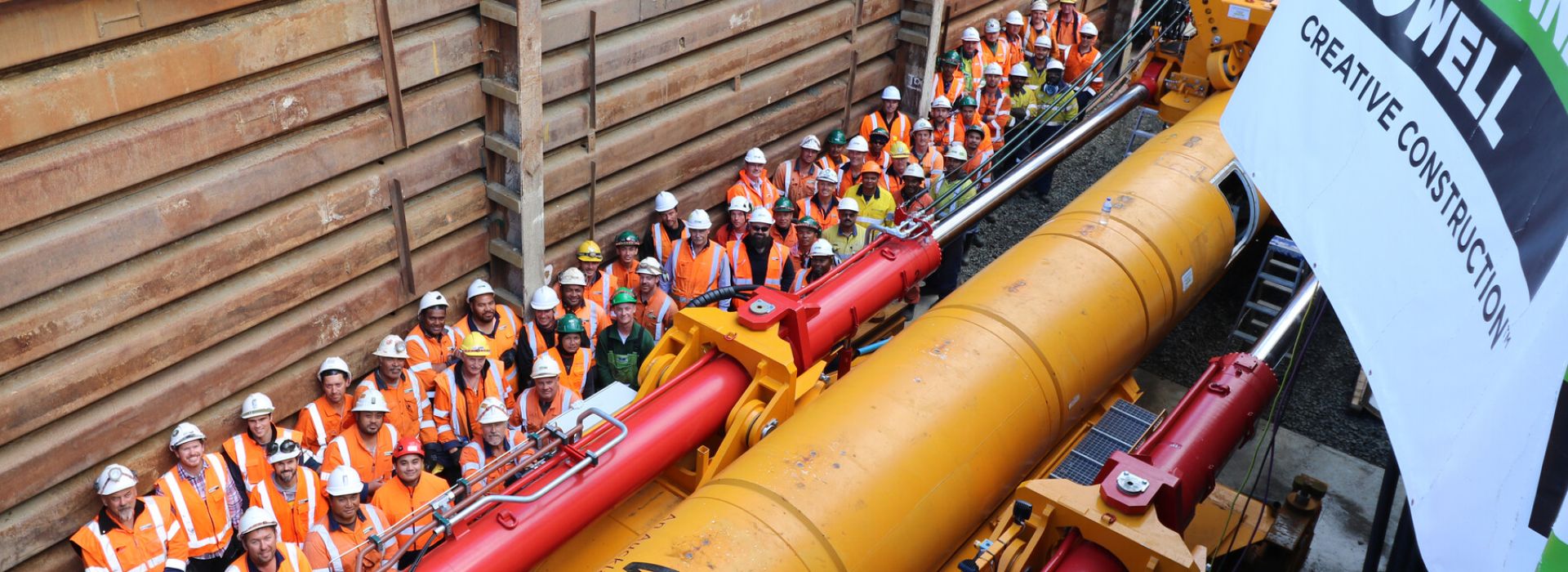
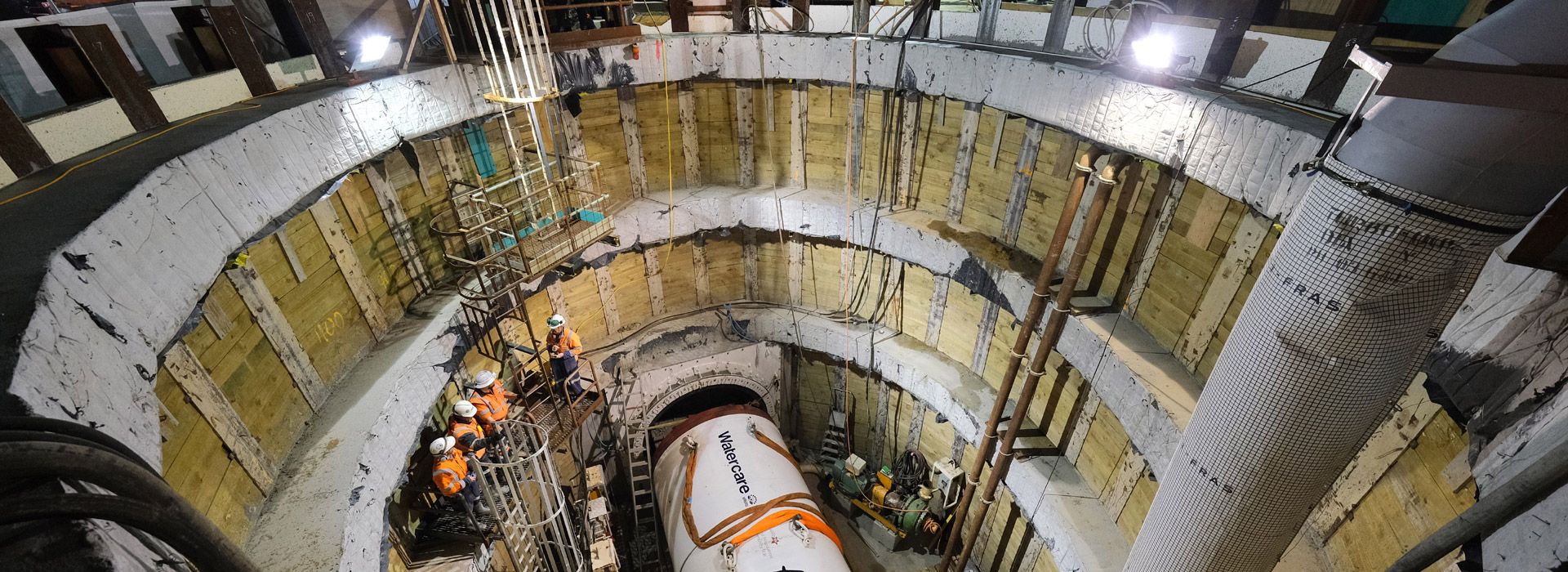
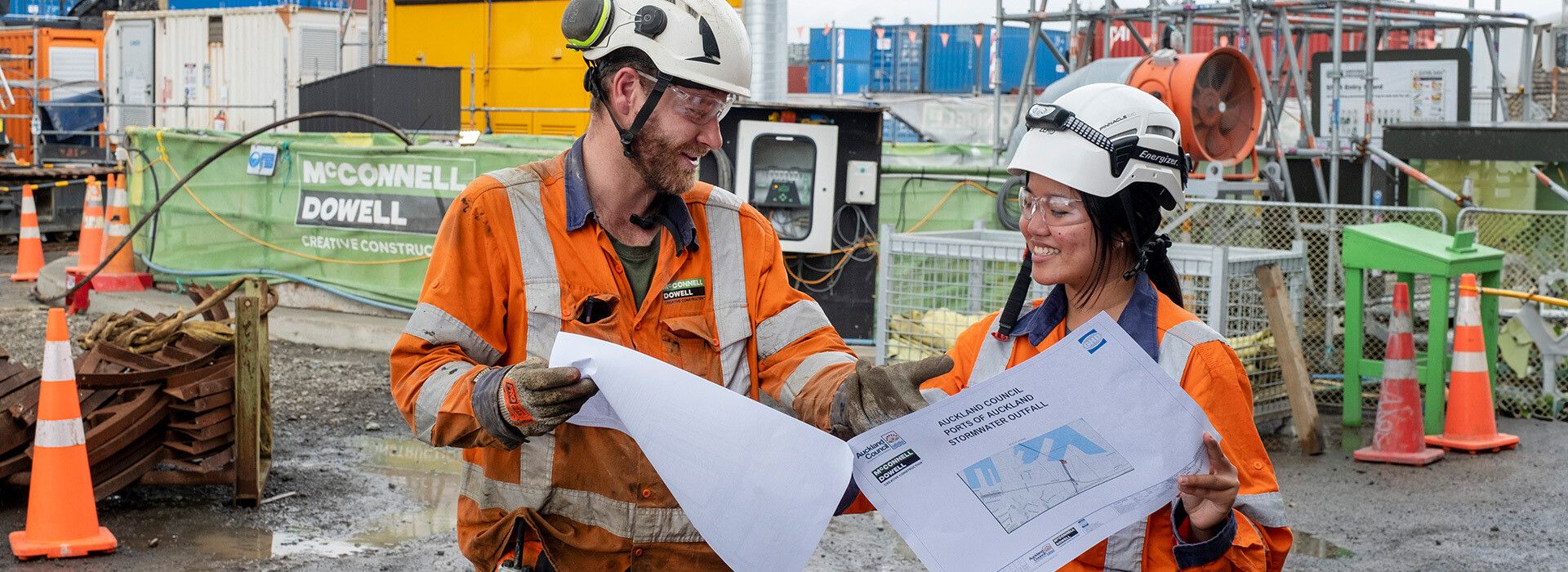
Using state-of-the-art Direct Pipe® tunnelling technology for the first time in New Zealand helped us mitigate the significant risks we faced on Watercare's Army Bay Ocean Outfall project.
They engaged us to design and construct a new wastewater outfall, upgrade an existing pump station, and build a new ultraviolet disinfection facility to increase the outfall capacity of their Army Bay Wastewater Treatment Plant at Shakespear Regional Park.
Fast Facts
- 3 km of gravity system replacement pipeline
- 1.9 km of trenchless pipeline using the Direct Pipe® system
- 1,100 mm OD HDPE liner pipe (installed within 1200mm OD steel casing)
- 900 mm OD HDPE outfall pipeline
- new UV treatment plant, including electrical controls and standby generator
- 1929 m world record for the longest Direct Pipe® drive.
Snells Algies Wastewater Pipe & Outfall
Improving wastewater infrastructure while minimising disruption
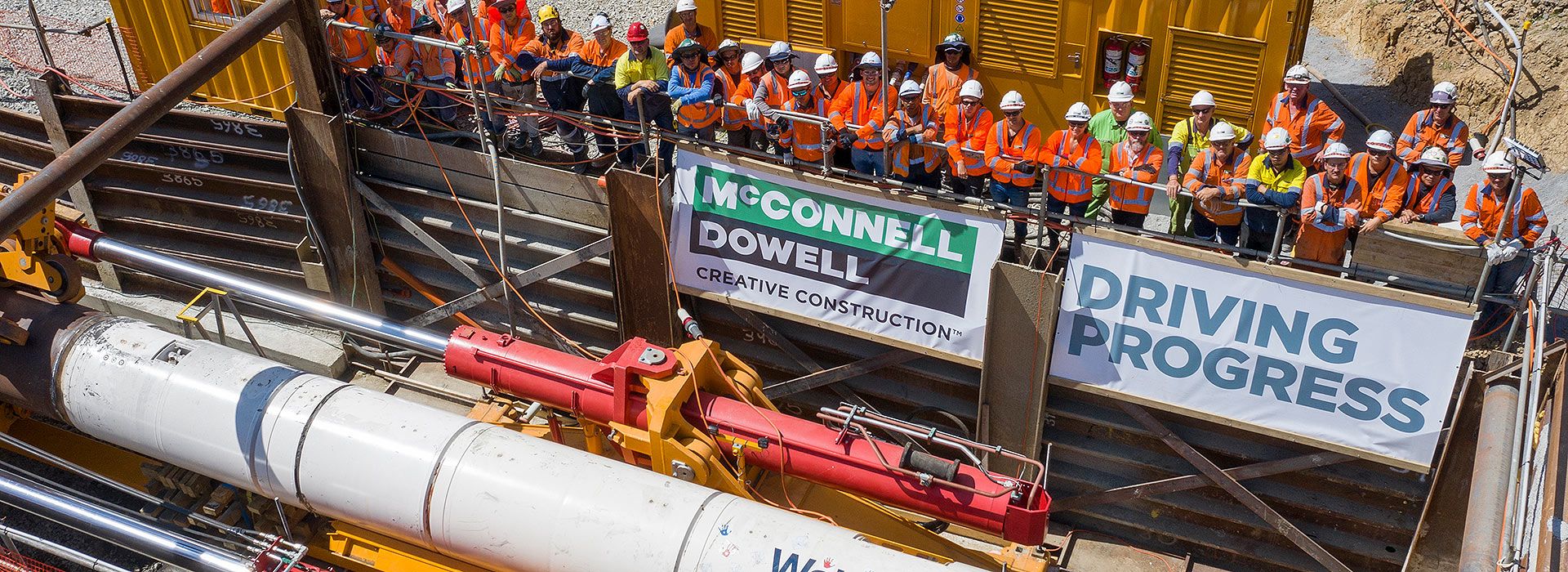
Proposing a trenchless solution to minimise disruption, Watercare Services awarded us the Snells Algies wastewater pipe and outfall construction project. It resulted in new world record - a 2021 metre long Direct Pipe® drive delivered using a micro tunnel boring machine.
The project was the first phase of a three-phased scheme to improve water quality in the Mahurangi Harbour and cater for population growth in the Warkworth and Mahurangi East communities north of Auckland.
Fast Facts
- 2021 m world record Direct Pipe® drive by MTBM
- 4.3 km of 630 mm diameter HDPE pressure/gravity main installed in open trench
- 2 km of 1.2 m diameter steel pipe installed using the Direct Pipe® system
- 230 m outfall pipeline
- 530 m of 710 mm diameter HDPE pipe using horizontal directional drilling (HDD)
- 1220 mm OD steel pipe for the Direct Pipe®, 32 mm wall thickness
Hūnua 4 Section 11
Improving and expanding Auckland's water infrastructure
We designed and constructed the final section of Auckland's biggest water pipeline project, re-routing the pipeline to minimise impacts, and completing New Zealand's longest ever pipe-jack.
The 32 km long Hūnua 4 project connects Watercare’s reservoirs in Manukau to central city water storage, improving the capacity and the resilience of the city's water network.
Fast Facts
- 3.5 km watermain tunnel, up to 30 m below ground
- 1.5 m OD diameter steel liner and 2.5 m OD diameter concrete casing
- 6 jacking and reception shafts
- 80% trenchless construction to reduce disruption
- 3 small sections trenched, only 50 to 75 m of trench open at a time
- 55 tonne Herrenkenecht TBM used
Creative Construction
Creative Construction at McConnell Dowell is the inspired engineering behind the complex infrastructure we deliver.
It's the technical problems and challenges solved behind the scenes by people empowered to think creatively and work collaboratively. It’s the alternative idea or innovation that saves time, reduces cost, makes us safer, and delivers more value.
It might not always be evident when you look at the end product, but it's there, inside every McConnell Dowell project.
Cantilever traveller - innovative temporary works
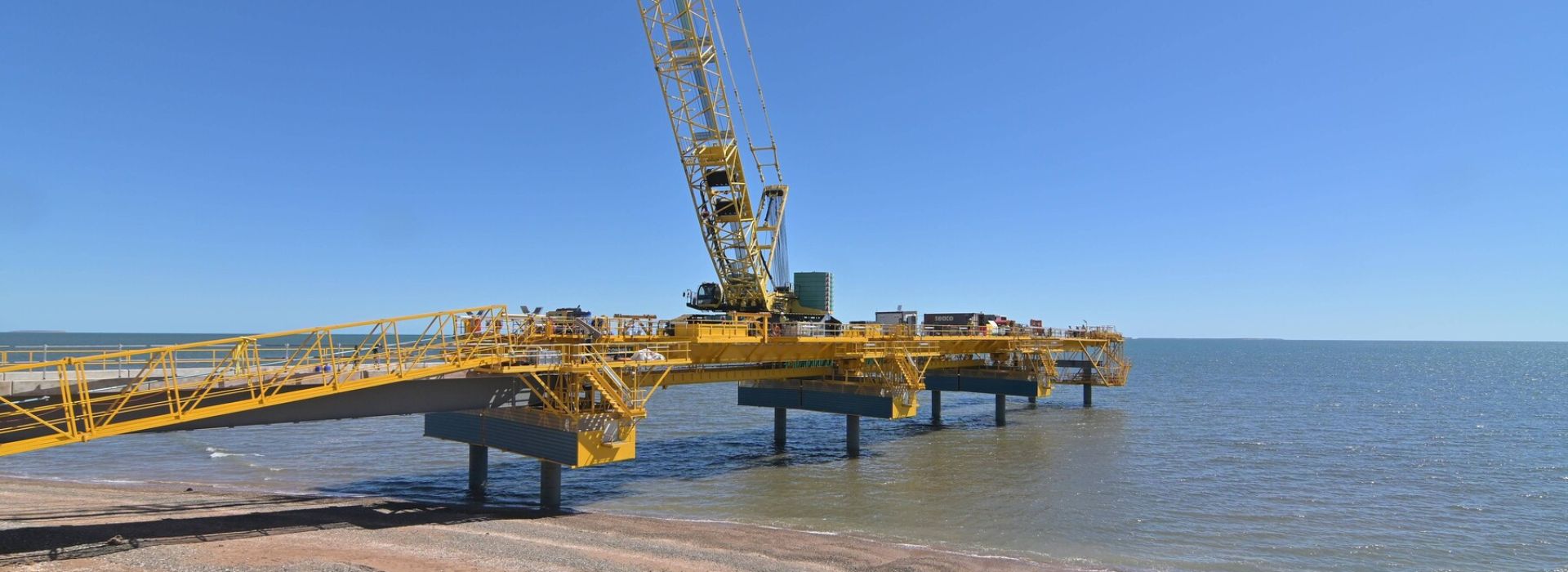
Our 'Canti-Traveller' is a purpose-built temporary mobile platform that facilitates fast, safe, low-impact construction of piled marine jetties and piers.
The innovative system, designed and fabricated by our in-house team, provides a platform for progressively installing new piles, propelling itself along the new jetty alignment using hydraulics.
A piling gate fixed to the front of the Traveller allows pitching and driving of piles in a vertical position. If required it can be used to install raking piles using the gate’s hydraulics. The piling gate also provides a working platform for cutting piles and welding headstocks. Bent spacing can extend to 27 m, and it has a system for changing direction. The traveller supports a 450 tonne crawler crane, if required.
One of the primary advantages of the Canti-Traveller is its minimal ecological impact, not touching the earth except for the permanent piles it both drives and sits atop. Removing the need for marine-borne plant, it also operates independently of marine conditions, offering significant program and cost certainty. This makes the Canti-traveller particularly effective in design and construct projects where the program can be optimized for maximum efficiency.
We have a proven track record of successful installations in environmentally sensitive areas and a reputation for delivering safe, efficient, marine solutions for our customers. The Canti-Traveller reinforces our leadership in marine innovation and construction.
Click on the video to see the Canti-Traveller in action (Hint: It's yellow!). Click here for a more detailed specification.
Bringing gaming technology to marine construction
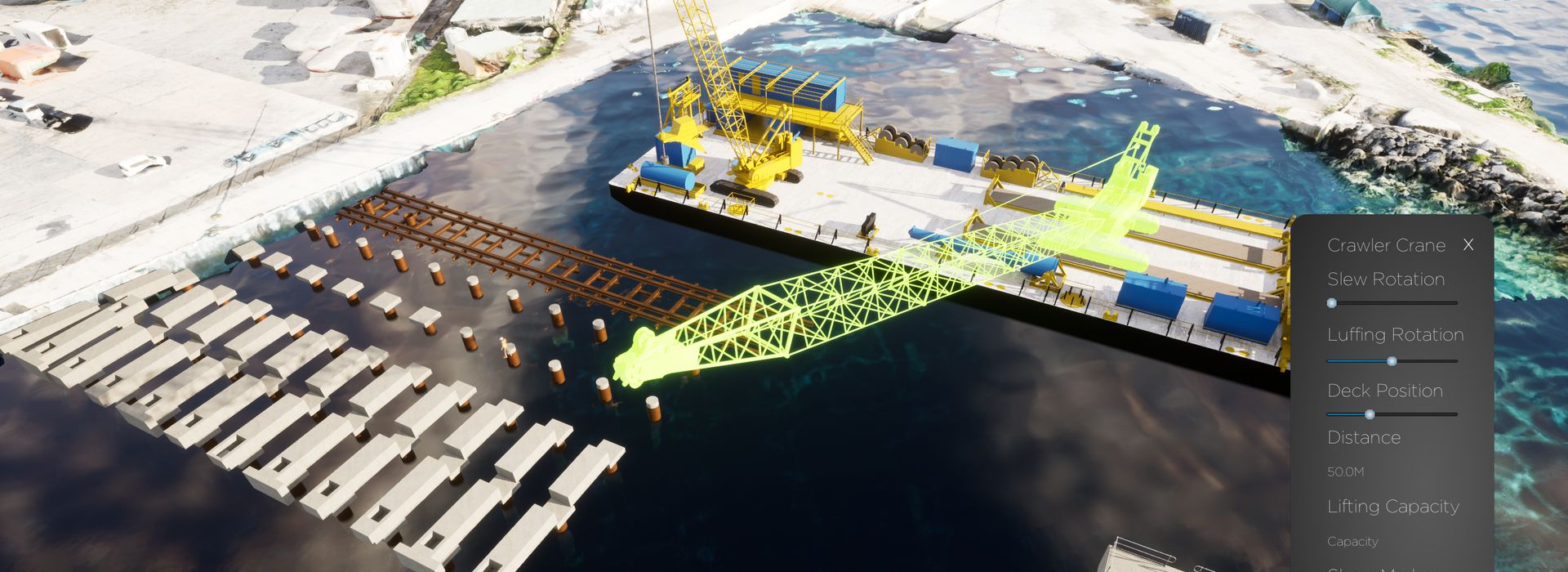
Our digital engineering team are experts at building applications using 'Unreal Engine' - one of the world's most advanced 3D graphics game engines.
We've used Unreal to develop a traffic simulation tool to test temporary traffic management schemes before rollout, and simulated construction works in an operational airport with AI driven crowd behaviours.
The team's most recent application is a powerful marine construction simulator - fully developed in-house. The simulator combines intelligent 3D plant models and reality capture data to accurately place marine plant in a virtual environment and replicate its real-world capabilities.
The tool enables our teams to simulate methodologies and iterate the positioning of plant and equipment around the design models. This is all done in a realistic environment with features such as accurate bathymetric data, reality capture point-cloud models, and real-world tide levels.
The permanent works build sequence can be tested to ensure we avoid clashes during construction. Plant and equipment is programmed with its real-world performance and dynamic constraints to enable equipment limitations to be established and enabling features such as crane hook capacity to be determined in real-time.
We are leading the industry in simulation - identifying and mitigating constructability issues during the design phase, driving program and cost certainty for our customers.

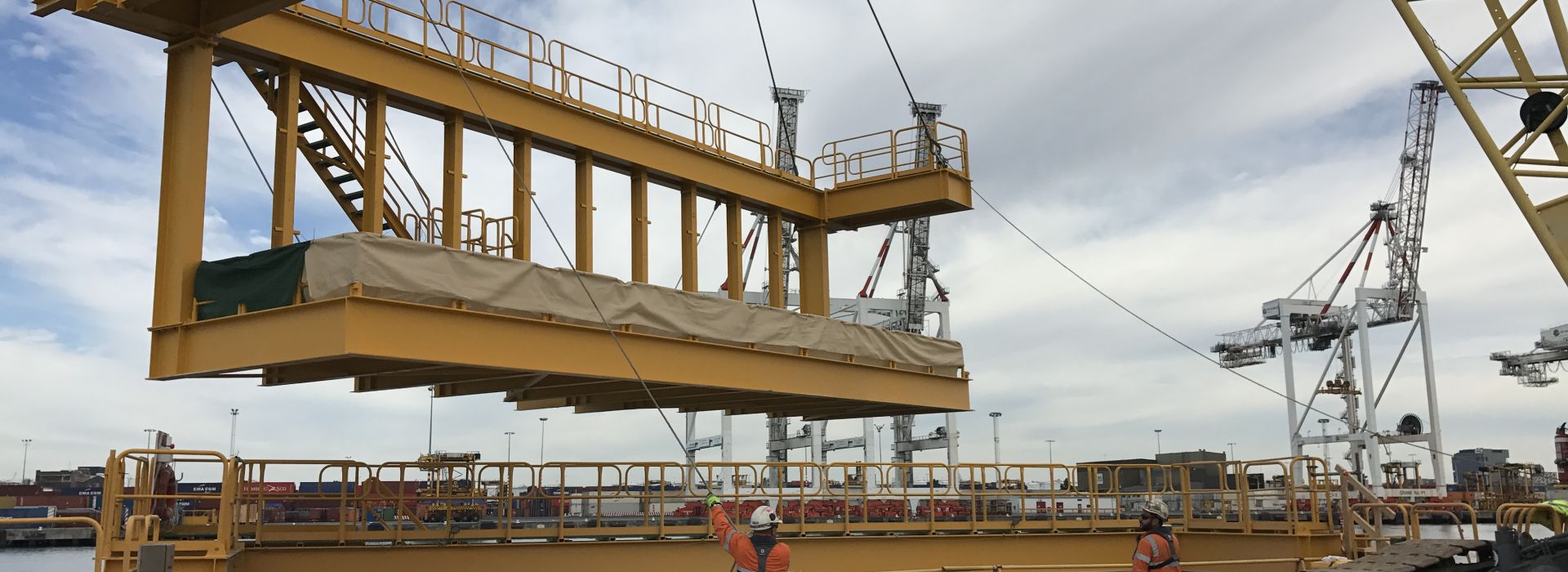
Award-winning innovation for safer working over water
In marine environments, where the margin for error is razor-thin, temporary works aren’t mere enablers—they’re foundational to safe, efficient delivery.
Take the Swanson Dock upgrade at the Port of Melbourne. Our temporary works team engineered an innovative fender access platform, earning the a WorkSafe Victoria award for “Best Solution to a Specific Workplace Health and Safety Issue”
Here’s what set it apart:
- Comprehensive access with one setup – The platform spanned 15 × 4 m and included removable mid‑level decks, enabling seamless access to all faces of the fender beams—front, soffit, and rear—for hydro-demolition, rebar replacement, and gunite spraying.
- Spatial efficiency in live operations – Designed to work within a daily operation window on the busiest container terminal in Australia, the platform kept works tightly within a small footprint.
- Reusability factors in long-term value – Not a one-off rig—it was engineered to be reusable for future fender rehabilitation works, reducing waste and delivering cost efficiencies over time.
- Award-level impact – The solution directly addressed specific HSE risks of working over water, giving our crews a safer, more controlled environment to complete high-risk tasks without compromise.
Why Temporary Works Matter
-
Prioritising safety at early design stages – Proactively engineering safe access platforms significantly diminishes risk in live marine settings.
-
Driving productivity through better access – Easier, safer access means faster cycle times and fewer quay-side delays.
-
Enabling precise engineering works – Demolition, rebar placement, and spraying all demand stable, safe working environments—temporary works deliver just that.
-
Promoting sustainability and reuse – Modular, reusable temporary works not only save time but also cut embodied carbon across projects.
By spotlighting temporary works as a core part of project delivery—not an afterthought—we’re reshaping how marine construction tackles safety, efficiency, and sustainability.
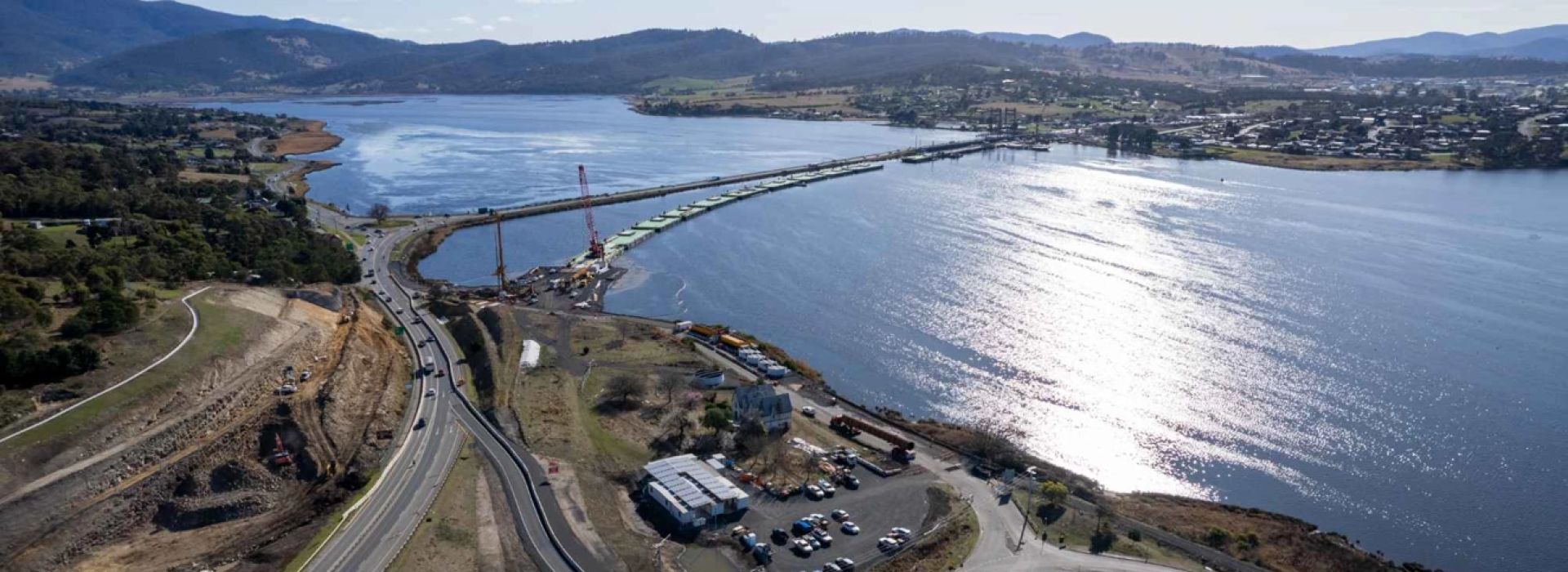
Linked barges to minimise environmental impact
Our marine engineering specialists are always on the lookout for ways to minimise the impact of our works on sensitive environments, and a recent example comes from the New Bridgewater Bridge Project in Tasmania.
The project involves a new 1,300 m long bridge built across the River Derwent. The bridge is being erected from a temporary access platform, which crosses shallow tidal mudflats that have significant environmental, cultural and heritage importance. The temporary access platform allows continuous access for delivery and lifting of segments along the bridge alignment
The initial design for the temporary access platform included piles, but this approach was deemed to have significant environmental, cost and program impacts.
So an alternate and innovative construction methodology was developed by our marine specialists.
While the shallow tidal mudflats prevented the use of floating crane barges, interconnected barges placed on the seabed form the basis of the solution.
Standard (flat-top, 55 m long) barges have been floated into position at high tide, trimmed and ballasted down onto the mud flats. The barges are connected using specifically designed link bridges, allowing movement of equipment over a total length of about 800 m.
The innovative design caters for critical issues such as differential settlement of the very soft muds under cyclic loads; dynamic lifting loads; and load sharing between barges. Specific lift plans have been developed to address key risks during erection.
The linked barges design provides a safe and cost-effective solution while minimising the impact of construction activities on the environmentally sensitive mudflats. After the barges have been removed the mudflats are expected to recover completely. The barges and link bridges can also be re-used on other marine projects, unlike the original piled solution.

Reconciliation Action Plan
McConnell Dowell is committed to reconciliation in Australia
Our vision is for the construction industry and the communities in which we work to develop stronger and deeper relationships between Aboriginal and Torres Strait Islander peoples and non-Indigenous peoples for the benefit of all Australians.
Together, we strive to achieve a shared future that is inclusive and equitable for all Australians.
Closing text - with contacts and Video
Summary
Thank you for taking an interest in McConnell Dowell's skills, capabilities and approach. Additional information is available on our website, including additional project case studies.
Contact us through the link(s) at the bottom for advice or assistance with your project.
Contacts
Jan Matthé
Group Technical Director - Ports & Coastal
M: +65 9030 0989
jan.matthe@mcdgroup.com LinkedIn