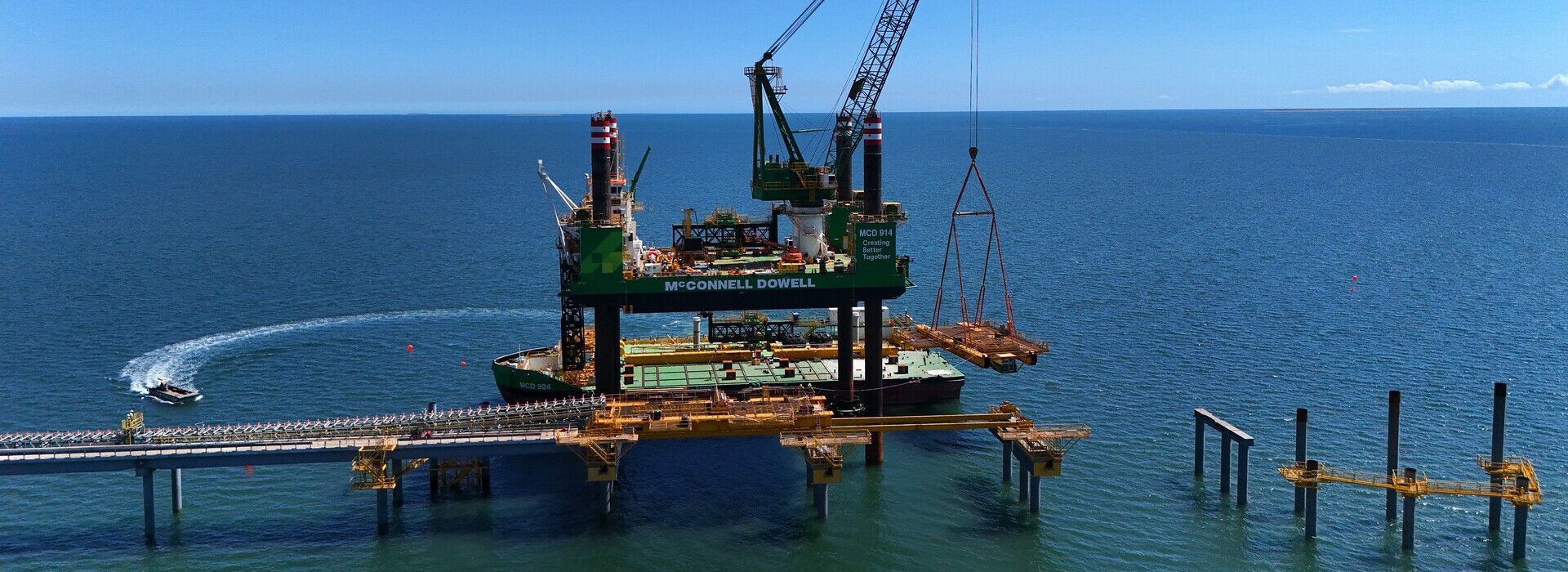
Capability Statement
Prepared for Fremantle Ports
May 2026
Introduction - Recruitment
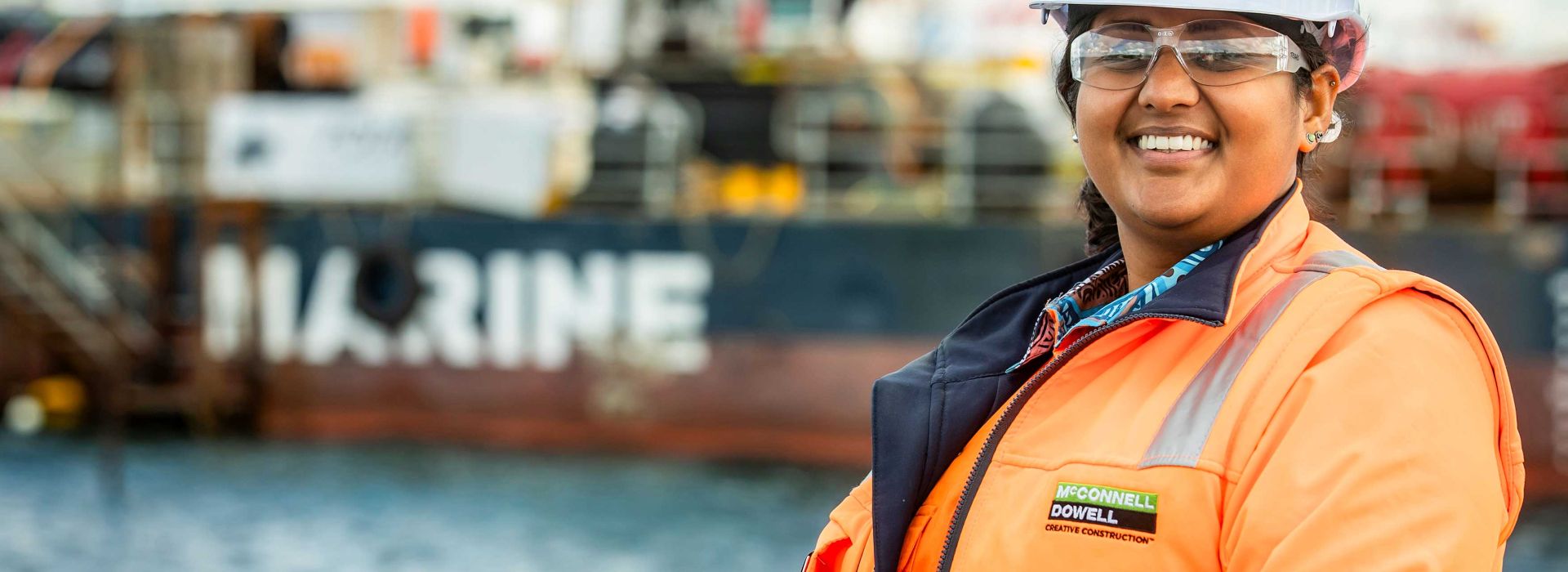
Thank you for considering McConnell Dowell. This short capability statement explains a bit more about the benefits of working with us and showcases our capabilities and some of the interesting projects we deliver.
Safety
We never compromise on safety.
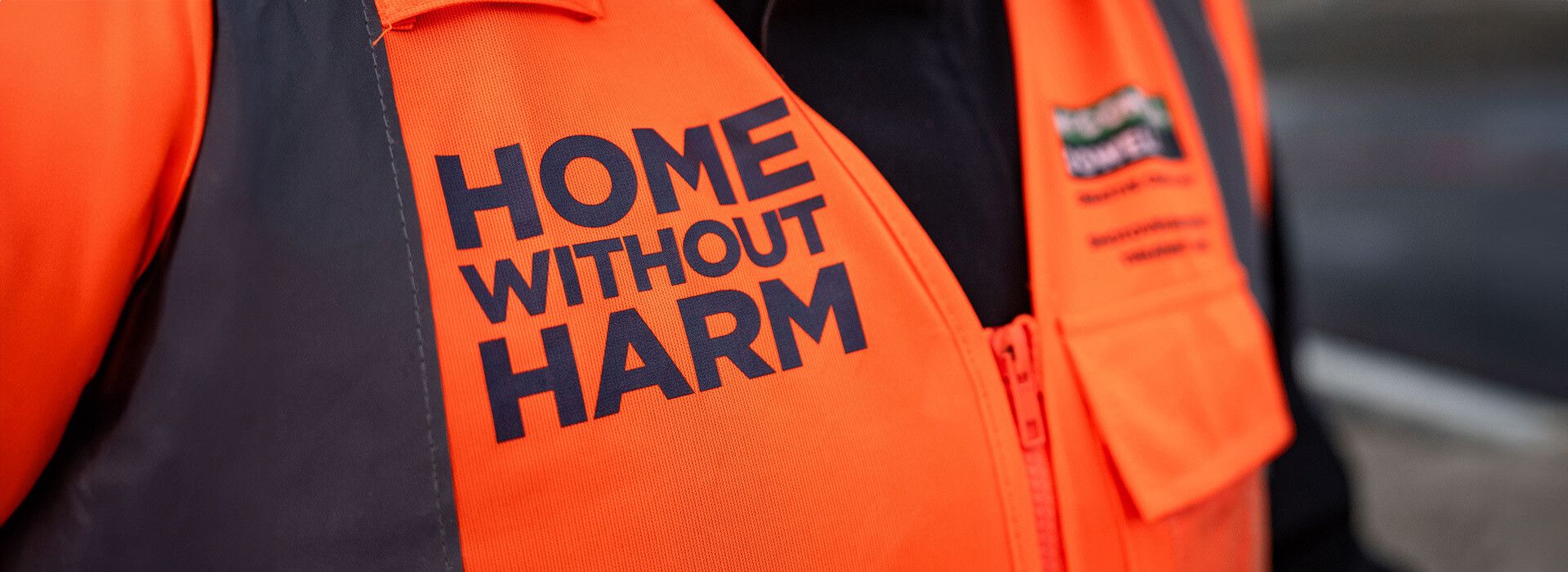
We foster our 'Home Without Harm' safety culture through robust processes, effective systems, and by recognising and rewarding safe behaviours.
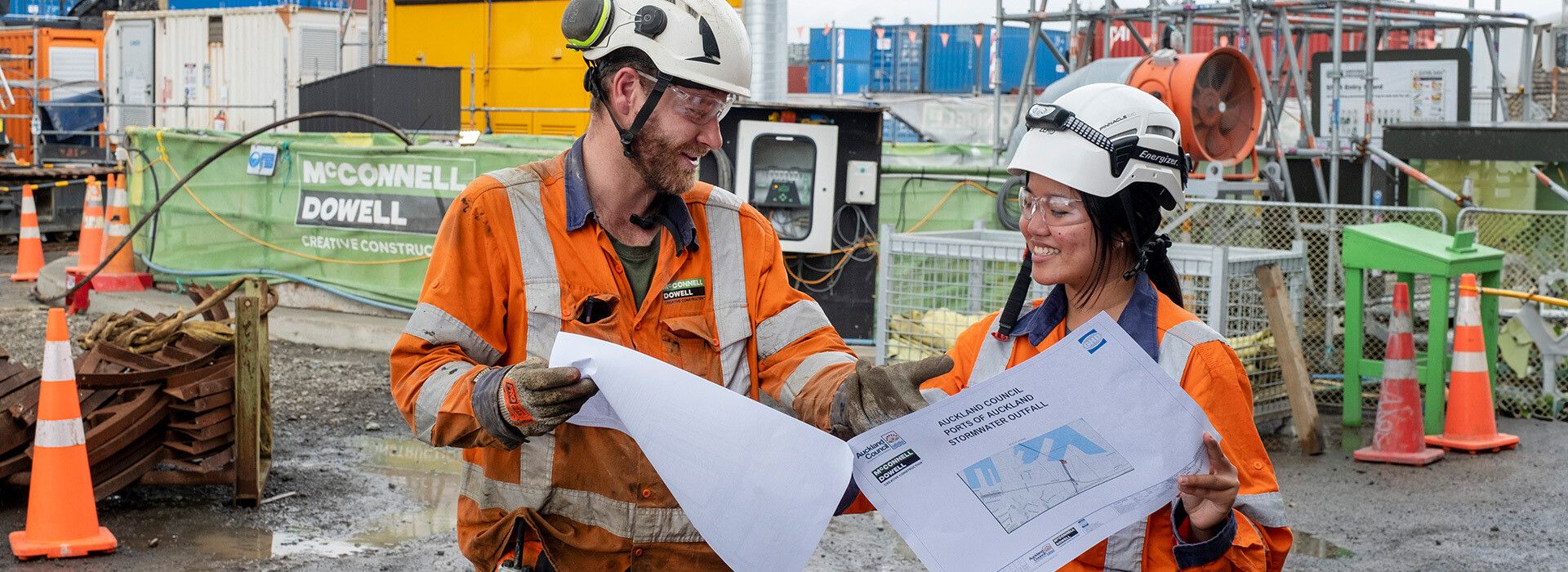
Our Site Safety Managers are always on our project leadership teams, ensuring safety is prioritised in all site activities. Every team member has clear safety responsibilities, aimed at protecting themselves, their colleagues, and the community.
We're also leading our industry in the adoption of new safety technologies, like virtual reality plant simulators and AI-enabled blind spot elimination. Check out the case studies below for more information.
Underpinning it all are our Safety Golden Rules. Built on our long-term collective knowledge and learnings, they are specifically targeted at preventing fatalities and serious injuries.


Mardie Salt & Potash Marine Structures
Delivering new marine facilities to grow Australian exports
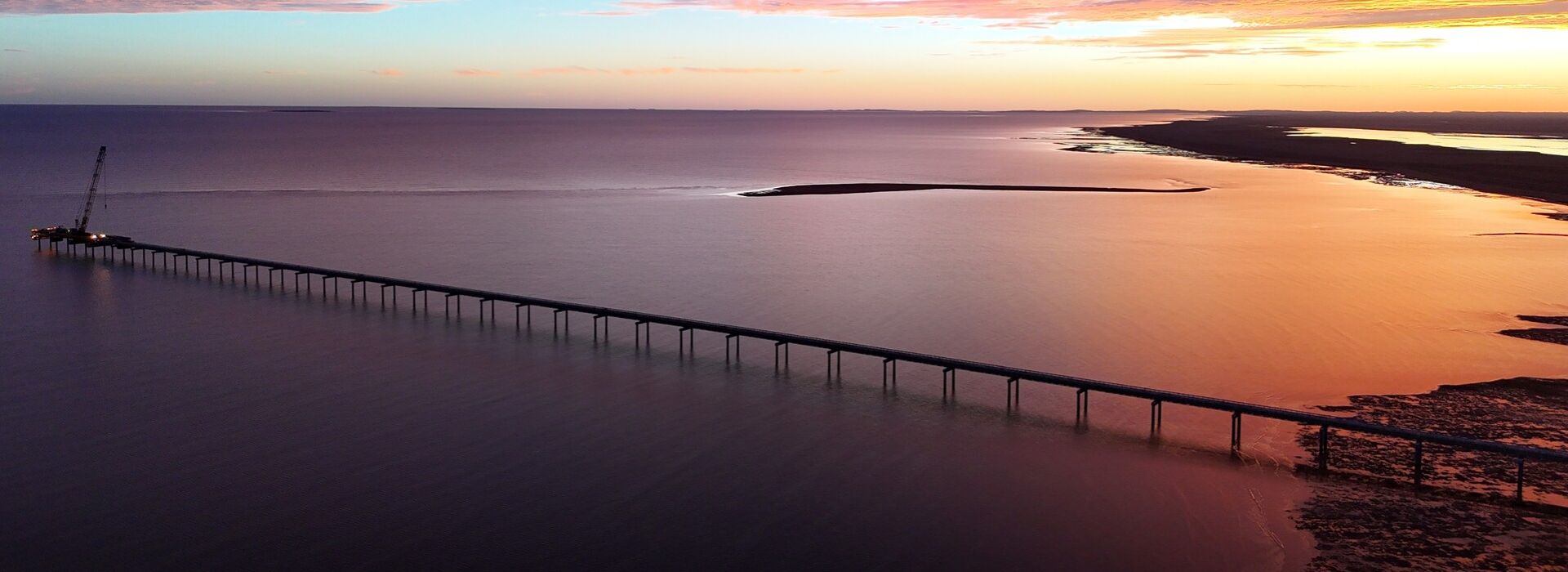
We designed and constructed the marine structures for BCI Minerals’ Mardie Salt & Potash Project in Western Australia, using our innovative canti-traveller system for speed and low impact delivery.
The 'Mardie' Project is a large-scale, solar evaporation operation on the Pilbara coast. Capacity of the completed facility is estimated to be 5.35 million tonnes per annum of high purity salt and 140,000 tonnes per annum of sulphate of potash, over an operating life of at least 60 years.
Fast Facts
- 2.4 km long jetty with berthing and mooring dolphins
- 200 steel piles, up to 30 metres long
- 100 m of jetty completed every 10 days using innovative canti-traveller system
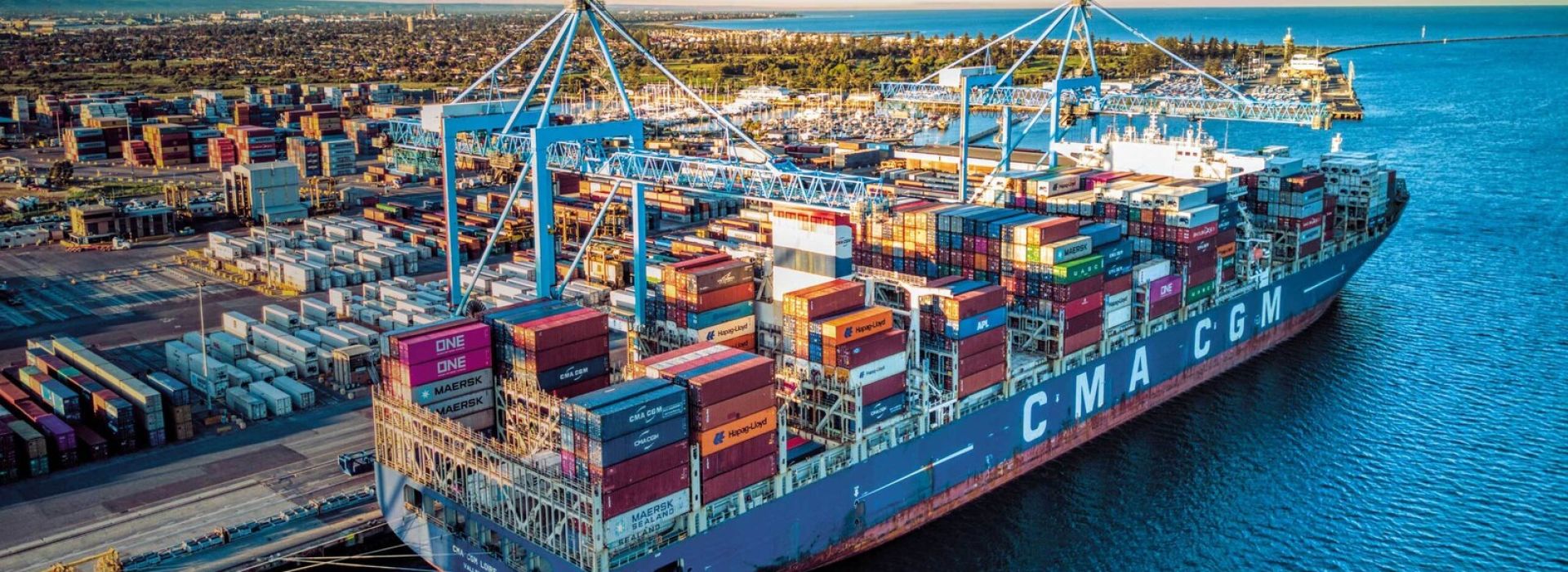
Outer Harbour Berth 6 Extension
Increasing container port capacity in South Australia
After a 6-month Early Contractor Involvement process, we're now delivering a berth extension and remediation works at the Flinders Adelaide Container Terminal (FACT) — South Australia’s only container terminal.
Our works form part of Flinders Port Holdings’ (FPH) A$350 million GatewaySA Program, a multi-year initiative designed to increase capacity, efficiency and sustainability across the terminal.
Fast Facts
- 135 m berth extension
- Quay-line extention and strutural remediation
- Site-wide services, hardstands and access road upgrades.
Roy Hill Iron Ore Project (Marine Works)
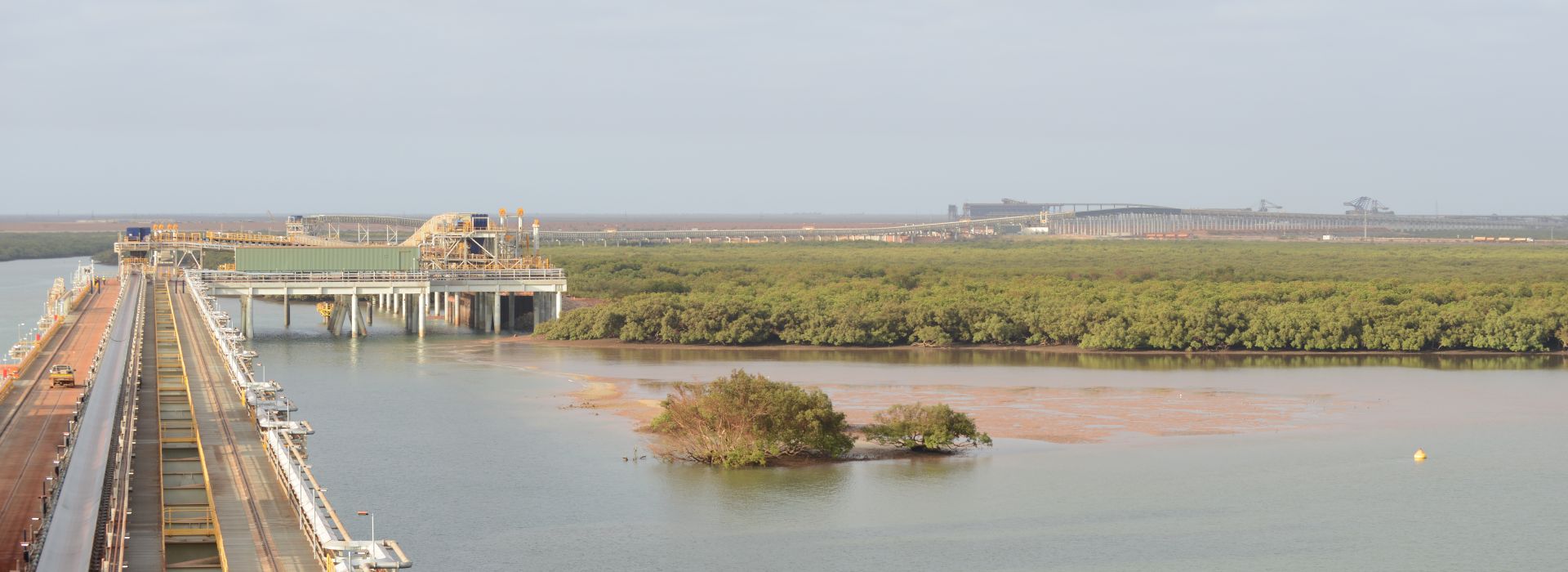
As part of the $10 billion Roy Hill Iron Ore project, we designed and constructed the Stanley Point Iron Ore Terminal at Port Hedland. We used substantial prefabrication and our innovative temporary works system for low impact, high productivity construction.
Our scope consisted of a two berth iron ore load out wharf, connected with a 3600 m long elevated road and overland conveyor to the ore stockyard. In addition to the wharf and the overland conveyor, we delivered an abutment, drive stations, three transfer stations and all SMPE&I works.
Fast Facts
- Two berth load out wharf
- 800 m long wharves
- 30,000 T design and supply steelwork
- 4.5 km of conveyor steelwork
- 3,600 m elevated road and conveyor
- Prefabrication to increase safety and savings to client
Shiploader and Berth Replacement, Hay Point
Improving throughput and cyclonic wave immunity
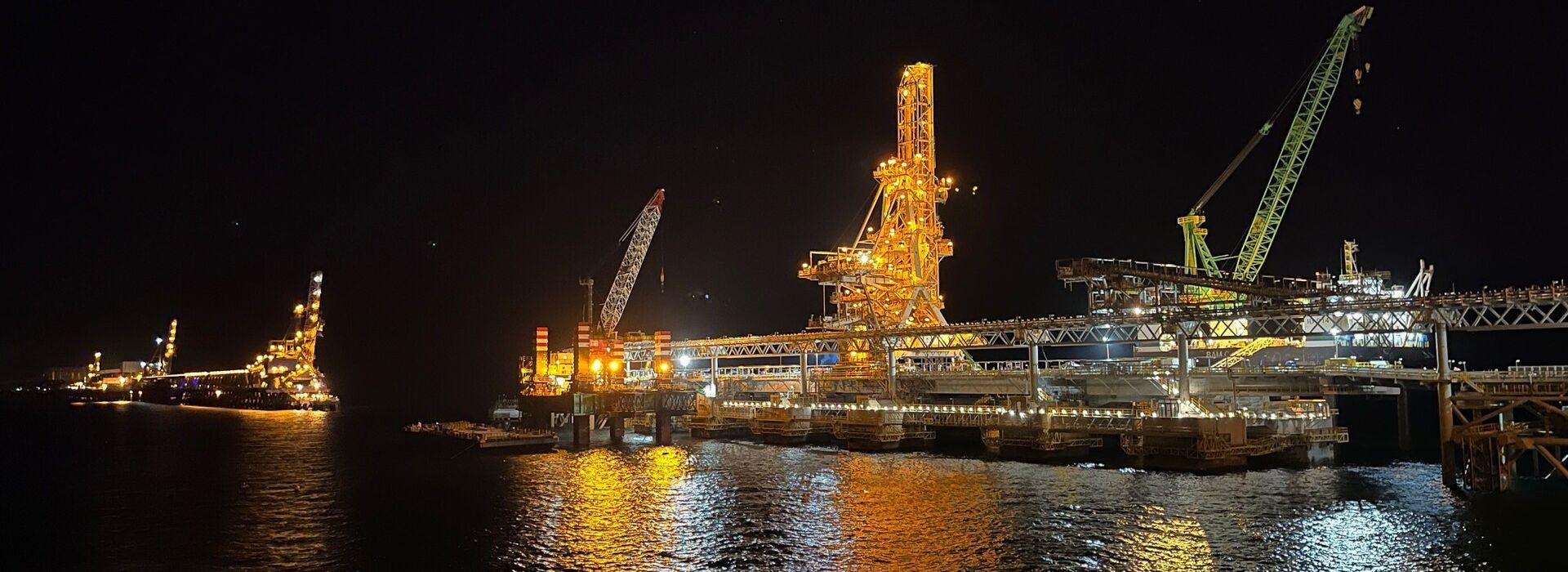
We completed the main berth construction scope for BHP Mitsubishi Alliance's (BMA) SABR Project, using the Early Contractor Involvement process to develop a number of innovations.
SABR, short for 'Shiploader and Berth 2 Replacement', was a brownfields project located within the lease boundaries of BMA's existing Hay Point Coal Terminal near Mackay, Queensland. It included the disassembly and replacement of one of the existing shiploaders and berths to improve materials handling throughput and cyclonic wave immunity.
Fast Facts
- Off-site fabrication of new berth topside modules
- On-site preparatory works including modification of existing concrete caisson berth foundations
- Disassembly and removal of existing berth and ship loader
- Installation of new berth modules, tie-in and commissioning
- Installation of new ship loader.
Swanson Dock East Berths 1 & 2 Rehabilitation
Collaborative Approach, Safety Focus, and Minimising Disruptions in Port Rehabilitation Project
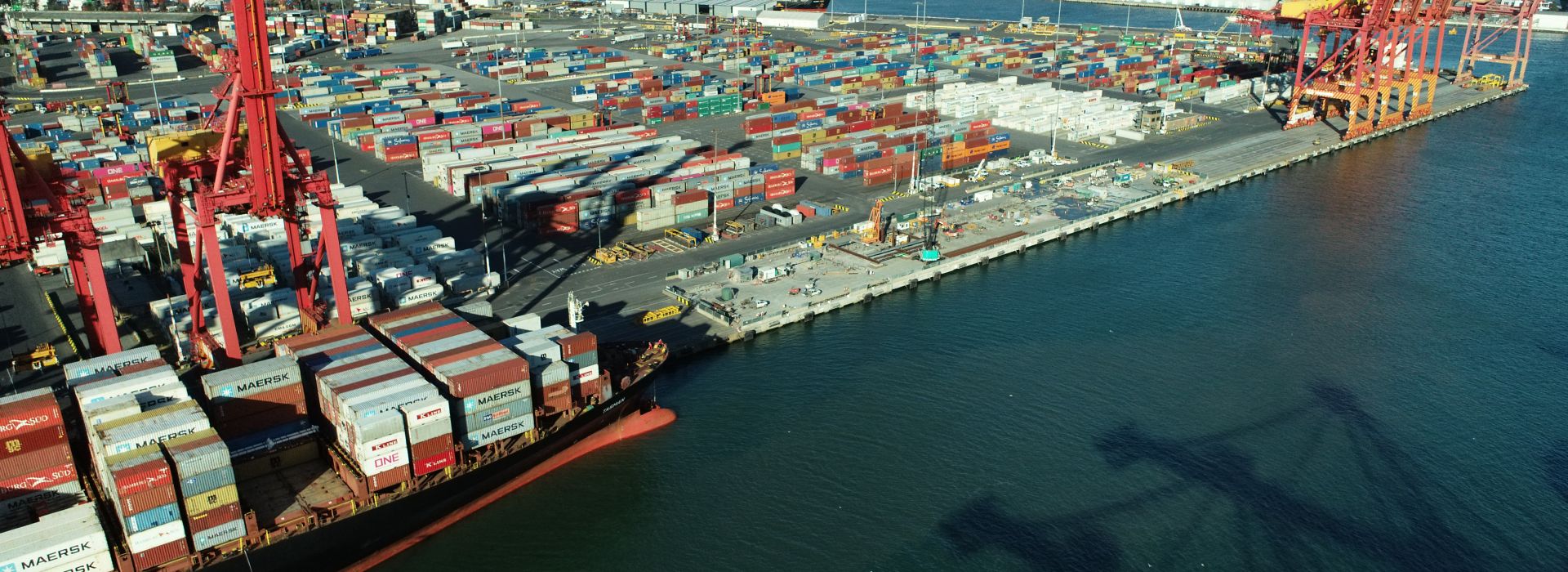
Working in collaboration with the Port of Melbourne, we successfully completed four contracts at Swanson Dock between 2017 and 2020.
After completing the award winning Port Capacity Project, we continued our partnership with Port of Melbourne with a series of smaller contracts to rehabilitate the iconic Swanson Dock - the heart of Australia's busiest container terminal.
Fast Facts
- Multiple projects successfully completed without disrupting port operations
- 412 piles driven
- 570 tonnes of reinforcement used
- 3,600 m2 of new wharf deck laid
Swanson Dock West remediation
We recently completed Stage 1 of the Swanson Dock West Remediation, and are now delivering Stage 2. This is our sixth project for Port of Melbourne since 2017.
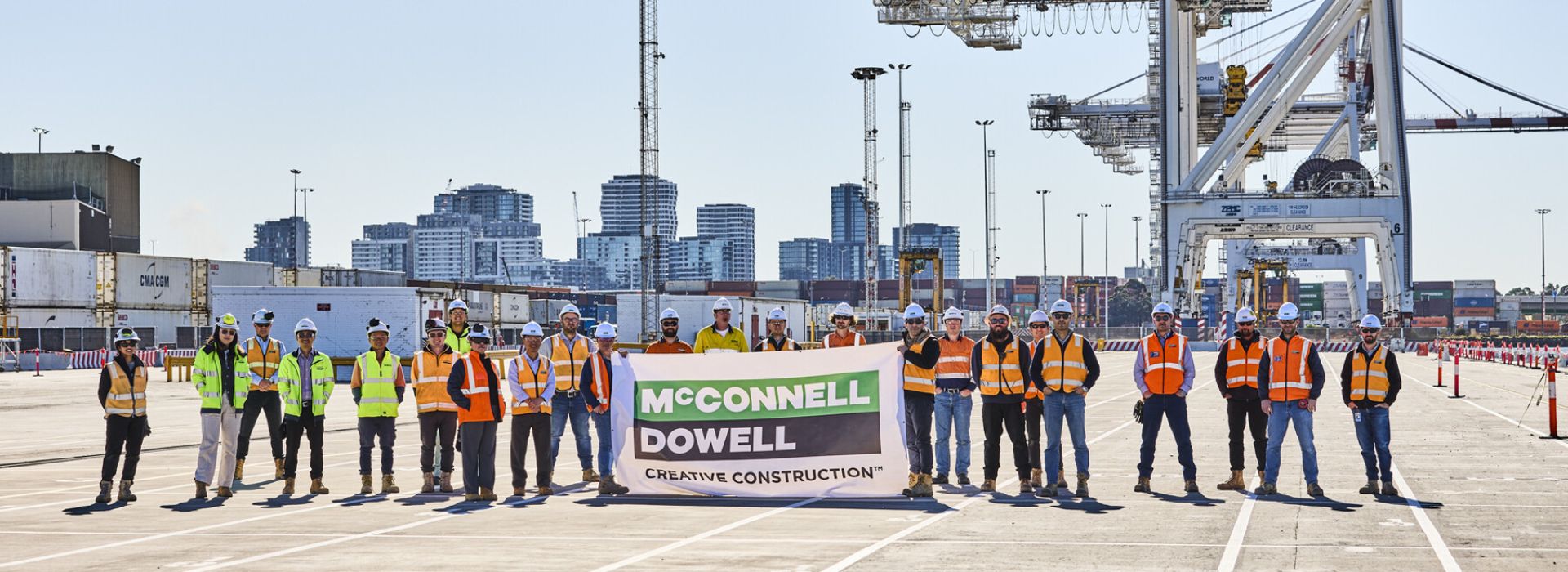
Swanson Dock West (SDW) is a critical International Container Terminal comprising of a 944 m wharf with three container-handling berths, which were constructed in several stages between the 1960s and 1980s. The existing wharf is of varying forms of construction and some sections are close to or beyond the typical design life of 30 years. As a result, major remediation was needed.
Fast Facts
- A three-staged wharf remediation project
- McConnell Dowell's sixth project for this customer since 2017
- Works programmed around operational wharf
Creative Construction
Creative Construction at McConnell Dowell is the inspired engineering behind the complex infrastructure we deliver.
It's the technical problems and challenges solved behind the scenes by people empowered to think creatively and work collaboratively. It’s the alternative idea or innovation that saves time, reduces cost, makes us safer, and delivers more value.
It might not always be evident when you look at the end product, but it's there, inside every McConnell Dowell project.
Cantilever traveller - innovative temporary works
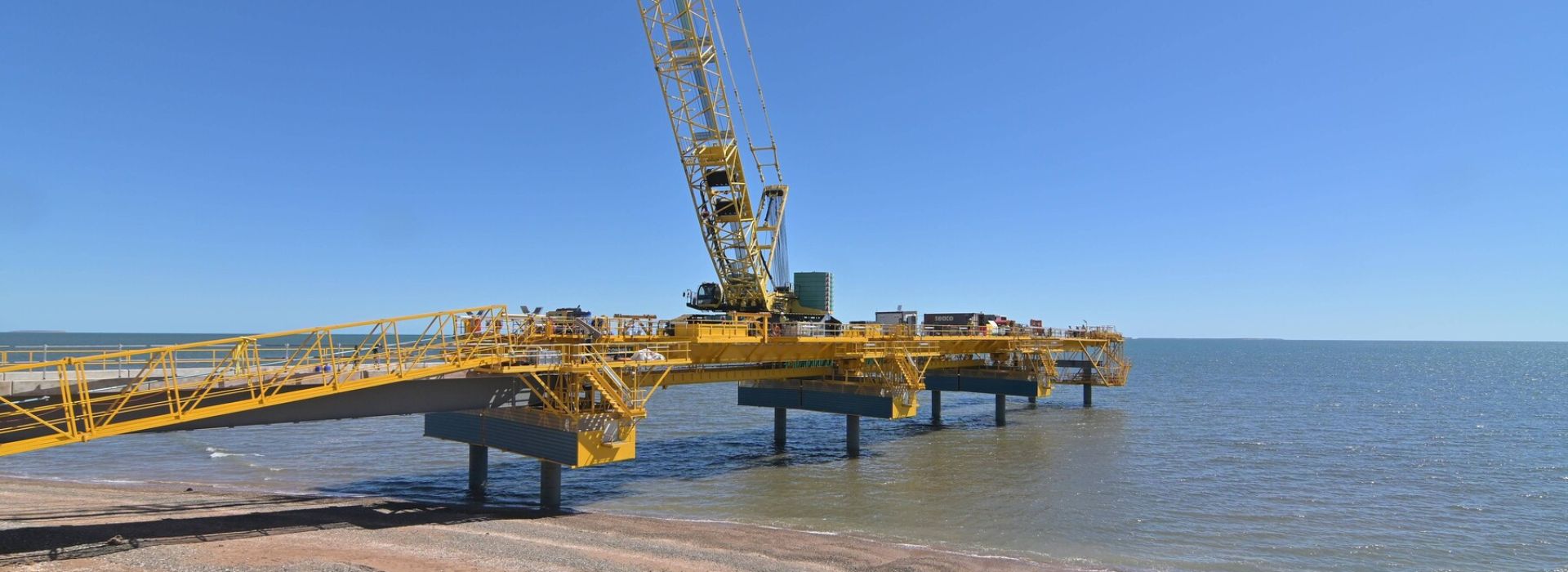
Our 'Canti-Traveller' is a purpose-built temporary mobile platform that facilitates fast, safe, low-impact construction of piled marine jetties and piers.
The innovative system, designed and fabricated by our in-house team, provides a platform for progressively installing new piles, propelling itself along the new jetty alignment using hydraulics.
A piling gate fixed to the front of the Traveller allows pitching and driving of piles in a vertical position. If required it can be used to install raking piles using the gate’s hydraulics. The piling gate also provides a working platform for cutting piles and welding headstocks. Bent spacing can extend to 27 m, and it has a system for changing direction. The traveller supports a 450 tonne crawler crane, if required.
One of the primary advantages of the Canti-Traveller is its minimal ecological impact, not touching the earth except for the permanent piles it both drives and sits atop. Removing the need for marine-borne plant, it also operates independently of marine conditions, offering significant program and cost certainty. This makes the Canti-traveller particularly effective in design and construct projects where the program can be optimized for maximum efficiency.
We have a proven track record of successful installations in environmentally sensitive areas and a reputation for delivering safe, efficient, marine solutions for our customers. The Canti-Traveller reinforces our leadership in marine innovation and construction.
Click on the video to see the Canti-Traveller in action (Hint: It's yellow!). Click here for a more detailed specification.
Low impact marine construction
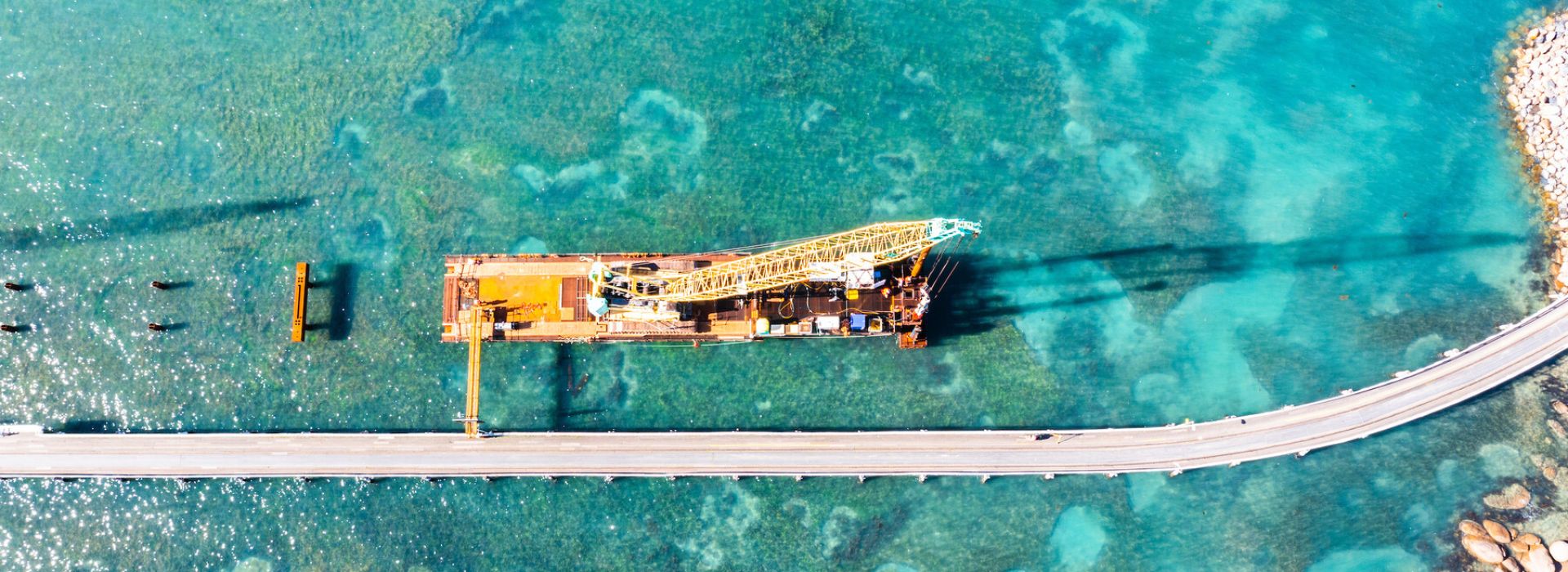
On the Granite Island Causeway Project in South Australia our team used the 'hand over hand' construction method to minimise environmental impacts and ensure delivery on time.
The 'hand over hand' method employs three concurrent work fronts:
- Front one installing the permanent piles
- Front two installing the grouted HDPE sleeves and the precast headstocks
- Front three installing the precast longitudinal girders and decks.
As the structure advances out into the water it acts as a construction platform for the work crews to build the next stage. Each work front takes a similar duration, ensuring maximum certainty in productivity and schedule.
Analysis was conducted on various construction approaches during the tender phase, including the use of jack-up barges or a temporary bridge structure to facilitate construction. However, the 'hand over hand' method was the only one capable of achieving completion by the target date.
The other benefit of the method is its minimal footprint. Minimising the impact on the sensitive marine environment was a key consideration during the tender and design phases of the project.
The adoption of the method, along with the use of precast prestressed deck units which pushed the span out as far as possible, minimised the number of pile driving operations further reducing the impact on the marine environment.
The design and construction methodology was fit-for-purpose and extremely efficient. It resulted in on time and on budget completion and had a low impact on Victor Harbor's rich marine ecology.
World first wharf modularisation
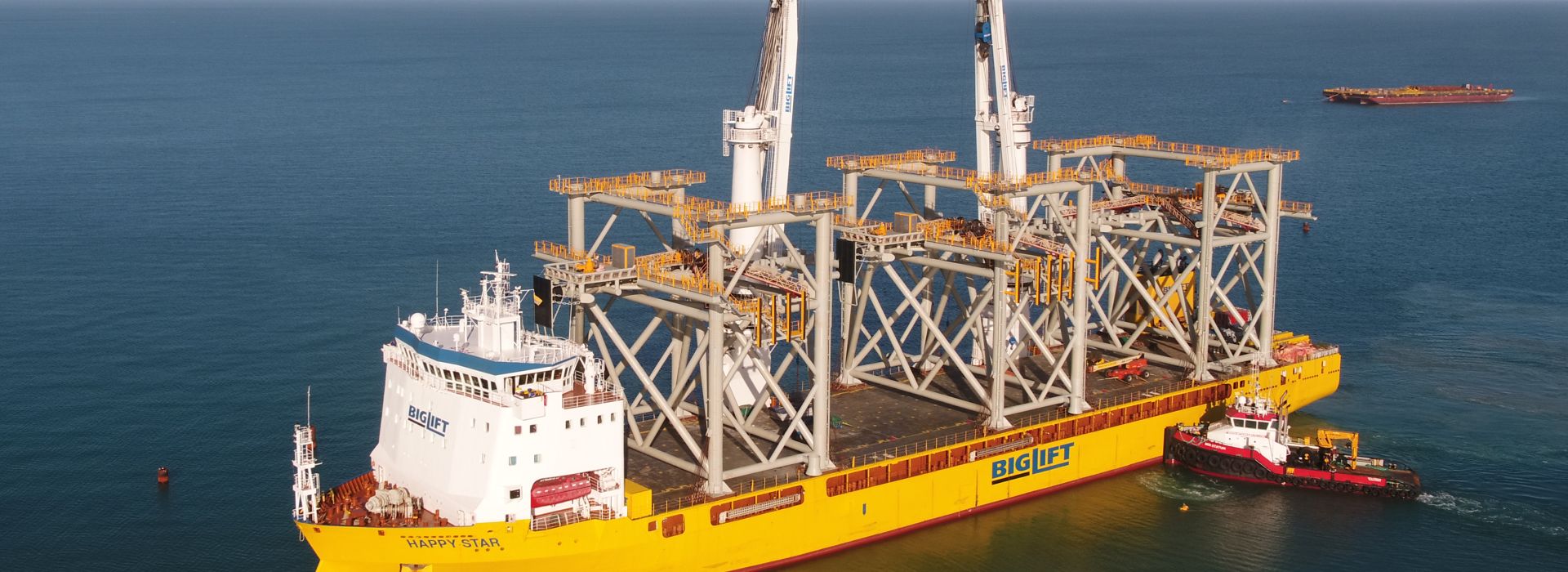
We helped revolutionise the design and construction approach for large-scale marine infrastructure on Rio Tinto's Chith Export Facility project in remote Far North Queensland.
The 350m wharf structure was split into seven, first-of-a-kind ‘jacket’ modules (the substructure) and six topside modules. Weighing approximately 680 tonnes each and standing 30m high, the jacket modules, with integrated dolphins, reduced the number of permanent wharf piles required from 100 to just 28, minimising environmental impact to marine life – a core focus for the Chith Export Facility team.
The wharf topside modules, placed on the jackets, ranged from 600 to 1400 tonnes and were fabricated complete with all services, conveyors, concrete roadways and access walkways.
In true ‘plug and play’ fashion, the modules were delivered and installed by a heavy-lift ship in a safe, clean and efficient operation.
The project, completed in just 10 months, was awarded the Australian Construction Achievement Award by Engineers Australia and the Brunel Medal by the Institute of Civil Engineers (UK).
Closing Text - General, with video, no contacts
Summary
Thank you for taking an interest in McConnell Dowell's skills, capabilities and approach. Additional information is available on our website, including additional project case studies.
Contacts

Claire Tanner
Pre-Contracts Manager SA & WA
M: +61 (0)418 645 297
claire.tanner@mcdgroup.com LinkedIn